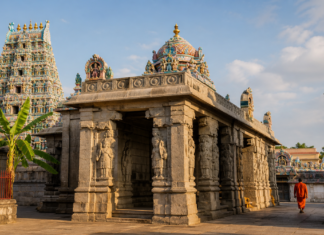


Welcome to our comprehensive 2026 guide for families planning a spiritual journey to the powerful Thiruvenkadu Temple. For generations, families from Hyderabad and across South India have embarked on pilgrimages to Tamil Nadu, seeking divine blessings, peace, and clarity. Whether you are traveling with elderly parents or introducing your children to our rich cultural heritage, organizing a temple run requires thoughtful preparation. Among the most critical details to finalize before your journey are the exact thiruvenkadu temple timings, as traditional South Indian temples follow strict daily routines that dictate when you can have a peaceful darshan.
Known for its unique planetary association, this temple attracts devotees seeking clarity and wisdom. Dedicated to Budhan, or the planet Mercury, this sacred space is deeply revered by those praying for academic success, business growth, and intellectual brilliance. For a middle-class family balancing modern ambitions with deep-rooted traditions, a visit here is often seen as a necessary milestone, especially before major educational or career transitions for the younger generation.
Planning this trip from regions like Telangana, Andhra Pradesh, or Karnataka means navigating language differences, travel logistics, and climate shifts. Our guide is designed to act as your trusted travel companion, providing you with everything from packing essentials to managing the expectations of traveling with family. By aligning your itinerary with the rhythmic daily rituals of the temple, you can ensure your spiritual getaway is both seamless and deeply fulfilling.
“A sacred space where ancient devotion meets celestial alignment, offering a peaceful retreat for families seeking wisdom and clarity.”
At a Glance: Top 5 Things to Know
-
Planetary Significance
Revered globally as the primary shrine dedicated to Budhan (Mercury), governing intellect and communication.
-
Family Friendly
An essential stop for parents praying for their children’s education and future career success.
-
Strict Routines
Like most ancient shrines in the region, the deity rests in the afternoon, making schedule planning crucial.
-
Traditional Attire
Modest, traditional Indian clothing is strictly enforced for all family members to maintain sanctity.
-
Circuit Connectivity
Typically visited alongside other planetary shrines in the surrounding Kaveri delta region.
Introduction
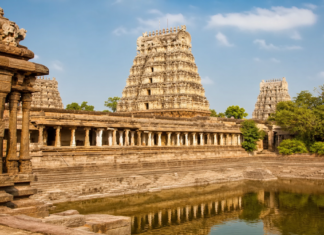
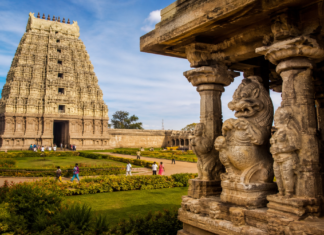
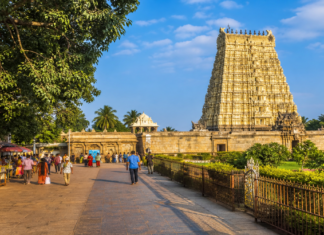
Nestled in the lush, green landscapes of Tamil Nadu, Thiruvenkadu is an architectural and spiritual marvel that commands immense respect. Known for its unique planetary association, this temple attracts devotees seeking clarity and wisdom. In Vedic astrology, Budhan (Mercury) is the governing deity of intellect, eloquence, commerce, and analytical thinking. Consequently, it is a bustling hub for students, artists, and business professionals who come seeking the deity’s benevolent grace.
For South Indian families, especially those traveling from bustling tech hubs like Hyderabad, stepping into the quiet, energy-filled corridors of this shrine is a grounding experience. The sheer antiquity of the stone pillars, the scent of fresh jasmine and camphor, and the rhythmic chanting of ancient mantras create an atmosphere that instantly disconnects you from urban stress. It is not just a place of worship; it is a repository of art, culture, and centuries of unbroken tradition.
As you plan your visit, it is helpful to understand that this shrine is part of a larger, incredibly famous circuit of planetary temples. Many families choose to dedicate a multi-day itinerary to cover these sites, soaking in the distinct spiritual vibration each one offers. By carefully mapping out your route and understanding the local customs, your family can enjoy a transformative journey that bridges the gap between ancient faith and modern life.
Thiruvenkadu Temple Timings & Rituals
Understanding the rhythm of a traditional South Indian temple is the single most important factor for a successful pilgrimage. The daily rituals are broken down into specific periods of worship, known as Kalas, which include the awakening of the deity, mid-morning offerings, evening rituals, and the nighttime closing ceremonies. Knowing the thiruvenkadu temple timings ensures you do not arrive during the afternoon closure, a common mistake made by first-time visitors from other states.
During the opening hours, devotees can participate in various poojas and abhishekams. The morning hours are generally considered highly auspicious and offer a cooler climate, making it easier for elderly family members to navigate the stone courtyards. Evening visits provide a completely different ambiance, with the temple illuminated by oil lamps, creating a deeply mystical and calming environment perfect for quiet meditation.
Because these ancient institutions adhere strictly to agamic traditions, schedules can occasionally shift due to solar or lunar eclipses, special festive days, or administrative updates. Therefore, we must strongly advise our readers: Verify current opening and closing timings from the temple’s official management or local priests before your visit. This simple step can save your family from the disappointment of facing closed doors after a long journey.
Latest Updates & 2026 Facilities
The landscape of religious tourism in Tamil Nadu is constantly evolving, with ongoing efforts by local boards to improve the pilgrim experience. Over the last few years, many heritage sites have seen substantial upgrades in terms of crowd management systems, shaded queuing areas, and improved sanitation facilities. These enhancements are especially beneficial for solo travelers and families with young children who require better infrastructure during their visits.
While the core spiritual experience remains blissfully unchanged, the administrative aspects of visiting frequently undergo modernizations. This might include new guidelines for special darshan queues, digital booking systems for specific rituals, or changes in vehicle parking locations to preserve the structural integrity of the ancient temple cars and surroundings.
To ensure a smooth trip, it is vital to stay informed about the current ground reality. As of 2026, visitors are advised to check local notice boards at the temple entrance for the most recent updates on festival protocols and facility upgrades. Relying on on-the-ground information upon arrival is the safest way to navigate any new changes implemented by the temple authorities.
Upcoming Festivals & Events (Next 6 Months)
Festivals in South Indian temples are grand, vibrant, and deeply emotional affairs. The temple calendar is dictated by the Tamil lunar months, meaning that the dates of major celebrations shift slightly every year on the Gregorian calendar. During these peak periods, the temple complex comes alive with traditional music, majestic chariot processions, and special decorative alankarams for the deities, drawing massive crowds from all over the country.
Attending a festival can be the highlight of your spiritual trip, offering a glimpse into the passionate devotion and cultural richness of the region. However, festival days also mean navigating significantly larger crowds, tighter security protocols, and longer wait times for darshan. Families traveling with seniors or infants must weigh the joy of the festival atmosphere against the physical demands of the peak crowd.
Because the exact dates and schedules for these grand events are subject to the astrological calendar and local administrative decisions, we cannot provide a fixed list of dates. Contact the temple office directly to inquire about the specific dates for upcoming festivals in the next 6 months. Alternatively, you can consult a trusted local priest or the official Hindu Religious and Charitable Endowments (HR&CE) website for the latest regional updates.
How to Reach Thiruvenkadu
Navigating the Delta region of Tamil Nadu requires a bit of strategic planning, especially if you are traveling from distant cities like Hyderabad or Bangalore. The temple is situated in a serene village, away from the immediate hustle and bustle of major metropolitan hubs. Most families prefer to make a nearby larger town their base camp, combining their visit here with a broader exploration of the area’s spiritual offerings.
- By Air: For those preferring to fly, checking flight connectivity to the nearest major regional airports is the first step. You will generally need to hire a reliable taxi from the airport to complete the journey into the delta region. Please verify current flight routes and airport distances from official sources before booking.
- By Train: The Indian Railways network connects the southern states quite efficiently. Many pilgrims prefer taking an overnight train to a major nearby junction to rest before starting their temple circuit early in the morning. Verify train schedules, station codes, and seat availability on the official IRCTC portal before your visit.
- By Road: A road trip through the Tamil Nadu countryside offers stunning views of paddy fields and ancient architecture. Whether you are driving your own vehicle or hiring a cab from a nearby hub, the highways are generally well-maintained. Always verify current road conditions and local highway routes from official sources or maps before commencing your drive.
If you are traveling as a group, booking a dedicated private vehicle for the duration of your trip is often the most comfortable option. This allows you to manage your own schedule, store your luggage safely while you are inside the shrines, and provide a comfortable resting space for children and seniors between temple hops.
Travel Tips for Families from Hyderabad/South India
Taking a family from the Deccan Plateau down into the coastal delta regions of Tamil Nadu requires some lifestyle adjustments. The food, the climate, and the local languages shift noticeably. For Telugu-speaking travelers, finding a local guide or cab driver who speaks English or basic Telugu can drastically improve the quality of your trip, ensuring smooth communication at eateries and accommodations.
Best Time to Visit: The tropical climate of the region can be intense. Based on general regional weather, winter months are often preferred by pilgrims. Planning your visit between late autumn and early spring usually guarantees cooler mornings and pleasant evenings, minimizing fatigue.
Dress Code: Traditional temples enforce a strict code of modesty to preserve the sanctity of the environment. Men are generally expected to wear a dhoti (pancha) and may be asked to remove their upper garments in certain inner sanctums. Women should opt for sarees, half-sarees, or modest kurtis with dupattas. Shorts, sleeveless tops, and modern activewear are strictly prohibited, and you may be denied entry if not appropriately dressed.
Accommodation: Because the immediate vicinity of the temple is rural, luxury stays right at the doorstep might not be available. We highly advise checking online travel aggregators for hotels in the nearest town/city. Establishing a base in a town with good dining options and medical facilities is the smartest strategy for families with varying needs.
Pro Tip: What to Pack
Carry a dedicated “temple bag” containing a water bottle, wet wipes, small change for offerings, and a cloth bag to carry your footwear, as leaving expensive shoes outside crowded entrances can be risky. Amazon India Travel Essentials
Reality Check
While the spiritual rewards of this journey are immense, it is important to set realistic expectations for your family. This is an ancient, rural temple, not a modern tourist resort. Facilities for the physically challenged, such as ramps or specialized wheelchairs, might be limited or absent. The stone floors become incredibly hot by midday, making barefoot walking difficult for young children and those with sensitive feet.
Furthermore, on highly auspicious days or weekends, the crowds can be overwhelming. The queuing system might lack the organized structure you find in massive, highly commercialized shrines. You may encounter aggressive local vendors selling pooja items or overly persistent unofficial guides. Maintaining a calm demeanor, negotiating clearly, and keeping a close eye on your belongings will help you navigate these minor inconveniences smoothly.
If you are someone who expects flawless luxury, immediate service, and absolute silence, a popular functioning South Indian temple might test your patience. However, if you embrace the vibrant, chaotic, and deeply emotional devotion of the local culture, you will find the experience incredibly enriching.
Safety Tips for Travelers
- Hydration is Key: The regional heat and humidity can cause rapid dehydration. Always carry clean, filtered water for your family.
- Secure Valuables: Crowded festival days are prime environments for pickpockets. Keep jewelry to a minimum and secure wallets in hidden pouches.
- Protect Your Feet: Since footwear is not allowed inside, try to visit during the cooler morning or evening hours to avoid burning your soles on the sun-baked stone.
- Guide Elders Carefully: The ancient stone steps can be uneven or slippery, especially near the temple tanks or areas where water is used for rituals.
- Use Official Channels: Always purchase pooja tickets and make donations at the official temple counters rather than handing money to unverified individuals.
Get Free Travel Tips in Your Inbox
Join fellow Indian travelers who get our best destination guides, budget tips, and hidden spots delivered every week. No spam. Just good travel content.
Frequently Asked Questions
What is the primary significance of this temple for devotees?
This shrine is deeply intertwined with the planet Mercury (Budhan) in Vedic astrology. Devotees from all walks of life, especially students and business professionals, visit to seek blessings for enhanced intelligence, better communication skills, and success in commerce and education. It is considered a powerful site for those wishing to overcome astrological doshas related to this specific planet.
Is it easy to find vegetarian food suited for Telugu travelers nearby?
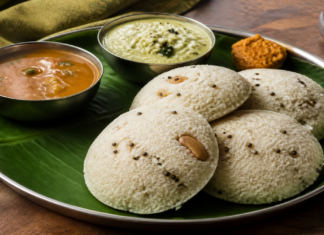
Tamil Nadu is famous for its exceptional vegetarian cuisine. While you will easily find pure vegetarian eateries (often called “Bhavans” or “Vilas”), the flavor profile is distinctly Tamil—less spicy than typical Andhra food and featuring a heavier use of coconut and local sambar spices. Most families adapt quickly, and the hot, fresh idlis, dosas, and pongal are usually a big hit with children.
Can we complete the entire Navagraha circuit in one day?
While it is geographically possible to drive past many of them, completing the entire nine-temple circuit in a single day is practically impossible and highly exhausting. Each shrine has its own unique rituals, waiting times, and afternoon closure periods. For a meaningful and stress-free experience, we recommend splitting the circuit over two to three days, allowing ample rest for your family.
How should we prepare young children for the temple visit?
Preparation is key when traveling with kids. Dress them in comfortable, breathable cotton traditional wear. Brief them about the rules: staying quiet, not running in the corridors, and keeping their shoes outside. To keep them engaged, tell them the mythological stories associated with the deities before you enter. Always carry a small snack and water, as waiting in lines can make them cranky.
Are cameras and mobile phones allowed inside the premises?
Like many ancient, high-security religious sites in South India, photography inside the inner sanctum is strictly prohibited to maintain the spiritual decorum and security of the idols. While you might be allowed to carry your phone switched off in your pocket, taking pictures of the main deity is forbidden. You can generally take photos of the outer architecture, but always look for signage or ask a guard to avoid heavy fines or confiscation.
This post contains affiliate links. If you book through our links, we may earn a small commission at no extra cost to you. This helps us keep travellerkaka.com free for everyone.
Plan Your Trip with Us
Have questions about this destination? We would love to help you plan the perfect trip. For more insights into exploring the shiva temples in kumbakonam and surrounding areas, reach out to our team.
Chat with us on WhatsApp or email us at info@travellerkaka.com