

Kanchipuram Idli: The Story Behind Tamil Nadu’s Famous Steamed Delicacy
Think of South Indian food, and the humble idli is probably the first thing that comes to mind. But if you think all idlis are just plain, white, and mildly flavored, then the legendary Kanchipuram idli will completely change your perspective. Born in the ancient temple kitchens of Kanchipuram, this is not just an everyday breakfast item; it is a centuries-old culinary tradition packed with bold spices and pure devotion.
For food lovers traveling from Hyderabad or other parts of South India, discovering this unique prasadam is an absolute revelation. Unlike the soft, pillowy white idlis you find in standard Udupi hotels, this specific variety is robust, heavily spiced with crushed black pepper and dry ginger, and traditionally steamed in fragrant leaves. It offers a rich sensory experience that connects directly to the region’s royal and spiritual heritage.
If you are planning a trip down to Tamil Nadu, tasting this authentic steamed delicacy should be at the very top of your itinerary. Let us dive deep into the fascinating story, the secret preparation methods, and exactly where you can find the best authentic version of this iconic dish on your next spiritual and culinary journey.
Latest Updates (2026)
- Check the official HRCE website for live updates on temple darshan and prasadam timings before planning your morning visit.
- Road expansion works on the Chennai-Kanchipuram highway are ongoing; plan for slight travel delays if driving.
“The Kanchipuram idli is a masterclass in slow cooking and devotion, where every bite carries the warm, peppery history of Tamil Nadu’s ancient temple kitchens.”
The Origins of the Legendary Kanchipuram Idli
Every iconic dish has an origin story, and for this heavily spiced delicacy, the roots go deep into temple traditions. Kanchipuram, often referred to alongside Kumbakonam as a major temple city of tamilnadu, is famous worldwide for its magnificent silk sarees. However, its temple kitchens have secretly guarded one of the most exquisite breakfast recipes for hundreds of years. The dish was originally created purely as an offering to the deities, made with locally sourced spices and rich, unadulterated ghee.
Historically, temple cooks required a substantial food item that could last for days without spoiling, especially during grand religious festivals where thousands of devotees would gather from far-off villages. The heavy use of spices like black pepper and dry ginger acts as a potent natural preservative. The slow-steaming process ensures that the food remains fresh and flavorful for up to two or three days, making it the ultimate travel food for pilgrims in the olden days.
Today, finding the authentic version outside the temple town is quite rare. While many modern restaurants in metro cities attempt to replicate the recipe, the original preparation involves specific wood-fired steaming techniques that impart a distinct earthy aroma. For anyone deeply interested in the culinary heritage of South India, understanding this history makes the tasting experience immensely more rewarding.
The Secret Ingredients: What Makes It Different?
If you are used to the simple, finely ground rice and urad dal batter of a standard breakfast idli, the ingredient list here will completely surprise you. The magic lies in the heavy tempering. The thick batter is mixed with coarsely crushed black pepper, whole cumin seeds, finely chopped ginger, and fresh curry leaves. But the star ingredient that truly elevates the flavor profile is the generous pouring of pure melted ghee right into the mix.
Another crucial element is the addition of dry ginger powder, locally known as sukku. This not only gives the dish a warm, spicy kick but also significantly aids in digestion. Some traditional family recipes even call for a pinch of asafoetida (hing) and fenugreek seeds, which add layers of complex savory notes. When you take your first bite, the burst of pepper and the richness of ghee create a melt-in-the-mouth texture that is completely unique.
The batter itself is also quite different in consistency. It is traditionally ground much coarser than regular batter, giving the final product a crumbly, cake-like texture rather than a spongy one. This coarse texture allows the melted ghee and spices to seep into every tiny pocket, ensuring that absolutely no bite is ever bland.
The Spiritual Connection: Sri Varadharaja Perumal Temple
You simply cannot talk about this delicacy without paying homage to the Sri Varadharaja Perumal Temple. Just as the meenakshi amman temple is the spiritual heart of its respective city, the Varadharaja Perumal Temple is the undisputed soul of Kanchipuram. The most authentic version of this spiced idli is offered daily as prasadam (holy offering) to the main deity here.
The temple kitchen, known as the madapalli, follows ancient agamic traditions that dictate exactly how the food must be prepared. The dedicated cooks, who have inherited this massive responsibility over generations, use huge brass vessels and traditional firewood stoves. The batter is poured into long, cylindrical bamboo baskets lined with Mandharai (Bauhinia) leaves, which infuse a subtle, woody fragrance into the food as it steams.
To be very honest with you, getting your hands on the actual temple prasadam requires a bit of timing, patience, and luck. Devotees line up very early in the morning and during special puja timings to receive a piece of this divine offering. For many spiritual travelers, tasting the prasadam straight from the temple kitchen is the primary reason for their visit, far exceeding the appeal of commercial restaurant versions.
Traditional Preparation and The Mandharai Leaf
One of the most fascinating aspects of this dish is its traditional cooking vessel. In our modern homes, we usually steam batter in stainless steel or aluminum molds. However, the authentic Kanchipuram method completely skips the metal molds. Instead, the seasoned batter is poured into cups made from dried Mandharai leaves, which are meticulously pinned together with tiny bamboo splinters.
These beautiful leaf cups are then placed in a large traditional steamer and cooked over a slow wood fire for nearly two to three hours. This prolonged, gentle cooking time is exactly what gives the idli its signature dense, cake-like texture and its beautiful pale yellow hue. The Mandharai leaves are not just eco-friendly wrappers; they impart a unique, earthy flavor that is mathematically impossible to replicate in a modern electric steamer.
When you unwrap the leaf, the aroma of hot ghee, roasted pepper, and the baked leaf itself hits your senses instantly. It is a brilliant example of ancient Indian culinary wisdom, where every single element of the cooking process contributes directly to the final flavor and nutritional value of the food.
The Role of Idli in South Indian Culture
To truly appreciate the uniqueness of this temple variant, one must first understand the fundamental role of the standard idli in South Indian households. For generations, this simple steamed cake of fermented rice and dal has been the definitive comfort food across Tamil Nadu, Karnataka, Andhra Pradesh, and Telangana. It is routinely the first solid food given to babies and the safest, most comforting meal for the elderly, revered for its digestive ease.
However, the basic white idli was traditionally considered everyday domestic food, meant to be paired with complex side dishes to give it character. The spiced Kanchipuram variant, on the other hand, was explicitly designed for a higher purpose. By infusing it with expensive spices and pure ghee, the temple cooks successfully transformed a humble breakfast staple into a rich, celebratory dish fit for divine offering.
This beautiful transformation reflects a broader aspect of South Indian culture, where food is deeply intertwined with spirituality. Prasadam is not merely meant to satisfy physical hunger; it is meant to nourish the soul. The meticulous preparation, the strict hygiene protocols in the temple kitchens, and the use of premium local ingredients all contribute to the spiritual weight of the meal.
Kanchipuram Idli vs Regular Idli: A Flavor Comparison
Comparing this temple delicacy to a regular breakfast idli is honestly like comparing a rich plum fruit cake to a plain vanilla sponge. Regular idlis are intentionally designed to be a neutral canvas, relying entirely on side dishes like hot sambar and fresh coconut chutney for flavor. They are soft, bright white, and mildly fermented.
In stark contrast, the temple-style idli is a standalone culinary masterpiece. Thanks to the heavy tempering of spices and ghee, it requires absolutely no accompaniments. In fact, many local purists argue that dipping it in sambar ruins the complex flavor profile. If anything, a simple, fiery milagai podi (gunpowder) mixed with cold-pressed sesame oil is the only acceptable side dish.
Furthermore, the visual difference is incredibly striking. While regular idlis are round and flat, the authentic Kanchipuram version is often steamed in a tall cylindrical shape and then sliced into thick, hearty rounds before serving. The color is typically a pale yellow or light brown, heavily speckled with dark spots of crushed black pepper and roasted cumin.
Best Places to Eat Kanchipuram Idli in Town
While the temple prasadam is the ultimate goal, not everyone can manage the strict timing to get it. Fortunately, several traditional eateries in the town have perfected the art of making this specific dish. As you walk through the bustling temple streets, the rich aroma of ghee will guide you to small, unassuming mess halls that have been serving hungry pilgrims for decades. Prices subject to change, but they remain highly affordable.
When looking for the best local spots, do not hesitate to ask the local silk weavers or auto drivers; they always know the true hidden gems. Many of these traditional family-run restaurants only serve this special item on specific days of the week or during early morning hours. It is highly recommended to arrive before 8:00 AM, as the fresh batches sell out incredibly fast.
If you are planning an extended trip across the state and wondering how to reach madurai or other southern cities after your visit here, starting your long travel day with a heavy, satisfying breakfast of these spiced idlis will definitely keep you energetic for the journey ahead.
Combining Your Food Trail with Tamil Nadu’s Heritage
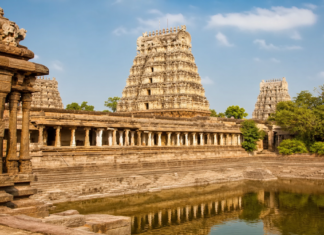
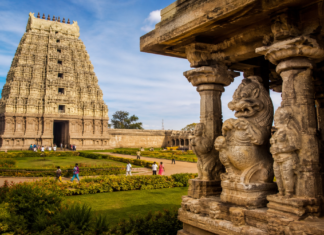
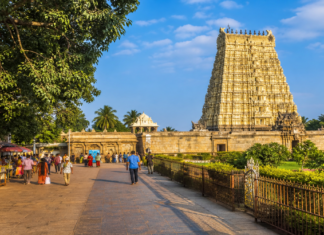
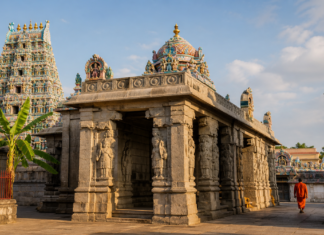
A trip to taste this famous delicacy is perfectly paired with exploring the magnificent stone architecture of the region. Kanchipuram is proudly known as the city of a thousand temples, boasting incredible ancient stone carvings and massive towering gopurams. After your heavy breakfast, you can comfortably spend hours walking through vast stone corridors that have stood the test of time.
For those interested in deep history, the town offers a masterclass in Dravidian architectural style. You can see the beautiful evolution of temple building, much like how visitors explore the rich, layered history of old madurai. The grand sculpted pillars, the intricate wall carvings, and the peaceful, lotus-filled temple tanks provide a serene backdrop to your culinary adventure. For more details on state tourism initiatives, you can explore the official Incredible India portal.
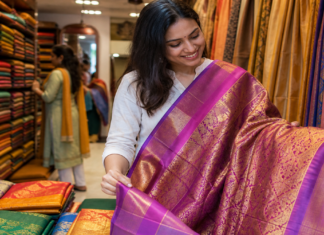
Don’t forget to visit the local silk weaving units in the late afternoon. Watching the skilled artisans manually weave pure gold zari into vibrant Kanjeevaram sarees is a truly mesmerizing experience. The combination of divine food, ancient temples, and master craftsmanship makes this town a holistic destination for South Indian families.
Planning a Culinary Trip from Hyderabad
For travelers coming from Hyderabad or other major southern cities, planning a trip to Kanchipuram is quite straightforward. The absolute easiest way is to take a quick flight or an overnight train directly to Chennai. From Chennai, the historic temple town is just a short, comfortable drive away. You can easily hire a private taxi or hop on one of the frequent state-run air-conditioned buses. If you prefer train travel, check availability on the IRCTC official website.
If you prefer a highly structured itinerary, you might want to look into various tamilnadu temple tour packages that include Kanchipuram as a primary overnight stop. These packages often handle the local transportation and accommodation, leaving you totally free to focus entirely on the spiritual and culinary experiences without any logistical stress. Costs vary by season and choice of stay — check live rates before booking.
When packing for the trip, remember that the region can get quite hot and humid, especially during the peak summer months. Breathable cotton clothing, very comfortable walking shoes for the large temple complexes, and a good reusable water bottle are absolutely essential. The best time to visit is undoubtedly during the cooler winter months between November and February.
Ideal Itinerary for a Weekend Getaway
To make the most of your trip, start your first day incredibly early. Head straight to the Varadharaja Perumal Temple by dawn to witness the beautiful morning rituals and stand in line for the authentic prasadam. The peaceful morning atmosphere inside the massive stone corridors is something you will remember forever.
Similar to planning a perfect madurai itinerary, organizing your main temple visits early in the morning leaves your afternoons perfectly free for cultural exploration. Spend the rest of the day exploring the Kamakshi Amman Temple and the Ekambareswarar Temple. For lunch, try a traditional Tamil vegetarian thali meals served on a fresh banana leaf at a local mess.
On your second day, focus entirely on the town’s secondary claim to fame: pure silk. If you love traditional shopping, much like hunting for madurai famous things to buy, purchasing a Kanjeevaram silk saree straight from the weavers is a must-do. Wrap up your weekend with one final serving of the spicy idlis before heading back for your return journey.
- Day 1 — Morning: Visit Varadharaja Perumal Temple early for darshan and prasadam.
- Day 1 — Afternoon: Explore Kamakshi Amman Temple and enjoy a traditional banana leaf lunch.
- Day 1 — Evening: Visit Ekambareswarar Temple and relax by the ancient temple tank.
At a Glance: Top 5 Things to Know
-
Unique Spices
The batter is heavily tempered with crushed black pepper, cumin, and dry ginger.
-
Mandharai Leaves
Traditionally steamed in dried leaf cups which impart a distinct woody aroma.
-
Temple Origins
Created in the ancient kitchens of the Sri Varadharaja Perumal Temple as a holy offering.
-
Long Shelf Life
The spices and slow steaming allow the food to stay fresh for a couple of days.
-
Rich Ghee Base
Generous amounts of pure ghee give it a rich, crumbly, cake-like texture.
Upcoming Festivals & Events
Festival dates follow the traditional lunar calendar and can shift slightly each year. The grand Brahmotsavam is a major event where the temple kitchens operate at full scale, but please confirm exact dates on the official temple calendar before you travel to avoid missing out.
Reality Check
While the rich history and unique flavor profile of this dish are fascinating, it is very important to manage your expectations before traveling purely for food. True authentic temple prasadam is notoriously difficult to secure. It is not sold continuously like standard restaurant food; it is an offering given at specific times, and the crowds can be overwhelming, especially during festival days and weekends.
Additionally, the heavy use of ghee and strong spices like black pepper and dry ginger might not appeal to everyone’s palate. If you strictly prefer the light, airy texture of regular white idlis, the dense and crumbly nature of this version might feel a bit heavy. It is also not an ideal everyday breakfast if you are currently watching your calorie intake.
Finally, the town of Kanchipuram is primarily a bustling pilgrimage and weaving center. Do not expect modern luxury cafes, spotless sidewalks, or fine-dining experiences. The best food is always found in humble, crowded mess halls where you might have to share a table with strangers. Embrace the beautiful chaos, and you will find the experience deeply rewarding.
Safety Tips for Travelers
- Always carry bottled water, as the temple towns can get very hot and humid during the day.
- Dress modestly when visiting the temples; traditional Indian attire is highly recommended and sometimes mandatory.
- Keep your belongings secure in crowded temple lines to avoid minor pickpocketing incidents.
- Confirm the authenticity of silk sarees by strictly checking for the official Silk Mark tag before purchasing.
- Avoid eating cut fruits or drinking unboiled water from street vendors to prevent waterborne stomach issues.
Nearby Places to Explore
If you have some extra time in your itinerary, these fantastic destinations make for excellent day trips.
- Mahabalipuram — approx. 65 km, 1.5 hours — Famous for its ancient rock-cut shore temples and beautiful sandy beaches.
- Chennai — approx. 75 km, 2 hours — The bustling capital city known for Marina Beach, rich culture, and shopping.
- Vellore — approx. 70 km, 1.5 hours — Home to the impressive historical Vellore Fort and the glittering Golden Temple of Sripuram.
Get Free Travel Tips in Your Inbox
Join fellow Indian travelers who get our best destination guides, budget tips, and hidden spots delivered every week. No spam. Just good travel content.
Frequently Asked Questions
Why is Kanchipuram idli yellow in color?
The distinct pale yellow or light brown color comes from the specific spices used, such as dry ginger powder and roasted cumin, as well as the slow-steaming process inside the Mandharai leaves over a traditional wood fire.
Can I get authentic Kanchipuram idli outside the temple?
While the exact divine temple prasadam is only available inside the Varadharaja Perumal Temple, several traditional, decades-old restaurants in Kanchipuram town serve excellent commercial versions that very closely replicate the original recipe.
How long does this idli stay fresh?
Thanks to the heavy use of spices and pure ghee, which act as excellent natural preservatives, a properly prepared traditional Kanchipuram idli can easily stay fresh at room temperature for up to two or three days, making it great travel food.
What is the best side dish for it?
Because it is already heavily spiced and rich in ghee, many locals prefer to eat it completely plain. However, a spicy milagai podi (gunpowder) mixed with cold-pressed sesame oil is considered the perfect traditional accompaniment. Sambar is generally avoided.
Is Kanchipuram worth visiting just for food?
While the food is undeniably incredible, a trip solely for eating might feel a bit incomplete. The town’s true charm lies in combining the culinary experience with exploring its magnificent ancient temples and witnessing the intricate silk weaving process firsthand.
This post contains affiliate links. If you book through our links, we may earn a small commission at no extra cost to you. This helps us keep travellerkaka.com free for everyone.
Plan Your Trip with Us
Have questions about this destination? We would love to help you plan the perfect trip.
Chat with us on WhatsApp or email us at info@travellerkaka.com