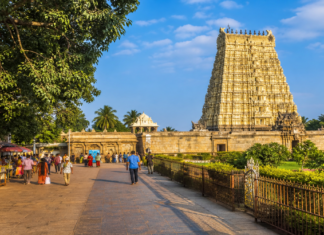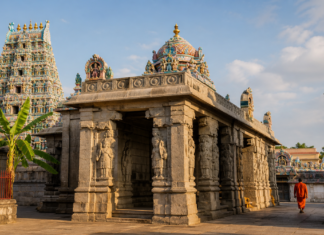


Legal battles in India can drain your finances, time, and emotional well-being. For middle-class families navigating property disputes, civil suits, or long-standing litigations, the courtroom often feels like an endless maze. But in South India, faith offers a powerful sanctuary. This brings us to the vazhakarutheeswarar temple kanchipuram, a unique and highly revered shrine dedicated entirely to seeking divine intervention for court cases and legal troubles.
Located in the heart of Tamil Nadu’s spiritual capital, this temple draws thousands of devotees from Hyderabad, Chennai, and beyond. They come not for grand festivals or architectural tourism, but with heavy files of legal documents, seeking the ultimate verdict from Lord Shiva. Here, faith takes the witness stand, and believers trust that the deity will cut through the red tape and deliver justice.
Whether you are planning a dedicated pilgrimage or adding this stop to your broader tamilnadu temple tour packages, visiting this specific shrine requires an understanding of its unique customs. In this comprehensive guide, we will walk you through everything you need to know to plan a meaningful and stress-free visit to this powerful temple.
“In a city of a thousand shrines, this is the one where divine justice prevails over earthly courtrooms, offering peace to weary litigants.”
The Legend of Vazhakarutheeswarar
To understand the power of this temple, you have to look at its name. In Tamil, “Vazhakku” means a legal case, dispute, or litigation. “Aruthu” translates to destroying, cutting, or resolving, and “Eswarar” refers to Lord Shiva. Therefore, the presiding deity is literally worshipped as the “Lord who resolves legal disputes.” For generations, locals and travelers have passed down stories of miraculous verdicts and sudden out-of-court settlements happening shortly after a sincere visit here.
The mythology surrounding the temple suggests that even celestial beings and ancient kings sought the counsel of this specific manifestation of Lord Shiva to resolve complex moral and legal dilemmas. While Kanchipuram is known globally as a major spiritual hub, often compared to other great centers like the temple city of tamilnadu, this particular shrine maintains a highly focused, purpose-driven atmosphere.
You will not find casual tourists here taking selfies. Instead, the corridors are filled with anxious individuals, often accompanied by their families, carrying photocopies of court summons, property deeds, and legal petitions. The collective energy is one of deep surrender, where the complexities of the Indian penal code are temporarily handed over to a higher power.
Why Devotees Flock Here
The primary draw is the profound psychological and spiritual relief the temple offers. Legal battles often isolate families, causing immense stress. Standing before the sanctum provides a sense of shared burden. Devotees believe that lighting a lamp here clears the karmic blockages causing the legal delays. Many practicing lawyers from the Madras High Court and district courts also visit the temple to seek blessings before taking on complex or high-stakes cases.
Just as pilgrims flock to shiva temples in kumbakonam for various dosha nivaranas (remedies), the journey to Kanchipuram for this specific deity is considered a specialized spiritual remedy. The faith is so deeply rooted that a successful court resolution is almost always followed by a return trip to perform a thanksgiving pooja.
Temple Rituals and Worship Procedures
Worshipping at this temple is a highly specific process. Unlike a general temple visit where you might offer a coconut and leave, devotees seeking legal relief follow prescribed rituals. While specific costs and exact timings vary and should be checked via official sources before your trip, the general procedure involves offering specific items to the deity.
Most devotees are advised to bring a photocopy of their ongoing court case documents. During the pooja, these documents are placed at the feet of the deity. The priest performs an archana (special prayer) in the name and birth star (nakshatra) of the person involved in the litigation. It is a deeply moving sight to witness stacks of legal papers resting near the sanctum, symbolizing the surrender of human struggles to divine will.
A common practice is lighting ghee lamps. Often, devotees are instructed to visit the temple for a set number of continuous weeks—typically on Mondays, which are highly auspicious for Lord Shiva. If you are traveling from cities like Hyderabad or Bangalore, making weekly visits might be impossible, so special one-time comprehensive poojas can be arranged by speaking directly with the temple authorities.
Pro Tip: What to Pack
Carry a clear, neat photocopy of your court documents. Do not bring original property deeds or sensitive legal papers to the crowded temple to avoid losing them. Wear traditional, modest clothing (dhoti for men, saree/salwar for women). Amazon India Travel Essentials
Planning Your Trip to Kanchipuram
Kanchipuram is well-connected by road and rail, making it an accessible weekend trip from most southern cities. If you are driving from Chennai, the journey takes just under two hours depending on traffic. For travelers coming from Hyderabad, taking a flight or an overnight train to Chennai and then hiring a taxi to Kanchipuram is the most comfortable route.
When planning your transit, you might research logistics much like you would figure out how to reach madurai. The key is to arrive early in the day. Kanchipuram gets extremely hot by mid-morning, especially during the summer months, and navigating the narrow temple streets is much easier before the crowds swell. Since costs vary by season and your choice of stay, check live rates for accommodations online before booking your trip.
Accommodation in Kanchipuram ranges from basic pilgrim lodges to decent mid-range hotels. If you prefer premium luxury, staying in Chennai and doing a day trip is a highly recommended strategy for families with elderly members or small children.
Location Map
Reality Check
While the spiritual promise of the temple is immense, the physical experience requires patience. This is an active, highly visited shrine, not a quiet archaeological monument. On auspicious days, especially Mondays and Pradosham days, the crowds can be overwhelming. You will likely face long queues, and the sanctum area can get quite claustrophobic.
Parking is another major challenge. The temple is located in a congested part of Kanchipuram with narrow, bustling streets. If you are bringing your own car or a hired taxi, you may have to park a significant distance away and walk, or take a local auto-rickshaw to the temple entrance. Additionally, the administrative facilities are basic—do not expect high-end waiting halls or air-conditioned queue lines.
Finally, beware of unofficial guides and touts who may approach you outside the temple offering “guaranteed” fast-track poojas for your court cases. Always approach the official temple counter or the authorized priests inside the sanctum for any special rituals. Your faith is what matters, not how much you pay a middleman outside.
- Day 1 — Morning: Arrive in Kanchipuram early (by 7:00 AM). Visit the Vazhakarutheeswarar Temple first to complete your legal relief poojas before the heat and crowds peak.
- Day 1 — Afternoon: Enjoy a traditional South Indian thali meal. Visit the magnificent Ekambareswarar Temple and the Kamakshi Amman Temple to complete your spiritual circuit.
- Day 1 — Evening: Explore the local silk weaving units. Purchase authentic Kanchivaram sarees directly from the weavers before heading back to your hotel or returning to Chennai.
If you have previously structured a trip using our madurai itinerary, you will know that balancing temple visits with adequate rest is crucial in Tamil Nadu’s climate. The same rule applies here. Do not pack too many temples into a single afternoon.
Watch Out
Beware of silk saree touts who might follow you from the temple exits. Only buy silk from government-approved cooperative societies or highly reputed showrooms to avoid falling for fake synthetic blends.
Beyond the Temple: Understanding Kanchipuram
A visit for court case relief is often intense and emotional. Once your poojas are completed, taking time to absorb the rest of Kanchipuram can be deeply grounding. The city is one of the seven Moksha Puris (cities of salvation) in Hinduism and offers a staggering array of architectural marvels that date back to the Pallava and Chola dynasties.
Much like a specialized navagraha temple trip focuses on planetary alignments, a Kanchipuram trip can balance the specific legal-relief worship with broader spiritual peace. Walking through the massive pillared halls of the nearby ancient shrines offers a perspective on time and history that can make personal legal troubles feel a little less overwhelming.
For official tourism guidelines, heritage maps, and approved guide contacts, you can always refer to the Tamil Nadu Tourism official portal or check out Incredible India before your journey.
Safety Tips for Travelers
- Stay Hydrated: Kanchipuram is notorious for its sweltering heat. Carry bottled water and drink fresh coconut water available outside the temple complexes.
- Secure Valuables: Keep your wallet, phone, and original legal documents secure in a zipped cross-body bag. Pickpocketing can happen in dense crowds.
- Footwear Management: You must leave footwear outside. If visiting multiple temples, leave them in your vehicle to save time, or use the official temple shoe racks rather than leaving them randomly on the street.
- Temple Etiquette: Photography is strictly prohibited inside the main sanctum. Respect the rules and switch your phone to silent mode.
- Hire Authorized Autos: Negotiate auto-rickshaw fares before getting in, as meters are rarely used. Check distances on your map app to avoid being overcharged.
Nearby Places to Explore
Kanchipuram is a treasure trove of heritage, and you should not leave without seeing its most iconic landmarks.
- Kamakshi Amman Temple — The central goddess shrine of the city, radiating immense divine feminine energy and featuring stunning gold-plated vimanas.
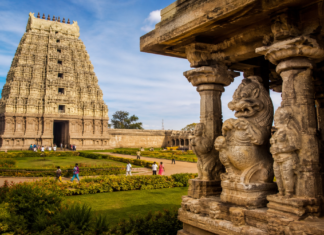
- Ekambareswarar Temple — Famous for its massive gopuram and the ancient mango tree that is said to yield four different types of mangoes, representing the four Vedas.
- Kailasanathar Temple — The oldest structure in Kanchipuram, offering breathtaking Pallava sandstone architecture and a serene, less crowded environment.
Get Free Travel Tips in Your Inbox
Join fellow Indian travelers who get our best destination guides, budget tips, and hidden spots delivered every week. No spam. Just good travel content.
Frequently Asked Questions
Where exactly is the Vazhakarutheeswarar Temple located?
The temple is located in Kanchipuram city, Tamil Nadu. It is situated relatively close to the town center, making it accessible via local auto-rickshaws from the main bus stand or railway station.
What are the temple timings?
Temple timings generally follow standard South Indian schedules, opening early in the morning, closing for the afternoon, and reopening in the evening. However, timings can vary, especially on festival days or Mondays, so please check the official HRCE source or local contacts for current operating hours before visiting.
Do I need to bring my original court documents?
No, you should never bring original legal deeds or irreplaceable documents into a crowded temple. Bring clear photocopies of the front pages or the summons to place at the deity’s feet during the pooja.
Is there a strict dress code for this temple?
Yes, like most traditional temples in Tamil Nadu, a modest dress code is expected. Men are encouraged to wear a dhoti or formal trousers, and women should wear a saree, half-saree, or a salwar kameez with a dupatta. Shorts and sleeveless tops are strictly not allowed.
How can I book a special pooja?
Special poojas for court cases are usually arranged directly at the temple counters upon arrival. While online booking systems are becoming more common in Tamil Nadu, for specific remedial rituals, it is best to speak to the temple administration office in person.
This post contains affiliate links. If you book through our links, we may earn a small commission at no extra cost to you. This helps us keep travellerkaka.com free for everyone.
Plan Your Trip with Us
Have questions about this destination? We would love to help you plan the perfect trip.
Chat with us on WhatsApp or email us at info@travellerkaka.com