

The Ultimate Guide to the Vaikunta Perumal Temple, Kanchipuram: History, Architecture & Travel Tips
There is a unique kind of peace that settles over you the moment you step into a historic South Indian temple. The Vaikunta Perumal Temple, Kanchipuram is exactly that kind of place—a stunning architectural marvel that feels completely removed from the chaos of modern life. If you are planning a trip to this part of Tamil Nadu, this shrine deserves a prominent spot on your itinerary.
For middle-class Indian families, couples, and solo travelers alike, visiting this temple is about more than just religious devotion. It is about connecting with our roots, admiring stone carvings that have stood the test of time, and soaking in an atmosphere thick with the scent of jasmine and camphor. Because this is a highly revered site, preparing ahead ensures your family has a smooth and spiritually fulfilling darshan.
In this guide, we are breaking down everything you need to know about the vaikunta perumal temple kanchipuram experience. From understanding the practicalities of visiting to navigating the local surroundings, we have got you covered with honest, well-researched advice tailored for the everyday Indian traveler.
“Stepping into the Vaikunta Perumal Temple is like walking through a portal into ancient India, where every stone pillar has a profound story to tell.”
History & Architecture: A Glimpse into Ancient Craftsmanship
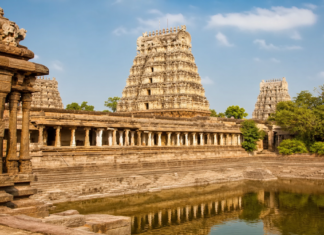
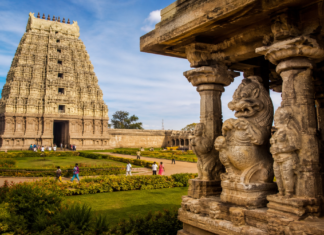
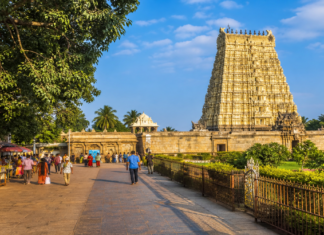
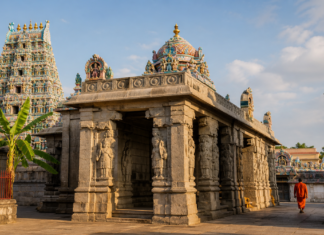
The architecture of the temple is a spectacular showcase of early South Indian artistic brilliance. While we always recommend that you verify the latest details at the official website before visiting, the visual impact of the stone carvings is universally acknowledged. Every corridor and pillar seems to echo the devotion of the artisans who built it centuries ago, leaving visitors completely mesmerized by the sheer scale of the work.
As you walk through the complex, you will notice the intricate details carved into the stone panels. These are not just decorative elements; they are historical narratives that document the lives, wars, and spiritual beliefs of the era. The layered design of the vimana (the structure over the inner sanctum) is particularly famous, specifically designed to house the deity in different majestic postures. You can explore more about the broader regional heritage on the Incredible India portal.
It is incredibly easy to lose track of time just admiring the craftsmanship here. If you have already explored the temple city of tamilnadu, you will find Kanchipuram offers a beautifully distinct yet equally profound vibe. The heavy stone structures stand as a proud reminder of India’s rich architectural lineage.
The Spiritual Vibe: What Makes This Temple Special
Beyond the impressive architecture, the spiritual energy here is what draws thousands of devotees year after year. The moment you cross the main entrance, the ambient noise of Kanchipuram’s bustling streets instantly fades away. You are warmly greeted by the rhythmic sounds of Vedic chanting and the deeply calming aroma of traditional incense and fresh flowers.
Many devotees who plan a visit to the kumbakonam perumal temple also make it a point to include Kanchipuram in their broader spiritual itinerary. There is a profound sense of continuity in these ancient spaces that connects you instantly to past generations. Sitting quietly in one of the pillared halls for just ten minutes can be an incredibly grounding and meditative experience.
Whether you are deeply religious or simply a lover of history and culture, the inclusive atmosphere of the temple welcomes everyone. It is a fantastic place to introduce young children to their heritage, allowing them to witness traditions that have been kept vibrantly alive for generations.
A Walk Through the Temple Complex
Navigating a large South Indian temple can initially feel overwhelming, especially if you are visiting during a festival or a busy weekend. The layout typically follows a traditional progression, gently leading you from the towering external gates toward the highly venerated inner sanctum. Take your time as you move from one prakaram (outer courtyard) to the next, soaking in the architectural shifts.
For those looking to explore more of the region’s rich past, pairing this trip with a deep dive into old madurai is a fantastic idea. The stylistic differences and similarities between the ancient temple towns provide a fascinating look at our cultural evolution across different regional dynasties.
Remember that the inner sanctum is a place of absolute, deep reverence. The lighting is often intentionally dim, illuminated primarily by gorgeous brass oil lamps, which adds heavily to the mystical and sacred ambiance. Be prepared for a bit of a queue here, as devotees wait patiently for their brief, powerful moment of darshan with the main deity.
At a Glance: Top 5 Things to Know
- Traditional Dress Required
Modest, traditional Indian attire is highly recommended for all visitors entering the complex.
- No Photography Inside
Cameras and mobile phones are strictly prohibited inside the main deity viewing area.
- Hot Stone Floors
The open courtyard stones get extremely hot; wearing thick socks can protect your feet.
- Stay Hydrated
Carry your own water bottle as exploring the large temple complex takes considerable time.
- Maintain Silence
Keep your voice low to respect the quiet, meditative atmosphere of the temple premises.
Best Ways to Include Kanchipuram in Your South India Trip
Kanchipuram is strategically located, making it a very easy addition to most Tamil Nadu travel plans. It serves as a perfect weekend getaway from Chennai or a solid stopover if you are driving further south towards the coastal temple towns. If you are managing the logistics yourself, checking out tamilnadu temple tour packages can give you a great baseline for structuring your own personalized itinerary.
Many families choose to hire a private taxi for the day, which offers the flexibility to visit multiple shrines without the stress of navigating local bus schedules. Alternatively, state-run buses offer a highly budget-friendly way to reach the town, providing an authentic local travel experience that lets you see the countryside.
Long drives are a significant part of the charm here, much like the famous chennai to madurai distance route that many road-trippers absolutely love. Planning your travel route in advance ensures you do not waste precious daylight hours stuck in unnecessary highway traffic.
Pro Tip: What to Pack
Always carry a small cloth bag to easily carry your footwear, a reusable water bottle, and a cap for the intense afternoon sun. Amazon India Travel Essentials
Essential Travel Tips for Families and Solo Explorers
Traveling with family requires a bit of extra pacing and careful planning. Temples can be exhausting for toddlers and elderly parents alike due to the vast walking distances and the regional heat. Families often ask us how to effectively balance temple visits with relaxation; we highly recommend reading our madurai itinerary for some practical pacing tips that apply perfectly to any temple town visit.
For solo travelers, Kanchipuram is generally a very safe and welcoming destination. The locals are deeply accustomed to tourists and pilgrims from all over the country arriving daily. Engaging with a verified local guide can deeply enrich your understanding of the temple’s history, bringing the stone carvings to life with fascinating mythological tales.
Make sure to start your day early to make the most of your visit. The morning darshan not only allows you to completely beat the harsh afternoon sun, but it also lets you experience the temple at its most serene, right before the larger tourist buses arrive and the crowds swell.
Understanding the Local Culture and Traditions
Kanchipuram is a city where ancient, sacred traditions blend seamlessly into modern daily life. The culture here is deeply intertwined with temple rituals, flower markets, and the rhythm of the traditional lunar calendar. When you visit, you are not just a tourist; you are actively participating in a living, breathing tradition that has survived for millennia.
Understanding the how to reach madurai logistics can also help you plan the southern leg of your Tamil Nadu road trip, as the cultural nuances and architectural styles slowly shift as you move further south. Taking the time to observe these subtle, beautiful changes is one of the greatest joys of slow travel in India.
Do not hesitate to politely ask local priests or temple volunteers about the specific significance of certain rituals. Most are very happy to share their deep knowledge with curious visitors, provided you approach them respectfully and outside of the peak rush hours.
Food and Prasadam: A Divine Treat
No temple visit in South India is ever complete without partaking in the local prasadam. The sacred offerings here are prepared with ancient, traditional recipes, often utilizing generous amounts of pure ghee, black pepper, and cumin. It is a deeply comforting taste that is quite literally impossible to replicate in a commercial restaurant kitchen.
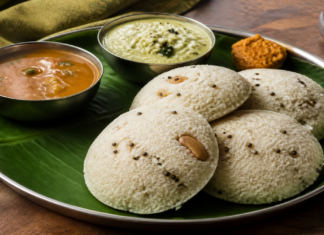
Outside the main temple complex, the streets of Kanchipuram offer a wonderful variety of pure vegetarian eateries. The local idlis—often beautifully spiced and steamed wrapped in natural leaves—are legendary among food lovers. Pair them with a piping hot, frothy cup of South Indian filter coffee for the ultimate breakfast experience.
We always advise sticking to sealed bottled water or hot beverages when dining at smaller street-side stalls. This simple precaution ensures your stomach stays perfectly happy throughout your spiritual journey.
Shopping in Kanchipuram: Beyond the Temple
You simply cannot visit this city without acknowledging its heavyweight status as the undisputed silk capital of South India. The busy streets are lined with weaving units and large showrooms offering authentic, heavy-weight Kanchipuram silk sarees. It provides a vibrant, colorful, and noisy contrast to the solemn, quiet stone of the temples.
If you plan to shop for weddings or festivals, you must dedicate at least half a day just for this activity alone. The process of selecting a saree here is a beautiful, unhurried ritual; shopkeepers will proudly unfurl dozens of options for you while offering endless cups of sweet local coffee.
Always remember to ask for the official silk mark certification to ensure you are buying genuine handloom products. Exploring the weaving units themselves is an eye-opening experience that truly highlights the incredible, generations-old skill of the local artisans.
Location Map
Planning Your Trip Budget
Costs vary heavily by season, festival dates, and your choice of stay—always check live rates online before making your bookings. Accommodations in Kanchipuram range from very basic, budget-friendly pilgrim lodges to more comfortable mid-range hotels that are perfectly suitable for families. Check latest hotel prices on Agoda
Reality Check
Let’s be completely honest—visiting Kanchipuram is a deeply rewarding, soul-stirring experience, but it is certainly not without its practical challenges. The heat during the peak summer months can be absolutely punishing for those not used to it. If you are traveling between April and June, you must pace yourself carefully, as the massive stone floors of the temple complexes absorb and intensely radiate the midday heat.
Additionally, if you are traveling with elderly family members who have mobility issues, be highly aware that the uneven stone pathways and a general lack of extensive wheelchair ramps can make navigation somewhat difficult. The crowds during major festival days can also become rapidly overwhelming, leading to long, tiring waiting times in enclosed, unventilated queue areas.
Finally, brace yourself for aggressive auto-rickshaw drivers and highly persistent vendors outside the temple gates. You will need to bargain firmly, smile politely, and keep a cool head to avoid being overcharged for short trips across the town.
Safety Tips for Travelers
- Always keep your footwear at the designated, official temple stalls to avoid losing them in the massive crowds.
- Drink plenty of water throughout the day, but stick strictly to sealed bottled water to prevent waterborne illnesses.
- Keep a very close eye on your personal belongings, especially your wallet and phone, when navigating tight darshan queues.
- Beware of the bold local monkeys near the temple tanks; do not carry open food packets or bright items in your hands.
- Engage only with official temple priests and authorized tourism guides, completely ignoring touts who promise “quick entry” for a fee.
Nearby Places to Explore
Kanchipuram is surrounded by rich history, making it easy to extend your sightseeing itinerary for the entire day.
- Local Silk Weaving Units — check local maps, usually a 15-minute auto ride away — A fascinating look at how the world-famous Kanchipuram sarees are meticulously crafted by hand.
- Other Historic Shrines — distances vary across town — Kanchipuram is known globally as the city of a thousand temples, offering endless exploration for history buffs and devotees.
- Traditional Vegetarian Messes — walking distance from most main gates — Perfect for grabbing an authentic, hearty South Indian thali immediately after your morning darshan.
Get Free Travel Tips in Your Inbox
Join fellow Indian travelers who get our best destination guides, budget tips, and hidden spots delivered every week. No spam. Just incredibly good travel content.
Frequently Asked Questions
Is there a strict dress code for visiting the temple?
Yes. Men are generally expected to wear dhotis or formal trousers with shirts, while women should wear sarees, half-sarees, or modest churidars with a dupatta. Shorts, skirts, and sleeveless tops are strictly not allowed inside the premises.
Are cameras allowed inside the temple complex?
You can usually take beautiful photos in the outer courtyards and of the exterior architecture, but photography is strictly prohibited inside the inner sanctum. Always check for local signage or politely ask a guard before clicking.
How long does a typical visit take?
A standard visit takes about one to two hours, heavily depending on the daily crowd. If you plan to deeply study the architecture or if there is a long queue for darshan, expect the entire process to take up to three hours.
Is the temple easily accessible for senior citizens?
While the temple is built on mostly flat ground, the ancient stone surfaces can be quite uneven. There is a lot of walking involved, and modern wheelchair facilities are often limited, so it is best to check official sources for the latest accessibility updates before planning.
When is the absolute best time of year to visit?
The winter months, stretching from November to February, are undoubtedly the most pleasant times to visit Kanchipuram. The weather remains relatively cool, making it much easier to walk barefoot around the large temple complexes comfortably.
This post contains affiliate links. If you book through our links, we may earn a small commission at no extra cost to you. This helps us keep travellerkaka.com free for everyone.
Plan Your Trip with Us
Have questions about this destination? We would love to help you plan the perfect family trip.
Chat with us on WhatsApp or email us at info@travellerkaka.com