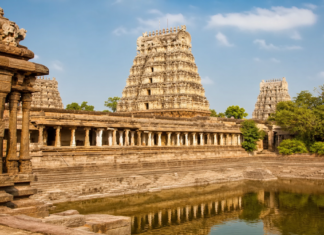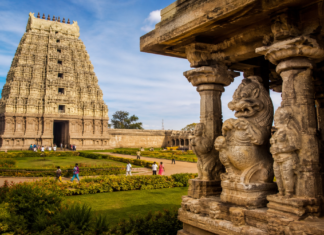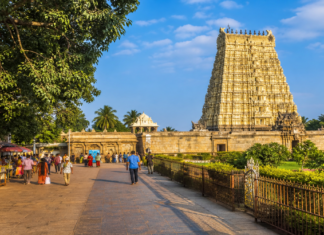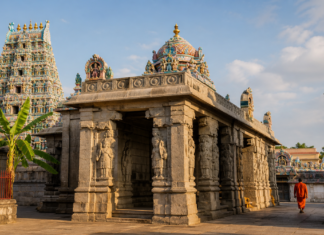


If you have ever embarked on a spiritual journey through South India, you know that every ancient shrine holds a unique story. But among the countless sacred sites, the Varadharaja Perumal Temple stands out for a truly fascinating reason. Devotees from across the country flock here not just to admire the towering architecture, but to seek the blessings of the famous lizard temple kanchipuram.
Located in the heart of Tamil Nadu’s silk capital, this temple is home to a mystical legend etched in gold and silver. High above on the ceiling of a small enclosure, the beautifully crafted metallic lizards await the touch of millions of faithful pilgrims. It is a deep-rooted belief that touching these lizards can wash away past sins, cure chronic ailments, and provide relief from astrological doshas.
For middle-class families and solo travelers embarking on a South Indian temple run, this destination offers a profound blend of devotion and mystery. Whether you are traveling from Hyderabad, Bangalore, or neighboring districts, standing beneath these celestial lizards is an experience that resonates deeply. Let us explore everything you need to know to plan a smooth, spiritually fulfilling visit to this remarkable marvel.
“In a city of a thousand shrines, the golden and silver lizards of Kanchipuram stand out as a unique testament to faith, redemption, and the mystical traditions of South India.”
The Mystique of the Lizard Temple Kanchipuram
The Varadharaja Perumal Temple is one of the most revered Divya Desams, dedicated to Lord Vishnu. While the primary deity is awe-inspiring, the magnetic pull for many first-time visitors is the lore of the golden and silver lizards. This unique feature transforms a standard temple visit into a deeply interactive spiritual practice.
Understanding the history behind these metallic creatures adds an incredible layer of meaning to your visit. The stories passed down through generations are not just myths to the locals; they are living testaments of divine grace. When you finally reach the enclosure and see the gleaming lizards, knowing their backstory makes the moment truly unforgettable.
The Legend of Sage Gautama’s Disciples
According to local mythology, two eager disciples of the great Sage Gautama were tasked with filling a pot of water for his daily prayers. In their haste, they failed to notice a small lizard that had slipped into the holy water. When the sage discovered the creature, his anger knew no bounds. He cursed the two disciples to spend their days as lizards, crawling aimlessly in the temple premises.
Horrified by their fate, the disciples begged for forgiveness. The sage, realizing his harshness but unable to take back the curse, told them that their only salvation lay at the feet of Lord Varadharaja in Kanchipuram. The disciples traveled to this very spot, praying fervently for years. Eventually, Lord Vishnu appeared, granting them liberation and decreeing that their forms would remain here in gold and silver to bless future generations.
The Sun, the Moon, and the Healing Touch
When you enter the designated mandapam to view the lizards, you will notice they are not alone. Carved near them are representations of the Sun and the Moon. In Hindu astrology, these celestial bodies govern the passage of time, karma, and cosmic balance. The presence of the sun and moon signifies that the divine grace found here transcends the boundaries of time itself.
Devotees queue up patiently to climb a small set of stairs, reaching up to touch the golden and silver lizards. It is widely believed that physical contact with these metallic figures instantly nullifies the negative effects of past karma. Many families from Hyderabad and Chennai bring their children here, seeking protective blessings and praying for good health and academic success.
Planning Your Family Visit to Varadharaja Perumal
Traveling with family, especially elderly parents or young kids, requires a bit of foresight. Kanchipuram is a bustling town, and the temple complexes are vast. You will do a lot of walking barefoot on stone floors, so pacing yourself is key to enjoying the spiritual ambiance without getting exhausted.
If you are planning to stay overnight, Kanchipuram has several modest guest houses and lodges catering to pilgrims. However, many travelers prefer to base themselves in Chennai or Mahabalipuram and do a day trip. Costs vary by season and choice of stay — check live rates before booking. Check latest prices on Agoda.
Pro Tip: What to Pack
Comfort is crucial when temple hopping in Tamil Nadu. Pack slip-on footwear that is easy to remove at temple entrances. Keep wet wipes, a water bottle, and a small umbrella in your daypack to combat the midday sun. Amazon India Travel Essentials.
Best Time for a Temple Run
The climate in Kanchipuram can be quite unforgiving during the peak summer months. If possible, plan your pilgrimage between the cooler months. The early morning hours are absolutely magical here. Arriving just as the temple opens allows you to witness the morning rituals, smell the fresh jasmine and camphor, and avoid the massive crowds that build up by noon.
If you visit during major festivals, be prepared for intense crowds. The temple takes on a festive, electric atmosphere, but the queues for touching the golden and silver lizards can stretch for hours. Always check the official Hindu calendar for specific festival days if you wish to avoid the rush.
Dress Code and Temple Etiquette
Like most traditional shrines in Tamil Nadu, this temple expects visitors to dress modestly. Men are generally encouraged to wear dhotis or formal trousers, while women should opt for sarees, half-sarees, or kurtis with a dupatta. Shorts, sleeveless tops, and ripped jeans are strictly frowned upon and may lead to denied entry.
Photography inside the inner sanctum and near the lizards is usually restricted to preserve the sanctity of the space. Always look out for signage before pulling out your smartphone. Remember to maintain silence inside the main halls, as many devotees sit on the stone floors to meditate and chant.
Integrating Kanchipuram into a Wider Tamil Nadu Itinerary
Very few travelers visit Kanchipuram in isolation. Because of its strategic location near Chennai, it serves as the perfect starting point for a broader exploration of the state’s magnificent spiritual heritage. A well-planned road trip can take you from the Pallava architecture of Kanchipuram deep into the Chola heartlands.
If you are driving down from Andhra Pradesh or Telangana, Chennai is your ideal gateway. From there, the highway to Kanchipuram is smooth and scenic. After wrapping up your darshan and perhaps buying a few authentic silk sarees, you can seamlessly continue your journey southward.
From Kanchi to the Navagraha Belt
Many pilgrims who seek astrological remedies at the lizard temple also extend their trip to visit a navagraha temple in the delta region. The belief in cosmic alignment and dosha nivarana connects these destinations perfectly. You can drive down toward Kumbakonam, which serves as the hub for these planetary shrines.
While in the delta region, exploring a local kumbakonam perumal temple offers a fascinating architectural contrast to the grand Pallava style seen in Kanchipuram. The spiritual energy remains the same, but the rituals, the prasadam, and the local legends vary beautifully from town to town.
Continuing South to Madurai
If time permits, pushing further south is highly recommended. Booking a comprehensive madurai tour allows you to experience the pinnacle of Dravidian temple architecture. Madurai’s vibrant streets, incredible food scene, and the sheer scale of the Meenakshi Amman temple make for a spectacular grand finale to any family trip.
For those managing the driving logistics themselves, understanding the chennai to madurai distance and planning rest stops is vital. Breaking the journey with overnight stays in places like Trichy or Kumbakonam prevents travel fatigue and keeps everyone in good spirits.
Location Map
Reality Check
While the spiritual rewards of visiting this temple are immense, it is important to travel with realistic expectations. The queues to touch the golden and silver lizards can be extremely long, especially on weekends and auspicious days. The staircase leading up to the lizards is narrow, which means you will only get a few fleeting seconds to touch them before the crowd pushes you forward. Do not expect a quiet, prolonged moment of reflection at this specific spot.
Accessibility is another factor to consider. The temple complex is massive, and walking barefoot on the rough stone pathways can be tough on elderly knees and sensitive feet, particularly when the sun heats up the ground. Wheelchair access is limited in the older, inner sections of the temple, and climbing the stairs to the lizards might not be possible for those with severe mobility issues.
Finally, brace yourself for the commercial side of temple tourism. You will encounter persistent touts offering special darshan tickets, unauthorized guides demanding high fees, and aggressive shopkeepers trying to sell you silk sarees just outside the temple gates. A polite but firm “no” is your best defense. Stay focused on your spiritual journey and rely on official temple counters for any donations or tickets.
Safety Tips for Travelers
- Always leave your footwear at the official temple stands to avoid them getting lost or stolen in the massive crowds.
- Keep a close eye on your wallets, mobile phones, and gold jewelry, especially when navigating the tight queue for the lizard darshan.
- Stay hydrated. The sheer size of the temple means you will be walking for hours; carry a water bottle in your bag.
- Only hire guides who carry official identification from the Tamil Nadu Tourism department, or simply read up beforehand and explore independently.
- If traveling with children, designate a clear meeting point inside the temple in case anyone gets separated in the crowd.
Get Free Travel Tips in Your Inbox
Join fellow Indian travelers who get our best destination guides, budget tips, and hidden spots delivered every week. No spam. Just good travel content.
Frequently Asked Questions
Why do people touch the lizards in the Kanchipuram temple?
Devotees believe that touching the golden and silver lizards washes away past sins, cures chronic diseases, and nullifies the ill effects of astrological curses (doshas). It is a symbolic act of seeking redemption and divine protection from Lord Varadharaja.
Are the golden and silver lizards real?
No, the lizards are metallic sculptures carved into the ceiling of a specific mandapam within the temple. They are crafted to represent the two cursed disciples of Sage Gautama from local mythology.
Is the temple accessible for elderly visitors?
The main grounds of the temple are flat, but they are expansive and require a lot of walking. Touching the lizards requires climbing a small, narrow set of stairs, which can be challenging for elderly visitors or those with knee problems.
What is the dress code for visiting the Varadharaja Perumal Temple?
Traditional Indian attire is expected. Men should wear dhotis, pyjamas, or formal trousers with shirts. Women should wear sarees, half-sarees, or kurtis with dupattas. Western wear like shorts and sleeveless tops are not allowed.
Can we combine a visit to this temple with silk shopping?
Absolutely. Kanchipuram is globally renowned for its pure silk sarees. Many families complete their temple darshan in the morning and spend the afternoon exploring the authentic weaver cooperatives and showrooms located just a few streets away from the temple complex.
This post contains affiliate links. If you book through our links, we may earn a small commission at no extra cost to you. This helps us keep travellerkaka.com free for everyone.
Plan Your Trip with Us
Have questions about this destination? We would love to help you plan the perfect trip.
Chat with us on WhatsApp or email us at info@travellerkaka.com