

Jain Temples of Kanchipuram: A Journey Into South India’s Hidden Heritage
Did you know that long before Kanchipuram became globally celebrated for its lustrous silk sarees and towering Shaivite shrines, it was actually a thriving, scholarly hub of Jainism? For history buffs, solo wanderers, and families traveling from Hyderabad or across South India, these ancient structures offer a profoundly peaceful retreat away from the usual crowded tourist circuits. Stepping into this part of the city feels like turning the pages of an ancient, forgotten book.
If you are tired of the typical, rushed pilgrimage runs and want to explore a quieter, deeply spiritual side of Tamil Nadu, the jain temples kanchipuram are an absolute must-visit. Unlike the bustling main town, this area, historically known as Jina Kanchi, forces you to slow down and appreciate the silent resilience of its architecture. Let’s dive into the fascinating history and practical details of visiting these remarkable sites.
In this comprehensive guide, we will walk you through everything you need to know to plan a smooth, family-friendly visit. From understanding the rich cultural shifts of the Pallava era to practical tips on navigating the local transport, we have got you covered for your next weekend getaway.
“Kanchipuram’s Jain temples are a silent, stunning testament to a glorious era of religious harmony, standing peacefully amidst the chaos of a bustling modern city.”
The Historical Significance of Jain Temples in Kanchipuram
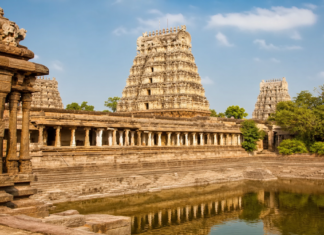
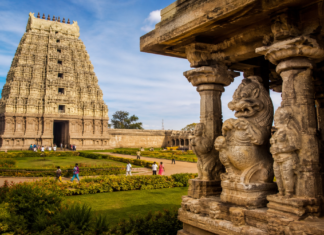
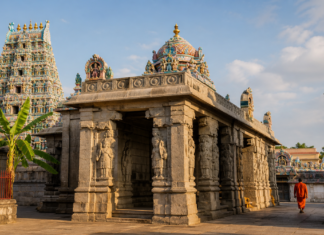
Kanchipuram holds a unique place in the historical tapestry of South India. Centuries ago, the region was distinctly divided, with a specific settlement dedicated entirely to Jain scholars, monks, and followers. This area, primarily centered around Thiruparuthikundram, blossomed under the early patronage of the Pallava kings who were known for their secular support of various philosophical schools. The Dravidian architectural elements here perfectly blend with intricate Jain iconography.
The two most prominent and surviving shrines in this complex are the Trilokyanatha Temple and the Chandraprabha Temple. These structures are architectural marvels that boast some of the finest ancient mural paintings in Tamil Nadu. The ceilings and walls are adorned with natural dye paintings that depict the life, teachings, and spiritual journeys of the Jain Tirthankaras, offering a vivid window into medieval Indian artistry.
Unlike other grand monuments that project power and dominance, these temples were built for introspection and community learning. Monks from across the country would travel here to study ancient scriptures, making it a pivotal educational center. Today, as you walk through the pillared halls, you can almost hear the echoes of ancient debates and the chanting of sacred texts that once filled the air.
For those interested in epigraphy and archaeology, the temple walls feature numerous inscriptions in Tamil and Grantha scripts. These ancient carvings detail the land grants and donations made by later Chola and Vijayanagara emperors. It proves that even as dominant religious tides shifted in South India, these sacred spaces continued to receive royal respect and protection.
2026 Update: Latest Changes & What’s New
Tourism in Tamil Nadu is constantly evolving, with a renewed focus on preserving lesser-known heritage sites. Recent efforts by archaeological and heritage organizations have heavily focused on preserving the delicate mural paintings inside these specific temple complexes. Because natural dyes fade when exposed to modern pollutants and camera flashes, new protective measures are frequently being tested and implemented by the state departments.
As a visitor, you are encouraged to be extra mindful of any ongoing conservation work during your trip. Local authorities occasionally restrict access to certain inner chambers to allow restoration experts to safely clean and treat the ancient stone and plaster. Always verify exact entry regulations before planning your day, as local archaeological guidelines frequently update to protect these vulnerable structures.
In recent times, there has also been a push to improve the approach roads and signage leading to Thiruparuthikundram. While commercialization remains intentionally low, navigating to the site using local auto-rickshaws has become slightly easier for out-of-town tourists. It is a great time to explore, provided you embrace the principles of responsible and respectful travel.
Practical Visiting Guide
Reaching Kanchipuram from major South Indian hubs like Hyderabad, Bengaluru, or Chennai is fairly straightforward. The city is well-connected by state buses and passenger trains. Once you arrive at the local bus stand or railway station, hiring an auto-rickshaw is the most convenient way to reach the Thiruparuthikundram area. Make sure to negotiate the fare upfront, as meters are rarely used by local drivers.
If you are planning a broader South Indian road trip and calculating the chennai to madurai distance for your itinerary, Kanchipuram makes for a perfect, culturally rich detour along the highway. You can easily spend a morning here exploring the heritage sites before continuing your journey south. The roads are generally in excellent condition for family road trips.
Because these monuments are less commercialized than their Shaivite counterparts, they do not follow the strict, crowded schedules of larger shrines. However, the South Indian heat can be intense. It is always best to plan your visit for the early morning hours or late in the afternoon. This not only helps you avoid the midday sun but also gives you the best natural lighting for admiring the exterior architecture.
Since entry fees and exact timings can fluctuate based on current government regulations, it is wise to check official sources or speak to your hotel concierge before heading out. For broader travel guidelines and official updates regarding heritage tourism, you can always refer to the Incredible India portal. Being prepared ensures you won’t be greeted by locked gates.
At a Glance: Top 5 Things to Know
-
Quiet Exploration
These temples are peaceful, off-the-beaten-path heritage sites perfect for history lovers.
-
Ancient Murals
Look out for the ceiling paintings depicting the life stories of Jain Tirthankaras.
-
Local Transport
Auto-rickshaws are the best way to navigate the narrow streets of Jina Kanchi.
-
Beat the Heat
Early morning visits are highly recommended to avoid the intense afternoon sun.
-
Dress Code
Modest clothing covering shoulders and knees is expected at all times.
Upcoming Festivals & Events (Next 6 Months)
While Kanchipuram is world-famous for its massive, loud, and vibrant Hindu temple festivals, the Jain temples observe a much quieter, more reflective calendar. Major religious events like Mahavir Jayanti bring a special, serene energy to the Thiruparuthikundram area. During these times, you might find the local Jain community gathering for special prayers and chanting.
Unlike commercialized festivals, these events are highly community-focused and deeply spiritual. Visitors are usually welcome to observe quietly, provided they maintain the sanctity of the space. It is a beautiful opportunity to witness ancient traditions that have survived generations in a rapidly modernizing world.
Festival dates follow the traditional lunar calendar and can shift annually. If you wish to align your trip with a specific religious observance, be sure to confirm exact dates on the local community boards or official calendars before you travel. Even on regular days, the spiritual ambiance remains profoundly moving.
Reality Check
Let’s be completely honest: if you are traveling to Kanchipuram expecting the massive scale, bustling vendor stalls, and non-stop ritualistic energy of the city’s major Shiva or Vishnu temples, this specific site might feel underwhelming. These are protected archaeological monuments meant for quiet reflection and historical appreciation, not typical, high-energy tourist spectacles. There are no grand elephant blessings or massive crowds here.
Furthermore, facilities like clean public restrooms, elaborate food stalls, and official guided tours are minimal to non-existent right outside the complex gates. Families traveling with very young kids or elderly parents should come prepared with their own water and light snacks. Those with mobility issues should also note that some of the older stone pathways and courtyard steps can be quite uneven, requiring careful navigation.
If you are someone who easily gets bored by history, ancient inscriptions, or faded art, you might want to skip this and stick to the main Kanchipuram silk shopping streets. But for those who appreciate silence and raw, unfiltered history, this is an absolute treasure.
Travel Tips for Families
Traveling with family in South India requires a bit of extra planning, especially when visiting heritage sites with limited commercial infrastructure. Keep your itinerary light so you don’t exhaust your children or elderly parents. Plan to visit one major site in the morning, followed by a hearty traditional South Indian thali lunch in the main town, where restaurants are plentiful.
When mapping out your broader journey on a madurai in india map, you will notice that Kanchipuram sits very conveniently close to Chennai. This makes it an incredibly easy weekend drive for families living in the IT corridors of Chennai or even Bengaluru. Ensure your vehicle has good air conditioning, as the highway heat can drain your energy before you even reach the destination.
Pro Tip: What to Pack
South Indian summers are unforgiving, even in the milder months. Pack light cotton clothing, a sturdy sunhat, and always carry hydration salts. Wet wipes are a lifesaver when traveling with kids. Amazon India Travel Essentials
Accommodation near the Jain temples is practically non-existent, so you will need to book your stay in the central parts of Kanchipuram. Staying centrally allows you to enjoy early morning filter coffee and easy access to both the heritage sites and the famous silk weavers’ colonies. If you are how to reach madurai later in your trip, resting well here is crucial before the long drive south.
Comfort Stays in Kanchipuram
Price: Check live rates | Location: City Center | Best For: Families & Couples
Stay near the main town for easy access to transport, ATM facilities, and family-friendly pure vegetarian restaurants. Check latest prices on Agoda
Costs for a trip to Kanchipuram vary greatly by season, your choice of stay, and whether you plan to buy expensive silk sarees. For the temples themselves, expenses are minimal. Costs vary by season and choice of stay — check live rates before booking your hotel.
Safety Tips for Travelers
- Always carry your own bottled water, as local shops immediately near the heritage site are limited.
- Dress modestly, covering shoulders and knees, to respect the deeply religious nature of the site.
- Protect yourself from the heat with hats, sunglasses, and sunscreen, especially during midday visits.
- Firmly negotiate auto-rickshaw fares before starting your journey from the bus stand or your hotel.
- Keep digital copies of your ID and hotel details handy on your phone, as network coverage inside thick stone temples can drop.
Nearby Places to Explore
Kanchipuram is packed with architectural marvels, meaning you are never too far from another breathtaking site.
- Kailasanathar Temple — A short drive away — Famous for its stunning, intricate Pallava-era sandstone carvings and peaceful atmosphere.
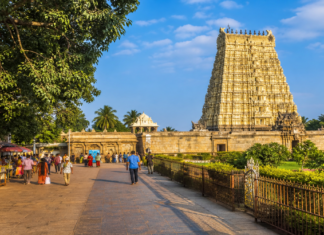
- Ekambareswarar Temple — Located right in the main town — Home to the legendary ancient mango tree and massive, towering gopurams.
- Kanchi Kamakshi Amman Temple — Central Kanchipuram — The vibrant spiritual heart of the city, bustling with devotees and energy.
Get Free Travel Tips in Your Inbox
Join fellow Indian travelers who get our best destination guides, budget tips, and hidden spots delivered every week. No spam. Just good travel content.
Conclusion & FAQ
To conclude, visiting the Jain temples of Kanchipuram offers a rare, tranquil dive into the region’s diverse and inclusive spiritual past. It is an enriching experience that balances perfectly with the bustling, colorful energy of the rest of Tamil Nadu. Whether you are an architecture enthusiast, a history student, or simply a family looking for a quiet morning out, Jina Kanchi will not disappoint.
Take the time to sit quietly in the courtyards, admire the ancient artistry above you, and disconnect from the digital world for a few hours. It is these small, offbeat detours that often become the most memorable parts of a South Indian road trip.
Frequently Asked Questions
Are the Jain temples in Kanchipuram open every day?
Generally, these heritage sites are open daily to the public. However, exact timings can vary based on maintenance schedules or local holidays. Check official sources before your visit.
Is photography allowed inside the temple complex?
Photography is often restricted inside the main sanctums and specifically near the ancient murals to protect the delicate natural dyes from flash damage. Always ask the local caretaker for permission.
Do I need to hire a guide to understand the murals?
While not strictly necessary, having a knowledgeable local guide can immensely help decode the rich history, Grantha inscriptions, and life stories of the Tirthankaras depicted in the artwork.
Are there food stalls or restaurants near the temples?
Commercial activity is intentionally kept very minimal around these specific Jain heritage sites. It is highly recommended to eat in central Kanchipuram town or carry your own light snacks.
How much time is generally needed for the visit?
A relaxed, comprehensive visit will take about 1 to 2 hours. This makes it an easy, low-stress morning or afternoon excursion for families.
This post contains affiliate links. If you book through our links, we may earn a small commission at no extra cost to you. This helps us keep travellerkaka.com free for everyone.
Plan Your Trip with Us
Have questions about this destination? We would love to help you plan the perfect trip.
Chat with us on WhatsApp or email us at info@travellerkaka.com