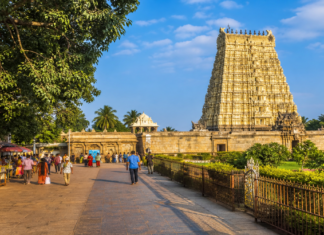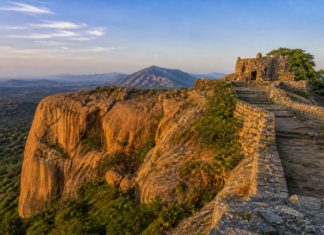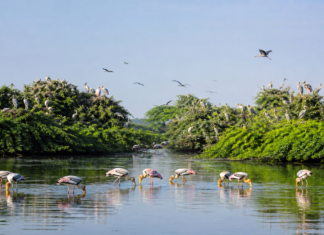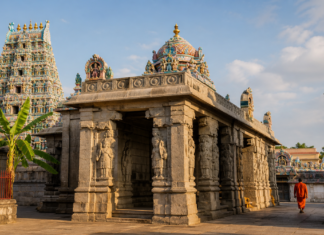


Deep in the heart of Tamil Nadu’s spiritual corridor lies a shrine that commands the cosmos. Suriyanar Koil (Sun Temple) is not just another ancient structure; it is the only temple in South India dedicated entirely to the Sun God, Lord Surya, accompanied by his consorts Usha and Chhaya. For centuries, this sacred space has drawn devotees seeking relief from astrological hurdles, making it a cornerstone of the famed Navagraha circuit.
What makes this temple truly exceptional is its unique theological hierarchy. While most temples feature the planetary deities as subordinate figures in a small corner, here, Lord Surya reigns supreme as the presiding deity. The other eight planets (Navagrahas) are housed in separate, independent shrines surrounding him, each facing a specific direction to ensure their celestial energies remain harmonious. Knowing the correct surya narayana temple timings is crucial for visitors, as the elaborate rituals here follow a strict solar calendar.
Whether you are a solo traveler tracing the Chola dynasty’s architectural marvels, a family on a spiritual pilgrimage, or an astrology enthusiast studying cosmic alignments, this temple offers a profound experience. From the intricate Dravidian carvings to the intense spiritual vibration that fills the inner sanctum, every element of this space is designed to align your earthly journey with the rhythm of the stars.
“Standing before the Sun God at Suriyanar Koil feels like soaking in the absolute center of cosmic energy, where ancient faith meets celestial science.”
The Legend of Kalava Muni and the Sun God
The mythology surrounding this sacred site is as fascinating as its architecture. According to ancient texts, a revered sage named Kalava Muni was suffering from a severe form of leprosy. Using his advanced astrological knowledge, he foresaw that his planetary alignments were causing this immense physical suffering. Desperate for a cure, he bypassed the supreme triad of gods and prayed directly to the Navagrahas (the nine planetary deities).
Pleased by his intense devotion, the planetary gods cured his ailment. However, this act of independent boon-granting angered Lord Brahma. Brahma argued that the planets were only meant to deliver the fruits of a person’s karma, not to alter destinies or grant boons. As a punishment, Brahma cursed all nine planets to suffer from the very disease they had cured.
Devastated, the Navagrahas descended to earth and performed rigorous penance in the white lotus forest (Vellurukku Vanam), the exact spot where the temple stands today. Lord Shiva eventually appeared, lifted the curse, and decreed that this location would forever remain a sanctuary where devotees could pray to the planets to mitigate their astrological doshas (afflictions). This legend forms the spiritual backbone of every navagraha temple in the region.
Architectural Marvels of the Chola Dynasty
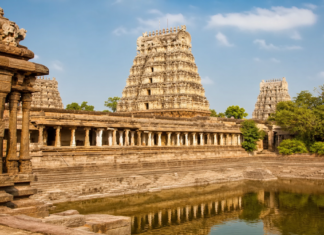
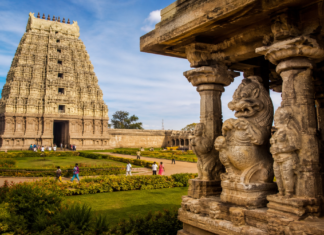
Built during the reign of the illustrious Chola King Kulothunga Chola I in the 11th century, the temple is a masterpiece of Dravidian temple architecture. As you approach the complex, a towering Rajagopuram (gateway tower) greets you, adorned with intricate stucco figures depicting various mythological tales. The temple is designed to resemble a massive celestial chariot, symbolizing the Sun God’s daily journey across the heavens.
The sanctum sanctorum houses Lord Surya, elegantly carved out of black granite, standing gracefully with a lotus in each hand. He is flanked by his two divine consorts, Usha (representing dawn) and Chhaya (representing shadow). Unlike typical Shiva temples where Nandi the bull faces the main deity, here, a majestic horse—the vahana (vehicle) of the Sun God—faces the sanctum. The attention to detail in the stone carvings reflects the zenith of Chola craftsmanship.
One of the most fascinating aspects for visitors is the specific navagraha positions in temple architecture. The eight other planetary deities are arranged in a precise geometric pattern around the central shrine. None of the deities face each other, a design choice meant to prevent their powerful cosmic energies from clashing. Exploring these individual shrines feels like walking through a physical map of the solar system.
Important surya narayana temple timings and Pooja Schedule
Timing your visit is absolutely essential to fully experience the spiritual ambiance of this shrine. Because the rituals are intricately tied to the movement of the sun, the temple operates on a strict daily schedule. While exact hours can fluctuate during major festival days, the general surya narayana temple timings usually run from early morning to mid-day, and then again from late afternoon into the night (approx. 6:00 AM to 12:30 PM, and 4:00 PM to 8:00 PM — verify latest details at the official website before visiting).
The day begins with the Ushakkala Pooja just before dawn, a highly auspicious time to witness the awakening of the deity. Throughout the morning, several Abhishekam (ritual bathing) ceremonies are performed using milk, honey, tender coconut water, and sacred ash. The mid-day pooja (Uchikalam) is particularly powerful, as it aligns with the sun reaching its peak in the sky. If you are seeking relief from specific doshas, participating in these morning rituals is highly recommended.
The temple closes during the peak afternoon heat, allowing the deities to rest, before reopening for the Sayarakshai (evening pooja). The evening rituals are quieter and offer a more meditative atmosphere. If you want to avoid heavy crowds, planning your visit during the late afternoon opening time is a smart strategy. Always remember that Sundays are the most crowded days, as Sunday is universally dedicated to the Sun God.
Pro Tip: What to Pack
The stone floors of the temple complex get scorching hot by late morning, especially during the summer months. Carry a pair of thick, slip-on socks to protect your feet while walking around the parikrama (circumambulation) path. Also, pack a reusable water bottle to stay hydrated. Amazon India Travel Essentials
The Correct Order of Worship (Pradakshina)
Worshipping at this temple is not a casual stroll; there is a highly specific, traditional sequence that devotees must follow to reap the maximum spiritual benefits. The process begins before you even enter the main sanctum. Devotees are advised to first take a dip or sprinkle water from the temple’s sacred tank, Surya Theertham, to purify themselves.
Once inside, you must first pray to Lord Ganesha, the remover of obstacles. From there, you proceed to the Guru (Jupiter) shrine, and then move directly to the main sanctum to worship Lord Surya, Usha, and Chhaya. After receiving the main blessings, the circumambulation of the other planetary shrines begins. The order is strict: you must visit Shani (Saturn), Budha (Mercury), Angaraka (Mars), Chandra (Moon), Ketu, Shukra (Venus), and finally Rahu, in that exact sequence.
After completing the circuit of the planets, devotees conclude their worship by praying to Chandikeswarar. It is customary to sit in silence within the temple premises for a few minutes before leaving, allowing the accumulated cosmic energies to settle within your aura. Following this traditional route ensures you respect the complex astrological harmony designed by the ancient sages.
Offerings and Surya Dosha Remedies
People travel from all corners of India to perform specific pariharas (remedies) for Surya Dosha. When the sun is weakly placed or afflicted in a person’s astrological chart, it is believed to cause issues related to health, career setbacks, lack of confidence, and problems with authority or paternal figures. The remedies performed here are designed to appease the Sun God and restore balance.
The preferred offerings to Lord Surya include red lotus flowers, which are considered his absolute favorite. Devotees also offer wheat, jaggery, and red-colored cloth (Vastram). Lighting lamps with pure ghee or sesame oil is a common practice in the outer corridors. For those performing intensive dosha remedies, temple priests offer specialized archana packages.
A unique prasadam (blessed food) distributed here is a mixture of wheat and jaggery, completely distinct from the standard tamarind rice or sweet pongal found in other South Indian temples. Consuming this prasadam is believed to bring vitality, good health, and leadership qualities. Be sure to collect your portion before leaving the complex.
Major Festivals and Celebrations
While the temple is active throughout the year, it truly comes alive during specific solar events. Ratha Saptami, which falls in the Tamil month of Thai (usually January or February), is the grandest festival celebrated here. It marks the day the Sun God is believed to have turned his cosmic chariot towards the northern hemisphere. The temple is beautifully decorated, and a grand procession takes place, drawing thousands of devotees.
Another major event is the transition of the sun into different zodiac signs, particularly during the months of Chithirai (mid-April) and Aippasi (mid-October). The harvest festival of Pongal (Makar Sankranti) is also celebrated with immense fervor, as the entire festival is fundamentally an expression of gratitude to the Sun God for agricultural abundance. During these peak festival days, expect significant crowds and longer waiting times for darshan.
If you are planning to visit during any of these major festivals, booking your travel and accommodation in Kumbakonam well in advance is highly recommended. The town becomes a bustling hub of pilgrims, and finding last-minute transport can be a challenge.
How to Reach the Temple
The temple is located in a small village called Aduthurai, which is a short distance from the major temple town of Kumbakonam. Kumbakonam acts as the perfect base camp for anyone exploring the Navagraha circuit. If you are flying in, the nearest airport is in Tiruchirappalli (Trichy), which is well connected to major Indian cities. From Trichy, it is a comfortable drive of a few hours to reach the temple town.
For those traveling by train, the Kumbakonam Railway Station is the most convenient railhead. It receives daily trains from Chennai, Madurai, Bangalore, and other major hubs across South India. You can book your train tickets via the IRCTC official portal. Once you reach Kumbakonam, local buses frequently run towards Aduthurai, making it a very budget-friendly trip.
If you prefer a more comfortable journey, especially when traveling with family or elderly parents, hiring a private taxi from Kumbakonam is the best option. A dedicated cab allows you to customize your itinerary, perhaps combining this visit with other nearby planetary temples. To plan your route efficiently, always consult a reliable kumbakonam temples map before setting out.
Where to Stay and Eat
Since Aduthurai is a small village, accommodation options right next to the temple are limited to very basic lodges. Most travelers choose to stay in Kumbakonam, which boasts a wide range of accommodations suited for every budget. From luxurious heritage resorts that offer a glimpse into traditional Tamil living, to clean, budget-friendly business hotels near the bus stand, the town has it all.
Costs vary by season and choice of stay — check live rates before booking. During festival seasons like Mahamaham or Ratha Saptami, hotel prices can spike, so early reservations are vital. When it comes to food, Kumbakonam is a vegetarian food lover’s paradise. You must try the famous Kumbakonam degree coffee, a strong, aromatic filter coffee that is the pride of the region.
The town is dotted with excellent vegetarian “Bhavans” (restaurants) serving authentic South Indian meals on banana leaves. Stick to piping hot idlis, crispy dosas, and traditional thalis to keep your stomach light and healthy during your spiritual journey.
Reality Check
While the spiritual experience is profound, a trip here requires realistic expectations. The temple gets heavily crowded, especially on Sundays and public holidays. The lines for special darshan and pooja ticket counters can be disorganized, testing your patience. If you prefer a quiet, meditative environment, visiting on a weekend is definitely not advisable.
The heat is another major factor. By 11:00 AM, the outer stone pathways become extremely hot. Since footwear is strictly prohibited inside the complex, walking around can be physically painful if you aren’t wearing protective socks. Furthermore, the commercialization around the temple is evident. You will likely be approached by multiple vendors aggressively selling pooja thalis and astrological trinkets.
Lastly, while the main sanctum is well-maintained, some of the outer corridors and the temple tank area could use better civic upkeep. Facilities like clean public restrooms are minimal, so it is best to freshen up at your hotel before heading out for the day.
Safety Tips for Travelers
- Beware of unofficial guides or touts who promise immediate dosha remedies for exorbitant fees; always deal directly with the official temple priests.
- Keep your valuables, wallets, and phones secure in a tight cross-body bag, as crowded temple corridors are prime spots for pickpockets.
- Purchase pooja items from the official temple stalls or standard shops outside rather than from roaming vendors to avoid being overcharged.
- Dress modestly in traditional Indian attire (dhotis/kurta for men, sarees/salwars for women) to respect the local customs and ensure hassle-free entry.
- Hydrate constantly, especially if you are visiting between March and July, as the humidity and heat in the Cauvery delta region can be draining.
Nearby Places to Explore
Once you finish your visit, the surrounding region offers several magnificent heritage sites worth exploring.
- Sarangapani Temple — Located in Kumbakonam town (approx. 15 km away, verify before travel) — One of the most important Vishnu temples featuring a chariot-shaped shrine.
- Kanjanoor Shukran Temple — Just a few kilometers away — The dedicated Navagraha temple for the planet Venus, easily combined with your Sun Temple visit.
- Airavatesvara Temple (Darasuram) — A short drive from Kumbakonam — A UNESCO World Heritage site known for its flawless miniature Chola sculptures and musical steps.
Note: Costs for travel, accommodation, and temple archana tickets vary by season and choice of stay — check live rates and official temple sources before booking your trip.
Get Free Travel Tips in Your Inbox
Join fellow Indian travelers who get our best destination guides, budget tips, and hidden spots delivered every week. No spam. Just good travel content.
Frequently Asked Questions
Can anyone perform the dosha parihara poojas?
Yes, any devotee regardless of their background can purchase a ticket for the archana or parihara poojas. It is highly recommended to speak to the official temple administration counter to understand the correct ticket type for your specific astrological requirement.
Is there a strict dress code for entering the temple?
Yes. Men are expected to wear dhotis or formal pants with a shirt (shorts and lungis are not allowed). Women should wear sarees, half-sarees, or churidars with a dupatta. Modesty in dress is strictly enforced by the temple authorities.
How much time is needed to explore the entire temple?
On a normal weekday, it takes about 1 to 1.5 hours to complete the specific nine-step circumambulation and view all the deities. However, on Sundays or festival days, expect the process to take anywhere from 3 to 4 hours due to heavy crowds.
Are mobile phones and cameras allowed inside?
Mobile phones are generally permitted in the outer corridors, but photography of the main deities and inside the sanctum sanctorum is strictly prohibited. It is best to keep your devices tucked away to maintain the spiritual decorum of the space.
Can elderly people or wheelchair users access the shrines?
The temple is a traditional stone structure with some uneven surfaces and raised thresholds at shrine entrances. While the main pathways are flat, wheelchair access to the inner sanctums is limited. However, the temple staff and local devotees are generally very helpful to elderly visitors.
This post contains affiliate links. If you book through our links, we may earn a small commission at no extra cost to you. This helps us keep travellerkaka.com free for everyone.
Plan Your Trip with Us
Have questions about this destination? We would love to help you plan the perfect trip along the Navagraha circuit.
Chat with us on WhatsApp or email us at info@travellerkaka.com