

Imagine standing in the hushed, stone-carved sanctum of an ancient temple, where the scent of burning camphor and fresh marigold garlands fills the air. You are tracing the path of devotion, looking for clarity on the ashtavinayak names that represent the eight distinct manifestations of Lord Ganesha in the sacred landscapes of Maharashtra. For many, this spiritual journey feels overwhelming to plan, leading to confusion about the right order, the history of each idol, and the best way to travel between these remote, historic sites.
Weekends pass by, leaving you with little more than memories of the city traffic and a lingering fatigue. You deserve a pilgrimage that feels structured, soulful, and deeply connected to ancient traditions rather than a frantic race against the clock. Our guide demystifies the ashtavinayak names and provides the practical, road-tested insights you need to complete this divine circuit with ease and grace.
| Detail | Info |
|---|---|
| Best Time to Visit | October to March |
| Distance from Hyderabad | Approximately 600–700 km |
| Budget Estimate (per person) | ₹8,000–₹12,000 |
| Ideal For | Families, Spiritual Seekers |
| Must-See Spots | Morgaon, Siddhatek, Pali |
| Getting There | Flight/Train to Pune, then Road |
“The journey through the eight forms of Ganesha is not just about visiting temples; it is an inward exploration of the eight stages of spiritual awakening.”
Understanding the Ashtavinayak Names
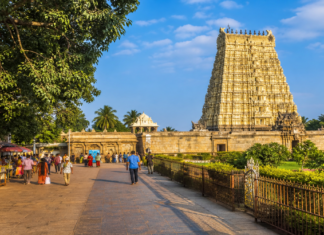
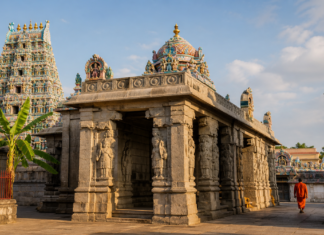
The ashtavinayak names refer to the eight self-manifested (swayambhu) idols of Lord Ganesha located in the Pune and Raigad districts. Devotees believe that these forms represent unique aspects of the deity, and completing the pilgrimage in the prescribed order is considered highly auspicious.
The Significance of the Eight Forms
Each temple houses an idol with a unique trunk direction and posture, often surrounded by local folklore. Knowing these names helps you connect deeper with the history of each location:
- Moreshwar at Morgaon
- Siddhivinayak at Siddhatek
- Ballaleshwar at Pali
- Varadavinayak at Mahad
- Chintamani at Theur
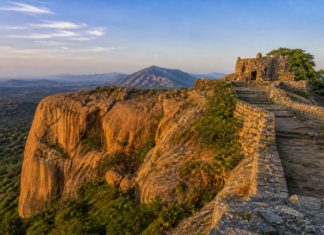
- Girijatmaj at Lenyadri
- Vighneshwar at Ozar
- Mahaganapati at Ranjangaon
Pro Tip: What to Pack
Ensure you carry comfortable slip-on footwear as you will be frequently entering and exiting temple premises where shoes are not permitted. Get your travel gear here: Amazon India Travel Essentials
Navigating the Ashtavinayak Circuit
Most travelers start their circuit from Pune, as it serves as the central hub. While public transport exists, renting a private cab is the most efficient way to manage the tight schedules between the temples.
Road Conditions and Travel Reality
The roads connecting these temple towns are generally well-maintained, though narrow stretches through rural Maharashtra can slow you down during the monsoon. Expect travel times between temples to range from 1.5 to 3 hours depending on the traffic density near the city outskirts.
Where to Stay During Your Pilgrimage
Finding the right accommodation is critical to maintaining your energy levels. Many pilgrims prefer to stay in Pune or MIDC areas near the major temples for better facilities.
Hotel Sagar Plaza Pune
Price: ₹3,500–₹5,000/night | Location: Pune City | Best For: Family Comfort
This property offers excellent proximity to the transport hubs required to start your circuit. Check latest prices on Agoda
Hotel Ozar Grand
Price: ₹2,200–₹3,000/night | Location: Near Ozar Temple | Best For: Pilgrims
A convenient spot to rest after completing the northern leg of the journey. Check latest prices on Agoda
Reality Check
The ashtavinayak darshan is a physically demanding journey, especially if you attempt to finish it in two days. The crowds at popular spots like Morgaon and Ranjangaon can be dense, leading to long waiting lines that stretch for hours during festival seasons.
Travelers with mobility issues should note that Lenyadri requires climbing a significant number of steps. If you are not prepared for extensive walking and rural road travel, consider booking a guided tour package that handles the logistical load for you. Always check local temple websites for specific darshan timings before starting your drive.
At a Glance: Top 5 Things to Know
- Plan for 3 Days
A 2-day trip is often too rushed; allocate 3 days for a stress-free experience.
- Rent a Car
Private transport is far superior to bus travel for this specific circuit.
- Dress Modestly
Traditional attire is highly recommended at all temple locations.
- Local Food
Sample authentic Maharashtrian Thali in small towns for the best experience.
- Keep Cash Handy
Many smaller vendors and parking spots do not accept digital payments.
Budget Breakdown
Budget Breakdown
| Expense | Budget (INR) | Mid-Range (INR) | Premium (INR) |
|---|---|---|---|
| Transport | 3000 | 5000 | 8000 |
| Accommodation | 2000 | 4000 | 7000 |
| Food | 1500 | 2500 | 4000 |
| Offerings/Pooja | 1500 | 2000 | 3000 |
| Total | 8000 | 13500 | 22000 |
Get Free Travel Tips in Your Inbox
Join fellow Indian travelers who get our best destination guides, budget tips, and hidden spots delivered every week. No spam. Just good travel content.
Safety Tips for Travelers
- Stay hydrated and carry basic medical kits, especially if traveling during the hot summer months.
- Avoid trusting unknown guides at temple gates who promise “special” quick darshan for a fee.
- Keep your wallet and phone secure in crowded queues; use a crossbody bag if possible.
- Save the contact details of your hotel and cab driver clearly on your phone.
- Check the Maharashtra Tourism website at tourism.gov.in for official travel advisories.
Frequently Asked Questions
Is there a mandatory order to visit the ashtavinayak temples?
While there is no legal requirement, most traditional pilgrims follow a specific sequence starting at Morgaon and ending at Ranjangaon, with a return to Morgaon to complete the circle.
Can I complete the darshan in one day?
Completing all eight temples in a single day is extremely difficult due to the distance and traffic; we strongly suggest a 2 to 3-day itinerary.
Are there online booking options for darshan?
Some larger temples provide online booking portals, but most operate on a queue system; always check the temple’s official website.
Is this trip suitable for senior citizens?
It is suitable, provided they are comfortable with long hours of driving and can manage some walking; avoid Lenyadri if climbing stairs is a concern.
Do I need to carry special offerings for the temples?
While you can bring flowers and coconuts, almost all necessary items are available for purchase from local vendors right outside the temple gates.
This post contains affiliate links. If you book through our links, we may earn a small commission at no extra cost to you. This helps us keep travellerkaka.com free for everyone.
Plan Your Trip with Us
Have questions about this destination? We would love to help you plan the perfect trip.
Chat with us on WhatsApp or email us at info@travellerkaka.com
null