

Standing before the first of the eight swayambhu shrines, the heavy scent of fresh marigolds and burning camphor immediately grounded me in a stillness that city life never permits. You feel the weight of centuries in the stone, a spiritual magnetism that draws thousands of devotees to the Ashtavinayak Darshan circuit across the rugged landscape of Maharashtra. If you are struggling to find meaning in the chaos of your routine or simply need a soul-stirring escape, this sacred journey is the perfect antidote.
Many travelers I speak to are intimidated by the sheer logistics of visiting eight distinct temples scattered across rural Pune and Raigad districts. The fear of missing a ritual or getting lost on winding ghat roads often keeps families at home, trapped by the uncertainty of bus timings and complex temple protocols. Let’s be honest: your weekend is too precious to waste on poorly planned itineraries, so here is the definitive guide to completing this holy circuit with ease.
Think about it: this is not just a drive; it is a pilgrimage that tests your patience and rewards your devotion. From the narrow, bustling streets around the temples to the serene, open highways cutting through the Western Ghats, this guide simplifies every step of your ashtavinayak darshan experience. Whether you are traveling with elderly parents or planning a solo spiritual retreat, we have laid out the roadmap to ensure your trip is as peaceful as it is transformative.
| Detail | Info |
|---|---|
| Best Time to Visit | October to March |
| Distance from Pune | Approx 600km total circuit |
| Budget Estimate (per person) | ₹8,000–₹12,000 |
| Ideal For | Families, Senior Citizens, Solo Seekers |
| Must-See Spots | Morgaon, Siddhatek, Pali, Mahad |
| Getting There | Private Taxi or State Transport Bus |
“The Ashtavinayak circuit is not merely a distance covered in kilometers, but a depth traversed within the heart.”
Understanding the Ashtavinayak Circuit
The Ashtavinayak darshan refers to the eight holy temples of Lord Ganesha in the state of Maharashtra, each possessing its own unique history and architecture. The tradition dictates that you visit these shrines in a specific sequence to complete the pilgrimage properly. While there is no rigid rule for the order in modern times, most devotees begin at Moreshwar in Morgaon and conclude at the eighth temple, Ashtavinayak in Mahad.
Each idol is self-manifested (swayambhu), meaning they were not sculpted by human hands but were discovered naturally in the shape of Ganesha. During my visit last month, I noticed the intense focus of the crowds at Siddhivinayak in Siddhatek, where the trunk of the idol is positioned to the right—a rarity that draws intense scholarly and spiritual interest. The terrain changes from flat farmlands to hilly tracts, and the road conditions vary significantly, so prepare your vehicle or hired transport accordingly.
Essential Rituals and Puja Guidance
Entering these temples requires a basic understanding of the protocols. Most shrines prohibit photography inside the sanctum, and the queues can swell to three hours during peak festive days. If you are planning an elaborate puja, ensure you arrive early—preferably by 6:00 AM—to avoid the sweltering heat and the largest crowds.
What You Need to Know
- Dress Code: Traditional attire is highly recommended; avoid shorts or sleeveless tops.
- Prasad: Local vendors sell Modak, which is considered the favorite offering for Lord Ganesha.
- Pujari Interaction: It is customary to offer a small dakshina to the temple priests if you request a special archana.
- Queue Management: Most temples now have designated VIP lines for a nominal fee, which can save you significant time.
Pro Tip: What to Pack
Comfortable footwear that you can easily slip off and on is a necessity, as you will be entering and exiting eight temples in a short span. I also recommend carrying a small bag for your belongings to keep them safe in crowded spaces. Get your travel gear here: Amazon India Travel Essentials
Where to Stay During the Yatra
Staying at each temple location is not necessary unless you prefer a slow-paced journey. Most pilgrims prefer to base themselves in Pune, as it serves as the most convenient hub for starting and ending the circuit. However, there are guesthouses managed by the temple trusts in places like Morgaon and Ranjangaon that offer modest, clean accommodation.
Budget Stays in Pune
Price: ₹1,500–₹3,000/night | Location: Pune City Central | Best For: Ease of access to highways
These hotels provide a great balance of comfort after a long day of driving through the circuit. Check latest prices on Agoda
Planning Your Travel Logistics
Logistically, the circuit is best covered in two to three days. Attempting to see all eight in a single day is exhausting and leaves no room for the actual spiritual experience. If you are starting from Hyderabad, I recommend flying or taking a train to Pune and hiring a local cab for the entire duration of the trip.
Transport Reality Check
- Private Cabs: This is the most reliable option, as drivers are usually familiar with the specific village routes.
- TSRTC/MSRTC Buses: While cheaper, public transport will be difficult to coordinate across all eight villages in a limited timeframe.
- Road Conditions: While the main highways are excellent, the inner village roads leading to temples like Ozar and Lenyadri can be narrow and rough during the monsoon.
Watch Out
Be wary of touts claiming they can get you ‘instant’ darshan by bypassing the line for a large sum of money. Stick to the official temple counters for any tickets or special entry passes to avoid being scammed.
Best Food Trails Along the Way
The food on this circuit is predominantly Maharashtrian, focusing on wholesome vegetarian meals. You will find small dhabas serving Zunka Bhakar and Thecha, which is a spicy local chutney that perfectly complements the rustic vibe of the journey. Do not miss the fresh buttermilk served at local stalls; it is the best way to stay hydrated during the hot afternoons.
Reality Check
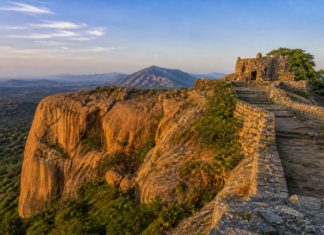
Let’s be honest: the Ashtavinayak darshan is physically demanding. You will spend a lot of time walking on hot stone floors and standing in long, often unorganized queues. If you or your companions have severe mobility issues, some temples—specifically Lenyadri, which requires climbing a significant number of steps—might be challenging.
The crowds can be overwhelming during Ganesh Chaturthi or weekends, leading to massive traffic snarls in small village corridors. If your goal is a quiet, meditative experience, I strongly advise visiting on a weekday and avoiding major Hindu festivals. The reality is that the spirituality of the place is often obscured by the sheer volume of tourists, so manage your expectations regarding silence and space.
Budget Breakdown
Budget Breakdown
| Expense | Budget (INR) | Mid-Range (INR) | Premium (INR) |
|---|---|---|---|
| Transport | 3,000 | 6,000 | 10,000 |
| Accommodation | 2,000 | 4,000 | 8,000 |
| Food & Prasad | 1,500 | 2,500 | 4,000 |
| Temple Fees | 500 | 1,000 | 2,000 |
| Total | 7,000 | 13,500 | 24,000 |
Get Free Travel Tips in Your Inbox
Join fellow Indian travelers who get our best destination guides, budget tips, and hidden spots delivered every week. No spam. Just good travel content.
Frequently Asked Questions
Is it mandatory to visit all 8 temples in one go?
While tradition suggests visiting all eight for a complete circuit, many devotees complete them over multiple trips depending on their time and budget.
Can I visit the temples during monsoon?
Yes, the landscapes turn lush green, but keep in mind that some village roads may get muddy and travel times will increase.
Is there a specific dress code?
Most temples expect modest, traditional Indian clothing. Avoid modern, revealing outfits to respect the sanctity of the shrines.
Are there English-speaking guides available?
Local temple priests are generally fluent in Marathi and Hindi. Most do not offer English guided tours, so having a basic grasp of Hindi is helpful.
How far in advance should I book my transport?
If you are booking a private taxi for the 3-day circuit, book it at least 2 weeks in advance, especially during the wedding season or festivals.
This post contains affiliate links. If you book through our links, we may earn a small commission at no extra cost to you. This helps us keep travellerkaka.com free for everyone.
Plan Your Trip with Us
Have questions about this destination? We would love to help you plan the perfect trip.
Chat with us on WhatsApp or email us at info@travellerkaka.com
null