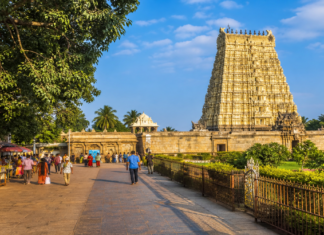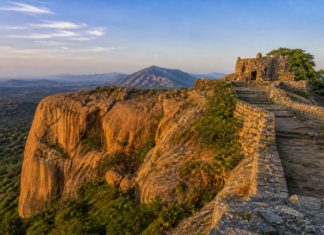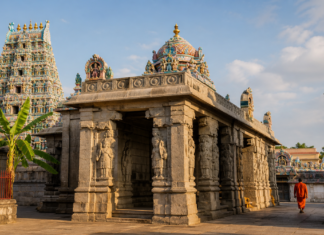


The morning mist clings to the Sahyadri mountains as you approach the first of the eight sacred shrines. Your heart beats faster, not from the winding ghat roads, but from the spiritual anticipation of covering the ancient ashtavinayak map in one journey. For many Indian families, this circuit is not just a road trip; it is a life-changing pilgrimage that demands discipline, devotion, and a well-planned route.
Many travelers start the journey without a proper sequence, only to find themselves stuck in endless traffic or missing temple closing times. You have limited time this weekend, and wasting hours on the road is not an option. The solution lies in following the traditional, time-tested clockwise order to ensure you experience the full spiritual significance of these eight Ganesha temples.
| Detail | Info |
|---|---|
| Best Time to Visit | October to March |
| Distance from Pune | Approx 600-700 km (total circuit) |
| Budget Estimate (per person) | ₹8,000 – ₹12,000 |
| Ideal For | Families, Pilgrims, Road Trippers |
| Must-See Spots | Morgaon, Siddhatek, Pali |
| Getting There | Private car (Recommended) |
“The Ashtavinayak circuit is not merely a path on a map; it is a profound journey into the heart of faith where every temple tells a story of divine intervention.”
Understanding the Ashtavinayak Map and Sacred Order
To complete the ashtavinayak darshan efficiently, you must follow the sequence prescribed by tradition. The journey typically begins at Moreshwar in Morgaon and ends at Mahaganpati in Ranjangaon. Following this route prevents backtracking and helps you navigate the rural roads of Maharashtra smoothly.
Road conditions in these rural belts are mostly good, but expect narrow stretches near the temples. If you are starting from Pune, you can easily cover the first few shrines in a single day. However, I strongly recommend a three-day plan to avoid physical exhaustion.
Why the Sequence Matters
The traditional route is designed to follow a logical geographical path that respects the sanctity of the pilgrimage. Deviating from this order often leads to confusion during the peak season when crowd management at the gates becomes intense. Always verify temple timings before you leave, as most shrines close for a few hours in the afternoon.
Pro Tip: What to Pack
Carry a small backpack with extra water bottles, light snacks, and a power bank for your GPS navigation. Don’t forget a comfortable pair of slip-on shoes for quick temple visits. Get your travel gear here: Amazon India Travel Essentials
Recommended Itinerary for Your Journey
- Day 1 — Morning: Depart Pune early to visit Moreshwar (Morgaon) and Siddhatek.
- Day 1 — Afternoon: Proceed to Pali and Mahad as you drive through the scenic Konkan belt.
- Day 2 — Morning: Cover Theur and Lenyadri to witness the unique cave architecture.
- Day 2 — Afternoon: Reach Ozar and conclude at the majestic Ranjangaon temple.
Practical Tips for a Smooth Pilgrimage
When you navigate the ashtavinayak map, keep in mind that local transport options like auto-rickshaws are available only near major town centers. For the interior temples, hiring a private vehicle is the most reliable choice for a family. Always keep a physical map or a downloaded offline GPS file, as network connectivity in the remote villages of Maharashtra can be unpredictable.
Managing the Crowds
Weekends and festival days like Vinayaka Chaturthi see heavy footfall. If you want a peaceful darshan, try to reach the temples by 6:00 AM. This early start also helps you beat the harsh afternoon sun that makes walking on the temple floor difficult.
Hotel Sagar Heritage
Price: ₹2,500–₹3,500/night | Location: Near Pune-Solapur Highway | Best For: Families
This hotel provides clean rooms and excellent connectivity to the start of the circuit. Check latest prices on Agoda
Reality Check
Let’s be honest: the ashtavinayak map covers a massive area across rural Maharashtra, and the physical demand is high. If you are traveling with elderly parents, ensure you plan for enough rest days between the temple visits. The lack of standardized, high-end clean restrooms in some remote villages is a common issue, so keep a sanitization kit handy.
If you dislike crowded spaces or long queues, try to avoid the peak pilgrimage seasons during major festivals. Some temples have narrow staircases or steep climbs, which might not be suitable for those with mobility challenges. Always check the official Ministry of Tourism website for updates on temple access rules during your travel dates.
Budget Breakdown
| Expense | Budget (INR) | Mid-Range (INR) | Premium (INR) |
|---|---|---|---|
| Fuel/Car Hire | 3,000 | 5,000 | 8,000 |
| Accommodation | 2,000 | 4,000 | 7,000 |
| Meals | 1,500 | 2,500 | 4,000 |
| Offerings/Pooja | 500 | 1,000 | 2,000 |
| Total | 7,000 | 12,500 | 21,000 |
Get Free Travel Tips in Your Inbox
Join fellow Indian travelers who get our best destination guides, budget tips, and hidden spots delivered every week. No spam. Just good travel content.
Safety Tips for Travelers
- Keep a digital copy of your IDs and vehicle documents on your phone at all times.
- Avoid driving late at night on rural state highways as wildlife crossings are common.
- Carry basic medicines for motion sickness, as the ghat roads can be winding.
- Local police helplines should be saved in your contacts before you depart.
- Always drink bottled water and maintain basic hygiene during the food trails.
Nearby Places to Explore
While you are here, these nearby spots are well worth the detour.
- Pune City — 0 km, base city — Known for its cultural heritage and museums.
- Bhimashankar — 120 km, approx 3 hours — A stunning temple amidst a wildlife sanctuary.
- Lonavala — 65 km, approx 1.5 hours — A famous hill station offering panoramic valley views.
- Mahabaleshwar — 120 km, approx 3 hours — Famous for its strawberry fields and viewpoints.
Frequently Asked Questions
Is it possible to complete all 8 temples in one day?
No, it is highly impractical and exhausting to complete all eight temples in one day due to the vast distances and crowd waiting times.
What is the best sequence for the Ashtavinayak?
The standard route is Morgaon, Siddhatek, Pali, Mahad, Theur, Lenyadri, Ozar, and finally Ranjangaon.
Are there any dress codes for these temples?
Most temples expect modest traditional clothing. Wearing a dhoti or kurta for men and a saree or salwar kameez for women is highly respected.
Do these temples offer online booking for pooja?
Some major temples have started online portals for sevas; it is best to check their official websites a week before your trip.
Is the circuit safe for solo travelers?
Yes, it is generally safe, but having your own vehicle or hiring a known driver is significantly better for your safety and comfort.
This post contains affiliate links. If you book through our links, we may earn a small commission at no extra cost to you. This helps us keep travellerkaka.com free for everyone.
Plan Your Trip with Us
Have questions about this destination? We would love to help you plan the perfect trip.
Chat with us on WhatsApp or email us at info@travellerkaka.com
null