

The scent of marigold garlands and the rhythmic chime of temple bells carry a unique magic that city life simply cannot replicate. If you have spent your week staring at a laptop screen in traffic, the Ashtavinayak Ganpati names represent more than just a list; they are an invitation to a sacred circuit that grounds the soul.
Many travelers find themselves overwhelmed by the sheer number of shrines and confusing travel routes across Maharashtra. We have navigated these winding roads and crowded queues so you can focus entirely on the spiritual journey ahead.
Let us break down the eight divine abodes of Lord Ganesha to help you plan a seamless pilgrimage, whether you are a first-timer or returning to complete the full Ashtavinayak darshan circuit.
| Detail | Info |
|---|---|
| Best Time to Visit | October to March (Pleasant weather) |
| Distance from Pune | Ranges from 30km to 200km |
| Budget Estimate | ₹8,000–₹15,000 (3-day trip) |
| Ideal For | Families, devotees, road trippers |
| Must-See Spots | Morgaon, Siddhatek, Pali |
| Getting There | Personal car or pre-booked taxi |
“The Ashtavinayak circuit is a journey through eight ancient landscapes where faith meets history in every stone.”
Understanding the Ashtavinayak Ganpati Names
The term Ashtavinayak literally translates to eight Ganeshas. Each of these temples houses a self-manifested (Swayambhu) idol, making them highly revered in Hindu tradition. Each idol is unique in its trunk position and posture, and they are located at various distances from Pune city.
Here is the official list of the eight temples you need to visit:
- Moreshwar (Morgaon)
- Siddhivinayak (Siddhatek)
- Ballaleshwar (Pali)
- Varadavinayak (Mahad)
- Chintamani (Theur)
- Girijatmaj (Lenyadri)
- Vighnahar (Ozar)
- Mahaganpati (Ranjangaon)
The Significance of the Darshan Sequence
While there is no strict rule, most devotees start at the Moreshwar temple in Morgaon. This temple is considered the center of the circuit. A traditional pilgrimage usually follows a specific order to cover these sites in the most efficient geographical loop.
Why the Order Matters
Traveling in a logical loop saves you hours of back-and-forth driving on rural roads. We recommend allocating at least three days to visit all eight, as the roads can become narrow and slow-moving during peak festival seasons. If you are starting from Pune, you can easily access these via the state highway network.
Where to Stay During Your Pilgrimage
Hotel Sagar Darshan
Price: ₹1,800/night | Location: Near Pali | Best For: Families
This is a clean, reliable spot located near the Ballaleshwar temple. It offers decent parking and proximity to local dining. Check latest prices on Agoda
Hotel Ganesha Heritage
Price: ₹2,500/night | Location: Near Morgaon | Best For: Luxury seekers
If you want a more comfortable stay after a long day of driving, this place features modern amenities. Check latest prices on Agoda
Pro Tips for a Smooth Trip
Pro Tip: What to Pack
Carry light cotton clothing for the day, but pack a warm jacket if you are visiting Lenyadri, which is located on a hill. Get your travel gear here: Amazon India Travel Essentials
Always carry cash for offerings and small temple donations. While digital payments are gaining traction in cities, the smaller village shops near the temples prefer local currency.
The Spiritual Geography of the Eight Temples
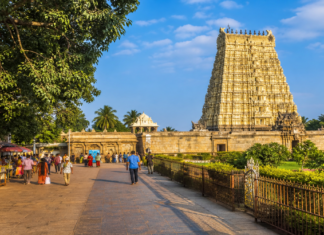
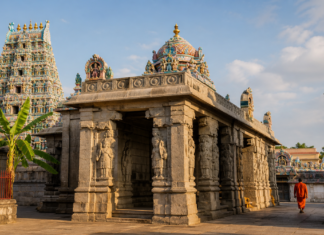
Every temple in the list offers a unique architectural style and atmosphere. For example, Lenyadri requires climbing a series of stairs, providing a workout and a spiritual high. Conversely, Morgaon is famous for its intricate stone carvings that reflect Maratha-era craftsmanship.
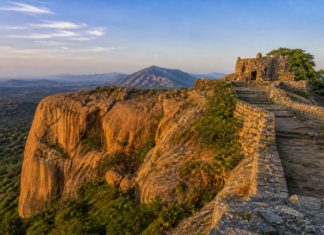
The Siddhatek temple is uniquely situated on a hillock, offering a serene view of the surrounding countryside. Make sure to check the local Ministry of Tourism website for updates on special event days.
Reality Check
Let’s be honest: the Ashtavinayak darshan can be physically taxing. Some temples have massive crowds, especially on Tuesdays and Ganesh Chaturthi, leading to wait times of up to three hours. If you prefer a peaceful experience, try to visit mid-week and arrive as early as 6:00 AM.
Travelers with mobility issues should be aware that Lenyadri has steep steps that may be difficult for senior citizens. Also, road conditions in rural interior areas can be unpredictable during the monsoon season. If you are strictly looking for a quick trip, you might find the 200km loop between the furthest points tiring if you don’t have a reliable driver.
Get Free Travel Tips in Your Inbox
Join fellow Indian travelers who get our best destination guides, budget tips, and hidden spots delivered every week. No spam. Just good travel content.
Budget Breakdown
| Expense | Budget (INR) | Mid-Range (INR) | Premium (INR) |
|---|---|---|---|
| Fuel/Transport | 3,000 | 5,000 | 8,000 |
| Accommodation | 2,000 | 4,000 | 7,000 |
| Food | 1,500 | 3,000 | 5,000 |
| Offerings/Other | 500 | 1,000 | 2,000 |
| Total | 7,000 | 13,000 | 22,000 |
Safety Tips for Travelers
- Keep a physical copy of your ID card for hotel check-ins in rural areas.
- Avoid driving late at night on rural stretches where road lighting is minimal.
- Keep a list of local emergency contacts, including the nearest police station to each temple.
- Stay hydrated and keep a basic first-aid kit in your car.
- Be cautious of touts near the main entrance offering ‘fast-track’ darshan.
Nearby Places to Explore
While you are here, these nearby spots are well worth the detour.
- Pune City — 30km, approx 1 hour — Known for historic palaces and cafes.
- Bhimashankar — 120km, approx 3 hours — A stunning temple amidst a wildlife sanctuary.
- Lonavala — 90km, approx 2 hours — A perfect hill station for a quick cool-down.
- Alandi — 40km, approx 1.5 hours — A significant pilgrimage site for the Warkari community.
Frequently Asked Questions
Is one day enough for all eight temples?
It is practically impossible to cover all eight in one day due to the distances. We strongly suggest a minimum of two to three days.
Can I book darshan online?
Most of these temples follow a first-come, first-served queue system, though some offer special passes at the counters.
Which is the best starting point?
Pune is the most convenient base for starting your journey, with plenty of car rental options available.
Is there a dress code?
While there is no strict mandatory attire, traditional and modest clothing is highly recommended out of respect for the deities.
Are the roads safe for self-driving?
The roads are generally good but narrow. If you are not comfortable driving on rural Indian roads, hiring a local driver is safer.
This post contains affiliate links. If you book through our links, we may earn a small commission at no extra cost to you. This helps us keep travellerkaka.com free for everyone.
Plan Your Trip with Us
Have questions about this destination? We would love to help you plan the perfect trip.
Chat with us on WhatsApp or email us at info@travellerkaka.com