

Navagraha Stotra in Hindi: Meaning, Benefits, and Chanting Guide (2026 Edition)
For generations of Indian families, embarking on a spiritual journey to seek cosmic harmony is a deeply rooted tradition. Whether you are dealing with career hurdles, seeking marital peace, or simply hoping for the well-being of your children, chanting the navagraha stotra in hindi offers a profound sense of grounding. This timeless hymn, originally composed by the great sage Sri Veda Vyasa, is a powerful tool to pacify the planetary energies that influence our daily lives.
For families from Hyderabad, Bengaluru, and across South India, planning a pilgrimage to the revered planetary temples of Tamil Nadu is often a lifelong dream. But before you book those train tickets or pack your bags for Kumbakonam, understanding the spiritual essence of the deities you are about to visit is essential. Chanting this sacred text at home builds the spiritual foundation for your physical journey, bridging the gap between everyday chaos and celestial peace.
While the original verses are in Sanskrit, reading and understanding them in Hindi makes the profound meanings accessible to a pan-Indian audience. It allows middle-class families, solo spiritual seekers, and couples to connect deeply with the vibrations of the mantras. In this comprehensive guide, we will break down the lyrics, explore the hidden meanings behind each planetary verse, and give you practical advice for your upcoming spiritual travels.
“Chanting the Navagraha Stotra is not just a ritual; it is a cosmic conversation that aligns our chaotic minds with the rhythmic perfection of the universe.”
What is the Navagraha Stotra? (Meaning & Significance)
In Vedic astrology (Jyotisha), human life is believed to be deeply influenced by the energetic pull of nine celestial entities, known as the Navagrahas. These include Surya (Sun), Chandra (Moon), Mangala (Mars), Budha (Mercury), Guru (Jupiter), Shukra (Venus), Shani (Saturn), Rahu (North Lunar Node), and Ketu (South Lunar Node). Each of these navagraha names represents specific attributes—from your core health and emotional stability to your career growth and spiritual liberation.
The Navagraha Stotra is a beautifully condensed prayer consisting of nine distinct verses, each dedicated to one of these celestial bodies. Unlike complex Vedic rituals that require a priest, fire offerings, or elaborate setups, this Stotra is designed for the everyday householder. It is a simple, potent, and accessible way to acknowledge the cosmic forces and request their blessings. By visualizing the form and qualities of each planet as described in the verses, the chanter creates a protective energetic shield around themselves.
For those planning a temple tour, familiarizing yourself with this navagraha stotram elevates the entire pilgrimage experience. Instead of just looking at the stone idols as tourists, you begin to understand the poetic and philosophical significance behind their fierce or benevolent forms. It transforms a standard family vacation into a deeply transformative spiritual retreat.
At a Glance: Top 5 Things to Know Before Chanting
- Ideal Time
Early morning, just after a bath and before sunrise, is considered the most auspicious time.
- Direction
Facing East or North while sitting on a prayer mat helps align your personal energy.
- Consistency
Chanting daily with devotion is far more effective than chanting a hundred times on a single day.
- Mindset
Approach the prayer not out of fear of the planets, but with reverence for cosmic balance.
- Accessibility
You do not need perfect Sanskrit pronunciation; reading the Hindi transliteration with pure intent is enough.
Full Navagraha Stotra in Hindi (Transliteration/Lyrics)
Here is the complete Stotra provided in clear Hindi (Devanagari script) alongside the meaning of each verse. Take your time to read through these verses, absorbing the rich imagery associated with each deity.
1. Surya (The Sun)
जपाकुसुम संकाशं काश्यपेयं महाद्युतिम् ।
तमोऽरिं सर्वपापघ्नं प्रणतोऽस्मि दिवाकरम् ॥
Meaning: I bow down to the Sun God, the day-maker, whose complexion is like the red hibiscus flower. He is the brilliant son of Sage Kashyapa, the enemy of darkness, and the destroyer of all sins.
2. Chandra (The Moon)
दधिशंखतुषाराभं क्षीरोदार्णव संभवम् ।
नमामि शशिनं सोमं शंभोर्मुकुट भूषणम् ॥
Meaning: I bow to the Moon God, who is radiant like yogurt, a conch shell, and snow. He emerged from the milky ocean and beautifully adorns the crown of Lord Shiva.
3. Mangala (Mars)
धरणीगर्भ संभूतं विद्युत्कांति समप्रभम् ।
कुमारं शक्तिहस्तं तं मंगलं प्रणमाम्यहम् ॥
Meaning: I bow to Mars, the auspicious one, born from the womb of the Earth. He shines with the brilliance of lightning, appears youthful, and wields the weapon of power (Shakti) in his hands.
4. Budha (Mercury)
प्रियंगुकलिकाश्यामं रूपेणाप्रतिमं बुधम् ।
सौम्यं सौम्यगुणोपेतं तं बुधं प्रणमाम्यहम् ॥
Meaning: I bow to Mercury, who is dark like the bud of the Priyangu flower, possessing unparalleled beauty. He is gentle by nature, endowed with mild qualities, and governs intellect.
5. Guru (Jupiter)
देवानां च ऋषीणां च गुरुं कांचनसंनिभम् ।
बुद्धिभूतं त्रिलोकेशं तं नमामि बृहस्पतिम् ॥
Meaning: I bow to Jupiter, the preceptor of gods and sages. He shines like pure gold, is the embodiment of supreme intelligence, and is the master of the three worlds.
6. Shukra (Venus)
हिमकुंदमृणालाभं दैत्यानां परमं गुरुम् ।
सर्वशास्त्रप्रवक्तारं भार्गवं प्रणमाम्यहम् ॥
Meaning: I bow to Venus, who shines like snow, the jasmine flower, and the lotus stem. He is the supreme guru of the demons, the exponent of all scriptures, and the descendant of Sage Bhrigu.
7. Shani (Saturn)
नीलांजनसमाभासं रविपुत्रं यमाग्रजम् ।
छायामार्तंड संभूतं तं नमामि शनैश्चरम् ॥
Meaning: I bow to Saturn, who shines with the color of blue collyrium. He is the son of the Sun, the elder brother of Yama (God of Death), and born to Chhaya and Surya. He moves slowly and teaches profound life lessons.
8. Rahu (North Node)
अर्धकायं महावीर्यं चंद्रादित्यविमर्दनम् ।
सिंहिकागर्भसंभूतं तं राहुं प्रणमाम्यहम् ॥
Meaning: I bow to Rahu, who has only half a body but possesses immense valor. He is capable of subduing even the Sun and the Moon, and was born from the womb of Simhika.
9. Ketu (South Node)
पलाशपुष्पसंकाशं तारकाग्रहमस्तकम् ।
रौद्रं रौद्रात्मकं घोरं तं केतुं प्रणमाम्यहम् ॥
Meaning: I bow to Ketu, whose appearance resembles the Palasha flower. He acts as the head of the stars and planets, is fierce and terrifying in nature, yet grants spiritual liberation.
Benefits of Chanting Navagraha Stotra
The practice of reciting this sacred text goes far beyond religious obligation; it is a holistic approach to managing life’s inevitable ups and downs. For many Indian families, this chanting becomes a meditative anchor during stressful periods, such as when children are facing crucial exams, or when elders are experiencing health issues.
- Mitigating Astrological Doshas: According to traditional beliefs, chanting this prayer diligently helps reduce the negative impact of unfavorable planetary periods (Dasha or Bhukti) in one’s horoscope.
- Mental Clarity and Calmness: The rhythmic recitation of the navgrah mantra acts as a powerful focusing tool. It calms the nervous system, lowers anxiety, and provides the mental clarity needed to make sound life decisions.
- Cultivating Discipline: Committing to a daily chanting routine instills a strong sense of personal discipline. It encourages you to wake up early, maintain physical cleanliness, and start your day on a positive note.
- Fostering Family Unity: When families sit together in the morning or evening to recite these verses, it creates a shared spiritual space, passing down rich cultural values to the younger generation.
- Spiritual Evolution: Beyond material benefits, the Stotra reminds us of the vastness of the cosmos and our humble place within it, gently eroding the ego and promoting spiritual growth.
Upcoming Festivals & Temple Events (Next 6 Months)
Temple festival dates in South India follow the traditional lunar calendar and can shift from year to year. Grand celebrations often take place during transit periods of major planets like Jupiter (Guru Peyarchi) and Saturn (Sani Peyarchi), drawing massive crowds. Verify latest details at the official website before visiting, as exact dates and crowd management protocols are frequently updated by local authorities.
Guide for Families Visiting Navagraha Temples
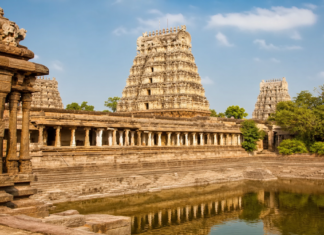
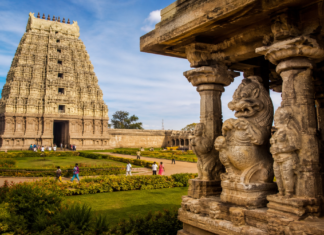
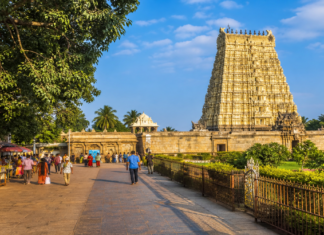
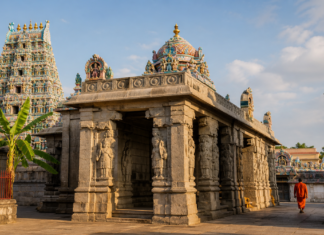
For devotees from Hyderabad, Chennai, and Bengaluru, undertaking the navagraha temple circuit in Tamil Nadu is a highly rewarding experience. Most of these ancient shrines are clustered around the temple town of Kumbakonam. The architecture, the sheer scale of devotion, and the historical energy in these corridors are awe-inspiring. However, traveling with family requires careful planning to ensure the journey remains peaceful rather than exhausting.
When charting out your itinerary, utilizing a reliable kumbakonam navagraha temples route map is crucial. Attempting to visit all nine temples in a single day is physically draining and spiritually rushed; most local experts recommend splitting the circuit over two or three days. You can easily book your train journeys via IRCTC, with many overnight trains connecting major South Indian hubs to Kumbakonam and Trichy.
For your accommodation and local transit, remember that costs vary by season and choice of stay — check live rates before booking. During major auspicious days and Tamil calendar milestones, hotels in Kumbakonam sell out quickly. Booking a reliable cab for the duration of your stay is highly recommended, as negotiating with local autos for long-distance temple hopping under the hot sun can be stressful for elders and children.
Pro Tip: What to Pack
Tamil Nadu’s weather is notoriously humid for most of the year. Pack light, breathable cotton ethnic wear (mandatory for temple entry) and slip-on footwear, as you will be taking your shoes off multiple times a day. Amazon India Travel Essentials
Reality Check
While the spiritual rewards of this pilgrimage are immense, it is important to travel with realistic expectations. These are ancient, active places of worship, not manicured tourist resorts. During weekends, public holidays, and planetary transit days, the crowd levels can be overwhelming. You may face long, slow-moving queues in narrow stone corridors without air conditioning. If you are traveling with infants or elderly family members with mobility issues, you must plan your temple visits for the very early morning hours or late evenings to avoid the peak heat and rush.
Furthermore, while Tamil is the primary language, Hindi and English are understood by many hoteliers and drivers, but communication with temple priests might require patience. Do not let minor inconveniences or aggressive touts outside the temple gates distract you from your core spiritual purpose. Maintain your calm, stay hydrated, and focus on the chanting.
Safety Tips for Travelers
- Secure Valuables: Leave heavy gold jewelry and unnecessary electronics in your hotel safe. Pickpocketing can happen in dense temple crowds.
- Official Guides Only: Only engage with official temple priests (Archakas) for your pujas. Ignore touts claiming to offer “fast-track” darshan outside the gates.
- Hydration is Key: The heat inside stone temple complexes can be intense. Always carry a reusable water bottle and drink plenty of fluids throughout the day.
- Footwear Management: You will need to leave your footwear outside every temple. Avoid wearing expensive branded shoes; simple sandals or flip-flops are best.
- Verify Timings: South Indian temples strictly close in the afternoon (usually between 12:30 PM and 4:00 PM). Always double-check timings on official government portals like tourism.gov.in before setting out for the day.
Nearby Places to Explore
If you have extra time in the delta region, consider expanding your spiritual itinerary.
- Srirangam Temple (Trichy) — A massive, breathtaking complex dedicated to Lord Ranganatha. Verify latest details and travel times locally.
- Brihadeeswara Temple (Thanjavur) — A UNESCO World Heritage site showcasing Chola architectural brilliance. An absolute must-visit for history loving families.
- Darasuram Airavatesvara Temple — Another architectural marvel located very close to Kumbakonam, famous for its musical steps and intricate stone carvings.
Get Free Travel Tips in Your Inbox
Join fellow Indian travelers who get our best destination guides, budget tips, and hidden spots delivered every week. No spam. Just good travel content.
Frequently Asked Questions
How many times should one chant the Navagraha Stotra?
There is no strict upper limit, but consistency is more important than volume. Chanting the complete Stotra once or three times daily is a common practice. For specific astrological remedies, it is best to consult a family priest or local expert who might suggest a specific number of repetitions based on your planetary chart.
Is there a specific day to chant this?
While daily recitation is highly encouraged, many people wonder which day is good for navagraha pooja. Generally, chanting it on Saturdays is considered highly beneficial to appease Lord Shani, while Thursdays are excellent for Guru. Verify from an official source or your astrologer for personalized guidance.
Do I need to visit the temples to chant this?
Absolutely not. While visiting the physical temples in Tamil Nadu is a beautiful and meritorious act, the Divine is omnipresent. Chanting the Stotra with pure devotion in your own home puja room yields tremendous spiritual benefits regardless of your geographic location.
Can women chant the Navagraha Stotra?
Yes, absolutely. The Stotra is a universal prayer accessible to everyone. Spiritual devotion knows no gender barriers, and reciting these verses is beneficial for the entire family’s well-being.
What should be the dietary discipline while chanting?
While simple daily chanting does not require extreme austerity, maintaining a vegetarian diet on the days you dedicate to intense prayer or temple visits is a standard sign of respect and helps keep the mind Sattvic (pure and calm).
This post contains affiliate links. If you book through our links, we may earn a small commission at no extra cost to you. This helps us keep travellerkaka.com free for everyone.
Plan Your Trip with Us
Have questions about this destination? We would love to help you plan the perfect trip.
Chat with us on WhatsApp or email us at info@travellerkaka.com