

Navagraha Shanti Puja: A Complete Guide for Families Visiting South India in 2026
Looking for spiritual peace and prosperity for your loved ones? A navagraha shanti puja at the historic heritage shrines of South India might be exactly what your family needs to find balance. The celestial bodies play an immense role in traditional Indian astrology, and neutralizing their negative planetary influences holds a unique spiritual significance for modern families facing career hurdles or health concerns.
Whether you are traveling from Hyderabad, Bengaluru, or elsewhere in South India, planning this spiritual journey requires careful preparation. As temple procedures, priest availability, and local facilities frequently evolve, we highly recommend verifying all specific details directly with your chosen temple before you finalize your travel plans.
This comprehensive guide breaks down the essential ritual steps, practical travel tips, and everything you need to know when taking your family for this powerful Vedic experience in 2026. Remember, patience and proper planning are your best companions on any traditional pilgrimage.
“Finding celestial harmony brings profound peace and clarity to the modern family’s chaotic life.”
What is Navagraha Shanti Puja?
A navagraha shanti puja is a deeply revered Vedic ritual aimed at pacifying the nine planetary deities. According to Hindu astrology, the positions of the sun, moon, and planets at the time of your birth dictate your life’s path. When certain planets are unfavorably aligned (known as doshas), families often experience unexplained delays in marriages, sudden financial losses, or lingering health issues. The core objective of this ritual is to balance these planetary influences and restore cosmic harmony.
During the ceremony, priests invoke divine blessings to neutralize negative karmic effects. Devotees often prepare by fasting or observing a strict vegetarian diet in the days leading up to the ritual. By chanting specific verses like the navagraha stotram, the vibrations of the ancient Sanskrit syllables are believed to cleanse the aura and bring mental clarity to the entire family.
It is important to understand that there is no “one size fits all” approach to this ritual. Depending on your personal horoscope, the priest might recommend focusing on a specific planet, such as Shani (Saturn) or Rahu. Chanting the powerful navgrah mantra under the guidance of a learned scholar amplifies the benefits. Consult the temple website or your family priest for the most accurate information regarding which specific planetary focus your family requires.
Step-by-Step Procedure
Understanding the ritual steps helps families, especially the younger generation, mentally prepare for the spiritual experience. While minor variations exist between different traditions, the core sequence of a traditional homa remains largely consistent across major shrines.
- Sankalpam: The ritual strictly begins with the priest taking your family’s names, gotras (lineage), and nakshatras (birth stars). This acts as a cosmic address, directing the benefits of the prayers directly to you.
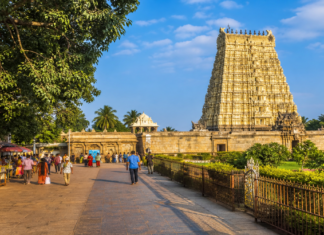
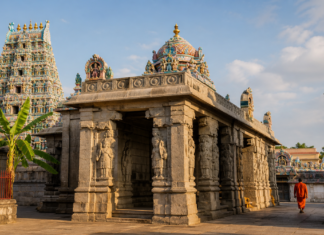
- Kalasha Sthapanam: Holy water is invoked in brass or copper pots to represent the deities. Understanding the specific navagraha positions in temple architecture can help you appreciate this complex spatial arrangement, as each planet faces a distinct direction.
- Homa (Fire Ritual): Sacred herbs, wooden twigs, and pure ghee are offered into the agni (sacred fire). Fire acts as the messenger to the divine, carrying your prayers to the celestial realm.
- Poornahuti: The grand final offering, usually a silk cloth wrapped around a coconut, is placed into the fire, concluding the active phase of the homa.
- Aarti and Prasadam: The priest performs the final deeparadhana (light offering) and distributes the energized ash (bhasma) and prasadam to the family.
Since traditions and specific offerings vary wildly across different shrines, especially within the famous temple city of tamilnadu, always verify the exact steps with a qualified Vedic scholar before your visit.
Cost Breakdown: Budgeting for Families
Budgeting for a spiritual trip requires accounting for long-distance travel, local accommodation, and the ritual itself. Because families travel from across South India, your overall expense will heavily depend on your choice of transport and the scale of the puja you wish to perform.
State approximate costs as a range. Basic group pujas organized by temple administrations are usually very budget-friendly, making them accessible to the wider public. However, if you opt for a private, exclusive homa conducted by multiple senior priests with specialized offerings, the expenses can scale significantly. You will also need to factor in the dakshina (respectful donation) given directly to the priests, as well as costs for the pooja samagri (ritual items) like ghee, flowers, and silk cloths.
We strongly advise setting aside an emergency cash fund, as digital payments are not always accepted by smaller vendors selling offering baskets outside the temple gates. Costs are subject to change; verify with the temple administration or your chosen priest before booking.
Upcoming Festivals & Special Puja Days (Next 6 Months)
Timing your visit can exponentially increase the spiritual benefits of your journey. Certain astrological alignments, lunar phases, and specific Tamil months are considered highly auspicious for planetary rituals. Days like Amavasya (new moon), Poornima (full moon), and Pradosham attract thousands of devotees seeking celestial interventions.
Major planetary transits, known as Peyarchi (such as Jupiter or Saturn changing zodiac signs), are monumental events in South Indian temples. During these periods, special grand homas are conducted to ease the transition for all zodiac signs. However, these specific dates follow the lunar calendar and can shift from year to year.
Consult the temple website or your family priest for the most accurate information regarding specific upcoming auspicious dates. It is highly recommended that you confirm exact dates on the official Ministry of Tourism or state HRCE calendar before you book your train tickets or hotels.
Practical Travel Tips for Families
Traveling with family—especially senior citizens who may have mobility issues and young children who get easily exhausted—requires extra layer of planning. When visiting any prominent navagraha temple, be prepared for large crowds, especially on weekends and auspicious lunar days. Start your day as early as 5:30 AM to beat both the heat and the heaviest rush of devotees.
For transport, many families prefer to travel by train for comfort. You can check the latest schedules and book tickets via IRCTC well in advance. If you are planning a multi-day circuit to visit different shrines, studying a kumbakonam navagraha temples route map beforehand will save you hours of backtracking. Hiring a local air-conditioned cab for the entire duration of your stay is usually the most stress-free option for families.
Regarding accommodation, always prioritize hotels with in-house vegetarian restaurants and reliable air-conditioning. Because you will be waking up before dawn for rituals, staying close to the temple premises is a huge advantage. Verify distances from the nearest transport hub (e.g., Chennai or Trichy airport) before departure.
Pro Tip: What to Pack
Carry traditional, modest cotton clothing. Men must usually wear dhotis (often removing their shirts), and women should wear sarees or long salwar suits with a dupatta. Do not forget slip-on footwear, as you will be leaving them outside multiple times. Amazon India Travel Essentials
Reality Check
Performing these elaborate rituals can be physically exhausting. The homa ceremonies involve sitting cross-legged on hard stone floors for hours in front of a smoking fire. For young children or elderly family members with knee problems, this can be extremely challenging. The temples themselves can be overwhelmingly crowded, noisy, and hot, especially during peak summer months.
Furthermore, navigating the temple administration and local vendors often requires dealing with language barriers if you do not speak Tamil. Touts and unofficial guides may approach you offering “fast-track” darshan for a premium fee. Always stick to the official temple counters.
If your family prefers a fast-paced, highly structured, and completely comfortable vacation, authentic spiritual tourism might test your patience. This journey demands deep respect for local traditions, a flexible mindset, and a willingness to embrace minor inconveniences for the sake of spiritual fulfillment.
Safety Tips for Travelers
- Always secure your cash, gold jewelry, and smartphones in anti-theft bags; pickpocketing can occur in dense temple crowds.
- Stay hydrated with sealed bottled water, as the heat from the homa fires and the tropical climate can cause quick dehydration.
- Establish a clear meeting point with your family members inside the temple complex in case anyone gets separated in the rush.
- Avoid handing over cash to unverified individuals promising special puja access; pay only at official temple administration offices.
- Carry necessary medications, as pharmacies near remote heritage temples might not stock specific prescription brands.
Nearby Places to Explore
While the primary focus is the ritual, you can enrich your family trip by exploring local culture.
- Local Heritage Sites — Distances vary — Consult your hotel desk or local guides for safe, family-friendly heritage walks nearby to learn about Chola or Nayak architecture.
- Local Bazaars — Distances vary — Perfect for buying authentic brass puja items, traditional silk garments, and local handicrafts.
Get Free Travel Tips in Your Inbox
Join fellow Indian travelers who get our best destination guides, budget tips, and hidden spots delivered every week. No spam. Just good travel content.
Frequently Asked Questions
How long does the Navagraha Shanti Puja take?
The duration strictly depends on the scale of your booking. A simple archana might take 15 to 30 minutes, whereas a full-scale private homa with extensive chanting can take anywhere from 2 to 4 hours. Consult the temple website or your family priest for the most accurate information.
Can we perform this puja at home?
While simple chanting and daily prayers can be done anywhere, elaborate fire rituals (homas) aimed at profound astrological correction are traditionally best conducted in specific consecrated spaces or ancient temples. Verify with a qualified Vedic scholar if a home ritual is appropriate for your specific dosha.
What is the best time of year for this puja?
The ideal season often aligns with specific planetary transits in the Hindu almanac or specific periods highlighted in your personal astrological chart. Generally, avoiding the peak summer months (April to June) makes the physical travel easier for families. Consult your family priest for the most accurate information.
Is there a strict dress code?
Yes, traditional South Indian temples enforce strict dress codes. Men are expected to wear dhotis and often must remove their upper garments before entering the inner sanctum. Women must wear sarees, half-sarees, or fully covered salwar kameez with a dupatta. Western wear like jeans, shorts, and leggings are strictly prohibited.
Should we book the ritual in advance?
For full-scale homas, advance booking is absolutely necessary. Priests need time to procure specific herbs, woods, and offerings tied to your specific planetary requirements. Without prior booking, you might only be able to participate in generalized, brief group prayers.
This post contains affiliate links. If you book through our links, we may earn a small commission at no extra cost to you. This helps us keep travellerkaka.com free for everyone.
Plan Your Trip with Us
Have questions about this destination? We would love to help you plan the perfect trip.
Chat with us on WhatsApp or email us at info@travellerkaka.com