

Navagraha Stotram: Lyrics, Meaning & How to Chant for Peace and Prosperity in 2026
For generations of South Indian families, starting the day with prayers to the nine celestial bodies has been a deeply ingrained tradition. Whether you are seeking spiritual grounding during turbulent times or preparing for an upcoming pilgrimage, understanding the profound power of the navagraha stotram can beautifully elevate your family’s daily rituals in 2026.
Composed by the great Sage Vyasa, this timeless hymn is believed to soothe planetary afflictions and attract cosmic harmony. While many travelers from Hyderabad and across South India make annual trips to the sacred cosmic shrines, chanting this stotram is a wonderful way to connect with that divine energy right from your own pooja room.
Before you pack your bags for the ultimate spiritual circuit, taking the time to learn the lyrics and meaning of these verses will make your eventual temple visit far more meaningful and spiritually rewarding.
“Chanting the Navagraha Stotram connects us to the cosmic rhythms, offering a profound sense of spiritual anchoring for modern families.”
The Power of Navagraha Stotram for Modern Travelers
In our fast-paced lives, finding a moment of stillness is a luxury. The navagraha stotram acts as a powerful spiritual anchor, especially for families balancing careers, travel, and cultural roots. Regularly reciting these nine verses is traditionally believed to mitigate obstacles, foster good health, and bring immense mental peace.
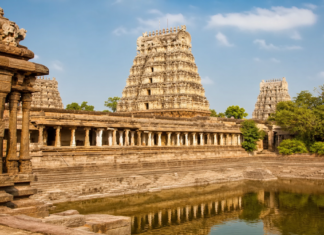
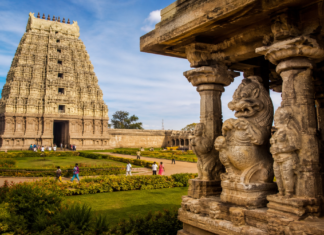
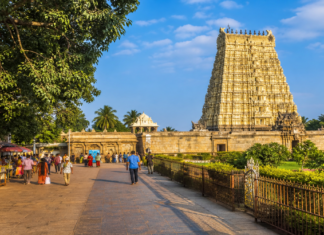
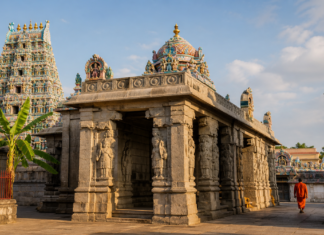
For those planning a spiritual journey across the famous temple circuits of Tamil Nadu, chanting this stotram serves as the perfect mental preparation. It helps devotees align their intentions before stepping foot into the powerful cosmic shrines dedicated to the nine planets.
Whether you are a solo traveler seeking spiritual clarity or parents passing down traditions to your children, incorporating this practice bridges the gap between home devotion and physical pilgrimage.
Latest Updates for Temple Visitors in 2026
For devotees planning to chant this while visiting the celestial shrines this year, verify from official temple websites or local boards for any 2026 schedule changes to special poojas and darshan timings.
As temple crowd management systems evolve, many prominent shrines are updating their entry protocols. Always check the official guidelines on portals like Incredible India before finalizing your spiritual travel itinerary.
The Navagraha Stotram: Lyrics & Translation
The hymn consists of nine beautifully structured Sanskrit verses, each dedicated to a specific celestial body. Below are the foundational lyrics for everyday recitation.
1. Surya (Sun)
Japaa kusuma sankaasham kashyapeyam mahaadyutim,
Tamorim sarvapaapaghnam pranatosmi divaakaram.
2. Chandra (Moon)
Dadhishankha tushaaraabham ksheerodaarnava sambhavam,
Namaami shashinam somam shambhormukuta bhooshanam.
3. Mangala (Mars)
Dharaneegarbha sambhootam vidyutkaanti samaprabham,
Kumaaram shaktihastam cha mangalam pranamamyaham.
4. Budha (Mercury)
Priyangukalikaashyaamam roopenaapratimam budham,
Saumyam saumyagunopetam tam budham pranamamyaham.
5. Guru (Jupiter)
Devaanaam cha risheenaam cha gurum kaanchanasannibham,
Buddhibhootam trilokesham tam namaami brihaspatim.
6. Shukra (Venus)
Himaakunda mrinaalaabham daityaanaam paramam gurum,
Sarvashaastrapravaktaaram bhaargavam pranamamyaham.
7. Shani (Saturn)
Neelaanjana samaabhaasam raviputram yamaagrajam,
Chhaayaamaartanda sambhootam tam namaami shanaishcharam.
8. Rahu
Ardhaakaayam mahaaveeryam chandraaditya vimardanam,
Simhikaagarbha sambhootam tam raahum pranamamyaham.
9. Ketu
Palaasha pushpa sankaasham taarakaagraha mastakam,
Raudram raudratmakam ghoram tam ketum pranamamyaham.
Meaning provided based on traditional interpretation; verify for specific regional variations with your family priest or local spiritual guides. Generally, these verses describe the physical attributes, cosmic lineage, and immense power of each planet, respectfully seeking their benign grace and protection from life’s hurdles.
At a Glance: Top 5 Things to Know
- Vyasa’s Creation
The hymn was composed by Sage Vyasa to honor the nine cosmic influencers.
- Morning Ritual
It is predominantly chanted during the early morning hours for maximum focus.
- Nine Verses
Each verse is specifically dedicated to one of the nine celestial entities.
- Spiritual Grounding
The practice is designed to bring mental peace and mitigate cosmic obstacles.
- Pilgrim Prep
Learning the lyrics enhances the experience before visiting physical shrines.
How to Chant the Navagraha Stotram: A Guide for Families
Establishing a daily chanting routine can be a wonderful bonding activity for the family. Traditional practices suggest sitting in a clean, quiet space, usually facing the East or North after a morning bath. However, verify with local temple priests for specific regional traditions that your family might follow.
Lighting a traditional brass lamp and offering simple flowers can set the right devotional mood. When reciting, focus on clear pronunciation and a steady, calming rhythm rather than rushing through the verses.
For beginners, listening to audio recordings by classical scholars can help you grasp the correct intonation. Encourage younger family members to learn one verse at a time, gradually building up to the complete nine-verse sequence.
Upcoming Festivals & Events (Next 6 Months)
No verified festival dates are currently available for the upcoming months. Verify the local temple calendar for upcoming special pooja dates before planning your family trip, as lunar alignments shift dates annually.
Why Hyderabad and South Indian Families Revere the Navagrahas
In South Indian culture, the cosmic bodies are not just astronomical entities; they are deeply respected deities that influence human destiny. For families in Hyderabad, Chennai, and Bangalore, astrology and planetary alignments play a significant role in major life decisions, from weddings to business ventures.
The reverence naturally extends to undertaking specific pilgrimages. Chanting the stotram at home is seen as a daily extension of the grander rituals performed at the ancient architectural marvels dedicated to these deities.
This deep-rooted faith is what drives thousands of families to study the sacred texts, consult local priests, and eventually embark on spiritual journeys across the culturally rich landscapes of Tamil Nadu.
Reality Check
While chanting the stotram at home brings immense mental peace and is highly accessible, physically visiting the associated temples requires rigorous planning. The ancient shrines are spread across various towns and villages, meaning travel can be exhausting, particularly for elderly family members or young children.
Additionally, during major astrological transitions, these sacred sites become intensely crowded. Expect long waiting times, limited immediate infrastructure in smaller villages, and the need for a highly flexible mindset. If you prefer a relaxed, luxury vacation, a strict spiritual circuit might test your patience.
Safety Tips for Travelers
- Always secure your valuables in crowded temple queues.
- Dress modestly in traditional attire to respect local temple customs.
- Carry sufficient drinking water, especially during the harsh South Indian summers.
- Book authorized local transport rather than relying on unverified guides.
- Keep digital copies of your ID and travel itinerary easily accessible on your phone.
Get Free Travel Tips in Your Inbox
Join fellow Indian travelers who get our best destination guides, budget tips, and hidden spots delivered every week. No spam. Just good travel content.
Frequently Asked Questions
How long does it take to chant the Navagraha Stotram?
Verify the recommended duration with a local guide, though traditional chanting generally takes a few minutes once you are familiar with the verses.
Can I chant this at home?
Yes, traditional practices suggest it can and should be chanted daily at home to maintain a peaceful environment.
What are the best days to visit Navagraha temples?
Verify latest details at the official website before visiting, though specific days of the week are traditionally dedicated to specific planetary deities.
Is it necessary to know Sanskrit to chant?
While the original verses are in Sanskrit, many families use transliterated texts or regional language translations. Sincerity and devotion are considered more important than perfect linguistic mastery.
Can I include this in my general South India travel itinerary?
Absolutely. Many travelers weave these temple visits into broader cultural trips. You can easily integrate these spiritual stops into a broader madurai itinerary or cultural tour.
Conclusion
Incorporating the chanting of the Navagraha Stotram into your daily life offers a beautiful blend of spiritual grounding and cultural preservation. For modern South Indian families, it serves as a daily reminder of our connection to the cosmos, bringing peace to our homes before we even step out the door.
When you are ready to take the next step and visit the physical shrines, proper planning is key. Be sure to check kumbakonam temple timings and official schedules to make your sacred journey as smooth and rewarding as possible.
This post contains affiliate links. If you book through our links, we may earn a small commission at no extra cost to you. This helps us keep travellerkaka.com free for everyone.
Plan Your Trip with Us
Have questions about this destination? We would love to help you plan the perfect trip.
Chat with us on WhatsApp or email us at info@travellerkaka.com