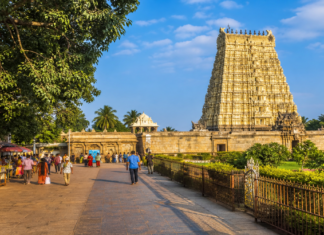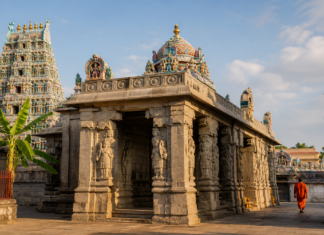


The scent of ancient stone, lingering incense, and the damp earth of the Sahyadri mountains hits you the moment you step out of your transport. You are standing at the threshold of two of India’s most revered spiritual powerhouses, yet the common dilemma persists: with limited time and energy, which path should you choose first? Deciding between Trimbakeshwar vs Grishneshwar feels like choosing a favorite star in a galaxy of light, but the logistics of the journey often dictate a clear winner based on your starting point and travel style.
We all know the struggle of trying to squeeze two major Jyotirlinga visits into a single weekend. You have the leaves, the travel budget, and the intense desire for a peaceful darshan, but the reality of local traffic and temple crowd management can turn a spiritual journey into a logistical nightmare. The agitation sets in when you realize the distances in Maharashtra are deceptive, and a single wrong turn can cost you half a day.
This guide serves as your roadmap to deciding which Trimbakeshwar vs Grishneshwar, or both, deserves your priority. Drawing from my own experiences traversing the rugged roads connecting Nashik and Aurangabad, I have broken down the travel nuances, crowd patterns, and the soul-soothing experience each location offers to ensure your trip is as smooth as it is sacred.
| Detail | Info |
|---|---|
| Best Time to Visit | October to March |
| Distance from Hyderabad | Approx 700–800 km |
| Budget Estimate (per person) | ₹8,000–₹12,000 (excluding airfare) |
| Ideal For | Families, Solo Seekers, Pilgrims |
| Must-See Spots | Nashik Ghats, Ellora Caves |
| Getting There | Rail to Nashik/Aurangabad or Road |
“The true essence of a pilgrimage lies not just in the destination, but in the patience cultivated while traversing the ancient heartland of Maharashtra.”
Understanding the Geographical Difference
When you compare Trimbakeshwar vs Grishneshwar, you are essentially looking at two different cultural and geological experiences. Trimbakeshwar, located near the source of the Godavari River in Nashik, is surrounded by lush green hills and a more humid, temperate climate. It is a place where nature and divinity feel inseparable, often shrouded in a light mist during the early hours of the morning.
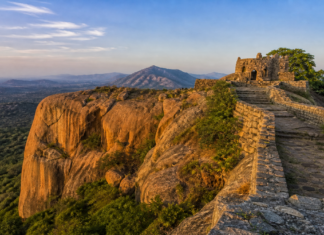
Grishneshwar, on the other hand, sits in the arid landscape of Aurangabad, near the historic Ellora Caves. The environment here is rugged, dry, and steeped in architectural history that dates back centuries. The temple architecture at Grishneshwar is a prime example of the pre-colonial structure, showcasing the intricate craftsmanship that defines the Deccan region.
Why Trimbakeshwar Leads for First-Timers
Most travelers find themselves gravitating toward Trimbakeshwar first because it fits perfectly into a larger itinerary that includes the city of Nashik. The town is vibrant, offering plenty of accommodation options and local food trails that make it easier for families to settle in. If you are traveling with elderly parents or young children, the infrastructure surrounding Trimbakeshwar is generally more accommodating than the more remote stretches near Grishneshwar.
The Logistics of Your Pilgrimage
Getting your travel planning right is the single most important factor in your Trimbakeshwar vs Grishneshwar decision. Trimbakeshwar is easily accessible from Mumbai and Pune via well-maintained highways. If you are driving from Hyderabad, the route is long and requires a strategic stopover, likely in Nanded or Aurangabad itself.
Grishneshwar is best accessed via Aurangabad, which has its own airport and a major railway junction. This makes it an incredibly convenient stop if you are arriving by air. You can easily book an auto-rickshaw or a private taxi from the city center to reach the temple, with the distance being a comfortable hour-long drive through rural landscapes.
Hotel Soma Residency
Price: ₹2,500–₹3,500/night | Location: Nashik (near Trimbakeshwar) | Best For: Families and Groups
A clean and reliable stay that provides easy access to the temple gates without the chaos of the main town center. Check latest prices on Agoda
A Reality Check: Who Should Skip This?
If you are looking for a luxury resort-style holiday, neither Trimbakeshwar nor Grishneshwar is the place for you. These are deeply spiritual, high-density pilgrimage sites where queue management and long waiting times are part of the process. If you struggle with standing for hours or get easily stressed by large, bustling crowds in confined temple spaces, you should plan your visits during the off-season or consider booking VIP Darshan tickets well in advance.
Travelers who are strictly looking for “offbeat” and “empty” locations will find these sites challenging during festive seasons like Shravan or Shivratri. During these times, the entire region experiences massive surges in visitors, and local transport prices for taxis can skyrocket. If you must travel during these peak periods, prepare for long waiting hours and a significant amount of walking.
Pro Tip: What to Pack
Ensure you carry a small, lightweight daypack to store your mobile phones and footwear outside the temple premises. Get your travel gear here: Amazon India Travel Essentials
Comparison Table: Choosing Your Path
Trimbakeshwar vs Grishneshwar
| Factor | Trimbakeshwar | Grishneshwar |
|---|---|---|
| Primary Vibe | Nature & Riverfront | History & Architecture |
| Crowd Density | Very High | Moderate to High |
| Best Accessibility | Nashik (Train/Road) | Aurangabad (Air/Train) |
| Duration | 1–2 Days | 1 Day |
| Nearby Attractions | Panchavati, Anjaneri | Ellora Caves, Daulatabad Fort |
| Ease of Stay | Excellent | Good |
Visualizing Your Trip: At a Glance
At a Glance: Top 5 Things to Know
- Location Matters
Trimbakeshwar is nestled in lush greenery, while Grishneshwar is in a historical, dry belt.
- Booking Darshan
Always pre-book your Darshan passes online to avoid the general queue which can stretch over 5 hours.
- Local Transport
Private taxis are the most stress-free way to move between Nashik and Aurangabad.
- Food Availability
Nashik offers a wider variety of vegetarian food options for all budgets compared to the smaller town of Verul.
- Balanced Pace
Try not to visit both on back-to-back days to avoid spiritual and physical exhaustion.
The Best Time to Experience the Jyotirlingas
Best Time to Visit: Season by Season
| Season | Months | Temperature | What to Expect |
|---|---|---|---|
| Summer | March–June | 30°C–40°C | Extremely hot and dehydrating; avoid midday temple visits. |
| Monsoon | July–September | 22°C–30°C | Beautiful landscape, but travel routes can be muddy and slow. |
| Winter | October–February | 12°C–25°C | The absolute best time for comfortable darshan and exploration. |
Plan your trip in November or February to enjoy the perfect balance of pleasant weather and manageable crowds.
Local Culinary Experiences
What to Eat: Local Food Guide
Both regions offer a delightful insight into Maharashtrian vegetarian cuisine. Expect simple, hearty meals that fuel you for long hours of walking.
- Misal Pav — A spicy sprout-based curry served with soft bread, found in every corner of Nashik.
- Puran Poli — A sweet flatbread stuffed with lentil and jaggery, a must-try during local festivals.
- Vada Pav — The classic Maharashtra street food, perfect for a quick snack while waiting in transit.
- Thalipeeth — A nutritious multi-grain flatbread that is both healthy and filling.
Head to the small dhabas near the temple entrances for the freshest, home-style local food rather than the touristy restaurants.
Safety Tips for Travelers
Safety Tips for Travelers
- Keep your valuables in a secure cross-body bag; crowds can attract pickpockets in peak season.
- Avoid accepting “special VIP entry” offers from touts outside the main gates—always book through official websites.
- Stay hydrated, especially at Grishneshwar, where the heat can be intense even in winter.
- Keep a digital and hard copy of your ID proof, as it is mandatory for temple entry verification.
- Check the official Ministry of Tourism website for any local alerts before you set out.
Itinerary: A Balanced Spiritual Retreat
- Day 1 — Morning: Arrive in Nashik and complete your visit to Trimbakeshwar Temple.
- Day 1 — Afternoon: Explore the nearby Panchavati area and soak in the river atmosphere.
- Day 1 — Evening: Depart for Aurangabad by private car or overnight train.
- Day 2 — Morning: Reach Aurangabad and visit the Grishneshwar Jyotirlinga.
- Day 2 — Afternoon: Spend your time exploring the magnificent Ellora Caves just nearby.
- Day 2 — Evening: Return to the city for a traditional Maharashtrian dinner before your departure.
Budget Breakdown
Budget Breakdown
| Expense | Budget (INR) | Mid-Range (INR) | Premium (INR) |
|---|---|---|---|
| Accommodation | ₹1,500 | ₹4,000 | ₹8,000 |
| Food | ₹800 | ₹2,000 | ₹4,000 |
| Local Transport | ₹1,000 | ₹3,000 | ₹6,000 |
| Darshan/Misc | ₹500 | ₹2,000 | ₹5,000 |
| Total | ₹3,800 | ₹11,000 | ₹23,000 |
Get Free Travel Tips in Your Inbox
Join fellow Indian travelers who get our best destination guides, budget tips, and hidden spots delivered every week. No spam. Just good travel content.
[MAILERLITE_EMBED_CODE]
Frequently Asked Questions
Can I visit both Jyotirlingas in one day?
Technically yes, but it is highly exhausting. The distance between Nashik and Aurangabad is roughly 200 km, taking about 4-5 hours by road, leaving little time for a peaceful temple visit.
Is there a dress code for the temples?
Yes, both temples maintain strict dress codes. Traditional Indian wear is highly recommended; men are often required to wear dhotis for special pujas, and women should dress modestly.
How do I book online darshan?
Both temples have their own dedicated portals or local trust websites. Always check the official site before leaving to ensure you are booking the correct slot.
Are there any hidden costs?
Touts may try to charge extra for shoe-keeping or special lines. Always use the official government-run counters for such services.
Is this trip suitable for solo female travelers?
Yes, Maharashtra is generally safe for solo travelers, but ensure you arrive and depart during daylight hours if possible.
Travel Checklist: What to Carry
Spiritual travel requires organization to ensure you remain focused on your devotion rather than your gear.
- Valid Aadhaar card or government ID for security checks.
- Modest, comfortable cotton clothing for temple visits.
- A sturdy pair of slip-on shoes (you will be removing them frequently).
- Small denomination cash for donations and local temple offerings.
- Power bank for your mobile phone.
- Offline Google Maps of the entire transit route.
- A light scarf or shawl for sudden temperature changes.
Get all your travel essentials in one place: Amazon India Travel Gear
This post contains affiliate links. If you book through our links, we may earn a small commission at no extra cost to you. This helps us keep travellerkaka.com free for everyone.
Plan Your Trip with Us
Have questions about this destination? We would love to help you plan the perfect trip.
Chat with us on WhatsApp or email us at info@travellerkaka.com
null