

Planning a spiritual trip across South India? You absolutely cannot miss the powerful Thiruppullani Temple, a sacred shrine deeply interwoven with the epic Ramayana. Nestled near Ramanathapuram, this historical temple is one of the revered 108 Divya Desams dedicated to Lord Vishnu and holds immense spiritual weight for devotees.
Whether you are a history buff retracing ancient legends, a solo traveler seeking inner peace, or a family exploring the heritage of Tamil Nadu, this destination offers a profound experience. Known locally as the Sri Adi Jagannatha Perumal Temple, it marks the exact spot where Lord Rama is believed to have rested on a bed of sacred grass before crossing the ocean to Lanka.
Let us dive into the fascinating history, stunning architecture, and practical travel advice you need to plan a flawless visit to this divine coastal sanctuary.
“Stand where ancient kings prayed for lineage and Lord Rama sought passage across the sea, and feel the timeless energy of Thiruppullani.”
The Epic History and Legends of Thiruppullani
The name Thiruppullani itself is steeped in mythology. In Tamil, “Thiru” means sacred, “Pul” means grass, and “Anai” means bed. According to legends, Lord Rama performed “Darbha Sayanam” here—resting on a bed of Darbha grass while doing penance to the Ocean King (Samudra Raja) to yield a path to Lanka. The presiding deity, Sri Adi Jagannatha Perumal, is said to have gifted Lord Rama the divine bow used in the epic battle.
But the temple’s history goes back even further than the Ramayana war. It is believed that King Dasharatha, the father of Lord Rama, visited this exact shrine to pray for children. He performed the Putrakameshti Yagna here, after which he was blessed with four sons. Today, thousands of couples visit the temple to perform similar prayers, seeking the blessing of progeny.
The temple is celebrated in the Naalayira Divya Prabandham, with profound hymns composed by the legendary poet-saint Thirumangai Alvar. The spiritual vibration here is unique, blending the ancient Chola and Pandya architectural influences with the raw, emotional devotion of centuries of pilgrims.
Architectural Marvels to Look Out For
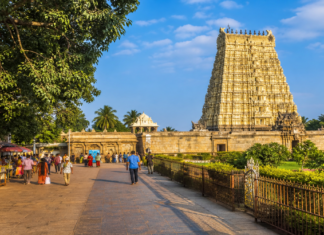
As you approach the Thiruppullani Temple, the majestic Dravidian-style Rajagopuram (temple tower) greets you, dominating the village skyline. The intricate carvings on the gopuram depict various avatars of Lord Vishnu and scenes from the Ramayana, serving as a visual storytelling canvas for devotees.
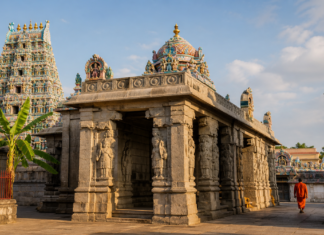
Inside, the temple complex is vast and divided into several significant shrines. The main sanctum houses Sri Adi Jagannatha Perumal in a seated posture alongside his consorts, Sri Padmasini Thayar and Sri Goda Devi. The stone pillars in the mandapams (halls) showcase the brilliant craftsmanship of the Pandya kings, who contributed heavily to the temple’s expansion.
One of the most captivating sights is the separate shrine dedicated to Lord Rama in the “Darbha Sayana” posture. Unlike typical standing idols, Rama is depicted reclining on a bed of grass, looking towards the southern direction of Lanka. The sheer scale and peaceful expression of the deity leave visitors in absolute awe.
Temple Timings and Darshan Procedures
To experience the temple at its most vibrant, it is highly recommended to visit during the morning Poojas or the evening Deeparadhana. The chanting of ancient mantras echoing through the stone corridors is a spiritual experience you will not easily forget.
However, specific opening hours and pooja schedules can shift based on lunar calendars and local festival days. Verify latest details at the official website before visiting. Generally, South Indian Perumal temples close their inner sanctums during the hot afternoon hours, so planning your visit before noon or after 4:30 PM is the safest strategy.
Devotees performing special pariharams (remedial prayers) like the Naga Pratishta or Santana Gopala Pooja should arrive early in the day and consult the temple priests. Always confirm specific ritual requirements and availability locally.
Pro Tip: Where to Stay
Costs vary by season and choice of stay around Ramanathapuram and Rameswaram — check live rates before booking. Check latest prices on Agoda
How to Reach the Sacred Shrine
Getting to this historical site is relatively straightforward, as it is located just off the main pilgrimage routes of Tamil Nadu. The temple is situated in a small coastal village about 10 kilometers from the bustling town of Ramanathapuram. Many travelers combine this visit with a broader coastal itinerary.
If you are traveling from outside the state, the best starting point is Madurai, which has the nearest major airport and railway junction. If you are figuring out how to reach madurai, you will find excellent flight, train, and bus connectivity from Hyderabad, Chennai, and Bangalore.
From Madurai, you can hire a cab or take a train to Ramanathapuram. For those flying in, organizing a taxi directly from madurai airport to rameshwaram with a detour to Thiruppullani is a popular and comfortable choice for families. Local buses and auto-rickshaws frequently ply between Ramanathapuram bus stand and the temple village.
Location Map
Reality Check
While this temple is a spiritual powerhouse, it is important to set the right expectations before you pack your bags. Thiruppullani is a small, quiet village, not a massive tourist hub. You will not find luxury resorts, air-conditioned restaurants, or high-end shopping immediately outside the temple gates. Facilities are basic, catering mostly to traditional pilgrims.
During major festival days like Rama Navami or Vaikuntha Ekadashi, the temple gets intensely crowded. The coastal humidity can also be draining, especially if you are waiting in long darshan lines. If you are traveling with elderly family members or young children, bring your own drinking water, umbrellas, and basic medical supplies.
Additionally, beware of unverified touts offering “instant” special poojas for exorbitant rates. Always deal directly with the temple administration office for any official rituals or donations.
Sample Day Trip Itinerary
If you are planning a madurai to rameswaram tour, incorporating this temple requires just a slight detour. Here is a practical way to structure your day:
- Day 1 — Morning: Start early from Madurai or Ramanathapuram. Arrive at the temple by 7:30 AM to catch the morning freshness and avoid the heat. Complete your darshan of Sri Adi Jagannatha Perumal and the reclining Lord Rama.
- Day 1 — Afternoon: Take a short 4-kilometer drive to Sethukarai. This is the sacred beach where Lord Rama is believed to have built the Ram Setu bridge. Take a holy dip if you wish, and enjoy the calm ocean breeze.
- Day 1 — Evening: Head towards Rameswaram for your night stay. Stop at the Pamban Bridge just before sunset for breathtaking views of the ocean meeting the sky.
Safety Tips for Travelers
- Dress modestly in traditional Indian wear (dhotis, sarees, or kurta pajamas) out of respect for the temple customs.
- The stone floors of the temple can get extremely hot by noon. Visit early morning or late evening to avoid burning your feet.
- Keep your personal belongings and bags secure, especially when visiting the nearby Sethukarai beach, as local monkeys can be quite mischievous.
- Stay hydrated with bottled water, as the coastal climate is notoriously humid year-round.
- Park your rental vehicles only in designated areas to avoid blocking the narrow village lanes leading up to the temple.
Nearby Places to Explore
Once you finish your darshan, the surrounding Ramanathapuram and coastal belt offer several fascinating spots deeply connected to Indian mythology and natural beauty. You can learn more about regional heritage at Incredible India.
- Sethukarai Beach — Just a few kilometers away, this tranquil beach is where pilgrims perform ancestral rituals and enjoy views of the pristine Gulf of Mannar.
- Ramanathaswamy Temple — Located in Rameswaram, this architectural wonder is famous for having the longest temple corridor in the world and its 22 sacred wells.
- Dhanushkodi — The hauntingly beautiful ghost town at the very tip of the Indian peninsula, offering surreal views of the meeting point of the Bay of Bengal and the Indian Ocean.
- Dr. A.P.J. Abdul Kalam Memorial — A beautifully designed tribute in Pei Karumbu, Rameswaram, honoring the life and legacy of India’s beloved former President.
Get Free Travel Tips in Your Inbox
Join fellow Indian travelers who get our best destination guides, budget tips, and hidden spots delivered every week. No spam. Just good travel content.
Frequently Asked Questions
What is the historical significance of Thiruppullani Temple?
It is revered as the place where King Dasharatha prayed for children, and where Lord Rama rested on Darbha grass (Darbha Sayanam) while seeking passage across the ocean to Lanka.
Is there a specific dress code for visitors?
Yes, like most traditional Tamil Nadu temples, devotees are expected to wear modest clothing. Men typically wear dhotis or formal pants, while women wear sarees, half-sarees, or modest salwars.
Can I stay overnight near the temple?
There are very limited basic guesthouses in the village itself. Most travelers prefer booking accommodations in Ramanathapuram (10 km away) or Rameswaram for better amenities.
How much time is required for a complete visit?
On a normal day, it takes about 1 to 2 hours to explore the temple architecture, offer your prayers at all the shrines, and experience the peaceful atmosphere.
Are specific pooja details available online?
Ritual fees and timings change frequently. Verify latest details at the official website before visiting, or speak directly to the temple administration office upon arrival for accurate guidance.
This post contains affiliate links. If you book through our links, we may earn a small commission at no extra cost to you. This helps us keep travellerkaka.com free for everyone.
Plan Your Trip with Us
Have questions about this destination? We would love to help you plan the perfect trip.
Chat with us on WhatsApp or email us at info@travellerkaka.com