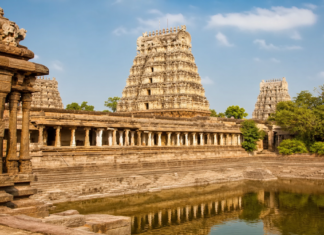


If there is one destination in South India that feels entirely suspended in divine history, it is the magnificent Adi Kumbeswarar Temple. For generations, families from Hyderabad and across South India have made the sacred journey to this very spot to seek blessings, immerse themselves in rich Chola architecture, and witness rituals that have remained unchanged for centuries. According to local lore, this is the exact place where the cosmic pot of nectar—the Kumbham—came to rest, giving the town its glorious name.
Planning a trip here requires a bit of thoughtful preparation, especially when you are traveling with elderly parents or young children. Understanding the kumbeswarar temple timings is the single most important factor for a smooth experience, as the daily schedule dictates when you can witness the most powerful poojas and avoid the blistering afternoon heat. A well-planned itinerary allows you to soak in the spiritual vibrations without feeling rushed or exhausted.
Whether you are a solo traveler looking for inner peace or a couple on a heritage trail, this guide covers everything you need to know. From navigating the sprawling mandapams to practical tips on dress codes and crowds, we have put together all the essentials so you can focus entirely on your spiritual journey. Verify latest details at the official website before visiting, as festival days can alter standard routines.
“Stepping into Adi Kumbeswarar Temple is like walking directly into the pages of a cosmic legend, where unwavering faith meets the sheer brilliance of ancient South Indian architecture.”
The Legend: The Cosmic Pot of Nectar
To truly appreciate your visit, you have to understand the story that breathes life into the temple’s ancient stone walls. Hindu mythology tells us that during the great deluge that ended a cosmic era, Lord Brahma prepared a sacred pot containing the seeds of all living beings and the divine nectar of immortality. As the floodwaters rose, this pot drifted and eventually settled at a highly auspicious spot. It is believed that Lord Shiva himself, in the guise of a hunter, shot an arrow to break the pot, spilling the life-giving nectar across the region.
The place where the nectar pooled is now the legendary Mahamaham tank, and the spot where the pot broke is where the main shrine stands today. The primary deity, a majestic Shiva Lingam, is said to be formed from the remnants of the pot and the nectar mixed with sand. Because of this unique composition, traditional water abhishekams are not performed directly on the main Lingam to preserve its sacred structure. This profound history is why a visit to the sri adi kumbeswarar temple is considered a once-in-a-lifetime spiritual milestone.
Beyond the primary shrine, the presence of Goddess Mangalambigai elevates the temple’s significance for visiting families. She is revered as the bestower of auspiciousness, marital harmony, and prosperity. Many couples from Hyderabad and Chennai travel here specifically to seek her blessings before major life events.
Mastering the kumbeswarar temple timings
Unlike modern monuments, ancient South Indian temples operate on a very strict, centuries-old schedule that honors the daily rituals of the deities. The temple typically opens its doors very early in the morning. This pre-dawn period is arguably the most magical time to visit. The air is cool, the scent of fresh jasmine and camphor is strong, and the chanting of priests echoes beautifully through the stone corridors. Arriving early means you beat the massive crowds and the harsh midday sun.
Like most active places of worship in the region, the temple closes its doors during the afternoon hours to allow the deities to rest. This midday pause is a crucial aspect of kumbakonam temple timings that catches many first-time visitors off guard. If you arrive past noon, you will find the main gopuram doors shut, and you will have to wait until late afternoon for the temple to reopen. It is highly recommended to check the official temple board or portal for the exact live timings, as they can shift slightly depending on the season and specific lunar days.
When the doors reopen in the late afternoon, the temple takes on an entirely different atmosphere. The evening deepaaradhanai (lamp offering) is a spectacular sight. The stone pillars glow under the warm light of oil lamps, and the collective devotion of the gathered pilgrims is palpable. If your schedule allows, witnessing both a quiet morning darshan and a vibrant evening pooja will give you the most complete experience.
Heritage Stays in Kumbakonam
Price: Varies by season | Location: Near Main Temple Complex | Best For: Families and Elderly Pilgrims
Choosing a hotel near the temple makes morning visits seamless. Look for properties offering pure vegetarian food and easy auto-rickshaw access. Check latest prices on Agoda
Pro Tip: What to Pack
Pack modest, breathable cotton clothing and slip-on footwear that is easy to remove outside shrines. A small cloth bag for your offerings is highly useful. Amazon India Travel Essentials
Navigating the Architectural Brilliance
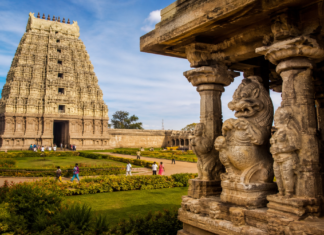
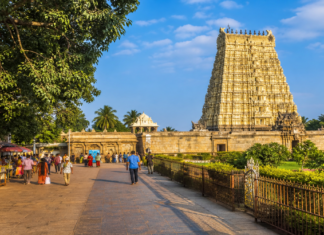
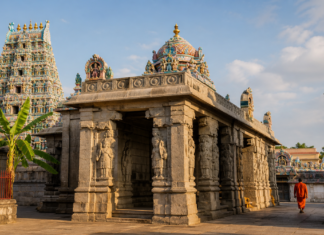
Even if you are not an architecture enthusiast, the sheer scale of the temple complex will leave you in awe. The soaring Rajagopuram (main tower) acts as a compass for the entire town, covered from base to peak in intricate, colorful stucco figures depicting scenes from ancient epics. As you walk through the massive wooden doors, the outside noise instantly fades, replaced by a profound sense of tranquility.
Inside, the temple unfolds through a series of expansive mandapams (pillared halls). Each pillar tells a story, featuring carvings of mythical creatures, celestial dancers, and various forms of Lord Shiva. Take your time walking through the Navaratri Mandapam, which is especially famous for its detailed stonework. You might notice that the flooring can get quite warm during the day, which is why early morning or evening visits are always emphasized.
Do not miss the unique shrine dedicated to Lord Murugan, where he is depicted with six faces and twelve hands, a masterpiece of sculptural art. There are numerous smaller shrines dotting the outer courtyard, each with its own specific rituals and significance. For those deeply interested in heritage, hiring a local guide authorized by the Ministry of Tourism can add immense value to the intricate details you might otherwise walk right past.
Watch Out
During major festival days and Pradosham, the temple gets incredibly crowded. Keep a tight hold on children’s hands and secure your valuables in a hidden pouch. Avoid interacting with unofficial touts offering “special rapid darshan” outside the gates.
Planning Your Darshan Strategy
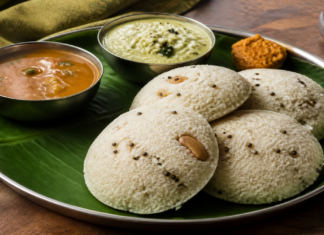
If you are traveling from Hyderabad or other parts of South India, pacing yourself is the secret to a successful pilgrimage. The humidity in the Kaveri delta region can be draining. Start your day with a traditional South Indian breakfast of idli and filter coffee, then head straight to the temple. Purchase any required archana baskets (offerings of coconut, bananas, and flowers) from the authorized stalls outside the main entrance to ensure standard pricing. Prices subject to change, so carry sufficient small denominations of cash.
Inside, follow the queue systems patiently. Special entrance tickets are sometimes available for a closer viewing of the deity during busy periods; check official sources for current rates and availability at the counter. When you reach the sanctum, the moment is fleeting but incredibly powerful. The dark, cool interiors contrasting with the glowing oil lamps around the ancient Lingam create a memory that stays with you long after you leave.
After visiting the main shrines of Lord Shiva and Goddess Mangalambigai, take at least twenty minutes to sit quietly in the outer corridors. It is a traditional practice to not leave a Shiva temple immediately after darshan. Sitting silently allows you to absorb the spiritual energy of the space. This is also a great time to observe the daily life of the temple, from priests preparing for the next rituals to local devotees deep in meditation.
At a Glance: Top 5 Things to Know
-
The Nectar Lingam
The main deity is uniquely shaped like a pot, believed to be made from celestial nectar and sand.
-
Goddess Mangalambigai
The powerful consort shrine is a must-visit for families seeking blessings for prosperity and marital harmony.
-
Chola Architecture
The sprawling mandapams and towering Rajagopuram are prime examples of ancient Dravidian stonework.
-
Afternoon Closure
The temple strictly closes during midday hours; plan your visit for the morning or late afternoon.
-
Traditional Dress Code
Dhotis for men and sarees or traditional suits for women are strictly enforced for inner sanctum entry.
Location Map
Reality Check
While the spiritual experience is profound, travelers should come prepared for the practical realities of visiting ancient, popular temples. Crowd management during major festival days (like Mahamaham or Pradosham) can be chaotic. If you are claustrophobic or traveling with elderly family members who cannot stand for long periods, you must plan to visit only during normal weekdays and preferably right when the doors open in the early morning.
The weather is another major factor. The stone floors of the courtyard absorb the intense South Indian sun and can genuinely burn your bare feet if you visit late in the morning or early in the afternoon. Always pack a pair of thick, dark-colored socks to walk around the outer complexes comfortably. Finally, the strict afternoon closure means you cannot simply “temple hop” straight through the day; your itinerary must have built-in rest periods.
- Day 1 — Morning: Wake up early for an unhurried darshan at Adi Kumbeswarar. Witness the morning rituals, offer your prayers, and explore the stone carvings in the cool morning air.
- Day 1 — Afternoon: Return to your hotel for a hearty South Indian thali lunch. Use this time to rest, hydrate, and avoid the midday heat while the temples are closed.
- Day 1 — Evening: Step out around 4:30 PM. Visit the sacred Mahamaham tank, followed by an evening darshan at a nearby historic shrine to witness the glowing lamp poojas.
Costs vary by season and choice of stay — check live rates before booking.
Safety Tips for Travelers
- Leave your expensive jewelry and heavy gold ornaments at home or in your hotel safe to avoid drawing unwanted attention in crowded queues.
- Always rely on authorized temple counters for special darshan tickets and avoid third-party touts lingering near parking areas.
- Stay highly hydrated. The humidity is intense, and the physical toll of walking barefoot across large temple complexes adds up quickly.
- Designate a clear meeting spot (like a specific pillared hall or entrance gate) in case family members get separated in the crowd.
- If traveling with elderly parents, check the official website for details on wheelchair accessibility, as ancient stone thresholds can be high and difficult to navigate.
Nearby Places to Explore
Once you have completed your main darshan, the surrounding heritage town has several magnificent spots just a short auto-rickshaw ride away.
- Sarangapani Temple — A short distance away, local transport easily available — Famous for its massive chariot-shaped sanctum and intricate Vaishnavite architecture.
- Ramaswamy Temple — Located centrally within the town — Known as the “Art Gallery of Kumbakonam” due to its stunning pillars carved with scenes from the Ramayana.
- Mahamaham Tank — Situated right in the heart of the town — The sacred water body where millions gather for the grand festival held once every 12 years.
Get Free Travel Tips in Your Inbox
Join fellow Indian travelers who get our best destination guides, budget tips, and hidden spots delivered every week. No spam. Just good travel content.
Frequently Asked Questions
What is the dress code for visiting the temple?
The temple enforces a strict traditional dress code. Men are required to wear dhotis or formal pants with shirts (no shorts or lungis). Women should wear sarees, half-sarees, or kurtas with a dupatta. Modesty is deeply respected within the temple premises.
Can we take photographs inside?
Photography is strictly prohibited inside the main sanctum sanctorum (Garbhagriha) to maintain the sanctity of the rituals. However, you can generally take photos of the outer architecture, the towering gopurams, and the pillared halls. Always look for official signage before clicking pictures.
What is the best time of year to plan a trip?
The ideal time to visit is during the winter months, from November to February. The weather is relatively cool and pleasant, making it easier to walk barefoot on the stone courtyards. Summer months (April to June) can be intensely hot and exhausting.
Are there facilities for elderly visitors?
While the temple is vast, it is mostly on flat ground. However, there are traditional stone thresholds at various shrine entrances that require stepping over. It is advisable to visit during less crowded early morning hours so elderly family members can walk at their own pace without being pushed by queues.
How much time is required for a complete visit?
A standard darshan can take anywhere from 1 to 2 hours, depending on the day of the week and ongoing festivals. If you wish to admire the architecture, sit peacefully, and explore the secondary shrines, allocate at least 2.5 to 3 hours for a fulfilling experience.
This post contains affiliate links. If you book through our links, we may earn a small commission at no extra cost to you. This helps us keep travellerkaka.com free for everyone.
Plan Your Trip with Us
Have questions about this destination? We would love to help you plan the perfect trip.
Chat with us on WhatsApp or email us at info@travellerkaka.com