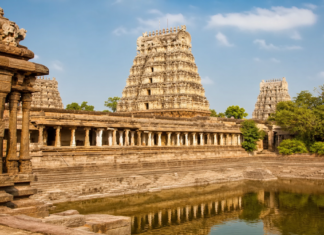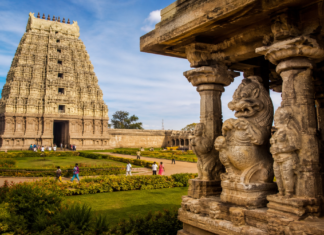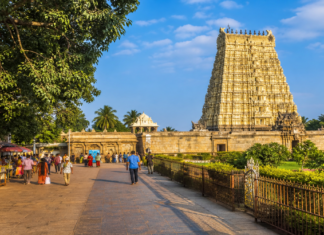


When you think of Rameswaram, the grand corridors of the main temple or the hauntingly beautiful shores of Dhanushkodi usually come to mind first. However, hidden in plain sight is a spot that offers both deep spiritual meaning and the most stunning panoramic views of the entire island. Gandhamadhana Parvatham stands as the highest elevation point in this holy town, providing a rare bird’s-eye perspective of the surrounding ocean and landscape.
For centuries, pilgrims have trekked up this gentle hillock to seek blessings at Ramar Padam, a sacred shrine housing the footprints of Lord Rama. Beyond its religious significance, the gandhamadhana parvatham has quietly gained a reputation among modern travelers as the ultimate sunrise viewpoint. Watching the first light hit the Rameswaram island from this elevation is an experience that stays with you long after your trip ends.
Whether you are a solo traveler chasing quiet moments, a couple looking for scenic photography spots, or a family on a grand South Indian pilgrimage, adding this peak to your plan is absolutely worth it. In this guide, we will walk you through exactly what to expect, how to plan your visit, and the practical realities of navigating this beautiful yet rugged terrain.
“Experience the divine silence at Rameswaram’s highest peak, where mythology meets the endless blue horizon.”
The Mythology Behind the Sacred Hill
The stories surrounding this hillock are deeply woven into the epic Ramayana. According to local beliefs, this is the exact vantage point where Lord Rama stood with his Vanara Sena (monkey army) to survey the ocean before building the legendary Ram Setu bridge to Lanka. Standing here today, looking out at the vast expanse of the sea, it is easy to imagine the sheer scale of the epic journey described in ancient texts.
Another popular legend suggests that this hill is actually a small fragment of the Sanjeevani mountain. The story goes that when Lord Hanuman was carrying the life-saving mountain to rescue Lakshmana, a tiny piece fell onto the island, creating this elevated terrain. This mythological connection adds a layer of mystical energy to the entire area.
For devout Hindus, visiting this spot is considered a vital part of the Rameswaram pilgrimage loop. The atmosphere is generally charged with devotion, as pilgrims from all corners of India arrive to pay their respects to the past. Before planning deeper travels across the country, many check the Incredible India portal, but the true essence of this specific hill is best understood by talking to the local priests who guard its stories.
Understanding Ramar Padam: The Divine Footprints
At the very top of the hill sits a modest, two-story mandapam (pavilion) which houses the main attraction: Ramar Padam. The term literally translates to the footprints of Lord Rama. These footprints are beautifully carved into a stone chakra (wheel) and are preserved securely within the shrine.
Pilgrims wait patiently in line to get a glimpse of the footprints and offer their prayers. The priests here conduct brief pujas, and the air is always thick with the scent of camphor and incense. Because the shrine space is relatively compact, it is highly recommended to maintain silence and move steadily to allow others their chance for darshan.
Unlike massive temple complexes, the Ramar Padam shrine feels intimate. Families often sit on the surrounding steps after their prayers, soaking in the spiritual ambiance before moving on to enjoy the views. Please note that traditional and modest attire is expected when entering the main shrine area.
At a Glance: Top Things to Know
-
Highest Elevation
Recognized as the tallest natural point on Rameswaram Island.
-
Divine Footprints
Home to the revered Ramar Padam, a crucial pilgrimage stop.
-
Stunning Horizons
Offers sweeping, uninterrupted views of the surrounding ocean.
The Breathtaking Sunrise and Sunset Experience
If you ask any local for the best photography spot on the island, they will immediately point you here. Because the mandapam is situated on an elevation, climbing to its upper terrace gives you an unobstructed 360-degree view of Rameswaram. You can see the dense clusters of coconut grooves, the colorful rooftops of the town, and the sprawling blue ocean meeting the sky.
The sunrise experience here is particularly magical. Arriving just before dawn allows you to witness the sky transitioning through incredible shades of purple, pink, and gold. The cool morning sea breeze combined with the quiet chants from the temple creates a profoundly peaceful start to the day. Photographers should definitely bring their best lenses to capture the morning light reflecting off the water.
Sunsets are equally spectacular, though the area tends to get slightly more crowded with evening visitors. Watching the sun dip below the horizon from this historical vantage point makes you feel entirely disconnected from the chaos of modern city life. If you are planning to shoot time-lapse videos, the terrace corners offer great stability.
Navigating the Architecture and Temple Layout
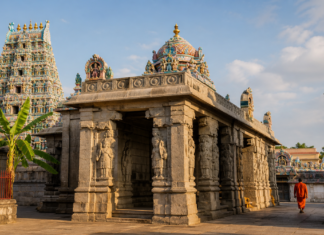
The structure at the peak is simple yet historically significant. It is built in the traditional South Indian architectural style, featuring a pillared hall that leads to the main sanctum. The stonework, while not as heavily intricate as the main Ramanathaswamy Temple, carries a rustic, weathered charm due to years of exposure to the salty sea winds.
A narrow flight of steps takes you to the upper level of the mandapam. This terrace is the primary viewing deck. It is surrounded by a low wall, allowing visitors to lean over and observe the island safely. Parents should keep a close eye on young children, as the steps can be slightly steep and uneven in places.
Around the main structure, the terrain is relatively sandy and rugged. You will find small vendors selling basic pooja items, water, and local snacks. The overall layout is straightforward, making it an easy visit that does not require hours of walking or complex navigation.
How to Reach the Peak from the Main Town
Reaching the hillock is a fairly straightforward affair from the center of Rameswaram town. Most travelers hire a local auto-rickshaw for a round trip. The drive takes you through narrow, winding residential streets before opening up to the sandy path leading to the hill. Since it is located just a short distance from the main temple complex, it is incredibly easy to squeeze into a morning schedule.
If you are traveling from further away, understanding the madurai to rameshwaram distance is crucial for planning your overall trip timing. Many visitors fly into the region and navigate the madurai airport to rameshwaram route via pre-booked cabs. Once you are checked into your local accommodation, your hotel desk can easily arrange transport to the hill.
For those driving their own vehicles, there is usually ample parking space available near the base of the hill. However, during peak festival seasons, the approach roads can become congested. In such cases, walking the final stretch is often faster and allows you to soak in the local neighborhood vibe.
Transport Tips: Dealing with Local Rickshaws
When hiring an auto-rickshaw for the trip, it is highly advisable to negotiate a waiting fare. The visit to the top usually takes about 45 minutes to an hour. Having your rickshaw wait for you ensures you don’t have to scramble for a return ride in the hot sun, as empty autos are not always readily available at the peak.
Fares vary wildly depending on the tourist season and time of day, so confirm current local rates with your hotel receptionist before stepping out. If you are arriving on the madurai to rameswaram train, you will find plenty of transport options right outside the station eager to offer full-day sightseeing packages, which usually include this spot.
Always agree on the final price clearly before boarding to avoid any arguments later. Most local drivers are friendly and might even act as impromptu guides, pointing out historical landmarks along the way to the hill.
Reality Check
While the views are undeniably beautiful, it is important to manage expectations. The temple and its surroundings are quite old, and maintenance can sometimes be lacking, especially after heavy monsoon rains. You might find certain corners of the mandapam in need of restoration, and the surrounding sandy areas can sometimes accumulate litter left behind by careless tourists.
Additionally, the steps leading up to the terrace are steep. Travelers with severe knee issues or mobility challenges might find the climb difficult. There are no elevators or ramps, so elderly family members may need to stay at the base level and miss out on the terrace views.
Finally, the heat and humidity can be absolutely brutal by mid-day. If you fail to visit during the early morning or late evening, the experience can quickly turn from spiritual to exhausting. Plan your timings strictly around the weather to enjoy the spot properly.
Essential Preparation: What to Wear and Carry
Because this is primarily a religious site, dress modestly. Men are usually expected to wear dhotis or full trousers, while women should opt for sarees, salwar kameez, or kurtas. Avoid shorts, sleeveless tops, and beachwear entirely out of respect for local customs.
You will need to remove your footwear before entering the main shrine area. The stone floors can get uncomfortably hot as the day progresses, which is another reason why an early morning visit is highly recommended. Some travelers bring a pair of thick socks to walk comfortably on the sun-baked stones.
Hydration is absolutely critical. The combination of climbing steps and the coastal humidity will make you sweat profusely. Always carry a reusable water bottle. While there are a few local vendors at the base, it is better to rely on your own clean drinking water.
Pro Tip: What to Pack
Bring a wide-brimmed hat, strong sunscreen, and slip-on footwear that is easy to remove. A small crossbody bag is perfect for keeping your hands free while climbing the steps. Amazon India Travel Essentials
Dealing with the Local Wildlife
One of the most common surprises for first-time visitors is the large population of monkeys inhabiting the hill. They are accustomed to humans and are notoriously fearless. While they are a fascinating sight, especially for children, they require strict caution.
The monkeys here are known to quickly snatch anything that looks like food or a shiny object. Do not carry open packets of snacks, uncovered water bottles, or brightly colored items in your hands. Keep your mobile phones firmly gripped when taking photos, as sudden snatches are common.
Watch Out
Never try to feed or tease the monkeys. Keep all loose belongings zipped safely inside your daypack before you begin the climb to the mandapam. If a monkey approaches, stay calm, avoid eye contact, and walk away slowly.
Combining Your Visit: Crafting the Perfect Itinerary
Because a visit here takes relatively little time, it is perfect for slotting into a larger rameshwaram itinerary. Most travelers prefer to group their sightseeing geographically to save time on transit across the island.
A smart way to plan your day is to tackle the highest point early in the morning for the sunrise and cool weather. Afterwards, you can descend into the town for a hearty South Indian breakfast before heading to the main Ramanathaswamy Temple for darshan. The afternoon can be reserved for indoor attractions like the Kalam Memorial when the sun is at its peak.
In the late afternoon, as the weather cools down again, you can hire a vehicle to take you towards the ghost town of Dhanushkodi to end your day by the beach.
- Day 1 — Morning: Catch the sunrise at Gandhamadhana Parvatham, followed by breakfast and a visit to the main Ramanathaswamy Temple.
- Day 1 — Afternoon: Seek shade and inspiration at the Dr. A.P.J. Abdul Kalam National Memorial and grab a local thali for lunch.
- Day 1 — Evening: Drive down the spectacular road to Dhanushkodi to witness the ocean merging at sunset.
Where to Stay Near the Temple
Choosing the right accommodation can make your early morning trips much easier. Rameswaram has a wide variety of stay options ranging from budget dharamshalas to comfortable mid-range family hotels. Staying closer to the main town center ensures you have quick access to auto-rickshaws at dawn.
Look for hotels that offer basic modern amenities like reliable air conditioning and clean drinking water, as the coastal weather demands it. Most good hotels will happily arrange reliable early morning transport for your sunrise viewing if you request it at the reception the night before.
Hotel Daiwik (Sample Mid-Range Option)
Price: Check live rates | Location: Rameswaram Main Road | Best For: Families and Couples
Offers clean, comfortable air-conditioned rooms and excellent vegetarian food, making it a reliable base for island exploration. Check latest prices on Agoda
Costs vary by season and choice of stay — check live rates before booking.
The Ecological Uniqueness of Rameswaram Island
Beyond the religious aspects, standing at the highest point gives you a true appreciation for the unique geography of this region. Rameswaram is a conch-shaped island connected to mainland India by the iconic Pamban Bridge. The ecosystem here is fragile and beautiful, defined by sandy terrains, hardy coastal shrubs, and the ever-present ocean winds.
The waters surrounding the island are part of the Gulf of Mannar Marine National Park, which is incredibly rich in biodiversity. While you can’t see the coral reefs from the hill, the vastness of the protected waters is clearly visible. This unique position makes the weather highly dynamic; a clear sunny morning can quickly give way to sudden, brief coastal showers.
Understanding this geography helps you appreciate why this specific high point was chosen by ancient sages and kings as a strategic and spiritual lookout. It is a place where nature’s scale completely dwarfs human existence, encouraging a sense of deep humility.
Safety Tips for Travelers
- Carry adequate drinking water; dehydration is a real risk in the coastal heat.
- Keep a firm grip on your camera and phone; monkey snatches are extremely common here.
- Tread carefully on the terrace steps, especially if it has rained recently, as the old stones get slippery.
- Book return transport in advance; empty autos are rarely waiting at the top.
- Travel with a basic first-aid kit; the sandy paths leading to the mandapam can cause minor scrapes.
Nearby Places to Explore
Rameswaram is packed with culturally rich spots that are just a short ride away from the hillock.
- Sri Ramanathaswamy Temple — Distance varies, check local routing — The primary pilgrimage site in Rameswaram, famous for its magnificent sculptured corridors and holy wells.
- Dhanushkodi Beach — Distance varies, check local routing — The breathtaking ghost town at the tip of the island where two oceans meet in spectacular fashion.
- Dr. A.P.J. Abdul Kalam Memorial — Distance varies, check local routing — A beautifully maintained, deeply inspiring tribute to India’s beloved former President and space pioneer.
Get Free Travel Tips in Your Inbox
Join fellow Indian travelers who get our best destination guides, budget tips, and hidden spots delivered every week. No spam. Just good travel content.
Frequently Asked Questions
Is the climb difficult for elderly travelers?
The climb is relatively short, but the final steps leading to the upper terrace are quite steep. Elderly visitors with knee pain can easily offer prayers at the ground floor shrine, but may want to skip climbing to the upper viewing deck.
Are there any entry fees?
Entry to the mandapam is generally free, though there may be nominal charges for specific pujas or camera usage. Always check current local rates at the entrance.
What is the best time of day to visit?
Early morning just before sunrise is considered the best time. The weather is cool, the views are spectacular, and the stone floors are not yet heated by the afternoon sun.
How much time should we allocate for this spot?
A typical visit takes about 45 minutes to an hour. This gives you enough time for darshan at the shrine and plenty of time to enjoy the panoramic views from the terrace.
Can we book train tickets easily for Rameswaram?
Yes, Rameswaram is well connected to mainland Tamil Nadu by rail. You can check schedules and book tickets directly through the IRCTC official portal. Booking well in advance during festival seasons is highly recommended.
This post contains affiliate links. If you book through our links, we may earn a small commission at no extra cost to you. This helps us keep travellerkaka.com free for everyone.
Plan Your Trip with Us
Have questions about this destination? We would love to help you plan the perfect trip.
Chat with us on WhatsApp or email us at info@travellerkaka.com