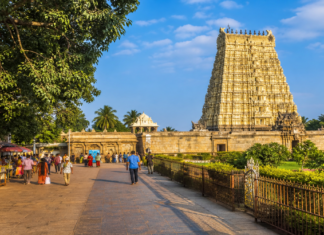


The Darasuram Airavatesvara Temple is a masterpiece of classical Chola architecture that often gets overshadowed by its more famous siblings in Thanjavur and Gangaikonda Cholapuram. Yet, for travelers exploring the ancient heritage routes of South India, this intricate stone marvel offers an unmatched, deeply personal glimpse into 12th-century craftsmanship. If you are planning a trip to the temple towns of Tamil Nadu, adding the airavatesvara temple darasuram to your itinerary is an absolute must for a complete historical experience.
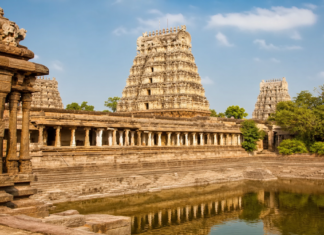
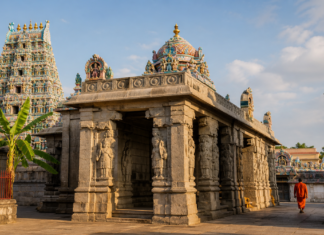
Built by the visionary King Rajaraja Chola II, this UNESCO World Heritage site is famously conceptualized and designed in the shape of a colossal stone chariot, complete with massive carved wheels drawn by rearing horses and elephants. Unlike the towering, intimidating vimanas of the Brihadeeswara Temple, Darasuram captivates visitors with its miniature brilliance and delicate proportions. Every single pillar, ceiling panel, and courtyard wall tells a story, featuring incredibly detailed carvings of mythological figures, classical dancers, and musicians that seem to come alive in the sunlight.
For middle-class families, couples, and solo travelers driving from Hyderabad, Chennai, or Madurai, this temple provides a peaceful, intensely spiritual, and less-crowded alternative to the usual bustling pilgrimage centers. You can discover the legendary musical stone steps, explore the rich tapestry of Shaivite history, and find out exactly how to plan your visit with this comprehensive travel guide designed for the modern Indian traveler.
“A flawless poem in stone where every intricately carved pillar seems to dance to the silent, eternal music of the golden Chola era.”
The Mythological Legend and Chola History
The history of the Airavatesvara Temple is deeply intertwined with both the zenith of the Chola dynasty and rich Hindu mythology. Constructed in the mid-12th century, it stands proudly as a core member of the Great Living Chola Temples network, preserving the spiritual and artistic heights achieved during this era. Dedicated to Lord Shiva, the temple derives its unique name from Airavata, the legendary white elephant of Lord Indra. According to local lore, Airavata was cursed by the short-tempered Sage Durvasa to lose its pristine, radiant white color.
Desperate to regain his original form, the mythical elephant traveled to this exact spot to bathe in the temple’s sacred water tank and pray to Lord Shiva. The waters miraculously restored his pure white hue, and the presiding deity has since been worshipped as Airavatesvara. Another fascinating mythological tale associated with the temple involves Yama, the God of Death. Legend states that Yama was suffering from a terrible burning sensation across his body due to a powerful curse by a sage. He found ultimate relief only after taking a dip in the temple’s sacred tank, which is respectfully known today as Yama Teertham.
Historically, the construction marked a significant shift in Chola architectural philosophy. While earlier rulers like Rajaraja I focused on building massively scaled, towering structures to project imperial power, Rajaraja II directed his artisans to focus on extreme detail, micro-carvings, and artistic perfection. The result is a temple that feels less like a fortress and more like an expansive, open-air jewelry box made of stone.
At a Glance: Top 5 Things to Know
-
UNESCO Status
Proudly recognized globally as part of the Great Living Chola Temples network.
-
Legend of Airavata
The deity is named after Lord Indra’s celestial white elephant who worshipped here.
-
Musical Steps
The unique stone steps emit distinct classical musical notes when tapped.
-
Chariot Architecture
The entire front mandapam is shaped like a divine chariot pulled by horses.
-
Micro Carvings
Features thumbnail-sized carvings depicting stories from the Periya Puranam.
Architectural Masterpiece: The Stone Chariot
The most visually striking feature of the Darasuram temple complex is the Rajagambhira Thirumandapam. This main hall is ingeniously conceived and executed as a colossal celestial chariot with massive, intricately carved stone wheels. These wheels feature detailed hubs and spokes, giving the illusion that the entire temple is being pulled forward by the galloping stone horses and majestic elephants carved at the base. It is a stunning display of dynamic movement captured permanently in solid rock.
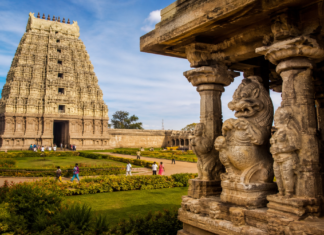
As you walk through the complex, you will immediately notice the iconic Yaali pillars. The Yaali is a recurring mythological creature in South Indian temple architecture, typically depicted as part lion, part elephant, and part horse. Here at Darasuram, these beasts are carved with such ferocity and detail that they appear ready to leap out of the granite pillars. The craftsmanship here represents a deliberate shift away from the massive scale of earlier Chola temples, pivoting instead toward a focus on extreme, delicate ornamentation.
For visitors exploring the shiva temples in kumbakonam, the micro-carvings at this site are what truly set it apart. Some panels are barely a few inches tall, yet they maintain perfect anatomical proportions. These miniature friezes portray vibrant scenes from the Ramayana, the Mahabharata, and the lives of the 63 Nayanmars (revered Shaivite saints). You can spend hours just studying a single pillar and still find new, hidden details of dancers, acrobats, and divine beings.
The Enigma of the Musical Steps (Bali Peetham)
One of the most famous and fascinating acoustic aspects of the temple is the intricately carved Bali Peetham, commonly referred to as the musical steps. Located near the main entrance gopuram, these meticulously engineered stone stairs were designed by Chola artisans to produce the seven basic notes of classical Carnatic music (Sa, Re, Ga, Ma, Pa, Dha, Ni) when tapped gently. This incredible feature showcases not just artistic talent, but an advanced understanding of lithic acoustics.
Today, to protect this invaluable heritage from the wear and tear of millions of visitors, an iron grille has been installed around the steps. While you can no longer walk on them or tap them freely, seeing them in person remains a profound experience. The mere fact that 12th-century craftsmen could tune solid granite slabs to specific musical frequencies is a testament to the scientific and artistic heights of the era.
Beyond the steps, the Agra-Mandapam features beautifully sculpted pillars showing dancers and musicians locked in various classical poses. This reflects the Chola era’s deep appreciation for the performing arts, serving almost as a stone encyclopedia of ancient dance mudras. Ensure your heritage itinerary gives you ample time to appreciate these silent, dancing stones fully.
Pro Tip: What to Pack
Since you will be walking barefoot on stone floors that get scorching hot by mid-day, bring thick cotton socks to protect your feet. Don’t forget a wide-brimmed hat, sunglasses, and a good insulated water bottle. Amazon India Travel Essentials
How to Reach Darasuram
Getting to Darasuram is a relatively straightforward affair, especially if you are already touring the broader temple city of tamilnadu. Darasuram is located just a few kilometers outside the main Kumbakonam town center, making it an easy, short auto-rickshaw or taxi ride. For families driving down from Chennai, Madurai, or Hyderabad, the highways leading into the Kaveri delta region are well-maintained and offer a highly scenic road trip experience.
If you prefer arriving by train, the Kumbakonam Railway Station is the nearest major railhead. It is well-connected to Chennai, Trichy, Coimbatore, and Madurai through regular express trains. From the station, local transport is abundantly available at all hours. Many travelers booking comprehensive tour packages from madurai often have Darasuram strategically included as a key stopover on their Chola heritage circuit.
For international tourists or long-distance domestic travelers flying in, the nearest aviation hub is Tiruchirappalli (Trichy) International Airport. You can easily hire a direct pre-paid cab from Trichy to Darasuram. The drive takes you through the lush, green agricultural heartland of Tamil Nadu, heavily endorsed by Incredible India as a premier cultural route.
Location Map
Ideal Itinerary for a Heritage Day Trip
To truly absorb the spiritual and historical essence of Darasuram without feeling rushed, it is best to dedicate a full half-day to the temple before exploring the surrounding weaving villages. Because the coastal delta heat can be unforgiving during the afternoon, a structured morning itinerary ensures you see the best parts of the temple in the most comfortable weather.
Pairing your visit to Darasuram with other local attractions makes for a perfect day out for families. You can explore ancient architecture in the morning, enjoy authentic South Indian cuisine for lunch, and spend the evening shopping for world-famous silk sarees directly from the weavers’ looms.
- Day 1 — Morning (7:00 AM – 10:00 AM): Arrive early for a peaceful darshan. The morning light is perfect for photography, casting long, dramatic shadows across the chariot wheels and Yaali pillars. Take your time studying the micro-carvings on the main mandapam.
- Day 1 — Afternoon (11:00 AM – 3:00 PM): Retreat to Kumbakonam town to escape the mid-day heat. Enjoy a heavy, traditional vegetarian thali served on a fresh banana leaf, followed by the region’s famous degree filter coffee.
- Day 1 — Evening (4:00 PM – 6:30 PM): Return to the Darasuram area to visit the local silk weaving communities. The streets around the temple echo with the sound of handlooms. Purchase authentic Darasuram silk directly from the artisans before winding down your day.
Where to Stay and What to Eat
Since Darasuram itself is a small, quiet locality, most travelers choose to base themselves in the adjacent town of Kumbakonam. The town offers a massive variety of accommodations ranging from budget-friendly pilgrim lodges to upscale, heritage-style boutique hotels. Staying here gives you easy access to both the Airavatesvara Temple and the myriad of other Navagraha shrines dotted around the delta.
When it comes to food, you are in the heart of traditional South Indian culinary territory. Do not miss the chance to try a full-course vegetarian meal (Saapadu), piping hot idlis, crispy vadas, and the legendary Kumbakonam degree coffee, brewed fresh with thick cow’s milk and roasted chicory blends.
Costs vary significantly by season, festival dates, and your choice of stay — check live rates before booking to secure the best family deals.
Kumbakonam Heritage Stays
Price: Check current rates/night | Location: Kumbakonam City Center | Best For: Families and Couples
Experience warm, traditional South Indian hospitality just a few kilometers away from Darasuram. Highly rated for clean rooms and authentic local food. Check latest prices on Agoda
Reality Check
While the Darasuram Airavatesvara Temple is undeniably beautiful and historically significant, travelers expecting the massive, overwhelming, and bustling environment of the Meenakshi Amman or the Brihadeeswara temples might find it surprisingly small and quiet. There are no major commercial shops, grand eateries, or aggressive hawkers immediately outside the gates. While this makes for a peaceful visit, it also means you must carry your own drinking water and basic snacks, especially if traveling with young children.
Additionally, the famed musical steps are now completely fenced off behind heavy metal grilles to protect them from vandalism and structural wear. You cannot walk on them or physically strike them yourself, which can be a letdown if you were hoping for a hands-on acoustic experience. Finally, the stone pathways around the main shrines become scorching hot between 11:00 AM and 4:00 PM, making barefoot exploration extremely uncomfortable for anyone unaccustomed to the heat.
Safety Tips for Travelers
- The granite floors heat up rapidly under the South Indian sun; always wear thick socks if visiting during the mid-day hours.
- Hire only government-approved or highly recommended local guides to avoid being overcharged or fed historically inaccurate stories.
- Keep a close eye on young children, as some of the ancient stone structures, raised platforms, and steps can be uneven and lack modern safety railings.
- Stay constantly hydrated, as the complex is largely open to the sky with very limited shaded seating areas for resting.
- Beware of local monkeys in the surrounding areas; avoid carrying food in transparent or easily accessible open bags.
Nearby Places to Explore
Extend your heritage trip by visiting these incredible, historically significant sites located just a short drive away from Darasuram.
- Brihadeeswara Temple, Thanjavur — The undisputed crown jewel of Chola architecture and a must-visit massive UNESCO site that contrasts beautifully with Darasuram’s miniature art.
- Gangaikonda Cholapuram — The third vital member of the Great Living Chola Temples network, known for its massive scale and beautifully curved vimana.
- Sarangapani Temple, Kumbakonam — One of the largest and most important Vaishnavite shrines in the region, featuring an incredible chariot-shaped sanctum of its own.
- Thirumalai Nayakkar Mahal — If you are heading back down south, connecting your trip with the rich heritage of old madurai offers a beautiful contrast between Chola and Nayak architectural styles.
Get Free Travel Tips in Your Inbox
Join fellow Indian travelers who get our best destination guides, budget tips, and hidden spots delivered every week. No spam. Just good travel content.
Frequently Asked Questions
Who built the Airavatesvara Temple in Darasuram?
The temple was commissioned and built by the powerful Chola King, Rajaraja II, in the 12th century. It serves as one of the most stunning, well-preserved examples of classical Dravidian temple architecture focused on intricate ornamentation.
What is the temple most famous for?
It is globally famous for its astonishing micro-carvings, the unique chariot-shaped main mandapam pulled by stone horses, and the legendary musical stone steps located near the entrance.
Is photography allowed inside the temple complex?
General photography using mobile phones and cameras is usually allowed in the outer courtyards and architectural areas free of charge. However, taking pictures of the inner sanctum and the main deity is strictly prohibited to maintain sanctity.
How far is Darasuram from Kumbakonam?
Darasuram is extremely close to Kumbakonam town, located just about 4 to 5 kilometers away from the city center, making it a quick and inexpensive 10 to 15-minute auto-rickshaw drive.
Are there any entry fees to visit the temple?
Entry to the temple itself is entirely free for all visitors. However, nominal charges might apply if you choose to hire a local guide, check your footwear at the entrance stall, or park your vehicle in the designated lots nearby.
This post contains affiliate links. If you book through our links, we may earn a small commission at no extra cost to you. This helps us keep travellerkaka.com free for everyone.
Plan Your Trip with Us
Have questions about this destination? We would love to help you plan the perfect trip.
Chat with us on WhatsApp or email us at info@travellerkaka.com