Tuesday, June 23, 2026
Home Blog Page 3

How to Book Somnath VIP Darshan & Guest House Online

0
Somnath Room Booking

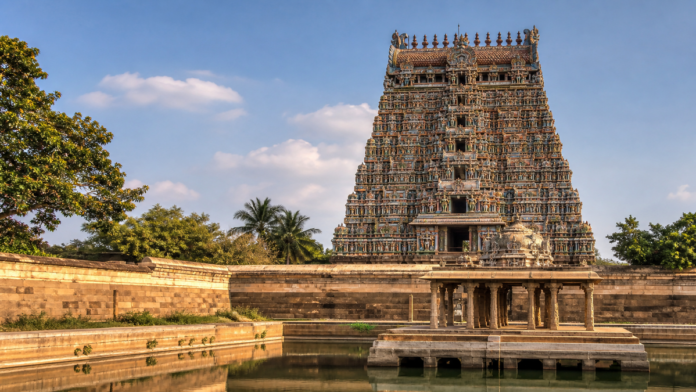
The morning sun rises over the Arabian Sea, casting a golden hue upon the majestic spires of the Somnath temple. As the waves crash against the shoreline, you feel a profound sense of peace that only a visit to this first among the twelve Jyotirlingas can provide. Securing your Somnath Room Booking is the first step toward experiencing this spiritual serenity without the stress of last-minute logistics.

Planning a pilgrimage requires precision, especially when dealing with the high demand for accommodation in such a sacred destination. Whether you are arriving for a peaceful Darshan or planning an extended retreat, knowing exactly how to navigate the online systems ensures your focus remains entirely on the divine. We have curated this guide to simplify your preparations and help you enjoy a seamless experience in this historic coastal town.

DetailInfo
Best Time to VisitOctober to March
Distance from Somnath Railway StationApprox 5 km
Budget Estimate (per person)INR 3,000 – 8,000
Ideal ForFamilies, Pilgrims, History Enthusiasts
Must-See SpotsSomnath Temple, Triveni Sangam, Bhalka Tirth
Getting ThereKeshod Airport (55km) or Veraval Railway Station

The rhythmic chanting of prayers at Somnath creates an atmosphere where time seems to stand still and the soul finds true stillness.

Mastering Somnath Room Booking Online

Securing a Somnath Room Booking through official portals is highly recommended to avoid local touts and inflated last-minute prices. The Shree Somnath Trust provides a user-friendly interface for various guest houses including Lilavati Atithi Bhavan and Sagar Darshan. You can book your stay by visiting their official tourism portal and selecting your preferred dates in advance.

Most guest houses offer standard and AC deluxe rooms at competitive rates, starting from as low as INR 800 during the off-season. Make sure to keep your government-issued ID proofs ready, as these are mandatory during the check-in process. We suggest booking at least 30 days before your travel date, especially if your visit aligns with major festivals like Maha Shivaratri or Karthik Purnima.

How to Secure VIP Darshan and Rituals

Beyond finding the perfect room, managing your time in the temple queues is essential for a stress-free trip. The trust offers various special entry passes that allow you to bypass the general crowd during peak hours. You can often bundle your Somnath Room Booking with specific puja arrangements, saving you time once you arrive on site.

Benefits of Advance Planning

Booking a VIP Darshan slot allows you to enter the main sanctum through a separate, shorter line. This is particularly beneficial for families traveling with elderly members or small children. Always check the official website for real-time updates regarding temple timings and special daily rituals, such as the evening Maha Aarti, which is a visual spectacle you cannot miss.

At a Glance: Top 5 Things to Know

  • 📍
    Strategic Location

    Most trusted guest houses are within walking distance of the main temple complex.

  • 📱
    Digital Ease

    Use the official app or website for all booking needs to ensure authenticity.

  • 📅
    Advance Booking

    Book your accommodation at least a month ahead during peak festive seasons.

  • 📸
    No Photography

    Remember that mobile phones and cameras are strictly prohibited inside the main sanctum.

  • 🧥
    Dress Code

    Modest ethnic attire is expected while visiting the sacred premises.

Where to Stay: Recommended Guest Houses

Finding a comfortable base is crucial for your spiritual journey. Here are some of the most reliable options for travelers looking for convenience and proximity.

Lilavati Atithi Bhavan

Price: INR 1,200/night | Location: Near Temple Entrance | Best For: Budget Travelers

This guest house offers clean, basic rooms that are perfect for those prioritizing proximity to the temple. It is the most popular choice, so it fills up very quickly.

Sagar Darshan Guest House

Price: INR 2,500/night | Location: Sea-facing | Best For: Couples and Families

Enjoy breathtaking views of the ocean right from your balcony while staying in well-maintained, comfortable rooms. The atmosphere here is serene, making it ideal for reflection.

Pro Tip

If you prefer to book private hotels or luxury resorts, check Agoda for the latest deals on accommodation near the Veraval-Somnath bypass, which offers more space for larger groups.

Getting Around and Travel Essentials

Navigating from the railway station to your accommodation is simple, with auto-rickshaws and taxis readily available. For those planning an extensive tour of Gujarat, hiring a private cab for the day provides the most flexibility. Do not forget to pack essential travel gear like a sturdy backpack, comfortable walking shoes, and a power bank to keep your devices charged during long temple visits.

Reality Check

While Somnath is a beautiful destination, visitors should be aware that the area gets extremely crowded during major religious holidays. If you are someone who dislikes long waiting lines, avoid visiting during Mahashivaratri or public long weekends, as the town infrastructure often struggles to handle the massive influx of devotees.

Additionally, while there are many local eateries, the culinary scene is primarily vegetarian and traditional Gujarati. If you are looking for diverse global cuisines or high-end nightlife, this might not be the right fit for your vacation style. Stick to this location if your primary goal is spiritual growth and historical appreciation.

Budget Breakdown

Budget Breakdown

ExpenseBudget (INR)Mid-Range (INR)Premium (INR)
Accommodation8002,5005,000
Food5001,2002,500
Local Transport3008002,000
Darshan/Puja2005001,500
Total1,8005,00011,000

Location Map

Frequently Asked Questions

Can I book a room for 5 people in one room?

Most government-run guest houses have specific occupancy limits. You may need to book two rooms or look for family suites, which are limited in availability.

Is there a dress code for Somnath temple?

Yes, pilgrims are encouraged to wear traditional or modest clothing. Avoid sleeveless tops or short skirts while entering the temple premises.

How far is the airport from the temple?

The nearest airport is Keshod, which is approximately 55 km away. Diu airport is another alternative, located about 85 km from Somnath.

Are mobile phones allowed inside the temple?

No, mobile phones, cameras, and leather items are strictly prohibited inside the main temple area. Secure lockers are available for rent at the entrance.

Is the VIP Darshan available every day?

Yes, special entry passes are available throughout the year, but they are subject to availability and the crowd levels on the specific day of your visit.

This post contains affiliate links. If you book through our links, we may earn a small commission at no extra cost to you. This helps us keep travellerkaka.com free for everyone.

Plan Your Trip with Us

Have questions about this destination? We would love to help you plan the perfect trip.

Chat with us on WhatsApp or email us at info@travellerkaka.com
null

New Kedarnath Master Plan 2026: Changes Every Pilgrim Must Know

0
Kedarnath Master Plan

Standing before the towering Himalayas, you realize that the Kedarnath temple is not just a destination; it is a portal to the divine, now undergoing a massive transformation. The Kedarnath Master Plan for 2026 is reshaping the way pilgrims reach and experience this sacred abode of Lord Shiva, turning a rugged journey into a streamlined, world-class spiritual pilgrimage.

Every devotee must understand these infrastructure upgrades to plan their visit effectively. From widened pathways to controlled crowd management, the landscape around the holy sanctum is changing to ensure safety and comfort for millions of visitors.

DetailInfo
Best Time to VisitMay to June and September to October
Distance from HyderabadApprox. 2,200 km via road
Budget Estimate (per person)INR 25,000 – INR 40,000
Ideal ForDevotees and Adventure Seekers
Must-See SpotsBhairavnath Temple, Vasuki Tal, Chorabari Lake
Getting ThereFlight to Dehradun, then road/helicopter

“The mountains do not merely change; they reveal a new path for those seeking the ultimate silence of the soul.”

Decoding the Kedarnath Master Plan for 2026

The Kedarnath Master Plan is the government’s ambitious blueprint to develop the shrine area into a modern, sustainable pilgrimage hub. Prime focus is given to the expansion of the temple precinct, allowing for better queue management during peak seasons. You will find that the congested alleys of the past are being replaced by spacious plazas, making it easier for elderly pilgrims to navigate.

What Changes to Expect

Infrastructure is the core of this plan, with a focus on all-weather connectivity. Construction crews are working to ensure the trek route is safer, featuring reinforced bridges and weather-proof shelters. Additionally, the plan includes a network of medical emergency hubs placed strategically along the 16 km trek from Gaurikund to ensure immediate assistance for travelers.

The Logistics of Your Pilgrimage

Traveling from South India, specifically for those coming from Hyderabad, requires meticulous planning. You can book flights to Dehradun through reliable flights to start your journey efficiently. Once in Uttarakhand, the hotels located in Guptkashi or Phata serve as vital base camps before the final ascent.

Helicopter Services and Ground Transport

Helicopter bookings have become more digital and transparent under the new guidelines. Ensure you book via official government portals only to avoid scams. If you are opting for the trek, make sure you carry high-quality travel gear suitable for high-altitude conditions.

Essential Travel Tips for the Modern Pilgrim

Navigating the terrain requires patience and preparation. Altitude sickness is a genuine concern, so acclimatization in Sonprayag or Guptkashi is non-negotiable. Always maintain a flexible schedule, as mountain weather can change within minutes, occasionally delaying darshan timings.

Pro Tip

Download the official Yatra registration app well in advance. All pilgrims must complete their biometric registration before reaching the base camp to avoid being turned back at the checkpoints.

Mountain Retreat Base Camp

Price: INR 4,500/night | Location: Guptkashi | Best For: Comfort seekers

This property offers excellent views of the Chaukhamba peak and provides organized shuttle services to the helipads. It is the perfect spot for families needing a quiet rest before the challenging trek.

The Spiritual Significance and Architecture

The Kedarnath temple remains the crown jewel of the Char Dham circuit. The current renovations are being executed with a focus on preserving the ancient Nagara style architecture while strengthening the temple foundation against natural calamities. By 2026, the surroundings will reflect a blend of heritage preservation and modern convenience.

Why This Matters

Devotees who visit after the completion of the master plan will experience a more serene environment. The design prioritizes the “Shiva theme” throughout the town, creating an atmosphere of deep spiritual immersion. This is designed to reduce the chaos often associated with massive crowds, ensuring your focus remains on the deity.

Reality Check

Despite the development, the reality of high-altitude pilgrimage persists. Even with the new Master Plan, the trek is physically demanding, and those with underlying cardiac or respiratory conditions must consult a doctor before starting. It is not a casual vacation; it is a test of physical and mental endurance.

Furthermore, the environmental impact of increased footfall is significant. Pilgrims are urged to follow strict “Leave No Trace” policies. Do not carry single-use plastics up the mountain, and respect the fragile ecosystem that surrounds the temple.

At a Glance: Top 5 Things to Know

  • Mandatory Registration: Every traveler must register online via the official portal.
  • ⛰️
    Physical Fitness: Start daily walks at least two months before your trip.
  • 🌡️
    Layered Clothing: Mountain weather requires thermal layers, even in summer.
  • 🚁
    Booking Ethics: Avoid third-party booking agents; use official IRCTC or state portal links.
  • 💡
    Emergency Kits: Carry basic medications and a small oxygen cylinder for high altitudes.

Location Map

Itinerary for Your Journey

  1. Day 1 — Arrival: Reach Dehradun and transfer to Guptkashi or Phata.
  2. Day 2 — Trek: Travel to Gaurikund and begin the 16 km trek or take the helicopter.
  3. Day 3 — Darshan: Offer prayers at the temple early in the morning, explore the surrounding scenic points.
  4. Day 4 — Return: Trek back down to Gaurikund and return to your base hotel.

Budget Breakdown

ExpenseBudget (INR)Mid-Range (INR)Premium (INR)
Transport5,0008,00015,000
Accommodation8,00015,00025,000
Food4,0007,00010,000
Helicopter/Pony8,00010,00012,000
Total25,00040,00062,000

Frequently Asked Questions

Is the Kedarnath trek open year-round?

No, the temple remains closed during the winter months (approximately November to April) due to heavy snowfall.

Can I book helicopter tickets on the spot?

It is strongly discouraged. Tickets sell out months in advance; always book through official online channels.

What is the best way to reach Kedarnath from Hyderabad?

The most efficient way is a flight to Dehradun, followed by a taxi to the base camp at Guptkashi or Phata.

Are there ATMs in Kedarnath?

ATMs are extremely unreliable in the mountains. Carry sufficient cash for your entire trip.

What gear is essential for the trek?

Sturdy trekking shoes, a windbreaker, a personal first-aid kit, and high-energy snacks like dry fruits are essential.

This post contains affiliate links. If you book through our links, we may earn a small commission at no extra cost to you. This helps us keep travellerkaka.com free for everyone.

Plan Your Trip with Us

Have questions about this destination? We would love to help you plan the perfect trip.

Chat with us on WhatsApp or email us at info@travellerkaka.com
null

Vizag’s Viral New Waterfront: ₹6,000 Weekend Guide from HYD

0
Vizag Port Promenade

Vizag’s New Viral Waterfront: The ₹6,000 Weekend Escape Every Hyderabad Techie is Planning

If your Instagram feed is suddenly flooded with aesthetic golden-hour videos of giant cargo ships gliding past a sleek, modern coastal walkway, you aren’t alone. Visakhapatnam has just dropped its hottest new attraction: the Visakhapatnam Port Authority (VPA) waterfront promenade, locally dubbed the “Port Horizon Promenade.” Located near the International Cruise Terminal and Coastal Battery, this long sea-facing walkway has instantly become the city’s most viral hangout spot for sunset chasers, ship-watchers, and photography enthusiasts.

But here is the real breaking news for travelers: with the recent opening of the new Port Flyover, the notorious traffic bottlenecks near the port have vanished, making access smoother than ever. While some beautification work is still ongoing as part of a massive coastal tourism drive, the promenade is fully open to the public. Best of all? It currently costs absolutely nothing to enter. For Hyderabad residents looking to escape the city hustle, this is the ultimate budget-friendly weekend getaway you can pull off for just ₹6,000.

Why This Matters for Travelers Right Now

Vizag has always been a favorite quick escape for Hyderabadis, but the Port Horizon Promenade adds a modern, international-style waterfront experience to the city’s coastal charm. Unlike the crowded stretches of RK Beach, this new promenade offers dedicated, landscaped seating areas specifically designed for watching massive naval and commercial vessels enter the harbor.

Because the attraction is fresh and still evolving, there are no ticketed entry fees yet. You are essentially getting a premium tourism experience for free. If you time your travel right, you can leave Hyderabad on a Friday night, spend two glorious days soaking in the coastal breeze, and be back at your desk by Monday morning without burning a hole in your wallet.

Quick Facts: Vizag Port Promenade

DetailInformation
LocationNear Visakhapatnam Port & Coastal Battery
Entry Fee₹0 (Free access currently)
Best Time to Visit4:30 PM to 6:30 PM (Golden Hour)
Budget from HYD₹6,000 – ₹8,000 per person (2N/3D)
Distance from HYD~620–650 km (11-14 hours by train/bus)

What You Need to Know: The ₹6,000 Budget Breakdown

You don’t need a massive bank balance to experience this viral trend. Here is exactly how a solo traveler or a group of friends from Hyderabad can execute a 2-Night/3-Day trip on a tight ₹6,000–₹8,000 budget.

1. Travel (₹1,000 – ₹2,000 Return)

The most cost-effective way to reach Vizag is by the overnight train. A Sleeper (SL) class ticket from Secunderabad to Visakhapatnam costs about ₹450–₹650 one way. If you upgrade to 3AC, expect to pay around ₹1,000–₹1,400. Alternatively, private non-AC sleeper buses or TSRTC/APSRTC express buses will cost you between ₹700 and ₹1,200 one way. Book a Friday night departure to wake up in Vizag on Saturday morning.

2. Accommodation (₹900 – ₹1,500 Per Person)

Skip the luxury resorts. Book a budget hotel or lodge near Beach Road, Jagadamba Centre, or Dwaraka Nagar. A decent double room in these areas costs between ₹900 to ₹1,500 per night. Split between two people, your stay for two nights will only cost around ₹900 to ₹1,500 per person. Staying central means cheaper auto rides to the waterfront.

3. Food & Local Transport (₹1,800 – ₹2,800)

Vizag’s local food scene is incredible and cheap. Budget for local tiffins (₹60–₹100), hearty Andhra meals (₹100–₹200), and evening snacks by the beach. Set aside ₹500–₹700 per day for food. For transport, rely on local autos and app cabs. An auto from the railway station to the Coastal Battery area is around ₹150–₹250. Keep ₹600–₹1,000 handy for weekend travel within the city.

4. The Vibe & Extras

Walking the new Port Horizon Promenade is 100% free. If you want to add the Kailasagiri ropeway, the Submarine Museum, or grab an artisanal coffee at a beachfront café, budget an extra ₹500–₹1,000.

Current Warning: The waterfront is still evolving. You will see ongoing beautification works and barricaded construction zones. Obey safety signs and do not cross cordoned-off areas. Also, be prepared for weekend parking chaos near the new Port Flyover approach roads.

Pro Tips for Hyderabad Travelers

  • Time it for the Sunset: Midday on the open waterfront is brutally hot and humid. Arrive between 4:30 PM and 5:00 PM. The golden hour lighting against the cargo ships is stunning, and the area looks dramatic once the port lights turn on after dark.
  • Respect the Security Zones: This promenade skirts an active, major commercial port. There are restricted access points, CCTV cameras, and security staff. Do not fly drones under any circumstances, and avoid photographing clearly marked restricted naval/port zones.
  • Monsoon Readiness: If you are visiting during the rainy season, the sea can get rough and the waterfront tiles become extremely slippery. Wear footwear with good grip and carry a compact umbrella. Sudden gusty showers are common.
  • Ditch the Car Locally: While the new Port Flyover has eased traffic, weekend evenings at the viral promenade still see parking nightmares. Take an auto or an Uber/Ola drop-off instead of driving a rental car right up to the waterfront.
ALSO READ: Want to explore more of Vizag’s coastline? Check out our complete guide to RK Beach Visakhapatnam for the best street food spots and museum timings.

Frequently Asked Questions (FAQ)

1. Is there an entry fee or parking fee for the new Vizag Port Promenade?
As of right now, there is no ticketed entry fee to walk the Port Horizon Promenade. It functions as a free public space. If parking fees are introduced later, expect a nominal charge of ₹10–₹30, similar to other Vizag beachfronts.

2. Is it safe to visit the waterfront during the monsoon?
Yes, but caution is required. The sea can be rough, and sea spray combined with rain makes the walkways slippery. Avoid climbing on railings or ledges for photos, and visit during the early morning or evening to avoid sudden midday downpours.

3. Which is the best train from Hyderabad to Vizag for a weekend trip?
Overnight trains like the Godavari Express, Visakha Express, or the Duronto (if you want a faster, slightly pricier option) are ideal. Book a Friday evening departure from Secunderabad to arrive in Vizag by Saturday morning.

Ready to Chase the Vizag Sunset?

The Port Promenade won’t stay a secret for long. Grab your IRCTC tickets, pack a light bag, and experience Andhra’s coolest new coastal hangout before the massive crowds take over. Share this guide with your Hyderabad weekend gang and start planning!

null

Kedarnath vs Badrinath: Which One Should You Visit First?

0
Kedarnath vs Badrinath

The thin Himalayan air bites at your skin, carrying the scent of damp earth and ancient incense as you stand between two of the most revered shrines in the Garhwal Himalayas. Choosing between Kedarnath vs Badrinath is less about picking a side and more about understanding the unique spiritual rhythm each destination demands of your soul. Whether you are seeking the rugged intensity of the high-altitude trek or the serene, architectural grandeur of the sacred town by the Alaknanda, this journey marks a significant milestone in any traveler’s life.

For those preparing for this ultimate pilgrimage, knowing which temple to visit first is the secret to a balanced journey. While both are integral to the Char Dham circuit, they offer contrasting landscapes and experiences that can drastically alter your trekking fatigue and spiritual focus.

DetailInfo
Best Time to VisitMay to June, September to October
Distance from HyderabadApprox 2,200 km to Dehradun (Air) + 250 km (Road)
Budget Estimate (per person)INR 25,000 – 45,000
Ideal ForDevotees, Trekkers, Himalayan Enthusiasts
Must-See SpotsKedarnath Temple, Bhairav Nath Temple, Badrinath Temple, Mana Village
Getting ThereFlight to Jolly Grant Airport, Dehradun; then taxi or bus

Kedarnath is the destination for the seeker who wants to test their physical limits against the mighty mountains, while Badrinath offers the gentle embrace of divine grace by the river banks.

Understanding the Kedarnath vs Badrinath Pilgrimage

The Kedarnath vs Badrinath debate often stems from their vastly different accessibilities and energy. Kedarnath is situated at an elevation of approximately 3,583 meters and requires a demanding 16-kilometer trek from Gaurikund, making it a test of endurance and devotion. The temple itself stands as a symbol of resilience, having survived the catastrophic floods of 2013 with its structure remarkably intact.

Badrinath, conversely, is easily accessible by road, sitting comfortably on the banks of the Alaknanda River. It feels more like a bustling town of faith, where the focus shifts toward ritualistic worship and the beauty of the Neelkanth peak looming in the background. If you are traveling with elderly family members or small children, starting with Badrinath is often the wiser choice.

The Trekker’s Delight: Why Kedarnath Comes First for Many

For those who love adventure, visiting Kedarnath first allows you to tackle the most strenuous part of your trip while your energy levels are high. The trek winds through lush forests, crossing gushing streams and rising into the stark, snow-dusted alpine zone where the air grows thin and cold. You can book your travel gear from Amazon India travel gear to ensure you have the proper trekking poles and thermal wear required for this high-altitude climb.

Once you reach the temple, the sheer majesty of the Kedarnath peak rising behind the stone structure is a sight that defies description. Many travelers choose to spend an extra day here to explore the nearby Bhairav Nath Temple, which offers a panoramic view of the entire valley. Be sure to check Kedarnath Yatra Guide for updated permit requirements before you leave.

Badrinath: A Sanctuary of Peace and Ritual

Badrinath is widely considered one of the most important centers of pilgrimage in India, dedicated to Lord Vishnu. The town is far more developed than the rugged surroundings of Kedarnath, featuring numerous dharamshalas and hotels that cater to different budget levels. You can find excellent options for your stay by visiting Agoda hotel flight affiliate link to secure your bookings well in advance.

Visiting Badrinath second allows you to wind down after the intense trek to Kedarnath. You can spend your time visiting the Tapt Kund—a natural hot water spring where devotees bathe before entering the temple—or take a short trip to Mana, the last village on the Indian border. The atmosphere here is centered on peaceful meditation and experiencing the traditional Vedic chants that echo through the temple premises every evening.

Sarovar Portico Badrinath

Price: INR 7,500/night | Location: Near Temple | Best For: Comfort and proximity

This is arguably the most comfortable stay in Badrinath, offering stunning views of the surrounding peaks. It is perfect for families who want to be close to the temple without sacrificing modern amenities.

Pro Tip

Always keep a set of dry, warm clothes in your waterproof backpack. The weather in the high Himalayas can change from sunshine to a freezing downpour in under thirty minutes.

Comparison: Kedarnath vs Badrinath

At a Glance: Key Differences

FactorKedarnathBadrinath
Altitude3,583 meters3,133 meters
Access16 km TrekRoad Access
DedicationLord ShivaLord Vishnu
ClimateExtremely ColdCool to Mild
Best ForAdventure SeekersFamilies/Elderly
VibeRugged/SpiritualRitualistic/Serene

Reality Check

While the spiritual experience is profound, the physical reality of these high-altitude sites is not to be underestimated. Both locations face extreme weather conditions, and oxygen levels can be challenging for those with respiratory issues or low fitness levels. If you are not accustomed to high-altitude trekking, it is essential to consult your physician and spend at least two days in lower-altitude areas like Haridwar or Rishikesh to acclimatize properly.

Visitors should skip these destinations during the peak monsoon months of July and August due to the high risk of landslides and road blockages. The local authorities often restrict movement during these times, and the infrastructure is pushed to its absolute limit, which may lead to overcrowding and long wait times for darshan.

Planning Your Itinerary

  1. Day 1: Arrive in Dehradun and travel to Guptkashi or Rudraprayag to start your acclimatization process.
  2. Day 2: Proceed to Gaurikund and begin the initial stages of your trek or prepare for your helicopter flight to Kedarnath.
  3. Day 3: Visit the Kedarnath temple for morning prayers and spend time exploring the valley.
  4. Day 4: Descend back to the base and drive toward the Badrinath region, stopping at Joshimath for the night.
  5. Day 5: Perform early morning rituals at the Badrinath temple and visit Mana Village before beginning your return journey.

Budget Breakdown

Budget Estimates

ExpenseBudget (INR)Mid-Range (INR)Premium (INR)
Accommodation5,00015,00030,000
Food3,0008,00015,000
Transport (Cabs/Bus)8,00015,00025,000
Helicopter/Pony Fees9,00015,00020,000
Total25,00053,00090,000

Frequently Asked Questions

Which is more difficult to visit, Kedarnath or Badrinath?

Kedarnath is significantly more difficult because the temple is accessible only by a 16-kilometer trek or a helicopter flight, whereas Badrinath is accessible by road.

Can we visit both in a single trip?

Yes, most pilgrims visit both as part of a larger Char Dham Yatra. It usually takes 5 to 7 days to cover both comfortably from Dehradun.

What is the best way to travel to these temples from Hyderabad?

The most efficient way is to take a flight from Hyderabad to Dehradun (Jolly Grant Airport) and then hire a private taxi or take a state transport bus to reach the base points of the yatra.

Is there any specific dress code for the temples?

While there is no strict dress code, wearing modest, traditional clothing is highly encouraged to respect the sanctity of the temples.

Are there ATMs available at these remote locations?

ATMs are sparse and often non-functional in the high mountains, so it is highly recommended to carry enough cash for your entire trip.

Location Map

At a Glance: Top 5 Things to Know

  • ⛰️
    Altitude Matters

    Both sites are above 3,000 meters; hydrate well and take it slow.

  • 📅
    Temple Season

    Temples are closed during the winter months due to heavy snowfall.

  • 🎟️
    Booking Online

    Register on the official government portal before you depart for your trip.

  • 🧥
    Layering

    Temperatures drop sharply at night, even in the summer months.

  • 🧘
    Patience

    Expect long queues for darshan; patience is part of the pilgrimage.

This post contains affiliate links. If you book through our links, we may earn a small commission at no extra cost to you. This helps us keep travellerkaka.com free for everyone.

Plan Your Trip with Us

Have questions about this destination? We would love to help you plan the perfect trip.

Chat with us on WhatsApp or email us at info@travellerkaka.com
null

Vizag Vande Bharat: Timings & Weekend Budget Guide

0
Vizag Vande Bharat
Vizag Vande Bharat

Planning a Vizag Beach Trip? Read This Vande Bharat Update First

The Secunderabad–Visakhapatnam Vande Bharat Express is currently the hottest way to escape Hyderabad’s concrete heat for a quick weekend beach getaway. But if you’re planning to pack your bags right now, there’s a crucial schedule update you need to know. The East Coast Railway (Waltair Division) has just tweaked the arrival timings of the Vande Bharat Express at Visakhapatnam to ease station congestion.

Don’t panic—the train hasn’t been canceled, and there are no long-term disruptions. It is still running normally, clocking that smooth, scenic 8-hour journey that has been blowing up on Instagram reels all summer. However, missing this minor arrival adjustment could mess up your hotel check-ins or cab pickups. If you’re heading to the Bay of Bengal this weekend, here is exactly how to plan your trip, manage your budget, and navigate the new updates.

Why This Matters For Travelers

For Hyderabadis, Vizag is the ultimate quick-escape destination, but the 630 km distance has always been a hurdle. You either had to endure a bumpy 12-hour overnight bus, pay surging weekend flight prices (often hitting ₹7,000 one-way), or waste a whole day in a regular train. The Vande Bharat Express changed the game, turning a grueling commute into a premium, comfortable half-day ride.

With the recent timing revisions at the Visakhapatnam terminal, travelers must double-check their exact arrival times on IRCTC before booking local transport. Arriving even 20 minutes earlier or later than you expected can leave you stranded at the station or paying waiting charges for your cab. Staying updated ensures your weekend starts on the beach, not in a chaotic station parking lot.

Quick Facts: Hyderabad to Vizag Getaway

DetailInformation
RouteSecunderabad (SC) to Visakhapatnam (VSKP)
Travel Time~7.5 to 8 Hours (Daytime)
Vande Bharat Fares (One-Way)₹1,500–₹1,900 (CC) | ₹2,800–₹3,500 (EC)
Budget Train Fares (One-Way)₹450–₹1,000 (Sleeper / 3A)
Current Weather (June 2026)Monsoon onset. Humid, intermittent rains, rough seas.
Recent UpdateArrival timings at Vizag revised to decongest terminal.

What You Need to Know: The Budget Breakdown

You don’t need to break the bank to enjoy the Vande Bharat experience. By mixing and matching your travel modes, you can pull off an incredible 2-night weekend trip from Hyderabad. Here are two ways to do it:

Option A: The “Smart Comfort” Weekend (₹5,600–₹7,300 per person)

This is the sweet spot for most travelers. You get the luxury of the Vande Bharat in one direction and save money on the way back.

  • Transport: Take the Vande Bharat Chair Car (CC) from Hyderabad to Vizag (~₹1,700). For the return journey on Sunday night, book a regular overnight sleeper train (~₹600). Add about ₹500–₹800 for local autos and city buses in Vizag.
  • Stay: Book a lower-mid-range hotel near RK Beach, Daspalla Hills, or Maddilapalem. Sharing a ₹1,500/night room between two people costs just ₹1,500 per person for 2 nights.
  • Food: Stick to local Andhra meals, hearty tiffins, and street food, with maybe one fancy dinner. Expect to spend ₹900–₹1,400 over the weekend.
  • Sightseeing: The Submarine Museum, TU-142 Aircraft Museum, and Kailasagiri ropeway will cost around ₹700–₹1,000 including beach snacks.

Option B: The “Hardcore Backpacker” (₹3,400–₹5,000 per person)

If you are on a strict budget, skip the Vande Bharat and take an overnight sleeper train both ways (~₹1,200 total). Stay in a shared hostel or budget lodge near the station (₹800 for 2 nights). Eat strictly at local street vendors and rely entirely on public buses for getting around. It’s a bit more exhausting, but incredibly light on the wallet.

Current Warnings & Sea Conditions

Since we are in the middle of June, the Andhra coast is experiencing its monsoon weather. While Vizag is beautiful with dramatic, cloudy skies and a cooling sea breeze, the sea can be extremely rough. Lifeguards frequently put up red flags at RK Beach and Rushikonda. Do not go deep into the water, and strictly avoid isolated rocky stretches during high tide. Furthermore, keep a 45-minute buffer for station transfers, as Vizag is currently seeing some traffic bottlenecks near major beach road junctions.

Pro Tips for Vizag Weekenders

  • Lock Seats Early: The Vande Bharat CC and EC classes sell out lightning-fast for Friday departures and Sunday returns. Book on IRCTC the moment your weekend dates are fixed.
  • Location is Everything: Stay near RK Beach or Lawson’s Bay. You will save hundreds of rupees and hours of time on local auto fares since the museums and main beaches are right outside your door.
  • The Luggage Hack: If your Vande Bharat arrives before your 12 PM hotel check-in, don’t pay for an extra day. Most beach-side hotels will happily hold your bags at the reception while you grab a coffee and hit the sand.
  • Carry Cash: While UPI is everywhere, network issues near the beach are common. Keep ₹1,000 in smaller notes for beach vendors, roasted corn, and auto drivers.

Frequently Asked Questions (FAQ)

1. Is the Secunderabad-Vizag Vande Bharat train cancelled?

No, the train is running normally. The railways have only made minor adjustments to its arrival timings at Visakhapatnam to reduce platform congestion. Always check your exact PNR status before leaving.

2. How much does a weekend trip to Vizag from Hyderabad cost?

If you take the Vande Bharat Express one way and an overnight sleeper train back, a 2-night weekend trip (including mid-range stay, food, and local transport) will cost you roughly ₹5,600 to ₹7,300 per person.

3. Is it safe to visit Vizag beaches right now?

Yes, the beaches are open and the monsoon clouds make for great photography. However, the sea is rough during the monsoon. Stick to designated safe zones, avoid swimming in deep waters, and always listen to local lifeguards.

Ready for the Beach?

Don’t let the weekend slip away! Share this guide with your travel squad, check the updated Vande Bharat timings on IRCTC, and lock in your tickets before they sell out. Have a great trip!

Best Credit Cards for Booking Chardham Helicopter & Flights

0
Travel Credit Cards India

The thin mountain air bites at your cheeks as you stand on the helipad, staring at the snow-capped peaks of the Himalayas, realizing that your dream of a seamless pilgrimage is finally becoming a reality. Booking your spiritual journey to the sacred heights is no longer about standing in endless queues; it is about smart financial planning using the right Travel Credit Cards India for your Chardham helicopter and flight bookings.

For many, visiting these ancient shrines involves a significant financial commitment. By choosing the right financial tool, you can turn your mandatory travel expenses into reward points, cashback, or travel miles that subsidize your next major trip. This guide helps you navigate the rewards landscape to ensure every rupee spent on your spiritual quest works harder for you.

DetailInfo
Best Time to VisitMay to June and September to October
Distance from Hyderabad2,400+ km
Budget Estimate (per person)INR 60,000 to INR 1,50,000
Ideal ForFamilies, Seniors, Religious Travelers
Must-See SpotsKedarnath, Badrinath, Gangotri, Yamunotri
Getting ThereFlight to Dehradun followed by Helicopter/Road

The most sacred paths are often the most expensive, but a well-chosen credit card can pave your way with luxury and savings.

Maximizing Rewards with Travel Credit Cards India

When you book expensive helicopter tickets for the Chardham circuit, the transaction value is often high enough to trigger maximum rewards on premium cards. You should look for cards that offer accelerated reward points on travel categories or co-branded cards that provide direct miles.

Always verify the MCC (Merchant Category Code) of the travel provider, as some banks exclude specific travel agency transactions from reward programs. Using a card that offers a high base earn rate ensures you do not miss out on points even if the transaction is not categorized as a travel purchase.

The Role of Lounge Access and Insurance

Your pilgrimage involves long layovers and waiting times at busy airports. Premium Travel Credit Cards India often come with complimentary domestic and international lounge access, which provides a comfortable space to rest before your flight to the hills.

Furthermore, many top-tier cards include comprehensive travel insurance. This coverage often includes trip cancellation and emergency medical assistance, which are critical when planning a complex trip to high-altitude regions where weather can disrupt plans at any moment.

Selecting the Right Payment Gateway for Flights

Choosing where you book is as important as the card you use. When you book your flights, compare prices across platforms to ensure you are not paying a convenience fee that outweighs your reward point gains. Some travel portals offer periodic cashback promotions when used with specific credit cards, which can be far more valuable than standard points.

Always maintain a balance between the convenience of a third-party aggregator and the direct support offered by the airline or official IRCTC portals. Direct bookings are usually safer for pilgrims during peak seasons, even if they occasionally offer fewer direct cashback incentives.

Pro Tip

Use your credit card to purchase high-quality travel gear such as insulated jackets and sturdy backpacks before you leave. This helps you hit spending milestones required to unlock annual fee waivers or bonus points.

Understanding the Cost of Spiritual Travel

A typical Chardham yatra is not merely a holiday; it is an expedition. Costs include helicopter charters, high-altitude accommodation, local transport, and special Darshan passes. Your credit card is a powerful tool to manage cash flow during these transactions.

  • Helicopter Charters: Often the single largest expense, these must be booked months in advance.
  • Accommodation: High-altitude stays can be limited and pricey; use travel-specific cards for higher earn rates on hotel stays.
  • Local Logistics: While cash is king in remote regions, keep your card linked to payment apps for easier digital transactions.

Comparing Credit Card Benefits

Card Benefits Comparison

FactorBasic Travel CardPremium Travel Card
Annual FeeLow / WaivedHigh / Premium
Reward Rate1-2%3-6%
Lounge AccessLimitedUnlimited
InsuranceBasicComprehensive
Milestone PerksNoneHigh

Reality Check

Spiritual travel, especially in the mountains, comes with inherent risks and uncertainties. No credit card, regardless of its premium status, can account for the volatile weather patterns in the Himalayas. Always keep a significant amount of cash on hand, as digital networks are notoriously unreliable in the higher reaches of Kedarnath and Badrinath.

Travelers with pre-existing medical conditions should approach this trip with caution and consult a healthcare professional. Ensure your insurance covers emergency evacuation, as standard credit card travel insurance policies often have specific geographical or activity-based exclusions for high-altitude treks.

Essential Budgeting for Your Journey

Budget Breakdown

ExpenseBudget (INR)Mid-Range (INR)Premium (INR)
Flights/Transport15,00025,00040,000
HelicopterN/A12,00025,000
Accommodation10,00020,00045,000
Food & Misc5,00010,00020,000
Total30,00067,0001,30,000

At a Glance: Top 5 Things to Know

  • 💳
    Card Selection

    Prioritize cards that offer direct airline miles or specific travel-based rewards.

  • 🚁
    Booking Timing

    Book your helicopter segments 3 to 4 months in advance for availability.

  • 🧳
    Gear Preparation

    Invest in proper layers and footwear well before the Yatra starts.

  • 📱
    Digital Backup

    Always carry physical copies of your booking confirmations.

  • 🏔️
    Weather Safety

    Monitor local weather forecasts daily before moving between sectors.

Frequently Asked Questions

Can I use my credit card for helicopter tickets?

Yes, most official operators for the Char Dham yatra accept credit cards, but ensure your card is enabled for international transactions if the payment gateway is foreign-routed.

Is it better to carry cash or cards?

Carry at least 40% of your budget in cash for the actual mountainous stretch where card machines are rare, and use cards for all pre-bookings and city-based hotels.

Does travel insurance from credit cards cover helicopter rescue?

Most standard cards do not cover high-altitude rescue; always purchase a specialized high-altitude travel insurance policy before starting the yatra.

Are there specific cards for Indian temple tourism?

While few cards are dedicated solely to temples, co-branded travel and airline cards provide the best value for flights and related ground logistics.

How far in advance should I book my trip?

You should begin planning and booking at least 180 days in advance to ensure you get your preferred helicopter slots and decent hotel room availability.

This post contains affiliate links. If you book through our links, we may earn a small commission at no extra cost to you. This helps us keep travellerkaka.com free for everyone.

Plan Your Trip with Us

Have questions about this destination? We would love to help you plan the perfect trip.

Chat with us on WhatsApp or email us at info@travellerkaka.com
null

Health Guide for Kedarnath: How to Handle AMS & Emergencies

0
Altitude Sickness Kedarnath

The thin, biting air at 11,755 feet hits you long before the majestic silhouette of the temple comes into view. Standing at the threshold of the Himalayas, every breath is a reminder that you are a mere visitor in a realm where the oxygen is sparse and the devotion is profound. Mastering your health while navigating the challenges of Altitude Sickness Kedarnath is not just a safety precaution; it is the difference between a transformative spiritual journey and an abrupt, painful descent.

Preparing for Kedarnath requires more than just booking tickets and packing woolens. The path to this sacred jyotirlinga demands physical readiness, an understanding of your body’s limits, and a proactive approach to medical emergencies. Whether you are trekking the 16-kilometer path from Gaurikund or opting for a helicopter service, the high-altitude environment is a reality that commands respect from every traveler.

DetailInfo
Best Time to VisitMay to June and September to October
Distance from DehradunApprox. 250 km (plus trek)
Budget Estimate (per person)INR 15,000 – 25,000
Ideal ForDevotees, Trekkers, Adventure Seekers
Must-See SpotsKedarnath Temple, Bhairav Nath Temple, Chorabari Lake
Getting ThereFlight to Dehradun, Taxi to Gaurikund, Then Trek

“The mountains do not demand your strength, they demand your humility in the face of the thinning air.”

Understanding Altitude Sickness at Kedarnath

Acute Mountain Sickness, or AMS, occurs when you ascend to high altitudes too rapidly for your body to acclimatize to the decreased oxygen levels. At the elevations found during your Kedarnath Yatra Guide, your body faces significant pressure to maintain oxygen saturation. Many travelers underestimate how quickly symptoms can progress, leading to headaches, nausea, dizziness, and fatigue.

It is vital to listen to your body from the moment you land in Dehradun or Rishikesh. Gradual ascent is the single most effective way to prevent severe complications. If you arrive from low-altitude cities, spend at least two days at intermediate stops like Rudraprayag or Guptkashi to allow your blood chemistry to adapt. Always remember that hydration is your primary defense against the mountain’s harsh conditions.

Recognizing the Early Warning Signs

  • Persistent, throbbing headache that does not respond to common painkillers.
  • Shortness of breath even while resting or performing minimal movement.
  • Nausea, vomiting, or a sudden, unexplained loss of appetite.
  • Inability to sleep or feeling confused and lethargic.

Strategic Acclimatization for a Safe Yatra

Acclimatization is not a suggestion; it is a necessity for anyone planning to visit this sacred site. By breaking your journey into stages, you allow your heart and lungs to adjust to the Altitude Sickness Kedarnath risks. Many pilgrims make the mistake of pushing through pain, which often forces a medical evacuation that could have been avoided with better planning.

Carry essential gear that supports your physical comfort, such as lightweight, breathable clothing for the trek and high-quality walking shoes. If you are looking for reliable equipment, explore the Amazon India travel gear collection before you leave. Ensuring your feet are comfortable and your back is supported with the right gear significantly reduces the physical strain that contributes to altitude-related illness.

Medical Preparedness and Emergency Protocols

Before leaving home, consult your physician, especially if you have a history of heart conditions or respiratory issues. A standard medical kit for Kedarnath should include Diamox (to be taken only under medical supervision), pain relievers, anti-nausea medication, and basic first-aid supplies. Always keep these items in your daypack rather than your main luggage.

The local administration has established medical booths throughout the trekking route. If you notice symptoms worsening, do not hesitate to reach out to these professionals. Early detection of High Altitude Pulmonary Edema (HAPE) or High Altitude Cerebral Edema (HACE) is critical for survival in the high-altitude wilderness.

Handling an Emergency on the Trail

  1. Immediately stop ascending if you or your companions show moderate symptoms.
  2. Descend by at least 500 meters if symptoms do not improve within a few hours.
  3. Maintain constant contact with your travel guide or local support team.
  4. Have a digital copy of your medical history and emergency contacts saved on your phone.

Choosing Your Transport: Trekking vs Helicopter

The decision between trekking and flying impacts your acclimatization process differently. If you take a Kedarnath Helicopter Booking, your body is suddenly exposed to high altitudes within minutes. This rapid change leaves less time for the body to adjust compared to a traditional, slower trek.

For those opting for the helicopter, it is strongly advised to stay in a lower-altitude base town for an extra day before taking the flight. If you are physically fit and have prepared, the trek from Gaurikund offers a more natural physiological adjustment. Compare the logistical factors below to decide which fits your fitness level.

Comparison: Trekking vs Helicopter

FactorTrekkingHelicopter
AcclimatizationBetter/GradualPoor/Rapid
Physical ExertionHighMinimal
CostBudget-FriendlyExpensive
Time Required2-3 DaysHalf Day
Emergency RiskLowerHigher (if not prepared)

Essential Packing and Gear

Your gear list should prioritize warmth and utility. Layers are your best friend in the Himalayas, as temperatures can drop drastically once the sun sets. A high-quality backpack is vital for carrying your essentials, and it should fit you correctly to prevent unnecessary fatigue.

Pro Tip

Avoid heavy meals that are difficult to digest. Stick to warm, light, and nutritious food like soups, lentils, and local grains which are easily available at the shelters and offer quick energy without taxing your digestion.

Reality Check

Visiting Kedarnath is an awe-inspiring experience, but the harsh reality of the high-altitude Himalayan environment cannot be ignored. The terrain is demanding, and the weather is notoriously unpredictable. If you suffer from severe asthma, uncontrolled hypertension, or serious cardiac issues, you should skip the trek or consult your cardiologist for a specialized clearance.

The path is not for the faint-hearted, and the struggle is real for those who ignore the basic rules of mountain safety. Expect crowded paths during peak season and long waiting times at the temple. If you prefer a tranquil, solitary experience, consider visiting during the shoulder months, provided the weather permits, but always stay informed about government advisories and official health guidelines.

At a Glance: Top 5 Things to Know

  • 💧
    Hydration

    Drink at least 3-4 liters of water daily to help your blood carry oxygen efficiently.

  • 💊
    Medical Kit

    Include basic painkillers, motion sickness pills, and prescribed medicine for your specific needs.

  • ⛰️
    Acclimatization

    Do not rush; spend at least two days in transit towns before moving to high elevations.

  • 👕
    Layering

    Wear light, thermal layers to maintain body heat without adding too much weight.

  • ⚠️
    Warning Signs

    Never ignore a persistent headache; descend immediately if you feel disoriented.

Location Map

Frequently Asked Questions

Is it safe to visit Kedarnath for elderly people?

It can be safe if they are in good health, but it is essential to consult a doctor, undergo a thorough physical check-up, and plan for a helicopter ride rather than a trek.

What is the most common mistake pilgrims make regarding AMS?

The most common mistake is ignoring the initial signs of fatigue and headaches, and choosing to consume alcohol or stimulants, which accelerates dehydration and altitude sickness.

Can I carry oxygen cylinders with me?

Yes, portable oxygen canisters are available and highly recommended for individuals who are prone to breathing difficulties at high altitudes.

Are there enough medical facilities on the way?

Yes, the state government manages several medical camps and oxygen stations along the trekking path from Gaurikund to Kedarnath to assist pilgrims.

Does travel insurance cover altitude-related emergencies?

Many standard policies do not, so it is crucial to purchase Travel Insurance for Trekking that specifically includes high-altitude evacuation and medical coverage.

This post contains affiliate links. If you book through our links, we may earn a small commission at no extra cost to you. This helps us keep travellerkaka.com free for everyone.

Plan Your Trip with Us

Have questions about this destination? We would love to help you plan the perfect trip.

Chat with us on WhatsApp or email us at info@travellerkaka.com
null

Monsoon Road Trip: Hyderabad to Ooty & Kodaikanal 2026

0
Monsoon Road Trip
Monsoon Road Trip

Monsoon Road Trip: Hyderabad to Ooty or Kodaikanal (2026 Update)

The 2026 monsoon has officially arrived, and for road-trippers in Hyderabad, the call of the Western Ghats is stronger than ever. Since the southwest monsoon hit the Kerala coast and surrounding hills in late May, the hill stations of Ooty and Kodaikanal have transformed into lush, mist-covered paradises. As of mid-June 2026, both destinations remain fully open and accessible, offering a refreshing escape from the city heat—provided you know how to navigate the season safely.

This matters because, while the visuals of rain-drenched tea gardens and waterfalls are breathtaking, the Western Ghats demand respect during the monsoon. Following the weather patterns of the last 30 days, we’ve seen that while Ooty offers a slightly drier window in July, Kodaikanal remains a vibrant, wetter choice. Whether you are planning a budget-friendly group drive or looking for the best routes to avoid road blocks, this guide provides the real-time data you need to plan your trip this week.

Why This Matters for Travelers

Safety is the priority this season. While there are no major long-term closures, the Western Ghats are prone to temporary, short-term blockages due to rockfalls or heavy rainfall. Staying informed is your best defense. By choosing the right route—specifically opting for the Gudalur approach to Ooty instead of the steep Masinagudi hairpins—you can ensure a smooth, stress-free journey. Furthermore, with the monsoon in full swing, travel costs are currently in a “shoulder season” sweet spot, making this the perfect time for budget-conscious travelers to secure affordable homestays before the peak weekend rushes.

Quick Facts: Monsoon Road Trip 2026

DestinationBest Time (Monsoon)Est. Travel Cost (Per Head)Key Caution
OotyJuly (Relatively Drier)₹5,800 – ₹8,500Avoid Masinagudi route
KodaikanalLate July – August₹5,800 – ₹8,500Check IMD alerts daily

What You Need to Know

Route Planning: Both destinations are approximately 1,000–1,100 km from Hyderabad. Do not attempt this as a single-day drive. Plan for an overnight halt in Bengaluru or Salem to avoid fatigue. When driving the ghat sections, strictly adhere to daylight hours (7 AM to 4 PM). Driving through mountain curves at night during a rainstorm is a significant risk that should be avoided at all costs.

Budgeting: For a 2-night trip in a group of 3–4, you can expect to spend between ₹6,000 and ₹8,500 per person. This covers fuel, tolls, comfortable budget homestays, and meals. If you are traveling solo or in a pair, train travel (sleeper class) combined with local state transport (TNSTC buses) is the most economical way to reach the hills, costing as little as ₹5,800 total.

Pro Tips for Your Monsoon Drive

  • The Ghat Rule: Always use the main highways (Gudalur for Ooty, Kodai Road for Kodaikanal). Avoid local steep shortcuts, especially if your vehicle is heavily loaded.
  • Pack Smart: Bring waterproof jackets, quick-dry socks, and non-slip footwear. The humidity is high, and temperatures can drop quickly to 10–15°C.
  • Check Before You Go: Monitor the National Disaster Management Authority (NDMA) and IMD websites every morning before you start your engine.
  • Stay Central: Choose homestays located in town or plantation belts rather than deep-valley remote locations to ensure easy road access during heavy downpours.

Also Read

Planning more adventures? Check out our guides: Top Hill Stations in Andhra Pradesh, Mumbai to Goa Monsoon Road Trip, and our essential Waterproof Backpack Guide.

FAQ

1. Is it safe to drive to Ooty in the monsoon?

Yes, Ooty is safe in 2026. Just stick to the main Gudalur route and avoid driving on the ghats during heavy rain or at night.

2. Which is better for a monsoon trip: Ooty or Kodaikanal?

Ooty is generally less rainy in July, making it a better bet for clear views. Kodaikanal is wetter but offers spectacular waterfall views during the peak rains of August.

3. What should I do if a road is blocked?

Always have a buffer day in your itinerary. If a route is blocked, wait for local authorities to clear the path; do not attempt to bypass closures through unverified forest roads.

Ready to hit the road? Don’t forget to check our 2026 Tourism Guide for the latest updates on road conditions and travel hacks!

null

Monsoon Travel Alert: Safety Tips for South India 2026

0
Monsoon travel India

Monsoon Alert: Is Your South India Trip at Risk?

The southwest monsoon has officially intensified across South India, bringing heavy rainfall, gusty winds, and unpredictable weather to some of the country’s most beloved travel destinations. From the lush, mist-covered hills of Munnar to the golden shores of the Konkan belt, the India Meteorological Department (IMD) has issued active alerts for states including Kerala, Karnataka, Tamil Nadu, and parts of Maharashtra and Goa.

For travelers currently on the road or planning a getaway, this matters significantly: while the monsoon brings the “emerald look” to the Western Ghats, it also introduces real risks like sudden road blockages, landslide threats in hilly regions, and potential delays in transport services. Whether you are heading for a tea estate retreat or a coastal escape, staying informed about these weather patterns is crucial to ensure your trip remains a memory for the right reasons.

Why This Matters for Your Travel Plans

The 2026 monsoon season is showing a “patchy” character, partly influenced by wider climate patterns. This means you might face long dry spells followed by intense, localized cloudbursts. For the modern traveler, this creates two distinct realities: discounted luxury accommodation (often 20%–40% off peak season rates) and the aesthetic beauty of waterfalls at their peak power. However, it also demands higher flexibility. If your itinerary relies heavily on road travel through the Western Ghats or ferry services in the backwaters, you must account for “monsoon buffers”—extra time and a contingency budget—to handle potential transit interruptions.

Quick Monsoon Safety Facts (June 2026)

RegionWeather OutlookPrimary Risks
Kerala (Munnar/Wayanad)Heavy to Very Heavy RainSlippery ghat roads, landslide risk
Karnataka (Coorg/Gokarna)Intense showers/windsForest trek closures, rough seas
Tamil Nadu (Nilgiris/Kanyakumari)Heavy rainfall alertsToy train delays, waterlogging
Goa & Konkan CoastStrong winds, high wavesWater sports suspension

What You Need to Know: Navigating the Wet Season

The current weather warning is not a total travel ban, but a call for “intelligent travel.” Popular hill stations like Munnar, Coorg, and Ooty are witnessing heavy fog, which reduces visibility for night driving. If you are planning to visit these areas, prioritize daytime travel. Coastal destinations are seeing a rise in sea-level activity; swimming and deep-sea water sports are currently discouraged or prohibited by local authorities due to strong undercurrents.

Furthermore, many forest departments are preemptively closing trekking trails in the Western Ghats to prevent accidents during high-intensity rain days. Always check with your resort or local tour operator before setting out for a planned trek.

Pro Tips for the Monsoon Traveler

  • The 24-Hour Rule: Always check the IMD “Nowcast” or district-level bulletins each morning before finalizing your plans for the day.
  • Contingency Budget: Keep a reserve of ₹2,000–₹3,000 per person in your travel fund to cover last-minute cab re-bookings or an extra night at a hotel if roads are blocked.
  • Pack Smart: Invest in high-quality, 10,000mm waterproof jackets and dry bags for your electronics. Avoid synthetic-soled shoes; opt for high-grip trekking sandals.
  • Flexible Itineraries: Do not pack your schedule with multi-state travel. Instead, pick one base—like a reliable resort in Kochi or a town hotel in Ooty—and explore within a 50km radius.

Also Read:

Planning a budget trip despite the weather? Check out our Goa Liquor Price Guide or explore our top-rated waterproof gear recommendations to keep your essentials safe.

Frequently Asked Questions

Q: Should I cancel my trip to Munnar or Coorg?
Not necessarily. If you prefer quiet, lush green landscapes and luxury resorts at lower prices, it’s a great time. Just ensure you have flexible booking dates.
Q: Are flights to coastal cities affected?
Flights may face delays due to low visibility during heavy thunderstorms. Always opt for flexible air tickets during the monsoon months.
Q: Are there any safe places to visit in India during July/August?
Yes, rain-shadow regions like Jaisalmer or high-altitude areas like Ladakh are often drier, though they come with their own set of travel considerations.

Stay safe and keep exploring! Follow TravellerKaka on our social channels for real-time weather updates in your favorite holiday destinations.

null

Top Monsoon Weekend Getaways Near Hyderabad (June 2026)

0
Monsoon weekend getaways

Monsoon Escape: Top Weekend Getaways Near Hyderabad for June 2026

If the city heat is starting to feel relentless, you aren’t alone. With the monsoon settling over Telangana and neighboring states this June, Hyderabadis are trading the urban hum for the rhythmic pitter-patter of rain against lush, green hills. Whether you’re looking for a quick day trip to clear your mind or a two-day retreat to disconnect, the countryside surrounding Hyderabad is currently at its most breathtaking peak.

This is the prime window to witness waterfalls at full force and forests turning a deep, vibrant emerald. From the misty trails of Ananthagiri Hills to the dramatic heritage structures of Bidar, the monsoon has officially transformed these popular spots into refreshing weekend escapes. Here is everything you need to know to plan your next adventure before the weekend rush hits.

Why This Matters for Travelers

Travelers often make the mistake of waiting for the rain to stop, but for nature lovers, this is the season to be outdoors. The temperatures have dropped significantly, making trekking and long drives through the Ghats much more comfortable. However, with the popularity of these spots rising, local accommodations are filling up fast. Whether you are planning a solo drive or a group excursion, understanding the safety precautions and current route conditions is essential for a stress-free trip.

Quick Monsoon Escape Facts

DestinationDistanceBest ForApprox. Budget (pp)
Ananthagiri Hills80 kmTrekking & Views₹2,500 – ₹5,000
Pocharam Dam120 kmBird Watching₹1,500 – ₹3,000
Bidar Fort145 kmHeritage & History₹2,000 – ₹4,000
Kuntala Falls400 kmNature Photography₹3,500 – ₹6,000
Horsley Hills550 kmHill Station Vibes₹4,500 – ₹8,000

What You Need to Know

The monsoon brings a unique set of variables to travel. Roads near places like Kuntala and Horsley Hills can become tricky during heavy spells, so always check local weather updates 24 hours prior to departure. When visiting heritage sites like Bidar, keep in mind that ancient stone pathways get slippery—sturdy, grip-heavy footwear is non-negotiable.

For those looking for a more curated experience, several group operators have launched 3-day monsoon specials to Coorg and Chikmagalur, which are perfect if you have an extended weekend. These packages typically include transportation, homestay, and estate tours, taking the logistical headache off your plate.

Pro Tips for Monsoon Travel

  • Start Early: Monsoon fog can drastically reduce visibility on highway stretches. Always aim to hit the road before 6:00 AM to ensure you reach your destination in daylight.
  • Pack Dry: Invest in a quality waterproof backpack cover. Nothing ruins a trip faster than damp clothes and electronics.
  • Respect Nature: During the peak of the monsoon, waterfalls like Kuntala can have dangerous, high-velocity currents. Stay behind the safety barriers and avoid venturing onto wet, moss-covered rocks.
  • Emergency Kits: Carry basic medications and high-energy snacks. Remote areas near waterfalls and hills may have limited access to restaurants during heavy rain.
  • Stay Informed: Download offline maps. In hilly regions like Ananthagiri or Horsley Hills, mobile network connectivity can be spotty.

Frequently Asked Questions

Q: Is it safe to drive to Horsley Hills during the monsoon?
A: Yes, but it requires caution. The roads are scenic, but avoid night driving in the ghat section due to dense fog and limited visibility.

Q: What is the best way to travel to these destinations if I don’t own a car?
A: For spots within 150km, hired cabs or carpooling are best. For longer distances like Kuntala, consider taking a train to the nearest major town and hiring a local cab.

Q: Are the waterfalls safe to bathe in?
A: Generally, no. Monsoon flow is often unpredictable and strong. It is safer to admire the falls from the designated viewing platforms.

Planning your escape? Check out our Ultimate Telangana & AP Tourism Guide for deeper insights into local gems and hidden travel spots!

Home
About Us
Destination
Search