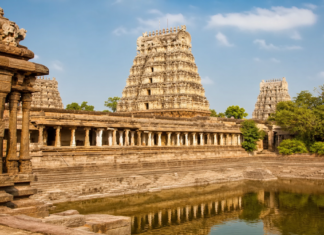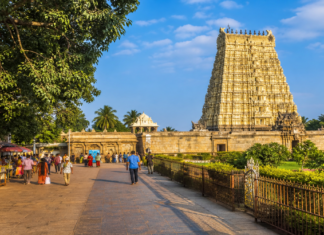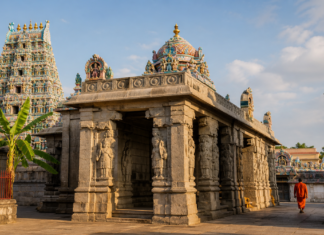


For millions of devotees traveling to the sacred island of Rameswaram, the spiritual journey does not begin at the towering gopurams of the main temple. It begins at the shore. Agni Theertham is the vast, calm stretch of the Bay of Bengal located just outside the eastern gate of the Ramanathaswamy Temple. According to ancient beliefs, a dip in these holy waters is the essential first step before seeking the blessings of Lord Shiva.
If you are planning your agni theertham rameswaram pilgrimage with your parents or family, understanding how this sacred beach operates will save you a lot of confusion. The shore is alive from the early hours of the morning, filled with chanting priests, families performing rituals, and pilgrims seeking spiritual purification. It is a deeply moving, chaotic, and beautiful slice of Indian spirituality.
This guide covers everything you need to know about visiting the beach, from the mythological significance to practical tips on changing rooms, avoiding touts, and completing your rituals safely. Whether you are traveling from Madurai, Hyderabad, or Chennai, knowing what to expect at the shore will make your pilgrimage significantly smoother.
| Detail | Info |
|---|---|
| Location | East of Ramanathaswamy Temple, Rameswaram |
| Entry Fee | Free for all visitors |
| Best Time to Visit | 5:00 AM to 8:00 AM |
| Distance from Main Temple | Less than 500 meters (walking distance) |
“A dip in the gentle waves of the eastern shore is not just about washing away sins; it is about stepping into the living, breathing mythology of ancient India.”
The Mythological Roots of the Sacred Beach
The history of this sacred shore is deeply intertwined with the epic Ramayana. After defeating the demon king Ravana in Sri Lanka, Lord Rama returned to the Indian mainland. Ravana, despite his demonic actions, was a devout Brahmin and the grandson of Sage Pulastya. By killing him, Lord Rama incurred the severe sin of Brahmahatya dosham (the sin of killing a Brahmin).
To cleanse himself of this profound cosmic burden, Lord Rama was advised by sages to pray to Lord Shiva. Before installing the Shiva Lingam, he needed to purify himself. It is believed that Lord Rama took a bath in the ocean precisely at this spot. The waters here are said to have absorbed the immense purifying power of fire (Agni), hence the name.
Another prominent legend involves Goddess Sita. After being rescued, she underwent the Agni Pariksha (test of fire) to prove her purity. The fire god, Agni, was burned by her absolute devotion and purity. To cool himself and wash away his own perceived sins, Lord Agni is said to have bathed in the ocean here, leaving the waters permanently blessed and sacred.
Why You Must Visit the Shore First
In Hindu pilgrimage traditions, there is a strict chronological order that must be followed. You cannot simply walk into the Ramanathaswamy Temple for darshan. The spiritual protocol requires you to first shed your earthly sins and impurities in the sea. This is the designated primary Theertham (holy water body) outside the temple complex.
Once you complete your dip in the ocean, you proceed directly to the temple in your wet clothes. Inside the temple walls, there are 22 sacred wells (theerthams), each representing a different holy river or deity. Temple attendants will pour a small bucket of water from each well over you. Only after completing the sea dip and the 22-well bath are you considered pure enough to change into dry, fresh clothes and enter the inner sanctum to view the Jyotirlinga.
Skipping the ocean bath breaks this ancient sequence. For families bringing elderly parents, this sequence is the most crucial part of the pilgrimage. The entire process requires stamina, devotion, and a bit of practical planning regarding your belongings and footwear.
At a Glance: Top 5 Things to Know
-
No Waves
The sea here is remarkably calm, resembling a lake, making it safe for elders and children to take a dip.
-
Early Mornings are Best
Arrive before 6:00 AM to experience the true spiritual ambiance before the heavy crowds arrive.
-
Barefoot Journey
You must walk barefoot from the beach to the main temple; leave footwear in your hotel room.
-
Wet Clothes Rule
Do not change at the beach. You must enter the main temple complex in your wet clothes.
-
Ancestral Pujas
This is the primary location for performing Tharpanam (rituals for deceased ancestors) in South India.
Step-by-Step Guide to the Holy Dip
The process can feel overwhelming if it is your first time. Start by walking from your accommodation toward the eastern gate of the main temple, then continue straight down the paved path to the beach. Do not carry mobile phones, wallets, or electronic items to the beach, as you will get completely drenched and there are no safe public lockers right on the sand.
When you reach the water, it is customary to take three complete submersions. Face the rising sun (East) if possible, close your eyes, and pray for the removal of your family’s hardships. The water is quite shallow near the shore, and because the bay is protected, there is virtually no undertow or strong wave action.
After your three dips, take a handful of sand from the beach. Many pilgrims carry a small amount of this sand with them, eventually intending to immerse it in the Ganges at Varanasi or Triveni Sangam in Prayagraj, completing the ultimate twin-pilgrimage cycle of India.
Performing Ancestral Rituals (Tharpanam)
For many South Indian families, the primary reason for visiting this beach is to perform Tharpanam or Pithru Dosha Pooja. These are sacred rituals honoring deceased ancestors, ensuring their souls find peace. The long stretch of sand is lined with hundreds of local priests (purohits) sitting under small umbrellas, ready to guide you through the process.
If you intend to perform these rituals, approach a priest and agree on the Dakshina (fee) before sitting down. The rituals usually take 15 to 30 minutes. The priest will provide all necessary items like sesame seeds, darbha grass, and rice. After the prayers, you will offer these items into the sea. Taking a dip after completing the ritual is mandatory.
A word of caution: the sheer number of priests can lead to aggressive touting. Stay calm, choose a priest who seems patient, and do not feel pressured into paying exorbitant amounts for “special” rituals unless you are comfortable doing so.
Watch Out
Beware of unsolicited guides offering to take you through the beach rituals and temple darshan for a “package price.” Always deal with authorized temple staff for the 22 wells inside, and negotiate clearly with the priests on the beach beforehand.
Reality Check
While the spiritual energy of this place is undeniable, practical reality can be shocking for first-time visitors. This is not a pristine, white-sand holiday beach. Because thousands of people take holy dips daily, leave behind old clothes (despite strict bans), and perform rituals using organic materials, the water near the immediate shore can be murky and littered.
The crowds during weekends, Amavasya (new moon days), and festival seasons can be suffocating. The path leading from the beach back to the temple is perpetually wet, slippery, and crowded with shivering pilgrims. The civic authorities try their best, but the sheer volume of visitors makes perfect cleanliness impossible.
If you are expecting a serene, quiet meditative experience, you might be disappointed. You must look past the physical chaos and focus entirely on the devotion of the people around you. Leave your aesthetic expectations at the hotel and embrace the raw, unfiltered religious fervor of the place.
How to Reach the Sacred Shore
Because the beach is located right next to the Ramanathaswamy Temple, reaching it is essentially the same as reaching the temple itself. Rameswaram is a small island town, well-connected to mainland Tamil Nadu by the iconic Pamban Road and Railway bridges.
If you are flying, you will need to plan your route carefully. Booking a madurai airport to rameshwaram taxi is the most convenient option for families, taking about 3.5 to 4 hours via the NH87 highway. Madurai is the closest major transit hub for both flights and long-distance trains from Hyderabad and Chennai.
For budget travelers, taking a madurai to rameswaram train is an incredibly scenic and affordable option. You can check the latest schedules and book tickets directly on IRCTC. Alternatively, frequent state-run transport is available; catching a madurai to rameshwaram bus from the Mattuthavani bus stand will drop you at the island’s main bus terminus in about 4 hours.
Where to Stay Near the Beach
For the smoothest experience, book a hotel as close to the eastern or western temple gates as possible. This allows you to leave your valuables in the room, walk to the beach, complete the temple bath, and return to your room for a final change of clothes without needing an auto-rickshaw.
Hotels on Middle Street & East Car Street
Price: Mid-Range | Location: 200m from Beach | Best For: Families and Elders
Staying in this immediate vicinity means you can easily walk barefoot for your morning rituals. Accommodations range from basic Dharamshalas to comfortable 3-star AC rooms. Check latest prices on Agoda]
Costs vary heavily by season and choice of stay — check live rates before booking.
Pro Tip: What to Pack
Carry an extra set of dry, traditional clothes in a waterproof bag if you don’t plan to return to your hotel immediately after darshan. A light microfiber towel is a lifesaver. Amazon India Travel Essentials
Location Map
- Day 1 — 5:30 AM: Walk to the beach for a holy dip and perform any necessary ancestral pujas as the sun rises.
- Day 1 — 6:30 AM: Walk directly into the main temple for the 22 Theertham baths, followed by changing into dry clothes.
- Day 1 — 9:00 AM: Complete the main Jyotirlinga Darshan, followed by a hearty South Indian breakfast outside the temple.
Safety Tips for Travelers
- Slippery Surfaces: The path from the sea to the temple is constantly wet and extremely slippery. Walk slowly, especially if traveling with senior citizens.
- Leave Valuables Behind: Do not bring phones, expensive jewelry, or large amounts of cash to the beach. Lock them in your hotel room.
- Footwear Logistics: You cannot wear footwear to the beach or into the temple. Leave them in your hotel or in your vehicle to avoid losing them in the massive crowds.
- Avoid Clothing Disposal: It is a misconception that leaving your wet clothes on the beach washes away sins. It only causes environmental damage. Please carry wet clothes back in a bag.
- Hydration: The coastal humidity can be draining. Have a light glass of water before heading out in the morning, but avoid heavy meals before the dip.
Nearby Places to Explore
Once your primary temple duties are complete, the island offers several breathtaking spots to explore.
- Ramanathaswamy Temple — 0 km, 2 mins — The architectural marvel featuring the world’s longest temple corridor and the main deity.
- Dhanushkodi Ghost Town — 20 km, 45 mins — The hauntingly beautiful ruins of a town destroyed by a 1964 cyclone, where the Bay of Bengal meets the Indian Ocean.
- Dr. APJ Abdul Kalam Memorial — 3 km, 10 mins — A beautifully maintained tribute to India’s beloved former President, showcasing his life and achievements.
- Pamban Bridge — 12 km, 20 mins — India’s first sea bridge offering spectacular views, especially during sunset.
For broader travel inspiration and verified details on tourism across the state, you can explore the Tamil Nadu Tourism official website.
Get Free Travel Tips in Your Inbox
Join fellow Indian travelers who get our best destination guides, budget tips, and hidden spots delivered every week. No spam. Just good travel content.
Frequently Asked Questions
Are there changing rooms available near the beach?
While there are a few basic paid changing rooms near the temple parking areas, they are often extremely crowded and wet. The most practical approach is to walk back to your nearby hotel room to shower and change into dry clothes after completing the temple rituals.
Is it safe to bathe in the sea here?
Yes, the sea here is uniquely calm and lacks the strong waves or dangerous undertows typical of open beaches. However, it is advisable to stay close to the shore, especially for children and the elderly.
Do I need to pay for the holy dip?
No, taking a dip in the ocean is completely free of cost. You only pay if you choose to hire a priest for specific ancestral rituals (Tharpanam) on the sand.
Can women visit the beach during menstruation?
As per strict Hindu temple traditions, women are advised not to take the holy dip or enter the temple complex during their menstrual cycle. It is recommended to plan your pilgrimage dates accordingly.
What is the sequence of bathing?
First, you take a dip in the ocean (Agni Theertham). Without drying off or changing, you proceed into the temple. Inside, attendants will pour water on you from the 22 sacred wells. After completing all 22, you change into dry clothes before entering the main sanctum for Darshan.
This post contains affiliate links. If you book through our links, we may earn a small commission at no extra cost to you. This helps us keep travellerkaka.com free for everyone.
Plan Your Trip with Us
Have questions about this destination? We would love to help you plan the perfect trip.
Chat with us on WhatsApp or email us at info@travellerkaka.com