

Olaikuda Beach: The Hidden Coral Haven Near Rameswaram
Welcome to one of the most serene and unspoiled stretches of coastline in Tamil Nadu. When middle-class families from Hyderabad and across South India plan a trip to this sacred island, they usually focus entirely on the grand temples and the dramatic edge of Dhanushkodi. However, just a short distance from the bustling pilgrim centers lies Olaikuda Beach, a destination that completely redefines the local travel experience. If you are searching for the perfect olaikuda beach rameswaram getaway, you are in for a delightful and tranquil surprise that perfectly balances spirituality with leisure.
What makes this specific coastal pocket so remarkable is its stark contrast to the rough, unpredictable waters found elsewhere along the Bay of Bengal and the Indian Ocean. Most tourists simply do not know about this hidden gem, leaving it blissfully uncrowded and free from the overwhelming commercialization of mainstream tourist traps. For families traveling with energetic children or older parents, the absence of aggressive touts and massive crowds provides a much-needed sigh of relief after a long day of standing in temple queues.
The true magic of this location lies beneath the surface of the water. A natural barrier creates a unique, swimming-pool-like calmness near the shore, making it an absolute haven for safe swimming and relaxed wading. Whether you want to introduce your little ones to the ocean for the first time, take a quiet romantic stroll as a couple, or simply sit on the sand and watch the fishing boats bob on the horizon, this offbeat paradise is the ultimate addition to your South Indian coastal itinerary.
“Leave the chaotic temple crowds behind and step into a quiet coastal haven where calm waters and hidden corals completely redefine your Rameswaram experience.”
Why Olaikuda Beach is the Ultimate Family Getaway
Traveling with family requires a delicate balance of activities that cater to everyone from toddlers to grandparents. The primary reason this beach stands out as an exceptional family destination is the incredibly safe swimming conditions. Unlike many other beaches in India where strong undercurrents and massive crashing waves pose a constant threat, the waters here are remarkably gentle. The natural geography of the coastline breaks the force of the incoming waves far out at sea, leaving the shoreline lapping with mild, rhythmic ripples. This allows parents to actually relax on the sand rather than hovering anxiously while their children play in the shallows.
Beyond the safety aspect, the marine ecosystem here offers a fascinating educational experience for curious minds. The area is known for its underlying reef structures. While you will need to check with local authorities about current snorkeling permissions, simply walking along the shoreline during low tide reveals tiny tide pools teeming with life. Children can spend hours spotting hermit crabs scuttling across the wet sand, tiny fish darting in the clear water, and unique shells washed ashore by the gentle tide. It is a brilliant way to integrate nature into a trip that is traditionally dominated by historical and religious sightseeing.
Accessibility is another major factor that makes this spot a winner for families. You do not need to embark on a grueling, multi-hour trek to reach the sand. It is conveniently located near the main town, meaning you can easily slot a few hours of beach time into your broader madurai to rameswaram tour without exhausting your travel party. You can seamlessly transition from a morning of spiritual darshan to a relaxed afternoon watching the sunset over the water, making it a highly practical choice for weekend warriors from Hyderabad and Chennai.
Navigating Your Journey: Getting There with Ease
For most South Indian travelers, reaching the island is a journey of transition from the busy mainland to the breezy coast. If you are starting your trip from a major hub, understanding the madurai to rameshwaram distance is crucial for planning your daily schedule. The drive is famously scenic, especially as you approach the iconic Pamban Bridge. Many families prefer to hire a private taxi or drive their own cars to have the flexibility of stopping at small local eateries along the highway. Having your own vehicle also makes it infinitely easier to carry beach bags, spare clothes, and snacks directly to the coastline.
If you prefer public transport to save on budget, the madurai to rameshwaram bus network is highly robust, with state-run and private AC sleepers running frequently. Once you arrive at the main bus stand, local auto-rickshaws can easily ferry you to the beach. However, always negotiate the fare beforehand or ask your hotel reception for the standard going rate to avoid being overcharged as a tourist.
For those who love the romance of the railways, taking the madurai to rameswaram train is an experience in itself. Watching the ocean slowly surround the train tracks as you cross the Pamban is a memory that children and adults alike will cherish forever. You can book your tickets well in advance via the official IRCTC portal. Finally, if you are flying in from Hyderabad, understanding the route from madurai airport to rameshwaram will help you coordinate your taxi pickups seamlessly.
Quick Travel Guide for Families
When planning a trip to a relatively untouched destination, preparation is your best friend. Because this is a natural, open-access coastline, the best time to visit varies significantly by season. Generally, the post-monsoon and winter months offer the most pleasant weather, with cool breezes counteracting the harsh South Indian sun. However, it is absolutely essential to check current local weather advisories before traveling, as coastal weather can change rapidly. Always verify the latest details at the official website or local tourism office before visiting.
As for entry fees, there is typically no cost to access this public stretch of sand, making it a fantastic budget-friendly activity for large families. However, local regulations regarding parking fees or specific vehicle entry points can change, so it is always wise to keep some small denomination cash handy. Because it is slightly off the main commercial grid, do not expect a massive paved parking lot; you will likely be parking on sandy clearings nearby.
When it comes to proximity to landmarks, the beach is situated close enough to the main temple complex that you do not need to dedicate a whole day just for travel. It is a short, manageable ride away. This allows you to easily combine a morning temple visit with an afternoon beach picnic. Just remember that auto-rickshaws might be slightly harder to flag down for the return trip later in the evening, so it is highly recommended to arrange for your driver to wait or schedule a specific pickup time.
Pro Tip: What to Pack
Since facilities are incredibly limited, self-reliance is key. Pack extra large microfiber towels, a wide-brimmed hat, SPF 50+ sunscreen, and a dedicated dry-bag for your electronics. Bring plenty of drinking water, as nearby shops may be scarce. Check out these Amazon India Travel Essentials to make packing easier.
Where to Stay & Eat
Because Olaikuda is a quieter, less developed strip of the coast, you will not find massive luxury resorts or towering international hotel chains right on the sand. Most families opt to stay in the main Rameswaram town, which offers a wide spectrum of accommodations ranging from budget-friendly dharamshalas to comfortable, mid-range boutique hotels equipped with air conditioning and in-house vegetarian restaurants. Pricing for local accommodations varies by season; verify from official sources before booking.
When booking your stay, look for properties that offer ample parking and flexible checkout times, as beach trips often mean you’ll want to come back for a quick shower before heading out again. Many modern hotels in town can also help arrange local transport to the beach if you do not have your own vehicle. Costs vary by season and choice of stay — check live rates before booking to secure the best family deals. You can often find great discounts by booking in advance. Check latest prices on Agoda to compare your options.
As for dining, the culinary scene here is deeply traditional. Before heading to the beach, it is a brilliant idea to stop at a local town mess and pack classic South Indian travel staples. Lemon rice, tamarind rice (puliyogare), and soothing curd rice travel exceptionally well in steel tiffin boxes and make for the perfect beachside picnic. Do not expect fancy beach shacks selling continental food on the sand; the charm here is entirely in the rustic, local experience. Always carry your own reusable water bottles and take all your trash back to town with you to help preserve the pristine nature of the coast.
Reality Check
While this destination is undeniably beautiful, it is important to set realistic expectations to ensure your family has a great time. This is not a commercialized, resort-style beach like you might find in Goa or international destinations. There are very few, if any, official changing rooms, public restrooms, or structured shower facilities right on the sand. You must arrive wearing your beach clothes under your regular outfits and be prepared for a slightly sandy, salty ride back to your hotel room.
Additionally, while the water is calm, the midday sun is absolutely punishing. There is virtually no natural shade on the immediate shoreline, and you will not find rows of rental umbrellas waiting for you. If you visit between 11:00 AM and 3:30 PM, the heat reflecting off the white sand can be overwhelming, especially for young children and elderly family members. It is highly recommended to plan your visit for the early morning hours just after sunrise, or the late afternoon when the heat of the day has broken.
Finally, because of the presence of coral reefs, the ocean floor can be uneven and occasionally sharp in certain patches. This isn’t a completely flat, soft-sand wading pool. While this biodiversity is what makes the beach special, it requires a bit of mindfulness. Bringing a pair of water shoes or sturdy sports sandals that can get wet is a highly practical move that will save your feet from unexpected scrapes.
Safety Tips for Travelers
- Wear Water Shoes: The natural coral fragments and shells can be sharp; protect your feet while wading in the shallows.
- Respect the Reef: Corals are living organisms. Never step on, break, or attempt to take pieces of the reef home as souvenirs.
- Supervise Children Constantly: Even though the waters are calm, the ocean is unpredictable. Keep kids within an arm’s reach at all times.
- Stay Hydrated: The coastal humidity and sun can cause rapid dehydration. Carry at least two liters of water per person.
- Check Local Tides: Ask your hotel or local fishermen about the tide schedule. Low tide is best for spotting marine life in rock pools.
Nearby Places to Explore
Once you have soaked in the coastal tranquility, the surrounding region offers profound historical and spiritual sites to complete your itinerary.
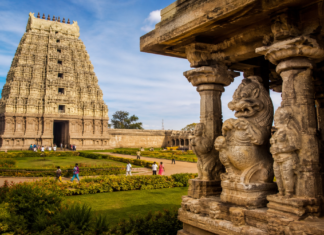
- Ramanathaswamy Temple — The spiritual heart of the island, famous for its magnificent corridors and sacred wells. Check official sources for exact timings.
- Dhanushkodi Ghost Town — A surreal landscape where the Indian Ocean meets the Bay of Bengal, offering a stark, beautiful history lesson.
- Dr. A.P.J. Abdul Kalam Memorial — A beautifully maintained tribute to India’s beloved former President, perfect for inspiring younger family members.
- Pamban Bridge — Take time to walk along the viewing areas of the road bridge to watch trains pass over the historic sea tracks below.
For more detailed guidelines on exploring the historical and natural wonders of Tamil Nadu safely, you can always refer to the official Incredible India tourism portal before finalizing your family’s travel plans.
Get Free Travel Tips in Your Inbox
Join fellow Indian travelers who get our best destination guides, budget tips, and hidden spots delivered every week. No spam. Just good travel content.
Frequently Asked Questions
Is Olaikuda Beach safe for children?
Yes, the natural geography creates remarkably calm waters that are generally safer for wading compared to other rough coastal areas. However, adult supervision is always mandatory, and you should verify current weather and tide conditions before allowing children into the water.
How far is Olaikuda Beach from Rameswaram main town?
It is located very close to the main temple town, making it a quick and easy detour. Since routing can change based on local traffic and road conditions, check official local maps for exact distances and the best approach route.
Are there changing rooms or public facilities available?
This is a largely untouched and uncommercialized stretch of nature. Facilities are usually minimal to non-existent. Verify the current facility status from official local tourism sources before your visit, and plan to change at your hotel.
What is the best time of day to visit?
To avoid the intense South Indian heat and the lack of natural shade, early mornings (just after sunrise) and late afternoons (after 4:00 PM) are the most comfortable times for families to enjoy the sand and water.
Can we see the coral reefs easily?
During low tide, the receding water often reveals fascinating tide pools and glimpses of the reef ecosystem. Snorkeling visibility varies greatly by season, so check with local dive operators or tourism officials for current water clarity and safety guidelines.
This post contains affiliate links. If you book through our links, we may earn a small commission at no extra cost to you. This helps us keep travellerkaka.com free for everyone.
Plan Your Trip with Us
Have questions about this destination? We would love to help you plan the perfect trip.
Chat with us on WhatsApp or email us at info@travellerkaka.com