

The Hidden Gem of Rameswaram: Exploring the Nambu Nayagiamman Temple
The Nambu Nayagiamman Temple is an essential yet often overlooked sanctuary in the island town of Rameswaram. While millions flock to the majestic corridors of the main Ramanathaswamy Temple, seasoned pilgrims know that taking a short detour to this shrine offers a deeply personal and quiet spiritual experience.
For middle-class families and couples traveling from Hyderabad and across South India, exploring the nambu nayagiamman temple rameshwaram is a beautiful way to step away from the massive crowds. Set against the serene, sandy backdrop of the island, it provides a perfect atmosphere for peaceful prayers and meditation.
This shrine is dedicated to Goddess Nambu Nayagiamman, a fiercely revered local deity believed to protect the island’s inhabitants and bless her devotees with health and prosperity. If you are planning a pilgrimage this year, adding this temple to your itinerary will give your family a well-rounded and culturally rich experience of Rameswaram.
“Beyond the grand temple corridors of Rameswaram lies the quiet, sandy sanctuary of Nambu Nayagiamman—a place where the sea breeze carries centuries of whispered prayers.”
Introduction
When most families from Hyderabad plan a trip to Rameswaram, their focus is understandably on the 22 holy teerthams and the primary Jyotirlinga. However, contextualizing the Nambu Nayagiamman Temple within the broader Rameswaram pilgrimage circuit reveals its unique importance. It serves as a spiritual anchor for the local fishing communities and acts as a protecting boundary deity for the island.
This temple is an absolute must-visit for families seeking spiritual depth beyond the usual tourist trails. It offers a glimpse into the raw, uncommercialized faith of Tamil Nadu’s coastal villages. The absence of long, barricaded queues means your family, especially elderly parents, can take their time to sit, pray, and absorb the divine energy of the space.
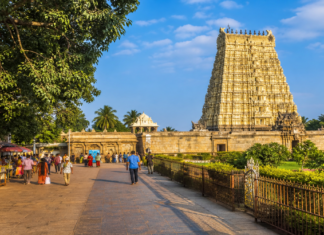
Unlike the monumental Dravidian stone architecture found in Madurai or Tanjore, this shrine embraces a simpler, more rustic charm. The surrounding landscape, dotted with tropical trees and coastal sands, makes the short journey here feel like a true pilgrimage into the heart of authentic South Indian culture.
Latest Updates & News (2026 Focus)
As Rameswaram prepares for increased pilgrimage traffic leading into 2026, the local administration and the Hindu Religious and Charitable Endowments (HRCE) department are focusing on better crowd management. While the main town sees heavy upgrades, smaller shrines like Nambu Nayagiamman are also slowly benefiting from improved access roads and better lighting.
Because exact developmental timelines can shift, facilities such as designated parking and new rest areas may still be under construction. Visitors are advised to verify latest details at the official website before visiting, as traffic guidelines around the island’s outer ring roads are being updated to handle the 2026 influx smoothly.
Despite these changes, the core rituals and the peaceful atmosphere of the temple remain untouched. If you are traveling during peak holiday seasons, it is always best to check with your hotel desk regarding any temporary road diversions leading to the temple.
Historical Significance
The history of the Nambu Nayagiamman Temple is deeply intertwined with the folklore and oral traditions of Rameswaram’s coastal communities. The goddess is worshipped as a Grama Devata (village deity) who guards the southern limits of the sacred island. Local legends suggest that her presence here predates many of the modern structures on the island.
Many devotees visit the shrine specifically to seek cures for ailments and to pray for healthy childbirth. The goddess is considered a fierce but compassionate mother figure. While exact architectural dates and centuries of construction are hard to pinpoint without formal archaeological plaques, the spiritual lineage of the shrine spans multiple generations. Always verify historical dates with official sources on-site if you are a history enthusiast.
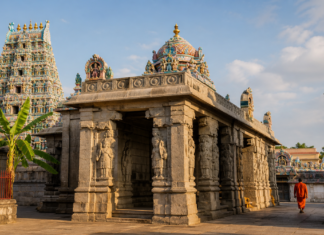
Architecturally, the temple features a relatively simple sanctum compared to the towering gopurams of the mainland. The focus here is entirely on the divine vibration of the idol and the intimate connection between the devotee and the deity, making it a powerful stop for introspection.
Quick Visitor Guide (The “Cheat Sheet”)
Since this is a smaller, locally managed shrine, the visitor experience is straightforward but requires some planning. The temple is generally open during the standard morning and late afternoon hours, typical of South Indian village temples. However, exact timings can vary slightly based on local customs or special pooja days, so it is highly recommended to check current rates and timings locally before your visit.
There is typically no formal entry fee for general darshan, allowing families to walk in freely and seek blessings. If you wish to perform specific archanas or rituals, nominal fees apply at the counter. Prices are subject to change, so keeping some small denomination cash handy is a smart idea.
You will only need about 30 to 45 minutes to completely explore the temple and sit for a few moments of peace. The best time to visit is early in the morning before the coastal sun becomes too harsh, or in the late evening when the sea breeze naturally cools the temple premises.
Upcoming Festivals & Events (Next 6 Months)
The temple comes alive during the major Amman festivals celebrated across Tamil Nadu. The Tamil months of Aadi (July-August) and Thai (January-February) are considered highly auspicious. During these lunar months, the temple sees an influx of local devotees offering special prayers, lighting lamps, and preparing traditional sweet pongal.
Navaratri is another spectacular time to visit, as the goddess is adorned in different beautiful alankarams (decorations) over the nine nights. The energy during these festival days is vibrant, filled with the sounds of traditional nadaswaram music and chanting.
Because festival dates strictly follow the lunar calendar, they shift every year. If you are planning a trip specifically to witness these cultural celebrations, you must verify the exact dates on the official HRCE calendar or local panchangam before booking your tickets.
How to Reach & Travel Logistics
Reaching the Nambu Nayagiamman Temple from the main Rameswaram town is a short and scenic journey. The temple is located a few kilometers away from the main Ramanathaswamy Temple, easily accessible by a short auto-rickshaw or taxi ride. The roads are generally decent, flanked by sandy stretches and coastal vegetation.
For families traveling from Hyderabad, the most comfortable logistical approach is to book a flight or an overnight train to Madurai. Madurai serves as the perfect gateway city for this pilgrimage. Once you land, you can easily arrange a cab to cover the madurai to rameshwaram distance, which takes roughly 3.5 to 4 hours by road.
If your family prefers public transport, you can opt for the madurai to rameswaram train, which offers a memorable journey across the iconic Pamban Bridge. Alternatively, checking the madurai to rameswaram bus options will provide you with frequent, budget-friendly travel choices from Madurai’s Mattuthavani bus stand.
Where to Stay & Eat
Because the Nambu Nayagiamman Temple is located slightly away from the commercial center of Rameswaram, there are no large hotels or major restaurants immediately adjacent to the shrine. Families are strongly advised to book their accommodations near the main Ramanathaswamy Temple or the Rameswaram railway station area.
Mid-Range Stays in Rameswaram
Price: Check live rates | Location: Near Main Temple | Best For: Families and Seniors
Stay near the main temple car streets for easy access to transport, auto-rickshaws, and pure vegetarian restaurants. Check latest prices on Agoda
For dining, Rameswaram town offers excellent South Indian vegetarian thalis, dosas, and idlis. After your morning darshan at Nambu Nayagiamman, head back toward the main temple car streets (Agraharam areas) to find hygienic, family-friendly eateries. Be sure to carry a water bottle with you when visiting the shrine, as small shops nearby may only sell basic snacks.
Essential Tips for Families
When visiting any traditional temple in Tamil Nadu, adhering to the local dress code is crucial. Men are generally expected to wear dhotis or formal trousers (avoid shorts), and women should wear sarees, salwar kameez, or long skirts. Modesty is highly respected by the local community.
Photography inside the inner sanctum (garbhagriha) is strictly prohibited. You may take pictures of the temple exterior and the surrounding landscape, but always look out for signage regarding mobile phone usage, and keep your devices on silent mode to maintain the spiritual decorum.
Crowd management here is usually easy, but if you are traveling with toddlers or elderly parents, aim to visit between 7:00 AM and 9:00 AM. This ensures you avoid the scorching afternoon heat that radiates off the coastal sand, making the barefoot walk around the temple premises much more comfortable.
Pro Tip: What to Pack
Pack slip-on footwear that is easy to remove, a wide-brimmed hat for the auto ride, and an umbrella for sudden coastal showers. Don’t forget a small pack of wet wipes for quick cleanups. Amazon India Travel Essentials
Reality Check
While the Nambu Nayagiamman Temple is highly spiritually significant, it is important to manage expectations. This is not a sprawling architectural marvel like the Meenakshi Amman Temple or the main Ramanathaswamy Temple. It is a modest, localized shrine. If you are exclusively seeking grand stone carvings and thousand-pillar halls, you might find this stop underwhelming.
Facilities around the temple are very basic. You will not find large air-conditioned waiting halls, extensive shopping stalls, or premium washrooms nearby. The appeal of this temple lies entirely in its rustic authenticity and its quiet, unhurried atmosphere.
Furthermore, because it is located on a sandy stretch, walking barefoot during the mid-day sun can be extremely harsh on the feet. Visitors must plan their timing carefully. Those who embrace it for what it is—a pure, simple, and powerful village deity shrine—will find the visit deeply rewarding.
- Day 1 — Morning: Complete your holy dip at Agni Teertham and the 22 wells, followed by main Ramanathaswamy darshan.
- Day 1 — Afternoon: Rest at your hotel and enjoy a traditional South Indian vegetarian thali in the town center.
- Day 1 — Evening: Hire an auto-rickshaw to visit the peaceful Nambu Nayagiamman Temple, enjoying the cool coastal breeze before dinner.
Costs vary by season and choice of stay in Rameswaram — check live rates before booking your transportation and accommodation.
Safety Tips for Travelers
- Always negotiate and fix the auto-rickshaw fare before starting your trip to the temple.
- Keep your belongings secure, as smaller shrines have open premises without locker facilities.
- Hydrate constantly; the coastal humidity in Rameswaram can cause quick exhaustion.
- Walk only on designated pathways to avoid sharp stones or thorns in the sandy areas.
- Respect local customs and avoid loud conversations near the sanctum.
Nearby Places to Explore
Once you finish your visit to Nambu Nayagiamman, Rameswaram has several other spiritual and scenic wonders to offer.
- Ramanathaswamy Temple — The epicenter of the island, known for its magnificent corridors and jyotirlinga.
- Dhanushkodi — The hauntingly beautiful ghost town where the Indian Ocean meets the Bay of Bengal.
- Dr. A.P.J. Abdul Kalam Memorial — A beautifully maintained tribute to India’s beloved former President, perfect for inspiring younger family members.
Conclusion & Call to Action
Taking the time to visit the Nambu Nayagiamman Temple is a decision your family will not regret. It provides a rare moment of stillness and deep cultural connection in an otherwise bustling pilgrimage town. It reminds us that faith in India is not just found in massive stone structures, but also in the quiet, sandy corners guarded by fierce, loving mother goddesses.
By stepping slightly off the main tourist track, you get to experience the true, breathing spirituality of Rameswaram’s locals. It is a small detour that adds immense value to your overall South Indian pilgrimage experience.
Plan Your Trip with Us
Have you visited this beautiful shrine, or are you planning a trip from Hyderabad this year? We would love to help you plan the perfect trip.
Chat with us on WhatsApp or email us at info@travellerkaka.com. Leave a comment below with your thoughts!
Get Free Travel Tips in Your Inbox
Join fellow Indian travelers who get our best destination guides, budget tips, and hidden spots delivered every week. No spam. Just good travel content.
Frequently Asked Questions
What is the main significance of Nambu Nayagiamman Temple?
The temple is dedicated to Goddess Nambu Nayagiamman, a local guardian deity revered for protecting the island’s residents, curing illnesses, and blessing families with prosperity and well-being.
How far is it from the main Ramanathaswamy Temple?
It is located just a few kilometers away from the main temple. You can easily hire a local auto-rickshaw or taxi to reach the shrine in about 10 to 15 minutes.
Are there any entry fees for the temple?
Generally, there is no entry fee for regular darshan. However, if you wish to perform special poojas or archanas, nominal fees apply. Prices are subject to change, so verify on-site.
Is the temple wheelchair accessible?
Because it is a smaller, rustic shrine set amidst sandy terrain, wheelchair accessibility can be quite challenging. Visitors with severe mobility issues should exercise caution and seek local assistance.
Can we get food or water near the temple?
Amenities immediately around the temple are very limited. It is highly recommended to carry your own drinking water and return to the main Rameswaram town area for proper meals.
This post contains affiliate links. If you book through our links, we may earn a small commission at no extra cost to you. This helps us keep travellerkaka.com free for everyone. For more official tourism guidelines, visit the Incredible India website.