

Thirunageswaram Temple Timings & Rahu Dosha Puja Guide: Planning Your Sacred Visit
Welcome to one of the most spiritually significant destinations in Tamil Nadu, a place where cosmic energies and ancient traditions seamlessly intertwine. For generations, South Indian families have journeyed to this sacred space, seeking divine intervention for astrological harmony and peace of mind. Known primarily as a vital stop for those seeking relief from planetary afflictions, the temple draws thousands of devotees weekly. Whether you are traveling from Hyderabad, Bengaluru, or Chennai, understanding the exact thirunageswaram temple timings is the most crucial step in planning a smooth and spiritually fulfilling pilgrimage.
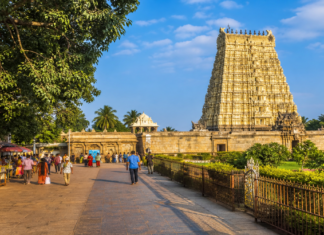
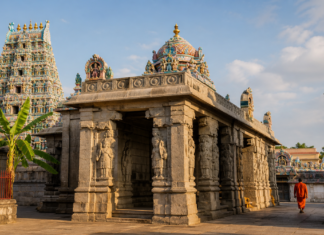
What makes this destination truly unique is the powerful lore surrounding its presiding deity, deeply connected to the shadow planet Rahu. Devotees often share stories of profound personal transformations after completing their vows here, particularly when performing rituals during specific astrological windows. For middle-class families organizing a comprehensive temple tour across the Kaveri delta, this stop is rarely skipped. The architecture, the rhythmic chanting, and the palpable devotion in the air offer an experience that grounds you, even amidst the typical bustling crowds of a major pilgrimage center.
Planning a trip here requires more than just booking a ticket; it requires synchronizing your travel with celestial timings. From navigating the busy town streets to ensuring you have the right offerings for the priests, every detail matters. Because this region is famously known as the spiritual heartland of Tamil Nadu, integrating your visit here with the broader circuit ensures your family gets the most out of the long journey south. Let us dive into everything you need to know to make this sacred trip as seamless as possible.
“A visit to the Rahu Stalam is more than just a religious duty; it is a deeply grounding experience that connects modern families to ancient cosmic rhythms.”
Latest Updates & What’s New (2026 Focus)
Temple administrations across South India have been rapidly modernizing their crowd management and digital infrastructure. However, exact details regarding the newest facility upgrades for this specific temple remain unverified at this moment. It is highly recommended to verify all current facility upgrades, parking arrangements, and digital queue systems with the official HRCE (Hindu Religious and Charitable Endowments) website before planning your trip.
Many major temples in the region have recently introduced online booking portals for special darshans and pujas to reduce wait times for out-of-town pilgrims. While we await confirmed facts on the 2026 expansion phases, travelers should be prepared for potential minor diversions near the main entrances due to ongoing preservation work. Always check official sources for the most current updates on infrastructural changes.
Thirunageswaram Temple Timings & Daily Schedule
The core of any successful pilgrimage to this region revolves around aligning your visit with the appropriate daily schedule. While South Indian temples generally follow a strict routine—opening in the early morning, closing for the afternoon, and reopening in the evening—the exact thirunageswaram temple timings can vary based on specific lunar days, eclipses, and major state holidays. Devotees specifically target Rahu Kalam (the time of day ruled by Rahu) for their visits, making these specific hours incredibly crowded.
Sunday afternoons are traditionally considered the most auspicious time for Rahu-related prayers, leading to massive influxes of pilgrims. If you are traveling with elderly family members or young children, you might need to balance the desire for an auspicious timing with the reality of long, exhausting queues. Because exact opening and closing hours are subject to seasonal shifts and administrative decisions, verify the latest schedule at the official website before visiting.
For those prioritizing a peaceful darshan over specific astrological windows, arriving immediately after the temple reopens in the late afternoon often provides a slightly more relaxed environment. The morning hours, right after the suprabhatam (waking of the deity) rituals, are also relatively serene. However, since the primary focus for most visitors is the Rahu Dosha pariharam, timing your entry correctly is essential. Check with the official temple counter upon arrival to confirm the day’s exact puja slots.
At a Glance: Top 5 Things to Know
-
Verification is Key
Always verify current timings and ticketing procedures on the official HRCE website before starting your journey.
-
Weather Preparation
The region experiences intense heat; schedule your travel around the cooler morning or late evening hours.
-
Dress Code Strictly Enforced
Traditional Indian attire is mandatory; men must often remove shirts or wear dhotis, while women should wear sarees or dupattas.
Rahu Dosha Puja Guide: Step-by-Step
Participating in the Rahu Dosha pariharam is the primary reason devotees flock to this sacred site. The process usually begins by purchasing a specific ticket at the temple’s administrative counters. Be prepared for multiple queues—one for standard entry, one for special darshan, and another specifically for those performing the abhishekam (sacred bath) rituals. Prices subject to change, so always verify with the temple counter upon arrival.
Devotees typically bring or purchase specific offerings outside the temple gates, most notably blue garments or specific grains associated with the shadow planet. During the ritual, priests perform elaborate chants while offering milk and other sacred items to the deity. It is highly advised to maintain a quiet, meditative posture during this process, focusing on your personal vows and family’s well-being. The spiritual energy during these mass chanting sessions is profoundly moving.
If you are unfamiliar with Tamil, do not worry; the priests are accustomed to guiding pilgrims from Andhra Pradesh, Telangana, and Karnataka through the necessary steps. Simply follow their physical cues and remain respectful of the local customs. After the puja, devotees usually collect their prasadam and spend a few quiet moments in the outer prakaram (corridors) to absorb the spiritual vibrations before heading to their next destination.
Upcoming Festivals & Events (Next 6 Months)
The temple calendar is deeply tethered to the Tamil solar and lunar cycles, meaning festival dates shift every year. The most significant events usually revolve around Rahu Peyarchi, the astrological transit of the planet Rahu from one zodiac sign to another, which draws lakhs of devotees over a span of a few days. During these peak events, standard darshan lines can take several hours, and special VIP ticketing is often suspended to manage the massive crowds.
Other major South Indian festivals, such as Maha Shivaratri and Navaratri, are also celebrated with immense grandeur, featuring special alankarams (decorations) and extended temple hours. If you are planning a trip during these high-profile events, securing accommodation in the nearby towns months in advance is absolutely critical. For exact dates of upcoming lunar festivals, please verify with the official HRCE calendar before you travel.
Essential Travel Tips for Families from Hyderabad/South India
Traveling to the Kaveri delta from major IT hubs like Hyderabad or Bengaluru requires strategic planning, especially when accompanied by seniors or toddlers. The most comfortable way to reach the region is often by train, booking overnight sleeper or AC coaches to nearby major junctions. You can check schedules and book tickets directly through the official IRCTC website. If you are incorporating this visit into a broader cultural tour, understanding the hyderabad to madurai distance can help you map out a sensible multi-day driving itinerary.
Hydration and sun protection cannot be overstated. The temple courtyards are vast, and you will be walking barefoot on stone floors that bake in the afternoon sun. Many smart travelers pack thick, dark-colored socks to wear inside the temple premises to protect their feet from the blistering heat. Additionally, always carry a small backpack with water bottles, wet wipes, and light snacks for the children, as the wait times in the queue can stretch unexpectedly.
Finally, having a reliable base camp is crucial. Most families choose to stay in nearby central hubs rather than the immediate temple vicinity, allowing easier access to restaurants and transport. If your family is doing a comprehensive circuit, you might also consider looking into a broader madurai tour to bundle your Navagraha visits with other majestic heritage sites in southern Tamil Nadu.
Pro Tip: What to Pack
Pack slip-on footwear for easy removal at temple entrances, modest traditional clothing, and a secure cross-body bag for your valuables. Amazon India Travel Essentials
Reality Check
While the spiritual rewards of this pilgrimage are immense, first-time visitors must brace themselves for the commercial realities of major Indian temples. The immediate approach to the temple is often lined with aggressive vendors selling puja items, and you may encounter unverified guides offering “shortcut” darshans for a premium. It is always best to politely decline these offers and proceed directly to the official government-run ticket counters inside the temple complex.
Furthermore, if you are expecting a quiet, meditative retreat, peak days (especially Sundays) will be a stark contrast to your expectations. The sheer volume of devotees, combined with the loud chanting and heat, can be overwhelming for young children and seniors. If your family struggles with massive crowds, it is highly advisable to skip the auspicious planetary hours and visit on a quiet weekday morning instead.
Costs vary by season and choice of stay — check live rates before booking.
Safety Tips for Travelers
- Keep your valuables, especially gold jewelry, hidden or securely stored in your hotel safe to avoid drawing attention in dense crowds.
- Only purchase puja tickets from the official temple administration counters; ignore touts claiming to offer faster entry.
- Stay strictly hydrated using bottled water, as the combination of long queues and regional heat can quickly cause exhaustion.
- Establish a clear meeting point with your family members inside the temple complex in case anyone gets separated in the rush.
- Park your vehicle only in designated, guarded municipal parking lots to prevent towing or accidental damage in narrow lanes.
Nearby Places to Explore
The Kaveri delta is dense with architectural and spiritual marvels, making it easy to build a multi-day itinerary around your primary visit.
- Navagraha Circuit — Complete your astrological pilgrimage by visiting the other planetary deities in the region. You can start by planning your route to the navagraha temple circuit.
- Chola Architectural Wonders — The surrounding towns are heavily dotted with ancient stone temples that showcase the absolute pinnacle of Dravidian architecture, including the exquisite nageswaran temple.
Get Free Travel Tips in Your Inbox
Join fellow Indian travelers who get our best destination guides, budget tips, and hidden spots delivered every week. No spam. Just good travel content.
Frequently Asked Questions
What is the dress code for visiting this temple?
Traditional Indian attire is strictly enforced. Men are generally expected to wear a dhoti (veshti) and may be asked to remove their upper garments before entering the inner sanctum. Women should wear a saree, half-saree, or a modest salwar kameez with a dupatta. Western wear like shorts, sleeveless tops, and jeans are typically not permitted inside the main deity areas.
Can we book the Rahu Dosha puja tickets online?
While the HRCE department has been pushing for digitalization across Tamil Nadu’s major temples, online booking availability frequently changes based on the season and administrative updates. Please check the official government portal for the most accurate and current online ticketing options.
Which day of the week is best for a visit?
Sunday is astrologically considered the most powerful day to perform rituals for Rahu, specifically during the Rahu Kalam window. However, this also makes Sunday the most crowded and chaotic day of the week. For a peaceful darshan without the massive queues, Tuesday or Wednesday mornings are generally much quieter.
Are there good food options near the temple?
Yes, the surrounding streets have several small, traditional eateries offering basic South Indian vegetarian meals (meals, idli, dosa). For families looking for air-conditioned, multi-cuisine vegetarian restaurants with hygienic restrooms, it is better to drive back toward the main city center where options are plentiful.
How long does the entire temple visit usually take?
On a regular weekday, a standard darshan might take 45 minutes to an hour. However, if you are visiting on a Sunday during Rahu Kalam, or during a major festival day, you should realistically block out 3 to 4 hours just for the queue and the puja process. Always budget extra time for parking and walking to the entrance.
This post contains affiliate links. If you book through our links, we may earn a small commission at no extra cost to you. This helps us keep travellerkaka.com free for everyone.
Plan Your Trip with Us
Have questions about this destination? We would love to help you plan the perfect trip.
Chat with us on WhatsApp or email us at info@travellerkaka.com