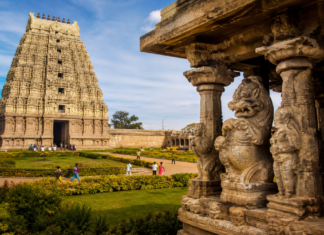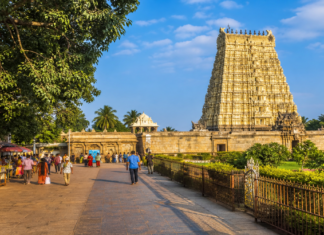


The morning sun hits the Coromandel coastline with a fierce, unforgiving brilliance that turns temple stone into heat-radiating mirrors. Walking barefoot across the ancient granite slabs of a coastal shrine feels like navigating a desert of white-hot embers. You need more than just faith to handle the glare of the Indian coast; you need a robust kit of Travel Essentials India that protects your skin and eyes from the relentless tropical sun.
Coastal temple tours offer a unique blend of spiritual resonance and salt-sprayed humidity. From the soaring gopurams near the Bay of Bengal to the hidden shrines tucked away in dense coconut groves, the environment is harsh on the body. Choosing the right gear is not about vanity, but about ensuring that your physical comfort keeps pace with your spiritual journey.
| Detail | Info |
|---|---|
| Best Time to Visit | November to February |
| Distance from Hyderabad | 600 km to 900 km |
| Budget Estimate (per person) | INR 8,000 to 12,000 |
| Ideal For | Families, Photographers, Solo Travelers |
| Must-See Spots | Ancient Shore Temples, Coastal Mathas |
| Getting There | Private Car or Express Trains |
“The coast does not forgive a lack of preparation, but it rewards those who protect their skin with endless horizon views.”
Choosing the Best Sunglasses for Coastal Temple Tours
Coastal light is magnified by the ocean, creating a glare that can lead to headaches and eye strain after just a few hours. When visiting places like the srimukhalingam temple, you will be constantly transitioning from deep shadows inside the garbhagriha to bright, open temple courtyards. Polarized lenses are a mandatory requirement here because they cut through the horizontal glare reflected off the sea and paved temple floors.
Why Polarization Matters
Standard tinted lenses only darken the world, but polarized lenses filter out light waves that bounce off reflective surfaces. A high-quality pair will allow you to read your map or look at the intricate stone carvings without squinting. Look for frames that offer side coverage to prevent stray light from entering your peripheral vision during long walks on the beach-front promenades.
Sunscreen Selection for Tropical Climates
The humidity index in coastal India renders many standard sunscreens sticky and ineffective within minutes of application. You should look for sweat-resistant, broad-spectrum SPF 50+ formulas that dry down to a matte finish. For those visiting the sri lakshmi narasimha swamy temple antarvedi, where you might be walking along the confluence of the river and the sea, mineral-based sunscreens are preferred as they reflect UV rays rather than absorbing them.
Application and Reapplication
Even if a sunscreen claims to be waterproof, the intense salt air and humidity will degrade its effectiveness as you move between shrines. Apply your first layer at least thirty minutes before stepping out into the sun. Reapply every two hours, focusing on exposed areas like the bridge of your nose, the tops of your ears, and your neck, which are often missed in the rush of a busy pilgrimage schedule.
Pro Tip
Carry your travel gear in a durable, lightweight backpack to keep your sunscreen and sunglasses secure during temple visits where you might need to leave bags at a counter.
Must-Have Travel Gear for Coastal India
Temple architecture in the south often involves extensive walking on hot stone. While you should invest in good sunscreen, do not neglect your feet. Wearing easily removable, high-grip sandals is essential for navigating slippery temple steps near water bodies. Always check yadagirigutta temple for specific footwear protocols, as some shrines have strict rules about leaving footwear at designated points.
Hydration and Accessories
Dehydration is the silent enemy of the coastal traveler. Carry a reusable insulated bottle that keeps water cool even when left in a car for several hours. A wide-brimmed hat made of breathable material, such as cotton or straw, is a better choice than a baseball cap because it shades your neck and shoulders from the overhead sun.
Reality Check
Coastal temple tours can be physically demanding, especially during the summer months when temperatures frequently cross 40 degrees Celsius. If you have concerns about heat sensitivity, it is best to visit during the winter months between November and February. The crowd levels at popular temples can also be quite high, which may result in longer wait times standing in the open sun.
Travelers who find it difficult to walk long distances on uneven terrain or stone should be aware that many historic temples do not have elevator access. If you are traveling with elderly relatives, always look for temples that offer VIP darshan queues or golf cart services to minimize walking. Plan your visits for the early morning or late afternoon to avoid the peak UV hours between 12:00 PM and 3:00 PM.
Comparison: Coastal vs. Inland Temple Essentials
Travel Gear Comparison
| Factor | Coastal Temples | Inland Hill Temples |
|---|---|---|
| Sun Protection | Essential (High SPF) | Moderate |
| Footwear | Easy-off Sandals | Grip-heavy Shoes |
| Hydration | Critical (Saline/ORs) | Standard |
| Clothing | Breathable Linen | Woolen/Layers |
| Glare Factor | High (Sea Reflectivity) | Low |
| Backpack Type | Waterproof/Salt Resistant | Lightweight/Daypack |
Essential Packing Checklist
At a Glance: Top 5 Things to Know
- Polarized Sunglasses
Reduces eye strain from intense coastal sea glare.
- Broad-Spectrum SPF 50
Essential for protection against tropical humidity-degraded rays.
- Wide-Brimmed Hat
Provides critical shade for ears and the back of the neck.
- Insulated Water Bottle
Ensures hydration stays cool during long outdoor temple walks.
- Breathable Footwear
Necessary for comfort during barefoot temple rituals.
Frequently Asked Questions
Is it necessary to carry travel insurance for temple tours?
Yes, while these are not extreme sports trips, medical emergencies can happen due to heatstroke or dehydration; travel insurance is a sensible precaution.
What is the best way to book hotels for these tours?
We recommend using agoda for the most reliable real-time availability and user reviews for coastal locations.
Are drones allowed for filming temple architecture?
Most major temple complexes in India strictly prohibit drones for security reasons and religious sentiments; always check local guidelines before arriving.
Can I wear western clothes to these temples?
Most traditional temples in the coastal regions of India prefer modest attire; a shirt and trousers or a traditional salwar kameez are highly recommended.
Is tap water safe for drinking in coastal villages?
It is strongly advised to carry your own bottled or purified water during your pilgrimage as local water sources can sometimes lead to stomach ailments.
This post contains affiliate links. If you book through our links, we may earn a small commission at no extra cost to you. This helps us keep travellerkaka.com free for everyone.
Plan Your Trip with Us
Have questions about this destination? We would love to help you plan the perfect trip.
Chat with us on WhatsApp or email us at info@travellerkaka.com
null