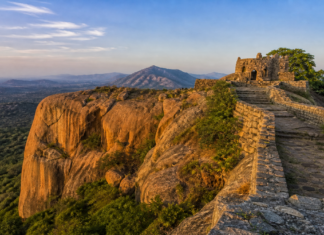


The thin mountain air bites at your cheeks, and the loose scree under your boots threatens to send you sliding into the valley, but your grip remains firm on the jagged rock face ahead. You are deep within the Himalayas, where your choice of gear isn’t just a matter of comfort, it is the thin line between a triumphant summit and a painful trek back to base camp. Choosing the Best Hiking Shoes is arguably the most critical decision a trekker makes before stepping onto the trail.
For many Indian adventurers, the debate often narrows down to two industry titans: Decathlon and Columbia. Whether you are prepping for a nallamala forest treks kurnool experience or a high-altitude expedition, understanding the performance differences between these brands is essential. This guide helps you navigate the technical specs and real-world durability of these popular footwear options.
| Detail | Info |
|---|---|
| Best Time to Visit | March to June / September to November |
| Distance from Hyderabad | Depends on trek location (150-1500km) |
| Budget Estimate (per person) | INR 2,500 – 12,000 |
| Ideal For | Trekkers, mountaineers, casual hikers |
| Must-See Spots | Himalayan passes, Western Ghats |
| Getting There | Bus, train, or flight to base camps |
“Your feet are your only vehicle in the wild; do not compromise on the tires.”
Understanding the Best Hiking Shoes Market
The market for Best Hiking Shoes in India has exploded over the last decade. Brands like Quechua (under Decathlon) dominate the entry-to-mid level segment, while Columbia Sportswear caters to the premium, technical end of the spectrum. You need to identify if you are a seasonal weekend warrior or a serious mountaineer before swiping your card.
Technical footwear requires specific features such as ankle support, waterproofing, and grip. Regardless of the brand, always ensure your gear is checked against your specific terrain requirements. You can also find a variety of gear on check price on Amazon to complement your footwear choice.
Why Decathlon Quechua Stands Out
Decathlon has become the default choice for the average Indian traveler due to its accessible pricing and reliable quality. Their Forclaz series is specifically designed for the rough, rocky terrains common in the Indian Himalayas. These shoes offer impressive value, often outperforming much more expensive brands in terms of sheer longevity.
The Columbia Sportswear Advantage
Columbia brings decades of international research to the table. Their proprietary Omni-Tech waterproofing and Techlite midsoles provide a level of cushioning that is often missing from entry-level alternatives. If you are planning an extended trip where weather conditions are unpredictable, the investment in Columbia often pays off in comfort.
Hiking Shoes Comparison: Decathlon vs Columbia
| Factor | Decathlon (Quechua) | Columbia |
|---|---|---|
| Price Range | Budget-Friendly | Premium |
| Technology | Basic/Standard | Proprietary (Omni-Tech) |
| Best Terrain | General Trails/Hills | Technical/Snow/Ice |
| Weight | Moderate | Lightweight |
| Availability | High | Selective |
| Warranty | Good | Excellent |
Factors to Consider Before You Buy
Buying the Best Hiking Shoes involves more than just picking a color. Consider the duration of your trek and the climate. Breathability is vital for tropical hikes, while insulation becomes non-negotiable for high-altitude passes.
The Importance of Fit and Break-in Time
Never wear brand-new shoes on the day of your trek. Always break them in by walking at least 20-30 kilometers over varied terrain before your actual trip. Your feet expand during long treks, so choosing a half-size larger than your daily wear is a standard pro tip.
Pro Tip
Always wear your trekking socks while trying on shoes in the store. This ensures you account for the extra thickness of woollen socks that you will eventually use on the trail.
The Reality of Maintaining Your Gear
Even the Best Hiking Shoes will fail if you neglect them. After every trek, remove the insoles and dry the shoes in the shade. Direct sunlight can destroy the adhesive and make the rubber soles brittle.
Dealing with Wet Conditions
If you find yourself in a downpour, do not use a hairdryer to dry your boots. Use newspaper stuffing to absorb the moisture from within, which keeps the leather or synthetic upper from cracking.
Reality Check
While gear is important, your physical conditioning is the real game-changer. No pair of high-end boots will save you if you lack the stamina to complete the trail. Do not buy expensive gear expecting it to compensate for a lack of fitness or training.
For those who only hike once or twice a year on flat trails, premium boots might be overkill. You might find better value in a solid pair of trail running shoes instead of heavy-duty leather boots. Be honest about your goals before you spend a fortune.
At a Glance: Top 5 Things to Know
- SizingAlways leave a thumb’s width of space at the toes.
- WaterproofingCheck for a membrane seal to ensure dry feet in rain.
- Sole GripLook for deep lugs that can handle mud and rock.
- Sock PairingUse moisture-wicking synthetic or wool socks only.
- Post-Trek CareClean your boots immediately to avoid mold buildup.
Budgeting for Your Next Trek
Budget Breakdown
| Expense | Budget (INR) | Mid-Range (INR) | Premium (INR) |
|---|---|---|---|
| Footwear | 2,500 | 5,000 | 12,000 |
| Trekking Socks | 500 | 1,000 | 2,000 |
| Gaiters | 800 | 1,500 | 3,000 |
| Cleaning Kit | 200 | 500 | 1,000 |
| Total | 4,000 | 8,000 | 18,000 |
Frequently Asked Questions
Do I really need waterproof shoes for Indian treks?
It depends. If you are trekking in the monsoon or near water sources, yes. Otherwise, breathable mesh shoes are often more comfortable.
Can I use sports shoes for hiking?
Only for flat, easy trails. They lack the ankle support and sole grip necessary for mountainous or rocky terrain.
How long do hiking shoes last?
A well-maintained pair typically lasts for 500 to 800 kilometers of trail use before the midsole loses its cushioning.
Is leather better than synthetic?
Leather is more durable and water-resistant but heavier. Synthetic materials are lighter and dry faster.
Are high-top shoes always necessary?
Not always. Mid-cut shoes are a great middle ground for most Indian treks, offering decent support without the bulk.
This post contains affiliate links. If you book through our links, we may earn a small commission at no extra cost to you. This helps us keep travellerkaka.com free for everyone.
Plan Your Trip with Us
Have questions about this destination? We would love to help you plan the perfect trip.
Chat with us on WhatsApp or email us at info@travellerkaka.com