


Introduction
The global aviation industry has entered a new era of growth and competition in 2026. After recovering from pandemic disruptions, airlines worldwide are expanding fleets, opening new routes, investing in sustainability, and upgrading passenger experience.
Today, ranking the top airlines in the world is not just about size. It involves analyzing:
- Revenue and profitability
- Passenger traffic
- Fleet strength
- Global connectivity
- Safety record
- Customer satisfaction
- Awards and industry recognition
From American aviation giants to Middle Eastern luxury carriers and European network leaders, the world’s top airlines represent scale, reliability, and innovation.
In this 2026 edition, we evaluate the Top 10 Airlines in the World using measurable industry data and global performance indicators.
Ranking Criteria
To create a fair and data-driven ranking, we considered multiple global aviation performance metrics.
1. Annual Revenue
Revenue reflects operational scale and financial strength. Airlines generating $40–60+ billion annually demonstrate massive global reach.
2. Fleet Size
The number of aircraft directly impacts capacity, network strength, and route flexibility. Leading airlines operate fleets of 700–1,000+ aircraft.
3. Passenger Volume
Airlines transporting 150–200+ million passengers annually dominate global travel corridors.
4. Global Network & Destinations
Number of destinations served and international connectivity are key indicators of influence.
5. Awards & Customer Ratings
Recognition from:
- Skytrax World Airline Awards
- AirlineRatings
- Global on-time performance reports
These reflect service quality and operational reliability.
6. Safety & Operational Performance
Safety record, regulatory compliance, and punctuality are critical in global rankings.
7. Innovation & Sustainability
Investment in fuel-efficient aircraft, sustainable aviation fuel (SAF), and carbon reduction programs also influence modern airline evaluation.
By combining these factors, we create a balanced ranking of the world’s leading airlines in 2026.
1. Delta Air Lines

Delta consistently ranks among the largest and most profitable airlines globally.
Founded: 1925
Headquarters: Atlanta, Georgia, USA
Fleet Size: 950+ aircraft
Annual Revenue (2025 est.): ~$58+ Billion
Annual Passengers: 190+ million
Destinations: 325+ destinations across 50+ countries
Major Hubs: Atlanta, Detroit, Minneapolis, New York (JFK), Los Angeles
What Makes Delta a Global Leader?
- Strong North American dominance
- Extensive international partnerships
- Award-winning operational reliability
- Premium cabin offerings (Delta One, Premium Select)
Delta is frequently praised for its on-time performance and customer service consistency.
Why Fly Delta?
✔ Strong domestic + international connectivity
✔ Excellent loyalty program (SkyMiles)
✔ Reliable operations
✔ Premium long-haul experience
Delta remains a top choice for both business and leisure travelers worldwide.
2. American Airlines

American Airlines is one of the largest airlines in the world by fleet size and passenger traffic.
Founded: 1930
Headquarters: Fort Worth, Texas, USA
Fleet Size: 960+ aircraft
Annual Revenue (2025 est.): ~$52+ Billion
Annual Passengers: 200+ million
Destinations: 350+ destinations across 60+ countries
Major Hubs: Dallas/Fort Worth, Charlotte, Miami, Chicago O’Hare, Phoenix
Industry Position
American Airlines operates the largest network in the United States, with strong transatlantic and Latin American routes.
It is also a founding member of the oneworld Alliance, increasing its global connectivity.
Why Fly American Airlines?
✔ Massive route network
✔ Frequent flight options
✔ Strong presence in Americas
✔ Business-class upgrades on long-haul flights
American Airlines is ideal for travelers needing extensive route coverage.
Also Read: Top 10 Airlines in India (2026 Guide)
3. United Airlines

United Airlines is a global aviation giant with strong international reach.
Founded: 1926
Headquarters: Chicago, Illinois, USA
Fleet Size: 900+ aircraft
Annual Revenue (2025 est.): ~$57+ Billion
Annual Passengers: 165+ million
Destinations: 340+ destinations worldwide
Major Hubs: Chicago O’Hare, Denver, Newark, San Francisco, Houston
What Sets United Apart?
- Strong Pacific & European connectivity
- Member of Star Alliance (largest airline alliance globally)
- Major investment in sustainable aviation fuel
United continues to expand long-haul international routes aggressively.
Why Fly United Airlines?
✔ Strong intercontinental connectivity
✔ Modernized fleet upgrades
✔ Wide-body aircraft for comfort
✔ Robust loyalty program (MileagePlus)
United is especially strong for US–Europe and US–Asia travel.
4. Emirates
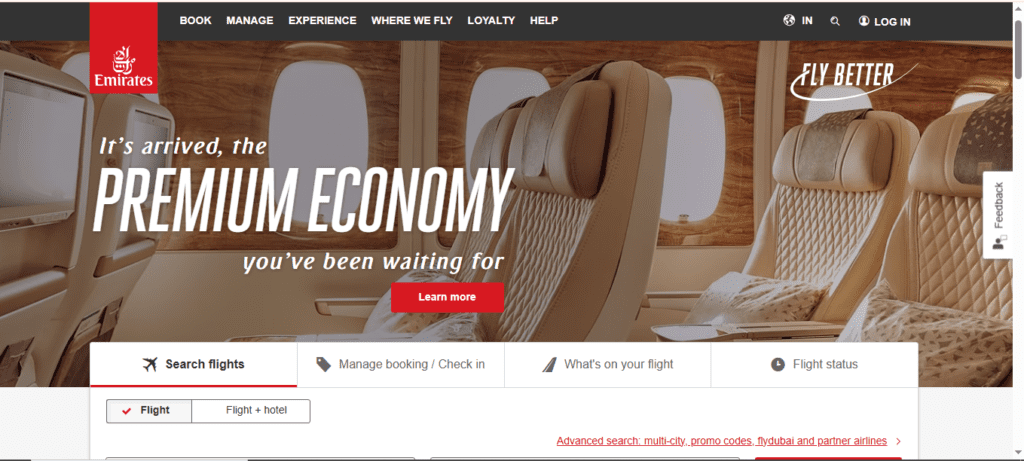
Emirates is one of the most recognized long-haul airlines in the world, known for luxury, innovation, and global connectivity. Based in Dubai, it has built a powerful hub model connecting East and West seamlessly.
Founded: 1985
Headquarters: Dubai, United Arab Emirates
Fleet Size: 260+ aircraft
Annual Revenue (2025 est.): ~$33+ Billion
Annual Passengers: 50+ million
Destinations: 140+ destinations across 80+ countries
Major Hub: Dubai International Airport
What Makes Emirates Unique?
- World’s largest operator of the Airbus A380
- Industry-leading First Class suites
- Premium onboard entertainment system (ICE)
- Strong global transit connectivity via Dubai
Emirates consistently ranks among the world’s best airlines for premium cabin experience and luxury travel.
Why Fly Emirates?
✔ Exceptional long-haul comfort
✔ Award-winning inflight entertainment
✔ Premium Business & First Class experience
✔ Strong Europe–Asia–Australia connectivity
Emirates is ideal for travelers seeking luxury and smooth global transit.
Also Read : Top 10 Airlines in India 2026
5. Qatar Airways

Qatar Airways is frequently ranked as one of the best airlines globally for service quality and business-class excellence.
Founded: 1993
Headquarters: Doha, Qatar
Fleet Size: 250+ aircraft
Annual Revenue (2025 est.): ~$23+ Billion
Annual Passengers: 40+ million
Destinations: 170+ destinations worldwide
Major Hub: Hamad International Airport, Doha
Global Recognition
- Multiple-time Skytrax “World’s Best Airline” winner
- Known for Qsuite — one of the best business-class products in aviation
- Member of the oneworld Alliance
Qatar Airways has built a reputation for premium service standards and global connectivity.
Why Fly Qatar Airways?
✔ Best-in-class Business Class (Qsuite)
✔ Strong Europe–Asia–Africa routes
✔ Modern fleet including Airbus A350 & Boeing 787
✔ High customer satisfaction ratings
Qatar Airways is often considered a top choice for premium long-haul travel.
6. Lufthansa

Lufthansa is Europe’s largest airline group and a major global aviation powerhouse. It operates an extensive network across Europe, North America, Asia, and beyond.
Founded: 1953
Headquarters: Cologne, Germany
Fleet Size: 700+ aircraft (Lufthansa Group)
Annual Revenue (2025 est.): ~$35+ Billion
Annual Passengers: 120+ million (Group total)
Destinations: 200+ destinations worldwide
Major Hubs: Frankfurt, Munich
What Sets Lufthansa Apart?
- Founding member of the Star Alliance
- Strong European connectivity
- Advanced fleet modernization program
- Premium First Class and Business Class cabins
Lufthansa plays a central role in global airline alliances and long-haul transatlantic travel.
Why Fly Lufthansa?
✔ Strong Europe–US connectivity
✔ Reliable long-haul operations
✔ Wide-body fleet for intercontinental routes
✔ Well-established loyalty program (Miles & More)
Lufthansa is preferred by business travelers and frequent European flyers.
7. Singapore Airlines

Singapore Airlines is globally recognized for premium service, innovation, and consistent customer satisfaction. It is often ranked among the world’s best airlines for cabin experience.
Founded: 1947
Headquarters: Singapore
Fleet Size: 200+ aircraft
Annual Revenue (2025 est.): ~$19+ Billion
Annual Passengers: 35+ million
Destinations: 130+ destinations worldwide
Major Hub: Singapore Changi Airport
Global Recognition
- Frequently ranked among the Top 3 Airlines in the World
- Winner of multiple Skytrax awards
- Known for luxurious First Class Suites and premium service
Singapore Airlines sets the benchmark for long-haul premium travel.
Why Fly Singapore Airlines?
✔ Industry-leading cabin crew service
✔ Premium long-haul comfort
✔ Modern Airbus A350 & A380 fleet
✔ Strong Asia–Europe & Asia–US routes
Ideal for travelers seeking comfort, quality meals, and top-tier service.
8. Turkish Airlines

Turkish Airlines has built one of the largest global networks, serving more international destinations than any other airline.
Founded: 1933
Headquarters: Istanbul, Turkey
Fleet Size: 400+ aircraft
Annual Revenue (2025 est.): ~$21+ Billion
Annual Passengers: 80+ million
Destinations: 340+ destinations worldwide
Major Hub: Istanbul Airport
What Makes Turkish Airlines Stand Out?
- Serves more countries than any other airline
- Strong Europe–Asia–Africa network
- Member of Star Alliance
Turkish Airlines plays a major role in connecting global transit passengers.
Why Fly Turkish Airlines?
✔ Massive international network
✔ Competitive pricing for long-haul routes
✔ Strong transit hub in Istanbul
✔ Good business-class offerings
Ideal for travelers flying between Europe, Asia, and Africa.
9. Air France–KLM

Air France–KLM is a major European airline group combining French and Dutch aviation networks.
Founded: 1933
Headquarters: Paris, France & Amsterdam, Netherlands
Fleet Size: 550+ aircraft (Group total)
Annual Revenue (2025 est.): ~$32+ Billion
Annual Passengers: 90+ million
Destinations: 300+ destinations worldwide
Major Hubs: Paris Charles de Gaulle, Amsterdam Schiphol
What Makes Air France–KLM Important?
- Founding member of the SkyTeam Alliance
- Strong transatlantic presence
- Premium cabin upgrades on long-haul routes
The group plays a major role in European and global aviation connectivity.
Why Fly Air France–KLM?
✔ Extensive Europe–US routes
✔ Modernized fleet
✔ Strong loyalty program (Flying Blue)
✔ Premium service options
Ideal for travelers flying between Europe and North America.
10. British Airways

British Airways is one of the world’s most historic and recognized airlines, connecting the UK to major global cities.
Founded: 1974
Headquarters: London, United Kingdom
Fleet Size: 250+ aircraft
Annual Revenue (2025 est.): ~$15+ Billion
Annual Passengers: 45+ million
Destinations: 180+ destinations worldwide
Major Hub: London Heathrow Airport
What Defines British Airways?
- Strong Europe–US network
- Member of oneworld Alliance
- Premium long-haul business class upgrades
British Airways remains a key player in transatlantic travel.
Why Fly British Airways?
✔ Strong London connectivity
✔ Premium cabin options
✔ Frequent international services
✔ Established global reputation
Ideal for travelers connecting through London to Europe or North America.
Global Airlines Comparison Table (2026 Overview)
Below is a high-level comparison of the world’s top airlines based on 2025–2026 data estimates.
| Airline | Country | Founded | Fleet Size (Approx.) | Annual Revenue (2025 est.) | Annual Passengers | Destinations |
|---|---|---|---|---|---|---|
| Delta Air Lines | USA | 1925 | 950+ | $58B | 190M+ | 325+ |
| American Airlines | USA | 1930 | 960+ | $52B | 200M+ | 350+ |
| United Airlines | USA | 1926 | 900+ | $57B | 165M+ | 340+ |
| Emirates | UAE | 1985 | 260+ | $33B+ | 50M+ | 140+ |
| Qatar Airways | Qatar | 1993 | 250+ | $23B+ | 40M+ | 170+ |
| Lufthansa | Germany | 1953 | 700+ (Group) | $35B+ | 120M+ | 200+ |
| Singapore Airlines | Singapore | 1947 | 200+ | $19B+ | 35M+ | 130+ |
| Turkish Airlines | Turkey | 1933 | 400+ | $21B+ | 80M+ | 340+ |
| Air France–KLM | France/Netherlands | 1933 | 550+ | $32B+ | 90M+ | 300+ |
| British Airways | UK | 1974 | 250+ | $15B+ | 45M+ | 180+ |
Conclusion
The global aviation industry in 2026 reflects a powerful mix of scale, innovation, and passenger-focused service. From the massive fleet strength of American and Delta to the luxury excellence of Emirates and Qatar Airways, each airline brings its own competitive advantage to the skies.
While US carriers dominate in revenue and passenger numbers, Middle Eastern airlines lead in premium cabin experience, and European airlines continue to strengthen global alliance networks. The competition is intense — and that benefits travelers through better service, improved aircraft, and wider connectivity.
Choosing the best airline ultimately depends on your priorities — whether it’s budget, comfort, global reach, or luxury experience. With aviation continuing to grow rapidly worldwide, passengers now have more choices than ever before.
As air travel evolves with sustainability initiatives and fleet modernization, the world’s top airlines are not just competing for market share — they are shaping the future of global travel.
Fly smart. Choose wisely. The skies are more connected than ever. ✈️
Frequently Asked Questions (FAQs)
Currently, American Airlines operates the largest fleet globally, while Delta Air Lines and United Airlines compete closely in revenue and passenger numbers.
Airlines like Qatar Airways and Singapore Airlines frequently win global awards for service quality, luxury cabins, and customer satisfaction.
American Airlines operates the largest fleet, with over 950 aircraft in service.
Turkish Airlines serves more international destinations than any other airline worldwide.
Delta Air Lines and United Airlines rank among the highest revenue-generating airlines globally.











 ranked by revenue, fleet size, passenger traffic and global network. Compare Delta, Emirates,)