Kanuma is the third day of the Sankranti festival, celebrated mainly in rural Andhra Pradesh and parts of Telangana.
While Bhogi focuses on renewal and Sankranti celebrates harvest and abundance, Kanuma is about acknowledging support systems—especially cattle and agriculture.
It shifts the celebration away from homes and temples to:
Farms
Cattle sheds
Village outskirts
Kanuma reminds people that harvest is not only a human achievement.
Why Kanuma Is Celebrated After Sankranti
Sankranti celebrates success. Kanuma honours the effort behind that success.
Farmers celebrate Kanuma after Sankranti because harvest gratitude is incomplete without recognising:
Cattle that ploughed the land
Nature that supported crops
Daily labour that sustained farming
Only after thanking the Sun on Sankranti does Kanuma turn attention to the animals and tools that made harvest possible.
This sequence gives Sankranti its balance.
Agricultural Importance of Kanuma
Kanuma is deeply rooted in agriculture.
In villages, cattle are not symbolic—they are essential. Even today, many farmers depend on bulls and cows for ploughing, transport, and livelihood.
Kanuma acts as:
A thanksgiving day for farmers
A reminder of human–nature partnership
A cultural pause after harvest
That is why Kanuma is rarely observed meaningfully in cities. Without agriculture, the festival loses its context.
Cattle Worship and Decorations on Kanuma
Kanuma mornings begin at cattle sheds, not inside homes.
Cows and bulls are:
Bathed early in the day
Decorated with flowers and cloth
Marked with turmeric and kumkum
Fed special food
Children often help elders decorate animals, learning respect through observation.
There is no grand ritual here—only care and familiarity. The relationship between farmer and cattle is quiet but deeply emotional.
Kanuma Special Foods and Feasting
Kanuma food is different from Sankranti food.
In many regions, Kanuma marks the return of non-vegetarian meals after days of festive cooking. Fresh produce from the harvest is used generously.
Meals are:
Heavy and nourishing
Cooked in large quantities
Shared with neighbours and relatives
Food is eaten together, often outdoors, without hurry. Kanuma meals are less about variety and more about togetherness.
How Kanuma Differs Across Regions
Kanuma is not celebrated identically everywhere.
In the Godavari belt, Kanuma includes community gatherings and decorated cattle processions. In Rayalaseema, the festival is simpler and more reflective, closely tied to farming realities. In coastal regions, Kanuma blends agricultural rituals with local food traditions.
Despite these differences, one thing remains common—respect for cattle and land.
Kanuma adapts to local culture but never loses its purpose.
Kanuma vs City Celebrations
In cities, Kanuma is often:
Skipped
Merged with Sankranti
Reduced to a special meal
Apartment living leaves little room for cattle-based traditions. As a result, many urban families know Kanuma only by name.
Sankranti has a way of slowing life down. Phones stay aside, conversations grow longer, and families finally sit together without checking the clock.
You don’t need luxury resorts or expensive packages to enjoy this festival. In fact, the best Sankranti family trips in Andhra Pradesh are the simplest ones—short journeys, familiar food, warm villages, and traditions that feel like home.
If you are planning a budget-friendly Sankranti trip under ₹10,000, this guide is written for you. Not as a checklist, but as a story of how families actually travel during Sankranti.
Why Sankranti Is Perfect for Budget Family Travel
Sankranti already comes with holidays. Travel demand is high, but expectations are different.
Families don’t look for sightseeing marathons. They look for connection—with relatives, villages, temples, and traditions.
That’s why Sankranti travel works best when:
The distance is short
The stay is simple
The experience is cultural, not commercial
Under ₹10,000 is not a restriction during Sankranti—it’s enough.
Trip 1: Village Stay in the Godavari Belt (2–3 Days)
There is a reason families return to the Godavari region every Sankranti.
Villages around Bhimavaram, Palakollu, and Amalapuram turn Sankranti into a living celebration.
You wake up to Bhogi Mantalu smoke in the air. Muggulu appear at every doorstep. Food is cooked slowly, in large vessels, meant to be shared.
Children experience Sankranti the way it was meant to be lived—not explained.
Approximate budget (family of 3–4):
Travel (bus/train): ₹2,000–₹3,000
Stay (relative home or simple homestay): ₹1,000–₹2,000
Trip 2: Temple Town + Village Sankranti (Tirupati Region)
Sankranti in temple towns feels calmer, more grounded.
Families visiting Tirupati often stay in nearby villages rather than crowded town centers. Mornings begin with temple visits, while afternoons slip into village celebrations.
Bhogi is quiet here. Sankranti day is devotional. Kanuma is celebrated with simplicity.
This trip suits families with elders who prefer spiritual rhythm over crowds.
If you truly want to feel Sankranti, not just celebrate it, you need to be in a village.
Cities decorate Sankranti. Villages live Sankranti.
In Andhra Pradesh, Sankranti is still deeply connected to land, farming, cattle, and community life. Villages slow down, families come together, and traditions flow naturally—without planning, without schedules.This guide takes you through some of the best villages and village regions in Andhra Pradesh where Sankranti feels real, warm, and unforgettable.
Why Village Sankranti Feels Different
Village Sankranti begins before sunrise.
Bhogi Mantalu glow in the cold morning air. Muggulu appear at every doorstep. The smell of firewood and fresh food fills the lanes.
There is no rush. No countdown. No performance.
Everything happens because it has always happened that way.
For families, children, and travelers, this is where Sankranti reveals its soul.
Godavari Belt Villages – The Heart of Sankranti Traditions
Villages in the East and West Godavari districts are considered the most vibrant places to experience Sankranti.
This region is rich in agriculture, especially paddy fields, making harvest celebrations naturally grand.
Several towns and large villages in Andhra Pradesh are especially known for their vibrant Sankranti atmosphere. Bhimavaram, often called the cultural heart of the Godavari region, comes alive during Sankranti with massive Bhogi Mantalu, elaborate muggulu, and community-wide celebrations. Ramachandrapuram and nearby villages reflect classic delta traditions, where farming families celebrate Kanuma with decorated cattle and shared feasts. Places like Palakollu, Narsapuram, and rural pockets around Amalapuram are famous for their hospitality, traditional food, and deeply rooted rituals. In Krishna district, villages near Gudivada and Nuzvid balance accessibility with authentic village customs, making them ideal for families visiting during the festival. These towns may be well-connected, but during Sankranti they still preserve the warmth and rhythm of true village life.
Krishna District Villages – Culture, Food & Family Gatherings
Villages around Krishna district offer a balanced Sankranti experience.
Here, tradition blends gently with modern influence. You will still see Bhogi fires, village rituals, and Kanuma celebrations, but with better accessibility and comfort.
These villages are ideal for:
Families traveling with elders
First-time village Sankranti visitors
Short Sankranti holidays
Food plays a major role here. Ariselu, garelu, pongali, and traditional meals are cooked slowly and shared generously.
Krishna district villages make Sankranti feel welcoming rather than overwhelming.
Rayalaseema Villages – Simple, Emotional, and Deeply Rooted
Sankranti in Rayalaseema villages feels quieter but emotionally powerful.
Here, celebrations are simple. No excess. No show.
Bhogi is observed with sincerity. Sankranti meals are humble but filling. Kanuma carries strong meaning because cattle are still central to rural livelihoods.
For travelers seeking:
Less crowd
Authentic rural life
Slow, reflective celebrations
Rayalaseema villages offer a Sankranti that stays with you long after the festival ends.
Srikakulam & North Andhra Villages – Raw and Untouched
Villages in Srikakulam and North Andhra are among the least commercialized.
Sankranti here is deeply traditional, almost untouched by tourism. Rituals follow age-old customs, and community participation is strong.
You’ll notice:
Early morning Bhogi rituals
Minimal outside influence
Strong family bonds
Natural hospitality
If you want to witness Sankranti as it was celebrated decades ago, North Andhra villages are a hidden treasure.
Temple-Centric Villages – Where Sankranti Meets Spirituality
Villages around famous temples experience Sankranti with a spiritual rhythm.
Morning rituals begin at temples, followed by family celebrations at home. The atmosphere is calm, devotional, and culturally rich.
These villages suit:
Spiritual travelers
Elder-friendly family trips
Slow-paced Sankranti holidays
Here, Sankranti feels peaceful rather than festive—and that itself is beautiful.
What You’ll Experience Only in Villages
Village Sankranti offers experiences cities cannot recreate.
Children wake up early without alarms. Meals are cooked on firewood. Relatives arrive without calling. Time loses meaning.
Kanuma is celebrated fully. Mukkanuma is understood naturally.
These moments don’t appear in photos—but they stay in memory.
Is It Safe and Comfortable for Travelers?
Yes, with awareness.
Village Sankranti is safe, especially for families. People are welcoming, and hospitality peaks during festivals.
A few simple tips help:
Dress modestly
Respect local customs
Ask before photographing rituals
Be open to participation
Villagers value respect more than anything else.
Best Time to Reach Villages for Sankranti
Arrive one day before Bhogi.
That’s when preparation begins and the village mood slowly changes. Leaving immediately after Sankranti day means missing Kanuma, which is the heart of rural celebrations.
A 3–4 day stay gives the most complete experience.
Why More Families Are Returning to Villages for Sankranti
Many city families now consciously choose villages for Sankranti.
They want children to:
See real traditions
Understand farming culture
Experience community life
They want elders to:
Feel connected
Relive familiar rhythms
Village Sankranti offers something rare in modern life—belonging.
Final Thoughts: Villages Are Where Sankranti Truly Lives
Sankranti can be celebrated anywhere. But it can only be felt fully in villages.
In Andhra Pradesh, villages don’t recreate Sankranti—they continue it, just as it has always been.
If you want one festival experience that stays with you forever, choose a village Sankranti at least once in your life.
👉 Explore More on travellerkaka.com
Read detailed guides on Sankranti festival in Andhra Pradesh, village vs city celebrations, Kanuma traditions, and family-friendly festival travel ideas
Sankranti is not just a festival in Andhra Pradesh—it is an emotion. It is the time when villages come alive, families reunite, kitchens smell of fresh sweets, and the sky fills with colourful kites.
Unlike many festivals celebrated for a single day, Sankranti unfolds slowly, beautifully, over several days. Each day has its own meaning, rituals, food, and joy. For Telugu families, Sankranti is deeply connected to agriculture, gratitude, nature, and togetherness.
If you want to truly understand Andhra Pradesh and its people, experiencing Sankranti is the best way.
Sankranti, also called Makara Sankranti, marks the moment when the Sun begins its northward journey (Uttarayanam). In simple words, it celebrates the harvest season and thanks nature for abundance.
In Andhra Pradesh, Sankranti is mainly a harvest festival, deeply rooted in farming culture. Farmers celebrate the fruits of their hard work, and families express gratitude to the Sun, land, cattle, and nature.
Unlike festivals based on the lunar calendar, Sankranti follows the solar calendar and usually falls on January 14 or 15 every year.
Why Sankranti Is Special in Andhra Pradesh
Sankranti holds a unique place in Andhra Pradesh for many reasons:
Agriculture plays a central role in daily life
Most families return to their native villages
Celebrations last for four days
Every ritual has a cultural meaning
Food is prepared fresh from newly harvested crops
For many Telugu people working in cities, Sankranti is the festival that brings them home.
The 4 Days of Sankranti Festival Explained
Day 1: Bhogi – Letting Go of the Old
Bhogi marks the beginning of Sankranti celebrations.
On this day, people clean their homes and discard old or unused items. Early in the morning, families light Bhogi Mantalu (bonfires) using old wooden items, symbolizing the removal of negativity and the start of a fresh chapter.
Children gather around the fire, elders bless the family, and the village atmosphere becomes festive even before sunrise.
Bhogi highlights in Andhra Pradesh:
Early morning bonfires
House cleaning and decorations
Special oil bath rituals
Bhogi Pallu ceremony for babies
Day 2: Sankranti – The Main Festival Day
This is the most important day.
Homes are decorated with beautiful muggulu (rangoli) and gobbemma designs using cow dung and flowers. People wake up early, wear new clothes, and perform Sun worship.
Families prepare traditional sweets, visit temples, and spend time together.
Kite flying becomes the highlight of the day, especially in towns and villages.
Sankranti day traditions include:
Surya puja
Wearing new clothes
Preparing sweets like ariselu
Family gatherings
Kite flying
Day 3: Kanuma – Celebrating Cattle & Agriculture
Kanuma is dedicated to farmers and cattle.
Cows and bulls are decorated with flowers, turmeric, and kumkum. In villages, cattle are worshipped as they play a vital role in farming.
This day reflects Andhra Pradesh’s deep respect for agriculture and animals.
Kanuma celebrations include:
Cattle decoration
Traditional village meals
Rural games and fairs
Community gatherings
Kanuma is rarely celebrated in cities, which makes village celebrations even more special.
Day 4: Mukkanuma – The Forgotten Celebration
Mukkanuma is mostly observed in rural Andhra Pradesh.
It is a quieter day, often associated with non-vegetarian feasts and relaxation after the main celebrations. Many families use this day to visit relatives or nearby villages.
Though not widely discussed, Mukkanuma completes the Sankranti festival cycle.
Sankranti Food Traditions in Andhra Pradesh
Food is the heart of Sankranti celebrations.
Most dishes are prepared using newly harvested rice, jaggery, and lentils, making them extra special.
Popular Sankranti Foods
Ariselu – The signature Sankranti sweet
Pongali – Sweet and savory rice dish
Garelu – Crispy lentil fritters
Sakinalu – Crunchy snack prepared specially for festivals
Pulihora – Tamarind rice offered to the Sun
In villages, food is often cooked in large quantities and shared with neighbors, relatives, and guests.
Final Thoughts: Why You Should Experience Sankranti in Andhra Pradesh
Sankranti is not about grand decorations or loud celebrations. It is about gratitude, family, tradition, and simplicity.
Whether you are a traveler, a culture lover, or a family looking for meaningful holidays, experiencing Sankranti in Andhra Pradesh offers something rare—authentic joy.
If you want to understand Telugu culture beyond tourist spots, Sankranti is the perfect time.
👉 Explore More on travellerkaka.com
Discover village tourism, family travel ideas, festivals of Andhra Pradesh, and budget-friendly destinations across India.
Sankranti holidays don’t feel like regular vacations. They feel like a pause—one that invites families to slow down, sit together, and return to places that still remember them.
Across Andhra Pradesh, Sankranti is not about ticking attractions off a list. It’s about waking up to cold mornings, smelling Bhogi fires, eating warm food, and letting time stretch.
If you’re planning Sankranti holidays with family, these are the places people actually go—quiet towns, villages, temple belts, and simple coastal corners—where the festival feels lived, not staged.
Why Sankranti Is the Best Time for Family Travel
During Sankranti, Andhra Pradesh moves at a different pace.
Schools are closed. Offices slow down. Families travel not to escape life—but to reconnect with it.
This is why Sankranti trips work best when destinations offer:
Familiar culture
Short travel distances
Space for elders and children
Real festival atmosphere
The places below are chosen with that feeling in mind.
Godavari Belt: Where Sankranti Feels Like a Celebration Everywhere
Families across the state instinctively head towards the Godavari region during Sankranti.
Towns and villages around Bhimavaram, Palakollu, and Amalapuram transform into open celebrations.
You’ll notice:
Bhogi Mantalu at every street corner
Long rows of muggulu at sunrise
Homes filled with relatives who arrive without calling
Children run freely, elders sit together reminiscing, and meals stretch into long conversations.
Some families prefer a quieter Sankranti—one rooted in prayer and routine rather than crowds.
Temple towns like Tirupati and nearby villages offer exactly that balance. Mornings begin with darshan, afternoons with family meals, and evenings with simple walks and conversations.
Bhogi feels restrained here. Sankranti day feels spiritual. Kanuma passes gently, without noise.
These towns suit families traveling with elders who value peace over festivities.
Krishna District Towns: Easy Travel, Familiar Traditions
Not every Sankranti holiday needs long journeys.
Towns near Gudivada and Nuzvid attract families who want village warmth with city convenience.
You can:
Reach easily by road or train
Stay with relatives or budget lodges
Experience village-style Sankranti nearby
These places are ideal for short Sankranti breaks, especially for families with young children.
Rayalaseema: A Slower, More Emotional Sankranti
Rayalaseema does not celebrate Sankranti loudly. It celebrates it sincerely.
Families visiting villages near Kurnool and Anantapur experience a Sankranti that feels grounded and honest.
There are fewer decorations and simpler meals, but stronger emotions. Kanuma here carries deep meaning, especially in farming households.
This region is perfect for families seeking:
Less crowd
More connection
Slower days
Coastal Andhra: Sankranti with Sea Breeze
For families who like open spaces, coastal Andhra offers a gentle Sankranti experience.
Areas around Nellore and smaller coastal villages combine festival mornings with calm seaside evenings.
Children enjoy open beaches after rituals. Parents enjoy the quiet. Elders enjoy the routine.
It’s Sankranti—without rush.
Villages: Where Sankranti Truly Lives
No town or city can replace villages during Sankranti.
If your family has roots in a village, that is the best place to be. If not, staying in villages known as the best villages to experience Sankranti can change how you see the festival.
Village Sankranti offers:
Real Bhogi fires
Full Kanuma celebrations
Community meals
Traditions that don’t need explanations
Many families now plan Sankranti holidays specifically around village stays for this reason.
How Families Choose the Right Place for Sankranti
Families don’t ask, “What should we see?” They ask, “Where will it feel right?”
The best Sankranti holiday place depends on:
Elders’ comfort
Children’s freedom
Cultural depth
Ease of travel
That’s why many people revisit the same place every year.
Understanding the Festival Makes the Trip Meaningful
A Sankranti trip feels deeper when families understand what they are witnessing.
It turns a holiday into a shared learning experience.
Final Thoughts: Sankranti Holidays Are About Belonging
Sankranti holidays are not about escaping daily life. They are about returning to something familiar.
Whether it’s a Godavari village, a temple town, a Rayalaseema home, or a coastal settlement—what matters is the feeling of togetherness.
In Andhra Pradesh, Sankranti doesn’t wait for tourists. It welcomes families back.
And that is why these holidays are remembered long after the kites come down.
👉 Explore More on travellerkaka.com
Read our complete guide to the Sankranti festival in Andhra Pradesh, discover the best villages to experience Sankranti, explore budget Sankranti family trips, and understand Bhogi, Sankranti, Kanuma & Mukkanuma in detail.
Sankranti in Telugu homes is never a one-day affair. It unfolds slowly, across four meaningful days, each with its own rhythm, purpose, and emotion.
Bhogi, Sankranti, Kanuma, and Mukkanuma together form the complete Sankranti experience—especially in Andhra Pradesh and Telangana. When you understand these four days, you understand why Sankranti is considered the most rooted and heartfelt Telugu festival.
This guide explains each day clearly, naturally, and culturally—just the way it is lived, not just written about.
Why Sankranti Is Celebrated Over Four Days
Sankranti is a harvest festival, and harvest is not rushed. It represents cycles—of crops, seasons, effort, and gratitude.
That is why Telugu tradition spreads Sankranti across four days:
Letting go of the old
Welcoming abundance
Honouring agriculture and cattle
Relaxing and celebrating community
Each day flows into the next, like village life itself.
Bhogi: Letting Go to Begin Again
image credit by namaste telangana
Bhogi is the quiet but powerful beginning of Sankranti.
It arrives early in the morning, before sunrise, when villages are still wrapped in mist and silence. Old wooden items, unused household materials, and symbolic waste are gathered and burned in Bhogi Mantalu—the traditional bonfire.
This is not about destruction. It is about release.
Bhogi represents:
Clearing negativity
Making space for renewal
Starting the harvest season fresh
In villages, Bhogi feels deeply communal. Children circle the fire, elders bless homes, and the day begins with warmth rather than noise.
A special ritual called Bhogi Pallu is performed for babies and young children. Fruits, flowers, sugarcane pieces, and coins are showered over them, symbolising blessings, health, and prosperity.
Bhogi reminds us that before welcoming the new, we must gently let go of the old.
Sankranti: The Heart of the Festival
Sankranti day is the soul of the festival.
Homes wake up early. Doorsteps bloom with muggulu drawn in rice flour, often decorated with gobbemma made from cow dung, turmeric, and flowers.
The Sun is worshipped as the giver of life and energy. For farming families, this is a moment of gratitude for the successful harvest.
New clothes are worn. Sweets are prepared. Relatives visit each other without formal invitations.
Kite flying fills the sky, especially in towns and open village fields. Children laugh, elders watch, and conversations stretch lazily through the afternoon.
Sankranti is not loud joy. It is contentment.
Kanuma: Honouring Agriculture and Cattle
image source by pinterest
Kanuma is the most rural and agricultural day of Sankranti.
This day is dedicated to cattle—the silent partners of farming life. Cows and bulls are bathed, decorated, and worshipped with genuine affection.
In villages, Kanuma feels deeply emotional. Farmers acknowledge that without cattle, agriculture would not survive.
Special meals are cooked, often non-vegetarian in many regions, marking the end of strict festival rituals. Community feasts, rural games, and relaxed gatherings define the day.
Kanuma is not widely celebrated in cities. That absence itself shows how closely the festival is tied to land and farming.
If Bhogi is about renewal and Sankranti about abundance, Kanuma is about respect.
Mukkanuma: The Quiet, Forgotten Day
Mukkanuma is the least talked about—and the least understood—day of Sankranti.
Mostly observed in rural Andhra Pradesh, Mukkanuma is a relaxed continuation of Kanuma. There are no grand rituals, no fixed rules.
Families visit relatives. Leftover festival food is shared. Some villages associate the day with hunting traditions or countryside gatherings, though these practices are now rare.
Mukkanuma represents rest.
After days of celebration, cooking, hosting, and rituals, this day allows people to slow down. It quietly completes the Sankranti cycle.
In modern times, many families no longer observe Mukkanuma formally, but in villages, its spirit still survives.
How These Four Days Connect Emotionally
Each Sankranti day serves a purpose beyond tradition.
Bhogi teaches release. Sankranti celebrates gratitude. Kanuma honours labour and nature. Mukkanuma offers rest.
Together, they mirror human life itself—effort, reward, appreciation, and pause.
That is why Sankranti feels complete only when all four days are understood, even if not fully celebrated.
In villages, all four days are still visible. Rituals blend naturally into daily life.
In cities, celebrations are compressed. Sankranti day takes priority, while Bhogi and Kanuma become symbolic.
This does not reduce the value of city celebrations. It simply reflects changing lifestyles.
Many families now return to their native villages during Sankranti so children can experience these four days as they were meant to be lived.
Why Younger Generations Should Know All Four Days
For many children today, Sankranti means:
Holidays
Kites
Sweets
But the deeper meaning often gets lost.
Understanding Bhogi, Kanuma, and Mukkanuma helps children connect with:
Agricultural roots
Family traditions
Community living
This knowledge is cultural inheritance. Once lost, it is difficult to recover.
Sankranti Is Not One Festival—It Is a Journey
Sankranti is not a date on the calendar. It is a journey across four days, four emotions, and four philosophies.
From fire to sunlight, from cattle to community, from celebration to rest—Sankranti teaches balance.
That is why it has survived centuries without losing relevance.
Final Thoughts: The Beauty of Sankranti Lies in Its Days
Bhogi, Sankranti, Kanuma, and Mukkanuma are not separate festivals. They are chapters of the same story.
To truly experience Sankranti, one must slow down and let each day speak. Only then does the festival reveal its depth.
For travelers, families, and culture lovers, understanding these four days turns Sankranti from a holiday into a meaningful experience.
👉 Explore More on travellerkaka.com
Read detailed guides on Sankranti festival in Andhra Pradesh, village celebrations, family travel ideas, and traditional Telugu festivals—all written for real travelers and real stories.
Sankranti feels different depending on where you celebrate it. In villages, it’s slow, warm, and deeply rooted in tradition. In cities, it’s modern, compact, and shaped by busy lifestyles.
Both are beautiful in their own ways—but the experience is not the same.
Rooted in agriculture, family traditions, and gratitude to nature, the Sankranti festival in Andhra Pradesh brings together centuries-old customs that still shape how the festival is celebrated today.
If you’ve ever wondered how Sankranti is celebrated in Andhra Pradesh villages versus cities, this guide takes you through the real differences—rituals, food, people, emotions, and why travelers are increasingly choosing village Sankranti for a truly Telugu experience.
Why Location Matters During Sankranti
Sankranti is a harvest festival at heart. That connection to land, crops, cattle, and seasons is strongest in villages.
Cities celebrate Sankranti too—but often as a symbolic festival, adapted to apartments, schedules, and limited space.
Understanding this contrast helps families and travelers decide where to celebrate for the kind of experience they want.
Sankranti in Villages: Where the Festival Feels Alive
1. Bhogi Morning Starts Before Sunrise
In villages, Sankranti begins with Bhogi—and it starts early.
Before dawn, you’ll see:
Smoke rising from Bhogi Mantalu (bonfires)
Children warming their hands
Elders offering prayers
A calm, misty atmosphere
The fire isn’t just symbolic—it’s emotional. It feels like the village itself is waking up together.
2. Muggulu & Gobbemma: Art on Every Doorstep
Village streets transform overnight.
Every house has:
Fresh muggulu (rangoli) drawn with rice flour
Gobbemma made from cow dung, flowers, and turmeric
Designs that reflect creativity passed down generations
Walking through a village on Sankranti morning feels like walking through an open-air art gallery.
3. Food Is Cooked Slowly, Together
Village Sankranti food isn’t rushed.
You’ll notice:
Ariselu made patiently in batches
Pongali cooked on firewood stoves
Neighbors sharing ingredients
Guests eating until they can’t anymore
Food is not just eaten—it’s shared.
For visitors, this hospitality becomes one of the most memorable parts of village Sankranti.
4. Kanuma: The Soul of Rural Sankranti
Kanuma is where villages truly shine.
Cattle are:
Bathed and decorated
Worshipped with gratitude
Fed special food
In farming communities, cows and bulls are family. Kanuma celebrates that bond—something cities simply cannot recreate.
5. Community Over Convenience
Village Sankranti means:
Everyone knows everyone
No strict schedules
Long conversations
Shared laughter
Children playing traditional games
Time slows down—and that’s the magic.
Sankranti in Cities: Modern, Compact, and Festive
1. Bhogi Without the Bonfire
In cities, Bhogi Mantalu are often restricted.
Instead, people:
Clean homes symbolically
Perform small prayers
Teach kids about traditions indoors
While safety rules limit bonfires, the spirit of renewal remains.
2. Sankranti in Apartments & Colonies
City celebrations usually happen in:
Apartment terraces
Community halls
Gated communities
Activities include:
Kite flying
Cultural programs
Kids’ competitions
Group lunches
It’s festive—but structured.
3. Food Is Planned, Not Spontaneous
City Sankranti food often means:
Pre-planned cooking
Limited dishes due to time
Ordering from outside for convenience
Traditional items like ariselu are still made—but usually in smaller quantities.
4. Kanuma Is Mostly Symbolic
In cities, Kanuma is:
Rarely celebrated fully
Limited to prayers or a special meal
Often merged with Sankranti day celebrations
The agricultural connection becomes more educational than experiential.
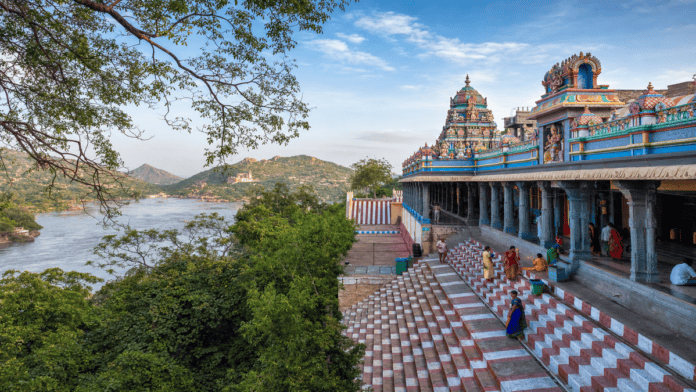
Nestled at the base of the Nallamala Hills in Nandyal district, Mahanandi Temple is one of the most sacred Shiva temples in Andhra Pradesh. It is dedicated to Lord Mahanandeeswara Swamy and surrounded by lush forests, hills, and freshwater springs. The temple’s highlight is its Koneru (holy pond) — a natural spring that flows eternally with pure water.
🕒 Temple Timings & Darshan Schedule (2025)
Session
Timings
Temple Opens
4:30 AM
Suprabhata Seva
4:30 AM – 5:00 AM
Abhishekam & Alankaram
5:00 AM – 7:00 AM
Morning Darshan
6:30 AM – 12:30 PM
Temple Break
12:30 PM – 4:00 PM
Evening Darshan
4:00 PM – 9:00 PM
Temple Closes
9:30 PM
💡 Best Time: Morning 5:00–8:00 AM or evening 6:00–8:00 PM.
🙏 Poojas and Sevas (Updated 2025)
Seva Name
Timing
Ticket (₹)
Suprabhata Seva
4:30 AM
100
Ashtavidha Mahamangala Harathulu
5:00 AM
200
Seeghra Darshanam
6:30 AM – 9:00 PM
50
Sparsha Darshanam (Touch Linga)
6:30 AM – 12:30 PM
150
Ksheerabhishekam
6:00 AM – 11:00 AM
500
Rudrabhishekam
6:00 AM – 11:00 AM
1500
Nijaroopa Darshanam
5:00 AM – 5:30 AM
100
Ekanta Seva
9:00 PM
100
Mahanyasa Rudrabhishekam
—
2000
Swamy Vari Kalyanam
—
200
Sahasra Namarchana
—
100
Go-Puja
—
150
Chandi Homam
—
100
Vehicle Puja (2/3 Wheeler)
—
250
Vehicle Puja (Car/Van/Tractor)
—
250
🎟️ Free Darshan Available daily. 👗 Dress Code: Traditional wear encouraged.
🏛️ History and Legend
Dating back over 1,500 years, the Mahanandi Temple was built during the Chalukya dynasty and later renovated by Vijayanagara rulers. Legend says a cow poured milk daily on a mound that turned into a Shiva Lingam, and when villagers dug into it, a spring emerged — forming the sacred Koneru pond that still flows today.
💧 The Sacred Koneru — Nature’s Wonder
The temple’s Koneru (holy tank) holds clear, sweet water that never dries up. The temperature stays cool in summer and warm in winter — a rare natural phenomenon. Three ponds surround the temple:
Inside sanctum (for rituals)
Middle pond (for devotees)
Outer pond (for visitors)
🧴 Tip: Carry a towel and waterproof pouch if you plan to bathe.
🌄 Hidden Gems Around Mahanandi
Shivanandi Temple – Scenic small shrine atop nearby hills.
Enjoy Andhra-style breakfast (idli, dosa, vada) near the temple gates.
Local shops sell brass idols, turmeric, and sacred ash.
For authentic Andhra meals, try restaurants in Nandyal town.
🧭 Travel Tips & Nearby Attractions
Avoid 12:30 PM–4:00 PM (temple break).
Carry extra clothes for a dip in the pond.
Combine your visit with:
Ahobilam – Narasimha temple caves
Belum Caves – natural limestone caves
Srisailam Jyotirlinga – famous pilgrimage spot
✨ Final Thoughts
Mahanandi Temple is a perfect blend of spiritual devotion, natural beauty, and ancient engineering. From the soothing Koneru to the sacred Lingam, every corner tells a story of purity and peace. Plan your visit today — take a dip, say your prayers, and let the serenity of Mahanandi refresh your soul.
💬 Discover more beautiful temples and destinations across Andhra Pradesh on TravellerKaka.com.
Q1. What is Mahanandi Temple famous for? Mahanandi is famous for its sacred spring pond (Koneru) and ancient Shiva temple where devotees can touch the Lingam.
Q2. What are Mahanandi Temple timings? The temple is open from 4:30 AM to 9:30 PM, with a break from 12:30 PM to 4:00 PM.
Q3. Can devotees take a bath in the temple pond? Yes, devotees can bathe in the Koneru before entering the temple.
Q4. Which dynasty built the Mahanandi Temple? It was built by the Chalukyas and later expanded by the Vijayanagara kings.
Q5. What are the main nearby attractions? Ahobilam, Belum Caves, and Srisailam are popular nearby destinations.
You can travel to Delhi to Kedarnath Dham via road, train and air. Generally, the Kedarnath Dham yatra travels through Delhi. It is just because there are no direct buses or trains to Kedarnath Dham that you will need to make a stop in Dehradun. Planes, trains, and roads are the three options for going to Dehradun from Delhi. If you are travelling by train, make sure to check your PNR Number Status in advance to confirm your seat availability.
If you face this question on how to go kedarnath from delhi by road, Delhi has two bus terminals: Kashmere Bus Terminal and Anand Vihar Bus Terminal. Buses leave every day from these terminals to Dehradun; the trip usually takes 5 to 6 hours. Many travelers consider road trips fun for this part of the journey. After getting to Dehradun, you can choose the CharDham Yatra by Helicopter or Do Dham Yatra by Helicopter package to go further to Kedarnath and Badrinath Dham. The Chardham Yatra Route Map guide will help you find the best route to reach Kedarnath from other cities.
In Dehradun, you can also take a taxi or a bus to Gaurikund, which is the last point where motor vehicles can take you before reaching Kedarnath Dham. A 16 Km trek awaits pilgrims to the Kedarnath Temple from Gaurikund.
Kedarnath Overview (Best Time & Temple Opening Date)
Particulars
Details
Location
30°44′6.7″N 79°4′0.9″E
State
Uttarakhand
District
Rudraprayag
Height
3,583 m (11,755 ft)
Temperature
5.1°C
Weather
Extreme Cold
Nearest Railway Station
Rishikesh Railway Station
Nearest Airport in Kedarnath
Jolly Grant Airport, Dehradun
Best Time to Visit Kedarnath
May-June and September-November
Temple Opening Date 2026
May 02, 2026
Temple Closing Date 2026
October 23, 2026
Dham Darshan Time
7:00 am
How to Reach Kedarnath by Road?
To get to Delhi to Kedarnath Dham by road, the bus or car from Delhi to Rishikesh is the suitable option (238 km, 5-6 hours). Next you can visit Rudraprayag, after leaving Rishikesh, by travelling 141 km in 5 hours. Then, proceed to Sonprayag (72.8 km, 3 hrs). From Sonprayag, only 5 km (20 minutes) of walking will take you to Gaurikund.
Finally, embark on a 16 km trek (5 hours) from Gaurikund to Kedarnath. It’s up to you whether you choose to walk the entire distance or hire a pony or mule. Alternatively, take the helicopter service for the yatra from the Sahastradhara Helipad in Dehradun. Kedarnath Temple, which is located here, is one of the most important pilgrimage sites in India.
Kedarnath Dham is accessible by Road. Your starting point for Yatra is Delhi NCR.
Kedarnath Road Route
Distance(in Km)
Time
Conveyance
Delhi – Rishikesh
238 km
5-6 hrs
Bus/Taxi/Car
Rishikesh – Rudraprayag
141 km
5 hrs
Bus/Taxi/Car
Rudraprayag – Sonprayag
72.8 Km
3 hrs
Jeep/Taxi/Car
Sonprayag – Gaurikund
5 km
20 mins
Jeep/Taxi/Car
Gaurikund – Kedarnath
16 km trek
5 hrs
On foot/Pony/Mule/Helipad
How to Reach Kedarnath by Train
Kedarnath doesn’t have a railway station. The nearest railhead for Kedarnath lies at Rishikesh Railway Station. Rishikesh Railway Station is around 210 km away from Gaurikund. This station connects to almost all the major cities of India and has a train at least once a day. From Rishikesh, one can take a bus to Gaurikund.
Delhi to Kedarnath route table given below. Start your yatra from the Delhi Railway Station.
Kedarnath Train Route
Delhi to Kedarnath distance by train (in Km)
Time
Conveyance
Delhi – Rishikesh Train
238 km
5-6 hrs
Train
Rishikesh – Rudraprayag
141 km
5 hrs
Bus/Taxi/Car
Rudraprayag – Gaurikund
78.9 km
4 hrs
Jeep/Taxi/Car
Gaurikund – Kedarnath
6 km trek
4 hrs
On foot/Pony/Mule/Helipad
How to Reach Kedarnath by Air
The closest airport to Kedarnath is Jolly Grant Airport in Dehradun and this airport is about 250 Km far from Kedarnath Dham. There are direct flights from this airport to the major cities like Delhi, Mumbai, Bangalore, Chennai, Kolkata and Lucknow. Besides flying, you may use the helicopter services available at Sahastradhara Road in Dehradun, which will take you to either Sonprayag or Gaurikund directly from where you can either walk or ride a pony to keep going on your Kedarnath Yatra.
By Helicopter:
Kedarnath can be easily reached by a helicopter from the various locations in Uttarakhand. The significant places that offer the helicopter services to Kedarnath include Dehradun, Guptkashi, Phata, Sitapur, and Sonprayag. The price of helicopter services has been fixed by the Uttarakhand Government for each year.
The Air Route to Kedarnath Dham starts with Delhi Airport
Kedarnath Air Route
Distance (in km)
Time
Conveyance
Delhi to Dehradun Flight
202 km (aerial)
1 hr
Airplane
Dehradun to Sahastradhara Road
30 km
53 Min
Taxi/Cab
Sahastradhara Road to Gaurikund
103 km (aerial)
30 Min
Helicopter
Gaurikund to Kedarnath
16 km
5 -10 Min
Helicopter
How to Get to Kedarnath from Haridwar
It is best to travel to Kedarnath via Haridwar. Haridwar is the restart location of the Chardham Yatra. The road distance from Haridwar to Kedarnath is approximately 252 Km, which includes the Kedarnath trek starting from Gaurikund in Rudraprayag, Uttarakhand. It does not matter where you go on your journey to the hills; what matters is that you arrive at your destination.
For helping you, here are the locations of the route from Haridwar to Kedarnath by road:
Haridwar > Rishikesh > Devprayag > Srinagar > Agastamuni > Guptkashi > Sonprayag > Gaurikund. You will have a 16 KM trek from Gaurikund to reach the holy Kedarnath Temple.
Taxi Service from Haridwar to Kedarnath
The most convenient way of traveling from Haridwar to Kedarnath is to book a taxi at either Haridwar railway station or bus stand. The Gaurikund is the access point to the Kedarnath. The one-sided cost of a ride would be around 5000 to 6000 Rs, based on the choice of the vehicle (like an SUV or sedan). In case you go by taxi, it would take about 8 to 9 hours to reach Kedarnath.
Haridwar to Kedarnath through Shareable Jeeps
If you are planning to reach Kedarnath as fast as possible, then you probably want to go for the Jeep sharing or Tata Sumo option. These small cars are very effective in the hilly areas and they are usually the most used means of transport in the mountains. I suggest you start your trip by first going to Rishikesh.
How to Approach Kedarnath from Delhi
To know the Delhi to Kedarnath route, you go through the transport options that you can choose to reach there.
By Road
The easiest way of going to Kedarnath from Delhi is by taxi or Delhi to Kedarnath bus. The road distance is around 470 kilometers, and the route can be taken via national and state highways. The last traveling point is Gaurikund, from where the pilgrims have to walk or hire a Pony/Palki. The road from Delhi to Kedarnath is full of highlights and it will be a pleasure for travellers to be on the way.
Delhi to Kedarnath by Road
Distance
Time
Conveyance
Delhi – Haridwar
213 km
5 hrs (approx)
Taxi/Car
Haridwar – Rishikesh
28 km
2 hrs (approx)
Bus/Taxi/Car
Rishikesh – Rudraprayag
138 km
4 hrs
Taxi/Car
Rudraprayag – Sonprayag
72 km
3 hrs (approx)
Taxi/Car
Sonprayag – Gaurikund
6 km
35 min.
Taxi/Car
Gaurikund – Kedarnath
16 km Trek
4 hrs
On foot/Pony/Mule
Delhi to Kedarnath by Train
Rishikesh Railway station is the nearest railway station to Kedarnath. It is located at a distance of approximately 230 km. Pilgrims must first go to Delhi to take the Delhi to Kedarnath train from Rishikesh. After that, they can drive overland to Kedarnath. Before starting the journey, passengers are advised to check the live train running status to avoid delays and update with train status. The following is the outline of the train route to Kedarnath from Delhi:
Delhi to Kedarnath Train
Distance
Time
Conveyance
Delhi Junction to Rishikesh Railway Station
245 km (approx)
6 hrs (approx)
Train
Rishikesh to Rudraprayag
141 km
5 hrs
Bus/Taxi/Car
Rudraprayag to Gaurikund
78.9 km
4 hrs
Jeep/Taxi/Car
Gaurikund to Kedarnath
16 km trek
4 hrs
On foot/Pony/Mule
Delhi to Kedarnath by Air
A direct flight from Delhi to Dehradun’s Jolly Grant Airport can be taken. This airport is closest to the Kedarnath Dham. The flight from Delhi to Dehradun costs about INR 2400 per person. After you get to Dehradun, you can get a cab or taxi from the airport outside or take a bus from Dehradun to Rishikesh for starting a very good road trip to Kedarnath.
Delhi to Kedarnath by Air
Distance
Time
Conveyance
Delhi- Dehradun Flight
202 km (aerial)
1 hr
Airplane
Dehradun Sahastradhara Road
30 km
1 hr
Bus/Taxi/Car
Sahastradhara Road Gaurikund
130 km (aerial)
30 min
Helicopter
Gaurikund Kedarnath
16 km trek
4 hrs
Helicopter
Hotel Accomodations Near Kedarnath Temple
Pilgrims travelling to Kedarnath must check the hotel accommodations or can book the hotels beforehand to have a safe stay.
Location
Hotel Name
Key Facilities
Best For
Notes
Kedarnath (Near Temple)
Hotel Behl Ashram – Kedarnath, Aastha Path (Kedarnath Corridor) – Kedarnath, etc.
Basic rooms, bedding, limited hot water, simple vegetarian meals
Pilgrims wanting to stay close to the temple
Limited availability; advance booking recommended during peak season
New Basera Hotel (5Kms before Kedarnath Trek Start Point), Sainik Dham
Comfortable rooms, parking, meals available
Travelers using helicopter services
Convenient for helicopter bookings
What Else to Do Near Kedarnath?
While Kedarnath is primarily a spiritual destination, the surrounding region offers several serene and culturally rich experiences.
1. Visit Bhairavnath Temple
Located about 500 meters from Kedarnath Temple, Bhairavnath Temple is dedicated to Bhairav, the fierce manifestation of Lord Shiva. It is believed that Bhairav protects Kedarnath during the winter months.
2. Explore Vasuki Tal
Vasuki Tal is a high-altitude glacial lake situated around 8 km from Kedarnath. This trek is recommended for experienced trekkers and nature enthusiasts seeking breathtaking Himalayan views.
3. Meditation and Spiritual Walks
The tranquil environment around Kedarnath is ideal for meditation, prayer, and quiet reflection. Early morning and evening walks offer stunning views of snow-clad peaks.
4. Photography and Nature Observation
From dramatic landscapes to mystical clouds rolling over the temple, Kedarnath is a paradise for photographers. The changing light throughout the day adds to the charm.
Things to Carry During Kedarnath Yatra Trip
Packing wisely can make a significant difference in your Kedarnath journey. Due to unpredictable weather and high altitude, preparation is key.
Essential Clothing
Heavy woolens and thermal wear
Waterproof jacket or poncho
Comfortable trekking shoes with good grip
Woolen gloves, caps, and socks
Health and Safety Items
Basic first-aid kit
Prescribed medicines
ORS packets and energy snacks
Altitude sickness medication (after consulting a doctor)
Documents and Utilities
Government-issued ID
Yatra registration slip
Power bank and torch
Cash (ATMs are scarce)
Food and Water
Although simple meals are available along the route, it is advisable to carry dry snacks. If you are travelling by train to reach Uttarakhand, planning for food delivery in train is also important. Pre-booked meals or home-packed food can ensure hygiene and comfort during long journeys.
How Weather Affects Your Journey to Kedarnath: Month-by-Month Guide
Weather plays a crucial role in determining the safety and comfort of your Kedarnath Yatra. Below is a month-by-month breakdown to help you choose the best time to visit.
Month
Weather Detail
May
Temple opens after winter closureWeather: Cold but manageable (5°C to 15°C)Snow may still be presentIdeal for early pilgrims, but pack heavy woolens
June
One of the busiest monthsWeather: Pleasant during the day, cold at nightBest time for senior citizens if health permitsAccommodation fills up quickly
July
Monsoon beginsIncreased risk of landslidesTrek routes can become slipperyTravel only if necessary
August
Heavy rainfall continuesFrequent route disruptionsNot recommended for casual travelers
September
Post-monsoon clarityFewer crowdsPleasant weather and clear viewsOne of the best months for photography and trekking
October
Temple prepares for winter closureCold weather intensifiesLimited facilities availableIdeal for experienced travelers
November to April
Temple remains closedHeavy snowfallNo public access
Kedarnath Distance from Other Dham
Details for the distance from Kedarnath to other dham is given below with additional details.
Distance from Kedarnath to Gangotri
Kedarnath to Gangotri
Distance and Time
Kedarnath to Gangotri Distance by Road
408 Kms
Kedarnath to Gangotri Distance by Flight
31 Kms
Kedarnath to Gangotri Travel time by Road
(approx) 9 – 10 hrs
Nearest Airport in Kedarnath
Jolly Grant Airport (239 Km)
Nearest Airport in Gangotri
Jolly Grant Airport (250 Km)
Distance from Kedarnath to Yamunotri
Kedarnath to Yamunotri
Distance and Time
Kedarnath to Yamunotri Distance by Road
387 Kms
Kedarnath to Yamunotri Distance by Flight
66 Kms
Kedarnath to Yamunotri Travel time by Road
(approx) 9 hrs
Nearest Airport in Kedarnath
Jolly Grant Airport (239 Km)
Nearest Airport in Yamunotri
Jolly Grant Airport (210 Km)
Distance from Kedarnath to Badrinath
Kedarnath to Badrinath
Distance and Time
Kedarnath to Badrinath Distance by Road
218 Kms
Kedarnath to Badrinath Distance by Flight
41 Kms
Kedarnath to Badrinath Travel time by Road
(approx) 5 hrs
Nearest Airport in Kedarnath
Jolly Grant Airport (239 Km)
Nearest Airport in Badrinath
Jolly Grant Airport (306 Km)
Kedarnath Yatra Popular Route
You can also choose to travel through the most popular Route to Kedarnath temple. Either you can take a route from Haridwar to Kedarnath, Dehradun, or Rishikesh from Delhi. Reach the next destination to Guptkashi or Sonprayag, where you can park your vehicle and continue your journey by trek route to Kedarnath via Sonprayag or Gaurikund to Kedarnath.
Kedarnath Route
Distance
Conveyance
Delhi to Haridwar
206 km
By Train
Haridwar to Rishikesh
20 km
By Bus/Taxi
Rishikesh to Guptkashi
183 km
By Bus/Taxi
Guptkashi to SonPrayag
30 km
By Jeep/Bus
SonPrayag to Gaurikund
5 km
By Jeep/Bus
Gaurikund to Kedarnath
16 km
Trekking (hire a pony or a palanquin)
Planning Your Travel to Kedarnath
Most pilgrims reach Kedarnath via train or road till Haridwar, Rishikesh, or Dehradun, followed by a road journey to Sonprayag and a trek to Kedarnath. If you are traveling by train, keeping track of your PNR status and Train Running Status is essential, especially during peak pilgrimage season when delays are common. Timely updates help you plan hotel check-ins, road transfers, and rest stops efficiently.
Q. Is there a direct train from Delhi to Kedarnath?
No, there is no direct train from Delhi to Kedarnath because Kedarnath is located in a remote Himalayan region. However, travelers can take a Delhi to Kedarnath train up to Haridwar, Rishikesh, or Dehradun. From there, the journey continues by road to Sonprayag or Gaurikund, followed by a trek or helicopter ride.
Q. What is the best route from Delhi to Kedarnath?
The most popular Delhi to Kedarnath route is: Delhi → Haridwar/Rishikesh (by train or bus) → Sonprayag (by road) → Gaurikund → Kedarnath (trek or helicopter). This route is well-developed and commonly used by pilgrims. Those choosing Delhi to Kedarnath by road can drive or take a taxi or bus till Sonprayag.
Q. What is the best time to travel from Delhi to Kedarnath?
The best time to plan Delhi to Kedarnath travel is from May to June and September to October. These months offer stable weather and safer trekking conditions. Monsoon months (July–August) are best avoided due to landslides.
Q. Can senior citizens travel from Delhi to Kedarnath easily?
Yes, senior citizens can travel from Delhi to Kedarnath, provided they are medically fit. Options like helicopter services from Phata and Sitapur make the journey easier. Adequate rest, acclimatization, and consultation with a doctor are advised.
Q. Is registration required for Kedarnath Yatra from Delhi?
Yes, registration is mandatory for all pilgrims traveling from Delhi to Kedarnath. Yatra registration can be completed online or at designated counters before starting the journey.