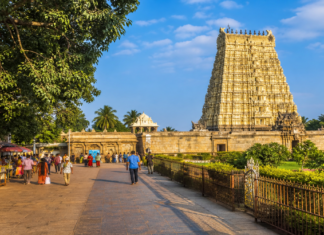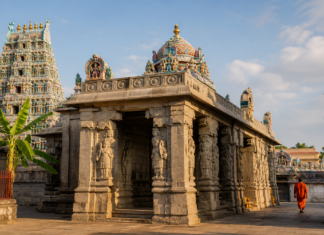


Stepping inside the Trimbakeshwar temple complex, you are hit by a blend of raw spiritual intensity and the sharp, damp scent of ancient stone and incense. I visited this hallowed site in Nashik just last month, and the visual of the Trimbakeshwar Mystery—the visibly receding Shiva Lingam—is something no photograph can fully capture.
For many, the sight of the three lingams representing the Tridev is a moment of deep peace, but the underlying anxiety about their physical state creates an unsettling atmosphere. If you are planning a visit, you likely want to understand if this is just natural erosion or something deeper that requires you to see it before it changes forever.
Here is the reality of the situation: thousands of devotees arrive daily, and the management of the crowd, the long queues, and the sensory overload of the sanctum can overwhelm the unprepared traveler. Let us break down everything you need to know about this Jyotirlinga to ensure your visit is smooth, meaningful, and fact-based.
| Detail | Info |
|---|---|
| Best Time to Visit | October to March |
| Distance from Nashik | 30 km |
| Budget Estimate | ₹1,500–₹3,000 per person |
| Ideal For | Devotees and history enthusiasts |
| Must-See Spots | Kushavarta Kund, Brahmagiri Mountain |
| Getting There | Private cabs or ST buses from Nashik |
“The earth beneath Trimbakeshwar holds secrets that have defied centuries of scientific explanation, leaving the divine stone a silent witness to time.”
Understanding the Trimbakeshwar Mystery
The primary concern among pilgrims is the continuous erosion of the three small Lingams located in the hollow of the main sanctum. Local legends and scriptures describe these as representing Lord Brahma, Lord Vishnu, and Lord Maheshwara, which makes the Trimbakeshwar Mystery particularly significant for millions of Hindus.
Geologically, the temple is built in a region prone to high water flow, as it is the source of the Godavari River. Over centuries, the constant bathing of the Lingams with water—a ritual known as Abhishekam—combined with the unique mineral composition of the stone, has led to a gradual wearing down of the surface. While some interpret this as a spiritual sign of the times, researchers often point to the relentless interaction between ritual water and the rock’s porous structure.
Why the Erosion Matters
Unlike other Jyotirlingas, the Lingam here is not a single large monolith but three distinct, small depressions. Because they are constantly subjected to water and the touch of priests, the erosion is visible to the naked eye when comparing old photographs to current ones. This natural degradation has prompted the temple trust to regulate the amount of water used during daily rituals, though the spiritual fervor remains completely unaffected by the physical changes.
Accessing the Temple and Darshan Tips
Reaching the temple from Nashik is straightforward, with local bus services and auto-rickshaws frequently making the 30-minute trip. If you are arriving from a distance, the nearest railway station is Nashik Road, about 40 km away, where you can easily find pre-paid taxis.
Navigating the Queues
Expect significant wait times, especially on Mondays and auspicious dates in the Hindu calendar. The temple offers a paid ‘Special Darshan’ queue that significantly reduces your time in the main hall, typically costing between ₹200 and ₹500, though prices are subject to change based on festival demand. Always check the official website of the Ministry of Tourism for any updated alerts regarding crowd management.
Hotel Prabhu Palace
Price: ₹1,800/night | Location: Near Main Temple | Best For: Families and elderly pilgrims.
This property is clean and offers essential amenities within walking distance of the sanctum. Check latest prices on Agoda
Exploring the Surroundings
Once you have witnessed the main temple, do not rush back to the city. The Kushavarta Kund is a massive stone-stepped tank that serves as the symbolic source of the Godavari River and is considered incredibly purifying.
The Brahmagiri Trek
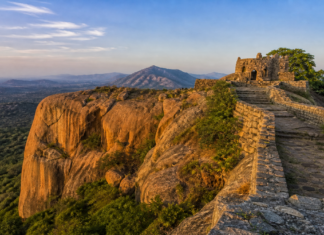
For those interested in light trekking, the path leading up the Brahmagiri Mountain offers a panoramic view of the entire valley. It is a steep climb, so ensure you wear appropriate footwear and carry water, especially during the summer months when the sun becomes quite harsh by midday.
Pro Tip: What to Pack
Carry a light bag for your temple offerings, but keep your valuables to a minimum. Get your travel gear here: Amazon India Travel Essentials
What to Expect During Your Visit
The atmosphere inside is thick with the scent of burning ghee, flowers, and thousands of people chanting. The priests move quickly, and you will be directed to keep the line moving, so take your moments of reflection during the wait in the queue.
At a Glance: Top 5 Things to Know
- Three Lingams
The temple is unique for having three small lingams representing Brahma, Vishnu, and Mahesh.
- River Godavari
It is the spiritual source of the sacred Godavari River.
- Erosion Reality
The lingams are shrinking due to water interaction and centuries of ritual use.
- Queue Management
Paid darshan is highly recommended for elderly visitors to save time.
- Local Food
Try the Misal Pav at local stalls nearby for an authentic Nashik experience.
Reality Check
Trimbakeshwar is a deeply spiritual place, but it is also a commercialized pilgrimage site. If you are looking for a quiet, meditative temple experience, you might find the intense crowds and the fast-paced nature of the darshan disappointing.
You should skip this if you are uncomfortable in high-density crowds or if you have severe mobility issues, as the temple structure has many steps and limited accessibility for wheelchairs. Those seeking a relaxed tourist destination might find the surrounding area more rewarding than the temple sanctum itself.
Budget Breakdown
| Expense | Budget (INR) | Mid-Range (INR) | Premium (INR) |
|---|---|---|---|
| Stay | 500 | 1500 | 4000 |
| Food | 300 | 800 | 1500 |
| Transport | 200 | 1000 | 3000 |
| Darshan/Puja | 100 | 500 | 2000 |
| Total | 1100 | 3800 | 10500 |
Get Free Travel Tips in Your Inbox
Join fellow Indian travelers who get our best destination guides, budget tips, and hidden spots delivered every week. No spam. Just good travel content.
[MAILERLITE_EMBED_CODE]
Best Time to Visit: Season by Season
| Season | Months | Temperature | What to Expect |
|---|---|---|---|
| Summer | March–May | 30–40°C | Expect intense heat, especially during the midday sun. |
| Monsoon | June–September | 22–30°C | The area turns green, but roads can be muddy and slippery. |
| Winter | October–February | 10–25°C | Pleasant weather, ideal for temple hopping and trekking. |
November is the best month to visit, as the weather is cool and the crowds are slightly more manageable than during major festival holidays.
What to Eat: Local Food Guide
Nashik is famous for its spicy and tangy vegetarian offerings. You should not leave without trying the local street food staples.
- Misal Pav — A spicy curry made with sprouted beans served with fluffy bread rolls.
- Sabudana Vada — Crispy sago fritters, a popular snack for those fasting.
- Puran Poli — A sweet flatbread stuffed with lentil and jaggery filling.
Head to the markets near the temple entrance for the freshest Misal Pav served by vendors who have been operating for generations.
Safety Tips for Travelers
- Keep your phone and wallet secured in front pockets to avoid pickpockets in crowded queues.
- Avoid local touts offering “shortcut” darshan promises; only use official temple counters.
- Stay hydrated during the climb to the hilltop temples.
- Keep an eye on weather forecasts if you are traveling during the peak monsoon, as flash rains can affect road access.
- Carry emergency numbers for local transport services.
Nearby Places to Explore
While you are here, these nearby spots are well worth the detour.
- Nashik City — 30 km, approx 45 min — Visit the Ramkund and beautiful vineyards in the area.
- Saptashrungi Temple — 80 km, approx 2 hr — A powerful hill temple dedicated to Goddess Durga.
- Pandavleni Caves — 35 km, approx 1 hr — Ancient rock-cut caves showcasing Buddhist architecture.
- Anjaneri Hill — 15 km, approx 30 min — Believed to be the birthplace of Lord Hanuman.
Travel Checklist: What to Carry
Trekking to the nearby hills requires more preparation than a typical temple visit.
- Valid photo ID proof (Aadhaar or Passport).
- Sturdy walking shoes or trekking sandals.
- Lightweight, breathable clothing suitable for temples.
- A good pair of sunglasses and a hat.
- Power bank for your phone, as temple queues are long.
- Offline Google Maps of the Nashik-Trimbak region.
- Cash in small denominations for local vendors.
Get all your travel essentials in one place: Amazon India Travel Gear
Frequently Asked Questions
Is Trimbakeshwar safe for solo travelers?
Yes, it is generally very safe, especially during the day. Just follow standard safety practices for busy tourist areas.
What is the best way to avoid crowds?
Try visiting on a weekday early in the morning, around 6 AM, to beat the afternoon rush.
Is photography allowed inside the temple?
Photography is strictly prohibited inside the main sanctum, but you can capture photos of the temple exterior.
Do I need to book darshan tickets in advance?
While you can buy tickets at the venue, checking the official portal for online availability is a smarter move for busy seasons.
Are there dress codes to follow?
Yes, modest traditional attire is recommended for both men and women to respect the temple environment.
This post contains affiliate links. If you book through our links, we may earn a small commission at no extra cost to you. This helps us keep travellerkaka.com free for everyone.
Plan Your Trip with Us
Have questions about this destination? We would love to help you plan the perfect trip.
Chat with us on WhatsApp or email us at info@travellerkaka.com
null