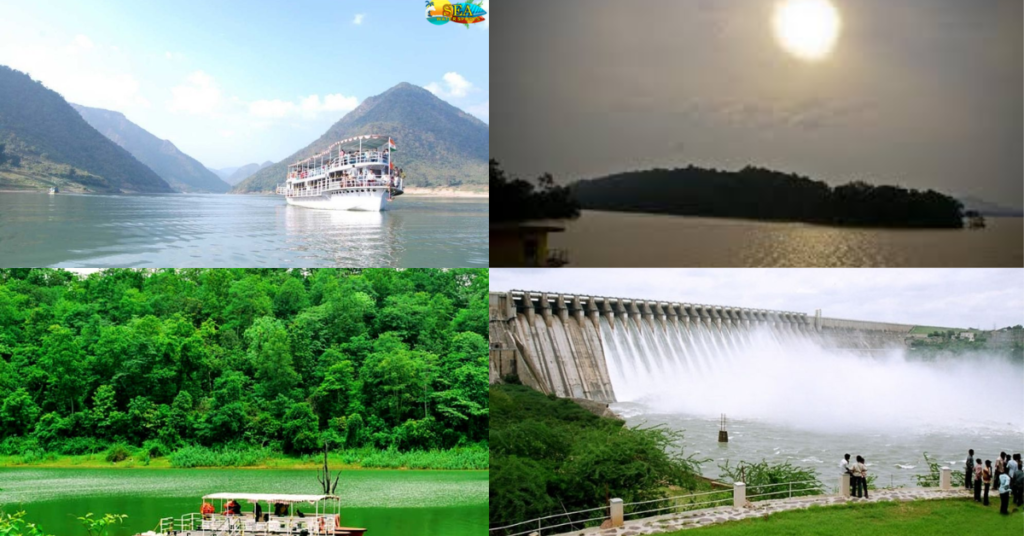

Tuesday, June 23, 2026
Home Blog Page 47

Nearby Airports to Khammam: An Ultimate Guide and Tips

0

Introduction:

Khammam, a vibrant city in Telangana, India, is renowned for its rich cultural heritage and historical significance. While Khammam itself does not have an airport, travelers can access the city through several nearby airports that offer both domestic and international connections. Here’s a detailed guide to the nearest airports to Khammam, along with travel options for reaching the city.

1. Hyderabad Rajiv Gandhi International Airport (HYD)

Hyderabad Rajiv Gandhi International Airport
  • Distance: Approximately 208 kilometers.
  • Details: Hyderabad Rajiv Gandhi International Airport is the most convenient choice for international and domestic travelers. As one of India’s major airports, it offers an extensive range of flight connections to cities across India and around the world. The airport is well-equipped with modern amenities, including dining options, lounges, and shopping areas, ensuring a comfortable experience for travelers.

2. Vijayawada Airport (VGA)
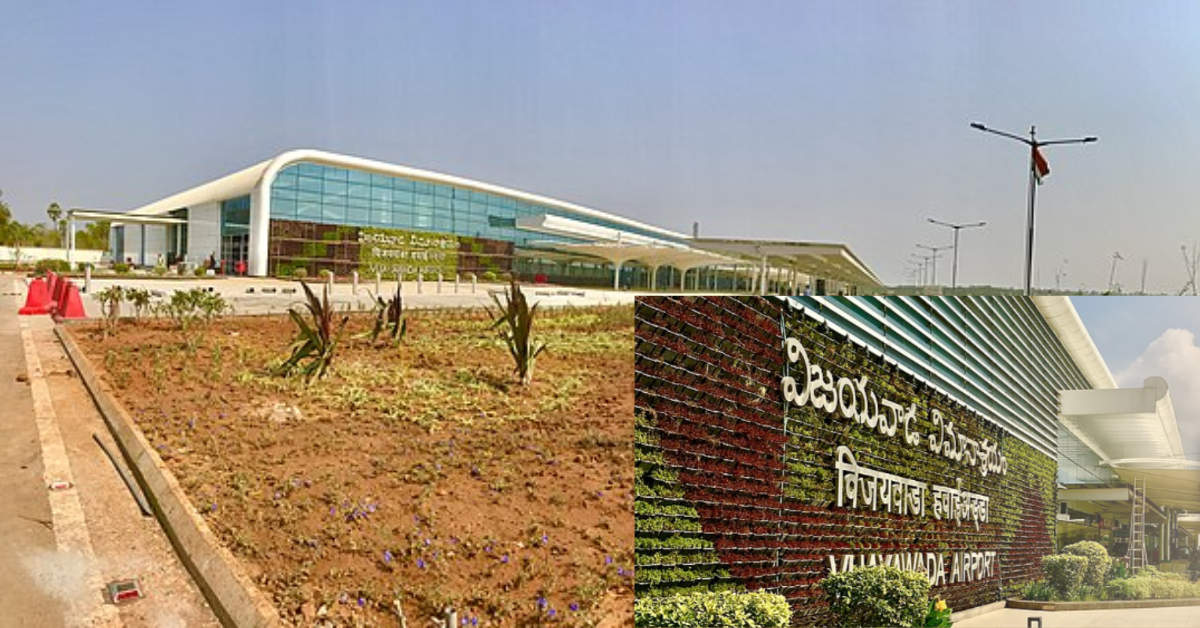
Vijayawada Airport (VGA)
  • Distance: Approximately 105 kilometers
  • Details: Vijayawada Airport, though smaller than Hyderabad, serves as a viable alternative, particularly for those traveling to or from Andhra Pradesh. It provides flights to key Indian cities, making it a convenient option for domestic travelers. The airport is known for its efficient service and quick turnaround times.

Also read: Wyra Reservoir: An Exclusive Exploration of Wyra Reservoir


3. Rajahmundry Airport (RJA)

Rajahmundry Airport (RJA)
  • Distance: Approximately 178 kilometers
  • Details: Located in the northern part of Andhra Pradesh, Rajahmundry Airport is a suitable choice for travelers heading to or from this region. It offers several flights to major Indian cities and is a popular option for those traveling within Andhra Pradesh.

4. Warangal Airport (Under Construction)

  • Distance: Approximately 113 kilometers
  • Details: Warangal Airport is currently under construction and is expected to enhance connectivity to Khammam once operational. This new airport will offer additional convenience for travelers and is anticipated to boost regional travel and economic growth.

Important Note:

Before planning your trip, it’s advisable to check the latest flight schedules and availability, as services can vary based on demand and operational considerations.

Reaching Khammam from the Airport

Once you arrive at your chosen airport, reaching Khammam is straightforward with several transportation options available:


Also read: Explore the amazing Kusumanchi: Telangana’s Ancient Temples


  • Train: Khammam has a well-connected railway station that provides regular train services to major cities. This is an economical and efficient option for travelers who enjoy scenic train journeys.
  • Bus: Numerous bus services operate between the airports. The Telangana State Road Transport Corporation (TSRTC) and private operators offer comfortable and affordable bus services with varying levels of comfort, including air-conditioned coaches.
  • Taxi or Car: For a more direct and comfortable journey, you can hire a taxi or rent a car. Several car rental agencies provide services at the airports, allowing you to travel at your convenience. This option is especially convenient for families or groups traveling together.

Nearby attractions of Khammam:

Travel Tips for a Smooth Journey

  • Plan Ahead: Book your transportation in advance, especially during peak travel seasons, to ensure availability and secure better rates.
  • Check Timings: Verify the schedules of trains and buses to align with your arrival time at the airport.
  • Pack Accordingly: Depending on the season, pack suitable clothing and essentials for your stay in Khammam.
  • Local Attractions: If time permits, explore nearby attractions in Hyderabad or Vijayawada before heading for a richer travel experience.

“We’d love to hear from you! Whether you have a question, feedback, or a travel story to share, feel free to get in touch with us. Here’s how you can contact us:”

Conclusion:

By carefully considering these options and travel tips, you can plan your journey to Khammam efficiently and enjoy a comfortable visit to this charming city. Whether you’re visiting for business or leisure, the well-connected transportation network ensures a hassle-free travel experience.

Frequently Asked Questions(FAQs)

Q1. What is the closest airport to Khammam?

Answer: Vijayawada Airport (VGA) is the closest airport to Khammam, located approximately 105 kilometers away.

Q2. How can I travel from Hyderabad Rajiv Gandhi International Airport to Khammam?

Answer: You can travel from Hyderabad to Khammam by train, bus, or taxi, with trains offering an economical and scenic option.

Q3. Are there any airports under construction near Khammam?

Answer: Yes, Warangal Airport is currently under construction and will improve connectivity to Khammam upon completion.

Q4. What transportation options are available from airports to Khammam?

Answer: Options include trains, buses, and taxis or rental cars for direct and convenient travel.

Q5. What are some must-visit attractions in Khammam?

Answer: Popular attractions include Khammam Fort, Sri Lakshmi Narasimha Swamy Temple, Lakaram Lake, and Nelakondapally.

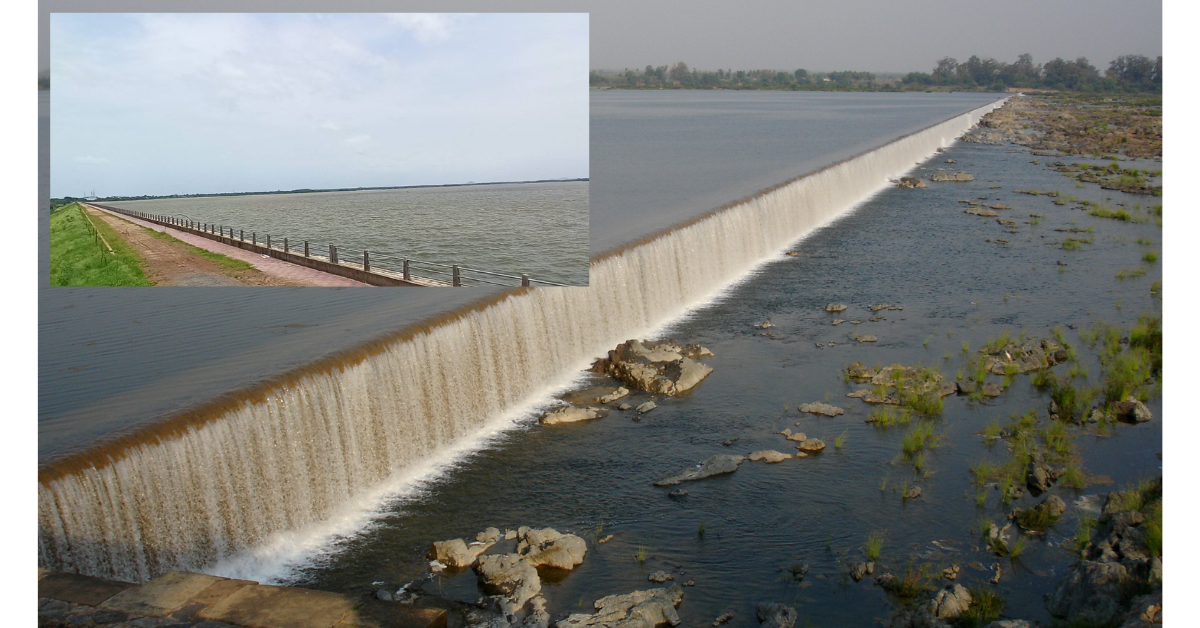
Wyra Reservoir: An Exclusive Exploration of Wyra Reservoir

0

Introduction:

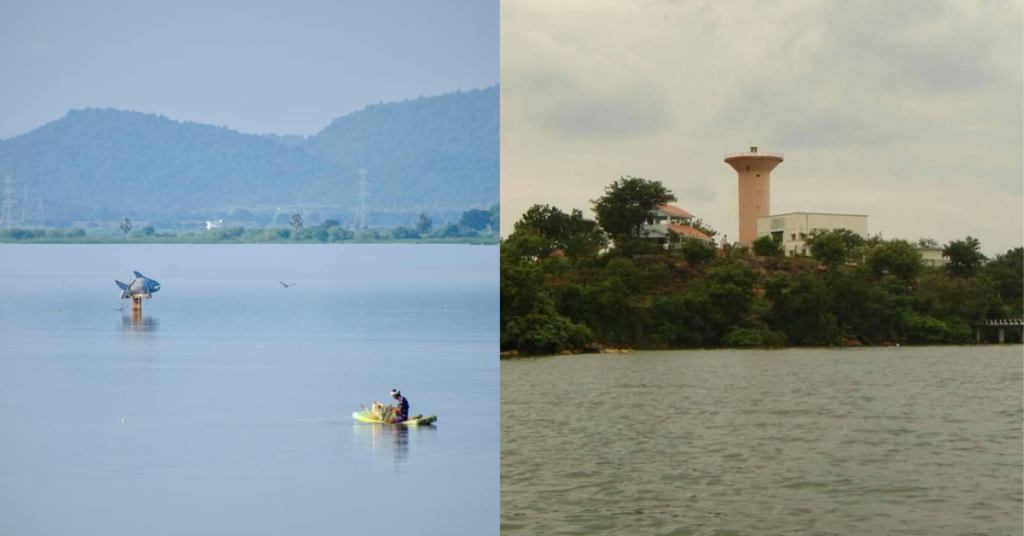
The Wyra Reservoir, a critical water body nestled near Wyra village in Andhra Pradesh, stands as a testament to both historical engineering and modern significance. Established in 1930 and inaugurated by Dr. Sarvepalli Radhakrishnan, this reservoir is integral to the region’s water management, serving as a crucial source for irrigation and supporting local industries. With its expansive capacity of 3 TMCs, it not only sustains approximately 17,391 acres of agricultural land but also enriches the local ecosystem, offering habitat for diverse wildlife. As a hub of economic and ecological importance, the Wyra Reservoir exemplifies the harmony between human ingenuity and natural preservation.

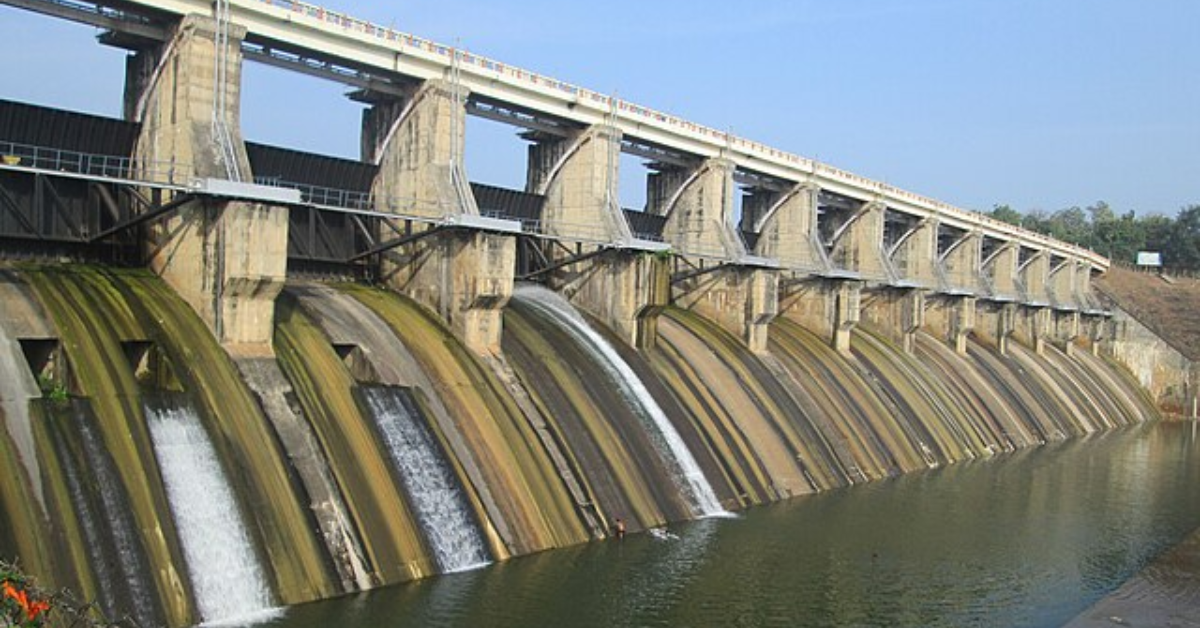
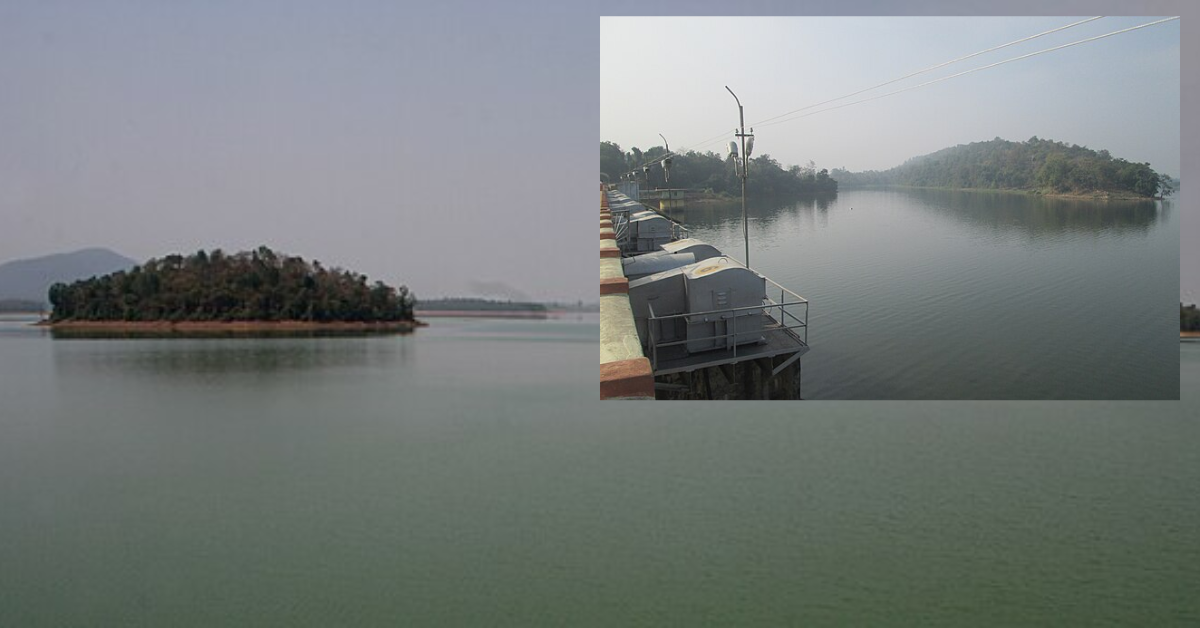
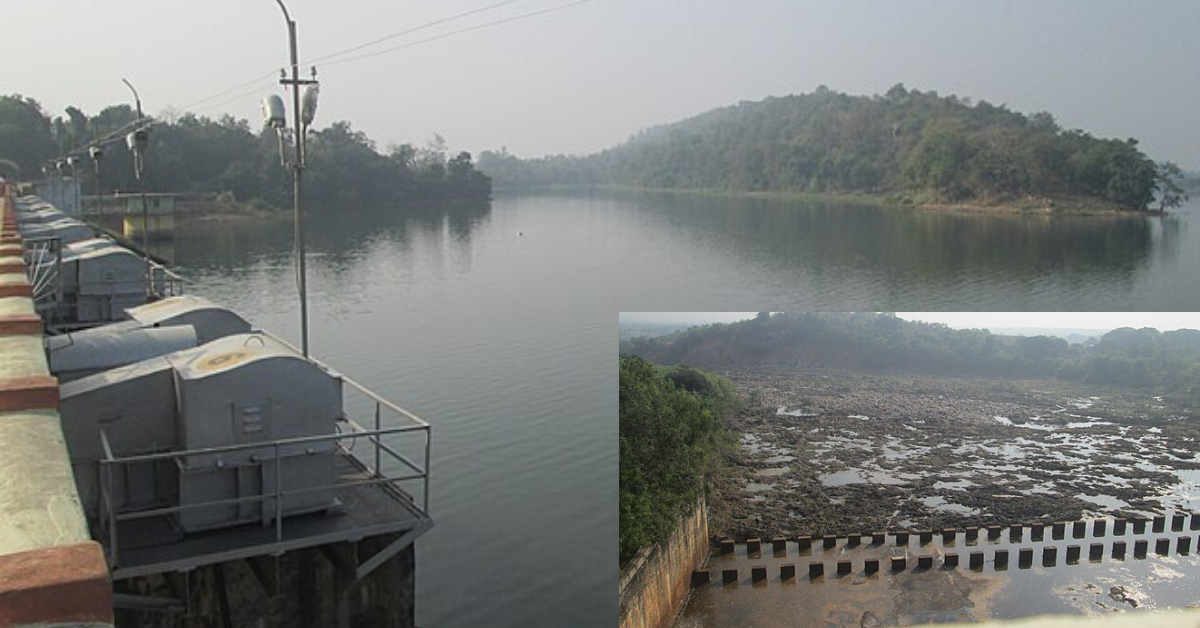
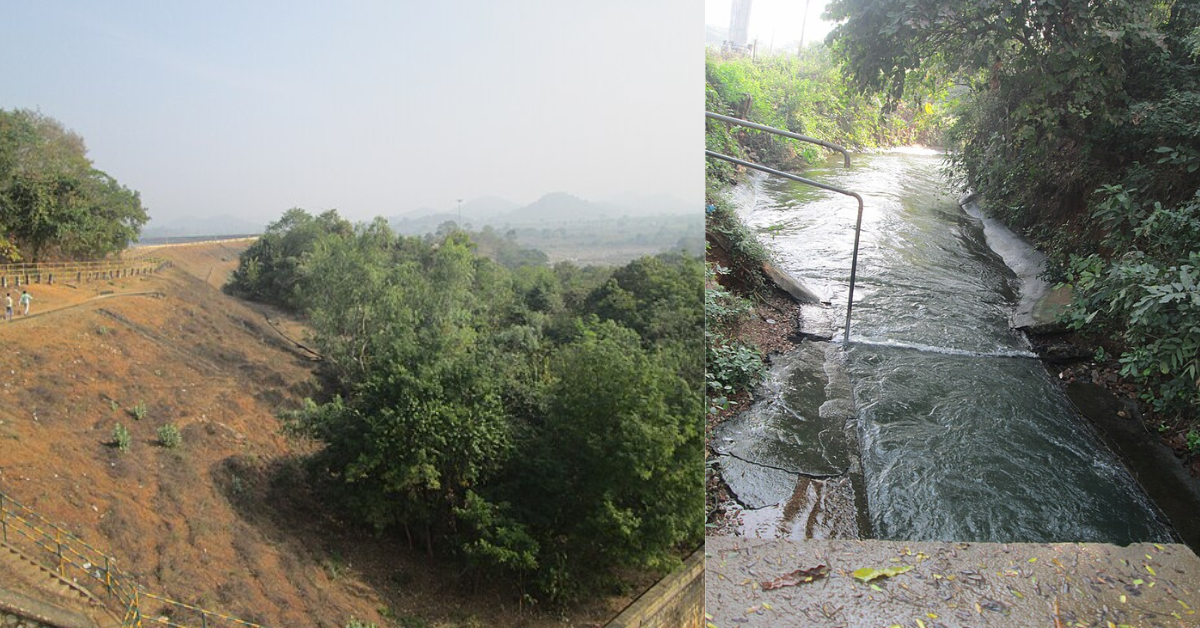
Wyra Reservoir

Origins and Formation of Wyra River

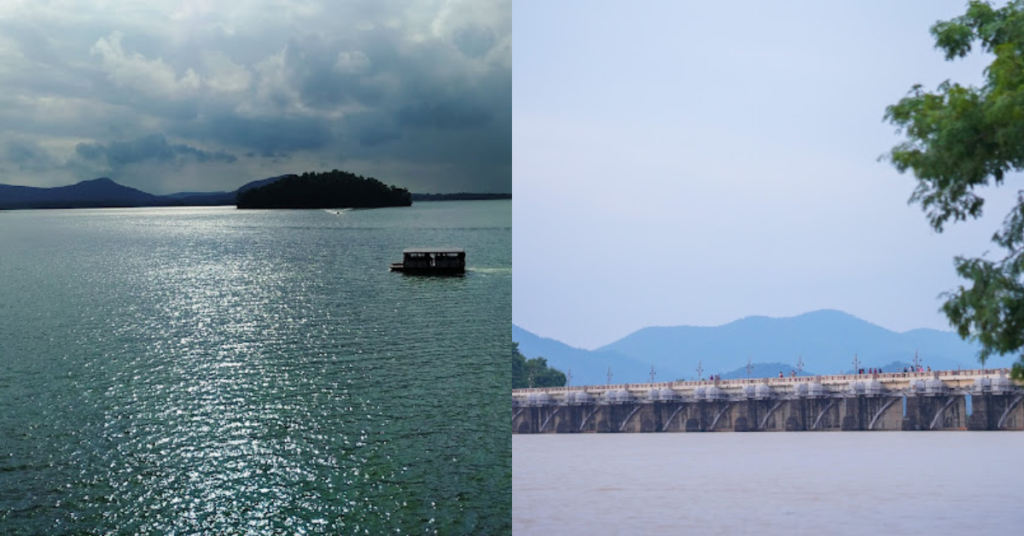
The Wyra River, a vital tributary of the Munneru River and, in turn, a significant contributor to the Krishna River, begins its journey at the Wyra Reservoir. Located near Wyra village, the river’s origins are directly tied to this reservoir, which was established in 1930 by the Irrigation Department of Andhra Pradesh. The reservoir was inaugurated by Dr. Sarvepalli Radhakrishnan, the former President of India. Positioned at an elevation of 27 meters, the reservoir has a length of 1,768.3 meters and a height of 26 meters at its foundation. It features five spillway gates designed to manage water flow and maintain its structural integrity.

Hydrological Details

Wyra Reservoir’s primary function is to serve as a reliable source of water for irrigation and other needs. The reservoir has a capacity of 3 TMCs (Thousand Million Cubic Feet), which facilitates the irrigation of approximately 17,391 acres of agricultural land. The river originating from this reservoir flows through Madhira and eventually merges with the Munneru River after traveling 65 kilometers. This journey highlights the reservoir’s role in supporting the regional water cycle and agricultural activities.


Also read: Kinnerasani Dam: An Exclusive Information of Ecological Treasure


Economic and Ecological Significance

Beyond its role in agriculture, Wyra Reservoir plays a crucial role in the local economy. It provides water for various industrial activities and supports local fishing enterprises, which are integral to the livelihoods of many in the region. The reservoir also serves as a popular site for sightseeing, attracting visitors who enjoy its scenic beauty and recreational opportunities.

Ecologically, Wyra Reservoir is a vital habitat for a diverse range of aquatic and terrestrial species. The surrounding areas support various forms of wildlife, contributing to the region’s biodiversity. The reservoir’s consistent water supply fosters a stable environment for these species, making it a critical component of the local ecosystem.

Challenges and Conservation Efforts

Despite its importance, Wyra Reservoir faces several challenges threatening its long-term sustainability. Siltation is a significant issue, as sediment accumulation can reduce the reservoir’s storage capacity and impact water quality. Pollution from agricultural runoff and industrial activities further exacerbates these problems; moreover, it affects the reservoir’s ecosystem and utility for irrigation and other purposes. Equally important, in addition to these impacts, are the challenges posed to water quality.

Overexploitation of water resources also poses a threat, as increased demand can strain the reservoir’s capacity and disrupt its natural balance. To address these challenges, sustainable management practices are essential. Implementing measures to control pollution, manage siltation, and regulate water usage can help preserve the reservoir’s ecological health and ensure its continued benefits to the community.

Efforts to protect and restore the Wyra Reservoir are vital for maintaining its role as a lifeline for the region. By addressing these challenges through comprehensive conservation strategies, stakeholders can safeguard this valuable water resource for future generations.

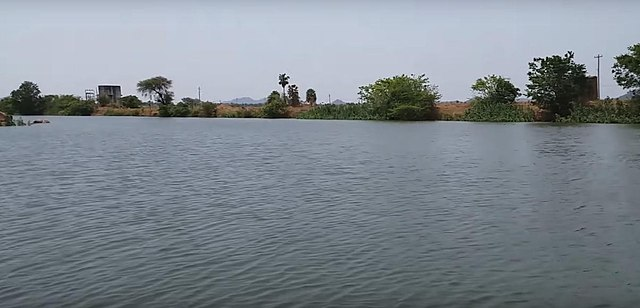
Wyra Reservoir
and city

Future Prospects of Wyra Reservoir

The Wyra Reservoir holds potential for further development and enhancement of its functions. Investments in modern technology and infrastructure improvements can enhance its efficiency and sustainability. Additionally, community involvement and awareness programs can play a crucial role in fostering a sense of stewardship and encouraging responsible use of the reservoir’s resources.

In conclusion, Wyra Reservoir is much more than a water body; it is a cornerstone of the local economy, ecology, and cultural landscape. Furthermore, it plays a crucial role in sustaining agriculture and industry. What’s more, it supports biodiversity and community life. In addition, its historical significance enriches the region’s heritage. By understanding its significance and addressing the challenges it faces, we can ensure that this vital resource continues to thrive and support the region for years to come.

conclusion:

Wyra Reservoir stands as a pivotal asset for the region, intertwining ecological, economic, and cultural significance. Its role as a primary water source for agriculture, industry, and recreation underscores its importance in sustaining local livelihoods and biodiversity. Despite facing challenges such as siltation, pollution, and overexploitation, the reservoir’s continued vitality depends on proactive conservation and sustainable management. Furthermore, it is equally important to address these issues through effective strategies. In addition, proactive measures and community involvement can further ensure its sustainability. Lastly, what’s more, consistent efforts will safeguard this vital resource for future generations. By embracing innovative solutions and fostering community stewardship, we can safeguard the reservoir’s future, ensuring that it remains a cherished and indispensable resource for generations to come.

“We’d love to hear from you! Whether you have a question, feedback, or a travel story to share, feel free to get in touch with us. Here’s how you can contact us:”

Frequently Asked Questions(FAQs)

Q1. What is the primary purpose of the Wyra Reservoir?

Answer: The primary purpose of the Wyra Reservoir is to provide a reliable water source for irrigation, supporting approximately 17,391 acres of agricultural land.

Q2. When was the Wyra Reservoir established, and by whom?

Answer: The Wyra Reservoir was established in 1930 by the Irrigation Department of Andhra Pradesh and inaugurated by Dr. Sarvepalli Radhakrishnan.

Q3. What challenges does the Wyra Reservoir face?

Answer: The Wyra Reservoir faces challenges such as siltation, pollution from agricultural runoff and industrial activities, and overexploitation of water resources.

Q4. How does the Wyra Reservoir contribute to local biodiversity?

Answer: The reservoir provides a stable environment for a diverse range of aquatic and terrestrial species, contributing significantly to the region’s biodiversity.

Q5. What conservation efforts are being implemented for Wyra Reservoir?

Answer: Conservation efforts include managing pollution, controlling siltation, regulating water usage, and promoting community involvement to ensure the reservoir’s long-term sustainability.

Exploring Lakaram Lake Khammam’s Mini Tank Bund and Its Timings

0
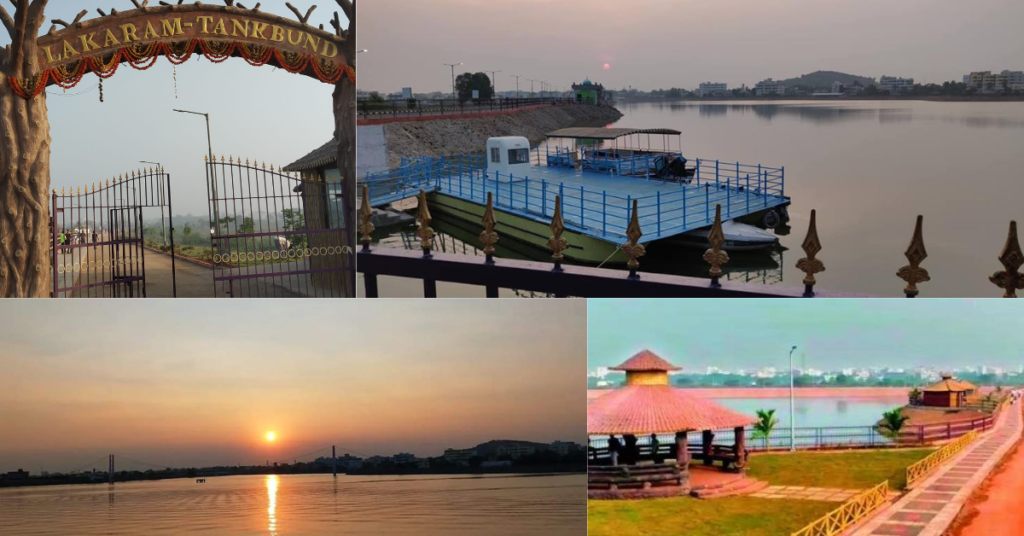
Lakaram Lake Views

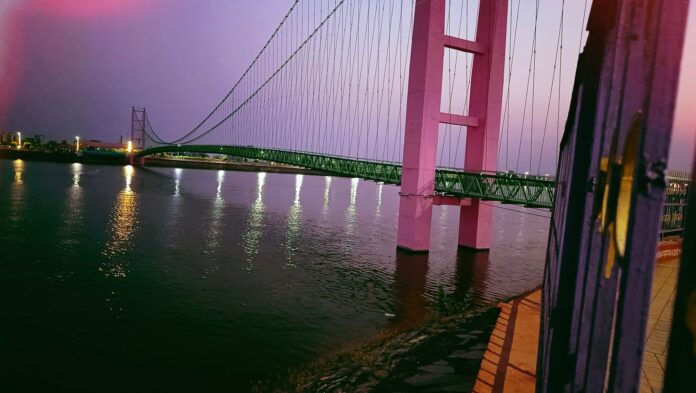
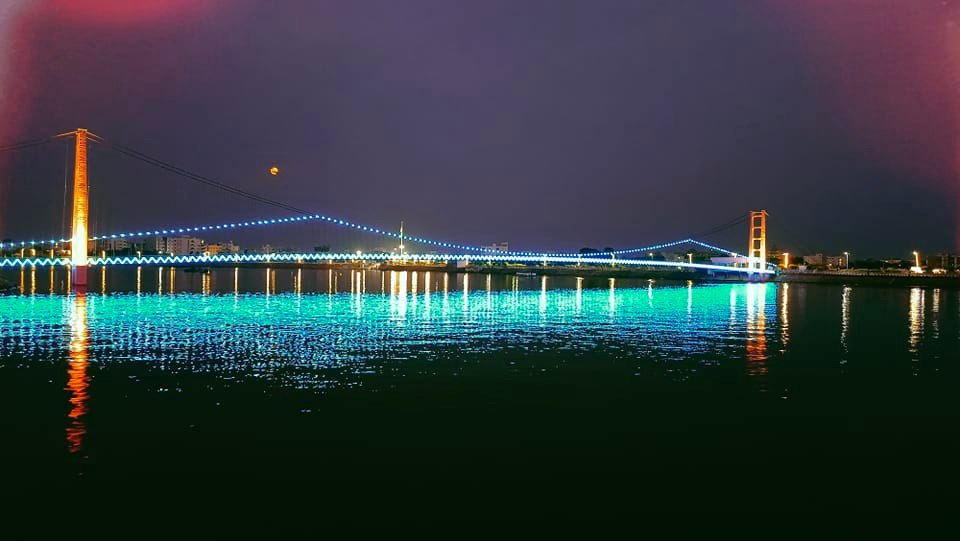
Lakaram Lake, located in Khammam, Telangana, is a picturesque freshwater lake that has become one of the city’s main tourist attractions. It is known for its serene environment and recreational offerings, especially with the newly added suspension bridge. which enhances the lake’s charm, especially in the evenings. the lake has seen significant development in recent years.

Lakaram Lake over view

Development and Infrastructure of Lakaram Lake

Development  of Lakaram Lake

Lakaram Lake in Khammam has undergone significant development, transforming from a natural water body into a major recreational and tourist hub. The following are key aspects of its development and infrastructure


Also Read: Exploring the Munneru River Key Bridges and Its Importance


Mission Kakatiya Initiative

  • Background: Lakaram Lake’s development is a part of the Telangana State government’s ambitious Mission Kakatiya initiative. This program focuses on the restoration and revitalization of lakes and tanks across the state to improve water resources, ecological balance, and community welfare.
  • Implementation: Under the guidance of Khammam MLA Sri Puvvada Ajay Kumar, Lakaram Lake was rejuvenated with modern infrastructure and amenities, turning it into a vibrant public space.

Suspension Bridge

Lakaram Lake suspension bridge
  • Design and Structure: One of the most notable additions to Lake is the suspension bridge. The bridge spans 120 meters in length and 1.5 meters in width, with two 80-foot tall towers anchoring the structure. The main cables, used for both anchorage and hanging the deck, were sourced from a reputable
  • Aesthetic Appeal: The suspension bridge has become a major attraction, especially during the evenings when it is illuminated with colorful lights. This feature not only adds to the lake’s beauty but also provides a unique experience for visitors.

Environmental Considerations of Lakaram Lake

  • Water Management: As part of the development, the lake has been structured to serve multiple purposes, including providing drinking water to the Khanapuram Haveli suburb and supporting irrigation in the surrounding areas around the Khammam district
  • Ecological Impact: The infrastructure development has been designed to maintain the ecological balance, preserving the habitat for local wildlife and ensuring the lake remains a sustainable resource for the community.

Also Read: Everything You Need to Know About Sri Sita Ramachandra Swamy Temple Bhadrachalam


Lakaram Lake Park Overview

Lakaram lake park Over view

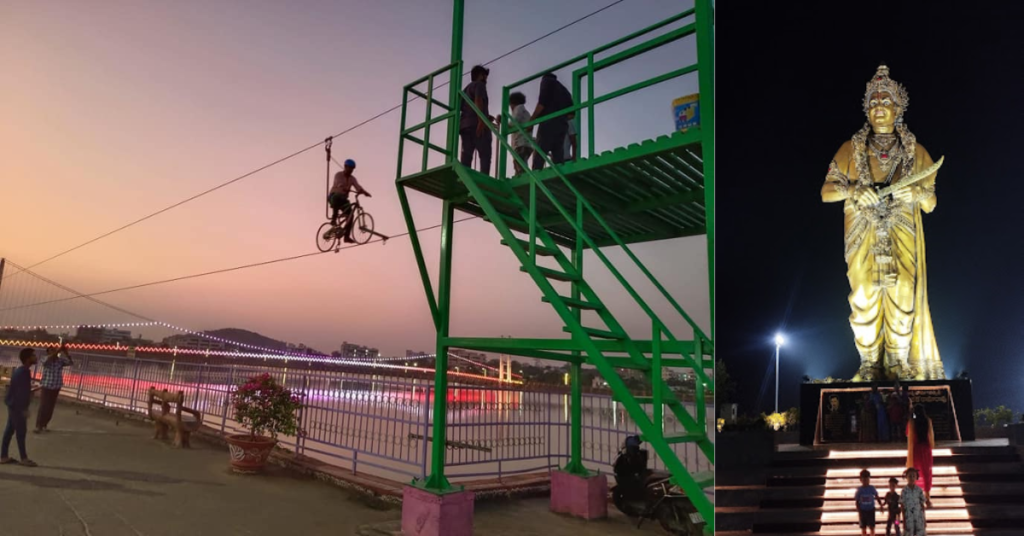
Adjacent to the lake is Lakaram Lake View Park, which was developed to enhance the area’s natural beauty. The park features walking tracks, an open gym, musical fountains, food courts, and rope cycling. The park is maintained with extensive greenery, offering a tranquil environment for relaxation. The cleanliness and well-manicured landscapes add to the overall appeal, making it a popular spot for families and fitness enthusiasts and providing a peaceful space for visitors

  • Boating: Boating is a popular activity at Lakaram Lake. The boating services operate from 5 PM to 8 PM, offering two types of boats:
    • Motor Boat: Rs 40 per person
    • Steam Boat: Rs 300 for four persons
  • Other Facilities:
    • Open gym, musical fountains, food courts, walking tracks, rope cycling, and projectors.
    • The park is well-maintained with greenery and cleanliness, making it a peaceful place for families and friends.
  • Shopping and Entertainment: The park also has small shopping outlets where visitors can buy snacks, toys, and other items, making it a family-friendly destination.
rope cycling in Lakaram Lake

Timings of Lakaram Lake

  • Morning: 5 AM to 8 AM
  • Evening: 5 PM to 8 PM

Best Time to Visit

The park is lovely during the evenings when the suspension bridge is illuminated with colorful lights. The best seasons to visit are between March and July and during the winter months from October to February.

Nearby Attractions

How to Reach

  • By Air: The nearest airport to Khammam is Hyderabad, which is 220 kilometers
  • By Train: Khammam Railway Station is just 3 km from Lakaram Park.
  • By Road: The park is easily accessible by bus, car, or auto.

Conclusion

Lakaram Lake has become a central hub for relaxation and recreation in Khammam, offering a blend of natural beauty and modern amenities. Whether for its tranquil waters, scenic views, or diverse recreational activities, it’s a destination that caters to all.

Frequently Asked Questions(FAQs)

1Q: What is Lakaram Lake?

A: Lakaram Lake is a picturesque freshwater lake located in Khammam, Telangana, and is a major tourist attraction.

2Q: What is the significance of the Lakaram Lake suspension bridge?

A: The suspension bridge enhances the lake’s charm, especially in the evenings, with its colorful lights and unique design.

3Q: What development initiatives have been taken at Lakaram Lake?

A: Lakaram Lake was rejuvenated under the Telangana State government’s Mission Kakatiya, with modern infrastructure and amenities added.

4Q: What facilities are available at Lakaram Lake View Park?

A: The park features an open gym, musical fountains, food courts, walking tracks, rope cycling, and projectors.

5Q: How can I reach Lakaram Lake?

A: The nearest airport is in Hyderabad (220 km), and Khammam Railway Station is just 3 km away. The lake is also accessible by bus, car, or auto.

Most powerful Sri Lakshmi Narasimha Swamy Temple in Khammam

0

Introduction

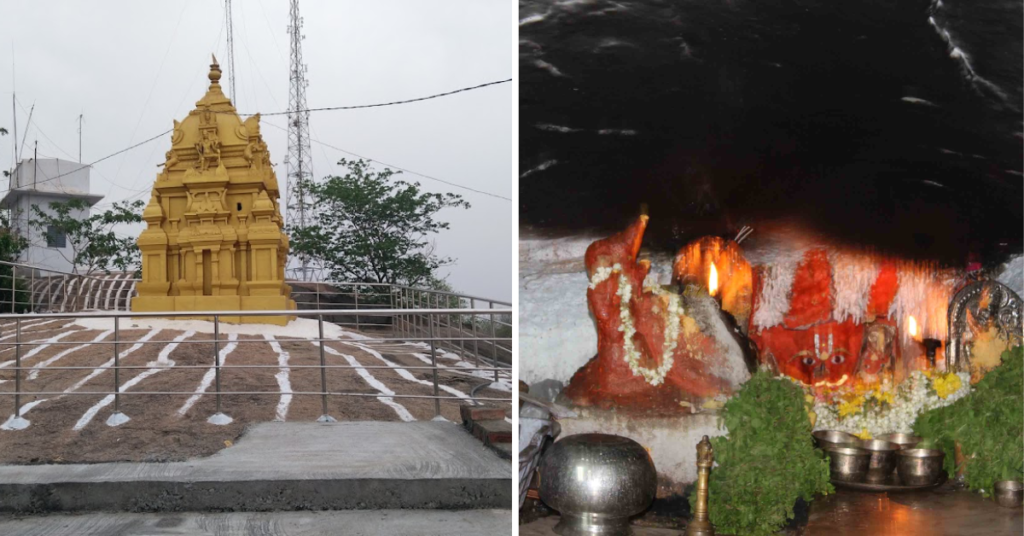
Located in Khammam, the Sri Lakshmi Narasimha Swamy Temple is a revered spiritual site with rich historical roots. Built in the 16th century by the Kakatiya rulers, this sacred temple is dedicated to Lord Lakshmi Narasimha Swamy, a powerful form of Lord Vishnu. Known for its serene atmosphere and vibrant festivals, including Rathotsava and Brahmotsavas, it attracts devotees and visitors seeking both spiritual solace and a connection to the region’s heritage. The temple is also home to sacred Badam and Gare trees, enhancing its spiritual ambiance.

Sri Lakshmi Narasimha Swamy Temple

Also visit: An Ultimate Guide to the Kakatiya Architecture Thousand Pillar Temple


the Temple’s History

The Sri Lakshmi Narasimha Swamy Temple stands on the sacred land where the great sage Moudgalya performed intense penance, seeking the blessings of Lord Lakshmi Narasimha Swamy. Legend has it that the Lord appeared before the sage, blessing him and making this land holy. The Kakatiya rulers, known for their devotion and architectural genius, constructed this temple in the 16th century, adding historical significance to its spiritual importance.
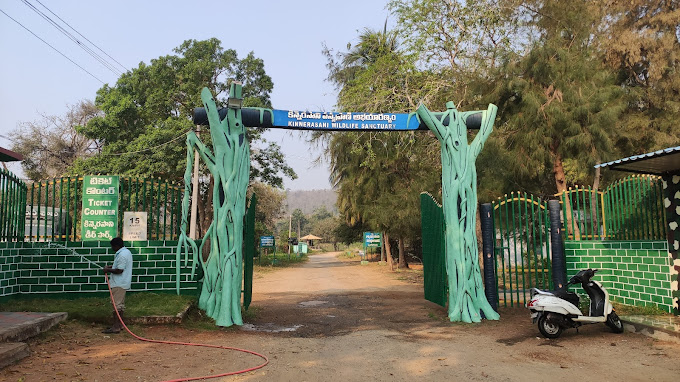
The Deity and Sacred Symbols

The temple is dedicated to Sri Lakshmi Narasimha Swamy, a powerful and compassionate form of Lord Vishnu. The sacred Badam and Gare trees are also revered as symbols of divine presence, enhancing the spiritual aura of the temple.

Festivals and Rituals

The temple is alive with vibrant festivals and rituals. Monthly Rathotsava celebrations on Swathi Nakshatra and the grand Brahmotsavas during Vaisakha Poornima are key events that attract devotees from all over. These celebrations are perfect for experiencing the spiritual energy of the temple.

Sri Lakshmi Narasimha Swamy Temple in Khammam

Also visit: The Beauty of Kinnerasani Wildlife Sanctuary A Complete Guide


Exploring Nearby Attractions

While in Khammam, don’t miss the opportunity to visit Bhadrachalam, a nearby town famous for its Sri Rama Chandra Swamy Temple. Exploring these sites together offers a spiritually enriching experience, allowing visitors to immerse themselves in the region’s sacred history.
Visitor Information

  • Location: The temple is located in Khammam town, about 120 km from Vijayawada.
  • Nearest Airport: Vijayawada Airport.
  • Nearest Railway Station: Khammam Railway Station.
  • Temple Address: Sthambadri Narasimha Swamy Gutta, N.S.T Road, Khammam – 507002.
  • Contact: For more information, you can reach the temple authorities at 9010782283 or 9848156001.

Why Visit?

A visit to the Sri Lakshmi Narasimha Swamy Temple in Khammam is not just about seeking blessings; it’s about connecting with the deep history and rich traditions of the region. Whether you’re a devotee or simply curious, this temple offers a peaceful and meaningful experience.

Must visit Place nearby Khammam

FAQS

Q1) What is the historical significance of Sri Lakshmi Narasimha Swamy in Khammam?

ANS) The Sri Lakshmi Narasimha Swamy Temple in Khammam is built on sacred land where the sage Moudgalya performed penance to seek blessings from Lord Lakshmi Narasimha Swamy.

Q2) How can I reach Sri Lakshmi Narasimha Swamy Temple in Khammam?

ANS) The temple is located in Khammam town, approximately 120 km from Vijayawada. The nearest airport is Vijayawada Airport, and the closest railway station is Khammam Railway Station

Q3 What is the best time to visit Sri Lakshmi Narasimha Swamy Temple?

ANS) The best time to visit is during the major festivals like Brahmotsavas or Rathotsava, when the temple is most vibrant and lively.

Q4) What makes Sri Lakshmi Narasimha Swamy Temple a must-visit destination?

ANS) The temple offers a unique blend of historical significance, spiritual ambiance, and architectural beauty, making it a meaningful destination for both devotees and history enthusiasts.

Q5) Are there any nearby attractions to visit while in Khammam?

ANS) Yes, nearby attractions include Bhadrachalam, known for the Sri Rama Chandra Swamy Temple. Visiting these sacred sites provides a deeper understanding of the region’s spiritual heritage.

Kinnerasani Dam: An Exclusive Information of Ecological Treasure

0

Introduction:

Nestled in the picturesque landscapes of Khammam District in Telangana, the Kinnerasani Dam is a captivating blend of engineering marvel and natural beauty. Built across the serene Kinnerasani River, this dam stands as a vital lifeline for the region, playing a crucial role in irrigation and power generation. Inaugurated in 1966 by then Prime Minister Indira Gandhi, the Kinnerasani Dam has been an enduring symbol of progress and prosperity.

Kinnerasani Dam and gats

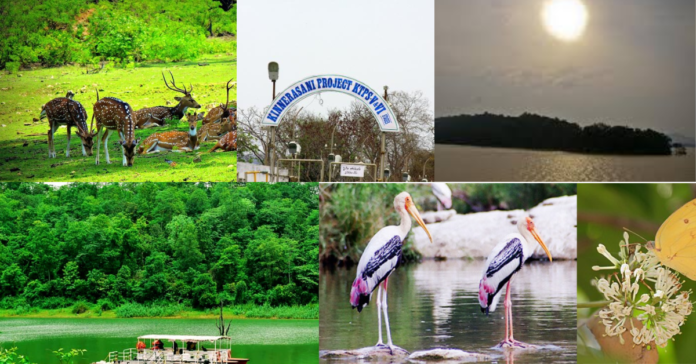
Surrounded by lush forests and majestic hills, the dam forms the heart of the Kinnerasani Wildlife Sanctuary, a haven for diverse wildlife and a paradise for nature lovers. With its expansive reservoir and rich biodiversity, the Kinnerasani Dam offers visitors a chance to explore its scenic splendor and experience its ecological significance firsthand. Whether you’re drawn by its historical significance, the beauty of its surroundings, or the opportunity to witness a variety of wildlife, the Kinnerasani Dam promises a memorable adventure in the heart of Telangana.

Historical and Engineering Significance:

Constructed in 1966 for Rs. 558 lakhs, the Kinnerasani Dam was inaugurated by then Prime Minister Indira Gandhi. This infrastructure marvel was built to cater to agricultural irrigation needs and to provide a steady water supply for the Kothagudem Thermal Power Station (KTPS) in Palvoncha. With a full reservoir capacity of 233 million cubic meters and a full reservoir level reaching up to 407 feet, the dam plays a pivotal role in regional water management.

Kinnerasani Dam
and filled with water

Also read: Ultimate Guide of Nagarjuna Sagar Dam and Boating Adventures:


Geographic and Ecological Highlights:

The Kinnerasani Dam is strategically located in the Yanamboil village of Palvoncha Mandal, within the Khammam District. The surrounding area is characterized by dense forests and majestic hills, which form part of the larger Dandakaranya forest region. The reservoir itself spans an impressive 635 square kilometers, which has been designated as the Kinnerasani Wildlife Sanctuary.

The sanctuary is a thriving ecosystem, home to a diverse array of wildlife. Visitors to the area see various species such as Cheetal (spotted deer), Chinkara (Indian gazelle), Wild Boars, Chousinghas (four-horned antelopes), Sambar, Gaurs (Indian bison), Hyenas, Jackals, Sloth Bears, Tigers, Panthers, and Black Bucks. Birdwatchers will find delight in the sanctuary’s avian inhabitants; first, there are Peafowl, and then Quails, Partridges, and Teals. Moreover, Nuktas and Spoonbills add to the diversity, and, what’s more, Jungle Fowl and Doves equally important, create a rich experience.

Finally, the diverse array of bird species in the sanctuary collectively creates a haven for bird enthusiasts. Besides these species, which include Peafowl, Quails, and Partridges, the sanctuary also hosts a variety of other avian inhabitants such as Teals and Spoonbills.

Moreover, the presence of these birds enhances the sanctuary’s appeal, making it an exceptional destination for birdwatchers.

Fauna and Flora:

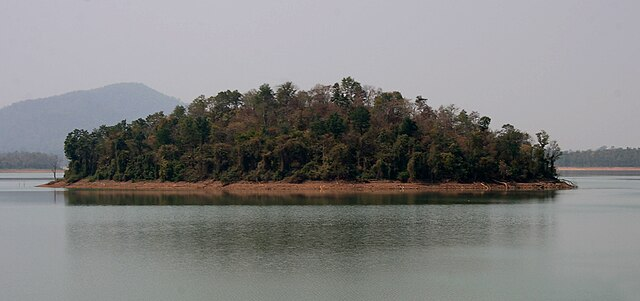
The sanctuary’s diverse flora and fauna contribute to its reputation as a haven for wildlife enthusiasts and nature lovers. The Kinnerasani River, which dissects the sanctuary, adds to its charm and ecological importance, eventually joining the mighty Godavari River. The reservoir is, first and foremost, home to breeding populations of crocodiles. Furthermore, Kinnerasani Island within the reservoir provides a unique environment for these reptiles. In addition, this island is an essential habitat, offering not only a sanctuary but also a thriving ecosystem where these creatures can flourish.

Moreover, the presence of this island adds to the ecological diversity of the region, making it equally important to the overall health of the reservoir. Lastly, this habitat ensures the sustainability of crocodile populations in the area, highlighting the reservoir’s critical role in wildlife conservation.

Kinnerasani Dam
Dandakaranya forest
wildlife enthusiasts

Tourism and Accessibility:

The Kinnerasani Wildlife Sanctuary offers an immersive experience for tourists, with a dedicated deer park developed by the forest department en route to the dam. For accommodation, the Singareni Collieries management has constructed a Glass Rest House, which offers panoramic views and a unique stay experience. Visitors seeking a tranquil retreat amidst nature can book this rest house.

Reaching the Kinnerasani Dam is convenient by road. It is situated 288 kilometers from Hyderabad, 95 kilometers from Khammam, and 165 kilometers from Vijayawada. The nearest railway station is in Kothagudem, which provides a key access point for travelers.

“For more information about accommodation, updated timings, or any other local assistance, click here.


Also read: Singur Dam: One of the best Jewel of Telangana:


Conservation Efforts:

Efforts to conserve the sanctuary’s rich biodiversity are ongoing, with the forest department actively working to preserve the habitat and ensure the protection of wildlife. The dam and sanctuary together represent a crucial ecological zone, balancing the needs of human development with the preservation of natural heritage.

In summary, the Kinnerasani Dam is not just a critical infrastructure project; moreover, it is a sanctuary of natural splendor and ecological significance. Its combination of historical importance, scenic beauty, and wildlife diversity makes it a noteworthy destination for both tourists and nature enthusiasts. Furthermore, what’s more, its rich cultural heritage adds another layer of appeal, making it an equally important site for exploration and appreciation.

Kinnerasani Dam
Kinnerasani Island

conclusion:

The Kinnerasani Dam stands as a remarkable fusion of engineering and nature. With its significant role in irrigation and power generation, combined with the scenic beauty and rich wildlife of the surrounding sanctuary, it offers a unique blend of utility and natural splendor. Whether you’re a nature lover, wildlife enthusiast, or simply seeking a picturesque getaway, the Kinnerasani Dam offers an enriching experience for all visitors. Furthermore, its scenic beauty and diverse wildlife make it a captivating destination.

Equally important, the dam’s role in regional irrigation and power generation underscores its significance. Moreover, the surrounding Kinnerasani Wildlife Sanctuary adds an extra layer of allure, providing opportunities for wildlife spotting and relaxation. Finally, the combination of these elements ensures that the Kinnerasani Dam is a must-visit location for anyone exploring the region. Moreover, it offers stunning landscapes, and what’s more, it serves as a sanctuary for diverse wildlife, making it an ideal destination for everyone.

Frequently Asked Questions(FAQs)

Q1. What is the primary purpose of the Kinnerasani Dam?

Answer: The Kinnerasani Dam provides irrigation facilities and supplies water to the Kothagudem Thermal Power Station (KTPS).

Q2. Where is the Kinnerasani Dam located?

Answer: The Kinnerasani Dam sits in Yanamboil village, Palvoncha Mandal, Khammam District, Telangana.

Q3. What wildlife can be found in the Kinnerasani Wildlife Sanctuary?

Answer: The sanctuary is home to species like Cheetal, Chinkara, Tigers, Panthers, and a variety of birds and crocodiles.

Q4. How can I reach the Kinnerasani Dam?

Answer: The dam is accessible by road from Hyderabad (288 km), Khammam (95 km), and Vijayawada (165 km), with the nearest railway station at Kothagudem.

Q5. What accommodation is available for tourists near the Kinnerasani Dam?

Answer: Tourists can stay at the Glass Rest House, constructed by the Singareni Collieries management, offering panoramic views of the area.

Exploring the Munneru River Key Bridges and Its Importance

0

The Munneru River is an important waterway in southern India, flowing through the states of Telangana and Andhra Pradesh. It is a tributary of the larger Krishna River and plays a crucial role in supporting agriculture, providing drinking water, and maintaining the ecological balance in the regions it flows through.

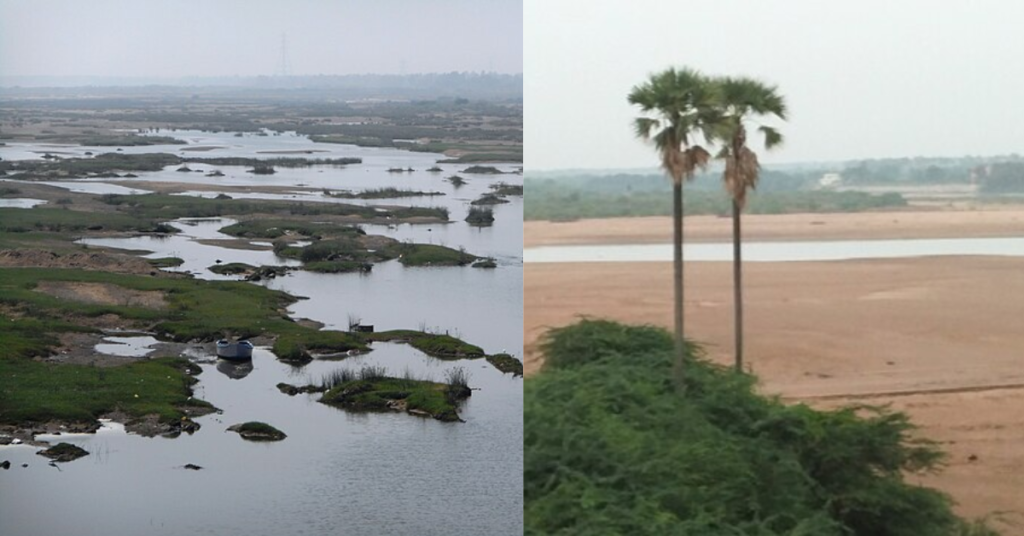
Munneru River

Origin and Path of Munneru River

The Munneru River originates in the Warangal district of Telangana. The region is known for its natural beauty and historical significance. It adds to its geographical importance. The river begins its journey in the Warangal district’s hilly terrains and makes its way through various landscapes. Providing water and life to the regions it passes through.

After originating in Warangal, the River flows southwest, passing through the districts of Khammam in Telangana and Krishna in Andhra Pradesh. It finally merges with the Krishna River, one of India’s major rivers. This journey through these regions makes it a significant tributary of the Krishna River, contributing to the water resources of both states.


Also Read: Exploring the Rich Heritage of Nelakondapally, Khammam, Telangana


Flow of the Munneru River

Flow of the Munneru River

The Munneru River flows through several key areas before joining the Krishna River. Here’s a simple breakdown of its course:

  • Dornakal Eru to Khammam: The river starts its journey through Dornakal Eru and flows towards the Kamanchkal area. It subsequently enters Khammam’s Danavaigudam suburb, where a minor dam is being constructed to capture water. This makes the River an important water source for the city of Khammam.
  • Through Khammam Suburbs: As it continues, the river passes through several suburbs of Khammam city. Including ManchiKanti Nagar, Kalavoddu, Moti Nagar, Prakash Nagar, and Dhamsalampuram. These areas rely on the river for their water needs.
  • Towards Krishna District: After Khammam, the River reaches the villages of Chinna Mandava and Lingala in Krishna District.
  • Final Stretch: The river then flows into Penuganchiprolu and Keesara villages. Before emptying into the Krishna River in Eturu hamlet near Nandigama, right downstream of the Pulichintala Dam.
  • Muniyeru Barrage: Near Jaggayyapeta, the Muniyeru barrage, built in 1898, diverts water from the river to irrigate 6,650 hectares of farmland, making it a crucial irrigation resource for the region.

Also Read: The Beauty of Kinnerasani Wildlife Sanctuary A Complete Guide


Bridges Over the Munneru River

The River flowing through Khammam and Krishna districts is crossed by several important bridges that facilitate transportation and manage the river’s water flow.

Bridges in Khammam

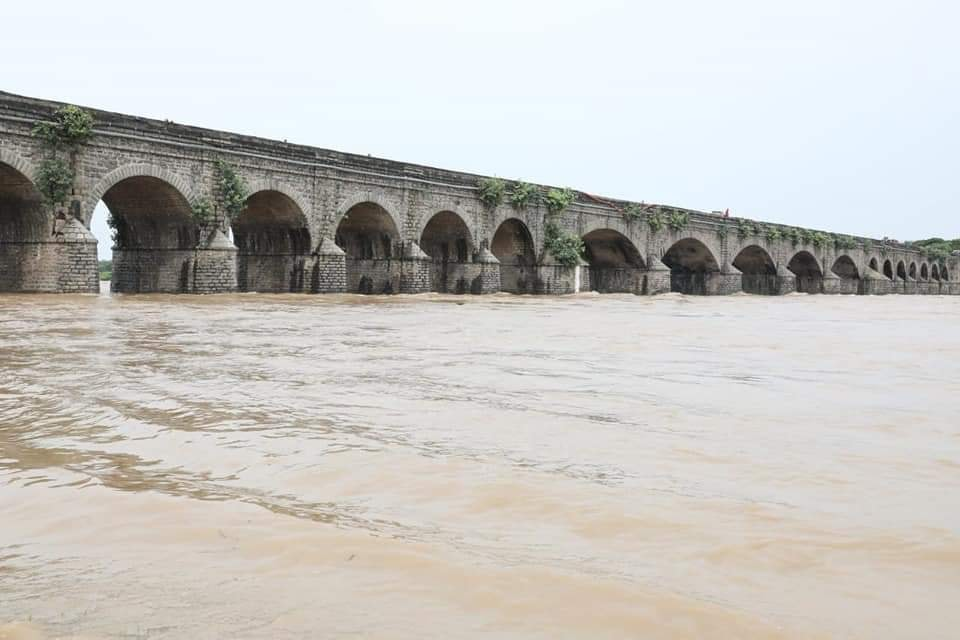
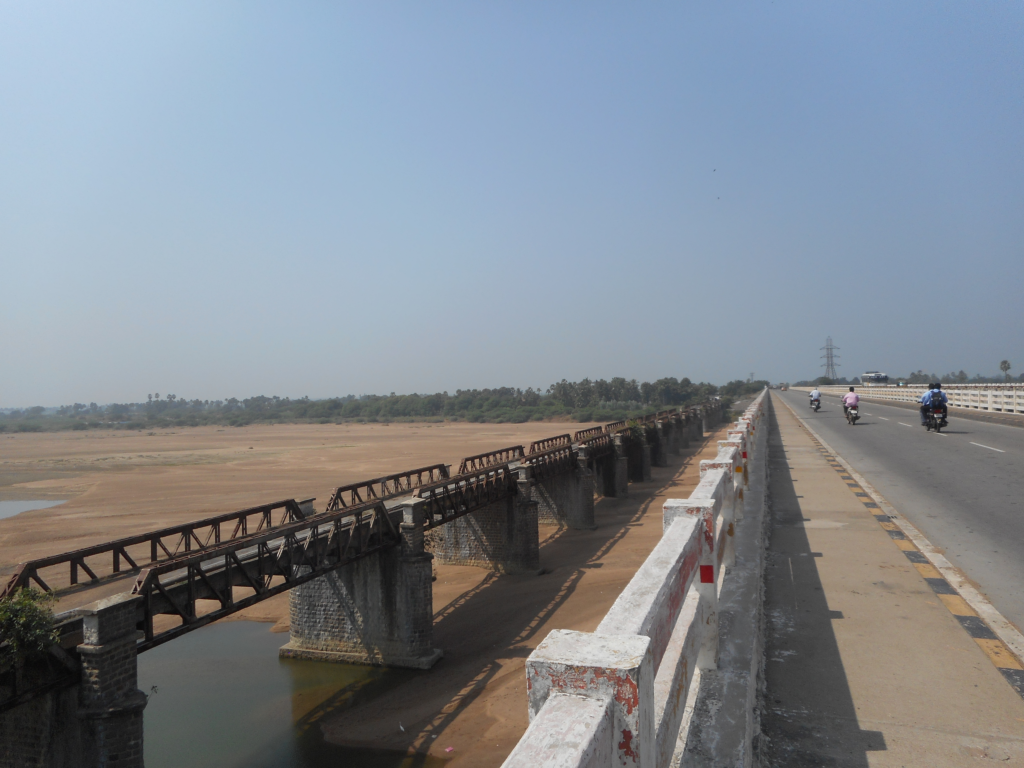
Two Bridges across Munneru River in Khammam.
  1. Water Bridge: A special bridge has been constructed over the Munneru River to allow the flow of water from the Nagarjunsagar reservoir to Khammam City and its surrounding areas. This infrastructure is crucial for maintaining water supply and supporting irrigation.
  2. Old Bridge: An older bridge in Khammam City serves regular vehicles, providing a vital connection within the city.
  3. New Bridge: A newer bridge in Khammam is used for big vehicles, resulting in smoother traffic flow and less congestion.
  4. Upcoming Bridge: Construction has begun on a new bridge that will connect Nelakondapalli and Kodad to Khammam via Prakashnagar. This bridge aims to shorten travel distances and improve the flow of the region.

Bridges in Krishna District

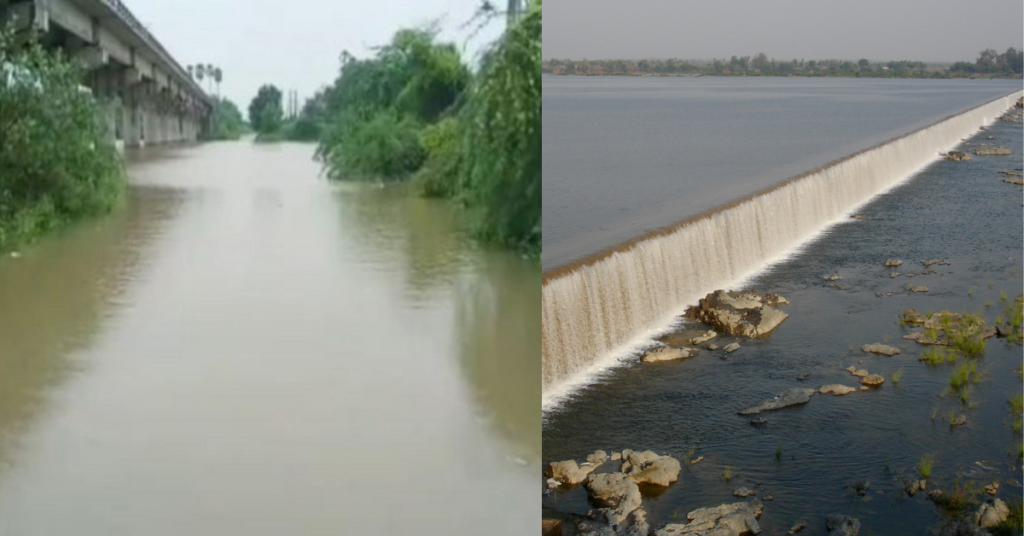
Old and New Bridges on Munneru River Krishna District
  1. Lingala Village: There is a road and railway bridge at Lingala Village, which facilitates both road and rail transport across the river.
  2. Penuganchiprolu: A road bridge in Penuganchiprolu provides essential connectivity for local transportation.
  3. Nandigama: A bridge on National Highway 9 at Nandigama crosses the Munneru River, supporting major road travel in the region.

Importance of the Munneru River

Munneru River

Water Source of  Munneru River
  • Water Source: The Munneru River is a vital source of water for the city of Khammam and the surrounding areas. It provides water for domestic use, agriculture, and various other purposes, making it an essential resource for the local population.
  • Irrigation: The river plays a critical role in irrigation. The Muniyeru Barrage, constructed in 1898, is a significant infrastructure project on the Munneru River. This barrage helps in harnessing the river’s water for irrigating over 6,650 hectares of agricultural land. The availability of water from the Munneru River ensures that farmers in the region can cultivate crops even during dry seasons, thereby sustaining the agricultural economy.
  • Ecological Balance: The Munneru River supports a diverse range of aquatic life, contributing to the ecological balance of the region. The river’s waters provide a habitat for various fish species and other aquatic organisms. The surrounding areas, with their patches of greenery, further enhance the biodiversity supported by the river.
  • Mythological Significance: The Munneru River holds a special place in local mythology. According to legend, the river is named after Rishi Maudgalya, a revered sage who is said to have created the river with his spiritual powers. This mythological connection adds cultural and religious significance to the river, making it a revered natural resource in the region.

Also Read: Everything You Need to Know About Sri Sita Ramachandra Swamy Temple Bhadrachalam”


Challenges Facing the Munneru River

Challenges Facing the Munneru River
  • Pollution: The River faces significant pollution challenges, a common issue for many rivers in India. Industrial effluents, domestic waste, and agricultural runoff are major sources of pollution. These pollutants degrade the water quality, making it unsafe for drinking and harming the aquatic ecosystem.
  • Water Scarcity: The flow of the Munneru River can be highly variable, especially during dry seasons. This erratic flow leads to water scarcity, which poses a significant challenge for the communities that rely on the river for drinking water and irrigation. Managing the river’s water resources efficiently is crucial to addressing this issue.
  • Sedimentation: The river bed of the Munneru is prone to sedimentation, where silt and debris accumulate over time. This sedimentation reduces the river’s water-carrying capacity, leading to a higher risk of flooding during the rainy season and decreasing its effectiveness as a water source during dry periods. Regular dredging and other sediment management practices are necessary to maintain the river’s flow.

Tourism and Attractions

The Munneru River and its surroundings offer several attractions for tourists, including:

  • Khammam Fort: A historic fort located near the river, offering panoramic views and a glimpse into the region’s rich history.
  • Temples: Several ancient temples along the riverbanks, including those dedicated to Lord Shiva and other deities, attract pilgrims and tourists alike.
  • Nature Walks: The river’s scenic banks are ideal for nature walks, bird watching, and photography, providing a serene escape from urban life.

Conclusion

The Munneru River is more than just a tributary of the Krishna River; it is a lifeline for the regions it passes through. From supporting agriculture and providing drinking water to maintaining ecological balance and holding cultural significance, the Munneru River is indispensable to the people and environment of Telangana and Andhra Pradesh. However, the river faces several challenges, including pollution, water scarcity, and sedimentation, which must be addressed to ensure its sustainability for future generations.

Frequently Asked Questions(FAQs)

1Q: What is the Munneru River?

A: The Munneru River is a tributary of the Krishna River, flowing through Telangana and Andhra Pradesh.

2Q: What major river does the Munneru River merge with?

A: The Munneru River merges with the Krishna River.

3Q: What is the Muniyeru Barrage?

A: The Muniyeru Barrage, built in 1898, regulates the Munneru River’s flow for irrigation purposes.

4Q: What are the main challenges facing the Munneru River?

A: Pollution, water scarcity, and sedimentation are the main challenges.

5Q: How does the Munneru River contribute to agriculture?

A: It provides essential irrigation through the Muniyeru Barrage, supporting over 6,650 hectares of farmland.

Explore the amazing Kusumanchi: Telangana’s Ancient Temples

0

Introduction

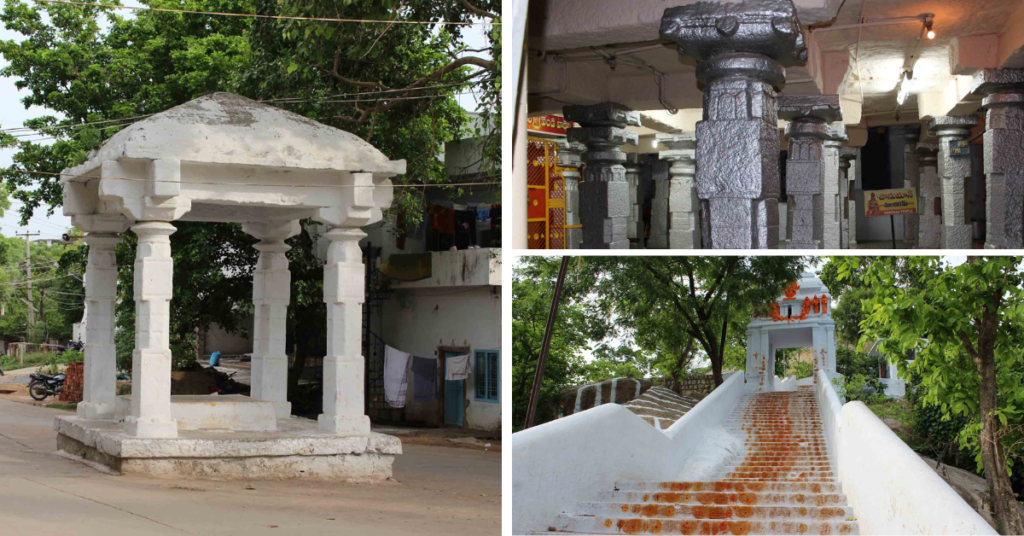
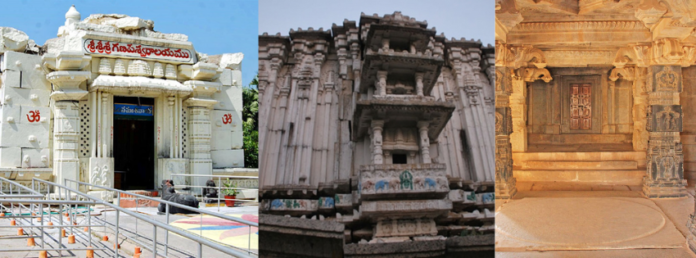
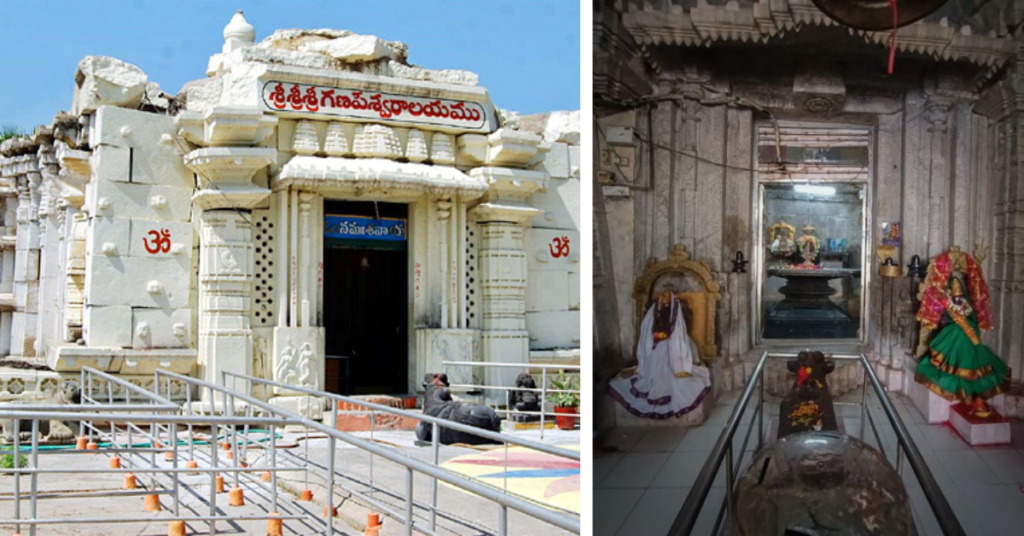
Located in the Khammam district of Telangana, Kusumanchi is a town that’s rich in history and cultural charm. Known as Krupamani during the Kakatiya period, Kusumanchi is home to some amazing ancient temples, including the grand Ganapeshwaralayam and Mukkanteswaralayam. These temples showcase the impressive architecture of the Kakatiya dynasty.

But Kusumanchi isn’t just about temples. The town is also surrounded by vibrant tribal villages, offering a unique glimpse into local culture. With recent efforts to restore its historic sites, Kusumanchi is becoming a top destination for those interested in exploring Telangana’s heritage. Whether you’re fascinated by its ancient temples, local festivals, or the nearby tribal communities, has something special to offer for every visitor.

Kusumanchi

Also visit: Exploring Khammam Fort a Timeless Treasure of Telangana


Why Kusumanchi is Special

Kusumanchi is famous for its stunning Shivalingams, including one of the largest in Telangana. A highlight is the impressive 15-foot idol of Lord Venu Gopala Swamy, which graces the southern side of the temple. These significant features make Kusumanchi a prime spot for exploring ancient Shiva lingams and Lord Venu Gopala Swamy idols.

Kakatiya Era Marvels

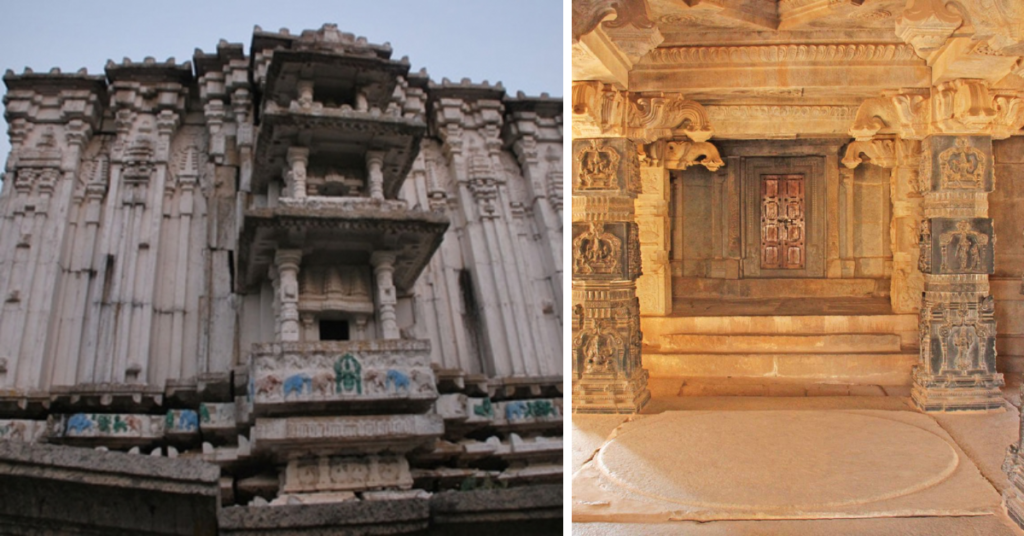
The Kakatiya rulers left their mark on Kusumanchi with the construction of two remarkable temples: Ganapeshwaralayam and Mukkanteswaralayam. Built-in the 12th and 13th centuries, these temples showcase the architectural brilliance of the Kakatiya dynasty, comparable to the famous Ghanpur and Ramappa temples in the Bhupalpalli district. The historical temples in Kusumanchi Telangana are a testament to this era’s grandeur.

Restoration Efforts

Although these temples had fallen into neglect, dedicated individuals and heritage enthusiasts are working hard to restore them. Ganapeshwaralayam, in particular, has been the focus of recent renovation efforts, thanks to support from patrons like retired police officer Venkatapratap Reddy. The temple continues to attract devotees, especially during the Sivaratri festival. The Ganapeshwaralayam and Mukkanteswaralayam restoration projects are crucial in preserving these ancient sites.

Kusumanchi in Telangana

Also visit: Everything You Need to Know About Sri Sita Ramachandra Swamy Temple Bhadrachalam”


Government Support

Good news for history lovers: the government has allocated Rs. 30 lakh each to renovate Ganapeshwaralayam and Mukkanteswaralayam. This funding will help preserve these ancient sites and enhance visitor experiences. The government-funded renovation of Kusumanchi temples underscores the commitment to maintaining this cultural heritage.

Nearby Tribal Villages

While in Kusumanchi, explore nearby tribal villages such as Jakkepalli, Kistapuram, Kokya Thanda, and more. These villages offer a unique glimpse into local tribal culture and add depth to your visit. Discovering Kusumanchi tribal villages and heritage sites can provide a rich cultural experience.

Plan Your Visit

Kusumanchi is a captivating destination for anyone interested in ancient architecture and cultural heritage. Its ongoing restoration and vibrant local traditions make it a must-visit for those exploring Telangana’s rich historical landscape. Experience the cultural significance of Kusumanchi in Telangana and its architectural marvels.

TIMINGS

  • Ganapeshwaralayam Temple: Typically open from 6:00 AM to 12:00 PM and 4:00 PM to 8:00 PM daily. Special timings may apply during festivals like Sivaratri and Sravanamasam.
  • Mukkanteswaralayam Temple: Generally open from 6:00 AM to 12:00 PM and 4:00 PM to 8:00 PM. Check local listings for any changes during renovation periods or special events.

FAQS

Q1) What is Kusumanchi known for?

ANS) Kusumanchi is known for its ancient Kakatiya-era temples, including Ganapeshwaralayam and Mukkanteswaralayam. The town also features large Shiva lingams and a notable 15-foot idol of Lord Venu Gopala Swamy.

Q2) How can I reach Kusumanchi?

ANS) By Air: The nearest airport is Rajiv Gandhi International Airport, Hyderabad (about 200 km away). You can hire a taxi or take a bus from there.
By Train: The closest major railway station is Khammam (approximately 30 km away). Taxis and local buses are available from the station.
By Road: Kusumanchi is accessible by car from Hyderabad or Khamm

Q3) When is the best time to visit Kusumanchi?

ANS) The best time to visit is between November and February when the weather is pleasant and ideal for exploring outdoor sites.

Q4) Are there accommodations available in Kusumanchi?

ANS) itself may have limited accommodations, but nearby Khammam offers various lodging options, from budget stays to more comfortable hotels.

Q5) What are some nearby attractions to visit?

ANS) Consider visiting nearby tribal villages such as Jakkepalli, Kistapuram, and Kokya Thanda. Additionally, historical sites like the Ganapeshwaralayam and Mukkanteswaralayam temples are noteworthy

Exclusive Village of Parnasala: A Journey into Ramayana’s Heartland:

0

Introduction:

Parnasala is a hidden gem in the heart of Telangana, offering a unique blend of natural beauty and spiritual significance. This small village, located just 32 kilometers from Bhadrachalam, is steeped in the rich legends of the Ramayana. It is believed to be one of the places where Lord Shri Ram, his wife Sita, and brother Laxman spent a portion of their exile. The village is not just a place of mythological importance but also a peaceful retreat that transports visitors back to an era of divine presence and epic tales. Whether you’re seeking a deeper connection to India’s ancient traditions or a serene getaway, Parnasala is a destination that promises to enrich your soul and captivate your imagination.

Parnasala

Nestled 32 kilometers from the sacred town of Bhadrachalam in Telangana, India, lies the serene village of Parnasala. Though remote and somewhat challenging, this quaint destination is a treasure trove of ancient legends and spiritual significance. Parnasala can be reached by road or boat, making the journey as much a part of the experience as the destination itself.

The Legend of Lord Shri Ram’s Exile

Parnasala holds a revered place in the epic Ramayana, as it is believed to be one of the locations where Lord Shri Ram spent part of his 14-year exile. The tranquil surroundings of this village are said to have witnessed key moments of the divine saga. According to legend, Sita, the devoted wife of Lord Ram, bathed in a stream here, which is now known as Sita Vaagu. The stream flows as a silent testament to the past, where devotees experience a profound connection to the divine.

Parnasala
lakeshmana rekha pic

Also read: Everything You Need to Know About Sri Sita Ramachandra Swamy Temple Bhadrachalam”


Radhagutta and the Tale of the Golden Deer

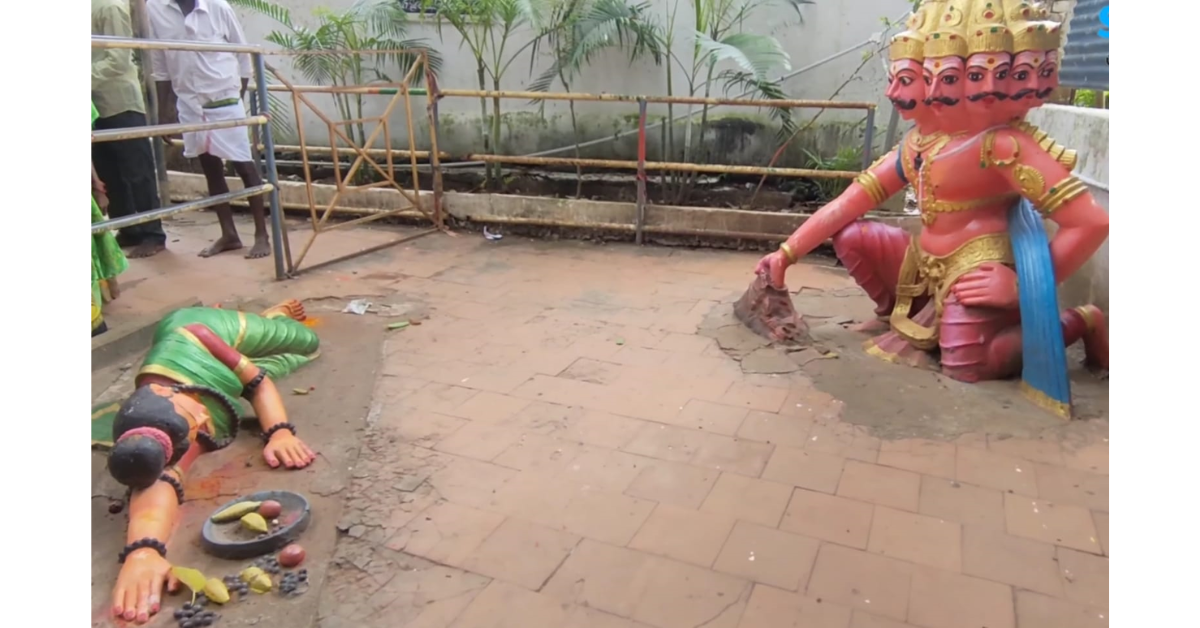
A key event at Parnasala is when the demon Maricha, disguised as a golden deer, deceived Sita. It was here that Lord Ram, in his relentless pursuit to protect his beloved, killed Maricha. The imprints on Radhagutta’s rocks are believed to be marks from this event, further cementing the village’s sacred significance.

Ravana abducted sita pic in Parnasala

The Abduction of Sita and the Sorrow of Rama

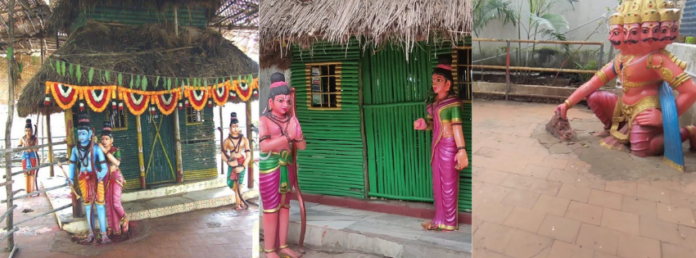
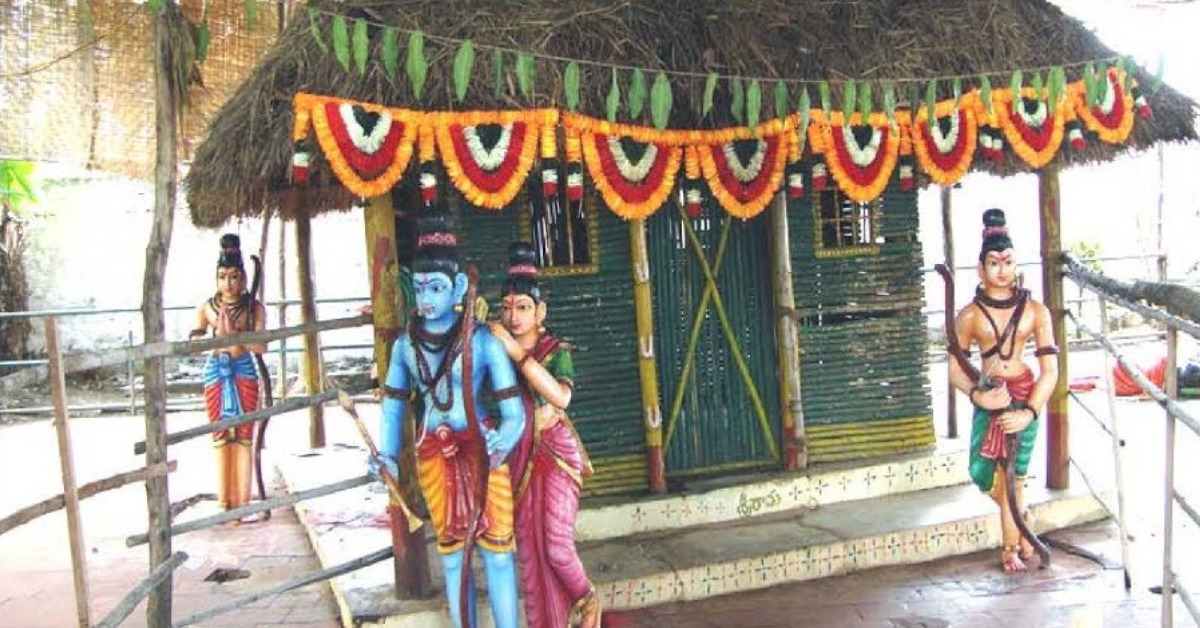
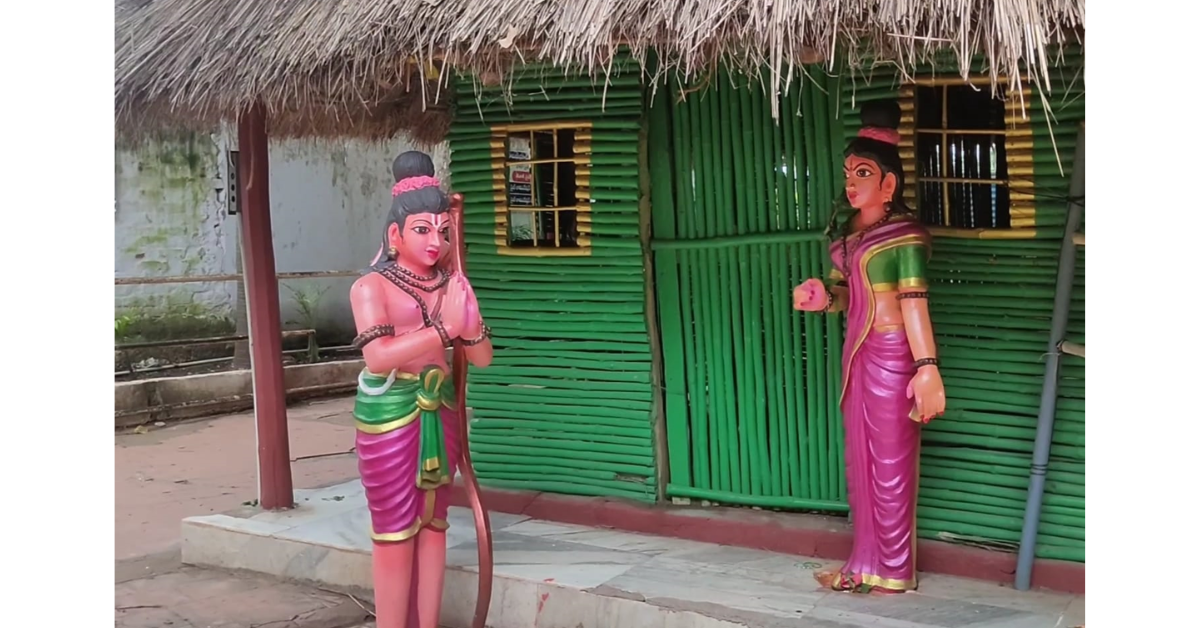
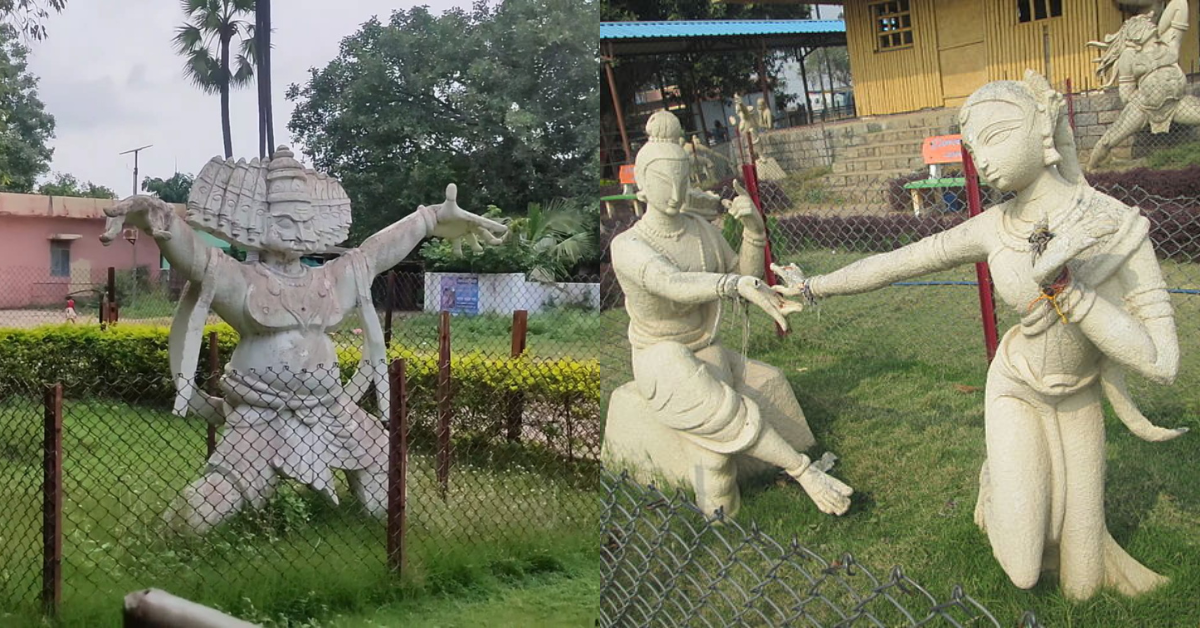
Parnasala is also the site where the demon king Ravana abducted Goddess Sita, an event that set the stage for the epic battle of Ramayana. The village poignantly captures this moment through beautifully crafted sculptures that depict the primary characters Lord Ram, Sita, Laxman, and Ravana. These sculptures not only serve as a visual retelling of the story but also evoke the deep emotions associated with this part of the epic. Moreover, they capture the poignant moments with such detail that visitors are transported into the narrative.

Furthermore, the artistry goes beyond mere depiction; it immerses viewers in the emotional depth of the events. In addition, the sculptures highlight the significance of each moment, allowing one to feel the intense sorrow and triumphs alongside the characters. Finally, these artistic representations serve as historical artifacts. They also provide a profound connection to the timeless themes of the epic.

A Spiritual Retreat

In addition to its mythological significance, Parnasala has become a popular pilgrimage site and a favored spot for picnics among visitors to Bhadrachalam. The village is home to a small, humble hut that houses intricately painted sculptures of Lord Ram, Sita, and Laxman, offering devotees a chance to reflect on the divine tales. The surrounding area, known as Shoka Rama, is imbued with the sorrow that Lord Ram felt during his time in exile, particularly after the abduction of Sita.


Also read: Exploring the Rich Heritage of Nelakondapally, Khammam, Telangana


Visitors can also explore Seethavagu, where Sita is said to have bathed, and Naracheeralu, where she dried her clothes. The footprints of Lord Ram and the golden deer are visible around the village, offering tangible connections to the epic’s narrative. These marks serve as physical reminders of the divine presence that once graced the area. Moreover, you can find the impressions of Ravana’s chariot wheels scattered throughout, directly connecting you to the legendary events.

Each of these traces provides a powerful, historical context for understanding the epic’s dramatic moments and its enduring significance. The divine presence that once blessed this land still resonates today, further enriching Parnasala’s already profound spiritual atmosphere.

Lord Ram, sita
and Ravana

Practical Information for Visitors

If you’re planning a visit, you’ll find Parnasala located 35 kilometers from Bhadrachalam. It is easily reachable with frequent buses running every two hours. The newly formed Bhadradri Kothagudem district now includes the village, which was previously part of the Khammam district. This proximity to Bhadrachalam makes Parnasala a must-include destination in any tour of the area.

Parnasala Temple Timings:

  • The site is open to visitors from 5 AM to 1 PM and again from 3 PM to 8:30 PM.
  • Entry Fee: There is no charge for entry, but car parking costs Rs. 100.

How to Reach Parnasala

  • By Air: The nearest airport is located in Hyderabad, approximately 300 kilometers from Bhadrachalam.
  • By Train: The closest railway stations are in Kothagudem and Manugur towns.
  • By Road: Parnasala is 70 kilometers from Kothagudem, and the scenic drive provides a tranquil start to your spiritual journey.

” For more information on updated timings of Bhadrachalam temple! click here.

Conclusion:

Parnasala is more than just a village; it is, first and foremost, a sacred space where history, mythology, and spirituality converge. Moreover, it is a place where these elements blend seamlessly, offering visitors a profound sense of connection to the past. Furthermore, it stands as a testament to the enduring legacy of ancient traditions and beliefs. Lastly, Parnasala continues to inspire awe and reverence in all who visit, making it a truly unique destination. Whether you are a devout pilgrim or a curious traveler, a visit to Parnasala offers a unique opportunity to walk in the footsteps of the divine, to experience the timeless tales of the Ramayana, and to connect with the deeper currents of Indian culture and spirituality.

Are you planning the perfect weekend trip? Here are some tips and a guide to help you. Visit us here to plan your journey.

Frequently Asked Question(FAQs)

Q1. What is the significance of Parnasala in the Ramayana?

Answer: Parnasala holds great significance in the Ramayana because it is believed that Lord Shri Ram spent part of his exile there.

Q2. How can I reach Parnasala?

Answer: You can reach Parnasala by road or boat, with Bhadrachalam, the nearest major town, located 35 kilometers away. The closest airport is in Hyderabad, about 300 kilometers from Bhadrachalam.

Q3. What are the visiting hours for Parnasala?

Answer: The site is open to visitors from 5 AM to 1 PM and again from 3 PM to 8:30 PM.

Q4. Is there an entry fee to visit Parnasala?

Answer: Entry to Parnasala is free, but there is a Rs. 100 fee for car parking.

Q5. What can visitors expect to see in Parnasala?

Answer: Visitors can explore key sites such as Sita Vaagu and Radhagutta, admire Ramayana sculptures, and see divine footprints and markers.

Exploring the Rich Heritage of Nelakondapally, Khammam, Telangana

0

Introduction

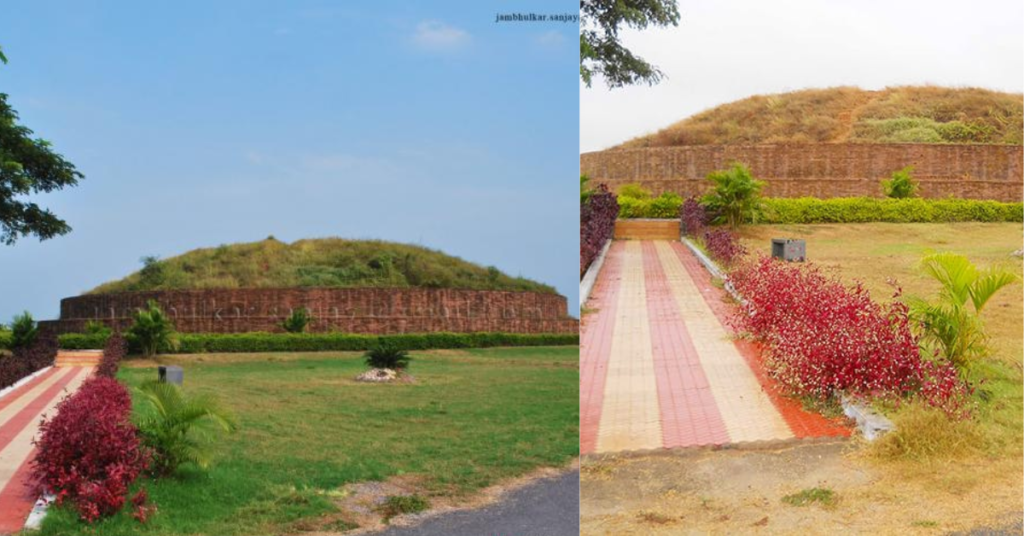
Nestled in the heart of Khammam district, Telangana, the village of Nelakondapally is a treasure trove of history and spirituality. This unassuming village, steeped in antiquity, has earned its place on the tourism map due to its profound archeological and historical significance. Once a bustling center of Buddhist activity, Nelakondapalli’s heritage dates back to the 3rd and 4th centuries AD, making it a fascinating destination for history enthusiasts and spiritual seekers alike.

Nelakondapally

Also visit: Everything You Need to Know About Sri Sita Ramachandra Swamy Temple Bhadrachalam”


Archaeological Marvels of Nelakondapally

Nelakondapalli’s journey into the annals of history began with the discovery of its ancient Buddhist relics. The Archaeological Survey of India (ASI) conducted extensive excavations that unveiled a wealth of Buddhist structures, including stupas, viharas (monasteries), chaityas (prayer halls), and cisterns. These findings underscore the village’s historical importance as a thriving hub of Buddhist education and worship.

The unearthed remnants provide a glimpse into a time when Nelakondapalli was a prominent center for Buddhist scholars and monks. The intricate architecture and well-preserved artifacts speak volumes about the village’s illustrious past, attracting archeologists, historians, and curious travelers eager to delve into India’s rich cultural tapestry.

Buddhist Heritage and Influence

The significance of Buddhism in Nelakondapalli can be attributed to its strategic location along ancient trade routes that crisscrossed the Indian subcontinent. These routes enabled travelers, merchants, and scholars to spread Buddhist teachings and establish monastic centers along their paths. Nelakondapalli emerged as one such center, where the echoes of ancient chants and the teachings of Buddha once resonated through the village.

Spirituality: Hindu Temples

While Nelakondapalli is renowned for its Buddhist heritage, it also boasts a rich tapestry of Hindu spirituality. The village is home to several ancient Hindu temples, each with its own story to tell. Temples dedicated to Lord Shiva and Lord Vishnu enrich Nelakondapally, providing visitors with a profound experience of its religious heritage.

The coexistence of Buddhist and Hindu elements in Nelakondapalli provides a unique perspective on the region’s spiritual evolution, making it a compelling destination for those interested in India’s diverse religious traditions.

Nelakondapally in Telangana

Link to Bhakta Ramadasu: A Cultural Legacy

Adding to Nelakondapalli’s cultural significance is its association with Bhakta Ramadasu, the revered saint and composer. Believed to be his birthplace, the village honors his legacy with the Bhakta Ramadasu Dhyana Mandiram, a temple that draws devotees and cultural tourists alike. This connection to a beloved spiritual figure enhances Nelakondapally’s appeal as a destination that resonates with the soul of India.

Tourism Development and Preservation Efforts

The Telangana government is developing Nelakondapally into a major tourist destination to highlight its historical and cultural significance. These efforts aim to enhance the visitor experience while preserving the archeological integrity of the site. Improved infrastructure and amenities are being introduced to ensure that tourists can explore Nelakondapalli’s heritage with ease and comfort.

A Journey Through Time and Spirituality

Today, Nelakondapalli stands as a beacon of historical and cultural significance, inviting visitors to embark on a journey through time. Nelakondapally offers a serene, enriching experience for archaeology enthusiasts, spiritual seekers, and anyone appreciating India’s rich historical heritage. The village’s serene ambiance, ancient chants, and historic remnants evoke a peaceful, profound atmosphere, rich with cultural significance.

Exploring Nelakondapalli transports you to a bygone era of flourishing spirituality and scholarship, leaving an inspiring legacy.

BEST VISITING TIME TO Nelakondapally

Best time visit to Nelakondapally in Telangana, plan your trip between November and February. The winter months offer pleasant weather, perfect for exploring historic sites and participating in local cultural events. Avoid summer’s intense heat and the monsoon’s heavy rains for the best experience. and entry fee is free for everyone

FAQS

Q1) What is Nelakondapally known for?

ANS) Nelakondapalli is renowned for its rich historical and cultural heritage, particularly its ancient Buddhist ruins and Hindu temples. It was once a significant center of Buddhist education and worship.

Q2) How do I get to Nelakondapally?

ANS) Nelakondapalli can be reached by road from Khammam, which is well-connected by rail and road to major cities in Telangana. The nearest airport is in Hyderabad.

Q3) What are some must-see attractions in Nelakondapally?

ANS) Key attractions include the ancient Buddhist stupas, viharas, and chaityas. Additionally, the local Hindu temples and the Bhakta Ramadasu Dhyana Mandiram are worth visiting

Q4) When is the best time to visit Nelakondapally?

ANS) The best time to visit is between November and February, during the winter months, when the weather is pleasant and ideal for outdoor exploration.

Q5) Is Nelakondapally suitable for family visits?

ANS) Yes, Nelakondapalli is suitable for families interested in history and culture. The peaceful environment and historical sites offer an educational and enjoyable experience for all ages

The Beauty of Kinnerasani Wildlife Sanctuary A Complete Guide

0
Beauty of Kinnerasani Wildlife Sanctuary

The Kinnerasani Wildlife Sanctuary is one of the prominent wildlife sanctuaries in Telangana, India. Located in the Bhadradri Kothagudem district, this sanctuary is part of the Dandakaranya forests, which stretch across the eastern part of India. The sanctuary is named after the Kinnerasani River, a tributary of the Godavari River, which meanders through the sanctuary, adding to its scenic beauty and ecological significance.

prominent wildlife sanctuaries

Historical Background Kinnerasani Wildlife Sanctuary

The region where Kinnerasani Wildlife Sanctuary is located has a deep historical connection with the ancient Indian epics, particularly the Ramayana. The Dandakaranya forests are believed to be the area where Lord Rama, along with Sita and Lakshmana, spent a significant part of their exile. This mythological significance adds a layer of cultural heritage to the sanctuary.

region where Kinnerasani Wildlife Sanctuary

The Kinnerasani Wildlife Sanctuary was established to primarily preserve the diverse flora and fauna of the Eastern Ghats region. It was declared a wildlife sanctuary in 1979 under the Wildlife Protection Act, of 1972. The river not only adds to the beauty of the sanctuary but also plays a crucial role in sustaining the ecosystem within.

Geography and Ecology Kinnerasani Wildlife Sanctuary

The Kinnerasani Wildlife Sanctuary covers an area of approximately 635 square kilometers. It is characterized by a mix of dry deciduous and moist deciduous forests. The sanctuary’s topography is varied, with undulating hills, dense forests, and the Kinnerasani River flowing through it, forming a reservoir known as the Kinnerasani Dam.

Kinnerasani River,Kinnerasani Dam

The sanctuary is part of the Eastern Ghats known for its rich biodiversity. The flora of the sanctuary includes a variety of tree species such as teak, bamboo, and a variety of medicinal plants. The dense forest cover provides an ideal habitat for many species of animals and birds.

Wildlife

diverse range of wildlife

A wide variety of fauna can be seen in the Kinnerasani Fauna Sanctuary. Some of the prominent species include:

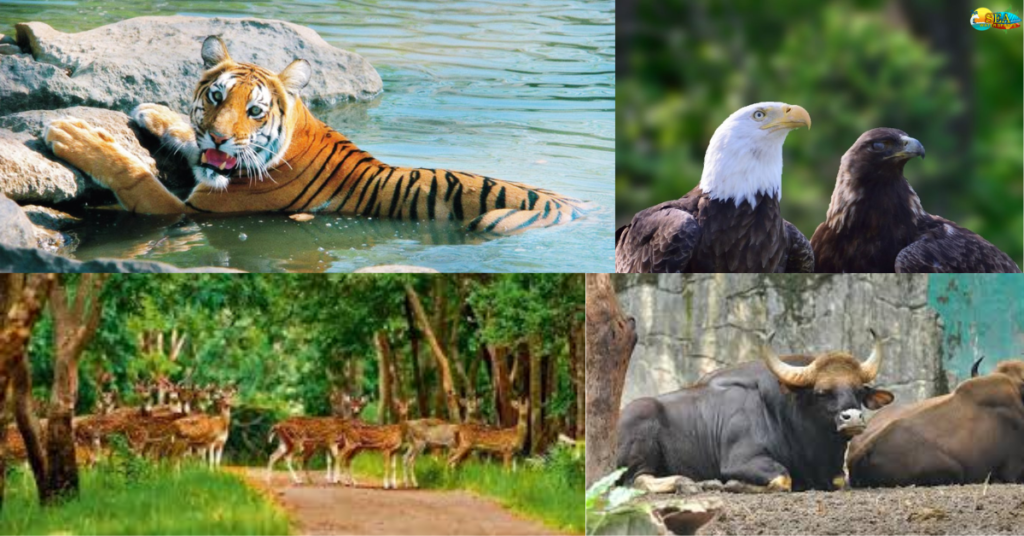
  • Mammals: The sanctuary is home to a variety of mammals such as the Indian leopard, sloth bear, wild boar, chital (spotted deer), sambar deer, and the Indian bison (gaur). The elusive Bengal tiger has also been reported in the sanctuary, although sightings are rare.
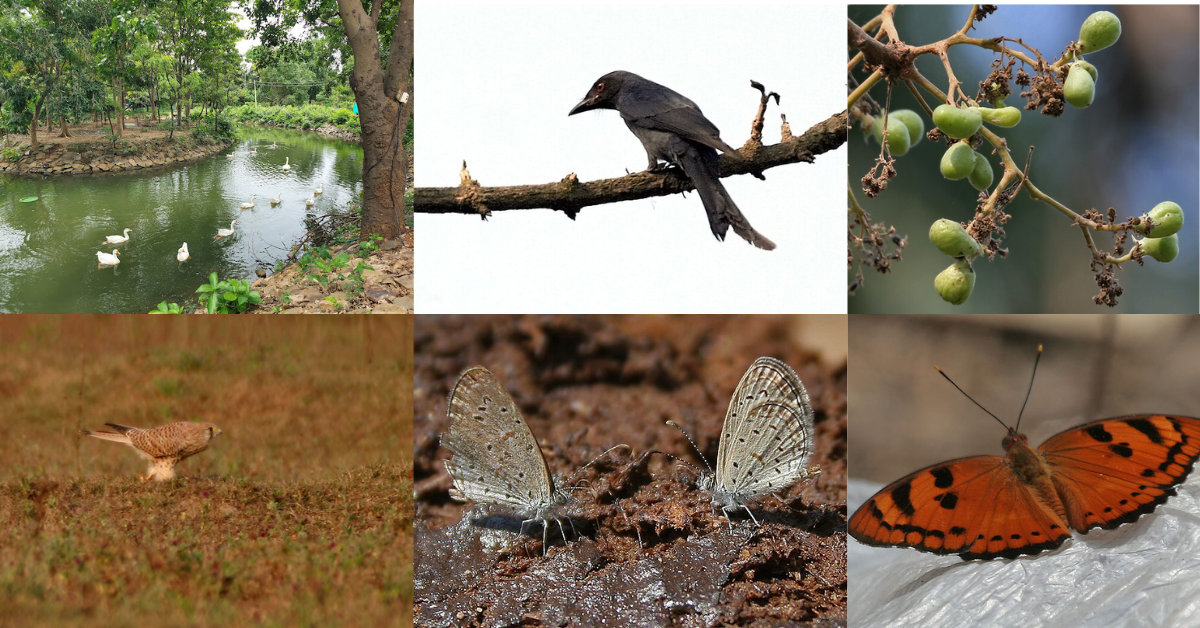
  • Birds: The sanctuary is a haven for bird watchers, with a variety of avian species including peafowls, partridges, quails, and a range of migratory birds. The sanctuary’s varied habitats support a rich bird population, making it a popular spot for birding.
  • Reptiles: The sanctuary is also home to several species of reptiles, including snakes and lizards. The Kinnerasani River and its surrounding wetlands are particularly important for reptilian life.

Attractions and Activities

Kinnerasani Wildlife Sanctuary offers a range of attractions and activities for visitors. The Kinnerasani Dam, built across the Kinnerasani River, is one of the major attractions in the sanctuary. The dam not only serves as a water source for the region but also enhances the scenic beauty of the sanctuary. The reservoir formed by the dam is a habitat for various aquatic species and attracts a variety of birds, making it an excellent spot for birdwatching.

 wildlife in their natural habitat

For those interested in trekking, the sanctuary offers several trails that take you through dense forests. Open grasslands, and along the riverbank, provide ample opportunities to explore the wilderness. Guided safaris are also available, offering visitors a chance to spot wildlife in their natural habitat. Additionally, the sanctuary has designated picnic spots where visitors can relax and enjoy the tranquility of nature.

explore the wilderness

Conservation Efforts

Since its establishment, the Kinnerasani Wildlife Sanctuary has been the focus of several conservation initiatives. The Telangana Forest Department, along with various non-governmental organizations, has been working to protect the wildlife and habitats within the sanctuary. Efforts have included anti-poaching measures, habitat restoration, and community involvement in conservation.

The sanctuary also faces challenges such as human-wildlife conflict, illegal logging, and the encroachment of land for agriculture. To address these issues, the government has implemented strict regulations and works with local communities to promote sustainable practices.

Location and Accessibility

  • Location: The sanctuary is situated in the Bhadradri Kothagudem district, one of the tribal-dominated regions of Telangana. The nearest town is Palvancha, which is just 12 kilometers away.
  • Accessibility:
    • By Road: Palvancha is well-connected by road. From Hyderabad, it’s about a 5-6 hour drive (approximately 280 kilometers). There are private cars and state transportation buses available.
    • By Rail: The nearest railway station is Bhadrachalam Road (Kothagudem), about 25 kilometers from the sanctuary.
    • By Air: The nearest airport is Rajiv Gandhi International Airport in Hyderabad, from where you can hire a taxi or take a bus to Palvancha.

Timings and Best Time to Visit

  • Sanctuary Timings: The sanctuary is open to visitors from 6:00 AM to 6:00 PM every day. However, it is advisable to visit early in the morning or late in the afternoon to spot wildlife.
  • Best Time to Visit: The best time to visit Kinnerasani Wildlife Sanctuary is between October and March. when the wildlife is more active and the weather is good.

Conclusion

The Kinnerasani Wildlife Sanctuary is not just a haven for wildlife but also a place of historical and cultural significance. Its rich biodiversity and the conservation efforts in place make it an essential part of Telangana’s natural heritage. As awareness and conservation efforts continue to grow, the sanctuary remains a vital refuge for the wildlife of the Eastern Ghats.

Frequently Asked Questions(FAQs)

1Q: Where is Kinnerasani Wildlife Sanctuary located?

A: Kinnerasani Wildlife Sanctuary is located in the Bhadradri Kothagudem district of Telangana, India.

2Q: What is the area of Kinnerasani Wildlife Sanctuary?

A: The sanctuary covers an area of 635.4 square kilometers.

3Q: What is the best time to visit Kinnerasani Wildlife Sanctuary?

A: The best time to visit is from November to April.

4Q: What are the main attractions of Kinnerasani Wildlife Sanctuary?

A: The sanctuary’s main attractions include the Kinnerasani River, diverse wildlife, and scenic landscapes.

5Q: What type of vegetation is found in Kinnerasani Wildlife Sanctuary?

A: The sanctuary has tropical dry deciduous and mixed forests.

Home
About Us
Destination
Search