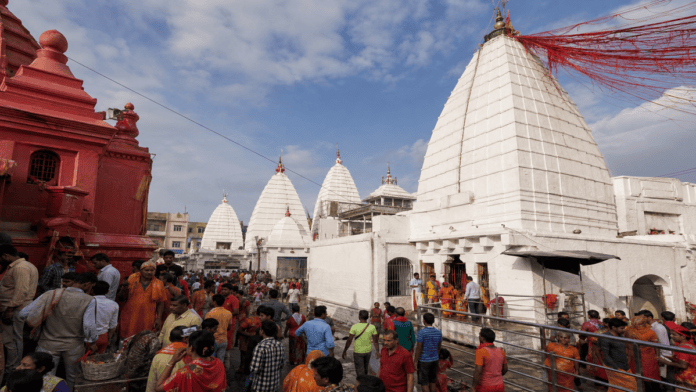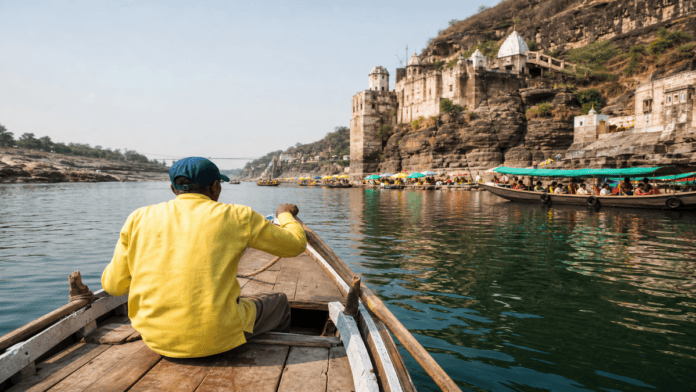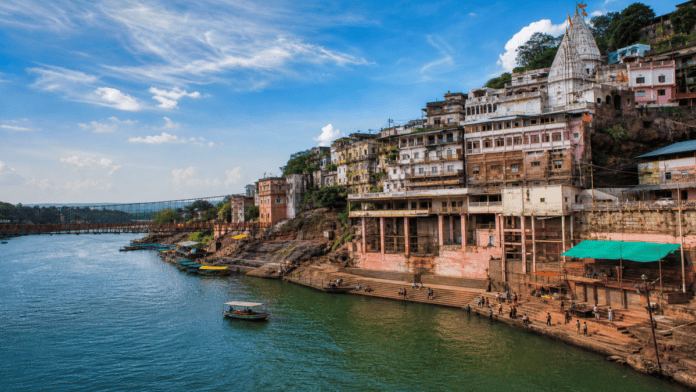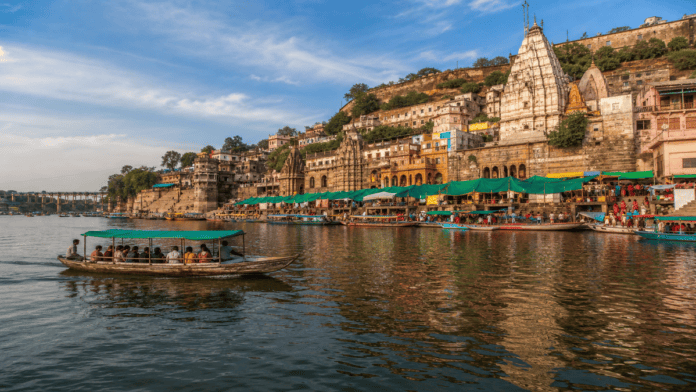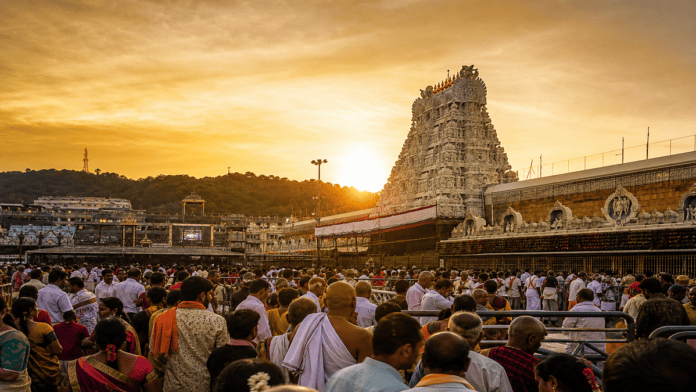
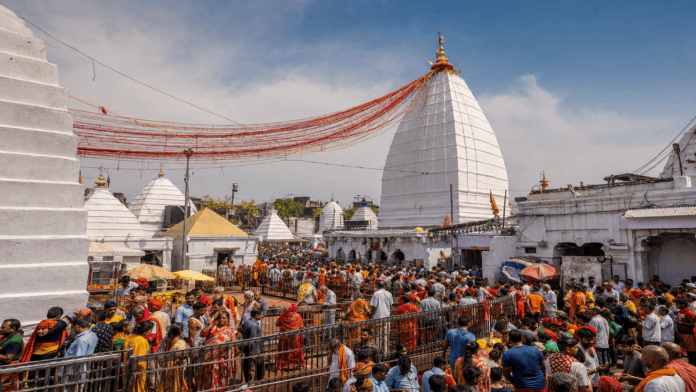
The hustle and bustle of Hyderabad faded into the distance as I set off on a spiritual journey to Vemulawada, the abode of Sri Raja Rajeshwara Swamy. This 2-night, 3-day trip was not just about visiting temples; it was about rediscovering peace, culture, and devotion. I embarked on this sacred tour with my backpack, a heart full of anticipation, and a list of must-visit places.
Day 1: From Hyderabad to Vemulawada – The Pilgrim’s Path
Morning: The Journey Begins
The journey from Hyderabad to Vemulawada is about 150 km, and we traveled by car. We left early in the morning, watching the city lights fade into rural landscapes. On the way, we quickly stopped for breakfast at a roadside dhaba, enjoying hot idlis, dosas, and filter coffee—a perfect start to our trip.
Afternoon: Reaching Vemulawada & First Temple Visit
As we entered Vemulawada, we could feel the divine aura surrounding the town. The streets were lined with devotees, small stalls selling puja essentials, and the aroma of incense filling the air.
Our first stop was the Sri Raja Rajeshwara Swamy Temple, one of the most revered Shiva temples in Telangana. The temple, believed to be built by Raja Narendra, a Chalukya king, stood majestically amidst ancient architecture.
After purchasing the special darshan tickets, we walked through the corridors adorned with sculptures of Nandi, Lord Shiva, and other deities. The main deity, Lord Shiva, is worshiped in the form of a Shivalinga, and the unique aspect here is the presence of Goddess Lakshmi and Lord Vishnu within the temple complex, symbolizing harmony between Shaivism and Vaishnavism.
Evening: A Stroll Around the Temple Town
After the darshan, we took a peaceful evening walk around the Dharmagundam, a sacred tank where devotees take a holy dip before visiting the temple.
We also explored the Kondagattu Anjaneya Swamy Temple, which is about 35 km from Vemulawada. Dedicated to Lord Hanuman, this temple is known for its tranquil environment and stunning hilltop views.
Returning to Vemulawada, we checked into our hotel, had a delicious dinner of local Telangana cuisine, and retired for the night, feeling spiritually refreshed.
We woke up early to attend the Abhishekam at Sri Raja Rajeshwara Swamy Temple. Watching the priests perform rituals with sacred chants created a divine atmosphere.
Later, we visited Baddi Pochamma Temple, another important temple known for its local deity and powerful blessings. The temple, set amidst nature, provided a serene experience.
Afternoon: Venturing Beyond Vemulawada
After lunch, we decided to explore the nearby Sri Lakshmi Narasimha Swamy Temple at Dharmapuri, about 60 km from Vemulawada. This temple, located on the banks of the Godavari River, has a stunning gopuram and is believed to be one of the oldest Narasimha temples in Telangana.
Evening: Local Shopping & Leisure Time
Returning to Vemulawada, we explored the local market. From religious souvenirs to traditional handicrafts, there were plenty of options. I picked up a small silver Nandi idol as a memory of this divine trip.
For dinner, we relished local Telangana specialties like Sakinalu, Jonna Roti, and Natu Kodi Pulusu before heading back to our hotel for the night.
Route Map for Hyderabad to Vemulawada
Day 3: A Peaceful Farewell & Return to Hyderabad
Morning: Last Temple Visit & Final Blessings
On our last day, we visited Sri Seetha Rama Chandra Swamy Temple in Illandakunta, around 35 km from Vemulawada. The temple, known for its ancient carvings and peaceful environment, was the perfect way to conclude our spiritual tour.
Afternoon: Returning to Hyderabad
After a quick lunch, we started our journey back to Hyderabad, carrying with us blessings, memories, and a sense of spiritual rejuvenation.
Essentials for a Comfortable Journey
Travel Backpack– Spacious and lightweight for carrying essentials.
Power Bank – Keeps your phone charged during travel.
Conclusion: A Journey Worth Taking
This 2-night, 3-daytrip from Hyderabad to Vemulawada was more than just a temple visit—it was an experience of devotion, history, and tranquility. Whether you are a spiritual seeker, a history lover, or simply someone looking for a peaceful getaway, Vemulawada will leave you with lasting memories.
Find the best deals For accombadation here: Hotels
FREQUENTLY ASKED QUESTIONS
1. What is the best time to visit Vemulawada?
The ideal time to visit is October to March, when the weather is pleasant for temple visits and sightseeing. S
2. Can I perform special pujas or rituals?
Yes, devotees can book Abhishekam, Rudrabhishekam, and Kalyanotsavam either at the temple counter or in advance online (if available).
3. What should I wear while visiting temples in Vemulawada?
Visitors are expected to wear modest and traditional attire. Shorts, sleeveless tops, and revealing outfits are discouraged
As I stepped into the dense, green embrace of Shivaram Wildlife Sanctuary, the air buzzed with the sounds of chirping birds and rustling leaves. Located in the Mancherial district of Telangana, this sanctuary is a hidden gem for nature lovers, offering a peaceful retreat away from the chaos of city life. The Godavari River, flowing gracefully through the sanctuary, adds to its scenic charm, making it an ideal destination for wildlife enthusiasts and adventure seekers.
History and Significance
Established in 1952, Shivaram Wildlife Sanctuary is home to a rich variety of flora and fauna. The sanctuary is famous for hosting the mugger crocodile, one of the most sought-after reptiles in the region. Unlike other wildlife reserves in Telangana, Shivaram is unique because of its riverine ecosystem, providing shelter to both land and aquatic species.
The sanctuary is also steeped in history, with ancient temples and tribal settlements surrounding the area. The blend of nature and cultural heritage makes it an exceptional spot for eco-tourism.
Walking through the sanctuary, I spotted various animals moving gracefully through their natural habitat. The sanctuary boasts an impressive array of wildlife, including:
Mugger Crocodiles – The main attraction of the sanctuary, basking lazily near the riverbanks.
Leopards – Elusive and majestic, these big cats are a rare sight but a thrilling one if spotted.
Sloth Bears – Often seen foraging through the dense forest.
Sambar Deer & Spotted Deer – Adding to the sanctuary’s charm.
Wild Boars, Langurs, and Porcupines – Frequently seen across the forested areas.
2. Avian Species: A Birdwatcher’s Delight
For birdwatchers, Shivaram Wildlife Sanctuary is a paradise. The lush green trees are home to numerous resident and migratory birds, such as:
Peafowls – Their vibrant plumage brightens up the sanctuary.
Partridges and Quails – Commonly seen hopping around in the undergrowth.
Eagles and Hawks – Dominating the skies with their powerful flight.
3. Flora: The Green Canopy
The sanctuary is covered with dry deciduous forests, primarily consisting of Teak, Terminalia, and Bamboo trees. The thick forest canopy provides ample shade, making it a pleasant destination even during summer.
Best Time to Visit
The best time to visit Shivaram Wildlife Sanctuary is from November to March, when the weather is pleasant, and wildlife sightings are frequent. Summers can be harsh, while monsoons bring lush greenery but make travel difficult due to muddy terrain.
Shivaram Wildlife Sanctuary Timings & Entry Fee
Category
Details
Charges (INR)
Timings
6:00 AM – 6:00 PM
Free
Best Time to Visit
October – March
N/A
Entry Fee
Adults
₹30
Children (Below 12 years)
₹15
Foreign Tourists
₹100
Vehicle Entry Fee
Two-Wheeler
₹20
Car/Jeep
₹100
Bus/Van
₹300
Camera Charges
Still Camera
₹50
Video Camera
₹200
Things to Do at Shivaram Wildlife Sanctuary
1. Wildlife Safari
A guided safari through the sanctuary offers an unforgettable experience. As the jeep moves through the rugged terrain, you get the chance to spot various animals in their natural habitat.
2. Birdwatching
If you’re an avid birdwatcher, don’t forget to carry your binoculars. The sanctuary is home to a stunning variety of birds that can be spotted early in the morning.
3. Riverbank Exploration
The Godavari River, flowing through the sanctuary, adds a serene touch to the landscape. You can relax by the riverbanks and, if lucky, catch sight of mugger crocodiles sunbathing near the water.
4. Nature Walks & Photography
For those who love trekking and photography, Shivaram Wildlife Sanctuary offers breathtaking landscapes with dense forests, wildlife, and river views.
Follow all sanctuary rules to protect the environment and wildlife.
Avoid littering and respect the natural habitat of animals.
Conclusion: A Must-Visit for Nature Enthusiasts
My visit to Shivaram Wildlife Sanctuary was a mesmerizing experience, filled with thrilling wildlife encounters and serene landscapes. Whether you’re an adventurer, a wildlife photographer, or simply a nature lover, this sanctuary offers an unforgettable escape into the wilderness. If you’re planning a trip to Telangana, make sure to include Shivaram Wildlife Sanctuary on your list!
FAQs
1. What is the best time to visit Shivaram Wildlife Sanctuary?
The best time to visit is from November to March when the weather is pleasant and wildlife sightings are frequent.
2. How can I reach Shivaram Wildlife Sanctuary?
You can reach it via road from Hyderabad (270 km), train to Mancherial (50 km away), or air travel via Hyderabad Airport (290 km away).
3. What animals can be seen in the sanctuary?
You can spot mugger crocodiles, leopards, sloth bears, sambar deer, langurs, wild boars, and various bird species.
4. Are there any accommodation facilities inside the sanctuary?
No, but you can find hotels and resorts in Mancherial and Karimnagar.
5. Is a wildlife safari available?
Yes, guided safaris are available to explore the sanctuary and spot wildlife.
The crisp morning air carried the soft murmurs of prayers as I stepped into Basara, a quaint village on the banks of the Godavari River. The anticipation in my heart was overwhelming—I was about to visit Sri Gnana Saraswathi Temple, the only temple in South India dedicated to Goddess Saraswathi, the goddess of wisdom and learning.
ChatGPT said:
As I walked towards the temple, young children in traditional attire clutched slates and books, eager to perform the sacred Akshara Abhyasam—the ritual that marks the beginning of their education. The sight humbled and warmed my heart. It brought back memories of my childhood when my parents brought me here for the same ritual. They guided my tiny fingers to write my first letters on a plate of rice grains under the divine gaze of Saraswathi Devi.
According to ancient scriptures, after the Mahabharata war, the great sage Veda Vyasa traveled south and reached Dandakaranya, now known as Basara. Seeking solace, he meditated on the banks of the Godavari River. One night, during his meditation, Goddess Saraswati appeared in his dreams, instructing him to gather sand from the river and shape three mounds. These mounds miraculously transformed into idols of Saraswathi, Lakshmi, and Kali, representing wisdom, prosperity, and strength.
This sacred place, originally called ‘Vasara’, later evolved into Basara and became a revered pilgrimage site.
The Spiritual Aura of the Temple
Walking into the temple complex, I was enveloped in an aura of peace. The main sanctum housed the idol of Goddess Saraswathi, adorned with silk sarees and fresh flowers. To her right stood Goddess Lakshmi, the harbinger of wealth, and to her left, Goddess Kali, the symbol of strength. The temple resonated with the rhythmic chants of slokas, and the fragrance of sandalwood and camphor filled the air.
The Pushkarini Koneru, a sacred pond near the temple, is said to cleanse one of sins. Legend has it that it contains eight sacred therthas (holy wells) believed to bestow wisdom and purity upon those who bathe in its waters.
A Day at Basara Saraswathi Temple
My day at the temple began at 4:00 AM with the Melukolupu Seva, the divine awakening of the goddess. As the priests carried water from the Godavari for the morning Abhishekam, I felt a deep sense of tranquility. The Alankarana Seva followed, where the deity was beautifully adorned in colorful sarees, glistening jewelry, and fragrant garlands.
By 6:00 AM, as the first rays of the sun kissed the temple dome, the Maha Harathi took place. The golden flames flickered, casting a divine glow over the deities. The rhythmic chanting and the sound of temple bells transported me into a spiritual trance.
As I left the temple premises, I felt a renewed sense of clarity. The divine presence of Goddess Saraswathi, the echoes of Vedic chants, and the innocence of children stepping into the world of learning made this visit an unforgettable experience.
If you seek wisdom, peace, or simply a spiritual retreat, Basara Saraswathi Temple is a must-visit. Let your journey begin here, where knowledge meets divinity.
Have you visited the Basara Temple? Share your experience in the comments below! 🙏
Imagine standing at the edge of a lush, green valley, the air filled with the thunderous roar of water. As you gaze down, a magnificent cascade plunges from a dizzying height, creating a spectacle of white foam and mist. This isn’t a dream; it’s the reality of Pochera Waterfall, a hidden gem nestled amidst the dense forests of Telangana.
Pochera Waterfall, the state’s second-highest waterfall, is a sight to behold. It’s not just an ordinary waterfall; it’s an experience. The journey to reach it, the sheer power of the water, and the serene surroundings make it a perfect escape from the hustle and bustle of city life.
About Pochera Waterfall
Pochera Waterfall is a majestic, deep waterfall located in the Adilabad district of Telangana. Unlike many seasonal waterfalls, Pochera flows throughout the year, making it an ideal destination for nature lovers. The waterfall originates from the River Godavari and takes a dramatic 40-foot plunge into a rocky gorge, creating a spectacular sight.
Unlike the popular Kuntala Falls, Pochera is less crowded, making it perfect for travelers looking for a tranquil retreat amidst nature. The dense forests surrounding the waterfall add to its charm, making it a great spot for photography, picnics, and relaxation.
As you approach the waterfall, the thunderous sound of water crashing onto rocks will welcome you. The sight of the pristine waters surrounded by dense greenery is a treat for nature lovers.
2. Photography & Videography
If you love capturing nature’s beauty, Pochera Waterfall offers stunning panoramic views. The contrast between the dark rocks and white frothy waters makes for excellent photographs.
3. Picnic Spot
Bring some snacks and a picnic mat – the surrounding area is perfect for a family picnic. However, make sure to clean up after yourself.
Nirmal Handicrafts Village (40 km away) – Famous for wooden paintings and artifacts.
Basar Saraswathi Temple (65 km away) – A famous pilgrimage site dedicated to Goddess Saraswathi.
Timings, Entry Fee & Parking Details
Here’s everything you need to know about visiting Pochera Waterfall:
Details
Information
Timings
8.30:00 AM to 6:00 PM
Entry Fee
₹20-30 per person
Parking Fee
₹20 for two-wheelers, ₹50 for cars
Best Time to Visit
Monsoon & Winter
Nearest Town
Nirmal (40 km away)
Nearest City
Adilabad (55 km away)
Note: It’s advisable to leave before sunset, as the area is surrounded by dense forests.
Best Time to Visit
The monsoon season (July to October) is the ideal time to witness the waterfall in its full glory. However, post-monsoon months (November to February) are also pleasant with a comfortable climate.
How to Reach Pochera Waterfall
Pochera Waterfall is well connected by road and can be accessed via both public and private transportation.
By Air:
The nearest airport is Rajiv Gandhi International Airport in Hyderabad.A Journey to the Unexplored about 300 km away.
Carry extra clothes – You might get wet from the waterfall spray.
No swimming allowed – The water is deep and has strong currents.
Travel in groups – Since it’s a remote area, traveling with friends or family is safer.
Avoid littering – Help preserve the beauty of this natural wonder.
Final Thoughts – A Hidden Paradise Worth Exploring
If you’re someone who loves discovering offbeat destinations, Pochera Waterfall should be on your bucket list. Whether you’re an adventure seeker, a nature enthusiast, or someone looking for a peaceful escape, this place has something to offer. The best part? It’s not overcrowded, giving you the perfect opportunity to connect with nature.
So, pack your bags, hit the road, and let the beauty of Pochera Waterfall take your breath away. Happy traveling! 🚗🌿
Frequently Asked Questions
1Q: Is Pochera Waterfall safe for kids?
A: Yes, but children should be supervised as the rocks can be slippery.
2Q: What is the best time to visit Pochera Waterfall?
A: Monsoon and winter are the best seasons to visit for a beautiful and safe experience.
Nestled in the heart of Telangana, Sri Raja Rajeshwara Swamy Temple in Vemulawada is one of the most revered Shiva temples in South India. This temple, often called Dakshina Kashi, is renowned for its unique rituals, sacred sevas, and historical significance. Devotees from across the country visit this holy site to seek Lord Shiva’s blessings, participate in special pujas, and experience its divine aura.
This comprehensive guide provides you with darshan timings, sevas, accommodation details, and online booking information to help you plan a seamless pilgrimage to this spiritual haven.
Temple Timings & Daily Pujas
🕰️ Daily Rituals & Sevas
Seva / Puja
Timings
Mangala Vaidyam (Morning Invocation)
4:00 AM – 4:10 AM
Suprabhata Seva (Waking the Deity)
4:10 AM – 4:30 AM
Prabhata Harathi (Morning Harathi)
4:35 AM
Gomatha Puja & Kode Puja
5:00 AM – 5:15 AM
Prathakala Puja
5:15 AM – 6:15 AM
Madhyanhika Puja, Nivedana & Anna Puja
11:40 AM – 12:10 PM
Pradosakala Puja (Evening Pooja)
6:00 PM – 7:00 PM
Nishikala Puja
9:00 PM – 10:00 PM
Pavalimpu Seva & Temple Closing
10:00 PM – 10:20 PM
⏳ Note: On Mondays and special festival days, pujas extend beyond regular timings.
Darshan Timings & Arjitha Sevas
Darshan Type / Seva
Timings
Sarva Darshanam
4:35 AM – 5:00 AM
Dharma Darshanam & Abhisekam
6:15 AM – 11:30 AM
Kalyanam
10:30 AM – 12:30 PM
Maha Lingarchana
6:30 PM – 8:30 PM
Kode Mrokkubadi (Special Nandi Puja)
6:15 AM – 8:30 PM
Kumkuma Puja
6:15 AM – 8:30 PM
Gandadeepa Archana
6:15 AM – 8:30 PM
📌 Special Notes: On peak pilgrimage days, Kode Mrokkubadi Puja begins as early as 4:30 AM to accommodate more devotees.
A visit to Sri Raja Rajeshwara Swamy Temple in Vemulawada is a spiritually uplifting experience. Whether you seek divine blessings, perform sacred rituals, or witness grand festivities, this temple offers a unique blend of faith, history, and tradition. Ensure you plan your visit well in advance, especially during major festivals, for a smooth and enriching pilgrimage.
🙏 May Lord Shiva provide you peace and prosperity! 🙏
Frequently Asked Questions
1. What are the temple timings of Sri Raja Rajeshwara Swamy Temple, Vemulawada?
The temple opens at 4:00 AM and closes at 10:20 PM. Special pujas and sevas are conducted throughout the day.
2. How can I book online tickets for sevas at Vemulawada Temple?
You can book sevas online through the official website
3. What is Kode Mrokkubadi, and why is it significant?
Kode Mrokkubadi is a special bull worship ritual performed exclusively at Vemulawada. Devotees offer prayers to Lord Shiva through Nandeeshwara for family well-being and progeny blessings.
4. What is the best time to visit Vemulawada Temple?
The best time to visit is during Mahasivarathri Jathra, Sreerama Navarathrotsavams, and Karthika Masam. The winter months (October to February) provide a pleasant climate for darshan.
Andhra Pradesh’s rich history is etched in its magnificent forts and palaces, each telling tales of warrior kings, Vijayanagara grandeur, and colonial clashes. From impressive hilltop citadels to ornate royal residences, these architectural marvels are perfect for history buffs, photographers, and offbeat explorers. Top 8 Ancient Forts in Andhra Pradesh.
Here are 8 must-visit ancient forts and palaces in these Top 8 Ancient Forts in Andhra Pradesh, complete with historical insights, visiting tips, and hidden secrets!
1. Chandragiri Fort (Tirupati) – The Last Bastion of Vijayanagara
Chandragiri Fort is a historic fort located in the Chandragiri hills, near the town of Chandragiri, in the Chittoor district of Andhra Pradesh, India. The fort is believed to have been built in the 11th century by the Yadava kings and later became a stronghold for the Reddy dynasty. Fort holds significant historical value as it was the residence of the Vijayanagara Kings before the rise of Tirupati.
The fort is situated at an altitude of around 3,000 feet and offers stunning views of the surrounding valleys, the Tirumala Hills, and Tirupati. It is a popular tourist destination due to its rich history, scenic beauty, and the presence of ancient temples and structures within the fort premises.
🏰 Why Visit? The final refuge of the Vijayanagara Empire after the fall of Hampi.
📜 History: Built in 1000 AD, later expanded by Vijayanagara kings.
Chandragiri Fort Timongs And Prices:
⏰ Best Time to Visit: October- March (cool weather)
2. Kondapalli Fort (Vijayawada) – The Toy-Maker’s Citadel
Kondapalli Fort is a historic fort located near Vijayawada, in the Krishna district of Andhra Pradesh, India. The fort sits atop the Kondapalli Hills, about 16 kilometers from Vijayawada, and people recognize it for its historical significance, scenic beauty, and panoramic views of the surrounding areas.
The fort was built during the Reddy dynasty in the 14th century, and it later came under the control of the Qutb Shahi and Mughal rulers. People know Kondapalli Fort for its strategic location, as it served as an important military and administrative center during various periods. The fort’s architecture includes remnants of granite walls, bastions, and gateways, along with a few temples and structures inside its premises.
🪀 Why Visit? Famous for Kondapalli wooden toys and strategic military history.
📜 History: Built by Reddy Kings in 14th century, later used by British.
3. Gandikota Fort (Kadapa) – The Grand Canyon Fortress
Gandikota Fort, often referred to as the “Grand Canyon of India”, is a historical fort located in the Jammalamadugu town of Kadapa district, in the state of Andhra Pradesh, India. It is situated on the Pennar River and is renowned for its breathtaking views and rugged landscape, making it one of the most scenic fortifications in the country.
The fort was built in the 12th century by the Chalukya kings and later became the capital of the Gandikota kingdom. Over the centuries, the fort has been expanded and modified by various dynasties, including the Reddy dynasty and the Mughals. The fort is a testament to the rich cultural and architectural history of the region, with its massive walls, gates, temples, and other structures. The fort complex also includes remnants of palaces, granaries, watchtowers, and a beautiful step-well.
🏜️ Why Visit? Jaw-dropping canyon views from a 700-year-old fort.
📜 History: Built by Kakatiya dynasty, later ruled by Vijayanagara & Nayakas.
4. Udayagiri Fort (Nellore) – The Forgotten Hill Citadel
Udayagiri Fort is a historical fort located in Udayagiri, a town in the Nellore district of Andhra Pradesh, India. The fort is situated on a hill and offers a scenic view of the surrounding landscape. It holds significant historical value, serving as a strategic military stronghold during the medieval period and being ruled by several dynasties over time, including the Cholas, Kakatiyas, and Vijayanagara rulers.
The fort is known for its beautiful architecture, which includes large granite walls, bastions, and gateways, some of which still stand strong today. The fort also has a temple dedicated to Lord Shiva, and it is believed that the fort was built during the 12th century by the Chola dynasty. It later saw additions and modifications under various rulers.
🌿 Why Visit? A jungle-covered ruin with rare medicinal plants.
📜 History: Built by Vijayanagara commanders, later Dutch stronghold.
5. Bobbili Fort (Vizianagaram) – The Warrior’s Last Stand
Bobbili Fort is a historic fort located in the town of Bobbili, in the Vizianagaram district of Andhra Pradesh, India. People renowned the fort for its architectural beauty, rich history, and significant role in the region’s past. The fort sits about 20 kilometers from the city of Vizianagaram and is famous for its association with the Bobbili kings.
The Bobbili rulers, belonging to the Bobbili dynasty, originally built the fort in the 17th century. The fort is famous for its role in the Bobbili War of 1757, a fierce battle between the Bobbili family and the Vizianagaram kings. The war resulted in a tragic loss for the Bobbili dynasty, but it left a lasting legacy on the fort and the region’s history. People often refer to the fort as a symbol of bravery and resilience.
⚔️ Why Visit? Site of the legendary Bobbili Battle (1757).
📜 History: Home of Bobbili Rajas who fought French-backed armies.
Venkatagiri Fort is a historic fort located in Venkatagiri, a town in the Nellore district of Andhra Pradesh, India. The fort is situated on the banks of the Penna River, providing a picturesque view of the surrounding landscape. It is well known for its historical significance, architectural charm, and its association with the Venkatagiri family, who ruled over the region.
The fort was built during the 17th century and served as a stronghold for the Venkatagiri kings. It was initially part of the Vijayanagara Empire before coming under the rule of various local dynasties, including the Nayaks and later the British East India Company. The fort is famous for its granite walls, entrance gates, watchtowers, and temples, many of which still stand today.
🧶 Why Visit? Birthplace of Venkatagiri handlooms (royal sarees).
📜 History: 17th-century fort-palace of Venkatagiri Rajas.
7. Adoni Fort (Kurnool) – The Deccan’s Unconquerable Fort
Adoni Fort is a historical fort located in the town of Adoni, in the Kurnool district of Andhra Pradesh, India. The fort is famous for its strategic location atop a hill and its important role in the region’s history. It is one of the most prominent forts in the state, offering a unique blend of military architecture and historical relevance.
The fort dates back to the 16th century and was originally built by the Reddy kings of the Reddy dynasty. It later came under the control of various dynasties, including the Mughal Empire and the Nizams of Hyderabad, who made further modifications to the structure. The fort is known for its massive walls, watchtowers, and several gates, which were built for defensive purposes.
🛡️ Why Visit? One of the strongest Deccan forts (never fully captured).
📜 History: Built by Vijayanagara, later held by Bijapur & Mughals.
Vizianagaram Fort is a historic fort located in the city of Vizianagaram, in the Vizianagaram district of Andhra Pradesh, India. This fort holds a significant place in the region’s history, closely linked to the Vizianagaram kings and the Suryavamsi dynasty.
The Peddapuram kings originally constructed the fort in the 18th century, and the Vizianagaram kings later renovated and expanded it. It served as the stronghold of the Suryavamsi rulers and a military center. The fort sits strategically within the city and stands as one of the key landmarks of the region.
👑 Why Visit? Still inhabited by royal descendants (partially open).
📜 History: 18th-century capital of Vizianagaram kingdom.
🗺️ Navigation: Download offline maps (some forts lack signage) 👟 Footwear: Sturdy shoes for uneven terrain 📸 Photography: Morning/evening light best for ruins 💵 Cash: Few accept digital payments.
Conclusion:
Andhra Pradesh is home to some of India’s most captivating forts and palaces, each offering a unique blend of history, architecture, and scenic beauty. Top 8 Ancient Forts in Andhra Pradesh. From the grand Gandikota Fort to the historical Chandragiri and Adoni Fort, these Top 8 Ancient Forts in Andhra Pradesh offer a deep dive into the region’s rich past. Whether you’re a history lover, photographer, or adventure seeker, these ancient landmarks provide unforgettable experiences.
Explore the stories of warrior kings and epic battles, and immerse yourself in the magnificent heritage of Andhra Pradesh.
Imagine a place where the gentle ripples of a vast reservoir meet lush greenery, where birds serenade you with their melodies, and where time slows down, allowing you to soak in the beauty of nature. Welcome to Kadem Dam, a breathtaking retreat tucked away in the Adilabad district of Telangana. If you’re a traveler who loves exploring hidden gems, this is one destination you can’t miss!
About Kadam Dam
Also known as the Kadem Reservoir, this majestic dam was built across the Kadem River, a tributary of the Godavari River. Constructed in 1964, the dam was designed to provide irrigation to the surrounding villages, ensuring agricultural prosperity. Over time, Kadam Dam has evolved into a popular weekend getaway for tourists looking for peace, natural beauty, and adventure.
Quick Facts About Kadem Dam:
Feature
Details
Location
Nirmal District, Telangana
Built-in
1964
River
Kadam River (tributary of Godavari)
Purpose
Irrigation & Water Storage
Best Time to Visit
October to March
Timings
6:00 AM – 6:00 PM
Entry Fee
Free
Parking
Available
The Journey: A Scenic Drive to Kadem Dam
Our journey began early in the morning from Hyderabad, covering approximately 280 km to reach Kadem Dam. As we drove through the countryside, the changing landscapes—from bustling highways to serene rural roads—were a sight to behold. The last stretch towards the dam was particularly mesmerizing, with tall trees forming a green canopy over the road.
On arrival, the view was breathtaking. The vast reservoir stretched as far as the eye could see, reflecting the golden hues of the morning sun. Cool breezes welcomed us as we stood at the viewpoint, gazing at the spectacular sight of water merging with the horizon.
Things to Do at Kadem Dam
1. Enjoy the Scenic Views
The panoramic views of the dam, surrounded by lush forests and rolling hills, are a treat for photographers and nature lovers alike. Whether you visit during sunrise or sunset, the play of colors in the sky creates a magical ambiance.
2. Boating (Seasonal)
Depending on the water levels, you might get a chance to enjoy boating on the reservoir. Though boating is not always operational, local fishermen occasionally offer boat rides, allowing you to float across the tranquil waters.
3. Wildlife Spotting
Kadam Dam is located near Kawal Wildlife Sanctuary, a haven for wildlife enthusiasts. If you’re lucky, you might spot:
Spotted deer
Wild boars
Peacocks
Various migratory birds
4. Picnic and Relaxation
The dam is an ideal picnic spot for families and friends. Pack some homemade food, spread a mat under a shady tree, and enjoy a peaceful day by the water.
5. Trekking and Exploring Nearby Forests
For adventure lovers, the nearby Kadam Forests provide an exciting opportunity for short treks. Walk through the dense greenery, explore hidden trails, and embrace the serenity of nature.
Entry Fee, Timings & Parking
Facility
Details
Visiting Hours
6:00 AM – 6:00 PM
Entry Fee
Free
Parking Fee
₹20 for two-wheelers, ₹50 for four-wheelers
Boating Fee (If Available)
₹50 – ₹200 per ride
Best Time to Visit Kadem Dam
The best time to visit Kadam Dam is between October and March. The weather is pleasant, and the surroundings are lush green after the monsoon season. Avoid going between April and June, when temperatures are at their highest.
How to Reach Kadem Dam
By Air:
The nearest airport is Rajiv Gandhi International Airport, Hyderabad, about 300 km away.
Kadem Dam is more than just a water reservoir—it’s a peaceful escape from the chaos of city life. Whether you’re looking for adventure, relaxation, or photography opportunities, this hidden gem in Telangana offers it all. So, the next time you crave a road trip filled with nature’s wonders, head to Kadam Dam and immerse yourself in its breathtaking beauty!
Frequently Asked Questions (FAQs)
1. Is there an entry fee for Kadem Dam?
No, entry to Kadem Dam is free.
2. What is the best time to visit Kadem Dam?
Monsoon (July – September) and winter (October – February) are the best times to visit.
3. Are there boating facilities at Kadem Dam?
Boating is sometimes available during peak monsoon seasons, but it depends on water levels and local authorities.
4. Is Kadem Dam suitable for a one-day trip?
Yes, it is perfect for a one-day getaway from Hyderabad, Nirmal, or Adilabad.
5. Are there restaurants near Kadem Dam?
Food options are limited, so it’s recommended to carry snacks or food from nearby towns.
The city faded behind us as we drove towards Kawal Tiger Reserve, Telangana’s prime destination for nature and wildlife enthusiasts. Nestled in the Adilabad district, this sanctuary is home to diverse flora and fauna, including the majestic Indian tiger, leopards, sloth bears, and spotted deer. The air was thick with the scent of damp earth and towering teak trees as we entered the sanctuary gates, ready for an adventure into the heart of the wild.
If you’re a wildlife lover looking for a weekend getaway from Hyderabad, this guide will take you through safari experiences, timings, entry fees, must-visit spots, and pro travel tips to make your trip unforgettable.
Our adventure began early in the morning as we set off from Hyderabad at 4:30 AM, cruising along NH 44. The highway was lined with fields and occasional roadside eateries serving hot chai and dosas. After a quick breakfast stop at Nirmal, we continued towards the sanctuary, reaching the entry gate by 10:00 AM.
The transition from urban chaos to untouched wilderness was immediate—the roads became narrower, lined with towering teak and bamboo trees, and the air carried the fresh scent of the forest.
🐾 Wildlife Safari Experience at Kawal
The Kawal Tiger Reserve is part of Project Tiger, and while spotting a tiger is rare, the sanctuary offers a chance to see leopards, bison, sambar deer, wild boars, sloth bears, langurs, and over 250 species of birds.
🚙 Morning Jeep Safari – Into the Wild
We hopped onto a jeep safari (₹800 per jeep, up to 6 people) and ventured deep into the forest. The cool morning breeze carried the chirping of birds, and within 15 minutes, we spotted a herd of chital (spotted deer) grazing near a watering hole.
Further down, a sudden rustle in the bushes made us hold our breath—a sloth bear appeared for a few moments before vanishing into the undergrowth. Our guide shared fascinating insights about the ecosystem, pointing out pugmarks of a leopard that had passed through the area earlier that morning.
Jungle Safari Booking – Kadam Dam Wildlife Experience
Don’t miss the jungle safari that takes you deep into the surrounding forests, offering a chance to spot wildlife in its natural habitat. Here are the complete details for booking a jungle safari at the nearby Kawal Tiger Reserve, which is part of the same ecosystem.
🚙 Jungle Safari Packages & Pricing
📅 Weekday Safari (Monday – Thursday)
Package Cost: ₹3,500 for up to 6 members
Additional Member: ₹500 per person
Maximum Capacity: 8 members
📅 Weekend Safari (Friday – Sunday)
Package Cost: ₹4,000 for up to 6 members
Additional Member: ₹500 per person
Maximum Capacity: 8 members
⏳ Jungle Safari Timings
The safari lasts 2 hours and covers the core and buffer zones of the forest. Choose from these time slots:
Morning Safari: 6:30 AM
Mid-Morning Safari: 9:30 AM
Evening Safari: 3:30 PM
🚫 Important Information
Safari is closed from July 1st to September 30th due to the monsoon season.
Booking is recommended during weekends and holidays.
Safaris are conducted in luxury forest department vehicles, ensuring safety and an immersive experience.
Since the sanctuary is in a remote location, food options inside are limited. However, Jannaram village (15 km away) has small eateries serving local Telangana-style meals.
🏕️ Stay Options
For those who want to stay overnight, here are some great options:
Haritha Eco-Tourism Resort (Jannaram) – Managed by Telangana Tourism, offering cottages and safari bookings.
Forest Rest Houses – Available via prior booking through the Telangana Forest Department.
Hotels in Nirmal & Adilabad – Suitable for budget travelers.
For the best Hotels in Nirmal and Adilabad, check here
Photo Gallery of Kawal Sanctuary
How to Reach Kawal Tiger Reserve (KTR)
🚗 By Road:
From Hyderabad: 300 km via NH 44 (~6 hours)
From Nagpur: 280 km (~5.5 hours)
From Bangalore: 800 km (~14 hours)
🚉 Nearest Railway Station:
Mancherial Railway Station (on the Hyderabad – New Delhi route)
Distance: 110 km from the Kawal Tiger Reserve
✈️ Nearest Airport:
Rajiv Gandhi International Airport, Hyderabad – 300 km
Dr. Babasaheb Ambedkar International Airport, Nagpur – 280 km
Pack sufficient food & water as facilities inside the sanctuary are minimal.
Respect wildlife – keep quiet and avoid littering.
Pre-book safaris during peak seasons to avoid last-minute unavailability.
🔚 Final Thoughts – A Hidden Wildlife Paradise
Kawal Wildlife Sanctuary offers a rare chance to experience the raw beauty of nature and the diverse wildlife of Telangana. Whether you’re an adventure seeker, a photographer, or a nature lover, this trip is sure to leave you in awe. So, pack your bags, fuel up your car, and set off on an unforgettable wildlife adventure! 🦌🌳🚙
FREQUENTLY ASKED QUESTIONS
1. Where is the Kawal Tiger Reserve located?
Kawal Wildlife Sanctuary is in Adilabad district, Telangana, approximately 260 km from Hyderabad.
2. What is the best time to visit the Kawal Tiger Reserve?
The best time to visit is October to May, when the weather is pleasant and wildlife sightings are frequent. Avoid the monsoon season (June to September) due to heavy rains and muddy trails.
3. What animals can be spotted in the Kawal Tiger Reserve?
Kawal is home to various wildlife, including tigers, leopards, sloth bears, sambar deer, spotted deer, wild boars, langurs, and over 250 species of birds.
4. How can I book a safari in Kawal Wildlife Sanctuary?
You can book a safari at the sanctuary entrance or through Haritha Eco-Tourism Resort in Jannaram. It’s advisable to pre-book during peak season (winter months).
Embark on an unforgettable journey through these 5-Day Andhra Pradesh Road Trip diverse landscapes – from sacred temples to India’s Grand Canyon and pristine beaches
Why This Andhra Pradesh Road Trip?
These 5-Day Andhra Pradesh Road Trip offers one of India’s most diverse road trip experiences, combining:
Spiritual awakening at Tirupati’s sacred temples
Adventure in Gandikota’s canyon and Belum’s mysterious caves
Coastal relaxation on Visakhapatnam’s golden beaches
Hill station charm in Araku Valley’s coffee plantations
This carefully crafted 5-day Andhra Pradesh travel itinerary covers 900km of stunning landscapes, perfect for:
Couples seeking romantic getaways
Adventure enthusiasts craving outdoor activities
Families wanting cultural experiences
Solo travelers exploring South India
Detailed Day-by-Day Itinerary
Day 1: Tirupati – Spiritual Beginnings
Start your Andhra Pradesh tour with divine blessings
Must-Do Experiences:
Sunrise darshan at Venkateswara Temple (Book e-darshan 3 months ahead)
Explore Sri Govindarajaswami Temple complex
Visit Talakona Waterfall (Andhra’s highest, 45km from Tirupati)
Food Highlight: 🍴 Andhra thali at Bhimas Deluxe – Don’t miss their famous pulihora (tamarind rice)
Travel Tip: ⏰ Arrive early – Temple lines start forming by 3 AM
Where to Stay: 🏨 Fortune Select Grand Ridge (4-star with temple views)
Next Destination: 🚗 Gandikota (280km, 6hr drive) – Start early to reach by afternoon
“Better to have it and not need it than need it and not have it!”
Interactive Road Trip Map
Conclusion: Why This Andhra Pradesh Road Trip Should Be Your Next Adventure
This 5-day Andhra Pradesh road trip itinerary perfectly captures the essence of South India’s most underrated state – where spiritual journeys, natural wonders, and coastal escapes collide in one unforgettable experience.
Final Takeaways from Your Andhra Adventure:
Cultural Immersion: From Tirupati’s sacred temples to Araku’s tribal heritage, you’ll experience Andhra’s rich cultural tapestry
Nature’s Best: Witness three distinct landscapes – canyons, caves, and coastline – all in one trip
Food Paradise: Savor everything from street-style punugulu to royal Andhra biryanis
Perfectly Paced: The itinerary balances sightseeing with relaxation – no rushed days
First-time visitors to Andhra wanting a complete overview
Road trip enthusiasts craving diverse terrain
Photographers hunting iconic landscapes
Foodies ready for authentic Andhra flavors
Ready to Explore Andhra Pradesh?
📅 Best Time to Go: October-March 🚗 Vehicle Recommendation: SUV (for Gandikota/Araku ghat roads) 💰 Budget Estimate: ₹25,000-35,000 per person (mid-range)
“The real voyage of discovery consists not in seeking new landscapes, but in having new eyes.” – Marcel Proust
This Andhra Pradesh journey will give you both – stunning new landscapes and fresh perspectives on India’s incredible diversity.
Frequently Asked Questions (FAQs):
Q1) What’s the best season for this Andhra Pradesh road trip?
ANS: October-March offers pleasant weather (20-28°C). Avoid summer (April-June) when temperatures exceed 40°C in Gandikota.
Q2) Can we do this trip by public transport?
ANS: Possible but challenging. Private taxis between major stops cost ₹8,000-12,000 for 5 days.
Q3) Are there good vegetarian food options?
ANS: Absolutely! Andhra offers amazing vegetarian dishes like Gutti Vankaya Kura (stuffed brinjal) and Pesarattu Dosa.
Q4) Is 5 days enough for this itinerary?
ANS: Ideal for first-timers. If you have more time, add Nagarjunasagar Dam (Day 6).
The hustle of Hyderabad faded behind as we hit the highway before sunrise, excitement buzzing in the air. The plan was simple: a 2-day trip from Hyderabad to Kuntala Falls, Pochera Falls, and Gayatri Falls—three of the most breathtaking waterfalls hidden within Telangana’s dense forests. Armed with backpacks, trekking shoes, and a playlist of road trip anthems, we embarked on a journey promising natural beauty, adventure, and complete rejuvenation.
If you’re looking for a quick escape from city life, this travelogue will guide you through the best route, must-visit spots, and insider travel tips to make your trip unforgettable.
🌅 Day 1: Hyderabad to Kuntala Falls & Pochera Falls
The Journey Begins
We started our trip from Hyderabad at 5:00 AM, making our way through NH 44. The road stretched endlessly ahead, with misty fields on either side. Our first stop was Nirmal (180 km from Hyderabad), a quaint town famous for its wooden handicrafts. After a hot cup of chai and crispy dosas, we were back on the road, the excitement building with every mile.
📍 Location: Neredikonda Village, Adilabad District ⏰ Timings: 9:00 AM – 5:00 PM 🎟️ Entry Fee: ₹30 per person 🏞️ Trek Distance: 400+ steps
By mid-morning, we arrived at Kuntala Waterfall, the tallest in Telangana, plunging from an incredible height of 200 feet. The rhythmic roar of the waterfall echoed through the forest as we descended the 400 stone steps, each step revealing a breathtaking view.
We couldn’t resist taking a refreshing dip in the natural pools, letting the cool waters wash away our fatigue. Legends say that Shakuntala, from the Mahabharata, used to bathe here—perhaps the magic of this place still lingers, because it felt truly divine.
🍽️ Lunch Break
After an hour of soaking in the scenery, we drove back to Nirmal for a delicious lunch, feasting on spicy curries and freshly made jowar rotis.
🌊 Stop 2: Pochera Waterfall – A Hidden Multi-Tiered Cascade
📍 Location: 12 km from Kuntala Falls ⏰ Timings: 9:00 AM – 5:00 PM 🎟️ Entry Fee: Free
A short drive took us to Pochera Waterfall, a lesser-known but equally mesmerizing spot. Unlike Kuntala, which crashes down in a single mighty plunge, Pochera flows in multiple tiers, creating step-like formations. The place was peaceful, with fewer tourists, making it ideal for those looking to enjoy serenity and solitude.
As the golden hues of the evening set in, we decided to call it a day and head to our stay.
🏕️ Night Stay in Nirmal or Adilabad
After an eventful day, we checked into our hotel in Nirmal. Some good options include:
Hotel Ravi Teja, Adilabad (Comfortable and well-rated)
Forest Guest Houses (Need prior booking via Telangana Tourism)
For the best Hotels in Nirmal and Adilabad, check here
🌄 Day 2: Gayatri Falls & Return to Hyderabad
Sunrise Drive to Gayatri Falls
📍 Location: 6 km from Tarnam Khurd Village ⏰ Timings: 9:00 AM – 4:00 PM 🎟️ Entry Fee: Free 🏞️ Trek Distance: 3 km (Moderate Trek)
Reaching Gayatri Falls required a 3 km trek through dense greenery and rocky paths. The journey was exhilarating, with birds chirping and the scent of wet earth filling the air.
As we reached the falls, we were awestruck by its untouched beauty—crystal-clear waters tumbling over rugged cliffs, surrounded by thick forests. This was nature in its purest form, away from commercialization.
🚗 Return Journey to Hyderabad (280 km, 5-6 hours)
On the way back, we made a quick stop at Nizamabad for lunch, savoring some delicious Telangana-style biryani before heading home.
As we drove into Hyderabad, the city lights twinkling in the distance, we couldn’t help but smile. This 2-day adventure had been the perfect escape—a chance to reconnect with nature and experience Telangana’s hidden treasures. Best Waterfalls Near Hyderabad: A Complete Travel Guide to Kuntala, Pochera & Gayatri experience Telangana’s hidden treasures.
Route Map for the 2-day trip from Hyderabad
🌟 Pro Travel Tips for a Smooth Trip
Start early each day to cover more locations comfortably.
Carry cash, as digital payments may not work in remote areas.
Keep drinking water and snacks handy for the treks.
Avoid the monsoon season if you are not experienced with slippery terrains.
Respect nature – Do not litter and keep the waterfalls clean.
Final Thoughts – A Road Trip to Remember
A 2-day trip from Hyderabad to Kuntala Falls, Pochera Falls, and Gayatri Falls is not just a getaway. It’s a journey into the heart of Telangana’s natural wonders. Whether you’re an adventure seeker, a nature lover, or simply someone craving a peaceful escape. This trip has something for everyone.
So, gather your friends, fuel up your car, and get ready for an unforgettable road trip to Telangana’s most stunning waterfalls! 🚗💦🌿
FREQUENTLY ASKED QUESTIONS
1. What is the best time to visit Kuntala, Pochera, and Gayatri Falls?
The best time to visit is from September to February, when the waterfalls have good water flow, and the weather is pleasant. Avoid monsoons due to slippery terrain.
2. How far is Kuntala Falls from Hyderabad?
Kuntala Falls is approximately 270 km from Hyderabad, taking around 5-6 hours by road.
3. Are food and restrooms available at the waterfalls?
Basic snack stalls are available near Kuntala Falls, but it’s best to carry your food and water. Restrooms are available near the parking areas.
4. Can I visit all three waterfalls in a single day?
It’s possible, but rushed. A 2-day trip from Hyderabad allows for a relaxed experience with time to explore and enjoy each location.