
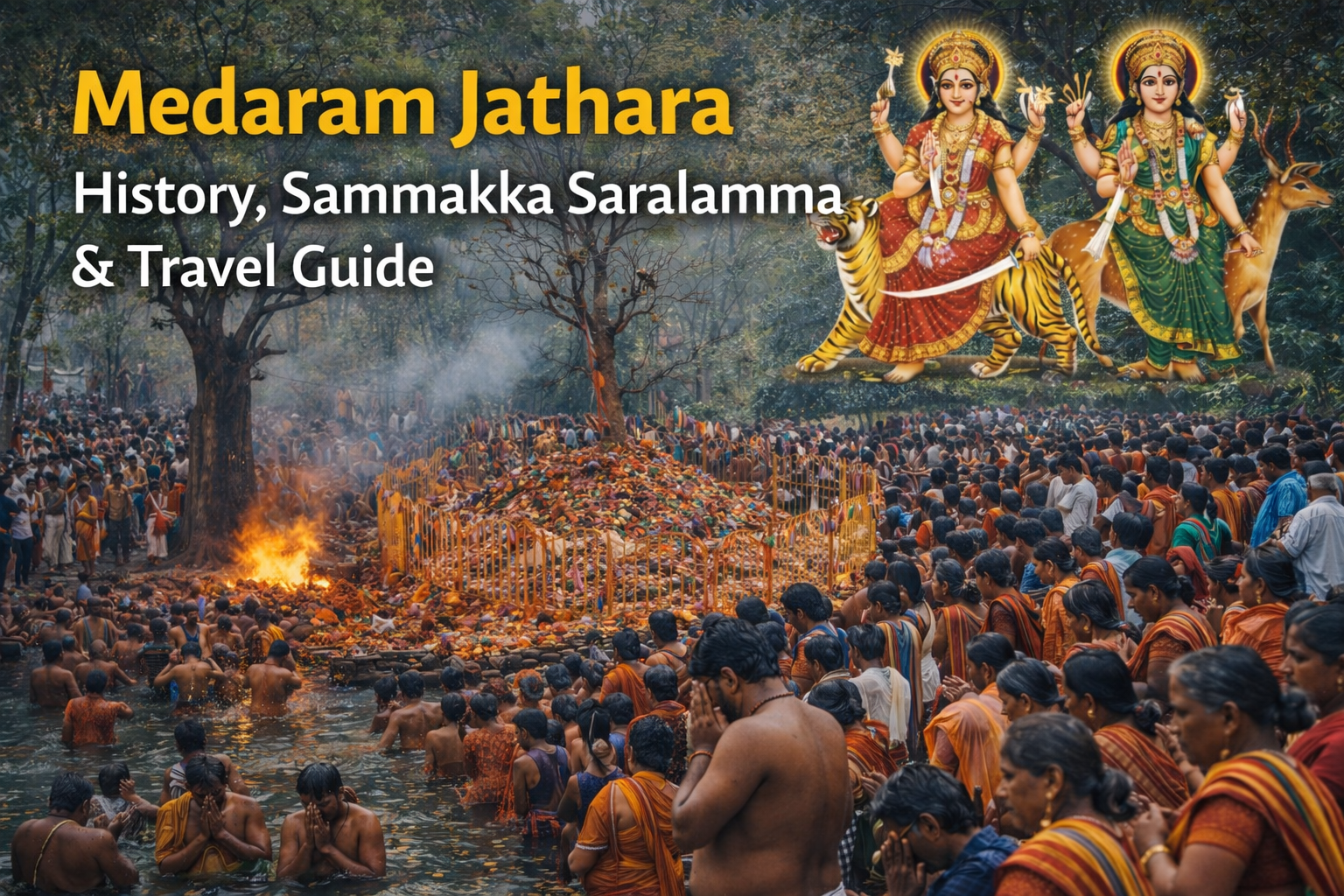
Medaram does not announce itself with temples or towers.
It waits quietly in the forest.
Every two years, millions walk into that forest—not for spectacle, but for belief. They come with jaggery in their hands and faith in their hearts, trusting a promise made centuries ago to a mother and daughter who chose dignity over power.
This is the complete, ground-level guide to Medaram Jathara—its history, the story of Sammakka and Saralamma, the official dates, rituals, and practical travel planning—written as a local would explain it, not as a brochure would sell it.
What Is Medaram Jathara?
Medaram Jathara, also called the Sammakka Saralamma Jathara, is a biennial tribal festival held in the forests of Medaram village in Mulugu district, Telangana. It is widely regarded as the largest tribal gathering in the world.
What sets Medaram apart is not the size of the crowd—but the nature of the worship.
There are no stone idols.
No permanent temples.
No priests from outside the tribe.
Faith here lives under trees, on earthen platforms called Gaddelu, and in the collective memory of the Koya tribal community.
Where Is Medaram and Why the Forest Matters
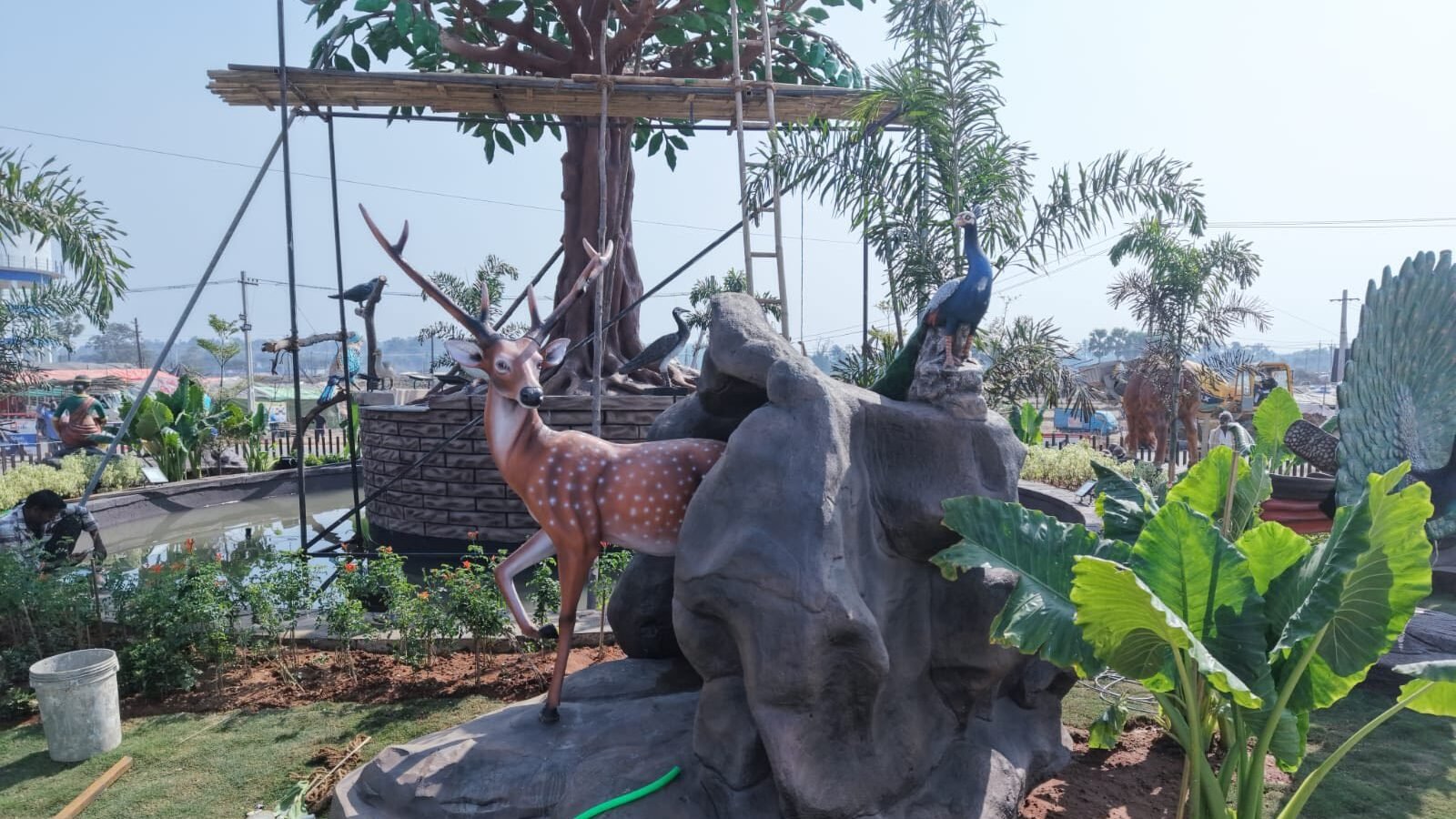
Medaram lies deep inside forest land, close to the Godavari belt. This location is not accidental.
According to tribal belief, Sammakka and Saralamma did not ascend to the heavens. They merged with the forest. Their presence is believed to remain in nature itself.
That is why worship happens in open spaces.
That is why the forest is sacred.
That is why Medaram can never become a typical pilgrimage town.
The setting is the message.
The Story of Sammakka and Saralamma (Why This Jathara Exists)
Long before the Jathara existed, there was Sammakka—a tribal woman believed to have been found as a child in the forest and raised by the Koya tribe. She grew into a leader known for courage, compassion, and an unshakable sense of justice.
When unjust taxes were imposed on forest-dwelling tribes, Sammakka refused to submit. Her stand led to conflict. Her daughter Saralamma stood beside her.
The story does not end with victory or defeat.
It ends with disappearance.
According to belief, Sammakka and Sarakka vanished into the forest and became protective spirits for their people. The tribe promised to remember them—always.
That promise became Medaram Jathara.
👉 For a deeply emotional retelling, see the Sammakka Saralamma story.
A Festival Without Temples: What Makes Medaram Unique
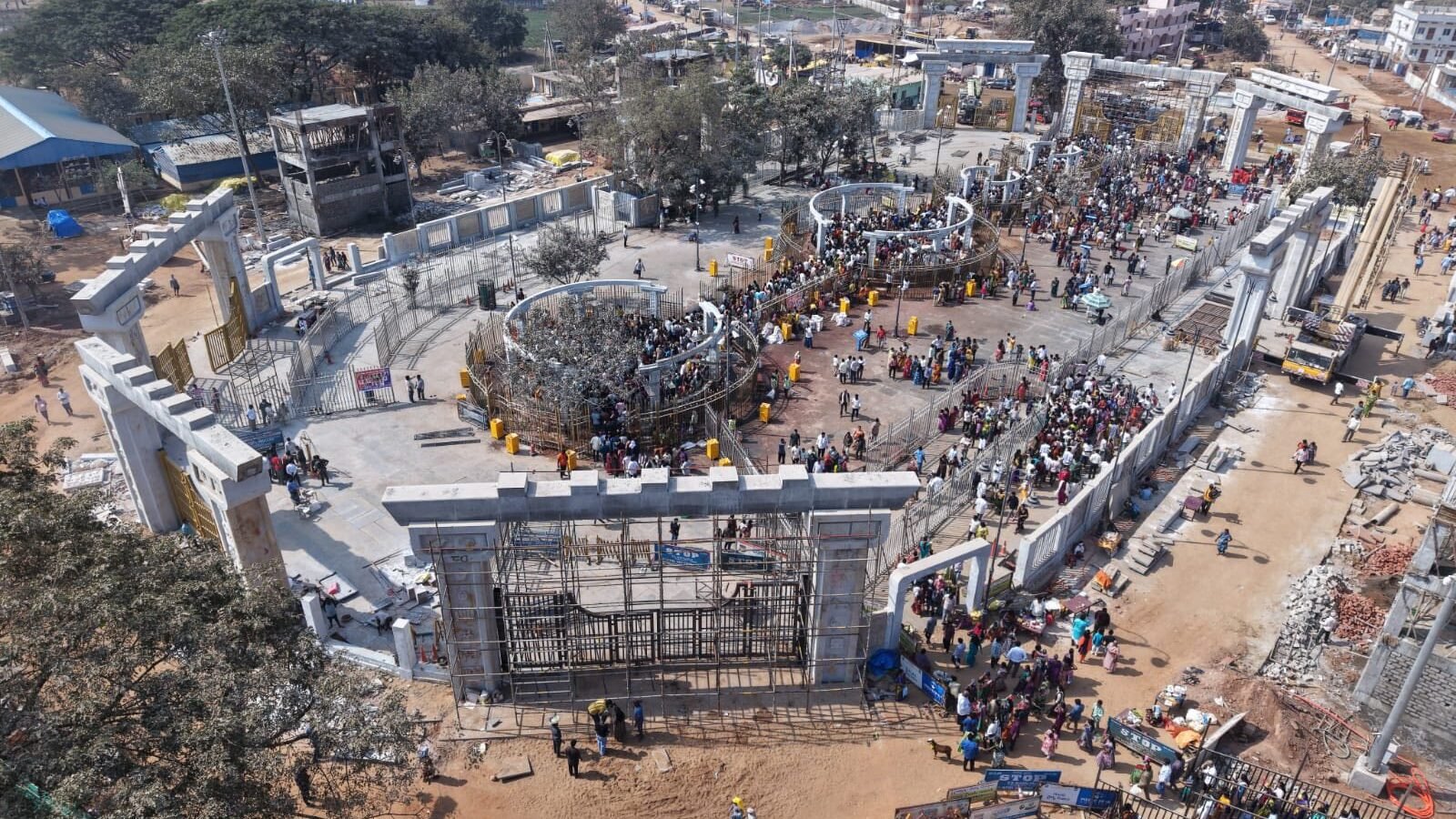
Most Indian festivals revolve around temples. Medaram does not.
Here, worship happens:
- Under trees
- On earthen platforms
- With offerings of jaggery, turmeric, and kumkum
Gold is not required.
Priesthood is not purchased.
Devotion is equal for everyone.
This simplicity is not lack—it is philosophy.
Medaram Jathara History: From Tribal Gathering to National Event
For centuries, Medaram Jathara was a small tribal gathering. Families walked through forests to keep a promise.
Over time, neighboring villages joined. Then districts. Then states.
What’s remarkable is how Medaram grew:
- Without royal patronage
- Without commercial promotion
- Without changing rituals
Faith alone carried it forward.
Today, Medaram Jathara draws crores of devotees, yet it still functions with discipline, patience, and respect—something even larger events struggle to maintain.
👉 Read the detailed history of Medaram Jathara to understand how this transformation happened.
Official Dates of Medaram Jathara 2026
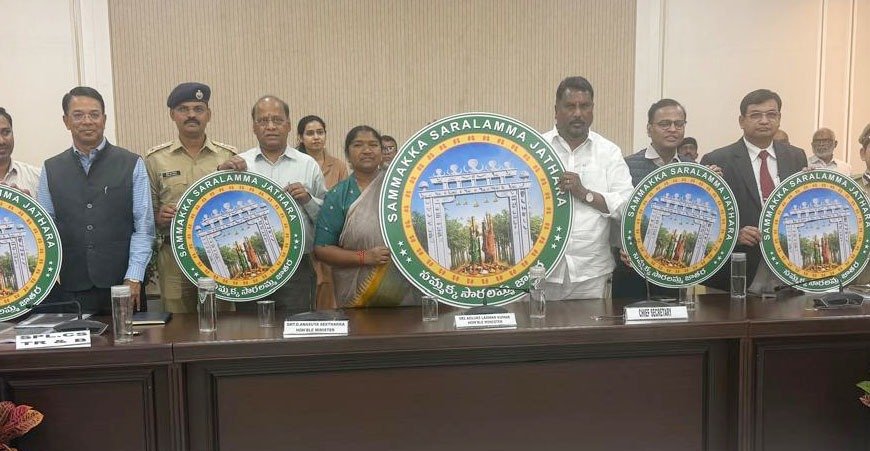
The 2026 Medaram Jathara has been officially announced and will be held from:
January 28 to January 31, 2026
These four days represent the core ritual cycle, with specific significance attached to each day.
Medaram Jathara Rituals: What Happens on Each Day
Day 1: Arrival of Saralamma
The Jathara begins with the ceremonial arrival of Saralamma. Processions move through the forest, accompanied by tribal drums and chants.
Day 2: Arrival of Sammakka
This is one of the most emotionally powerful moments. Sammakka is brought from Chilakalagutta to Medaram. Devotees wait for hours, sometimes all night, to witness this moment.
Day 3: Main Offerings Day
This is the peak day. Devotees offer jaggery (bellam), coconuts, turmeric, and clothes. Many take a holy dip in Gampan Vagu, the sacred stream nearby.
Day 4: Vanapravesham
The concluding ritual marks the symbolic return of the goddesses to the forest. The crowd thins quietly, without announcements, without noise.
Faith enters the forest again.
👉 For exact timings and daily planning, see Medaram Jathara dates, timings & rituals.
Why Jaggery Is Offered (Not Gold)
At Medaram, jaggery is called Bangaram—gold.
It symbolizes:
- Sweetness of life
- Equality (anyone can offer it)
- Agricultural roots
This single tradition explains Medaram’s soul better than any slogan.
Gampan Vagu: The Sacred Stream
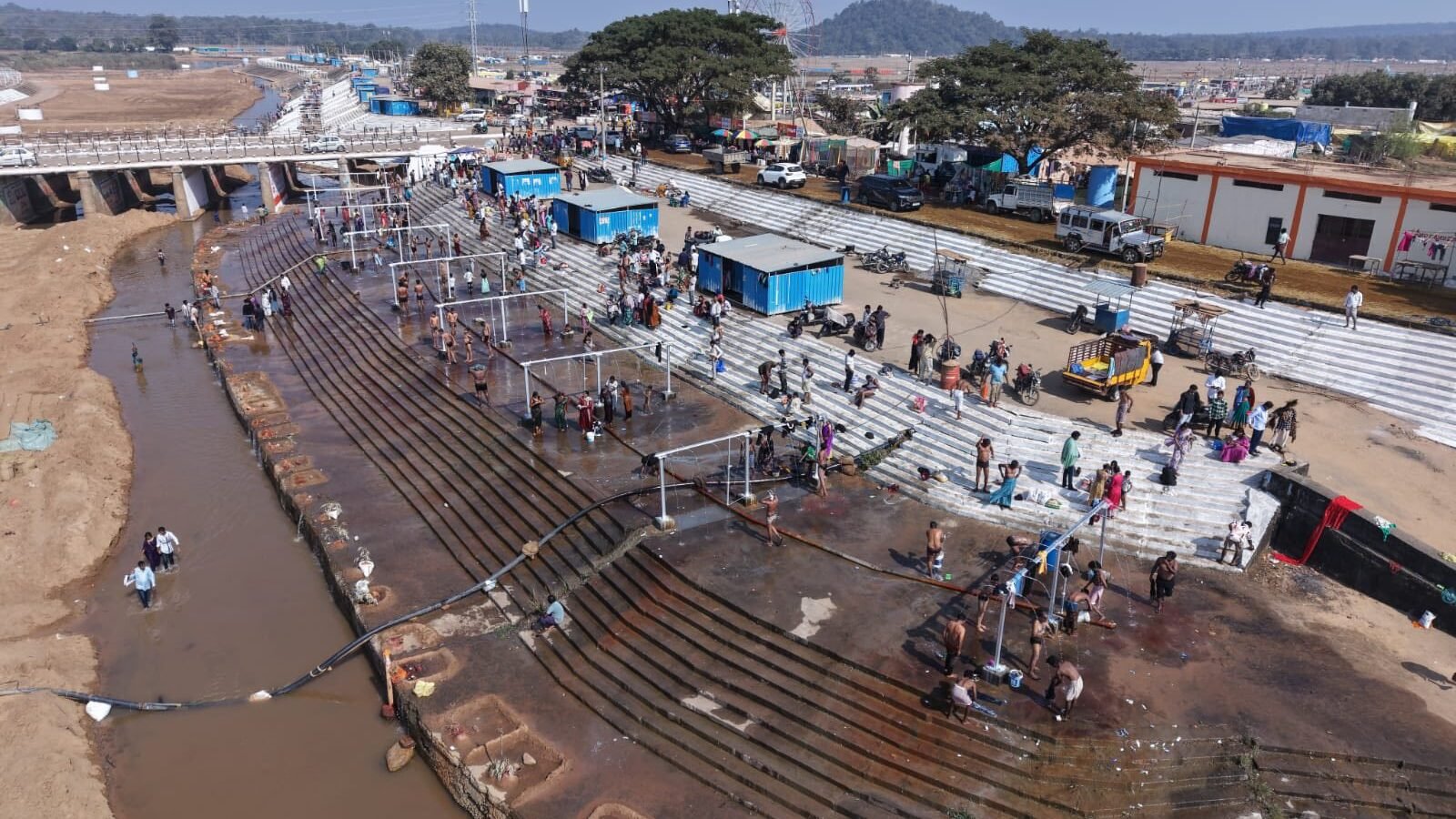
Many devotees bathe in Gampan Vagu before offering prayers. The water is believed to cleanse both body and mind.
This is not ritual for show.
It is a pause—before belief.
Who Can Visit Medaram Jathara?
Everyone.
Medaram does not separate by caste, language, or region. Tribal families, farmers, city dwellers, elders, children—everyone walks the same path.
That shared journey is part of the worship.
Medaram Jathara Travel Guide (Practical Planning)
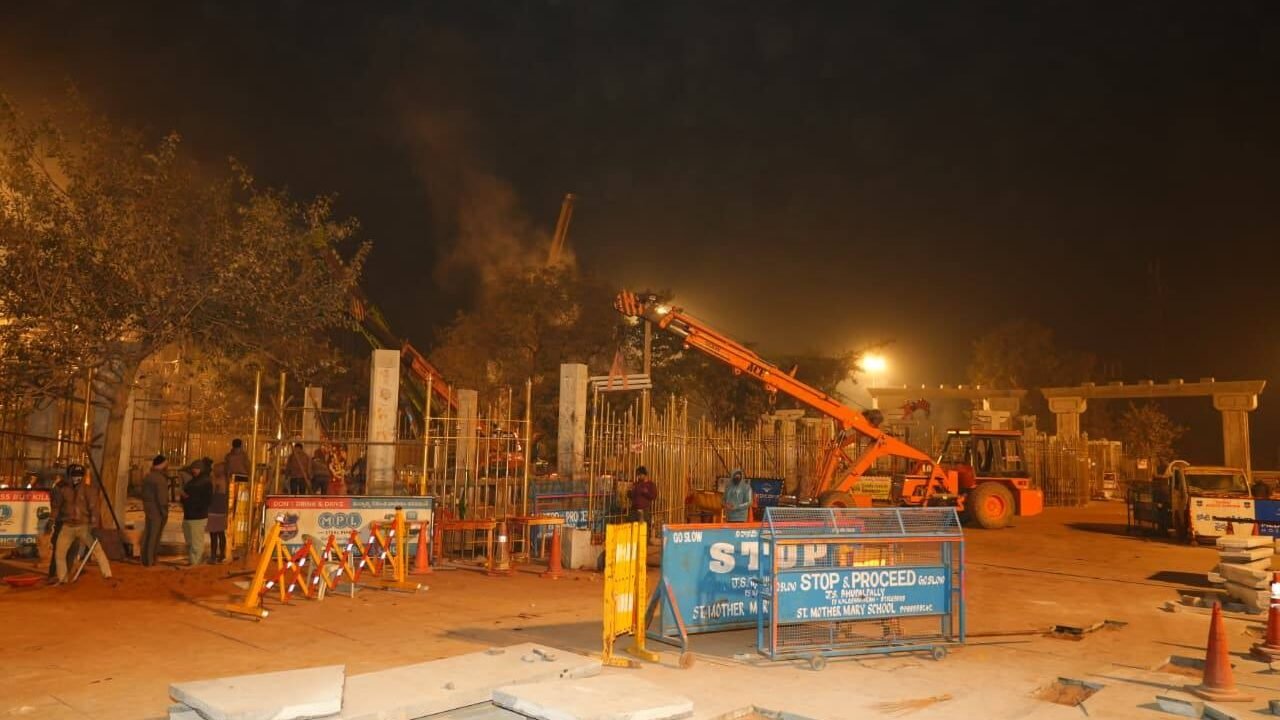
How to Reach Medaram
Medaram is accessed via roads from Warangal, Mulugu, and Eturnagaram. During Jathara days, the Telangana government operates special buses and manages traffic diversions.
👉 Detailed routes are covered in How to Reach Medaram Jathara.
Best Time to Visit
Early mornings are calmer. The third day sees the heaviest crowd. Families with elders should plan accordingly.
👉 Crowd-smart planning is explained in Best time to visit Medaram Jathara.
Facilities, Crowd & Safety
Authorities provide:
- Drinking water points
- Medical camps
- Police and volunteer support
Despite massive crowds, the atmosphere remains disciplined. Devotees wait patiently and follow instructions.
Nearby Attractions Around Medaram
If you are traveling from far, Medaram can be paired with nearby attractions around Medaram, including waterfalls, forest viewpoints, and culturally rich tribal villages. Exploring these places adds context to the Jathara and the land that shaped it.
Why Medaram Jathara Still Matters Today
In a world of fast festivals and faster exits, Medaram asks for patience.
It teaches:
- Faith without display
- Power without dominance
- Leadership through sacrifice
That is why Medaram has survived centuries without losing its essence.
Medaram Jathara vs Other Pilgrimages
Other pilgrimages build upward—temples, towers, gold.
Medaram grows inward—belief, memory, promise.
That difference is everything.
Final Thoughts: A Promise Kept Every Two Years
Medaram Jathara is not an event you attend.
It is a promise you keep.
A promise made by a community to remember its protectors.
A promise renewed by millions who walk into the forest, offer jaggery, and walk back quietly—changed.
That is Medaram.
👉 Explore More on travellerkaka.com
Read the Sammakka Saralamma story, dive deeper into the history of Medaram Jathara, check official dates and rituals, plan how to reach Medaram, and explore nearby attractions—all written with local insight and respect.