
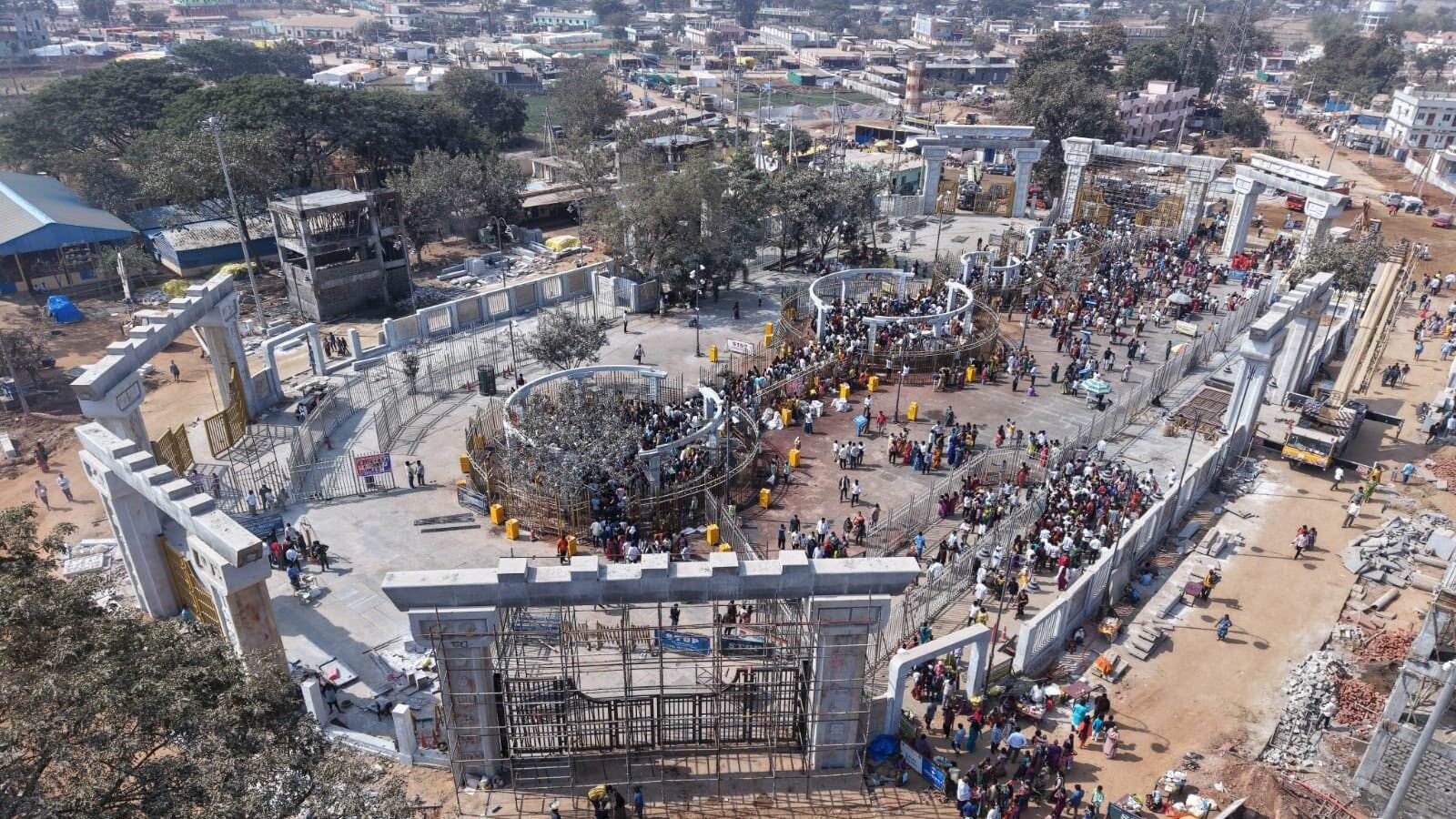
Medaram Jathara — also called Sammakka Sarakka Jatara — is not just a festival. It is a living cultural pulse of Telangana that draws millions of devotees and pilgrims every two years. Known as one of the largest tribal gatherings in the world, the 2026 Jathara has been officially announced and meticulously planned by tribal priests, local communities, and the Telangana government.
In this guide, we explore the exact dates, timing details, and major rituals of the 2026 Medaram Jathara — so you can prepare spiritually and logistically.
📅 Official 2026 Dates of Medaram Jathara
The priests’ association and community leaders have officially announced the dates for the biennial Medaram Sammakka Saralamma Jatara in 2026.
📌 Dates:
January 28 – January 31, 2026
Location: Medaram village, Tadwai Mandal, Mulugu district, Telangana
This sacred four-day period marks the core days of worship, offering, and tribal rituals that honor the goddesses Sammakka and Saralamma — revered by tribal communities and millions of devotees across India and beyond.
📆 Medaram Jathara Daily Timings & Ritual Flow (2026)
While precise daily schedules may vary slightly each year based on tradition and priest guidance, the broad pattern of rituals remains consistent. Here’s an updated ritual timeline reflecting the 2026 schedule based on official announcements and local customs:
🔹 Day 1 — January 28, 2026 (Wednesday):
Beginning of the Jathara
- Processions begin from neighboring villages
- Saralamma (Sarakka) arrives at the sacred platforms (Gaddelu) in Medaram with tribal song, drums, and offerings.
- Pagididda Raju and Govindaraju are also ceremonially brought to the main Medaram ground.
This evening marks the opening of the festival with devotional fervor.
🔹 Day 2 — January 29, 2026 (Thursday):
Arrival of Sammakka
- This day is highly significant as Sammakka Talli is brought from Chilakalagutta to Medaram.
- Tribal rituals, fire torches, music, and traditional drum processions are central to this sacred event.
- The gathering intensifies as devotees pay homage.
🔹 Day 3 — January 30, 2026 (Friday):
Main Worship & Offerings
- This is usually considered the peak day of Medaram Jathara.
- Devotees offer jaggery (bangaram or bellam), coconuts, turmeric, kumkum, new clothes, and other traditional items to the goddesses.
- Many pilgrims take a holy dip in Gampan Vagu stream, believed to cleanse sins and bestow spiritual purification.
🔹 Day 4 — January 31, 2026 (Saturday):
Vanapravesham (Return to Forest)
- The concluding ritual involves the ceremonial return of Sammakka, Saralamma, Govindaraju, and Pagididda Raju back to their forest abodes as per tribal belief.
- The festival ends with this symbolic act of vanapravesham — returning to the forest for rest and until the next cycle.
👉 Also Read: Who Are Sammakka and Saralamma? The Tribal Goddesses of Medaram
📍 Ritual Traditions That Define Medaram Jathara
🌿 All Rituals Led by Koya Tribal Customs
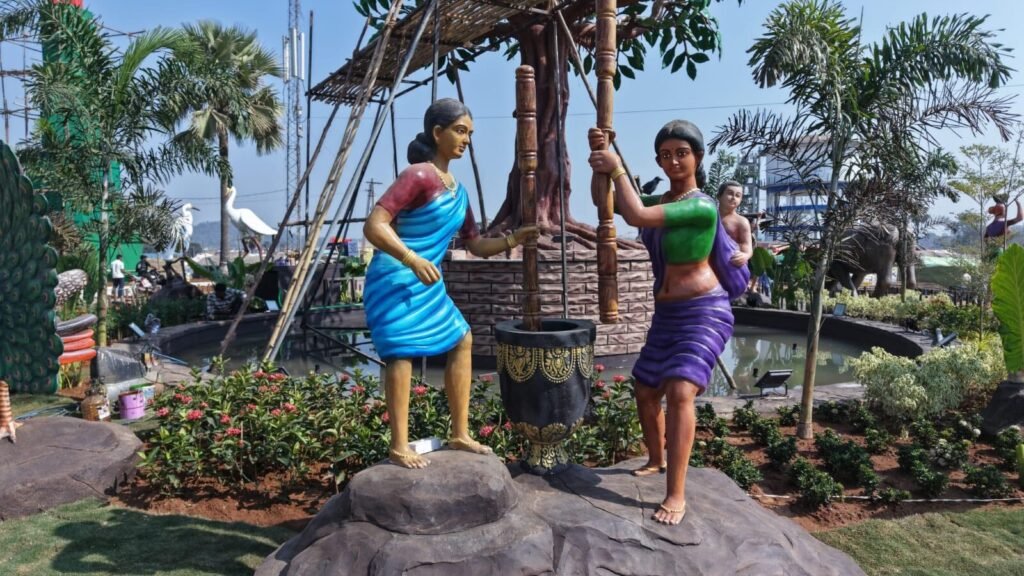
Unlike many major Indian festivals conducted in temples, Medaram Jathara rituals are strictly tribal traditions, performed by Koya tribal priests — a community that has owned and preserved this practice for centuries.
🌊 Gampan Vagu Holy Dip
A sacred ritual involves bathing in the Gampan Vagu stream before offering prayers. Devotees believe it purifies both body and soul, and the stream itself is considered spiritually blessed.
🪔 Offerings to the Goddesses
Devotees traditionally offer:
- Bangaram (jaggery) — symbolic as sweetness and purity
- Turmeric & vermilion — for protection and blessings
- Coconuts, sarees, and jewelry
These offerings are made with faith for health, prosperity, children, and protection.
⏱️ Timings & Daily Devotional Flow
- Morning: Devotees gather early, bathe in holy waters, and begin offerings.
- Midday: Public prayers, tribal music, and dance are shared.
- Evening: Major processions, arrival rituals, and ceremonial worship reach emotional peaks.
Exact timings are determined by tribal elders and priest committees just before the festival.
Spiritually, first light to late evening is considered auspicious for rituals.
🧭 How Long Does Each Ritual Take?
- Arrival rituals (Saralamma/Sammakka): Several hours with musical processions.
- Holy dip and offerings: Continuous throughout the day, with peak devotion during late morning to early afternoon.
- Vanapravesham: Marked in early evening on the final day.
Devotees often travel long distances by foot or vehicle, so arriving 1–2 days early is commonly recommended by local guides.
Why the Dates Matter
Medaram Jathara dates are not chosen randomly.
They align with tribal calendars and seasonal patterns that have guided the Koya community for generations. While they may overlap with broader Hindu calendars, this festival is rooted in indigenous timing systems rather than mainstream religious timetables.
🧠 Tips for Attendees (Timing-Wise)
- Reach early morning on Jan 28: To witness opening rituals and welcome processions.
- Plan major offerings on Jan 30: As this is the peak devotional day.
- Stay through Jan 31 evening: To experience the symbolic conclusion with Vanapravesham.
🧕 Cultural Impact & Crowd Size
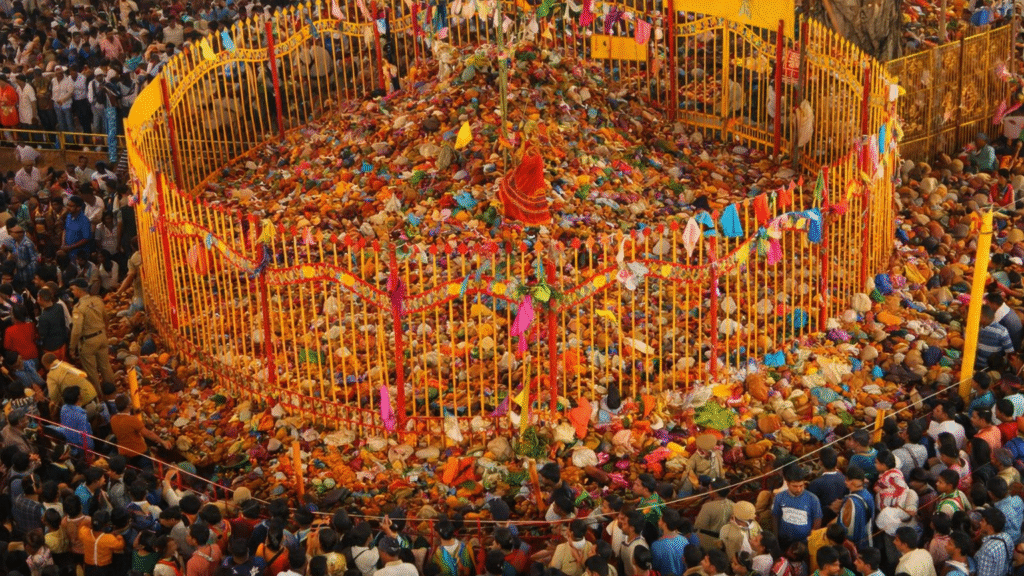
Medaram Jathara is expected to attract tens of millions of pilgrims in 2026, making it one of the largest tribal festival gatherings in the world. This massive turnout requires early planning, especially considering weather, transport, and crowd management.
📌 Final Thoughts
Medaram Jathara is more than dates and rituals.
It is a living festival — a convergence of faith, heritage, tribal identity, and collective devotion.
Understanding the dates, daily timings, and symbolic rituals gives devotees real context to participate meaningfully in this centuries-old celebration.