
Varanasi is not just a destination; it is an ancient, living emotion. Known as Kashi (the City of Light) or Banaras, it is widely considered the spiritual beating heart of India. Mark Twain famously wrote that Varanasi is “older than history, older than tradition, older even than legend.” But in 2026, the Eternal City has successfully done the impossible: it has blended its 3,000-year-old soul with world-class, modern infrastructure.
Whether you are seeking a deep spiritual awakening, hunting for the world’s most atmospheric photography, or simply wanting to get lost in the labyrinth of ancient lanes, Kashi in 2026 is more welcoming and accessible than ever before.
This ultimate guide is designed to be your compass. From navigating the high-tech ropeways to understanding the silent fires of the burning ghats, let’s explore the divine chaos of Varanasi.
1. The Divine Heart: Temples and Modern Marvels
The Crown Jewel: Shri Kashi Vishwanath Dham
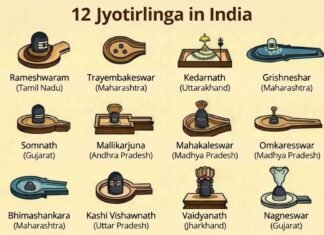
The absolute center of gravity in Varanasi is the Kashi Vishwanath Temple, home to one of the 12 sacred Jyotirlingas. For centuries, reaching Baba Vishwanath meant pushing through dark, cramped, and muddy alleys. Today, the experience is nothing short of regal.
The massive redevelopment has transformed the area into a 5-lakh-square-foot spiritual complex that connects the inner sanctum directly to the Ganga at Lalita Ghat. You can literally take a holy dip and walk up a grand, beautifully carved pathway straight to the deity. If you want to know exactly what has changed, check out our deep dive into the Kashi Vishwanath Corridor: 7 New Features for 2026 Visitors.
- The VIP Experience: Because the city now sees over a lakh visitors daily, the general queues can take anywhere from 3 to 5 hours. If you are traveling with family or have a tight schedule, we highly recommend reading our step-by-step guide on How to Book Kashi Vishwanath VIP Darshan & Mangala Aarti. It is the best way to ensure a peaceful, queue-less experience.
- A Photographer’s Dream: The golden spires of the temple against the new sandstone corridor look spectacular at sunrise. Ensure you have the right gear by checking out our recommendations for the Best Professional Cameras for Capturing Ganga Aarti (2026).
The Guardian of the City: Kaal Bhairav Temple
Varanasi has a very strict spiritual protocol. Before you visit the main Vishwanath temple, local tradition dictates that you must first visit the Kaal Bhairav Temple. Known as the “Kotwal” (Police Chief) of Kashi, it is believed that Lord Shiva appointed him to guard the city. The energy here is intense, heavy with the scent of mustard oil, incense, and the rhythmic chanting of the priests.
2. The Lifeline: Exploring the Ganga and the 84 Ghats
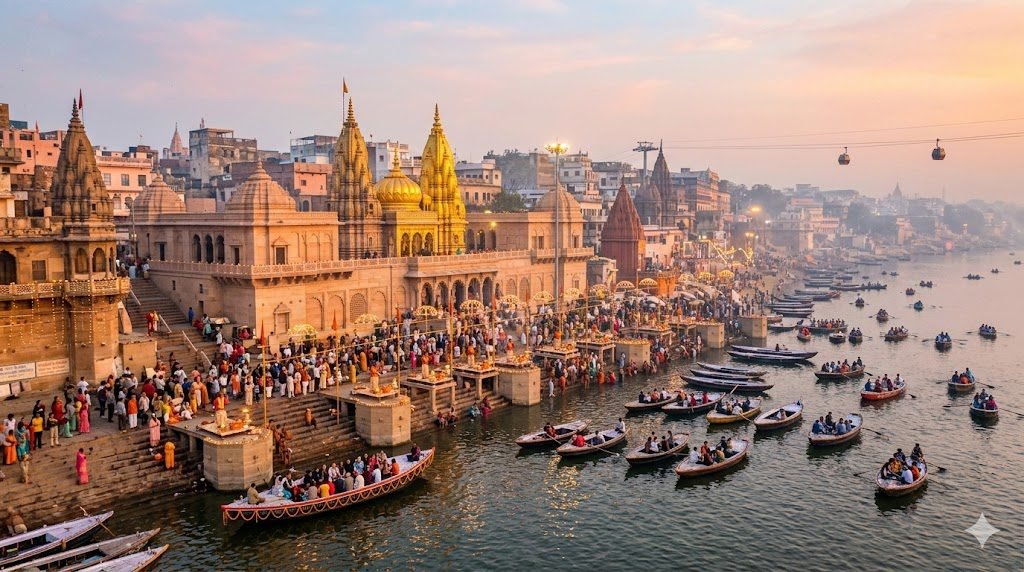
Varanasi’s riverfront is a spectacular, 7-kilometer crescent of 84 stone ghats (steps leading down to the river). Each ghat has its own distinct personality, history, and purpose.
The Magic of the River
To truly understand the rhythm of Banaras, you must get on the water. The perspective from the middle of the river—looking back at the ancient palaces, the fluttering flags, and the meditating sadhus—is life-changing.
- The Morning Ritual: The best time to be on the river is at 5:30 AM. The famous Subah-e-Banaras at Assi Ghat features classical music and Vedic chanting as the sun rises. To avoid getting overcharged by local boatmen, read our complete breakdown on the Varanasi Sunrise Boat Ride: Booking, Prices & Best Ghats.
- The Evening Spectacle: As dusk falls, Dashashwamedh Ghat hosts the grand Ganga Aarti. Seven priests perform synchronized rituals with massive flaming brass lamps. It is loud, crowded, and completely mesmerizing.
The Heavy Reality: The Burning Ghats
While most ghats celebrate life, two ghats in Varanasi are dedicated to death: Harishchandra Ghat and the legendary Manikarnika Ghat. For Hindus, being cremated at Manikarnika means achieving Moksha—liberation from the cycle of rebirth.
The cremation fires here have burned continuously for thousands of years. It is a sobering, powerful place that puts the fragility of human life into perspective. To understand the profound philosophy and legends behind this space, read our fascinating exploration: The Mystery of Manikarnika Ghat: Facts & Legends.
(Note: Out of deep respect for the grieving families, photography is strictly prohibited at the burning ghats.)
3. The Labyrinth: Navigating the Lanes and the Legendary Food
If the ghats are the soul of Kashi, the narrow alleys—known as galis—are its arteries. This is where the real, unfiltered Banaras lives. You will find centuries-old spice markets, silk weavers, tiny shrines tucked into walls, and the ever-present holy cows navigating the crowds with surprising grace.
Walking the Ancient City
GPS often fails in these dense, winding lanes, making getting lost part of the adventure. Because you will easily log 10,000 to 15,000 steps a day walking between the ghats, the temples, and the markets, your footwear is critical. Do your feet a favor and check out our guide on the 7 Best Walking Shoes for Varanasi’s Narrow Lanes (Tested) before you pack your bags.
A Culinary Pilgrimage
You haven’t lived until you’ve eaten your way through Varanasi. The food here is a celebration of rich, deep flavors and vegetarian perfection.
- The Morning Ritual: Start your day at Ram Bhandar for crispy Kachori-Sabzi and piping hot Jalebi.
- The Unique Chaat: You must try the fiery, tangy Tamatar Chaat (tomato chaat) served in a clay kulhad at Kashi Chat Bhandar.
- The Winter Miracle: If visiting between November and February, look for Malaiyyo, a frothy, saffron-infused dessert made from morning dew that literally melts in your mouth.
To ensure you hit all the legendary spots without getting a stomach bug, bookmark our definitive list of the 10 Must-Try Varanasi Street Foods (and Where to Eat Safely).
4. Finding Your Sanctuary: Accommodation & Luxury
Varanasi in 2026 offers accommodations that span the entire spectrum, from $5 backpacker hostels in the Assi Ghat area to 5-star heritage palaces. Choosing where to stay dictates your entire experience.
- The Riverside Royalty: For an unforgettable experience, staying in a restored 18th-century Haveli right on the ghats is magical. Imagine waking up to the sound of temple bells and watching the sunrise from your private balcony. If you want to treat yourself, explore our curated list of the Most Expensive Luxury Hotels in Varanasi: The Royalty Experience.
- The Quiet Escape: If the sensory overload of the old city is too much, the Cantonment area (Cantt) offers modern, quiet international hotels with lush gardens and swimming pools.
Pro Tip for Premium Travelers: Hotel prices in Varanasi surge during festival seasons. To maximize your rewards, lounge access, and get free upgrades, make sure you are using the right plastic. Read our breakdown of the Best Travel Credit Cards in India for Temple & Flight Bookings.
5. Safety, Connectivity, and Protecting Your Trip
Varanasi is chaotic, vibrant, and crowded. While the city is fundamentally safe and the locals are incredibly welcoming, the sheer volume of pilgrims requires a bit of street smarts and preparation.
Staying Safe and Connected
Many female travelers visit Varanasi for solo spiritual retreats. The city is generally safe, but navigating the dense crowds and dimly lit lanes at night requires some specific precautions. We have put together a comprehensive safety manual: Is Varanasi Safe for Solo Female Travelers? Safety & Insurance.
For international tourists and NRIs flying in, staying connected in the winding alleys is crucial for accessing maps and booking cabs. Skip the hassle of finding a local shop by reading our comparison: E-Sim vs Local Sim: Which is Best for International Pilgrims?.
The Importance of Travel Insurance
Because Varanasi involves a lot of walking on uneven stone steps, boat rides, and navigating massive crowds, minor accidents or trip cancellations are real possibilities. This is especially true for older travelers completing their Jyotirlinga yatra. Do not skip coverage. We highly recommend reviewing the Top 5 Travel Insurance Plans for Senior Citizens visiting Varanasi to ensure complete peace of mind during the pilgrimage.
6. The Ultimate Time to Visit: Festivals & High Season
The weather in Varanasi is best from October to March, but the city truly transforms during its festivals. If you want to see Kashi at its most magnificent, plan your 2026 trip around Dev Deepavali (the Diwali of the Gods), which takes place 15 days after Diwali.
During this night, all 84 ghats are illuminated by over a million earthen lamps (diyas). It is a visual spectacle that defies description. Because millions of people descend on the city, you need to book months in advance. Get all the dates, logistics, and insider tips in our Dev Deepavali Varanasi 2026: Dates, Hotel Booking & Guide.
7. The Logistics: Reaching Kashi and Beating the “Hustle”
Getting to Varanasi has never been smoother, but once you step out of the airport or train station, the sensory overload begins immediately. Here is how to navigate the arrival like a seasoned traveler.
Air and Rail Connectivity in 2026
- By Air: The Lal Bahadur Shastri International Airport (VNS) connects Kashi to all major Indian metros and several international destinations. It is located about 26 kilometers from the main ghats. Always opt for a pre-paid taxi from the official booth inside the terminal to avoid the aggressive touts outside.
- By Train: Varanasi Junction (Cantt) and Banaras Station (Manduadih) are the primary rail hubs. Thanks to the expanding Vande Bharat Express network, traveling from Delhi, Lucknow, or Patna is now a breeze.
The Art of the “Auto-Rickshaw” Negotiation
Once you are in the city, the primary mode of transport for short distances is the auto-rickshaw or e-rickshaw.
- The Golden Rule: Always negotiate the fare before you sit inside.
- The “Silk Factory” Trap: Many drivers will offer you a ride for a suspiciously low price (like ₹20). Do not fall for it. They will inevitably take you to a “government-approved silk factory” where they earn a hefty 30% commission on anything you buy. Be firm about your destination and politely decline any shopping detours.
8. Beyond Kashi: The Ultimate Holy Circuit
While Varanasi is a universe unto itself, it is also the perfect launchpad for exploring the wider spiritual circuit of Uttar Pradesh. In 2026, the newly upgraded highways have drastically cut down travel times, making multi-city pilgrimages highly efficient.
The Path of Enlightenment: Sarnath
Just 10 kilometers away from the chaotic ghats lies Sarnath, a place of profound peace. This is where Lord Buddha delivered his first sermon after attaining enlightenment. The sprawling green lawns, the massive Dhamek Stupa, and the world-class archaeological museum make it a mandatory half-day trip. Do not miss the spectacular evening Light and Sound show!
The Sangam and The Ram Mandir
No spiritual journey in North India is complete without visiting the Triveni Sangam (the confluence of the Ganga, Yamuna, and mythical Saraswati rivers) in Prayagraj, followed by the majestic Ram Janmabhoomi in Ayodhya.
With the massive influx of pilgrims heading to Ayodhya in 2026, relying on public buses can be exhausting. Renting a comfortable, air-conditioned cab is the smartest way to travel with your luggage safely. To find the most reliable operators, avoid hidden toll charges, and plan your route perfectly, read our complete Private Taxi Guide: Varanasi to Prayagraj & Ayodhya (Prices/Tips).
9. Your 2026 Kashi Packing Checklist
To ensure your pilgrimage is smooth, comfortable, and respectful, here is a quick summary of what should be in your suitcase:
- Modest Clothing: Pack lightweight, breathable fabrics (cotton kurtas, long dresses, or linen pants). Shoulders and knees must be covered when entering the Kashi Vishwanath Dham.
- Slip-on Footwear: You will be taking your shoes off constantly at various temples. Leave the complicated lace-up boots at home.
- Power Bank: Between recording the Ganga Aarti, navigating via Google Maps, and taking hundreds of photos, your phone battery will drain rapidly.
- Hand Sanitizer and Wet Wipes: Essential for a quick clean-up after walking barefoot in the temple complexes or enjoying the street food.
- A Reusable Water Bottle: Stay hydrated in the North Indian heat, but stick to filtered RO water from your hotel or sealed mineral water.
The Final Word
Varanasi is not a city you simply visit; it is a city you experience with every fiber of your being. It will challenge your senses, test your patience, and ultimately, fill your soul with a profound sense of peace. In 2026, the blend of world-class infrastructure and ancient rituals makes Kashi the absolute crown jewel of Indian tourism.
Take your time. Sit on the steps of the ghats at dawn, listen to the bells, and let the Eternal City reveal its secrets to you.
Frequently Asked Questions (FAQs)
Also Read
Mallikarjuna Jyotirlinga Srisailam: History, Significance & Complete Pilgrimage Guide (2026)
Somnath Jyotirlinga: History, Darshan, Timings & Complete Travel Guide (2026)