

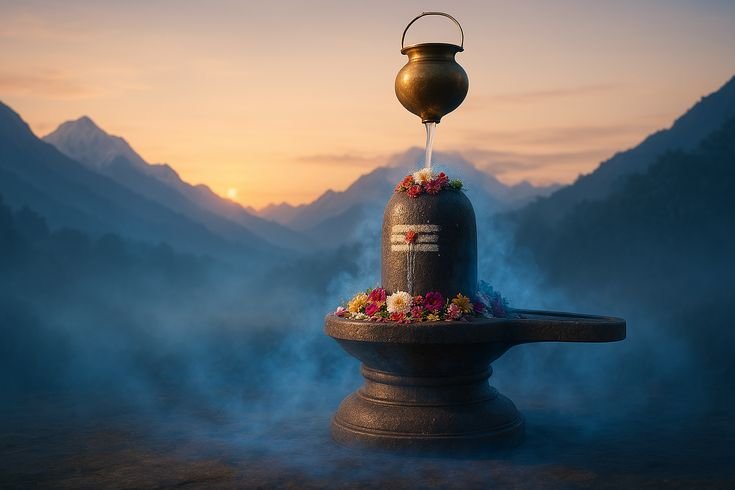
Abhishekam is not just a ritual.
It is devotion in motion.
Across India — from Kashi to Rameswaram, from small village temples to Jyotirlinga shrines — devotees pour water, milk, and sacred offerings over the Shiva Lingam with one prayer in their heart:
“Om Namah Shivaya.”
But many people still ask:
- What are the correct Abhishekam items?
- What is their spiritual meaning?
- How should it be performed at home?
- Is Monday special for Abhishekam?
This complete guide answers everything.
What Is Shiva Abhishekam?
Abhishekam means sacred bathing of the deity.
In Shiva worship, it refers to pouring holy substances over the Shiva Lingam while chanting mantras.
Unlike many other deities, Lord Shiva is believed to be easily pleased. He is called Ashutosh — the one who fulfills wishes quickly.
Even simple water offered with faith is considered powerful.
Also Read : Why Do Shiva Devotees Visit Temples Only on Monday? The Powerful Secret Behind Somvar Darshan
Why Is Abhishekam Important in Shiva Worship?
Spiritually, Abhishekam symbolizes:
- Cleansing of negative karma
- Cooling of inner anger and ego
- Surrender of the devotee
- Flow of divine energy
The Shiva Lingam represents cosmic energy. When liquids are poured over it, devotees believe it balances inner and outer energy.
That is why Abhishekam is especially performed on:
- Mondays (Somvar)
- Mahashivaratri
- Shravan Month
- Karthika Masam
- Pradosham
Complete List of Shiva Abhishekam Items
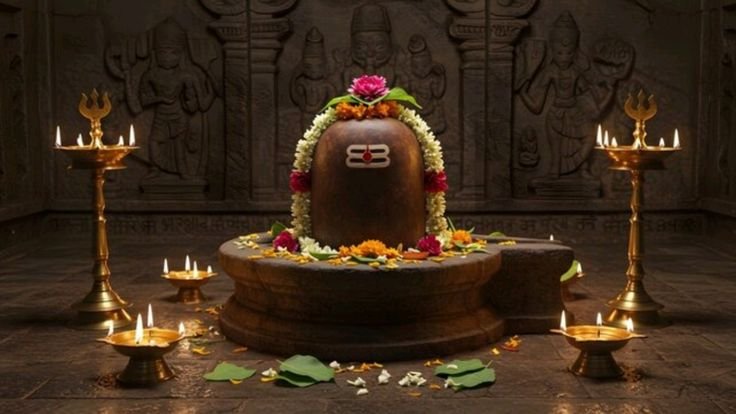
Here are the most commonly used Abhishekam materials across India.
1. Water (Jal)
The most essential offering.
Water represents purity and surrender.
Even if you have nothing else, offering water is enough.
2. Milk
Milk symbolizes peace, purity, and nourishment.
Milk Abhishekam is believed to calm the mind and reduce stress.
It is most commonly performed on Mondays.
3. Curd (Yogurt)
Represents prosperity and stability.
Often used after milk during ritual sequence.
4. Honey
Symbolizes sweetness in life and relationships.
Believed to improve harmony and communication.
5. Ghee
Represents strength and divine light.
Used as part of Panchamrit.
6. Sugar or Jaggery
Symbolizes happiness and fulfillment.
Jaggery is traditionally preferred in many temples.
7. Panchamrit
A sacred mixture of:
- Milk
- Curd
- Honey
- Ghee
- Sugar
Considered highly auspicious.
8. Bilva Leaves (Bel Patra)
The most sacred offering to Shiva.
Bilva leaves represent Shiva’s three eyes.
Fresh, unbroken leaves are preferred.
9. Sandalwood Paste
Applied after Abhishekam.
Symbolizes calmness and spiritual fragrance.
10. Vibhuti (Sacred Ash)
Represents truth and detachment.
Reminds devotees that everything is temporary.
11. Flowers
White flowers are preferred.
Avoid Ketaki flower as per traditional belief.
12. Ganga Jal (Holy Water)
If available, adding a few drops enhances spiritual purity.
Also Read: 50 Powerful Shiva Temples Near Hyderabad You Must Visit
Traditional Order of Shiva Abhishekam

In many temples, the sequence is:
- Water
- Milk
- Curd
- Honey
- Ghee
- Sugar
- Panchamrit
- Final water rinse
- Bilva leaves
- Sandal paste & flowers
However, devotion matters more than strict sequence.
How to Do Shiva Abhishekam at Home (Step-by-Step Guide)
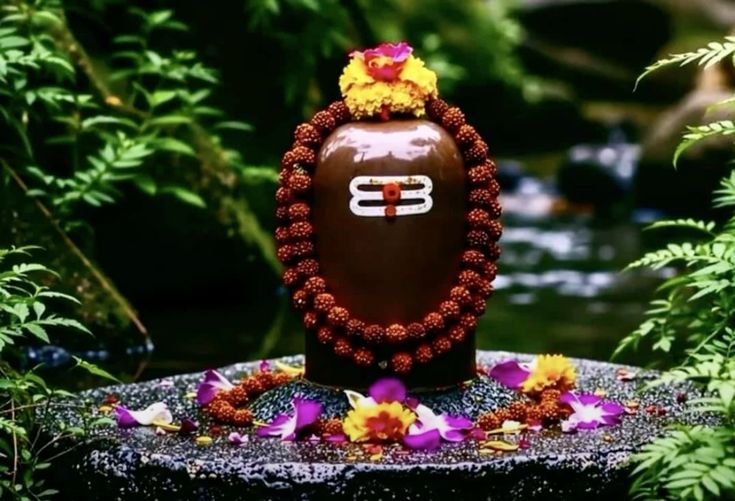
You don’t need elaborate arrangements.
A simple, sincere ritual is enough.
Step 1: Prepare the Space
- Clean the area
- Place Shiva Lingam on a plate or copper vessel
- Sit facing East or North
Morning or evening is ideal.
Step 2: Light Lamp and Incense
Light one oil or ghee lamp.
Chant “Om Namah Shivaya” 11 times.
Step 3: Offer Water
Slowly pour water over the Lingam.
Chant “Om Namah Shivaya.”
Step 4: Perform Milk Abhishekam
Pour milk gently.
You may chant the Maha Mrityunjaya Mantra.
Step 5: Optional Panchamrit Offering
Offer curd, honey, ghee, and sugar.
Rinse again with clean water.
Step 6: Offer Bilva Leaves
Place bilva leaves gently.
Pray silently for your wishes.
Step 7: Apply Sandalwood & Vibhuti
Decorate the Lingam lightly.
Apply Vibhuti on your forehead.
Step 8: Perform Aarti
Offer flowers.
Do a small aarti.
Sit quietly for a few minutes.
Monday, Shravan & Karthika Special Abhishekam
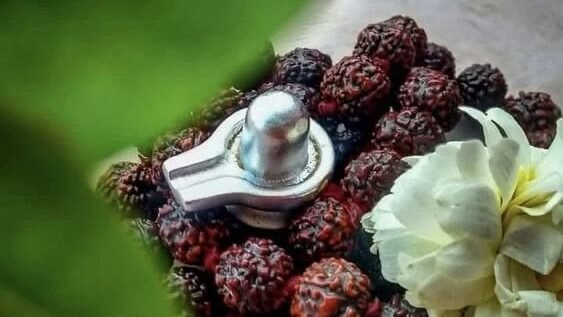
Monday (Somvar)
Monday is dedicated to Shiva. Milk Abhishekam is most popular on this day.
Shravan Month
Shravan Mondays are considered extremely powerful. Temples remain crowded across India.
Karthika Masam
During Karthika, devotees light oil lamps and perform daily Abhishekam. Karthika Mondays are especially sacred.
Common Mistakes to Avoid
- Do not waste excessive milk
- Avoid plastic vessels
- Do not rush the ritual
- Keep your mind calm
Remember: Intention matters more than perfection.
Can Abhishekam Fulfill Wishes?
Devotees believe Abhishekam can:
- Remove obstacles
- Improve marriage prospects
- Bring mental peace
- Reduce planetary doshas
- Improve financial stability
But spiritually, the greatest benefit is inner peace.
Conclusion
Shiva Abhishekam is simple.
No luxury. No complexity.
Just water, devotion, and surrender.
You don’t need expensive materials.
You need faith.
Whether performed in a temple on Monday or at home in silence, Abhishekam is a reminder:
Let your ego dissolve like water over stone.
And let your prayer flow.
Om Namah Shivaya.
FAQs
A. What are the main items required for Shiva Abhishekam?
A. Yes, Shiva Abhishekam can be performed at home using a small Shiva Lingam. Offer water or milk while chanting “Om Namah Shivaya” and place bilva leaves afterward.
A. Monday (Somvar) is considered the most auspicious day. Shravan Mondays, Mahashivaratri, and Karthika Masam are especially powerful for Abhishekam.
A. Devotees believe Shiva Abhishekam brings mental peace, removes obstacles, improves marital harmony, reduces planetary doshas, and helps fulfill wishes.
A. No. Milk is traditional but not mandatory. Water alone, offered with sincerity, is enough to please Lord Shiva.
source : all images are takened by pintrest