
Most of us search for experiences that break us out of routine, moments that feel bigger, deeper, and more meaningful than everyday life. For many, the dream of trekking to Everest Base Camp sparks exactly that feeling. But here’s the truth: this journey offers far more than stunning scenery and a sense of accomplishment.
The Everest Base Camp trek is a transformative adventure. It challenges your body, clears your mind, and immerses you in a culture that has thrived in the world’s highest mountains for centuries. It’s not just about reaching Base Camp; it’s about discovering your own resilience along the way.
If you’ve ever wondered whether this trek is worth the time, effort, or risk, this post will help you understand what makes it truly special. Beyond the physical challenge lies clarity, perspective, and connection. Whether you’re an experienced hiker or a first-time adventurer looking for meaning, the EBC trail has something powerful to offer.
What Are the Deeper Motivations Behind Trekking to Everest Base Camp?
Discovering Personal Growth in the Himalayas
The trek to Everest Base Camp is as much an inner journey as it is a physical one. As you move through the Khumbu Valley, each step tests your endurance. The altitude, long hiking days, and unpredictable weather push you far beyond your comfort zone.
But it’s in this discomfort that many trekkers find clarity.
Life on the trail is simple, walk, rest, eat, repeat. With fewer distractions, your mind begins to quiet. Many trekkers discover hidden strengths, confront fears, and return home with a new sense of confidence.
Keeping a journal during the trek can deepen this experience. Writing down your thoughts helps track your emotional growth and highlights how far you’ve come, not just in miles, but as a person.
The Himalayas don’t just show you the world; they show you yourself.
Connecting With Nature on a Spiritual Level
Few places on Earth inspire awe like the Himalayas. Towering peaks, crystal-clear rivers, and ancient forests create a natural sanctuary that feels almost sacred.
Here, spirituality has nothing to do with religion, it’s about connection.
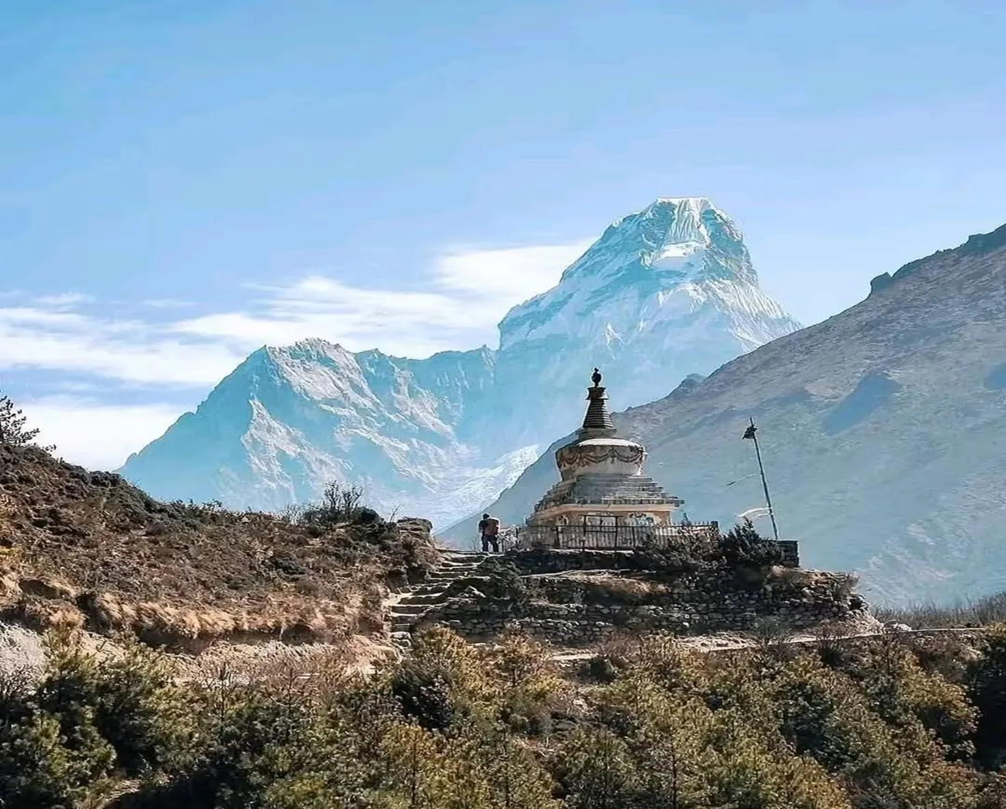
The stillness of the mountains, the sound of prayer flags snapping in the wind, and the chants drifting from remote monasteries create an atmosphere that encourages reflection and gratitude. The Everest Base Camp trail often feels more like a pilgrimage than a trek.
Even those who don’t consider themselves “spiritual” often describe a deep sense of peace that stays with them long after returning home.
How Does Trekking to Base Camp Enhance Cultural Awareness?
Experiencing Sherpa Hospitality and Traditions
The Everest region isn’t defined only by mountains; it’s defined by the Sherpa people. Their warmth, resilience, and hospitality add heart to the entire journey.
Staying in family-run teahouses offers a glimpse into Sherpa life. You’ll share meals, hear stories, and learn cultural traditions that have shaped the region for generations. Butter tea, Sherpa stew, and simple laughter shared around a warm stove quickly become part of your daily routine.
Sherpa communities teach trekkers about kindness, humility, and strength. These connections often become some of the most unforgettable memories of the entire trek.
Visiting Ancient Monasteries Along the Trail
The Everest Base Camp trek doubles as a cultural journey through centuries of Himalayan spirituality. Iconic stops like Tengboche Monastery invite trekkers to witness chanting ceremonies and soak in the peaceful atmosphere.
Prayer wheels, carved mani stones, and colorful murals line the trail, reminding you that this route is sacred for many. These moments turn the trek into a deeper exploration of tradition, belief, and history.
What Educational Value Can You Gain from the Everest Trek?
Learning About High-Altitude Geology and Ecology
The Everest trail is a living classroom.
You’ll walk through shifting ecosystems, from lush forests in Lukla to barren, glacier-carved landscapes in Lobuche. Guides often point out flora, fauna, and the impact of climate change on the region.
You’ll also witness the immense power of geologic forces in places like the Khumbu Glacier and its rugged moraine fields.
These firsthand experiences make the environment feel real and fragile, and show why conservation matters.
Understanding the History of Mount Everest and Its Climbers
The Everest region is steeped in mountaineering history. Museums in Namche Bazaar highlight early expeditions, while memorials near Gorak Shep pay tribute to climbers who lost their lives.
Walking the same paths as legends like Tenzing Norgay and Sir Edmund Hillary gives the trek deeper meaning.
How Does the Everest Base Camp Trek Test and Build Your Limits?
Developing Physical Endurance and Mental Strength
Make no mistake, the trek is challenging. High altitude, long days, and steep ascents demand both physical endurance and mental resilience.
But every challenge makes you stronger.
Slowing your pace, respecting acclimatization, and pushing through fatigue build discipline, patience, and grit. By the time you reach Base Camp, the sense of achievement is unmatched.
Important: High-altitude trekking carries real risks. Always consult a doctor before your trip and trek with a certified guide who monitors your health and acclimatization.
Practicing Mindfulness Through Trekking
As the days settle into a rhythmic pattern, trekking becomes meditative. The focus on breath, the crunch of boots on the trail, and the absence of digital noise create a natural state of mindfulness.
Trekkers often report improved mental clarity, reduced anxiety, and deeper emotional balance, lasting benefits that continue long after the trek ends.
What Are the Long-Term Benefits of Trekking to Everest Base Camp?
Lifelong Connections and Global Friendships
The mountains bring people together.
Whether you’re trekking solo or in a group, shared challenges create deep, authentic bonds with fellow adventurers. Many leave with lifelong friendships, and sometimes even future travel partners.
Lasting Impact on Life Priorities
The Everest Base Camp trek has a way of shifting perspectives. You learn how little you need to be happy and how meaningful simplicity can be. Many return home with a clearer sense of purpose and a renewed outlook on life.
Trekking other remote routes, such as the Manaslu Circuit Trek, which circles one of Nepal’s most majestic peaks, often brings similar clarity. These journeys slow life down and help you rediscover what truly matters.
Is the Everest Base Camp Trek Worth the Investment?
Financial and Time Commitment vs. Life Value
Yes, the trek requires time and money. But what you gain, confidence, clarity, cultural insight, and unforgettable memories, often outweighs the cost.
Many trekkers say it’s one of the most valuable investments they’ve ever made.
Supporting Sustainable Travel in Nepal
Choosing ethical trekking companies helps protect the environment and supports local communities. Look for agencies that prioritize fair wages, eco-friendly practices, and community development.
Your journey can help preserve the Himalayas for future generations.
Conclusion:
Trekking to Everest Base Camp is far more than a scenic adventure. It’s a journey that challenges your limits, deepens your perspective, and immerses you in a culture shaped by resilience and spirituality.
If you’re seeking something transformative, something that awakens your mind and spirit, this trek offers exactly that.
The mountains are calling. Maybe it’s time to answer.
Tip : Want more travel insights? Explore our guides on best budget travel hacks or hidden gems in India to plan your next trip like a pro!