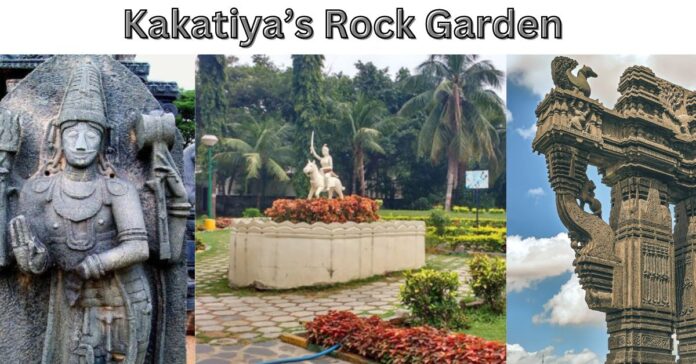
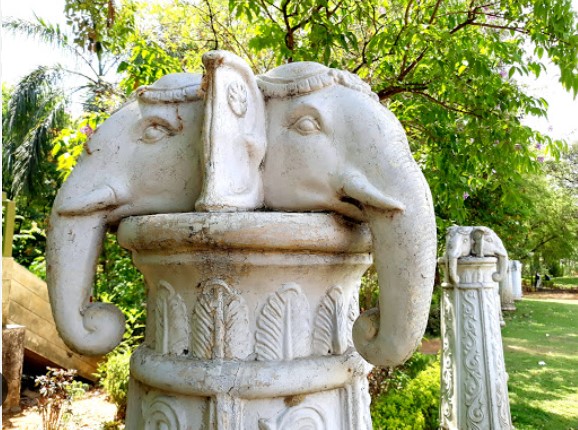
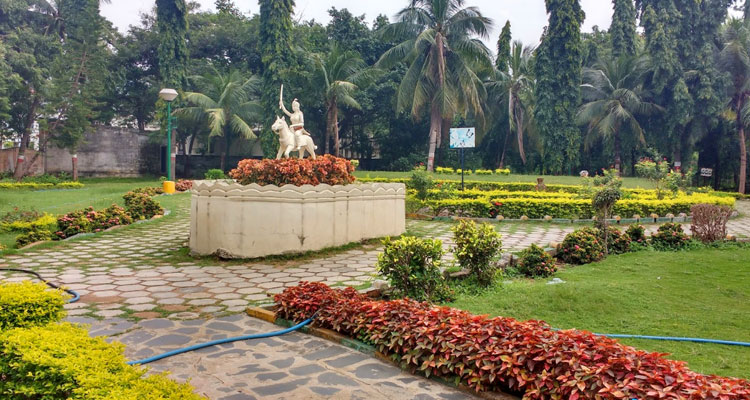
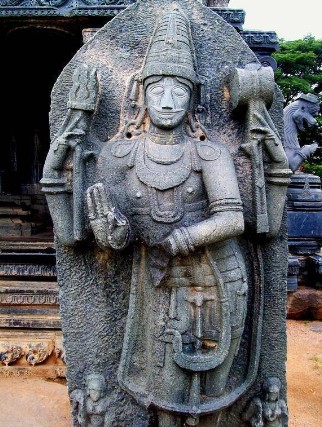
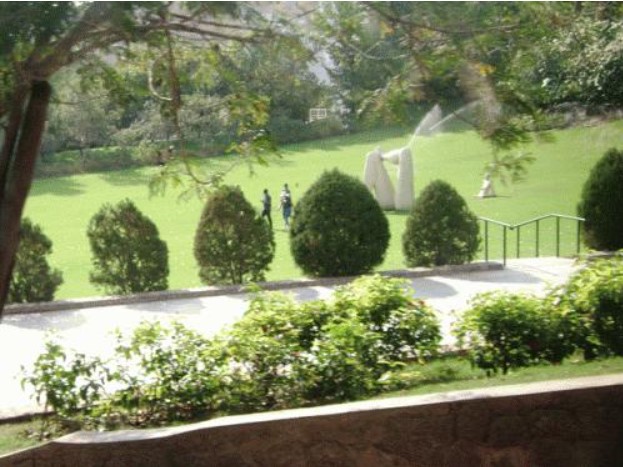
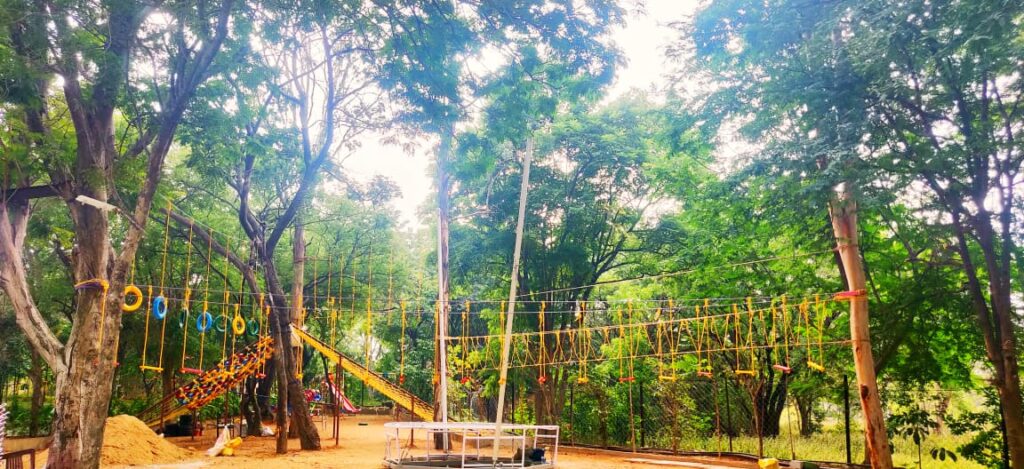
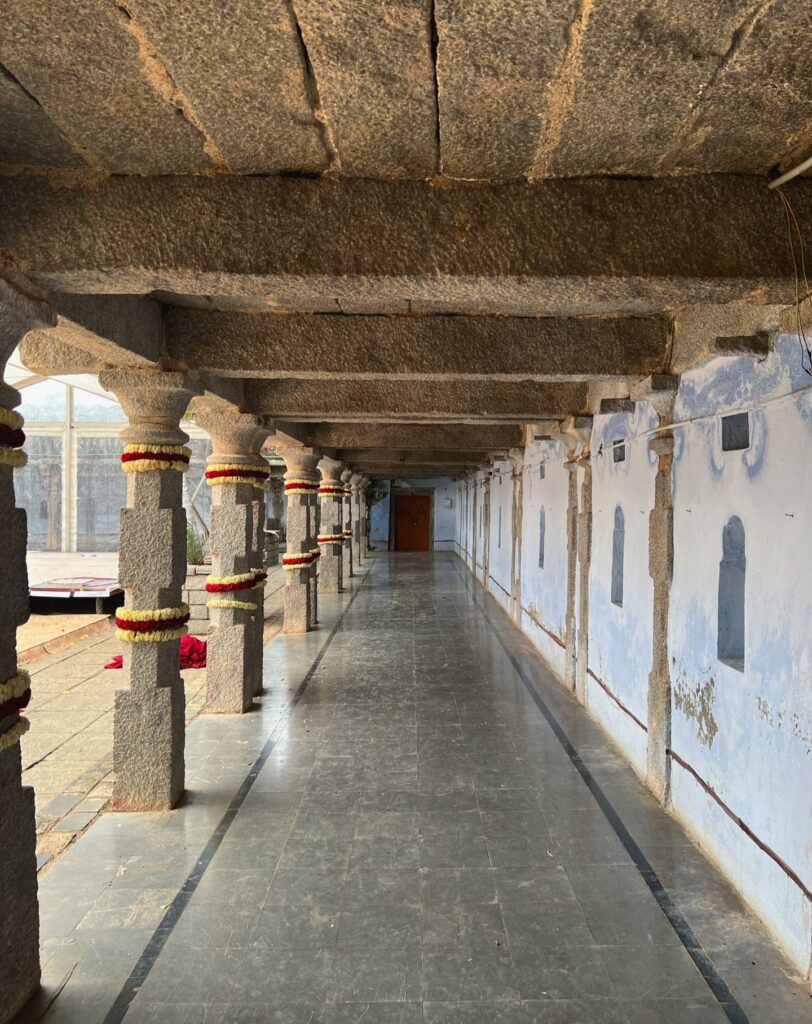
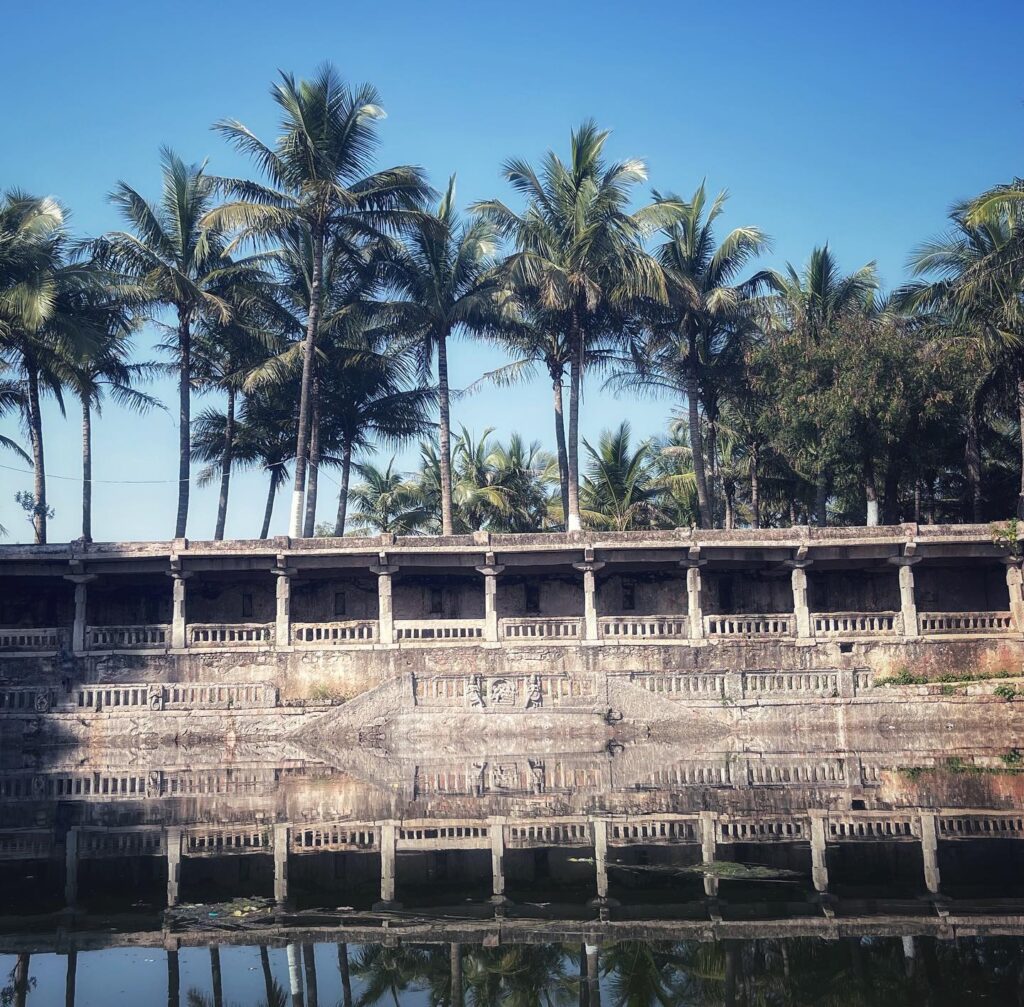
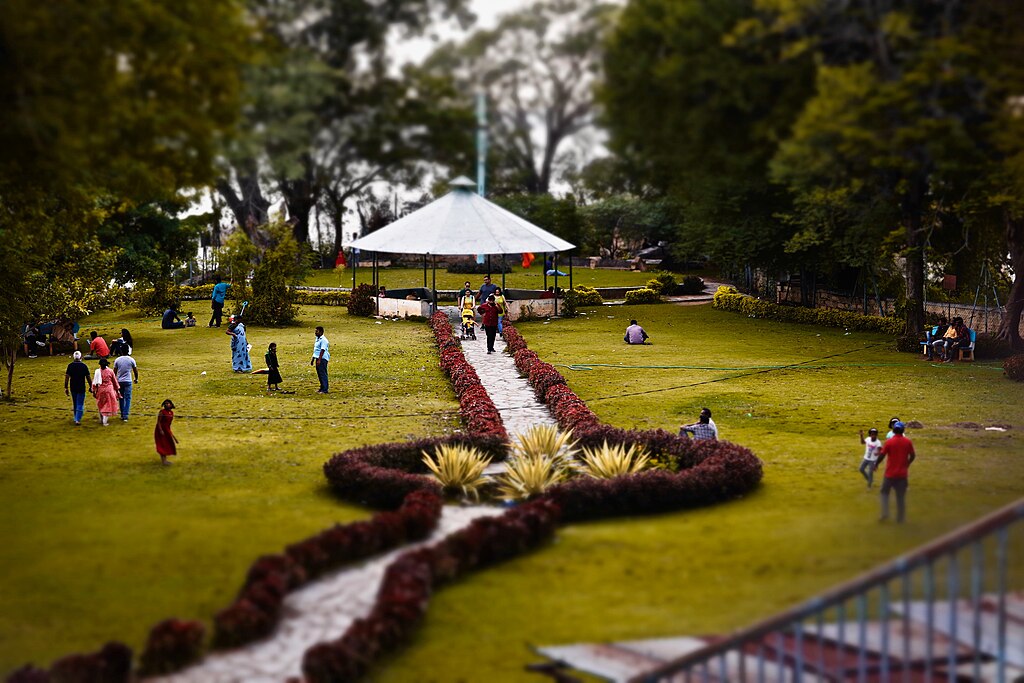
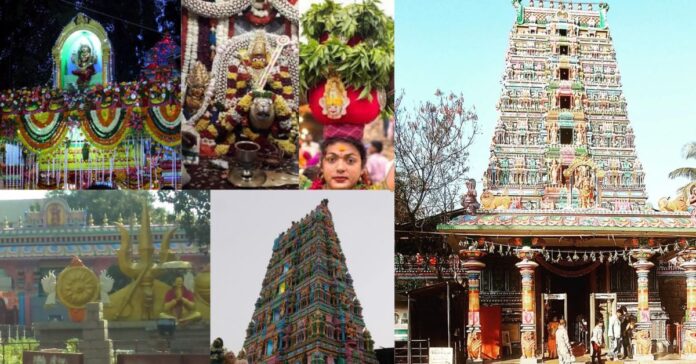
Kakatiya Rock Garden is a beautiful garden built by the rulers of the Kakatiya Dynasty. Located about 1.5 kilometers from the city center, it is one of Warangal’s most famous attractions. The garden features numerous rock statues of different animals, including deer, sambar, lions, giraffes, and antelopes, all arranged in decorative patterns. Developed to preserve the natural rock formations typical of the Deccan Plateau, it also provides a recreational space for both locals and tourists. In addition to the rock statues, the garden is adorned with various flowers, making it a preferred destination for kids, elders, and old-age people of Warangal, Telangana.
History
The Kakatiya Rock Garden, located in Warangal, Telangana, India, stands as a testament to the rich cultural and historical legacy of the Kakatiya dynasty, which ruled the region from the 12th to the 14th century. Originally established to boost Warangal’s tourism appeal, the garden embodies elements inspired by the distinctive style of Kakatiya architecture, notable for its intricate carvings and ornate details.
Architecture of Kakatiya Rock Garden
The architecture of the garden is similar to other gardens in India, but with the unique addition of rock statues of animals, which are rarely found in the country. Most Indian gardens focus mainly on flowers, but the Kakatiya Rock Garden features statues of various animals, including giraffes, lions, sambar, antelopes, and deer. The garden also boasts an artificial waterfall in the form of a rock structure, providing a calming visual effect. Various flower arrangements enhance the beauty of the place, and there are numerous playgrounds for children.
Timings
Monday to Sunday: 9:00 a.m. to 8:00 p.m.
Price
Entry Fee: ₹10 per person
Camera Fee: ₹20
Location
Kakatiya Rock Garden Address: Near MGM, Tadkamalla Village, Warangal, Telangana, 506002, India
The local climate is a factor to take into account when organizing a trip to Warangal, Telangana’s Kakatiya Rock Garden. The region experiences a tropical climate with distinct seasons. The ideal time to visit the Kakatiya Rock Garden is during the cooler months from October to February. The monsoon season, from June to September, can also be a scenic time to visit as the rains refresh the flora.
Attractions:
The Kakatiya Rock Garden is an ideal spot for families to unwind and relax after a day of sightseeing. Here, you can freely take photos and enjoy playing with your kids. The garden is particularly enchanting on rainy days, making it a great spot for a photo session. Each sculpture is a testament to the incredible craftsmanship of the era, with every carving displaying remarkable precision and detail.
This natural and beautiful place is a must-visit for nature lovers. The garden is filled with a variety of rocks, beautifully decorated with flowers and lush greenery, making it a picturesque and serene retreat.
The Kakatiya Rock Garden is a stunning blend of natural beauty and historical significance, making it a must-visit destination in Warangal. With its unique rock statues, beautiful floral arrangements, and serene atmosphere, the garden offers a perfect retreat for families, nature lovers, and tourists. Accessible and affordable, it promises a memorable experience, especially during the cooler months or the scenic monsoon season. Don’t miss out on exploring nearby attractions and enjoying a comfortable stay at the local hotels.
FAQ’S:
Q1. What is the Kakatiya Rock Garden known for?
A: The Kakatiya Rock Garden is renowned for its unique rock statues of various animals and its beautiful floral arrangements.
Q2. Where is the Kakatiya Rock Garden located?
A: It is located about 1.5 km from the city center in Warangal, Telangana, near MGM, Tadkamalla Village.
Q3. What are the timings and entry fees for the Kakatiya Rock Garden?
A: The garden is open from Monday to Sunday, 9:00 a.m. to 8:00 p.m., with an entry fee of ₹10 per person and a camera fee of ₹20.
Q4. When is the best time to visit the Kakatiya Rock Garden?
A: The best time to visit is during the cooler months from October to February, though the monsoon season from June to September can also be scenic.
Q5. What nearby attractions can visitors explore?
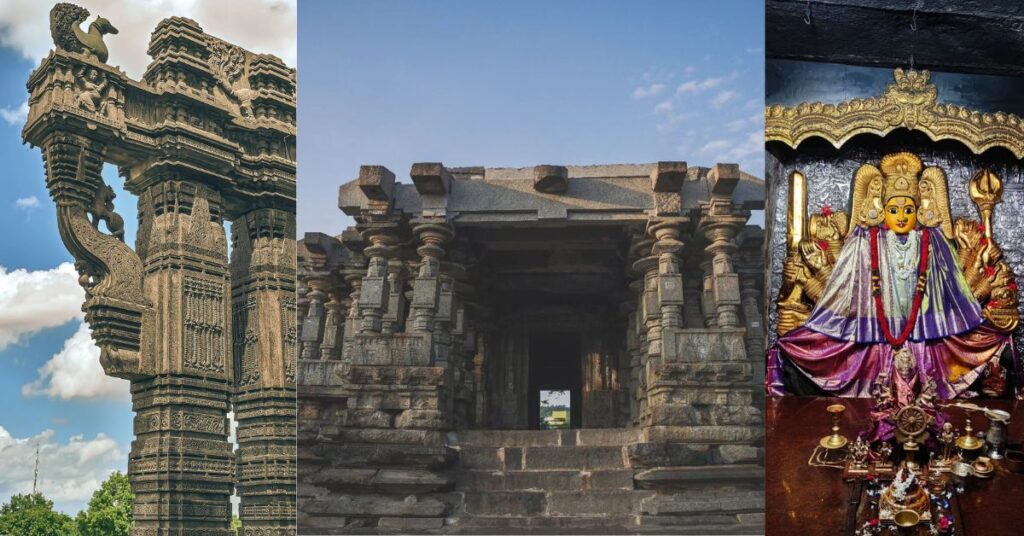
A: Nearby attractions include the Kakatiya Musical Garden, Thousand Pillar Temple, Bhadrakali Temple, Warangal Fort, Padmakshi Temple, Siddeshwara Temple, and Warangal.
Nestled just 24 kilometers north of Hyderabad, Shamirpet Lake offers an idyllic retreat for nature lovers, photographers, and those looking to escape the hustle and bustle of city life. This artificial lake, created during the Nizam era, has evolved into a popular destination known for its tranquil beauty, lush surroundings, and abundant birdlife. Whether you’re planning a day trip or a weekend getaway, Shamirpet Lake promises a refreshing and rejuvenating experience.
A Brief History
Shamirpet Lake, also known as Shamirpet Cheruvu, was constructed by the Nizam of Hyderabad as part of a project to provide water to the surrounding areas. The lake has a rich history intertwined with the local culture and has served as a vital resource for irrigation and fishing for decades. Over the years, it has also become a beloved spot for recreation and relaxation, drawing visitors from Hyderabad and beyond.
Getting There
Reaching Shamirpet Lake is relatively easy, making it a convenient destination for a quick escape from the city. The lake is accessible by road, and the journey takes approximately 45 minutes to an hour from Hyderabad, depending on traffic conditions. You can drive your own vehicle or hire a taxi to reach the lake. Public transportation options, such as buses, are also available from various parts of Hyderabad.
Scenic Beauty and Natural Surroundings
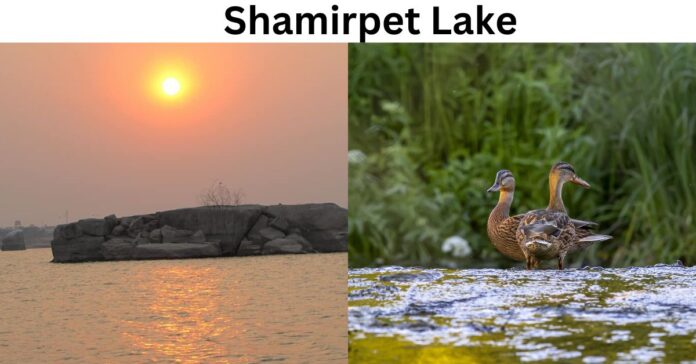
One of the main attractions of Shamirpet Lake is its stunning natural beauty. The lake is surrounded by lush greenery, rocky outcrops, and gently rolling hills, creating a picturesque landscape that’s perfect for photography and nature walks. The serene waters of the lake reflect the sky and the surrounding flora, creating a tranquil atmosphere that instantly soothes the soul.
Flora and Fauna
Source: freepik
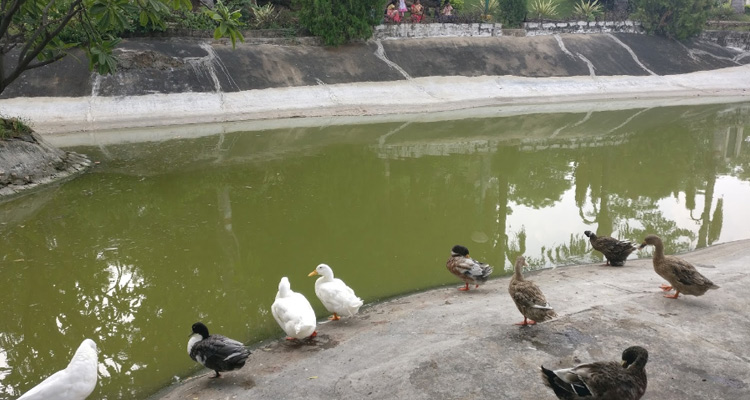
Shamirpet Lake is home to a diverse range of flora and fauna, making it a haven for nature enthusiasts. The lake’s ecosystem supports various species of birds, including migratory birds that visit during the winter months. Birdwatchers can spot species like pelicans, herons, egrets, and kingfishers, among others. The surrounding area is also rich in plant life, with numerous trees, shrubs, and flowering plants adding to the lake’s natural charm.
Wildlife Sanctuary
Adjacent to Shamirpet Lake is the Shamirpet Deer Park, a wildlife sanctuary that spans over 80 hectares. The park is home to several species of deer, including the endangered Blackbuck and the Spotted Deer (Chital). Visitors can take a leisurely stroll through the park and observe these graceful animals in their natural habitat. The park also features a variety of other wildlife, such as peacocks, rabbits, and different bird species.
Activities and Attractions
Shamirpet Lake offers a range of activities and attractions that cater to different interests and age groups. Whether you’re looking for adventure, relaxation, or a bit of both, there’s something for everyone to enjoy.
Boating
One of the most popular activities at Shamirpet Lake is boating. The calm waters of the lake provide the perfect setting for a peaceful boat ride. Visitors can rent paddle boats or rowboats and explore the lake at their own pace. Boating is a great way to appreciate the beauty of the lake from a different perspective and get closer to the birdlife that inhabits the area.
Picnicking
Shamirpet Lake is an excellent spot for picnicking with family and friends. The lush green lawns and shaded areas around the lake offer plenty of space to spread out a picnic blanket and enjoy a meal amidst nature. There are also several picnic tables and benches available for visitors. Remember to carry your own food and drinks, as there are limited options for purchasing snacks and refreshments near the lake.
Nature Walks and Hiking
For those who love to explore on foot, Shamirpet Lake has several trails and pathways that wind through the surrounding landscape. These nature walks offer a chance to immerse yourself in the natural beauty of the area and discover the diverse flora and fauna. The rocky terrain and gentle hills around the lake also provide opportunities for light hiking, making it a great destination for outdoor enthusiasts.
Photography
Source: Facebook
With its stunning scenery and abundant wildlife, Shamirpet Lake is a paradise for photographers. Whether you’re an amateur or a professional, you’ll find plenty of opportunities to capture beautiful shots of the lake, the birds, and the surrounding landscape. The changing light throughout the day creates different moods and atmospheres, making every visit unique.
Fishing
Fishing is another popular activity at Shamirpet Lake. The lake is home to a variety of fish species, including carp and catfish, making it a great spot for both casual and serious anglers. Visitors can bring their own fishing gear and spend a relaxing day by the water, trying their luck at catching fish. Make sure to check local regulations and obtain any necessary permits before fishing.
Nearby Attractions
In addition to the lake itself, there are several nearby attractions that are worth exploring during your visit to Shamirpet.
Shamirpet Temple
The Shamirpet Temple, also known as the Shamirpet Hanuman Temple, is a popular religious site located near the lake. Dedicated to Lord Hanuman, the temple attracts devotees from the surrounding areas and is known for its peaceful ambiance. The temple is situated atop a hill, offering panoramic views of the lake and the surrounding landscape.
Leonia Holistic Destination
For those looking to extend their stay and indulge in some luxury, the Leonia Holistic Destination is a nearby resort that offers a range of amenities and activities. The resort features comfortable accommodations, multiple dining options, a spa, and recreational facilities such as swimming pools, sports courts, and adventure activities. It’s an ideal place to unwind and pamper yourself after a day of exploring Shamirpet Lake.
Ratnalayam Temple
Another notable religious site near Shamirpet Lake is the Ratnalayam Temple. This temple is dedicated to Lord Venkateswara and is known for its beautiful architecture and serene surroundings. The temple complex includes a well-maintained garden, a meditation hall, and a water fountain, making it a peaceful spot for prayer and contemplation.
Shamirpet Lake can be visited throughout the year, but the best time to visit is during the cooler months, from October to March. During this period, the weather is pleasant, and the chances of spotting migratory birds are higher. The monsoon season, from June to September, brings lush greenery to the area but also increases the likelihood of heavy rains, which can affect outdoor activities.
Tips for Visitors
Carry Essentials: Make sure to carry essentials such as water, snacks, sunscreen, and insect repellent, especially if you plan to spend an extended period outdoors.
Respect Nature: Shamirpet Lake is a natural habitat for many species. Be mindful of your surroundings, avoid littering, and respect the wildlife.
Dress Comfortably: Wear comfortable clothing and footwear suitable for walking, boating, and other outdoor activities.
Plan Ahead: If you plan to visit nearby attractions or stay overnight, consider booking accommodations in advance, especially during peak tourist seasons.
Safety First: Always prioritize safety, especially when boating or hiking. Follow any guidelines or instructions provided by local authorities or service providers.
Conclusion
Shamirpet Lake is a hidden gem that offers a perfect blend of natural beauty, recreational activities, and tranquility. Whether you’re a nature enthusiast, a birdwatcher, a photographer, or simply someone looking for a peaceful escape, Shamirpet Lake has something to offer. Its proximity to Hyderabad makes it an ideal destination for a day trip or a weekend getaway. So pack your bags, grab your camera, and head to Shamirpet Lake for a memorable experience amidst nature’s bounty.
Q1. What is the best time to visit Shamirpet Lake?
A: The best time to visit Shamirpet Lake is during the winter months (November to February), when the weather is pleasant and migratory birds are present.
Q2. Are there any accommodation options near Shamirpet Lake?
A: Yes, nearby options include the Leonia Holistic Destination, which offers luxurious accommodations and various amenities.
Q3. Is there an entry fee for Shamirpet Lake?
A: No, there is no entry fee to visit Shamirpet Lake, but fees may apply for activities such as boating.
Q4. Can I bring my own food for a picnic at Shamirpet Lake?
A: Yes, visitors are encouraged to bring their own food and drinks as there are limited options for purchasing refreshments near the lake.
Q5. Are there any public transportation options to reach Shamirpet Lake?
A: Yes, public buses from various parts of Hyderabad are available, or you can hire a taxi or drive your own vehicle.
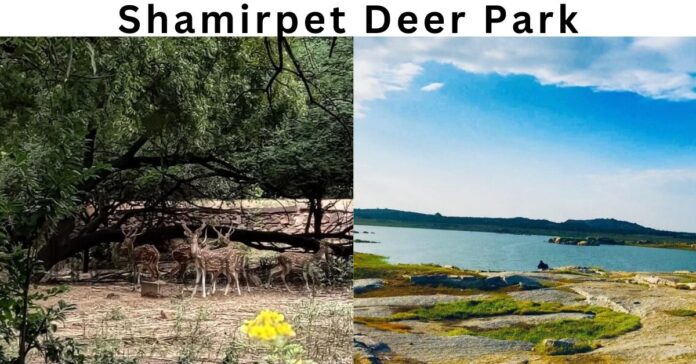
Nestled on the outskirts of Hyderabad, Shamirpet Deer Park, also known as Jawahar Deer Park, is a captivating destination that offers a tranquil escape from the bustling city life. Spanning over 80 acres, this park is a paradise for nature lovers and wildlife enthusiasts. With its serene environment, lush greenery, and the presence of a variety of deer species, Shamirpet Deer Park stands as a testament to the rich biodiversity and natural beauty of the region. In this blog, we will explore the history, flora and fauna, visitor experiences, and conservation efforts that make Shamirpet Deer Park a must-visit destination in Hyderabad.
A Glimpse into the History of Shamirpet Deer Park
Shamirpet Deer Park was established with the primary objective of conserving and protecting the native deer species of the region. The park is named after Jawaharlal Nehru, the first Prime Minister of India, in recognition of his efforts to promote wildlife conservation in the country. Over the years, the park has evolved into a significant ecological site, attracting thousands of visitors annually who come to experience its natural splendor.
Flora and Fauna: A Biodiverse Wonderland
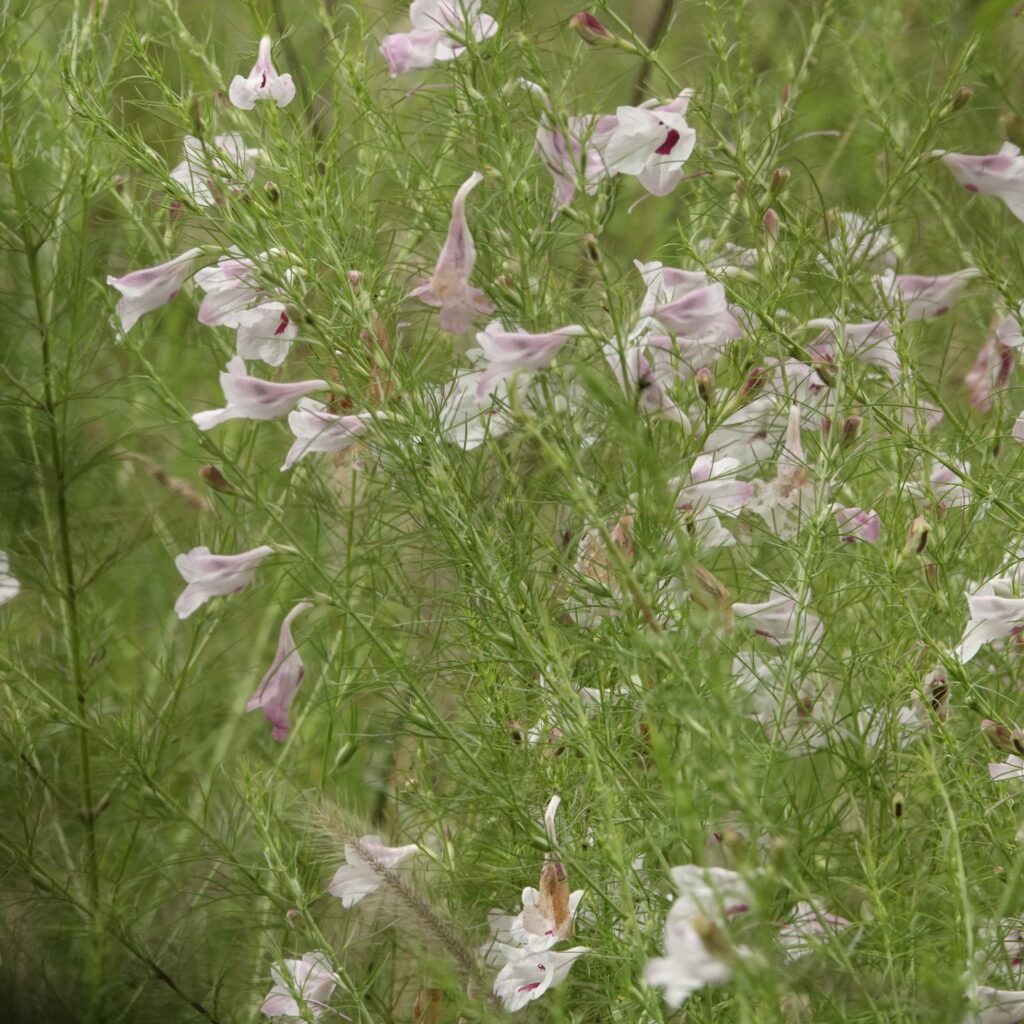
1. Flora: Shamirpet Deer Park boasts a rich diversity of flora, with a variety of trees, shrubs, and grasses that contribute to its lush landscape. The park is predominantly covered with dry deciduous forest, which includes species such as neem, banyan, tamarind, and acacia. These trees not only provide shade and shelter to the animals but also create a serene environment for visitors to enjoy leisurely walks and picnics.
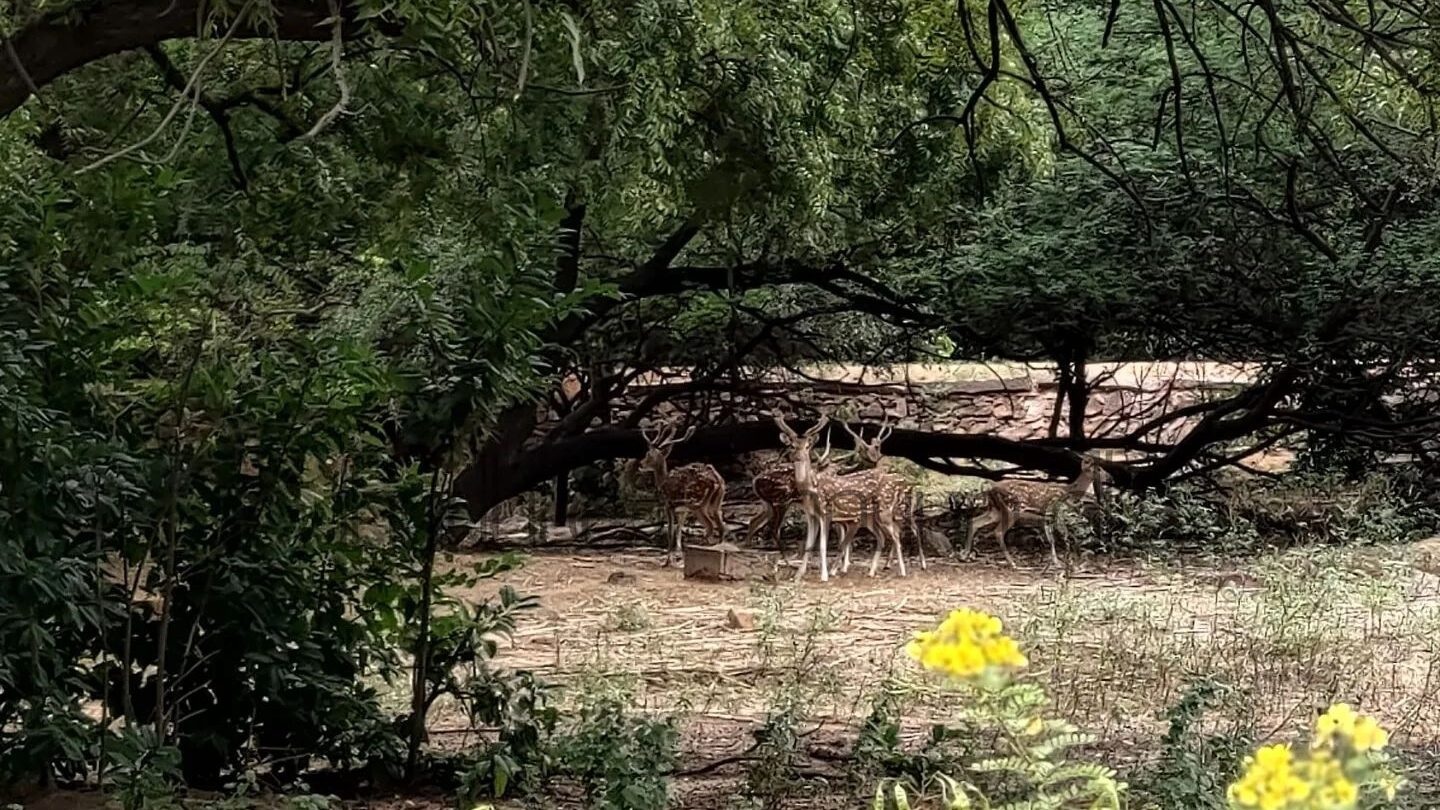
2. Fauna: The park is home to several species of deer, including the spotted deer (chital), sambar deer, and the Indian blackbuck. These graceful animals can often be seen grazing in the open grasslands or resting under the shade of trees. In addition to deer, Shamirpet Deer Park also houses a variety of other wildlife, such as peacocks, rabbits, and a diverse array of bird species. The presence of these animals enhances the park’s appeal, making it a delightful destination for wildlife enthusiasts and photographers.
One of the most popular activities at Shamirpet Deer Park is exploring the numerous walking trails that meander through its verdant landscape. These trails offer visitors the opportunity to immerse themselves in nature, observe the wildlife, and enjoy the tranquility of the surroundings. The well-maintained paths are suitable for visitors of all ages and fitness levels, making them an ideal way to experience the park’s beauty.
2. Deer Sighting:
The highlight of any visit to Shamirpet Deer Park is the chance to see the deer up close. The park provides designated viewing areas where visitors can safely observe the deer in their natural habitat. These areas are strategically located to ensure minimal disturbance to the animals while providing an excellent vantage point for visitors. The sight of a herd of deer grazing peacefully is a truly mesmerizing experience that leaves a lasting impression.
3. Picnicking:
Shamirpet Deer Park is an excellent spot for a family picnic. The park has several designated picnic areas equipped with benches and tables, providing a perfect setting for a relaxing day out. Visitors can bring their own food and enjoy a meal amidst the natural beauty of the park. The serene environment and the sound of birds chirping in the background create a soothing ambiance, making it an ideal location for a leisurely picnic.
4. Bird Watching:
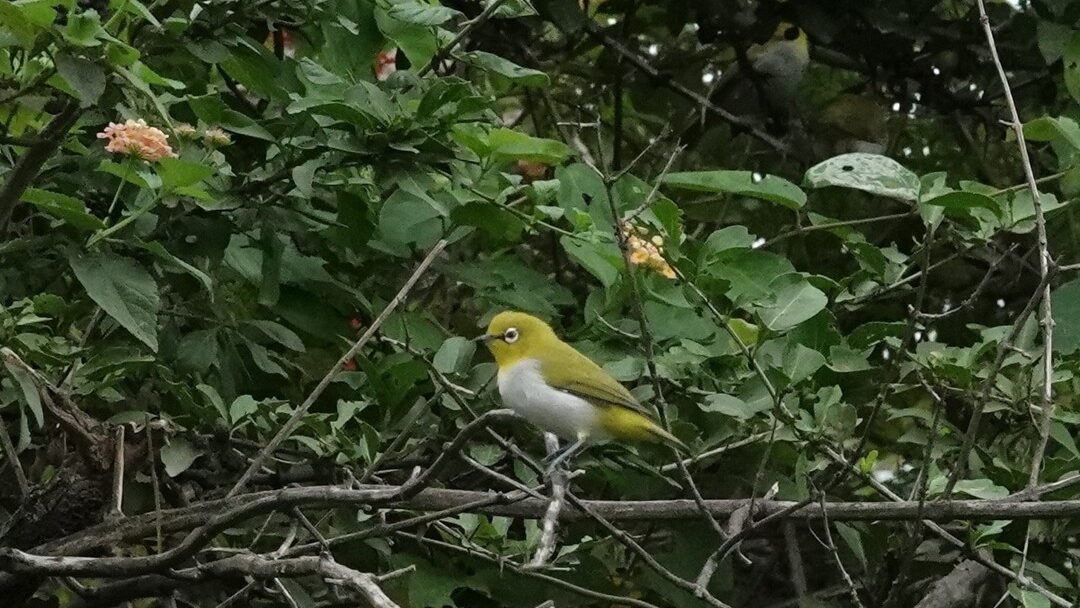
For bird enthusiasts, Shamirpet Deer Park offers ample opportunities to observe a variety of avian species. The park’s diverse ecosystem supports a rich bird population, including species such as parakeets, kingfishers, and kites. Bird watchers can spend hours exploring the park and capturing stunning photographs of these beautiful creatures. The early morning and late afternoon are the best times for bird watching, as this is when the birds are most active.
5. Photography:
Shamirpet Deer Park is a paradise for photographers. The park’s scenic beauty, combined with the presence of deer and other wildlife, provides endless opportunities for capturing stunning photographs. Whether you are a professional photographer or an amateur with a passion for nature photography, Shamirpet Deer Park offers a perfect backdrop for your shots. The golden hours of sunrise and sunset provide the best lighting conditions, adding a magical touch to your photographs.
Conservation Efforts: Preserving Nature’s Bounty
Shamirpet Deer Park is not just a recreational destination; it also plays a crucial role in wildlife conservation and environmental education. The park authorities are dedicated to preserving the natural habitat and ensuring the well-being of the resident deer and other wildlife. Several conservation initiatives have been implemented to protect the park’s ecosystem and promote sustainable tourism.
1. Habitat Management: The park authorities actively manage the habitat to ensure it remains conducive to the resident wildlife. This includes maintaining the vegetation, preventing soil erosion, and managing water resources. Regular monitoring and surveys are conducted to assess the health of the ecosystem and take necessary measures to address any issues.
2. Anti-Poaching Measures: To protect the deer and other wildlife from poaching, stringent security measures are in place. The park is patrolled regularly by trained staff, and surveillance systems have been installed to monitor the area. The authorities also work closely with local communities to raise awareness about the importance of wildlife conservation and discourage any illegal activities.
3. Environmental Education: Shamirpet Deer Park serves as an educational hub for schools and colleges. The park conducts guided tours and educational programs to raise awareness about the importance of wildlife conservation and environmental protection. These programs are designed to engage and inspire young minds, fostering a sense of responsibility towards nature.
How to Get There
Shamirpet Deer Park is located approximately 24 kilometers north of Hyderabad city center. It is easily accessible by road, and visitors can reach the park by car, taxi, or public transport.
1. By Car: Visitors traveling by car can take the Karimnagar-Hyderabad Highway (NH 44) and follow the signs to Shamirpet. The park has ample parking space for visitors’ convenience.
2. By Public Transport: Public buses and shared autos regularly ply between Hyderabad and Shamirpet. Visitors can board a bus from Jubilee Bus Station or Secunderabad Bus Station and alight at Shamirpet. From there, the park is just a short walk away.
Best Time to Visit
Shamirpet Deer Park can be visited throughout the year, but the best time to visit is during the winter months from October to February. The weather during this period is pleasant, making it ideal for outdoor activities such as nature walks and picnics. The chances of spotting deer and other wildlife are also higher during these months, as the animals are more active in the cooler weather.
Visitor Tips
To make the most of your visit to Shamirpet Deer Park, here are some useful tips to keep in mind:
1. Wear Comfortable Clothing: Wear comfortable, breathable clothing and sturdy walking shoes, as you will be spending a significant amount of time exploring the park’s trails.
2. Bring Binoculars: If you are interested in bird watching or wildlife observation, bring a pair of binoculars to get a closer look at the animals and birds.
3. Pack Snacks and Water: Carry sufficient snacks and water to keep yourself hydrated and energized during your visit. There are no food stalls inside the park, so it is advisable to bring your own refreshments.
4. Follow Park Rules: Respect the park’s rules and regulations to ensure the safety and well-being of the wildlife. Avoid littering, stay on designated paths, and maintain a safe distance from the animals.
5. Visit Early Morning or Late Afternoon: Plan your visit during the early morning or late afternoon when the weather is cooler, and the chances of spotting wildlife are higher.
Nearby Hotels to Shamirpet Deer Park
When planning a visit to Shamirpet Deer Park, it’s convenient to stay at nearby hotels to fully enjoy the park and its surroundings. Here are some recommended hotels near Shamirpet Deer Park:
Distance from Shamirpet Deer Park: Approximately 7 km
Description: Leonia Holistic Destination offers luxurious accommodations with a wide range of amenities including a spa, swimming pool, multiple dining options, and recreational activities.
Address: Thumkunta Village, Karimnagar Main Road, Shamirpet Mandal, Hyderabad, Telangana 500078
Distance from Shamirpet Deer Park: Approximately 8 km
Description: Aalankrita Resort and Convention is a serene resort offering comfortable rooms, a spa, swimming pool, and various dining options, making it a perfect getaway.
Distance from Shamirpet Deer Park: Approximately 7 km
Description: Celestia Suites offers elegant suites with modern amenities, an outdoor pool, fitness center, and dining options, providing a luxurious stay.
Distance from Shamirpet Deer Park: Approximately 7 km
Description: Oh Biz Premier offers comfortable and well-furnished rooms with access to Leonia’s recreational facilities, including a water park, spa, and dining venues.
Distance from Shamirpet Deer Park: Approximately 8 km
Description: Alankrita offers a unique blend of ethnic charm and modern comfort with well-appointed rooms, a spa, multiple dining options, and beautiful landscaped gardens.
Contact: +91-92462-23344
These hotels provide a range of amenities and accommodations to suit different preferences and budgets, ensuring a comfortable and enjoyable stay near Shamirpet Deer Park.
Conclusion
Shamirpet Deer Park is a hidden gem on the outskirts of Hyderabad, offering a serene and picturesque environment for nature lovers and wildlife enthusiasts. With its diverse flora and fauna, well-maintained trails, and dedicated conservation efforts, the park provides a perfect escape from the hustle and bustle of city life. Whether you are looking for a peaceful retreat, a family picnic spot, or an educational experience, Shamirpet Deer Park has something for everyone. Plan your visit today and immerse yourself in the natural beauty and tranquility of this enchanting destination.
FAQs
Q1: What are the operating hours of Shamirpet Deer Park?
A: Shamirpet Deer Park is generally open from 9:00 AM to 5:00 PM, but it’s best to confirm the hours before your visit.
Q2: Is there an entry fee to visit Shamirpet Deer Park?
A: Yes, there is a nominal entry fee for adults and children, with additional charges for photography and parking.
Q3: Can we bring our own food and have a picnic inside the park?
A : Yes, visitors can bring their own food and picnic in the designated areas, but must maintain cleanliness
Q4: What wildlife can be seen at Shamirpet Deer Park?
A: The park is home to spotted deer, sambar deer, Indian blackbuck, peacocks, rabbits, and various bird species.
Q5: How can I reach Shamirpet Deer Park from Hyderabad city center?
A: The park is about 24 kilometers north of Hyderabad and can be reached by car, taxi, or public transport via the Karimnagar-Hyderabad Highway (NH 44).
A travel agency is a business that helps people plan, book, and manage their travel arrangements. They offer services such as booking flights, hotels, tours, and car rentals. Travel agencies work by partnering with airlines, hotels, and other travel service providers to offer their clients a wide range of options and competitive prices. They also provide advice on travel destinations, visa requirements, and travel insurance. The agency earns a commission from the service providers for each booking made. Travel agencies simplify the travel planning process, saving clients time and ensuring a smooth travel experience.
Types of Travel Agencies
There are different types of travel agencies:
encompassing retail travel companies for the general public
corporate travel agencies that specialize in business travel
and online travel agencies (OTAs) that provide services through digital platforms.
Thomas Cook India
A reputable travel company providing a variety of travel-related services is Thomas Cook India. It was founded in 1881 and is a member of the international Thomas Cook Group, which is well-known for its wide network and depth of knowledge in the travel sector. This is a summary of the services they offer.
Services Offered:
Holiday Packages: Customizable domestic and international packages, including guided tours and themed vacations.
Flight Bookings: Assistance with booking air tickets for both domestic and international flights.
Hotel Reservations: Booking accommodations in various categories, from budget to luxury.
Travel Insurance: Coverage options against travel-related risks such as medical emergencies or trip cancellations.
Forex Services: Foreign exchange services including currency exchange and travel cards.
Visa Assistance: Help with obtaining visas and other travel documents.
Corporate Travel Solutions: Tailored services for business travel needs, including group travel arrangements and corporate booking management.
MakeMyTrip is a leading online travel agency based in India, established in 2000. It offers a broad spectrum of travel-related services, including flight bookings, hotel reservations, holiday packages, and more. With a strong presence in the Indian market, MakeMyTrip also caters to international travelers, making it a popular choice for various travel needs.
Services Offered:
Flight Bookings: Search and book domestic and international flights.
Hotel Reservations: Find and book hotels, resorts, and vacation rentals.
Holiday Packages: Customize and book vacation packages for various destinations, including adventure, luxury, and family trips.
Bus and Train Bookings: Arrange for bus and train travel within India.
Travel Insurance: Purchase travel insurance to cover unforeseen events during your trip.
Visa Assistance: Help with visa applications and travel documentation.
Features:
User-Friendly Platform: A website and mobile app that makes searching, comparing, and booking travel options easy.
Special Deals: Regularly offers promotions, discounts, and deals on flights, hotels, and packages.
Customer Support: Provides support through phone, email, and chat to assist with bookings, changes, and inquiries.
MakeMyTrip – Banjara Hills Address: 6-3-879/5, 1st Floor, New MLA Colony, Banjara Hills, Hyderabad, Telangana 500034
Yatra
Yatra is one of India’s leading online travel agencies, offering a wide range of travel services for both domestic and international travelers. Founded in 2006, Yatra provides a comprehensive platform for booking flights, hotels, holiday packages, and other travel-related services.
Services Offered:
Services Offered:
Flight Bookings: Search and book domestic and international flights.
Hotel Reservations: Find and book a variety of accommodations, from budget to luxury hotels.
Holiday Packages: Customize and book vacation packages, including family vacations, adventure trips, and honeymoon packages.
Train and Bus Bookings: Arrange train and bus travel within India.
Travel Insurance: Purchase travel insurance for protection against unforeseen events.
Visa Assistance: Help with visa applications and travel documentation.
Features:
User-Friendly Website and App: Easy-to-use platform for booking flights, hotels, and other travel services.
Deals and Offers: Regular promotions and discounts on flights, hotels, and holiday packages.
Customer Support: Provides support through phone, email, and live chat to assist with bookings and travel-related queries.
Travel Triangle is an online travel agency founded in 2011, specializing in creating customized travel experiences. It connects travelers with local travel agents to offer personalized holiday packages for various destinations. The platform is known for its focus on tailoring trips based on individual preferences and providing a seamless travel planning experience.
Services Offered:
Customized Holiday Packages: Tailor-made vacation packages based on individual preferences and requirements. These include family vacations, honeymoon trips, adventure tours, and more.
Destination Guidance: Personalized advice on travel destinations, including recommendations for activities, attractions, and local experiences.
Flight and Hotel Bookings: Assistance with booking flights and hotels as part of a customized travel package.
Travel Planning: Comprehensive trip planning, including itinerary creation and travel arrangements.
Travel Insurance: Options for purchasing travel insurance to cover unforeseen events during the trip.
Features:
Personalized Experience: Offers customized travel packages designed to meet specific interests and budgets.
Local Expertise: Connect travelers with local agents who provide insights and recommendations about the destination.
User-Friendly Platform: An online platform that allows travelers to request and receive quotes for custom travel packages.
Customer Support: Provides support through phone, email, and online chat to assist with planning and booking.
Customer Service: Accessible through their website for assistance with bookings and travel-related queries.
Branch Locations in Hyderabad:
Travel Triangle primarily operates online and connects travelers with local travel agents, so they may not have physical branches in Hyderabad. However, you can easily access their services through their website and connect with local agents who can assist with your travel needs.
Vibrant Holidays is a travel agency based in India, known for offering a variety of travel services including customized holiday packages, tour planning, and related travel assistance. Established to provide personalized travel experiences, Vibrant Holidays focuses on creating memorable trips for both domestic and international travelers.
Services Offered:
Custom Travel Packages: Tailor-made vacation packages that include family trips, honeymoon packages, adventure tours, and more, designed to meet individual preferences.
Flight and Hotel Bookings: Assistance with booking flights and accommodations as part of personalized travel itineraries.
Destination Tours: Organized tours and activities at various destinations, including sightseeing, cultural experiences, and local excursions.
Travel Insurance: Options for purchasing travel insurance to safeguard against unexpected events during the trip.
Visa Assistance: Help with visa applications and documentation for international travel.
Features:
Personalized Itineraries: Custom-designed travel plans based on client preferences, budgets, and travel goals.
Local Expertise: Knowledgeable about destinations and provides insider tips and recommendations.
User-Friendly Service: Offers both online and offline support to cater to different customer needs.
Customer Support: Assists via phone, email, and in-person consultations to ensure a smooth travel experience.
If you like the above content please like and share the article with your family and friends you can give me any suggestions please put a comment in below comment section below. further any information please contact us
Conclusion
travel agencies play a vital role in simplifying the travel planning process, offering a variety of services including flight and hotel bookings, holiday packages, travel insurance, and visa assistance. Whether through retail outlets, corporate services, or online platforms, travel agencies cater to a wide range of travel needs, ensuring a smooth and efficient travel experience for their clients. Prominent agencies like Thomas Cook India, MakeMyTrip, Yatra, Travel Triangle, and Vibrant Holidays provide comprehensive travel solutions, combining personalized service with competitive pricing to meet the diverse requirements of travelers. By leveraging their partnerships with airlines, hotels, and other service providers, these agencies help travelers explore destinations with ease and confidence.
Frequently Asked Questions(FAQS)
1Q: What is a travel agency?
A: A business that assists with planning, booking, and managing travel arrangements.
2Q: Why use a travel agency?
A: To save time and effort with expert advice and exclusive deals.
3Q: What services do travel agencies offer?
A: Flight bookings, hotel reservations, holiday packages, car rentals, and more.
4Q: Can travel agencies help with last-minute bookings?
A: Yes, but availability and pricing may vary.
5Q: Can a travel agency help with visa applications?
A: Yes, they assist with visa applications and documentation.
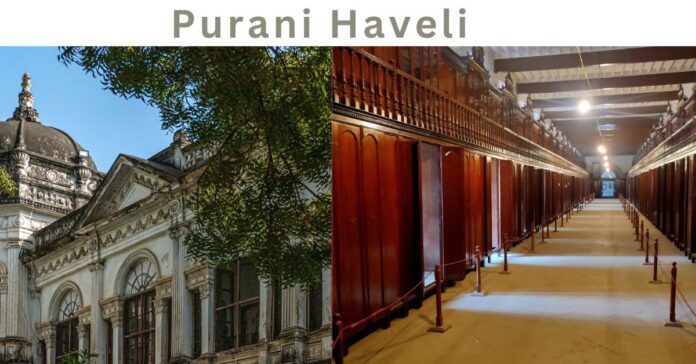
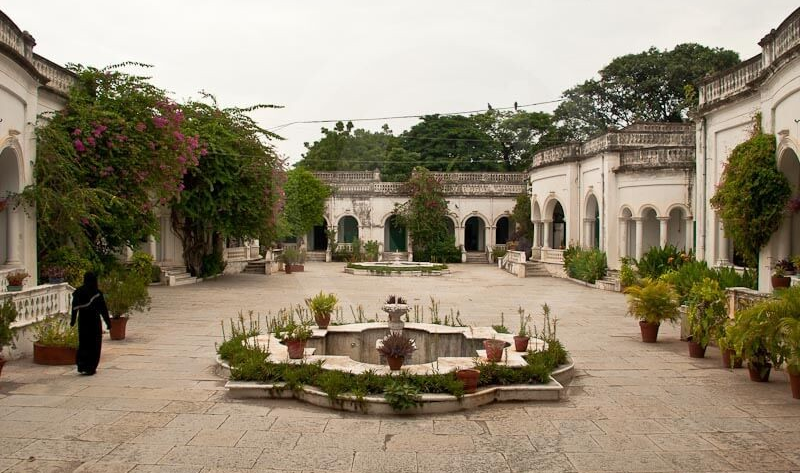
The name “Purani Haveli” makes one think of an old, mysterious mansion, possibly with a hidden secret. But the reality of Purani Haveli is a fascinating duality, encompassing both a chilling film and a historical landmark in Hyderabad, India. and one of the Historical places in Hyderabad
So, what awaits you within the walls of Purani Haveli? Let’s delve into the experiences that will make your visit truly unforgettable:
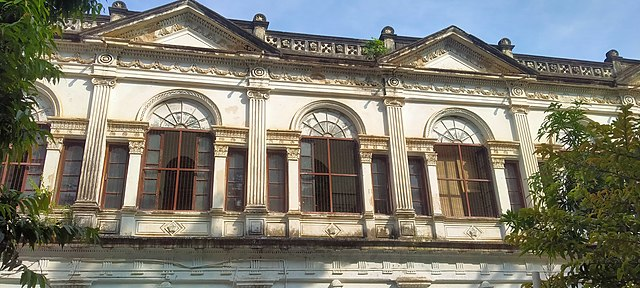
1. Walk Through History: Purani Haveli, meaning “old palace,” whispers tales of a bygone era. As you explore the various chambers, imagine the Nizams holding court, adorned in exquisite jewels and shimmering silks. The architecture itself is a masterpiece, blending Mughal and European influences to create a truly awe-inspiring space.
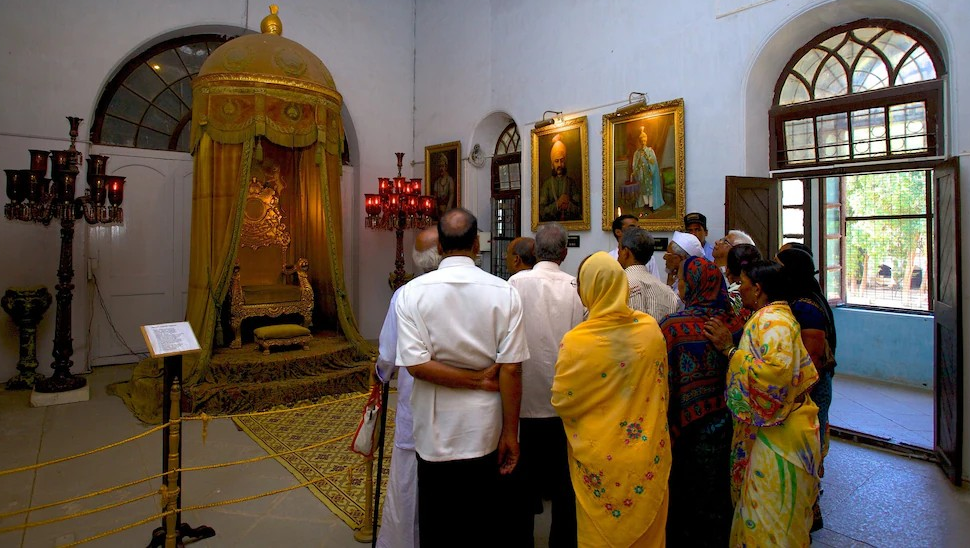
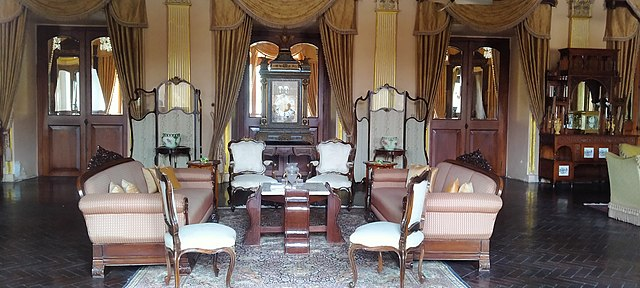
2. A Treasure Trove of Nizami Grandeur: The Haveli now houses the Nizam Museum, where you’ll find a treasure trove of artifacts that belonged to the Nizams. Marvel at intricately crafted weapons, gleaming gold and silver jewelry, and ceremonial attire that speaks of opulence. Don’t miss the miniature silver models of Hyderabad’s famed landmarks, offering a glimpse into the city’s rich history.
3. Unveiling Architectural Marvels: Purani Haveli isn’t just about the opulent displays. Keep an eye out for unique architectural wonders. The world’s longest wardrobe, a marvel of engineering for its time, will leave you speechless. And don’t miss the hand-operated lift, a testament to the palace’s innovative design.
4. Capture the Grandeur: While photography within the Haveli requires a separate fee of 150–500 for the camera, capturing a few frames to preserve your memories is definitely recommended. Get a picture with the iconic facade, or focus on the intricate details of the artifacts on display.
5. Explore the Surroundings: Purani Haveli’s prime location makes it an excellent starting point for further exploration. The Charminar, a dazzling monument, and the bustling Laad Bazaar, a paradise for shopaholics, are both within walking distance.
Monday to Sunday timings are 10:00 a.m.–5:00 pm except Friday. the Friday, either it is closed or holiday
Location:
Purani Haveli Hyderabad, is located to the south-east of the Afzal Gunj Bridge, near Dewan Devdi.
Entry Price:
80Rps per Adult 15Rps per Child 150–500 Rps for Camera
A Haunting Tale on Screen: The 1989 Film
For horror movie enthusiasts, “Purani Haveli” evokes a sense of nostalgia. Released in 1989, this Hindi film, directed by the Ramsay Brothers, pioneers of the genre in Bollywood, sent shivers down spines across India. The plot follows a group of friends who embark on a seemingly innocent adventure, venturing into a dilapidated mansion named “Purani Haveli,” which translates to “Old Mansion” in English.
Little do they know that this seemingly ordinary structure harbors a sinister entity. As the story unfolds, the friends encounter a terrifying force, unleashing a series of chilling events that test their courage and leave viewers on the edge of their seats. “Purani Haveli” remains a cult classic for some horror enthusiasts, a testament to the Ramsay Brothers’ ability to create a truly unsettling atmosphere.
Beyond the Silver Screen: The Historical Purani Haveli
While the film uses the name “Purani Haveli” to create a sense of dread, Hyderabad boasts a real palace bearing the same name, also known as Masarrat Mahal Palace. Shrouded in a veil of mystery, the exact history of this palace remains unclear. However, its location suggests a potential link to the city’s illustrious past.
Situated in Hyderabad, Telangana, Purani Haveli might have served as a crucial water source for the residents of the historic Golconda Fort in a bygone era. The palace could have played a significant role in sustaining the fort’s inhabitants.
The Current Status of the Historical Purani Haveli
Unlike other historical landmarks in Hyderabad, Purani Haveli is not readily accessible to the public. Information regarding its current state and purpose is scarce. This lack of transparency adds to the palace’s air of mystery, leaving historians and curious minds yearning to unravel its secrets.
Things to do in Purani Haveli
Hyderabad’s crown boasts many jewels, and Purani Haveli is one that shimmers with a unique brilliance. Stepping into this historic palace isn’t just sightseeing; it’s a captivating journey through the extravagant world of the Nizams.
Bonus: A Touch of Royalty:
After your exploration, consider indulging in a Hyderabadi delicacy at a nearby restaurant. Savor the rich flavors and imagine yourself feasting like the Nizams once did.Purani Haveli offers more than just a museum experience. It’s a portal to a bygone era, a chance to witness the grandeur of the Nizams, and a delightful historical adventure. So, pack your curiosity and sense of wonder, and get ready to be enthralled by this gem of Hyderabad!
Exploring the Treasures of Hyderabad
While the real Purani Haveli remains shrouded in a veil of secrecy, Hyderabad offers a plethora of historical marvels waiting to be explored. Here are a few suggestions:
Chowmahalla Palace: Immerse yourself in the opulence of the Asaf Jahi dynasty by visiting the Chowmahalla Palace complex, the former seat of the Nizams.
Falaknuma Palace: Nicknamed “Mirror of the Sky,” this majestic palace, now a luxurious Taj Hotel, offers a glimpse into the grandeur of the Nizam era.
Charminar: This iconic monument, a symbol of Hyderabad, is a must-see for any visitor. Ascend its minarets and marvel at the breathtaking panoramic views of the city.
Golconda Fort: Delve into the rich history of Hyderabad by exploring this imposing fort, once a major diamond trading center and a UNESCO World Heritage Site.
Conclusion
Purani Haveli, a unique destination in Hyderabad, blends history and mystery. Explore its rich past and cinematic portrayal to experience the opulent world of the Nizams, marvel at architectural wonders, and discover treasures from a bygone era. Its prime location near Charminar and Laad Bazaar makes a visit to Purani Haveli more than sightseeing—it’s a journey into Hyderabad’s cultural and historical heart. Pack your curiosity and embark on an enlightening and enthralling adventure.
FAQs
Q1:History of Purani Haveli
Ans: 18th century Nizam residence, now a museum showcasing royal treasures.
Q2: Nizam Museum exhibits at Purani Haveli?
Ans: Jewelry, weapons, miniatures & Nizam’s personal belongings.
Q3: Interesting facts about Purani Haveli?
Ans: The world’s longest wardrobe & unique hand-operated lift.
Q4:Photography allowed at Purani Haveli?
Ans: Yes (photography fee applies).
Q5:Nearby attractions to Purani Haveli?
Ans: Charminar, Laad Bazaar & other historical sites nearby.
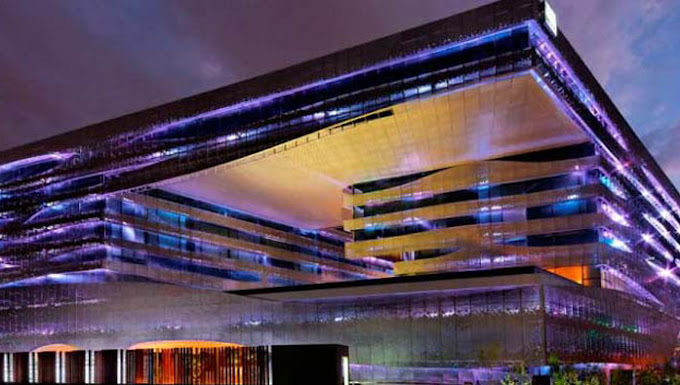
Hyderabad, known for its rich history, vibrant culture, and booming IT industry, offers a diverse range of accommodations for visitors. Whether you’re traveling for business or leisure, the city has an array of luxurious Best Hotels that cater to all your needs. From opulent 5-star establishments to modern boutique hotels, Hyderabad’s hospitality scene is designed to provide comfort, convenience, and a memorable stay. Here’s a comprehensive guide to the best hotels in Hyderabad, featuring detailed information on services, hospitality, cost to stay, and unique selling points.
Novotel Hyderabad Airport
Novotel Hyderabad Airport is a contemporary, One of the Best hotel in 5-star hotels, located just a short distance from the Rajiv Gandhi International Airport, making it a top choice for travelers seeking convenience and luxury.
Services Offered
Dining: All-day dining restaurant, bar, and lounge.
Wellness: Full-service spa, outdoor pool, fitness center.
Business: Business center, meeting rooms, event facilities.
Transport: Free shuttle service to and from the airport.
Hospitality
Novotel Hyderabad Airport is renowned for its excellent service, providing a warm and welcoming experience. Both business and leisure travelers will receive the same level of attention and training from the personnel.
Location
Rajiv Gandhi International Airport, Shamshabad
Cost to Stay
Standard Rooms: Approx. ₹8,000 – ₹10,000 per night.
Suites: Approx. ₹12,000 – ₹15,000 per night.
Prices can vary based on the season, room type, and booking conditions.
Unique Selling Points:
Direct Airport Access: Ideal for travelers needing quick and easy airport access.
Comprehensive Amenities: Offers a range of facilities including dining, wellness, and business services, making it suitable for both short and extended stays.
Modern Comfort: Stylish and modern accommodations designed for comfort and convenience.
Additional Information:
Check-In/Check-Out: Typically takes place at 3:00 PM and 12:00 PM.
Nearby Attractions: While the hotel is primarily catering to airport travelers, it is also accessible to the main city attractions via road.
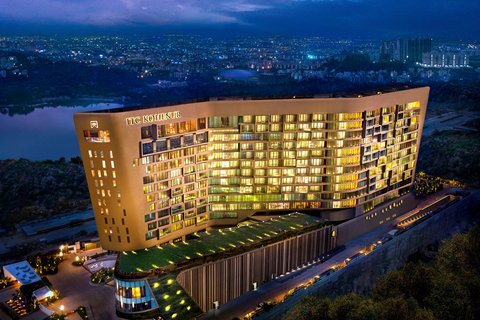
ITC Kohinur, a Luxury Collection Hotel
ITC Kohenur is a luxurious One of the Best hotel in 5-star hotels, located in the heart of HITEC City, Hyderabad’s bustling IT and business district. It is perfect for both business and leisure tourists, providing an elegant stay with contemporary conveniences and top-notch service.
Services Offered
Dining: Several fine dining restaurants and a bar.
Wellness: Spa, fitness center, and rooftop pool.
Business: Business center, versatile meeting rooms, and event spaces.
Transport: Proximity to major transit points and airports.
Hospitality
ITC Kohenur is renowned for its exceptional service and hospitality, with a focus on personalized guest experiences. The staff is attentive, ensuring a comfortable and memorable stay.
Standard Rooms: Approx. ₹15,000 – ₹20,000 per night.
Suites: Approx. ₹25,000 – ₹40,000 per night.
Prices vary based on seasonality, room type, and booking conditions.
Unique Selling Points
Luxury and Comfort: The hotel combines luxury with a strong focus on guest comfort and satisfaction.
Gourmet Dining: Offers a range of high-end dining options, including specialty restaurants and international cuisine.
Spa and Wellness: Extensive wellness facilities including a luxurious spa, outdoor pool, and fitness center.
Additional Information
Check-In/Check-Out: Typically takes place at 3:00 PM and 12:00 PM.
Nearby Attractions: Close to major tech parks, shopping malls, and entertainment hubs in HITEC City.
The Westin Hotel Hyderabad
The Westin Hyderabad Mindspace is One of the Best hotel in 5-star hotels, situated in the heart of HITEC City, Hyderabad’s major IT and business district. Known for its contemporary design and exceptional service, it caters to both business and leisure travelers.
Services Offered
Dining: Multiple restaurants including international cuisine, and a bar.
Wellness: Full-service spa, fitness center, outdoor pool.
Business: Business center, meeting rooms, event spaces.
Transport: Close to metro stations and major transport links.
Hospitality:
The Westin Hyderabad Mindspace is renowned for its attentive Best Hotels service and luxurious accommodations. The staff is dedicated to ensuring a comfortable and enjoyable stay, offering personalized services to meet the needs of all guests.
Location
Raheja It Park Hitec City, Madhapur, Hyderabad, Telangana 500081
Cost to Stay
Standard Rooms: Approx. ₹10,000 – ₹15,000 per night.
Suites: Approx. ₹20,000 – ₹30,000 per night.
Prices can vary based on the season, room type, and booking conditions.
Unique Selling Points
Business-Friendly: Excellent amenities for business travelers, including a well-equipped business center and meeting facilities.
Comprehensive Wellness: Offers extensive wellness facilities including a renowned spa, outdoor pool, and fitness center.
Prime Location: Located in HITEC City, making it ideal for corporate travelers and those visiting the IT parks.
Additional Information
Check-In/Check-Out: Typically takes place at 3:00 PM and 12:00 PM.
Nearby Attractions: Close to tech parks, shopping malls, and entertainment options in HITEC City.
The Hotel Trident Hyderabad
Located in the bustling HITEC City, Trident Hyderabad is One of the best Hotel in5-star hotels, known for its contemporary design and impeccable service. This hotel caters primarily to business travelers but is equally welcoming to leisure guests.
Services Offered
Dining: On-site restaurants offering Indian and international cuisines.
Wellness: Fitness center, outdoor pool, spa.
Business: Business center, meeting rooms, and conference facilities.
Transport: Accessible to public transport and major roads.
Hospitality
Trident Hyderabad is renowned for its wonderful hospitality and service. The staff is dedicated to providing a personalized and comfortable stay, catering to both business and leisure travelers with a focus on guest satisfaction.
Location
Survey No.64, Hitech City Main Rd, near Cyber Towers, HITEC City, Hyderabad, Telangana 500081
Cost to Stay
Standard Rooms: Approx. ₹8,000 – ₹12,000 per night.
Suites: Approx. ₹15,000 – ₹25,000 per night.
Prices may vary based on the season, room type, and booking conditions.
Unique Selling Points
Business-Centric Amenities: Features a range of business services and meeting facilities suitable for corporate travelers.
Luxury and Comfort: Combines elegance and modernity with luxurious accommodations and top-notch services.
Prime Location: Located in HITEC City, offering easy access to major business and tech centers.
Additional Information
Check-In/Check-Out: Typically takes place at 3:00 PM and 12:00 PM.
Nearby Attractions: Close to major IT parks, shopping centers, and entertainment options in HITEC City.
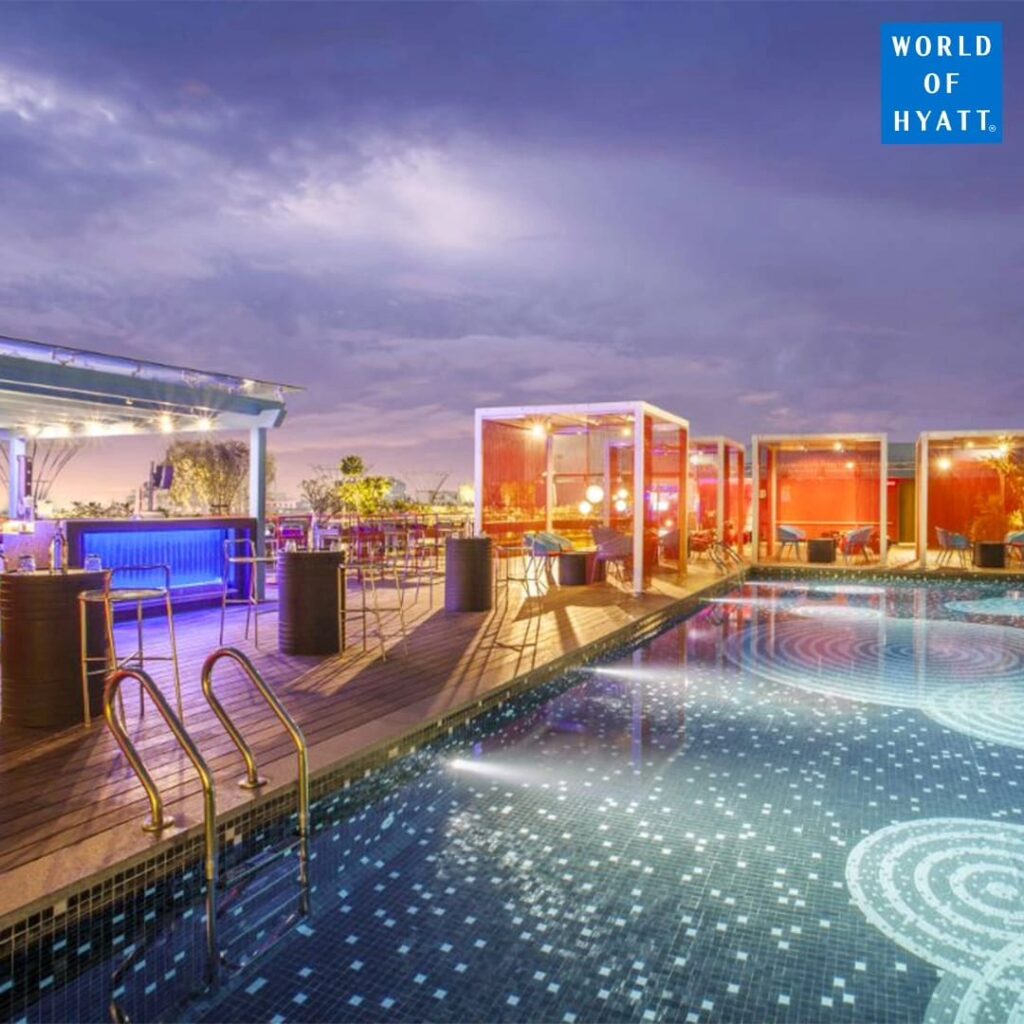
Hyatt Place Hyderabad Banjara Hills
Hyatt Place Hyderabad Banjara Hills is a modern 4-star hotel situated in the upscale Banjara Hills area. Known for its contemporary design and convenient amenities, it caters to both business and leisure travelers looking for a comfortable and accessible stay.
Services Offered
Dining: 24-hour dining options including a café and bar.
Wellness: Rooftop pool, fitness center.
Business: Business services including meeting rooms and free Wi-Fi.
Transport: Convenient access to public transport and major city routes.
Hospitality
Hyatt Place Hyderabad Banjara Hills is known for its friendly and efficient service. The staff is attentive and dedicated to providing a pleasant stay, ensuring that guests have everything they need for a comfortable visit.
Location
Rd Number 1, Banjara Hills, Hyderabad, Telangana 500034
Cost to Stay
Standard Rooms: Approx. ₹6,000 – ₹8,000 per night.
Suites: Approx. ₹10,000 – ₹12,000 per night.
Prices vary depending on the season, room type, and booking conditions.
Unique Selling Points
Convenient Location: Situated in a prime area known for its vibrant atmosphere and proximity to key attractions.
Modern Comfort: Offers modern amenities and spacious rooms designed for both business and leisure travelers.
Affordable Luxury: Provides a high standard of comfort and service at a more affordable price compared to some 5-star properties.
Additional Information
Check-In/Check-Out: Typically takes place at 3:00 PM and 12:00 PM.
Nearby Attractions: Close to popular shopping malls, dining options, and entertainment venues in Banjara Hills.
Taj Krishna
Taj Krishna is One of the Best Hotel in 5-star hotels, in Hyderabad’s prestigious Banjara Hills area. Renowned for its blend of traditional elegance and modern luxury, it offers a sophisticated stay with excellent facilities and services for both business and leisure travelers.
Services Offered
Dining: Rooftop restaurant, bar, and multiple dining options.
Wellness: Full-service spa, fitness center, and outdoor pool.
Business: Business center and meeting facilities.
Transport: Easily accessible by major roads and metro stations.
Hospitality
The Taj Krishna is renowned for its warm hospitality and outstanding service. The staff is highly trained and attentive, ensuring every guest’s memorable and comfortable stay.
Location
Road No. 1, Banjara Hills, Hyderabad
Cost to Stay
Standard Rooms: Approx. ₹12,000 – ₹15,000 per night.
Suites: Approx. ₹20,000 – ₹35,000 per night.
Prices vary based on season, room type, and booking conditions.
Unique Selling Points
Luxury and Tradition: Offers a blend of traditional Indian elegance with modern luxury, catering to guests looking for a high-end experience.
Comprehensive Amenities: Features a wide range of dining options, wellness facilities, and business services.
Prime Location: Located in a prominent area with easy access to shopping, dining, and entertainment.
Additional Information
Check-In/Check-Out: Typically takes place at 3:00 PM and 12:00 PM.
Nearby Attractions: Close to popular landmarks, shopping centers, and cultural attractions in Banjara Hills.
Radisson Blu Plaza Hotel Banjara Hills
Radisson Blu Plaza Hotel Banjara Hills is One of the Best Hotels 5-star hotels, located in the upscale Banjara Hills area. It combines modern luxury with a convenient location, making it an ideal choice for both business and leisure travelers.
Services Offered
Dining: On-site restaurants serving a variety of cuisines, bar.
Wellness: Fitness center, outdoor pool, spa.
Business: Business center with meeting rooms and event facilities.
Transport: Close to public transport and major roads.
Hospitality
Radisson Blu Plaza Hotel Banjara Hills is known for its high standard of service and hospitality. The staff is attentive and dedicated to providing a comfortable and enjoyable stay for all guests.
Location
Radisson Blu Plaza Hotel, 8-2-409, Road No. 6, Banjara Hills, Hyderabad
Cost to Stay
Standard Rooms: Approx. ₹8,000 – ₹12,000 per night.
Suites: Approx. ₹15,000 – ₹25,000 per night.
Prices may vary based on season, room type, and booking conditions.
Unique Selling Points
Modern Luxury: Provides guests seeking a chic and pleasant stay with modern facilities and contemporary style.
Prime Location: Situated in Banjara Hills, offering easy access to upscale shopping, dining, and entertainment options.
Comprehensive Amenities: Includes a range of dining options, wellness facilities, and business services.
Additional Information
Check-In/Check-Out: Typically takes place at 3:00 PM and 12:00 PM.
Nearby Attractions: Close to popular landmarks, shopping malls, and dining venues in Banjara Hills.
Park Hyatt Hyderabad is a luxurious One of the Best hotel in 5-star hotels situated in the upscale Banjara Hills area. Renowned for its elegant design and high-quality service, the hotel offers a sophisticated experience for both business and leisure travelers.
Location
Road No. 2, Banjara Hills, Hyderabad, Telangana 500034
Services Offered
Dining: High-end dining options, including international cuisine and a bar.
Wellness: Spa, fitness center, and outdoor pool.
Business: Business center, meeting and event facilities.
Transport: Easy access to public transport and city routes.
Hospitality
Park Hyatt Hyderabad is the Best Hotel for its exceptional service and attention to detail. The staff is highly trained and dedicated to ensuring a comfortable and memorable stay for all guests.
Cost to Stay
Standard Rooms: Approx. ₹12,000 – ₹16,000 per night.
Suites: Approx. ₹20,000 – ₹35,000 per night.
Prices may vary based on the season, room type, and booking conditions.
Unique Selling Points
Sophisticated Elegance: Offers a blend of modern luxury and classic elegance, catering to guests seeking a high-end experience.
Comprehensive Amenities: Includes a variety of dining options, wellness facilities, and business services.
Prime Location: Situated in Banjara Hills, providing easy access to shopping, dining, and entertainment venues.
Additional Information
Check-In/Check-Out: Typically takes place at 3:00 PM and 12:00 PM.
Nearby Attractions: Close to upscale shopping centers, cultural landmarks, and dining options in Banjara Hills.
The Hotel Sheraton Hyderabad
Sheraton Hyderabad Hotel is a luxurious 5-star property situated in the Gachibowli area, which is a major IT and business hub of Hyderabad. The hotel combines modern amenities with elegant design, providing a sophisticated and comfortable stay for both business and leisure travelers.
Services Offered
Dining: Multiple dining options including a restaurant and bar.
Wellness: Spa, fitness center, outdoor pool.
Business: Business center and meeting rooms.
Transport: Convenient access to the airport and city routes.
Hospitality: Sheraton Hyderabad Hotel is known for its impeccable service and attention to detail. The staff is dedicated to providing a high level of comfort and personalized service to ensure a memorable stay.
Standard Rooms: Approx. ₹10,000 – ₹14,000 per night.
Suites: Approx. ₹18,000 – ₹30,000 per night.
Prices vary based on the season, room type, and booking conditions.
Unique Selling Points
Modern Comfort: Combines contemporary design with luxurious amenities, catering to both business and leisure travelers.
Strategic Location: Located in Gachibowli, offering convenient access to business centers, IT parks, and the airport.
Comprehensive Amenities: Includes a variety of dining options, wellness facilities, and business services.
Additional Information
Check-In/Check-Out: Typically takes place at 3:00 PM and 12:00 PM.
Nearby Attractions: Close to major tech parks, shopping centers, and dining options in the Gachibowli area.
Le Meridien Hyderabad
Le Meridien Hyderabad is a premier 5-star hotel situated in the upscale area of Somajiguda. The hotel is a great option for both business and leisure guests since it provides a chic fusion of modern design and opulent comfort.
Services Offered:
Dining: On-site restaurants with diverse cuisines and a bar.
Wellness: Rooftop pool, fitness center, spa.
Business: Business center and meeting rooms.
Transport: Accessible to public transport and major roads.
Hospitality: Le Meridien Hyderabad is renowned for its attentive and personalized service. The hotel staff is dedicated to ensuring that guests have a comfortable and enjoyable stay.
Standard Rooms: Approx. ₹8,000 – ₹12,000 per night.
Suites: Approx. ₹15,000 – ₹25,000 per night.
Depending on the season, the kind of room, and the terms of the reservation, prices may change.
Unique Selling Points
Luxury and Comfort: Offers a blend of modern elegance with high-end amenities, catering to both business and leisure travelers.
Prime Location: Located in Somajiguda, providing convenient access to shopping, dining, and business hubs.
Comprehensive Amenities: Includes a variety of dining options, wellness facilities, and business services.
Additional Information
Check-In/Check-Out: Typically takes place at 3:00 PM and 12:00 PM.
Nearby Attractions: Close to popular shopping malls, cultural landmarks, and dining venues in the Somajiguda area.
Courtyard by Marriott Hyderabad
Courtyard by Marriott Hyderabad is a modern 5-star hotel situated near the scenic Hussain Sagar Lake, offering a blend of contemporary amenities and exceptional service. Ideal for both business and leisure travelers, the hotel provides a comfortable and convenient stay with easy access to key attractions and business centers.
Services Offered:
Dining: Café and restaurant with various cuisine options.
Wellness: Fitness center, outdoor pool.
Business: Business center with meeting rooms and event facilities.
Transport: Easy access to major transport hubs and landmarks.
Hospitality
Courtyard by Marriott Hyderabad is known for its high standard of service and hospitality. The staff is attentive and dedicated to providing a comfortable and enjoyable stay for all guests.
Location
1-3-1024, Lower Tank Bund Rd, Kavadiguda, Hyderabad, Telangana 500080
Cost to Stay
Standard Rooms: Approx. ₹7,000 – ₹10,000 per night.
Suites: Approx. ₹14,000 – ₹22,000 per night.
Prices may vary based on the season, room type, and booking conditions.
Unique Selling Points
Scenic Location: Close to Hussain Sagar Lake, offering picturesque views and a tranquil environment.
Modern Amenities: Combines contemporary design with a range of modern amenities, catering to both business and leisure travelers.
Comprehensive Facilities: Includes diverse dining options, wellness facilities, and efficient business services.
Additional Information
Check-In/Check-Out: Typically takes place at 3:00 PM and 12:00 PM.
Nearby Attractions: Close to popular spots like Necklace Road, Lumbini Park, and major shopping and dining venues.
The Park Hyderabad
The Park Hyderabad is One of the Best hotel in 5-star hotels, located in the heart of the city. The hotel, which combines modern comforts with upscale services, is well-known for its stylish design and lively atmosphere. It is the perfect option for tourists on business or vacation who want to stay somewhere chic and elegant.
Services Offered
Dining: Rooftop restaurant, bar, and all-day dining options.
Wellness: Spa, fitness center, rooftop pool.
Business: Business center and meeting rooms.
Transport: Accessible to public transport and major roads.
The Park Hyderabad is known for its modern service standards and personalized attention. The staff is dedicated to ensuring a high level of comfort and satisfaction for all guests.
Cost to Stay
Standard Rooms: Approx. ₹6,500 – ₹9,500 per night.
Suites: Approx. ₹12,000 – ₹20,000 per night.
Prices may vary based on the season, room type, and booking conditions.
Unique Selling Points
Trendy Design: Offers a contemporary and artistic ambiance, catering to guests who appreciate modern aesthetics.
Central Location: Located on Raj Bhavan Road, providing easy access to key business and entertainment areas.
Diverse Amenities: Includes a range of dining options, wellness facilities, and efficient business services.
Additional Information
Check-In/Check-Out: Typically takes place at 3:00 PM and 12:00 PM.
Nearby Attractions: Close to major attractions such as Necklace Road, Lumbini Park, and popular shopping and dining destinations.
Avasa Hotel
Avasa Hotel is a luxury hotel situated in the bustling Hitech City area, which is a major IT and business hub of Hyderabad. The hotel offers a blend of modern elegance and high-end amenities, catering to both business and leisure travelers with a focus on comfort and convenience.
Services Offered
Dining: Restaurant, bar, café with diverse options.
Wellness: Fitness center, outdoor pool.
Business: Business center and meeting rooms.
Transport: Proximity to tech parks and public transport.
Location
HUDA Techno Enclave, HITEC City, Hyderabad, Telangana 500081
Hospitality
Avasa Hotel is known for its attentive service and commitment to providing a high level of comfort. Every guest’s stay will be pleasant and pleasurable because of the staff’s dedication to that goal.
Cost to Stay
Standard Rooms: Approx. ₹7,000 – ₹11,000 per night.
Suites: Approx. ₹15,000 – ₹25,000 per night.
Prices may vary based on the season, room type, and booking conditions.
Unique Selling Points
Business-Friendly Location: Positioned in Hitech City, offering easy access to major IT hubs and business centers.
Modern Luxury: Combines contemporary design with high-end amenities, catering to both business and leisure travelers.
Comprehensive Facilities: Includes a variety of dining options, wellness facilities, and business services.
Additional Information
Check-In/Check-Out: Typically takes place at 3:00 PM and 12:00 PM.
Nearby Attractions: Close to popular tech parks, shopping malls, and entertainment venues in Hitech City.
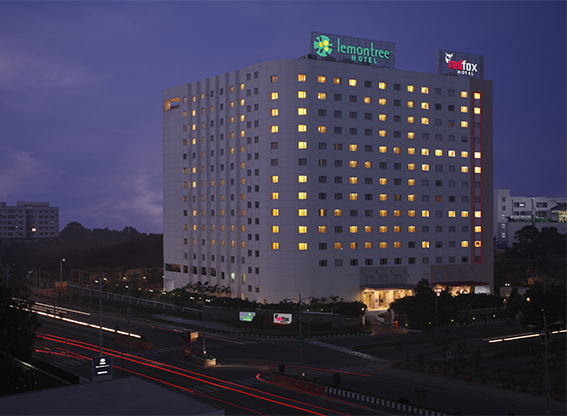
Lemon Tree Hotel Hyderabad
Lemon Tree Hotel Hyderabad is a vibrant and refreshing mid-scale Best hotel located in the bustling area of Banjara Hills. Known for its youthful vibe and eco-friendly practices, the hotel caters to both business and leisure travelers.
Services Offered
Dining: Restaurant, bar, café with diverse options.
Wellness: Fitness center, outdoor pool.
Business: Business center and meeting rooms.
Transport: Proximity to tech parks and public transport.
Location
6-3-903/1, Near Peddamma Temple, Greenlands, Hyderabad
Hospitality
Lemon Tree Hotel Hyderabad is known for its friendly and efficient service. The staff is dedicated to providing a comfortable and enjoyable stay, ensuring that all guest needs are met.
Cost to Stay
Standard Rooms: Approx. ₹4500 – ₹65,000 per night.
Suites: Approx. ₹8,000 – ₹12,000 per night.
Prices may vary based on the season, room type, and booking conditions.
Unique Selling Points
Affordable Comfort: Provides a cost-effective combination of contemporary conveniences and coziness.
Energetic Atmosphere: Features vibrant and contemporary interiors that create a lively and welcoming environment.
Comprehensive Amenities: Includes a variety of dining options, wellness services, and business facilities.
Additional Information
Check-In/Check-Out: Typically takes place at 3:00 PM and 12:00 PM.
Nearby Attractions: Close to popular spots such as the Peddamma Temple, Necklace Road, and various shopping and dining venues in Greenlands.
Vivanta Hyderabad, Begumpet
Vivanta Hyderabad, Begumpet is One of the Best Hotels in luxury hotels situated in the bustling Begumpet area. The hotel provides a sophisticated and pleasant stay that is perfect for both business and leisure tourists. It is well-known for its attractive design and contemporary services.
Services Offered:
Dining: Rooftop restaurant, dining options with varied cuisines.
Wellness: Spa, fitness center, outdoor pool.
Business: Business center, meeting rooms.
Transport: Convenient access to city attractions and transport hubs.
Location
Begumpet Mayur Marg, Hyderabad
Hospitality
Vivanta Hyderabad, Begumpet is known for its high standard of service and hospitality. The staff is dedicated to providing a luxurious and comfortable experience for all guests.
Cost to Stay
Standard Rooms: Approx. ₹8,000 – ₹12,000 per night.
Suites: Approx. ₹15,000 – ₹25,000 per night.
Prices may vary based on the season, room type, and booking conditions.
Unique Selling Points
Luxury and Elegance: Combines contemporary design with luxurious amenities, catering to both business and leisure travelers.
Central Location: Positioned in Begumpet, offering easy access to business districts, shopping, and attractions.
Comprehensive Facilities: Includes a range of dining options, wellness services, and business amenities.
Additional Information
Check-In/Check-Out: Typically takes place at 3:00 PM and 12:00 PM.
Nearby Attractions: Close to popular destinations such as the Necklace Road, Hyderabad Central Mall, and various dining and shopping venues in Begumpet.
Conclusion
Hyderabad’s hospitality sector offers an exceptional range of Best hotels that combine luxury, comfort, and convenience, ensuring a memorable stay for every traveler. Whether you’re seeking quick access to the airport, proximity to business hubs, or a central location for exploring the city’s rich culture and history, these hotels provide the perfect base for your visit. From world-class dining and wellness facilities to attentive service and elegant accommodations, these hotels exemplify the best of what Hyderabad has to offer. Choose the one that best suits your needs and enjoy the unparalleled hospitality of this vibrant city.
if you like the above content please like and share the article in your family and friends you can give me any suggestions please put a comment in below comment section. further any information please contact us
Frequently Asked Questions (FAQs)
1Q: What are the dining options at Novotel Hyderabad Airport?
A: All-day dining restaurant, bar, and lounge.
2Q: Is there a free airport shuttle at Novotel Hyderabad Airport?
A: Yes, they offer a free shuttle service to and from the airport.
3Q: Are there any business facilities at Trident Hyderabad?
A: Yes, it offers a business center, meeting rooms, and conference facilities.
4Q: Where is Park Hyatt Hyderabad located?
A: Road No. 2, Banjara Hills, Hyderabad, Telangana 500034.
5Q: What dining options are available at ITC Kohenur?
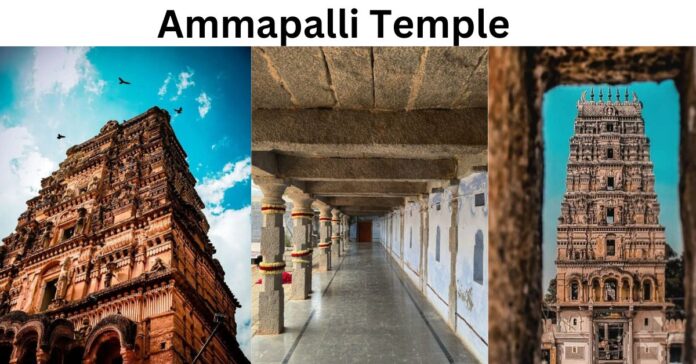
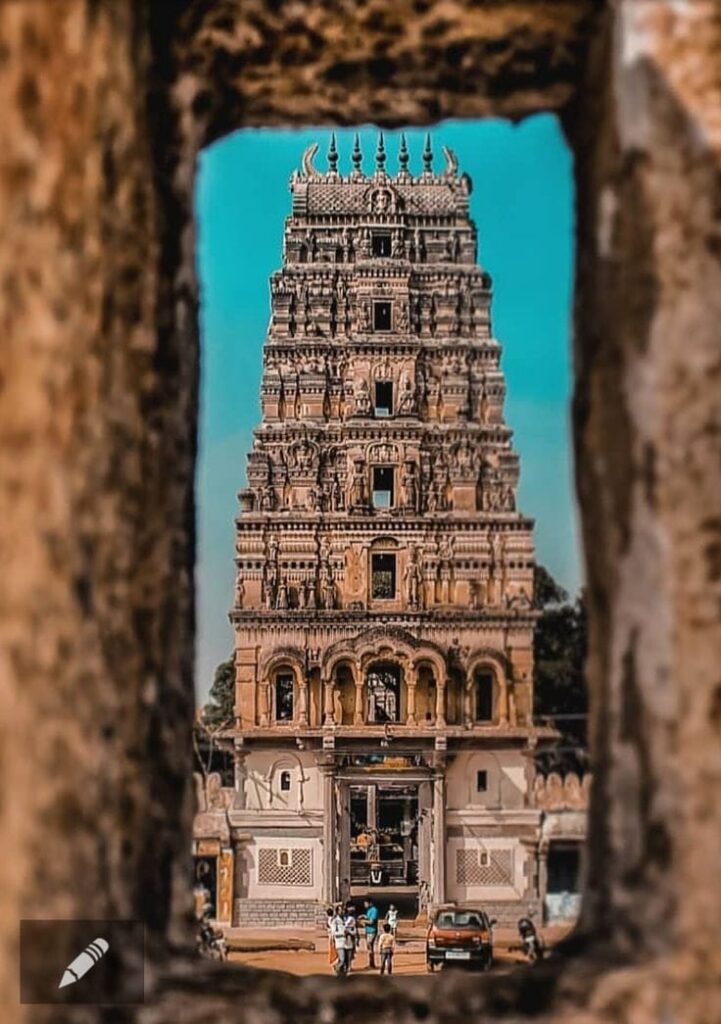
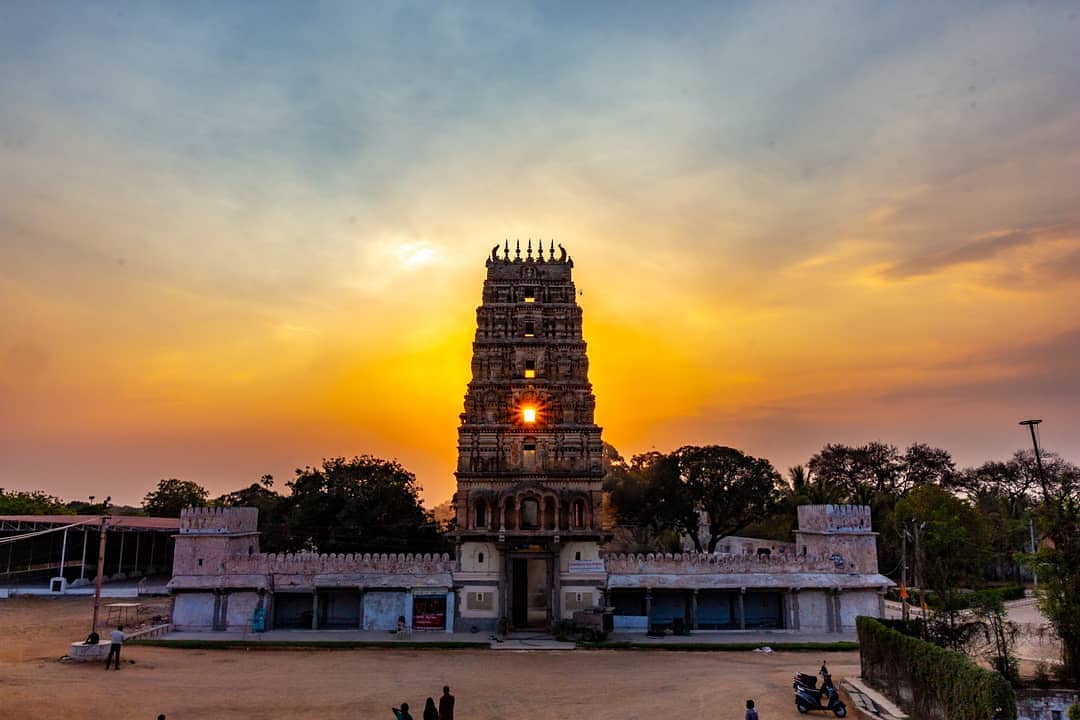
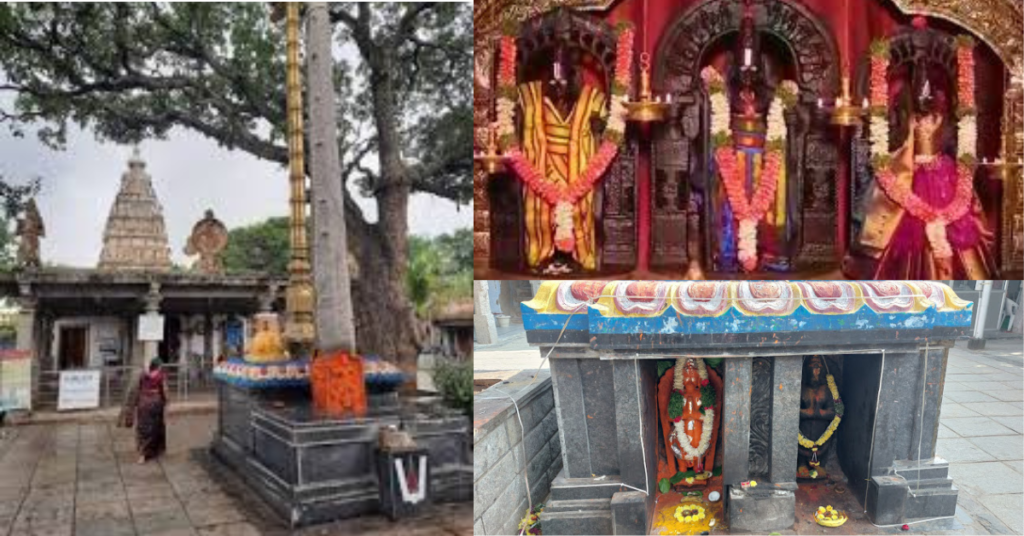
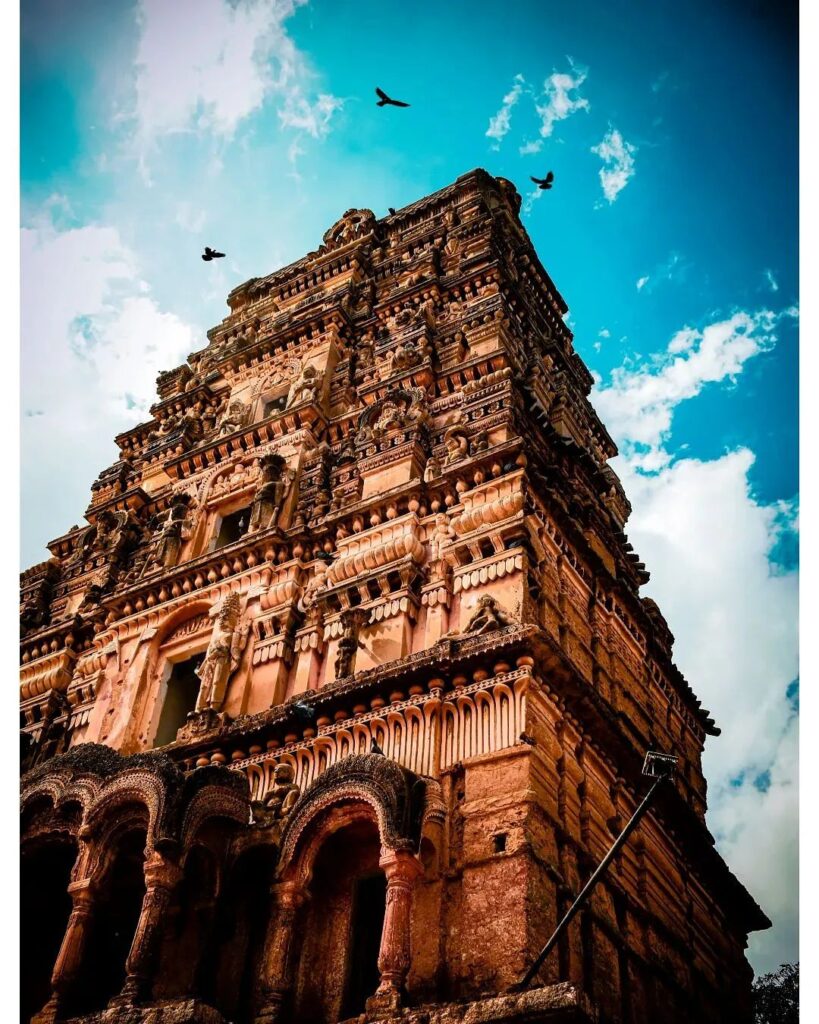
The Ammapalli TempleSri Seetha Rama Chandra Swamy Temple is a historical marvel that exemplifies India’s rich spiritual and cultural legacy. famous for its devotion to Lord Rama and his spouse, Goddess Sita. Situated near Shamshabad is the Ammapalli Sita Rama Chandra Swamy Temple. Deeply spiritual and steeped in history, this temple’s ancient roots and architectural elegance draw historical lovers and devotees.
The Chalukya dynasty built the temple in the twelfth century. The style and carvings of the temple reflect the revival of Hindu culture and architecture during this time. The temple is a good example of traditional South Indian architecture. Many smaller shrines encircle the huge center courtyard, providing a calm and roomy setting for prayer. The complex artwork and carvings inside the temple portray events from the Ramayana, the Hindu epic that tells the story of Lord Rama’s exploits. These intricate artworks add to the temple’s historical and cultural value.
Absence of Hanuman’s Idol
One of the most intriguing aspects of this temple is the absence of an idol of Hanuman in the main sanctum. This temple’s architecture pays tribute to its historic origins and the period of history that preceded the notable. worship of Hanuman in such circumstances, in contrast to most Rama temples, which prominently display Hanuman as a symbol of devotion.
Architectural Features
Garbhagriha
The deepest room is home to the main deity, Sri Sith Ramachandra Swami. Usually surrounded by a barrier for security, this area serves as the center of worship. usually consists of a humble yet revered structure with the idol of the deity placed atop an elevated platform. Exquisite sculptures and symbolic trinkets are commonly utilized to adorn the shrine.
Gopurams (Gateway Towers)
Elaborate sculptures and carvings depicting mythological scenes, deities, and celestial figures decorate the monumental entrance towers at the Ammapalli temple entry points, which are designed to welcome devotees and signify the transition from the worldly to the sacred. They create a spectacular entrance, serving a dual symbolic and artistic purpose. People frequently use beautiful sculptures and symbolic objects to decorate the shrine.
Mandapams (Pillared Halls)
People use the spacious halls within the temple complex for various religious ceremonies, congregational activities, and community gatherings. Characterized by numerous pillars with detailed carvings, these halls often feature intricate ceiling artwork and provide a space for worshippers to gather and participate in rituals.
Step Well (Baoli)
The purpose of a traditional water reservoir next to the temple is to give the local population and the temple a steady supply of water. It consists of a series of steps leading down to the water level, often featuring ornate carvings and architectural details. The well’s dual purpose of utility and decoration reflects the temple’s past inventiveness in water management.
Temple Walls and Surroundings
Murals, bas-reliefs, and carvings that narrate stories from Hindu mythology and illustrate various deities often decorate the walls of the temple and its surrounding courtyards. Richly adorned with vibrant colors and intricate patterns, these artistic elements enhance the spiritual atmosphere and educate visitors about religious tales and traditions.
The Ammapalli Rama temple appears in over a thousand Telugu movies and television series. The wildly popular Murari film has made this temple known as the “Murari Movie Temple” and the “Cinema Gudi.” March 19, 2024. The Ammapalli Sri Kodandarama Temple is a favorite among filmmakers because of its timeless beauty, meditative atmosphere, and combination of divine calm and architecture. This historic temple has served as the setting for several iconic movie scenes over the years.
How to Reach the Temple
By Bus: There are TSRTC bus lines that go to Shamshabad and have connections to the temple.
By Train: Hyderabad Deccan (Nampally) or Secunderabad Junction are the closest train stations. You can take busses or cabs to the temple from there.
By Metro: The nearest metro station is Raidurg on the Blue Line, followed by a taxi or bus ride to the temple.
Timings:
open
Morning
Evening
Daily
6:00 a.m.–12:00 p.m.
6:00 am -12:00 pm
Conclusion
The Sri Seetha Rama Chandra Swamy Temple in Ammapalli, built in the 12th century by the Chalukya dynasty, is a significant historical and spiritual site. Known for its intricate carvings, grand gopurams, and serene surroundings, it reflects South Indian architectural elegance. Unique for its lack of Hanuman’s idol, the temple highlights its ancient origins. Popular in films, it continues to attract devotees and visitors, symbolizing India’s rich cultural and spiritual heritage.
FAQs
1Q: When was the Ammapalli Temple built?
A: The temple was constructed in the 12th century by the Chalukya dynasty
2Q: What makes the temple’s architecture notable?
A: The temple is renowned for its intricate carvings and traditional South Indian architectural style
3Q: What is the purpose of the step well (baoli)?
A: The step well provides a historical water source and features decorative carvings.
4Q: What do the gopurams signify?
A: The gopurams are grand entrance towers symbolizing the transition from the worldly to the sacred
5Q: What kind of artwork is on the temple walls?
A: The walls are decorated with murals and bas-reliefs depicting Hindu mythology.
Hyderabad can be a busy city, but there’s a peaceful place nearby called Osman Sagar Lake, also known as Gandipet. It’s a big lake with a cool history and lots to do. This blog post will tell you all about it, so you can relax and enjoy the beauty of the lake!
A Legacy Etched in Water: The History of Osman Sagar Lake
In 1920, Hyderabad, facing water woes and floods, found a savior in the visionary Nizam, Osman Ali Khan. To quench the city’s thirst and curb flooding, a grand dam was built on the Isa River, birthing Osman Sagar Lake. This marvel of engineering not only provided a steady water supply but also acted as a flood control mechanism. Over time, the lake’s purpose evolved. Today, it’s a cherished landmark and a recreational hub for Hyderabadis, offering a tranquil escape amidst the bustling city.
A Timeless Legacy: The Importance of Osman Sagar Lake
Osman Sagar Lake plays a vital role in the city’s ecosystem, extending far beyond its visual appeal and recreational opportunities. Here’s why this lake is a treasure for Hyderabad:
Water Source: Osman Sagar Lake serves as a vital source of drinking water for the ever-growing population of Hyderabad. The lake’s water undergoes a purification process before reaching homes, ensuring a reliable supply for daily needs.
Flood Control: As mentioned earlier, the construction of the dam that created the lake was a strategic move to protect the city from floods. The lake acts as a natural reservoir, regulating the flow of the Musi River and preventing devastating floods during the monsoon season.
Biodiversity: Osman Sagar Lake is a crucial habitat for diverse flora and fauna. The lake’s ecosystem supports a variety of fish species, aquatic plants, and birds. This biodiversity contributes to the overall ecological balance of Hyderabad.
A Paradise Unfurled: Exploring the Beauty of Osman Sagar Lake
Source: Instagram
Hyderabad’s crown jewel, Osman Sagar Lake, stuns with its vastness (46 sq km). Picture tranquil waters shimmering under the sun, reflecting the sky and lush greenery. Majestic hills complete the postcard-perfect scene. Lush parks and vibrant gardens line the shores, offering a welcome escape from the city. Stroll along scenic walkways, have a picnic under shady trees, or simply soak in the serene atmosphere. Listen to the gentle lapping of water, birds chirping, and leaves rustling. Let your worries melt away in this tranquil paradise.
A Paradise for Nature Enthusiasts: Activities at Osman Sagar Lake
Osman Sagar Lake isn’t just a visual delight; it’s a haven for nature enthusiasts and adventure seekers alike. Here’s a glimpse into the vibrant activities that await you:
Boating: Glide across the tranquil waters on a paddleboat or motorboat, enjoying panoramic views of the lake and its surroundings. Feel the cool spray on your face as you explore hidden coves and inlets, or simply relax and let the gentle rhythm of the water lull you into a state of peace.
Fishing: Cast your line and try your luck at catching a variety of fish species that thrive in the lake’s depths. Whether you’re a seasoned angler or a curious beginner, the thrill of the catch and the serenity of the environment make fishing at Osman Sagar Lake a memorable experience.
Birdwatching: With its diverse bird population, Osman Sagar Lake is a paradise for birdwatchers. Keep your eyes peeled for a variety of feathered beauties, including pelicans with their majestic wingspans, cormorants diving gracefully into the water, and egrets with their elegant white plumage. The lake is also home to many migratory birds, making it a haven for bird enthusiasts throughout the year.
Beyond these activities, Osman Sagar Lake also offers opportunities for sightseeing. Explore the nearby heritage sites that speak volumes about Hyderabad’s rich history and cultural tapestry. Or simply take a leisurely drive around the lake, letting the scenic beauty wash over you (Places to visit near Hyderabad, Weekend getaways from Hyderabad).
A Picture of Tranquility: Capturing the Essence of Osman Sagar Lake
Source: Wikimedia Commons
Beyond activities, Osman Sagar Lake offers serenity. Witness dawn paint the sky, casting a warm glow on the water’s surface-perfect for meditation or yoga with nature’s gentle soundtrack. Sunsets are equally breathtaking, with fiery colors dancing on the water. At night, the unpolluted sky transforms into a stargazer’s paradise. Spread a blanket, lie down, and be mesmerized by the Milky Way. Capture these moments through your camera – the majestic reflections, vibrant flora, and fauna all translate beautifully into photographs.
A Perfect Weekend Getaway: Planning Your Visit to Osman Sagar Lake
Osman Sagar Lake is a perfect destination for a refreshing weekend getaway, ideal for family outings and creating lasting memories. Here are some things to keep in mind while planning your visit:
Getting There: The lake is located on the outskirts of Hyderabad and is easily accessible by car, taxi, or auto rickshaw. Public transportation options are also available.
Timings: The lake is generally open to the public year-round. However, specific timings for boating and other activities like fishing might vary. Mon-Sun: 9:30 a.m.–5:00 pm
Price: The Gandipet Lake entry fee is 5 Rupees per person
Things to Carry: Pack sunscreen, hats, comfortable walking shoes, and insect repellent, especially during the summer months. Don’t forget to bring water and snacks, particularly if you plan on spending a significant amount of time at the lake.
Facilities: Basic amenities like restrooms and snack stalls are available near the lake. However, it’s recommended to carry your own food and drinks for a picnic, especially if you’re on a budget
A Budget-Friendly Escape: Experiencing Osman Sagar Lake
Osman Sagar Lake offers a delightful escape for travelers on a budget (Budget travel Hyderabad). Here’s how you can experience the lake’s charm without breaking the bank:
Pack a Picnic: Instead of dining at restaurants, pack a delicious spread and enjoy a picnic lunch or dinner by the lake. The scenic surroundings and fresh air add to the experience, making it a memorable and cost-effective way to enjoy your time at Osman Sagar Lake.
Free Activities: Many activities at Osman Sagar Lake are free, making it an ideal destination for budget-conscious travelers. Enjoy birdwatching, strolling along the scenic walkways, or simply relaxing on the shore and soaking in the serenity.
Public Transportation: Utilize public transportation options like buses or shared auto rickshaws to reach the lake. This is a more economical alternative to hiring taxis or private cars.
A Call to Action: Preserving the Legacy of Osman Sagar Lake
Osman Sagar Lake is a precious gift to Hyderabad, offering a haven of tranquility, recreational activities, and ecological significance. However, like all natural wonders, it faces threats that require our collective attention.
Source: freepik
Pollution: Water pollution is a major concern for Osman Sagar Lake. Littering, improper waste disposal, and industrial effluents can significantly impact the water quality.
Encroachment: Encroachment on the lake’s periphery poses another threat. This can lead to a decrease in the lake’s water storage capacity and disrupt the delicate ecological balance.
Overfishing: Overfishing can deplete the fish population in the lake, disrupting the food chain and harming the ecosystem.
What We Can Do:
We all have a role to play in preserving the legacy of Osman Sagar Lake for generations to come:
Be a Responsible Visitor: When visiting the lake, practice responsible tourism. Avoid littering, dispose of waste properly, and minimize your impact on the environment.
Spread Awareness: Raise awareness about the importance of protecting Osman Sagar Lake. Talk to your friends and family, share information on social media, and encourage responsible behavior.
Support Conservation Efforts: Look for organizations working towards the conservation of Osman Sagar Lake. Volunteer your time or donate to support their initiatives.
Reduce Water Consumption: By practicing water conservation techniques at home, you can indirectly help maintain the water levels in Osman Sagar Lake.
Conclusion:
Osman Sagar Lake is a testament to Hyderabad’s rich history, a symbol of resilience, and a source of serenity in the heart of a bustling metropolis. With its captivating beauty, diverse activities, and ecological importance, the lake offers a unique experience for visitors of all ages. By being responsible visitors, spreading awareness, and supporting conservation efforts, we can ensure that this tranquil haven continues to thrive for generations to come. So, pack your bags, embrace the spirit of adventure, and embark on a journey to discover the magic of Osman Sagar Lake. You won’t be disappointed
Frequently Asked Questions:
Q1.What is Osman Sagar Lake known for?
Ans: Osman Sagar Lake is Hyderabad’s largest lake, offering stunning scenery, recreational activities like boating and fishing, and a peaceful escape from the city.
Q2.What is the history of Osman Sagar Lake?
Ans: Built in 1920 under the Nizam’s rule, the lake was created with a dam to address water scarcity and floods. Today, it’s a cherished landmark.
Q3.What are some activities to do at Osman Sagar Lake?
Ans: Paddleboating, motorboating, fishing, birdwatching, sightseeing, and enjoying nature walks are some popular activities
Q4.Is visiting Osman Sagar Lake budget-friendly?
Ans: Absolutely! Pack a picnic, utilize public transport, and enjoy free activities like birdwatching and walks
Q5.How can I help preserve Osman Sagar Lake?
Ans: Be a responsible visitor, spread awareness about its importance, support conservation efforts, and practice water conservation at home.
Sri Peddamma talli Temple honors Goddess Peddamma, an avatar of Goddess Durga, and is situated in Hyderabad’s upscale Jubilee Hills neighborhood.The Telugu terms “Pedda” and “Amma” are the origins of the name “Peddamma” (meaning “mother of mothers”), which represents the goddess as the perfect mother.
The exact origins of the temple are unknown, but it is believed to be several centuries old. In the last few decades, the temple has become more and more well-known, ranking among the most important religious locations in Hyderabad.
Historical Significance
Peddamma Temple holds immense significance for devotees, especially those from the Telangana region. The goddess is revered as a powerful deity who fulfills the wishes of her devotees. The temple is known for its spiritual ambiance and is a place where devotees seek blessings for various aspects of their lives, including health, prosperity, and well-being.
Peddamma Temple Architecture: A Fusion of Tradition and Modernity
The Peddamma Thalli Temple in Hyderabad is an interesting mix of architectural styles. The temple offers a unique mix of classic South Indian temple architecture with some modern touches.
Traditional Dravidian Style with Contemporary Touches
Gopurams (Gateway Towers):
The temple features four gopurams constructed in the grand Dravidian style, each adorned with intricate carvings and sculptures depicting mythological themes.
These towering gateways serve as ornate entrances, welcoming devotees into the spiritual realm of the temple complex.
Main Structure:
The central sanctum sanctorum, dedicated to Goddess Peddamma, showcases the essence of South Indian temple architecture with its pyramid-shaped vimana (tower) and sculpted pillars.
This traditional design symbolizes the celestial abode of the deity and invites devotees to experience divine blessings.
Modern Amenities and Cultural Spaces
Spacious Hall and Shrines:
The temple complex includes a spacious hall where cultural and religious activities are conducted, fostering community engagement and spiritual discourse.
Dedicated shrines within the complex honoring deities like Lord Shiva, Lord Ganesha, and Lord Hanuman, offer devotees diverse avenues for worship and prayer.
Artistic Flourishes:
The exterior walls of Peddamma Temple are adorned with vibrant paintings and murals that narrate stories from Hindu mythology, creating a visual tapestry of devotion and heritage.
These artistic expressions not only beautify the temple but also educate and inspire visitors about ancient tales and spiritual teachings.
Adjacent to the temple, the Pushkarni serves as a sacred reservoir where devotees perform ritualistic purification before entering the main shrine.
The serene atmosphere of the Pushkarni enhances the spiritual experience, offering a tranquil oasis amidst the bustling cityscape.
Surrounding Gardens:
The expansive gardens envelop the temple complex, creating a serene backdrop for contemplation and relaxation.
These green spaces complement the temple’s architecture, creating an environment that encourages spiritual reflection and communion with nature.
Celebrations and Special Occasions
Bonalu: The most famous festival celebrated at Peddamma Temple is Bonalu, held in July orAugust.People dedicate this festival to Goddess Mahakali and mark it with grand rituals, offerings, and processions. Devotees offer traditional dishes, including cooked rice, jaggery, and curd, to the goddess. There is dancing and music throughout the exquisitely decorated shrine.
Dasara/Navaratri: This nine-day festival, dedicated to Goddess Durga, is celebrated with great fervor. It usually falls in September or October. They adorn the temple with lights and flowers and conduct special rituals daily. The festival culminates in Vijayadashami, symbolizing the victory of good over evil.
Rathotsavam: The chariot festival, held annually, involves a grand procession of the deity’s idol on a richly decorated chariot. Large crowds of devotees attend this celebration, which is accompanied by traditional dancing and music.
Monday to Sunday: 6:00 AM to 1:00 PM and 3:00 PM to 8:00 PM
The temple experiences heavy footfall during weekends and festivals, so visiting on weekdays can provide a more peaceful experience.
Temple Location
Peddamma Temple, located in the green gardens of Jubilee Hills in Hyderabad, combines traditional Dravidian architecture with modern design.
Accessibility
You can easily access the temple from different parts of Hyderabad due to its good connectivity:
By Road: Jubilee Hills is a prominent area in Hyderabad, well-served by public and private transport. There are plenty of ride-sharing options, taxis, and autorickshaws nearby.
By Bus: The Telangana State Road Transport Corporation (TSRTC) operates regular bus services to Jubilee Hills from various parts of the city.
By Train: The nearest railway station is Secunderabad Junction, about 15 kilometers from the temple. From there, you can use taxis and buses to reach the temple.
By Metro: The nearest metro station is Peddamma Gudi on the Blue Line of the Hyderabad Metro.
Conclusion
Peddamma Temple in Jubilee Hills, Hyderabad, is a beautiful and serene place of worship that blends traditional and modern architecture. The temple, devoted to the goddess Peddamma, offers a serene setting for meditation and devotion. Known for its vibrant festivals, sacred rituals, and community engagement, it stands as a significant spiritual and cultural landmark. Whether seeking blessings or experiencing tranquility, Peddamma Temple is a must-visit for all.
Frequently Asked Questions:
1Q: Is there a place to stay near the temple?
A: Yes, Jubilee Hills offers various accommodation options.
2Q: Are there any facilities for visitors at the temple?
A: The temple features a spacious hall, shrines, a sacred water tank, and gardens.
3Q: Are there any restrictions or guidelines for visitors?
A: Photography restrictions may apply, and you should keep your mobile phones on silent.
4Q: Can we make any special rituals or offerings?
A: Devotees can offer traditional dishes like cooked rice, jaggery, and curd.
5Q: What are the temple timings?
A: The temple is open daily from 6:00 AM to 1:00 PM and 3:00 PM to 8:00 PM.
The International Society for Krishna Consciousness (ISKCON), also known as the Hare Krishna movement, is a religious organization founded in 1966 in New York City by A.C. Bhaktivedanta Swami Prabhupada. ISKCON is part of the Gaudiya Vaishnavism tradition, a Hindu sect. ISKCON’s primary focus is worshiping Lord Krishna, who is considered the Supreme Personality of Godhead.
ISKCON’s Key Beliefs and Practices
ISKCON followers worship Krishna as the highest God, aiming to build a close, personal relationship with Him through devotion. They study important texts like the Bhagavad Gita and Srimad Bhagavatam to guide their spiritual journey. Devotees chant the Hare Krishna mantra regularly to cleanse their minds and souls, often using prayer beads to keep count. In temples, they perform rituals and offer food to Krishna, which is then shared with everyone as prasadam.
Followers follow a strict vegetarian diet, avoiding meat and sometimes certain plant foods to practice non-violence and maintain spiritual purity. ISKCON also focuses on spreading its message through preaching, celebrating festivals like Janmashtami and Ratha Yatra, and running educational programs and schools to teach both spiritual and secular subjects.
Sri Sri Radha Madanmohan Mandir ABIDS
Located in the bustling area of Abids, Hyderabad, the ISKCON temple stands as a serene spiritual oasis. Established in 1976, this temple is one of the earliest ISKCON establishments in India and has become a central hub for Krishna Consciousness activities in the region. Inaugurated by the founder of ISKCON, A.C. Bhaktivedanta Swami Prabhupada, the temple continues to attract devotees and visitors from around the world.
Activities and Services
The ISKCON temple offers a range of activities and services to engage and support its community. Daily rituals include multiple Aarti ceremonies, where lamps are waved in front of the deities, accompanied by bhajans (devotional songs) and kirtans (musical chanting). Regular classes on the Bhagavad Gita and other Vedic scriptures are held to educate and inspire devotees. Visitors can enjoy free sanctified food (prasadam), with special feasts offered on Sundays and during major festivals.
The temple also runs youth programs designed to involve young people in spiritual activities and provide guidance based on Vedic teachings. Additionally, various outreach programs are organized to spread Krishna Consciousness and serve the local community.
Architecture of ISKCON Temple in Hyderabad
The ISKCON Temple in Hyderabad is a captivating blend of modern and traditional architectural styles, designed to resemble a lotus flower—a symbol of purity and divine beauty. Its striking structure features four domes, each representing one of the four directions and the four Vedas, while eight supporting pillars symbolize the eight principles of Bhakti Yoga. The temple is surrounded by lush green gardens and serene water fountains, creating a peaceful environment for reflection and worship. Inside, the spacious hall accommodates up to 1,500 people and hosts lectures, seminars, and cultural events. Additionally, the temple includes a well-equipped library with books on Vedic philosophy, spirituality, and culture, enriching the spiritual experience for visitors and devotees.
Many facilities are available at Sri Sri Radha Madanmohan Mandir to improve the experience for visitors. The temple supports the intellectual and spiritual development of guests by housing a well-stocked library filled with volumes on Vedic philosophy, spirituality, and culture. Govinda’s is a vegetarian restaurant that serves prasadam and other meals following the tenets of sanctified food. The temple also has a gift shop with devotional and souvenir products, as well as guest rooms.
Special Features
The temple is a vibrant center for cultural and spiritual activities. It hosts regular programs, including Bhagavad Gita classes, devotional lectures, and cultural performances. Major Hindu festivals are celebrated with great enthusiasm, featuring elaborate rituals, processions, and community feasts. These events reflect the temple’s dedication to preserving and promoting Hindu cultural and spiritual traditions.
Temple Timings
Morning: 4:30 AM – 1:00 PM
Evening: 4:30 PM – 8:30 PM
Daily Schedule
Mangala Aarti: 4:30 AM – The day begins with this early morning worship, which is believed to set a spiritual tone for the day.
Darshan Aarti: 7:15 AM – This is followed by the first viewing of the deities for the day.
Guru Puja: 7:30 AM – A special puja dedicated to the spiritual master.
Bhagavad Gita Class: 8:00 AM – An insightful class on the teachings of the Bhagavad Gita.
Raj Bhoga Aarti: 12:30 PM – The mid-day worship where the main offering of food (bhoga) is made to the deities.
Sandhya Aarti: 7:00 PM – Evening worship, often accompanied by devotional singing and music
Special Events and Festivals
Janmashtami: Celebrated with grandeur, including midnight Aarti, cultural performances, and a festive meal to mark Krishna’s birth.
Ratha Yatra: The annual chariot festival, where the deities are paraded through the streets in a grand procession.
Gaura Purnima: Marks the appearance day of Chaitanya Mahaprabhu with special rituals and celebrations.
Other Festivals: Includes Diwali, Holi, and other significant Hindu festivals, celebrated with various events and activities.
Visiting Tips
Dress Code: Modest attire is recommended; men should wear trousers and shirts, and women should opt for sarees or salwar kameez.
Photography: Photography may be restricted in certain areas; visitors should check with the temple authorities for permission.
Participation: Visitors are encouraged to participate in the rituals, classes, and community activities.
Donations: Contributions are welcomed to support the temple’s activities and community outreach programs.
Location
Hare Krishna Land, 5/4/743-745, Nampally Station Road Opp. G Pulla Reddy, Abids, Hyderabad, Telangana, India 500001 Mobile/Whatsapp: +91 6300568905
Geographical Details: Located in the bustling Abids area, the temple is centrally positioned, making it easily accessible from various parts of Hyderabad.
Conclusion
Sri Sri Radha Madanmohan Mandir in Abids, Hyderabad, is a pivotal center of devotion and spiritual practice within the ISKCON movement. Established in 1976, the temple blends traditional and modern architectural elements, symbolizing purity and divine beauty through its lotus-inspired design. It offers a tranquil sanctuary amid the city’s hustle, with daily rituals, educational classes, and cultural programs that enrich the spiritual lives of its visitors. Surrounded by lush gardens and serene water features, the temple provides a welcoming environment for worship and reflection. Its vibrant community activities and major festival celebrations highlight its commitment to preserving and promoting Hindu traditions, making it a cherished spiritual landmark in Hyderabad.
Frequently Asked Questions(FAQS)
1Q: What is Sri Sri Radha Madanmohan Mandir?
A: A prominent ISKCON temple in Abids, Hyderabad, is dedicated to Lord Krishna.
2Q: Are there any special events or festivals celebrated at the temple?
A: Yes, festivals like Janmashtami, Ratha Yatra, and Gaura Purnima are celebrated.
3Q: What is prasadam?
A: Sanctified food is offered to the deities and distributed to visitors.
4Q: Can visitors participate in the temple’s activities?
A: Yes, visitors are encouraged to join in rituals and classes.
5Q: Are there facilities for guests at the temple?
A: Yes, including accommodation, a vegetarian restaurant, a library, and a gift shop.