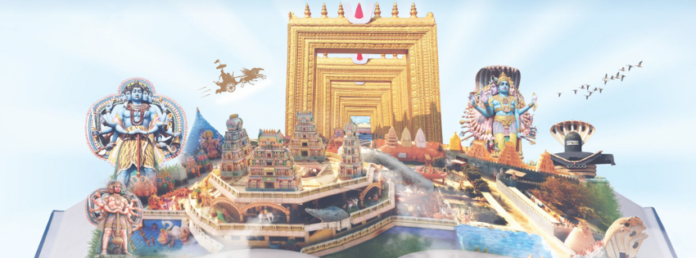
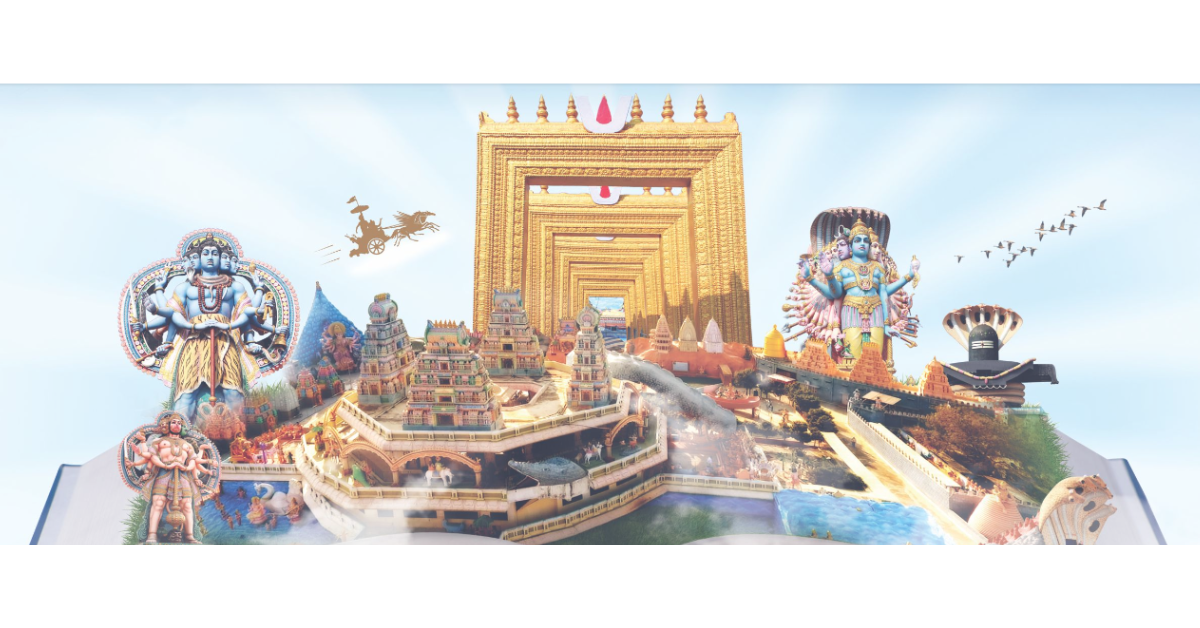
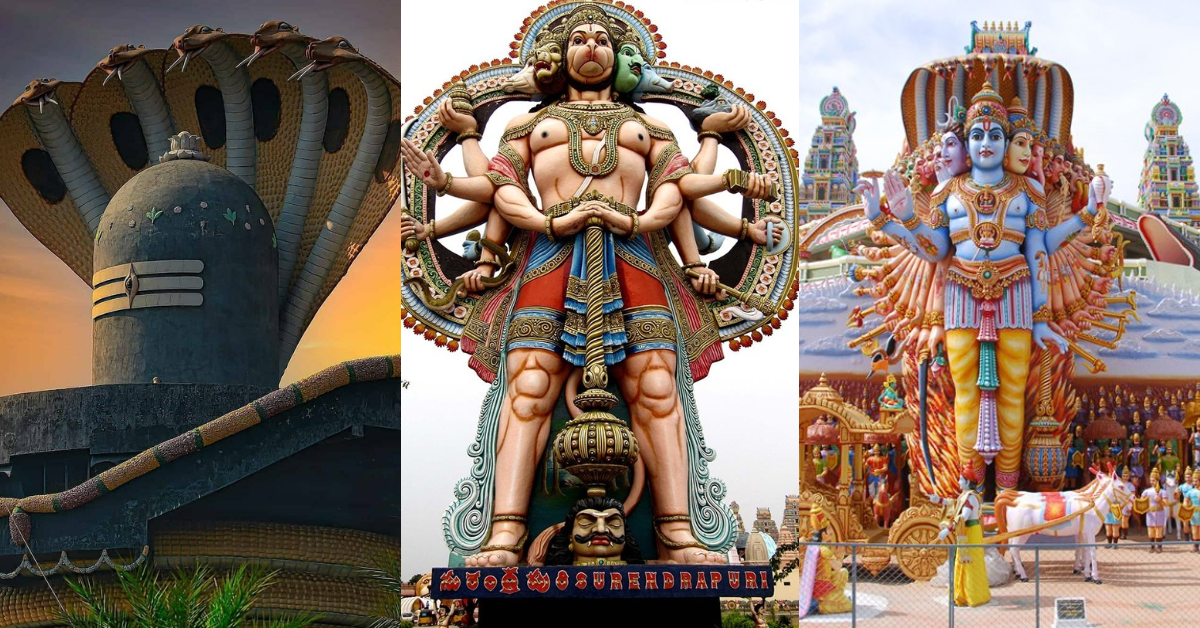
Nestled in the scenic landscapes near Hyderabad, Surendrapuri offers a captivating fusion of mythology and entertainment, making it a must-visit destination for both spiritual seekers and adventure enthusiasts. This sprawling theme park, also known as Kunda Satyanarayana Kala Dhamam, is a visual extravaganza that brings Indian mythology to life through meticulously crafted replicas of iconic Hindu temples and mythological figures. Beyond its rich mythological allure, Surendrapuri boasts a thrilling water park, making it a perfect getaway for families, friends, and individuals seeking a unique and enriching experience.
A Journey Through Indian Mythology
Surendrapuri is a haven for mythology enthusiasts. As you step into the park, you are transported to a world where the divine and the mythical coexist harmoniously. The park features life-sized replicas of over 100 famous Hindu temples, including the awe-inspiring replicas of Tirumala Venkateswara Temple, Jagannath Temple, and Rameshwaram Temple. Each replica is crafted with remarkable attention to detail, ensuring that visitors experience the grandeur and spiritual essence of these sacred sites.
One of the highlights of Surendrapuri is the Navagraha temples, dedicated to the nine celestial deities. These temples are not only architecturally stunning but also hold immense astrological significance. Moreover, they are equally important in religious significance. Visitors can perform rituals and seek blessings for prosperity and well-being.
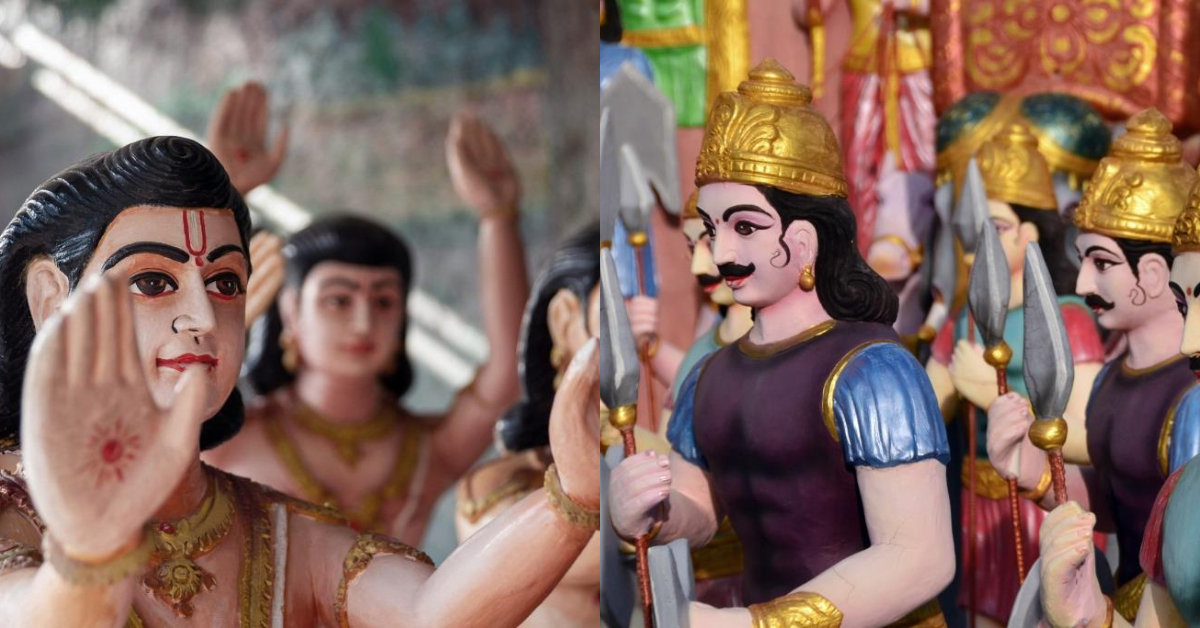
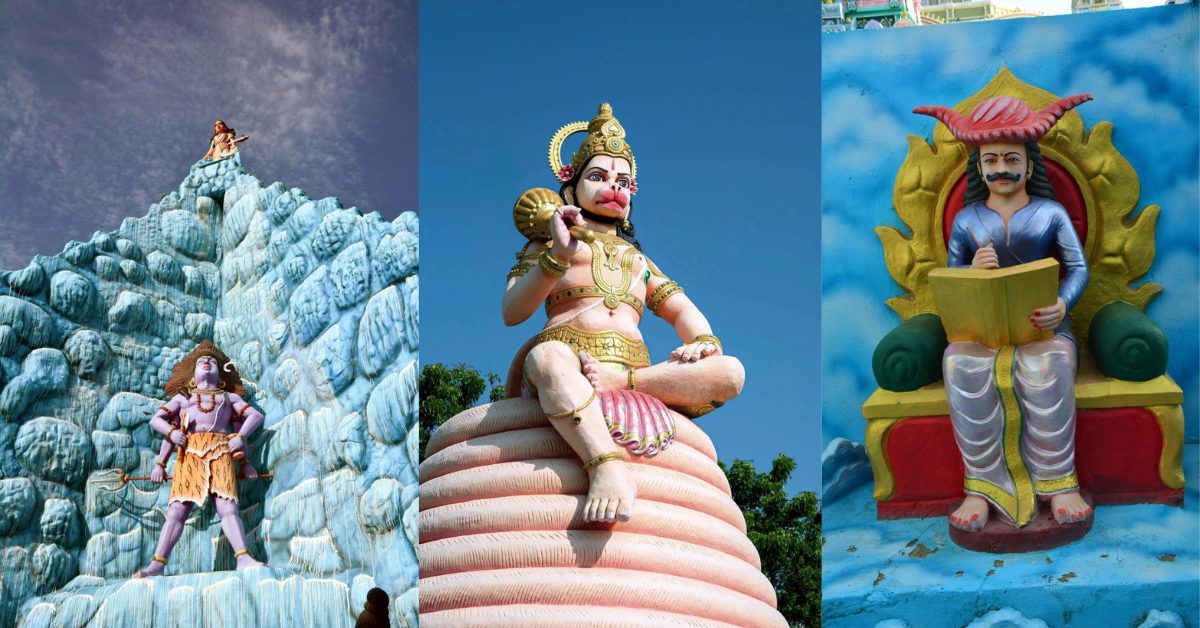
Surendrapuri is also home to a plethora of mythological figures, statues, and dioramas that depict various stories from Hindu epics like the Ramayana and Mahabharata. Moreover, these depictions are equally important in showcasing India’s rich cultural heritage. From the valiant exploits of Lord Rama and Hanuman to the profound teachings of Lord Krishna, the park vividly brings to life these timeless tales. The life-sized statues of gods, goddesses, and legendary heroes are spread across the park, each narrating a unique story from Hindu mythology.
A notable attraction is the ‘Panchamukha Hanuman,’ a colossal statue of Hanuman with five faces, symbolizing his immense power and divine attributes. Another captivating sight is the depiction of the ‘Samudra Manthan,’ or the churning of the ocean, a significant Hindu mythology event. Furthermore, it symbolizes the eternal struggle between good and evil.
The Thrilling Water Parkof Surendrapuri
Adding to its mythological charm, Surendrapuri features a state-of-the-art water park that promises an adrenaline-pumping experience for visitors of all ages. The water park is equipped with a variety of exhilarating slides, lazy rivers, and splash pools. Whether you’re looking to relax in the gentle currents of the lazy river or seeking the thrill of high-speed water slides, the water park has something for everyone. Furthermore, it offers various attractions to suit all preferences and, in addition, provides options for all ages.
The ‘Wave Pool’ is a favorite among visitors, simulating ocean waves and offering a fun-filled experience. For younger visitors, there are dedicated splash pools and mini slides, ensuring that children have a safe and enjoyable time. The water park’s vibrant and energetic atmosphere provides a perfect counterbalance to the serene and spiritual ambiance of the mythological section.
Surendrapuri is typically open from 9 AM to 7 PM, allowing visitors ample time to explore the vast array of attractions. However, it is advisable to check the official website or contact the park authorities for any changes in timings before planning your visit.
Ticket Prices:
Adults (above 140 cm): INR 350 per ticket
Children (120 cm to 140 cm): INR 300 per ticket
Children below 120 cm: Free entry
It’s a good idea to check the latest temple timings before you plan your visit and book your tickets from here. Click here.
These affordable ticket prices make Surendrapuri an accessible destination for everyone, ensuring that visitors can enjoy a full day of exploration and fun without breaking the bank.
A Perfect Family Getaway
Surendrapuri offers a perfect escape for families, friends, and individuals seeking a blend of spirituality, entertainment, and adventure. The park’s diverse attractions cater to a wide range of interests and age groups, making it an ideal destination for a day trip or a weekend getaway.
Plan Your Visit: Given the vastness of the park and the multitude of attractions, it’s advisable to allocate a full day for your visit. This allows you to experience both the mythological and water park sections without feeling rushed.
Check the Weather: Check the weather forecast, and in addition, plan your visit on a day with pleasant weather, as most attractions are outdoors.
Stay Hydrated: Carry water bottles and stay hydrated, especially if you’re visiting during the warmer months. Moreover, there are numerous food stalls and eateries within the park where you can take breaks and enjoy refreshments.
Dress Comfortably: Wear comfortable clothing and footwear, as you’ll be doing a fair amount of walking. If you plan to enjoy the water park, don’t forget to bring swimwear and towels.
Respect the Sanctity: While exploring the mythological sections, remember to respect the sanctity of the replicas and statues, as they hold religious significance for many visitors.
Conclusion:
Surendrapuri is a celebration of India’s rich mythology and, in addition, offers both spiritual heritage and thrilling adventures for seekers. Moreover, it combines these elements to provide a unique experience that caters to diverse interests. Surendrapuri offers an enlightening and exhilarating experience, with divine stories in stone and thrilling water-based rides for everyone. A visit to Surendrapuri creates lasting memories and deepens appreciation of India’s cultural and spiritual heritage.
Frequently Asked Questions (FAQs)
Q1. What is Surendrapuri known for?
Answer: Surendrapuri blends Indian mythology with entertainment, featuring life-sized temple replicas, mythological figures, and a thrilling water park.
Q2. What are the operating hours of Surendrapuri?
Answer: The park is typically open from 9 AM to 7 PM. It is advisable to check the official website for any changes in timings before planning your visit.
Q3. How much are the tickets for Surendrapuri?
Answer: Ticket prices are INR 350 for adults (above 140 cm), INR 300 for children (120 cm to 140 cm), and free entry for children below 120 cm.
Q4. What attractions are available at Surendrapuri?
Answer: Surendrapuri offers life-sized replicas of over 100 famous Hindu temples, mythological statues, dioramas, a Navagraha temple complex, and a water park with various slides, lazy rivers, and splash pools.
Q5. What should visitors keep in mind when visiting Surendrapuri?
Answer: Visitors should plan for a full day, check the weather forecast, stay hydrated, wear comfortable clothing, and respect the sanctity of the mythological replicas and statues.
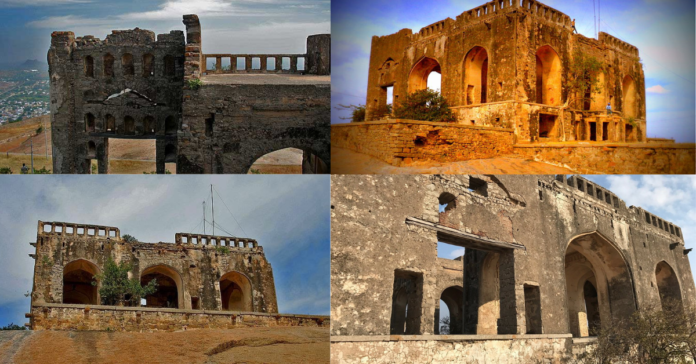
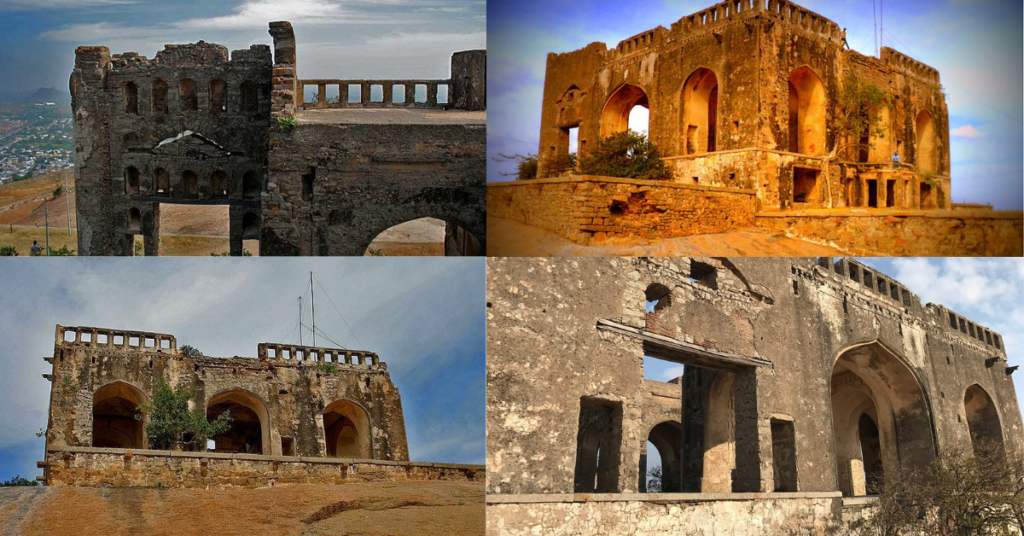
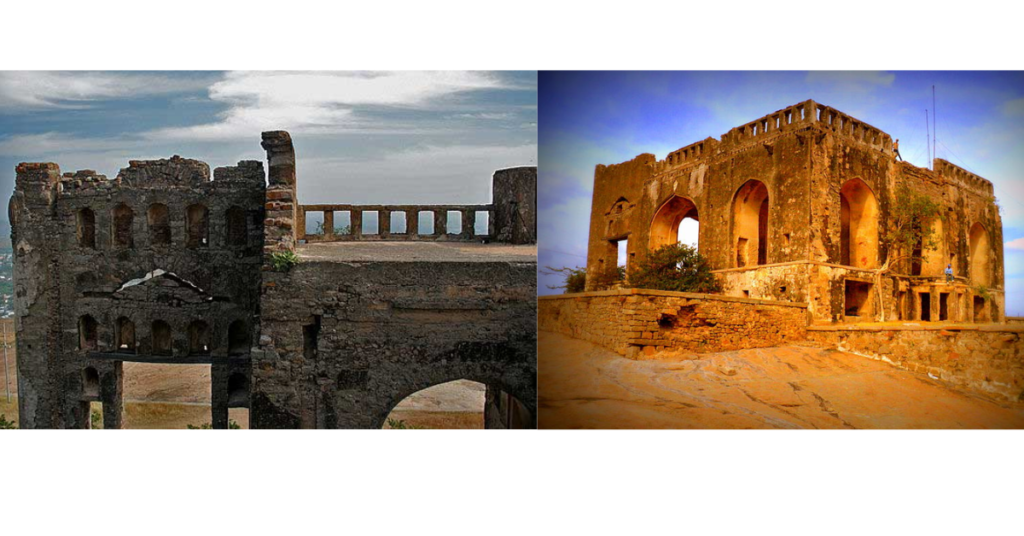
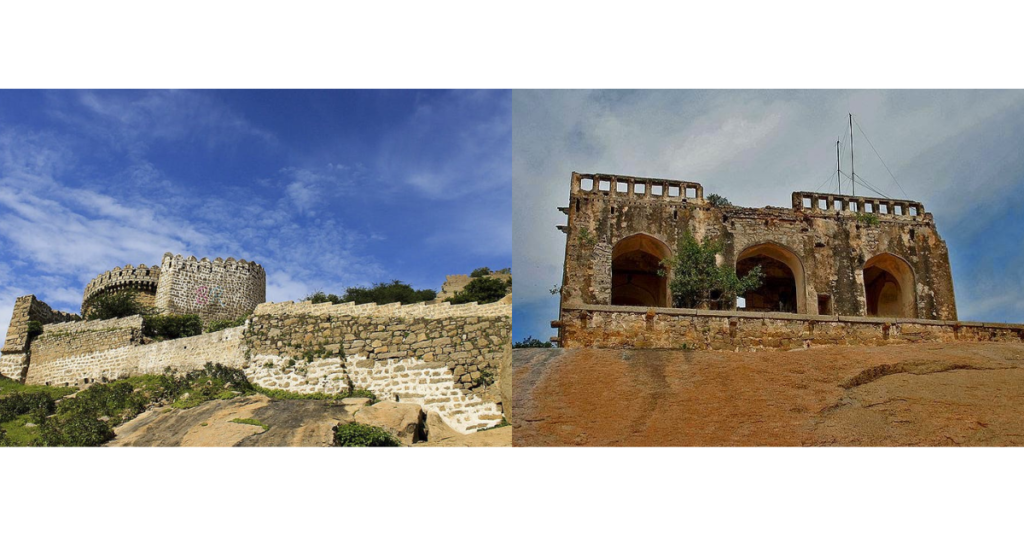
Bhongir Fort, a colossal hilltop fortress, stands as a proud testament to the rich history and architectural prowess of Telangana. Perched atop a monolithic granite hill, this imposing structure has witnessed centuries of valor, battles, and cultural evolution. Its strategic location, commanding a panoramic view of the surrounding plains, has made it a coveted stronghold for rulers throughout history.
The origins of Bhongir Fort are shrouded in the mists of time. However, historical records suggest that it was initially built by the Kakatiya dynasty, renowned for their architectural brilliance. The fort reached its zenith during the reign of Rani Rudrama Devi, a legendary warrior queen who expanded the Kakatiya empire. The fort’s strategic importance was further enhanced by its role as a key defense against the invading Delhi Sultanate.
Over the centuries, Bhongir Fort changed hands multiple times, with rulers from various dynasties vying for control. The Qutub Shahis, the Mughals, and the Nizams, among others, left their mark on the fort, adding layers of history to its already imposing structure. Despite facing numerous attacks and sieges, Bhongir Fort stood tall, a symbol of resilience and strength.
Bhongir Fort is a marvel of engineering and architectural ingenuity. The fort is divided into seven ramparts, each fortified with massive stone walls, watchtowers, and secret passages. The main entrance, a narrow and winding pathway, leads to the heart of the fort. The intricate carvings and sculptures adorning the fort walls are a testament to the artistic skills of the craftsmen who worked on it.
One of the most striking features of Bhongir Fort is its massive entrance gate, a formidable structure that once guarded the fort’s entry point. The fort also boasts several water bodies, including a well and a lake, which were crucial for the survival of its inhabitants during sieges. The strategic placement of these water sources highlights the foresight of the fort’s architects.
Exploring the Fort
A visit to Bhongir Fort is a journey back in time. As you ascend the steep slopes, you can’t help but be awestruck by the sheer magnitude of the fort. The panoramic views from the top are breathtaking, offering a sweeping vista of the surrounding countryside.
While exploring the fort, visitors can marvel at the remnants of its glorious past. The ruins of palaces, temples, and barracks offer glimpses into the lives of those who once called this place home. The fort’s labyrinthine passages and hidden chambers add to its mystique and allure.
Today, Fort has emerged as a popular tourist destination, attracting visitors from far and wide. The Archaeological Survey of India has undertaken the responsibility of preserving this historical gem. The fort has been developed with facilities for tourists, including parking, restrooms, and information centers.
Trekking enthusiasts can embark on an exhilarating adventure to the top of the fort, while history buffs can delve into the rich tapestry of the fort’s past. Photography enthusiasts will find ample opportunities to capture the fort’s majestic beauty.
Best Time to Visit
The best time to visit Bhongir Fort is during the winter months (October to February) when the weather is pleasant. Summers can be scorching hot, making the climb to the fort challenging.
Location and timings
Bhongir Fort is located in Warangal, about 50 kilometers from Hyderabad, the capital of Telangana.
Bhongir Fort’s hours are from 10:00 am to 5:00 pm. Every day
Admission Charge:
Five rupees for Indians
For foreigners, 100.00 rupees
25.00 rupees for a videography camera
The price per person for the Light and Sound Show is 130.00 rs.
A Day Out at Bhongir Fort
A visit to Bhongir Fort can be a full-day excursion. After exploring the fort, visitors can relax at one of the nearby picnic spots, enjoying the serene surroundings. There are also opportunities for trekking, rock climbing, and birdwatching in the area.
Preserving a Heritage
Bhongir Fort is not just a historical site; it is a living heritage. Efforts are underway to preserve and restore the fort to its former glory. Visitors can contribute to these efforts by following the guidelines and regulations set by the authorities.
Conclusion
Bhongir is more than just a historical monument; it is a living testament to the indomitable spirit of the people who built and defended it. A visit to this magnificent fortress is a journey through time, an opportunity to connect with the past and appreciate the architectural brilliance of our ancestors.
FAQS
Q1) What is Bhongir Fort?
ANS) Bhongir Fort is a historical place located in Bhuvanagiri, Telangana, India. It’s known for its massive rock structure and rich history.
Q2) When was Bhongir Fort built?
ANS) The fort’s origins can be traced back to the 10th century, built by the Chalukya ruler, Tribhuvanamalla Vikramaditya VI
Q3) How difficult is it to climb Bhongir Fort?
ANS) Climbing the fort involves a moderate hike. It’s advisable to wear comfortable shoes and carry water.
Q4) What is the best time to visit Bhongir Fort?
ANS) The best time to visit is during the cooler months, from October to March, to avoid the scorching heat.
Q5) How to reach Bhongir Fort?
ANS) The nearest airport is in Hyderabad, followed by a train or bus journey to Bhuvanagiri. Local transportation can be arranged from Bhuvanagiri to the fort.
Nestled amidst the serene landscapes of Kolanupaka village, in the Nalgonda district, lies the ancient Sri Veeranarayana Temple, a testament to India’s rich architectural and spiritual heritage. Situated equidistantly from the bustling cities of Warangal and Hyderabad, at a distance of approximately 82 kilometers from each, this revered temple stands as a beacon of faith and history.
A Glimpse into Antiquityof Sri Veera Narayana Temple
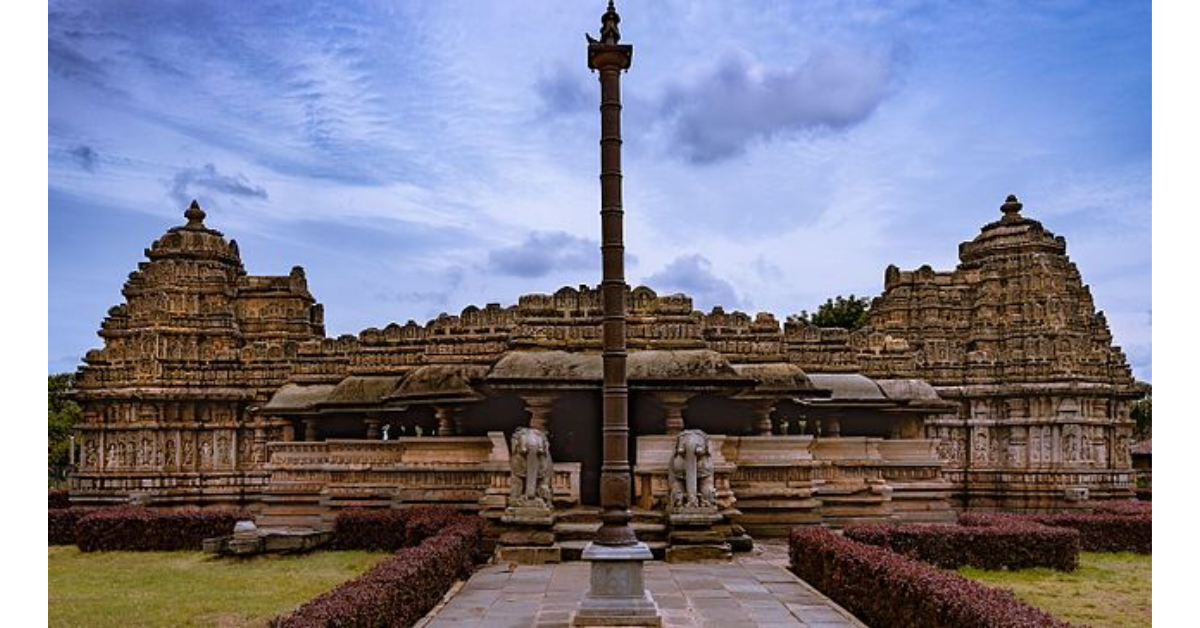
Constructed in the year 403 AD, the Sri Veeranarayana Temple is a living relic of the bygone era. Dedicated to Lord Vishnu in his incarnation as Veera Narayana, the temple’s architectural grandeur is a striking example of the Chalukya style, renowned for its intricate carvings and harmonious proportions.
Interestingly, there are claims suggesting the temple’s origins as a Jain place of worship, later transformed into a Hindu shrine. This intriguing history adds an extra layer of mystique to the temple’s aura.
Architectural Marvelsof Sri Veera Narayana Temple
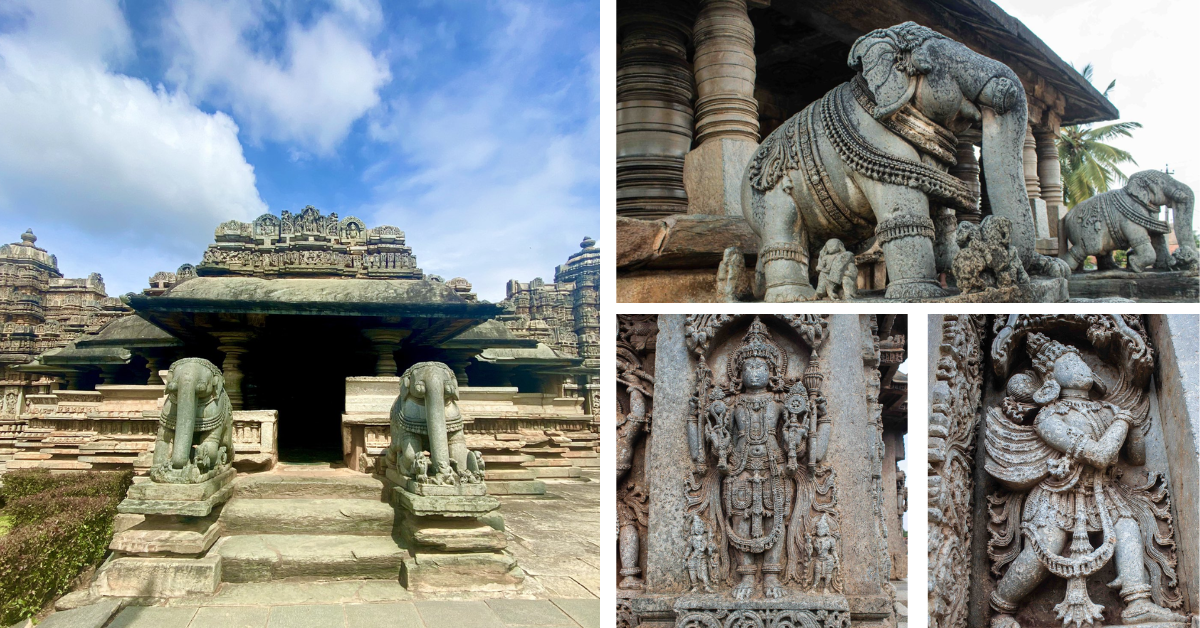
The temple’s architecture is a symphony of stone, with intricate carvings adorning its walls, narrating tales of gods, goddesses, and mythical creatures. The main sanctum, dedicated to Lord Veeranarayana, is a masterpiece of craftsmanship. The idol of the deity, bathed in the soft glow of lamplight, exudes a divine aura that instantly captivates the devotee.
Beyond the main deity, the temple houses several other shrines dedicated to various Hindu deities, showcasing the rich tapestry of Indian mythology. The temple’s courtyard, often adorned with traditional motifs, provides a serene space for meditation and reflection.
A Tapestry of Beliefs
The Sri Veera Narayana Temple has been a spiritual anchor for generations of devotees. Its significance extends beyond the realm of architecture and history. It is a living testament to the enduring faith of the people and their deep-rooted connection with the divine.
Annual festivals and religious ceremonies are held at the temple with great fervor, attracting devotees from far and wide. The rhythmic chants of hymns, the aroma of incense, and the vibrant colors of the decorations create an atmosphere of spiritual ecstasy.
Preservation and Revivalof Sri Veera Narayana Temple
Over the centuries, the temple, like many other ancient structures, faced the challenges of time and neglect. However, thanks to the efforts of the Archaeological Department, the temple is now under careful preservation. Restoration work has been undertaken to revive its former glory while preserving its historical authenticity.
A Visit to Remember
A visit to the Sri Veeranarayana Temple is a journey through time. The temple’s serene ambiance, coupled with its rich history and architectural splendor, offers a unique opportunity for spiritual rejuvenation and cultural enrichment.
Practical Information:
Location: Kolanupaka village, Nalgonda district, Telangana.
Distance: Approximately 82 kilometers from Warangal and Hyderabad.
Timings: The temple is typically open from 7 AM to 12 PM and 5 PM to 6:30 PM. It’s a good idea to check the latest temple timings before you plan your visit, as they may change.
Accessibility: The temple is easily accessible by road. Public transportation options are also available.
A visit to the Sri Veera Narayana Temple is an invitation to step back in time and experience the grandeur of India’s ancient heritage.
Exploring the Vicinity of Sri Veera Narayana Temple:
While the Sri Veera Narayana Temple stands as a magnificent centerpiece, the surrounding region offers a plethora of attractions for the inquisitive traveler.
Sri Someswara Temple: Located just half a kilometer away, this temple is another architectural gem showcasing the brilliance of the region’s artisans.
Jain Temple: Situated approximately 1.5 kilometers from the Veera Narayana Temple, this Jain shrine offers a glimpse into the diverse religious tapestry of the area.
Warangal Fort: A short drive away, this imposing fort is a testament to the Kakatiya dynasty’s military prowess and architectural ingenuity. Explore its ramparts, gateways, and the remnants of its grandeur.
Thousand Pillar Temple: Another iconic structure of Warangal, this temple is renowned for its intricate carvings and massive pillars.
Ramappa Temple: A UNESCO World Heritage Site, this temple is a marvel of architectural brilliance, showcasing the Kakatiya style at its zenith.
Pakhal Lake: For those seeking a respite from the historical sites, Pakhal Lake offers boating, fishing, and opportunities to soak in the serene natural beauty.
Bhadrakali Temple: Dedicated to the fierce goddess Bhadrakali, this temple is a popular pilgrimage site and a stunning example of Dravidian architecture.
This itinerary offers a glimpse into the rich tapestry of experiences that await visitors to the region around Sri Veeranarayana Temple. Whether you are a history buff, a nature enthusiast, or simply looking for a relaxing getaway, this area has something to offer everyone.
Frequently Asked Questions (FAQs)
Q1. What is the significance of Sri Veeranarayana Temple?
Answer. The temple, dedicated to Lord Vishnu in his Veeranarayana form, showcases Chalukya architecture and has a rich history dating back to 403 AD.
Q2. What are the opening hours of Sri Veeranarayana Temple?
Answer. The temple is typically open from 7 AM to 12 PM and 5 PM to 6:30 PM, but it’s advisable to check the latest timings before visiting.
Q3. How can I reach Sri Veeranarayana Temple?
Answer. The temple is located in Kolanupaka village, approximately 82 kilometers from both Warangal and Hyderabad, and is easily accessible by road and public transportation.
Q4. Are there any nearby attractions to visit along with Sri Veeranarayana Temple?
Answer. Yes, nearby attractions include the Sri Someswara Temple, Jain Temple, Warangal Fort, Thousand Pillar Temple, Ramappa Temple, Pakhal Lake, and Bhadrakali Temple.
Q5. What should I try when exploring the local cuisine near Sri Veeranarayana Temple?
Answer. Don’t miss the iconic Hyderabadi Biryani and traditional Telugu dishes like Pongal, Dosa, and Idli.
Nestled in the heart of Telangana, a state brimming with historical and cultural treasures, lies the magnificent Rayaparthy Shiva Temple. Often overshadowed by its more illustrious counterparts, this ancient shrine is a testament to the enduring spirit of devotion and the artistic prowess of bygone eras.
A Glimpse into History
Historical accounts suggest that people laid the foundations of the Rayaparthy Shiva Temple during the 18th century, although its exact origins remain shrouded in the mists of time. This era marked a period of significant religious and cultural resurgence in the region, and the temple stands as a proud emblem of this revival.
The temple’s architectural style is a captivating blend of the Chalukyan and Kakatiya influences, evident in the intricate carvings, sculptures, and the overall grandeur of the structure. The harmonious integration of these styles is a testament to the skilled craftsmanship of the artisans who brought this sacred space to life.
Architectural Brilliance
The temple’s architecture is a stunning blend of traditional South Indian style and the unique characteristics of the Kakatiya era. The intricate stone carvings depicting mythological stories and deities are a visual treat for art lovers. The main sanctum houses the magnificent Shiva Linga, the focal point of worship for devotees.
Stepping into the Rayaparthy Shiva Temple is like entering a world of tranquility and spirituality. The serene atmosphere, coupled with the melodious chants of prayers, creates a perfect environment for meditation and introspection. Devotees from far and wide visit the temple to seek blessings and offer prayers to Lord Shiva.
Best Time to Visit
The temple can be visited throughout the year, but the winter months (October to February) are considered the most pleasant time to explore the region.
How to Reach
Rayaparthy Shiva Temple is located near Warangal, which is well-connected by air, rail, and road to major cities in India.
Conclusion
A visit to the Rayaparthy Shiva Temple is a journey through time and spirituality. This hidden gem offers a unique opportunity to experience the rich heritage of Telangana. Whether you are a history enthusiast, a spiritual seeker, or simply looking for a peaceful getaway, this temple is sure to leave a lasting impression.
FAQS
Q1) Where is Rayaparthy Shiva Temple located?
ANS) Rayaparthy Shiva Temple is situated in Warangal, Telangana, India.
Q2) What is the main deity of the temple?
ANS) The main deity of the temple is Lord Shiva.
Q3) What are the best times to visit the temple?
ANS) The temple can be visited throughout the year, but the festive seasons offer a unique experience.
Q4) Are there any specific dress codes to follow?
ANS) It is advisable to wear modest clothing while visiting the temple.
Q5) What is the architectural style of the temple?
ANS) The temple showcases a beautiful blend of architectural styles with intricate carvings.
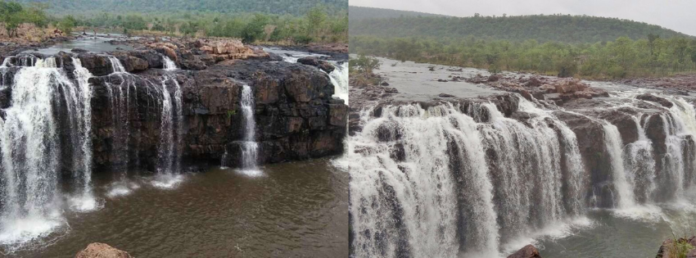
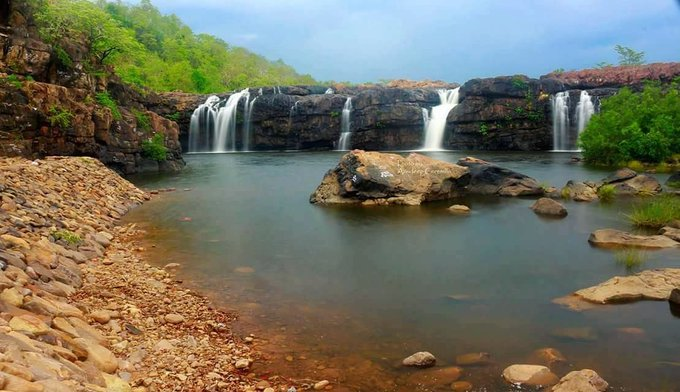
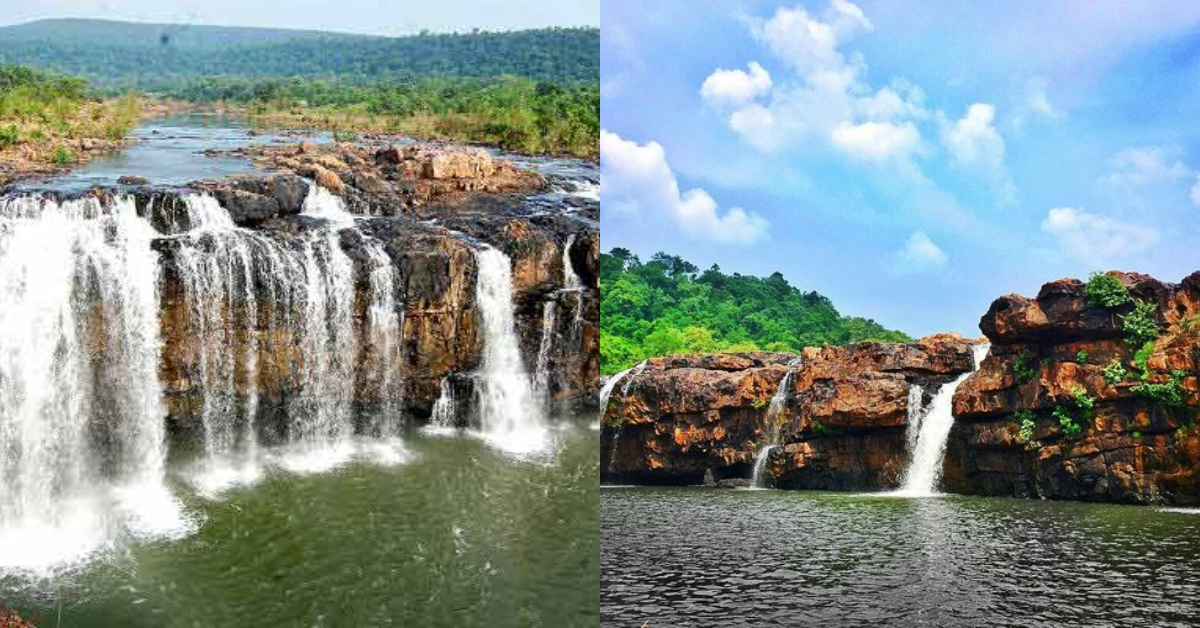
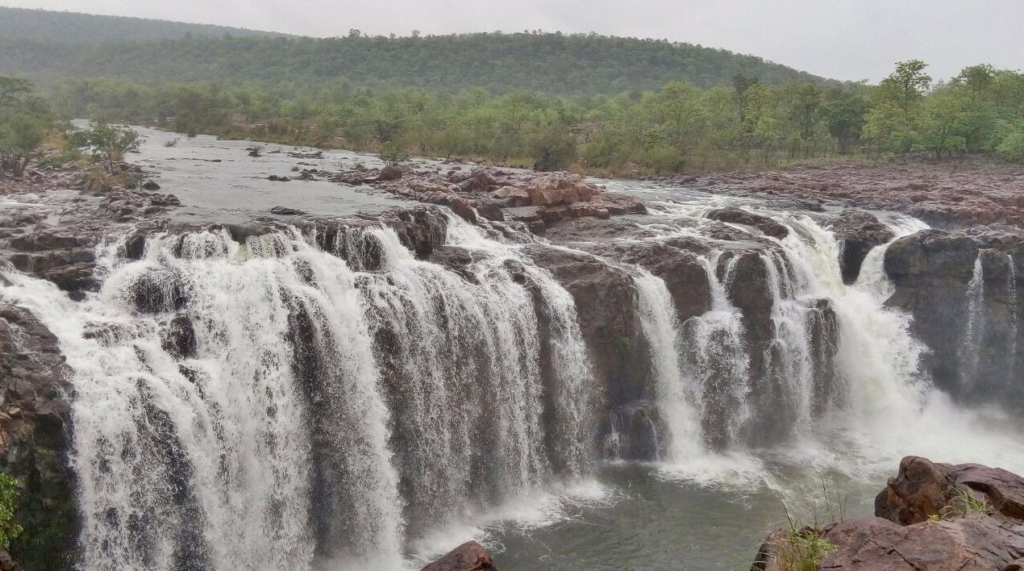
In the serene village of Koyaveerapuram G, within Wazeedu Mandal in the Khammam district, Bogatha Waterfalls is a gem of Telangana. This magnificent waterfall, the second largest in the state, is located 120 km away from Bhadrachalam and 281 km from Hyderabad. Thanks to the newly constructed Eturnagaram bridge on National Highway 202, the distance from Hyderabad has been reduced from 440 km, making this stunning natural wonder more accessible than ever.
Bogatha Waterfall, often called the Niagara of Telangana, presents a breathtaking spectacle of cascading waters against lush greenery. The rich landscape surrounding the waterfall adds to its allure, making it a must-visit destination for nature lovers and adventure enthusiasts alike. The journey to Bogatha involves a trek, as there is no motorable road directly to the waterfall. This trek not only offers an opportunity to experience the raw beauty of nature but also serves as an excellent adventure sport for those looking to indulge in a bit of trekking.
The Best Time to Visit Bogatha Waterfalls
To truly enjoy the splendor of Bogatha Waterfall, plan your visit between June and November. During these months, the waterfall is at its most magnificent, with ample water flow creating a mesmerizing sight and providing the perfect setting for a memorable outing. The monsoon season ensures that the waterfall is full and vibrant, offering the best experience for visitors.
How to Reach Bogatha Waterfalls
Reaching Bogatha Waterfall involves a bit of travel, but the journey is well worth it. The waterfall is located 120 km from Bhadrachalam, and you can reach Koyaveerapuram G village by road from there. Bhadrachalam itself is easily accessible from Hyderabad by road.
The distance between Hyderabad and Bogatha Waterfall is 283 km and should take about 5 hours and 29 minutes to drive. You can see the directionshere.
Exploring Hyderabad and Beyond
Telangana’s capital, Hyderabad, is a thriving metropolis with a rich cultural heritage. When planning your trip to Bogatha Waterfall, consider exploring some of the best places to visit near Hyderabad as well. From historical sites like Charminar and Golconda Fort to the serene Hussain Sagar Lake, Hyderabad offers a diverse range of attractions. For families, places like Ramoji Film City and Nehru Zoological Park are perfect for a day out.
Additionally, Hyderabad serves as a gateway to several other fascinating destinations. The distance from Hyderabad to Srisailam, a popular pilgrimage site, is approximately 213 km, making it a convenient excursion for those looking to explore religious and historical landmarks. For those seeking a cooler climate and scenic landscapes, the journey from Hyderabad to Manali, although long, promises an unforgettable adventure through the northern regions of India.
Bogatha Waterfalls Resorts
For those looking to extend their stay and fully immerse themselves in the natural beauty of the area, consider checking out Bogatha Waterfalls Resorts. These accommodations provide closer proximity to the waterfall and often offer amenities that enhance the overall experience, such as guided treks and local cuisine.
Itsy Hotels Sunrise Grand – Simply decorated a/c rooms in a streamlined budget hotel providing breakfast & Wi-Fi. Price: ₹1,504 per night.
Lake view hotel – Unpretentious rooms, some with lake views, in a down-to-earth hotel offering vegetarian breakfast. Price: ₹1,638 per night.
Conclusion:
Bogatha Waterfall is more than just a natural wonder; it is a testament to the beauty and diversity of Telangana. Whether you are an adventure enthusiast looking for a trekking experience or a family seeking a serene getaway, Bogatha offers something for everyone. Plan your visit, explore the surrounding areas, and make the most of your trip to this enchanting waterfall. With improved accessibility and a range of accommodation options, your journey to Bogatha Waterfall promises to be an unforgettable adventure. Visit travellerkaka.com to start planning your perfect weekend trip and make your weekends meaningful and stress-free.
Frequently Asked Questions:
Q1. What is the best time to visit Bogatha Waterfall?
Answer: The best time to visit Bogatha Waterfall is between June and November, when the monsoon season ensures the waterfall is at its most magnificent and vibrant.
Q2. How can I reach Bogatha Waterfall from Hyderabad?
Answer: Bogatha Waterfall is approximately 281 km from Hyderabad. You can drive to Bhadrachalam and then to Koyaveerapuram G village. The journey takes about approximately 5 to 6 hours
Q3. Are there accommodations near Bogatha Waterfall?
Answer: Yes, there are various accommodation options including Bogatha Waterfalls resorts and hotels like The Platinum Boutique Inn and Super Townhouse 1305 CASA GRAND, offering comfortable stays close to the waterfall.
Q4. What amenities are available at Bogatha Waterfall?
Answer: While there are limited facilities near the waterfall, visitors can find restaurants such as KNR Food House and Feriado Resorts Bogatha nearby. It’s advisable to carry food and water from Bhadrachalam.
Q5. Is trekking required to reach Bogatha Waterfall?
Answer: Yes, visitors need to trek a short distance to reach the waterfall as there is no motorable road directly to it. This trek offers an excellent opportunity for adventure enthusiasts.
Pandavula Gutta, a majestic hill located in the heart of Telangana, India, is a captivating blend of history, mythology, and natural beauty. This enigmatic hill, also known as Pandava Hill, is shrouded in legends and offers a thrilling adventure for trekkers and history enthusiasts alike.
The name “Pandavula Gutta” itself is steeped in mythology. According to folklore, the Pandavas, the five legendary brothers from the epic Mahabharata, sought refuge on this hill during their exile. The hill is said to be adorned with footprints of the Pandavas, and several caves on the hill are believed to have been their dwelling places.
The waterfall is more than just a geological marvel; it’s a symphony of nature’s elements. Crystal-clear waters cascade down the rocky cliffs, creating a mesmerizing spectacle that is both invigorating and serene. The surrounding hills, adorned with lush greenery, provide a picturesque backdrop that complements the waterfall’s beauty. The harmonious blend of water, rocks, and vegetation creates an ambiance that is both refreshing and rejuvenating.
Pandavula Gutta waterfalls
A Symphony of Senses
A visit to Pandavula Gutta is a multisensory experience. The sight of the cascading water, framed by the verdant hills, is a visual treat that leaves a lasting impression. The sound of the falling water, punctuated by the chirping of birds and the rustling of leaves, creates a soothing symphony that transports visitors to a world of tranquility. The cool, refreshing mist that envelops the area invigorates the senses, while the earthy fragrance of the surrounding forest fills the air with a natural perfume.
An Adventurer’s Paradise
For those seeking an adrenaline rush, Pandavula Gutta offers ample opportunities for adventure. Trekking to the base of the waterfall is a thrilling experience that rewards trekkers with breathtaking views. The trail, winding through lush forests and across rocky terrain, offers glimpses of the waterfall at various points, building anticipation for the final reveal.
As you descend towards the base, the sound of the cascading water grows louder, inviting you to immerse yourself in its refreshing embrace. The pool at the base of the waterfall is a tempting invitation to take a dip and cool off. However, caution is advised, as the water depth can vary, and slippery rocks can be hazardous.
Pandavula Gutta is a photographer’s paradise. The interplay of light and shadow on the waterfall creates stunning visual compositions. The surrounding greenery provides a vibrant backdrop for capturing the beauty of the cascade. Early morning and late afternoon are particularly magical times for photography, as the golden hues of the sunrise and sunset cast a warm glow on the waterfall.
A Perfect Picnic Spot
For those seeking a more relaxed experience, Pandavula Gutta offers the perfect setting for a picnic. Spread a blanket on the grassy banks of the river, surrounded by the lush greenery and the soothing sound of the waterfall. Enjoy a delicious meal with friends and family, while soaking in the beauty of nature.
The monsoon season (July to September) is undoubtedly the best time to witness Pandavula Gutta in all its glory. The waterfall is in full flow, creating a mesmerizing spectacle. However, the region experiences heavy rainfall during this time, so it’s essential to check weather conditions before planning your trip.
Tips for Visitors
Wear comfortable clothing and footwear suitable for trekking.
Carry essentials like water, snacks, and sunscreen.
Be cautious while taking selfies or clicking pictures near the waterfall.
Respect the environment and avoid littering.
It’s advisable to hire a local guide for a safer and more informative experience.
Please check weather conditions before your visit, especially during the monsoon season.
Finding Your Way to Paradise
Pandavula Gutta is located in [Mention the district and nearest town]. While the exact location details might vary, you can use Google Maps or other navigation apps to reach the spot. The nearest railway station and airport are [Mention nearest railway station and airport].
Conclusion
Pandavula Gutta is a hidden gem that offers a refreshing escape from the hustle and bustle of everyday life. Its natural beauty, coupled with its mythological charm, makes it a must-visit destination for anyone seeking a rejuvenating experience. So, pack your bags, embrace the spirit of adventure, and embark on a journey to this enchanting waterfall.
Note: To provide the most accurate and up-to-date information, please replace the placeholders with specific details about Pandavula Gutta, such as its exact location, nearest town, railway station, and airport.
Pandavula Gutta: A Hidden Gem in Telangana
Beyond the Waterfall: A Prehistoric Tapestry
While Pandavula Gutta is undeniably renowned for its captivating waterfall, it’s essential to delve deeper into the region’s rich history and cultural significance. This hidden gem in Telangana offers far more than just a picturesque cascade; it’s a portal to the past.
Perched atop Pandavula Gutta, Pandavula Guhalu is a treasure trove of prehistoric art. Discovered in 1990, these caves boast a collection of Paleolithic rock paintings that offer a rare glimpse into the lives of our ancestors. Depicting wildlife like bison, antelope, tiger, and leopard, as well as abstract symbols and geometric patterns, these paintings are estimated to be at least 7th century old.
The caves themselves are a marvel of nature, with intricate rock formations and a sense of tranquility that complements the historical significance of the site. Exploring these caves is akin to embarking on a journey through time, connecting with the echoes of a bygone era.
Adventure and Exploration
Beyond the historical and natural wonders, Pandavula Gutta also offers opportunities for adventure. Rock climbing enthusiasts can test their mettle against the challenging cliffs, while rappelling down the rocky faces provides an adrenaline-pumping experience. Hiking trails wind through the surrounding hills, offering breathtaking views of the waterfall and the surrounding landscape.
While there might be limited accommodation options directly at Pandavula Gutta, there are several comfortable stays in nearby towns.
Jayashankar Bhupalpally: The district headquarters offers a range of hotels and guesthouses to suit different budgets.
Warangal: A larger city with a wider variety of accommodation options, including luxury hotels and budget-friendly hostels.
Please Book your accommodation in advance is recommended, especially during peak tourist seasons.
Nearby Attractions
consider exploring these nearby attractions:
Ramappa Temple: A UNESCO World Heritage Site, renowned for its intricate carvings and architectural brilliance.
Warangal Fort: A historical fort with impressive ruins and a rich past.
Bhadrakali Temple: A revered Hindu temple dedicated to Goddess Bhadrakali.
Etunagaram Wildlife Sanctuary: Home to diverse flora and fauna, offering opportunities for wildlife spotting and nature walks.
These attractions offer a glimpse into the cultural heritage and natural beauty of Telangana.
By combining a visit to Pandavula Gutta with exploring the local cuisine, experiencing comfortable accommodation, and discovering nearby attractions, you can create a memorable and enriching journey.
Transportation and Local Festivals
Getting There
By Air: The nearest airport is Rajiv Gandhi International Airport in Hyderabad. From there, you can hire a taxi or take a bus to Jayashankar Bhupalpally.
By Train: Warangal Junction is the nearest major railway station. From there, you can take a bus or hire a taxi to Pandavula Gutta.
By Road: Pandavula Gutta is accessible by road. You can hire a taxi or self-drive to reach the location.
Local Festivals
Experiencing local festivals is a great way to immerse yourself in the culture of Telangana.
Bathukamma: A vibrant festival celebrated by women, featuring colorful flower arrangements and traditional dances.
Dasara: A grand festival marked by processions, cultural events, and religious fervor.
Sammakka Saralamma Jathara: A massive tribal festival with religious significance and cultural importance.
Food Safety
Bottled water: It’s recommended to drink bottled water to avoid any waterborne illnesses.
Street food: While tempting, it’s best to be cautious about consuming street food, especially if you have a sensitive stomach.
Hygiene: Ensure that food is cooked thoroughly and served in hygienic conditions.
Vegetarian options: India offers a wide variety of vegetarian dishes, making it easy to find safe and delicious food.
FAQS
Q1) Where is Pandavula Gutta located?
ANS) Pandavula Gutta is situated in the Jayashankar Bhupalpally district of Telangana, India.
Q2) When was Pandavula Gutta discovered?
ANS) The site was discovered in the year 1990.
Q3) How do I reach Pandavula Gutta?
ANS) The nearest airport is in Hyderabad, from where you can hire a taxi or take a bus to Jayashankar Bhupalpally. Local transportation can be arranged to reach Pandavula Gutta.
Q4) What is the best time to visit Pandavula Gutta?
ANS) The best time to visit Pandavula Gutta is during the cooler months, from October to March, when the weather is pleasant for exploring the site.
Q5) What is Pandavula Gutta?
ANS) It is renowned for its prehistoric cave paintings, offering a unique glimpse into the lives of early humans.
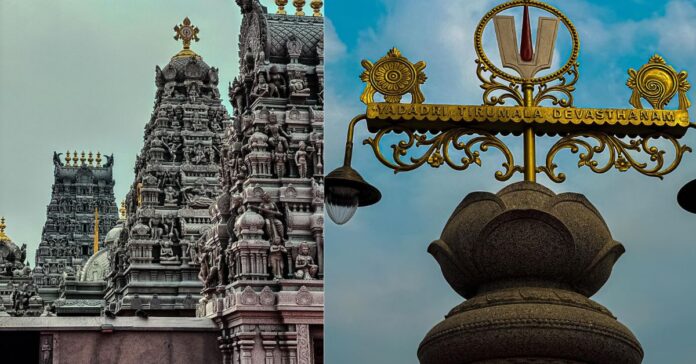
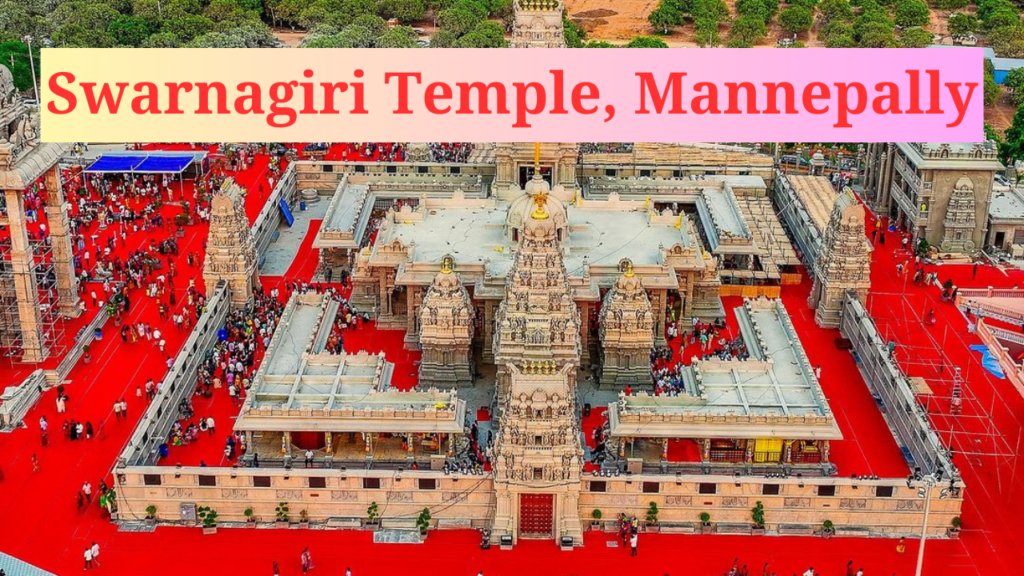
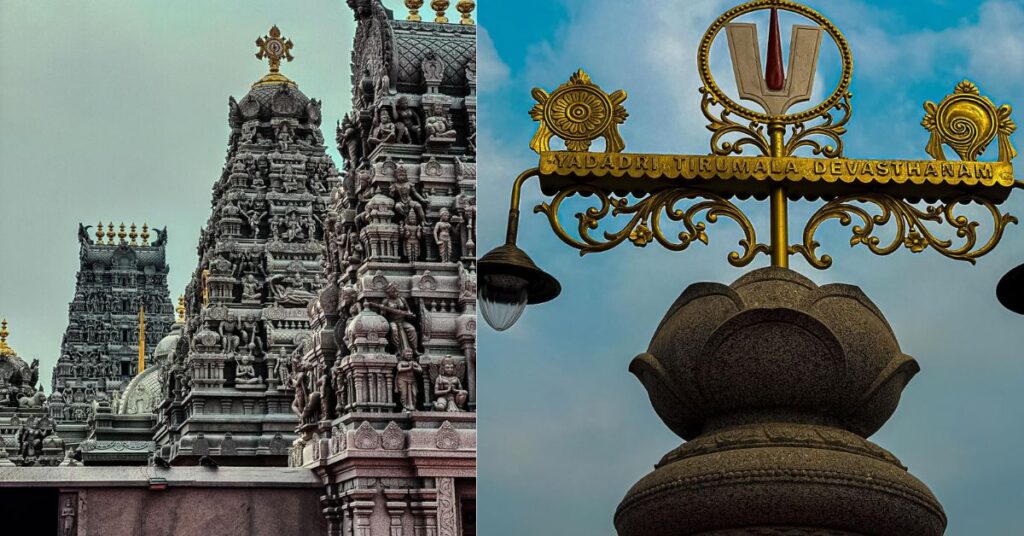
Yadadri Tirumala Devasthanam, also known asSwarnagiri Sree Venkateswara Swamy Devasthanam, is located atop Manepally Hills in Bhuvanagiri. Situated 47.3 kilometers from Hyderabad and just 19.7 kilometers from Sri Lakshmi Narasimha Swamy Temple in Yadadri, this new temple has quickly become a spiritual and architectural marvel. Nestled on 22 acres of land owned by the Manepally family, it stands as one of the largest Balaji temples in South India.
About Swarnagiri Temple
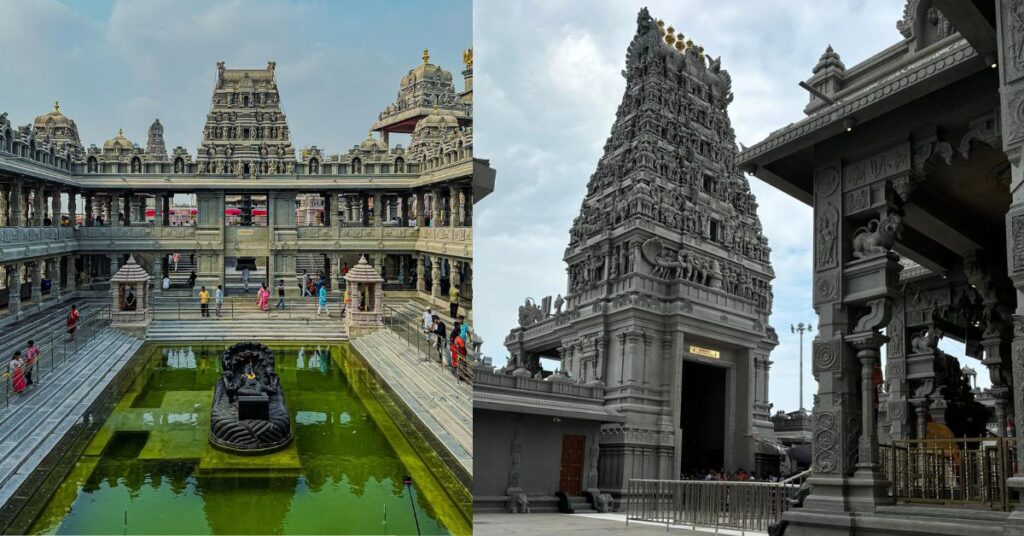
Perched on the scenic Swarnagiri Hill, the temple exudes an ethereal charm, especially when illuminated. Visitors ascend 108 steps to be welcomed by a blend of Pallava, Vijayanagara, Chola, and Chalukya architectural styles. The temple complex includes the Jala Narayana Swami Sannidhi, a water-filled sanctum beautifully lit in the evening. Additional features include the Sreevari Padapeethamu, Lakshminarasimha Mandapamu, Garudalwar Sthambham, Karya Siddhi Hanuman Sannidhi, Garuda Mandapamu, and a Ganesha temple. The Annadhana Sathramu and Kalyana Mandapam are still under construction.
Architectural Highlights
Source: facebook
The temple is adorned with four Rajagopurams leading to spacious mandapams and crowned by a five-storied Vimana Gopuram atop the sanctum sanctorum. Inside the garbha griha, a majestic 12-feet tall statue of Lord Sri Venkateshwara, the largest in Telangana, stands. Other notable features include a 120-feet Hanuman Mandapa with a 40-feet monolith statue of Hanuman and a massive bronze bell weighing approximately one and a half tons, the second largest in India.
On-Going Constructions
There are currently certain places that dazzle tourists, such as Sri Jala Narayana Swami Sannidhi, Sreevari Padapeethamu, and Sri Lakshminarasimha Mandapam; however, there are also regions that are under construction, such as Sri Bhuvaraha Mandapam and Karya Siddhi Hanuman Sannidhi, which promise even more magnificent experiences in the future.
By Road: Accessible primarily through the highway road from Uppal, with two entry roads available after a U-turn from the highway. Ongoing road construction connects the National Highway to the temple.
By Rail: The nearest railway station is Bhuvanagir Railway Station. Taxis are available from the station to the temple.
By Air: The nearest airport is Rajiv Gandhi International Airport. From there, you can hire a private or public taxi to reach the temple.
Swarnagiri Temple Location:
The Temple is located in the Bhuvanagiri district of Telangana state.
Swarnagiri Temple Timings:
Day
Timings
Monday
5:00 a.m. -9:00 p.m.
Tuesday
5:00 a.m. – 9:00 p.m.
Wednesday
5:00 a.m. -9:00 p.m.
Thursday
5:00 a.m. -9:00 p.m.
Friday
5:00 a.m. -9:00 p.m.
Saturday
5:00 a.m. -9:00 p.m.
Sunday
5:00 a.m. -9:00 p.m.
Swarnagiri Darshanam Timings
Darshanam Type
Timings
Subrabhata Seva ( Only for Seva devotees)
5:00 a.m.–5:30 a.m.
Darshanam for every devotee
5:30 a.m.–5:45 a.m.
Nitya Aaradhana Seva Kaalam (closed to every devotee)
5:45 a.m. -7:00 a.m.
Sahasranama Archana for every devotee
7:00 a.m. -7:30 a.m.
Srivari Nevadhana ( All Darshanams are closed)
7:30 a.m. -8:00 a.m.
All Darshanams and Seva entries ( Serva Darshanam, Archana, Seegra Darshanam, Suvarna Pushpa Archana, Donor Darshanam, & Veda Ashirvachanam)
8:00 a.m. -12:00 p.m.
Srivarai Nevadhana ( All Darshanams are closed)
12:00 p.m. -12:30 p.m.
Darshanam for all devotees
12:30 p.m. -1:00 p.m.
Afternoon Break
1:00 p.m. -2:00 p.m.
Entry for all Darshanams ( Serva Darshanam, Archana, Seegra Darshanam, Suvarna Pushpa Archana, Donor Darshanam, & Veda Ashirvachanam)
2:00 p.m. -6:30 p.m.
Srivari Nevadhana Teertha Prasadha Ghosti ( All Darshanams are closed)
6:30 p.m. -7:00 p.m.
Entry for all Darshanams and Sevas
7:00 p.m. -8:30 p.m.
Ekantha Seva
8:30 p.m. -9:00 p.m.
After all the Darshanams and Sevas, the temple is closed at 9:00 PM daily.
Pooja Booking
Devotees can book various poojas through the temple’s official website. Some available poojas include:
Archana: 15 minutes, Rs. 119 per ticket
Abhishekam: 20–30 minutes, Rs. 172 per ticket
Sindhura Archan: 30 minutes, Rs. 119 per ticket
Festivals Celebrated in Swarnagiri Temple:
All major Hindu festivals are celebrated grandly, promoting Hindu culture and traditions. The most important festival is Bramhotsavam, held between March and April, lasting 10 days. Other significant festivals include Vaikuntha Ekadasi, Krishna Janmashtami, and Diwali.
Best Time to Visit Swarnagiri Temple:
The temple is a beautiful destination year-round. Visiting during festivals offers a vibrant experience, but for those preferring fewer crowds, non-festival days are recommended.
Swarnagiri Temple stands as a remarkable blend of spiritual significance and architectural splendor in Telangana. With its scenic location, intricate designs, and grand structures, it has quickly become a revered destination for devotees and tourists alike. The temple’s ongoing development promises even more captivating experiences, making it a must-visit for those seeking both divine blessings and a glimpse of South Indian architectural heritage.
FAQ’S:
Q1.What is Swarnagiri Temple?
A: Swarnagiri Temple, also known as Swarnagiri Sree Venkateswara Swamy Devasthanam, is a newly opened temple located atop Manepally Hills in Bhuvanagiri, Telangana.
Q2. How far is Swarnagiri Temple from Hyderabad?
A: The temple is approximately 47.3 kilometers from Hyderabad.
Q3.What are the temple timings for Swarnagiri Temple in telangana?
A: The temple is open daily from 5:00 a.m. to 9:00 p.m.
Q4.What architectural styles are featured in Swarnagiri Temple?
A: The temple showcases a blend of Pallava, Vijayanagara, Chola, and Chalukya architectural styles.
Q5. How can I book a pooja at Swarnagiri Temple?
A: Poojas can be booked through the temple’s official website, with various options such as Archana, Abhishekam, and Sindhura Archan available.
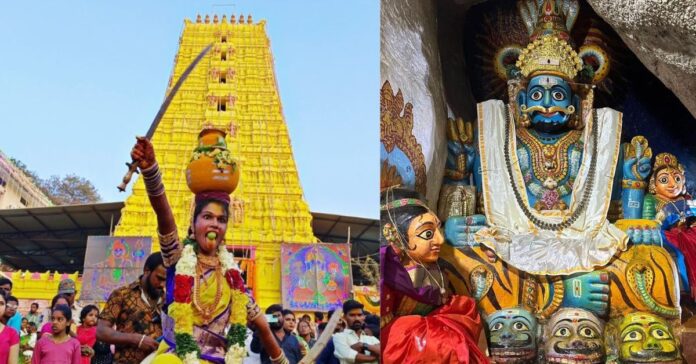
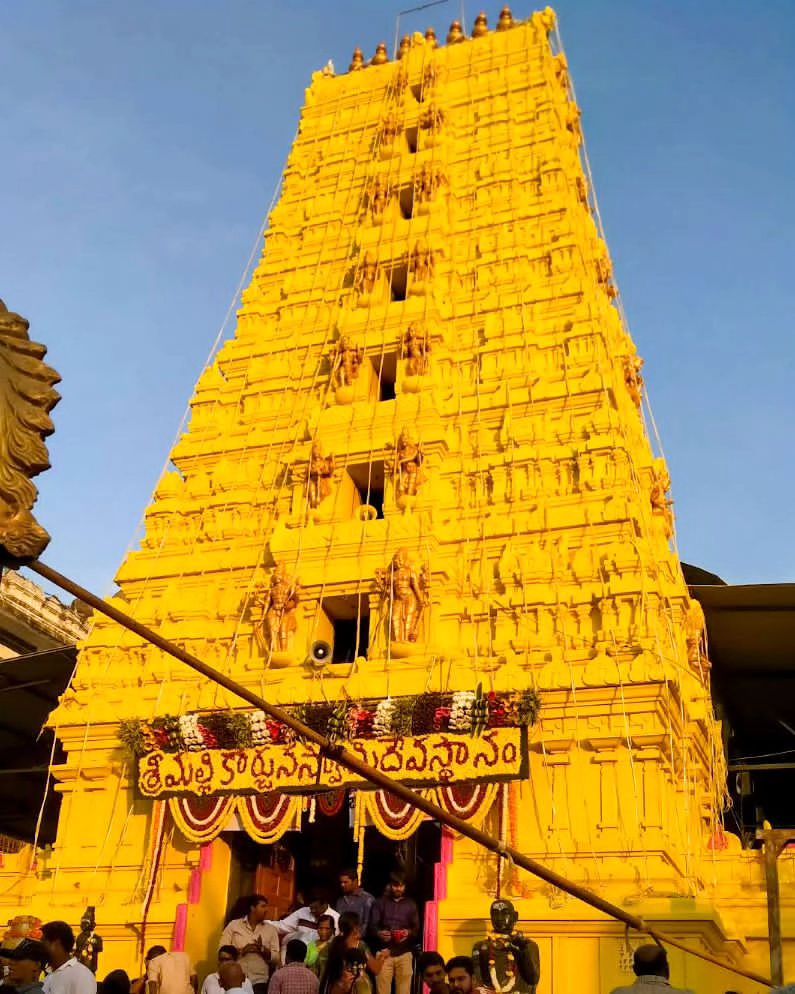
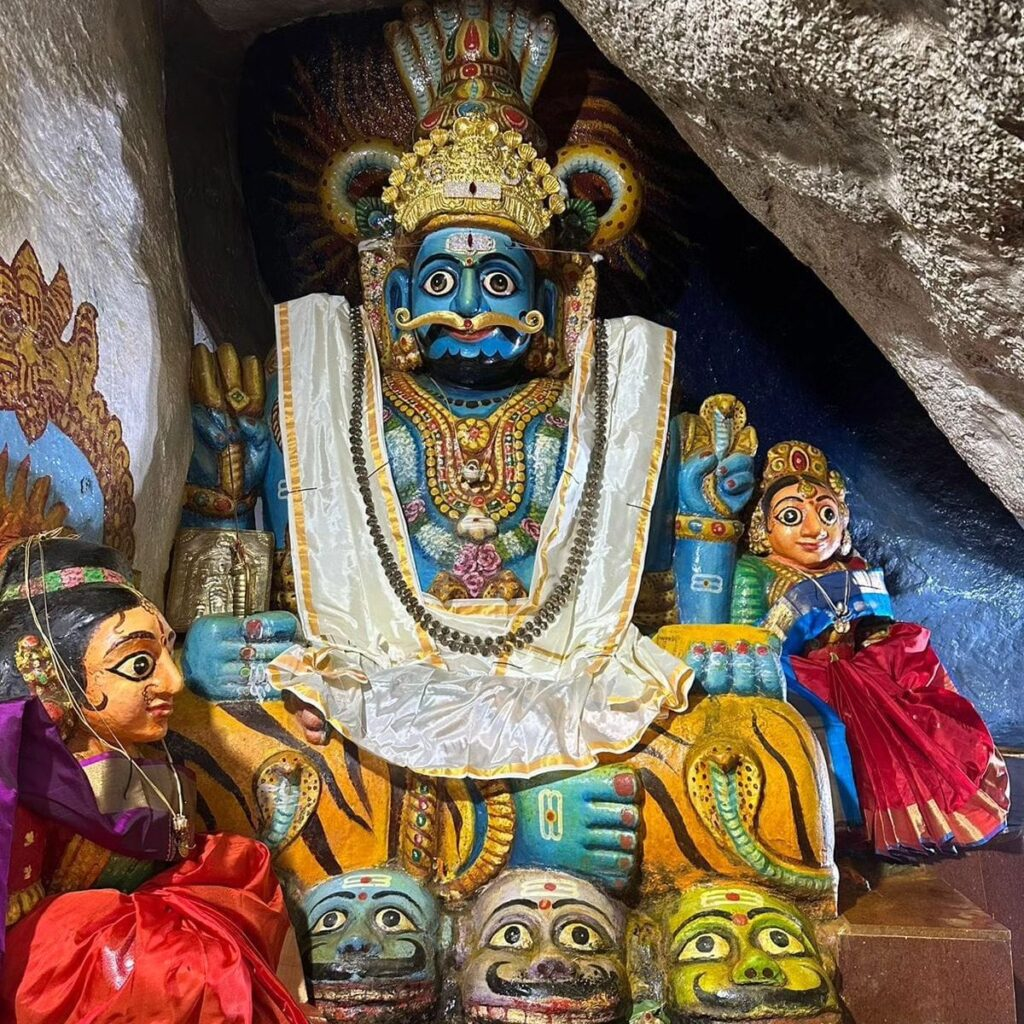
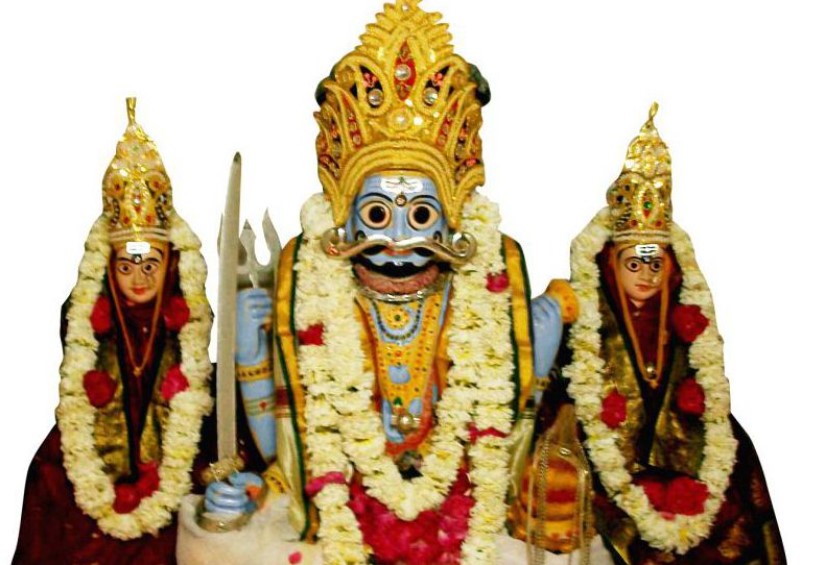
The Komuravelli Mallikarjuna Swamy Temple, popularly known as Komrelly Mallanna Temple, is a Hindu temple located on a hill in Komuravelli village, Siddipet district, Telangana, India. The primary deity is Mallanna, or Mallikarjuna Swamy, a form of Lord Shiva. He is also known as Khandoba by the Maharashtrian people. The temple is about 85 kilometers from Hyderabad.
About the Temple
In the main temple, Lord Mallanna is accompanied by his consorts:
Golla Kethamma
Goddess Ganga
Medalamma (Goddess Parvati)
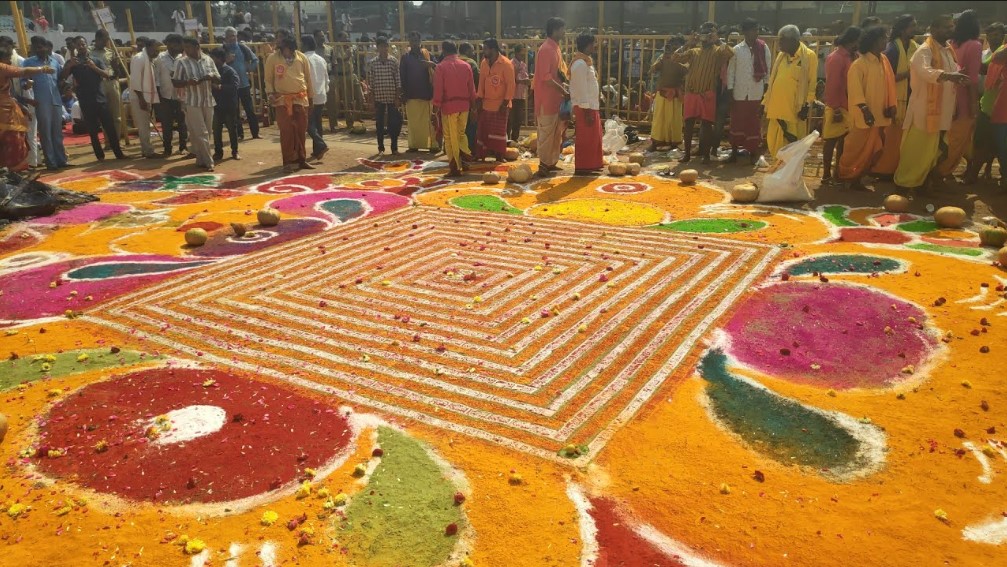
The traditional Oggu Katha singers narrate the tales of Mallanna here. Devotees perform prayers with the help of Oggu Pujaris, who create a rangoli called Patnam as an offering to the Lord.
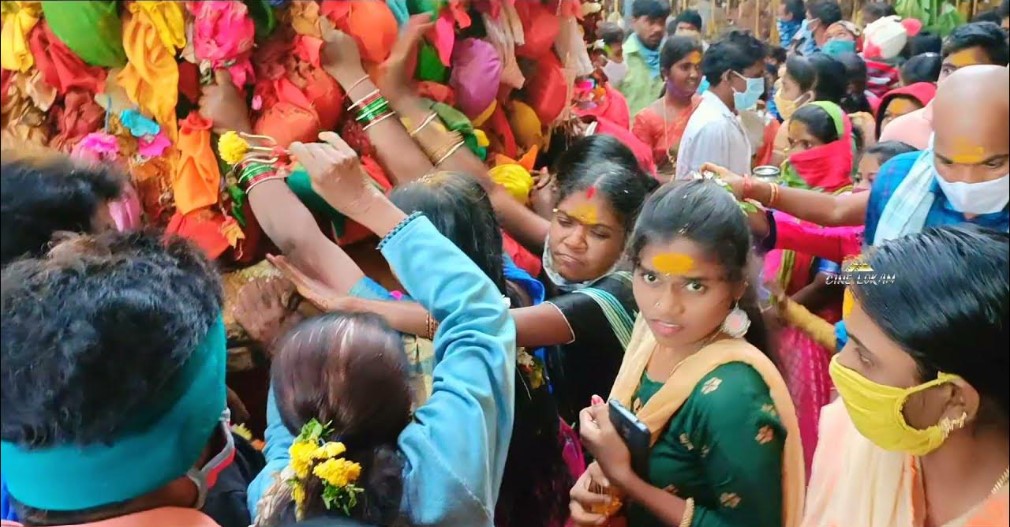
The temple sees a large influx of devotees during major festivals, especially:
Maha Shivaratri: is celebrated with the Pedda Patnam.
Agni Gundaalu: Celebrated on the Sunday before Ugadi.
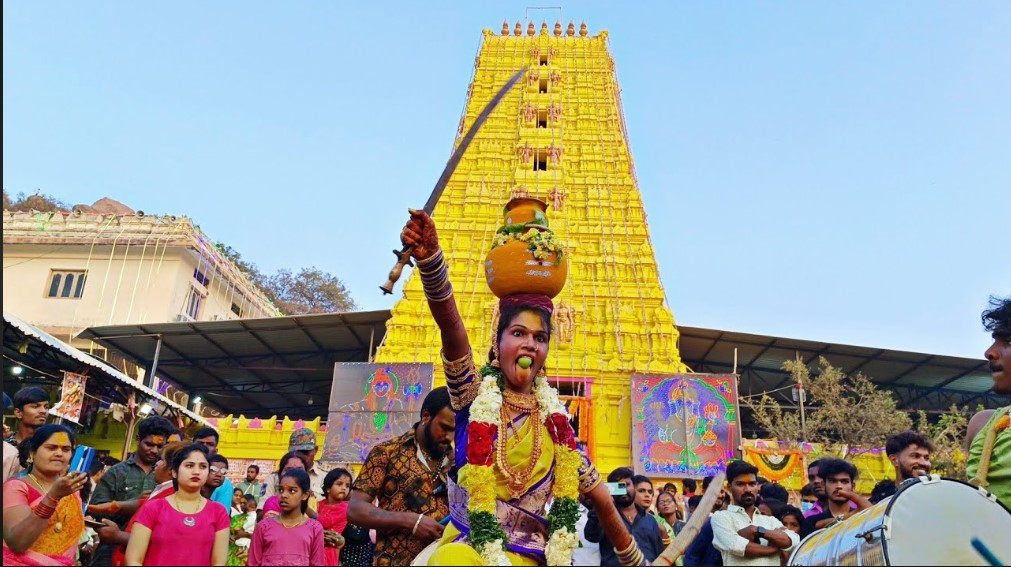
The festive season, known as Mallanna Jatara, starts during Sankranti and continues until Ugadi. Devotees frequently visit the temple on Sundays between these festivals.
The Legend of Mallanna
The story of Lord Mallanna is passed down through the Oggu Katha, as there is no written script. According to the tale, Swamy Mallanna marries Goddess Medalamma (Bramarambika), the consort of Lord Shiva, by overcoming challenges set by her brothers. One such challenge involves obtaining “Bandari,” a rare turmeric paste guarded in a forbidden mosque. Mallanna, with blessings from Lord Shiva and Ganesha and guidance from the wise Yellamma, retrieves the Bandari through wit and courage. Impressed by his devotion and determination, Medalamma’s brothers finally allow the marriage, and Mallanna is worshipped as Komuravelli Mallanna Swamy.
Cultural Significance
Folklore and Mythology: The temple is rich in folklore and mythology, captivating devotees with stories of Mallanna’s origins and miracles.
Architectural Marvel: The temple, with its unique cave setting and clay idol of Mallanna, showcases the region’s artistic heritage.
Social Cohesion: The temple serves as a hub for community bonding, bringing people together for religious ceremonies, festivals, and celebrations.
Location:
Komuravelli village, Siddipet district, Telangana, India
Distance from Hyderabad: Approximately 85 kilometers
How to Reach
Sri Mallikarjuna Swamy Devasthanam is accessible by road via the Karimnagar-Hyderabad Highway in Cherial Mandal. The temple is approximately 85 km from Hyderabad and 110 km from Warangal, situated on a hillock.
Temple Timings
Open: 6:00 AM to 8:00 PM
Darshan: 6:00 AM to 7:30 PM
Note: The temple is closed for darshan during pooja times.
Nearby Attractions
Kondapochamma Sagar Reservoir
Jagannath Temple, Wargal
Medak Cathedral
Kaleswaram
Ramagundam
Warangal
Bhadrakali Temple, Warangal
Conclusion
The Komuravelli Mallikarjuna Swamy Temple, with its rich mythology, unique architecture, and vibrant festivals, stands as a significant spiritual and cultural hub in Telangana. Its legends, celebrated through traditional Oggu Katha, and the community bonding during festive seasons make it a must-visit for devotees and tourists alike. Easily accessible from Hyderabad, the temple offers a profound spiritual experience and a glimpse into the region’s artistic heritage and social cohesion.
FAQ’S:
Q1.What is the primary deity of the Komuravelli Mallikarjuna Swamy Temple?
A: The primary deity is Mallanna, a form of Lord Shiva, also known as Khandoba among the Maharashtrian people.
Q2. What are the major festivals celebrated at the temple?
A: The major festivals include Maha Shivaratri with Pedda Patnam and Agni Gundaalu, celebrated on the Sunday before Ugadi
Q3. How can one reach the Komuravelli Mallikarjuna Swamy Temple?
A: The temple is accessible by road via the Karimnagar-Hyderabad Highway and is located approximately 85 km from Hyderabad.
Q4.What are the temple timings for darshan?
A: The temple is open from 6:00 AM to 8:00 PM, with darshan available from 6:00 AM to 7:30 PM, except during pooja times.
Q5. What are some nearby attractions to visit?
A: Nearby attractions include Kondapochamma Sagar Reservoir, Jagannath Temple in Wargal, Medak Cathedral, Kaleswaram, Ramagundam, and Bhadrakali Temple in Warangal.
Hyderabad, the “City of Pearls,” is a vibrant metropolis brimming with historical wonders, cultural experiences, and delectable cuisine. Planning a family vacation here promises exciting adventures, but finding the perfect hotel that caters to everyone’s needs can be a challenge. Worry not, globetrotting families! This curated list unveils the top 10 family-friendly hotels in Hyderabad, offering options ranging from luxurious escapes to budget-conscious havens, all with specific details to make your decision-making easier.
[1] ITC Kohenur Hyderabad is one of the top 10 hotels
Nestled in the heart of Hyderabad’s thriving business district, HITEC City lies the magnificent ITC Kohenur. Inspired by the legendary Kohinoor diamond, this 5-star hotel reflects unparalleled luxury and impeccable hospitality, promising an unforgettable stay for discerning travelers.
Located in Madhapur, ITC Kohenur boasts stunning views of Durgam Cheruvu Lake, offering a tranquil escape amidst the city’s vibrancy. The hotel’s architecture and design elements pay homage to the Kohinoor, with a captivating play of light and geometric patterns throughout the property.
Unwinding in Style:
The hotel features 271 spacious rooms and suites, all designed to pamper guests with plush furnishings, modern amenities, and breathtaking lake views (in select rooms). Indulge in a rejuvenating spa experience at the world-class spa, open from 10:00 AM to 8:00 PM, offering a range of wellness treatments. For a refreshing dip, take a plunge in the sparkling outdoor pool, accessible from 6:00 AM to 10:00 PM.
Culinary Delights:
A haven for gourmands, ITC Kohenur boasts a variety of upscale restaurants showcasing global cuisine. Savor delectable dishes from 7:00 AM to 11:00 PM, catering to diverse palates and offering a delightful culinary journey.
Family-Friendly Touches:
While specific details about a dedicated kids’ club are unavailable, the hotel offers a welcoming environment for families. Spacious rooms and babysitting services (upon request and availability) ensure a relaxing and enjoyable stay for parents and children alike.
Exploring Hyderabad:
The hotel’s convenient location in HITEC City puts you close to major business hubs and entertainment zones. Explore the city’s rich heritage, from the Charminar to the Golconda Fort, or embark on shopping sprees at renowned malls.
A Luxurious Refuge:
Whether you’re on a business trip or a leisure vacation, ITC Kohenur promises an exceptional experience. With its luxurious accommodations, world-class amenities, and impeccable service, this hotel is a perfect haven for creating lasting memories in Hyderabad.
Book your stay at ITC Kohenur and experience the epitome of luxury in Hyderabad!
Contact:
ITC Kohenur, a Luxury Collection Hotel, Hyderabad Madhapur, Hyderabad – 500081, India +91 40 6620 7777
[2] Taj Falaknuma Palaceis one of the top 10 hotels
Imagine yourself stepping back in time, living the life of royalty in a magnificent palace. The Taj Falaknuma Palace in Hyderabad, India, offers you this very experience.
This opulent palace, once the residence of the Nizams of Hyderabad, is now a luxurious hotel, where every corner whispers tales of a bygone era.
Located on a hillock overlooking the city (Falaknuma area), the Taj Falaknuma Palace is about 5 kilometers from Hyderabad’s iconic Charminar. Soaring 609 meters above sea level, the palace offers breathtaking panoramic views of the city,
especially at night when the cityscape twinkles like a million stars.
A Walk Through History:
Built in the late 19th century, the Falaknuma Palace boasts a unique architectural style that blends Indian and Italian influences. Intricate carvings, adorned ceilings, and opulent chandeliers adorn the grand halls and corridors. Explore the palace museum, showcasing a collection of Nizami artifacts, antiques, and historical treasures.
Luxury fit for Royalty:
The Taj Falaknuma Palace offers a variety of luxurious rooms and suites, each meticulously designed to transport you to a bygone era. Imagine soaking in a regal bathtub, adorned with gold fixtures, or relaxing in a plush living area furnished with exquisite furniture. For the ultimate extravagance, opt for the Nizam Suite, the very residence of the Nizams themselves.
A Culinary Journey:
Indulge your taste buds with a variety of culinary delights at the palace’s on-site restaurants. From authentic Hyderabadi cuisine to international delicacies, the restaurants cater to diverse palates. Enjoy a lavish buffet breakfast overlooking the city or a romantic candlelit dinner in a historic setting.
Unwinding in Grandeur:
Take a dip in the regal outdoor pool, offering stunning city views, or unwind at the Jiva Spa, a haven of tranquility. The hotel also organizes cultural events and heritage walks, allowing you to delve deeper into Hyderabad’s rich history and traditions.
A Family-Friendly Escape:
While the opulent setting might seem best suited for couples, the Taj Falaknuma Palace caters to families as well. Spacious rooms, delectable children’s menus, and babysitting services (upon request and availability) ensure a comfortable and memorable stay for everyone.
A Night to Remember:
Staying at the Taj Falaknuma Palace is more than just a hotel stay; it’s an experience. From the moment you arrive, greeted by horse-drawn carriages and attentive butlers, to the luxurious accommodations and impeccable service, every detail is designed to make you feel like royalty.
Ready to embark on your own royal adventure? Book your stay at the Taj Falaknuma Palace and experience the magic of Hyderabad’s most iconic landmark!
Taj Falaknuma Palace, Hyderabad
Address: Falaknuma, Hyderabad, Telangana 500038, India
Hyderabad’s bustling heart thrums with historical wonders, cultural experiences, and delectable cuisine. Finding a hotel that caters to everyone’s needs during a family vacation can be a challenge. But worry not! The Park Hyderabad, a haven of sophisticated comfort, strikes the perfect balance for families seeking an unforgettable stay.
Located in Somajiguda, The Park Hyderabad offers a luxurious escape for families. Spacious rooms adorned with modern amenities ensure everyone has their own space to unwind.
A Splash of Family Fun:
While specific details about the kid’s club are unavailable, The Park Hyderabad offers activities and amenities to keep children entertained. The sparkling outdoor pool, open from 6:00 AM to 10:00 PM, is perfect for a refreshing dip and creating lasting family memories.
Parents’ Oasis:
Parents can steal some precious moments of relaxation at the Six Senses Spa, open from 10:00 AM to 8:00 PM. Explore the city’s many attractions together, or simply unwind in the comfort of your spacious room.
A Culinary Journey:
The Park Hyderabad’s on-site restaurants cater to diverse palates, ensuring everyone finds something delicious.
Location:
The Park Hyderabad is conveniently located in Somajiguda, Hyderabad. This central location allows easy access to the city’s many must-see sights.
Planning Your Stay:
While babysitting services may be available upon request, it’s recommended to confirm details directly with the hotel ( +91 40 4466 6666) to ensure a smooth and enjoyable stay for the whole family.
The Park Hyderabad: Where luxury and family fun create unforgettable memories in the vibrant heart of Hyderabad.
[4] Novotel Hyderabad Airport
Traveling with kids can be an adventure, but finding a hotel that caters to everyone’s needs can feel like a challenge. Look no further, globetrotting families! Novotel Hyderabad Airport, conveniently located just 4 km away from Rajiv Gandhi International Airport (Shamshabad), offers a perfect blend of comfort, convenience, and family-friendly fun.
After a long journey, everyone needs a space to unwind. Novotel Hyderabad Airport boasts well-appointed rooms that provide ample space for families. Whether you choose a standard room or a suite, you’ll find comfortable beds, modern amenities, and a relaxing atmosphere to recharge for your Hyderabad adventures.
Keeping the Little Ones Entertained:
While parents might crave some downtime, keeping the kids entertained is crucial. The hotel’s dedicated on-site play area, open from 9:00 AM to 7:00 PM, is a haven for young explorers. Packed with age-appropriate toys and structures, it allows children to burn off energy and make new friends.
A Refreshing Escape for Everyone:
The sparkling outdoor pool, open from 6:00 AM to 10:00 PM, is a fantastic spot for the whole family to cool off and have some splashy fun. Take a refreshing dip in the morning or unwind by the poolside after a day of exploring the city.
Dining Delights for All Palates:
No family vacation is complete without delicious meals. Novotel Hyderabad Airport caters to diverse palates with its on-site restaurants. The Food Exchange, open from 6:30 AM to 11:00 PM, offers a wide range of international and local dishes, ensuring everyone finds something they love. For a more relaxed setting, The Square restaurant provides a buffet breakfast (timings subject to change) and delectable à la carte options for lunch (from 12:30 PM to 3:00 PM) and dinner (from 7:00 PM to 11:00 PM).
Location Advantage:
Situated near the airport, Novotel Hyderabad Airport is perfect for families with early morning flights or late arrivals. The hotel’s convenient location also allows for easy access to other parts of the city. Explore historical landmarks, bustling markets, or family-friendly attractions like Nehru Zoological Park (approximately 15 km away) – the choice is yours!
Planning Your Stay at Novotel Hyderabad Airport:
Address: Shamshabad, Hyderabad (approximately 4 km away from Rajiv Gandhi International Airport)
With its comfortable accommodations, dedicated play area, refreshing pool, and delectable dining options, Novotel Hyderabad Airport promises a fun-filled and convenient stay for your family vacation in Hyderabad. So, pack your bags, grab your little ones, and get ready to create lasting memories in the City of Pearls!
Inject Youthful Energy into Your Hyderabad Stay: Aloft Hyderabad Gachibowli
Planning a trip to Hyderabad with your family or friends and looking for a fun, vibrant hotel? Look no further than Aloft Hyderabad Gachibowli! This energetic hotel injects a dose of youthful cool into your stay, making it a perfect choice for those seeking a stylish and affordable haven.
Location: Nestled in the heart of Gachibowli, Hyderabad’s IT hub, Aloft Hyderabad Gachibowli is conveniently located for business and leisure travelers alike.
What Makes it Great for Families?
Stylish Rooms: Aloft Hyderabad Gachibowli boasts modern and stylish rooms that provide a comfortable space to relax after a day of exploring the city.
Outdoor Play Area: Let the kids loose at the outdoor play area, featuring age-appropriate toys and structures, while you unwind by the refreshing outdoor pool (open from 6:00 AM to 10:00 PM).
Delicious Dining: The hotel offers a variety of dining options to satisfy everyone’s cravings. Grab a casual bite at Crust (open from 12:00 PM to 11:00 PM) or enjoy a relaxed meal at Re:mix (open from 7:00 AM to 11:00 PM).
Beyond the Room:
Fitness Center: Maintain your workout routine at the hotel’s 24/7 fitness center.
Vibrant Atmosphere: Soak up the hotel’s trendy vibe with its energetic public spaces and friendly staff.
Planning Your Stay:
While specific details about supervision or structured activities at the play area are unavailable, it provides a space for younger guests to burn off energy. For babysitting services or other kid-specific needs, it’s always best to inquire directly with the hotel.
Aloft Hyderabad Gachibowli offers a stylish and affordable stay perfect for families and young travelers seeking a fun and vibrant atmosphere in Hyderabad. information that might be helpful:
Nestled in the upscale Banjara Hills neighborhood, Radisson Hyderabad Banjara Hills offers a haven for families seeking comfort, convenience, and a touch of luxury in Hyderabad. This contemporary hotel caters to both adults and children, making it the perfect base for exploring the vibrant city of pearls.
Location:
The hotel’s prime location in Banjara Hills puts you close to the action.
8/8ChatGPT
Upmarket shopping malls like GVK One are just a short distance away—approximately 3 km—and a plethora of restaurants offer diverse culinary experiences. Furthermore, besides the shopping and dining options, equally important is the variety of activities available. First, you can enjoy the luxury of high-end retail, and then savor a range of gourmet meals. Finally, if you seek even more, what’s more, you’ll find additional attractions and conveniences to enhance your visit.
Spacious Rooms: Unwind in the hotel’s well-appointed rooms, offering ample space for everyone to relax and recharge after a day of exploration.
Inviting Outdoor Pool: Splash around and cool off in the sparkling outdoor pool (open from 6:00 AM to 10:00 PM), perfect for creating lasting family memories.
Radisson Kids’ Club: Let the little ones loose at the dedicated kids’ club (operating hours subject to change, so be sure to inquire upon check-in). Trained supervisors ensure a fun and engaging environment with games and activities designed to keep children entertained.
Beyond the Hotel:
The Banjara Hills neighborhood offers a variety of family-friendly attractions:
Shopping Spree: Head to GVK One Mall for a shopping spree, featuring renowned brands, entertainment options, and a food court.
Foodie Delights: Explore the diverse culinary scene surrounding the hotel. From local Hyderabadi specialties to international cuisines, there’s something to tantalize every taste bud.
Cultural Immersion: Immerse yourselves in the rich tapestry of Hyderabad’s culture. Visit historical landmarks like Charminar or explore the bustling bazaars for a truly unforgettable experience.
Relaxation for Parents:
While the kids are having a blast, parents can unwind by the poolside with a refreshing drink or indulge in a rejuvenating treatment at the hotel’s spa (details about spa services not available). For a romantic evening out, take advantage of the babysitting services (upon request and availability) offered by the hotel.
Making Memories in Hyderabad:
Radisson Hyderabad Banjara Hills provides the perfect blend of comfort, convenience, and family-friendly amenities. With its prime location and focus on creating memorable experiences for all ages, it’s the ideal starting point for your Hyderabad family adventure. So, pack your bags, grab your little explorers, and get ready to discover the magic of Hyderabad!
[6] Aloft Hyderabad Gachibowli
Nestled in the heart of Hyderabad’s IT hub, Gachibowli, the Aloft Hyderabad Gachibowli infuses your stay with a dose of modern vibrancy. Perfect for families, young couples, or business travelers seeking a stylish and energetic atmosphere, this hotel offers a comfortable haven at an attractive price point.
Location:
Gachibowli, Hyderabad (easily accessible and well-connected)
Setting the Scene:
Aloft Hyderabad Gachibowli boasts a youthful ambiance with its sleek design and trendy spaces. Stylish rooms come equipped with modern amenities, ensuring a comfortable stay. Let loose and unwind by the refreshing outdoor pool (open from 6:00 AM to 10:00 PM) or stay active at the 24/7 fitness center.
Keeping the Family Entertained:
Traveling with kids? The hotel features a dedicated outdoor play area, providing a space for them to burn off energy with age-appropriate toys and structures. While specific details about supervision or structured activities are unavailable, it offers a welcome break for parents.
Dining Delights:
When hunger pangs strike, head to one of the hotel’s on-site restaurants. “Crust” (open from 12:00 PM to 11:00 PM) serves up a delicious selection of pizzas and other comfort food options, while “Re:mix” (open from 7:00 AM to 11:00 PM)
Exploring Hyderabad:
The hotel’s location in Gachibowli provides convenient access to Hyderabad’s IT corridor and business districts. If you’re looking for a break from the urban landscape, explore nearby parks or venture further into the city to discover historical landmarks and bustling markets.
Beyond the Basics:
For added convenience, the hotel offers babysitting services (upon request and availability), allowing parents to enjoy a romantic evening out. Additionally, the hotel staff is known for their friendly and helpful service, ensuring a pleasant stay for all guests.
Planning Your Stay:
Whether you’re seeking a stylish and affordable base for exploring Hyderabad or a comfortable haven for a family vacation, the Aloft Hyderabad Gachibowli ticks all the boxes. With its modern amenities, dedicated play area, and convenient location, this hotel promises a vibrant and memorable stay in the City of Pearls.
Contact:
Aloft Hyderabad Gachibowli
Gachibowli, Hyderabad
+91 40 6656 6666
[7] Country Club Hyderabad!
Planning a family trip to Hyderabad? Look no further than Country Club Hyderabad, a comfortable and budget-friendly haven nestled amidst the city’s greenery in Gachibowli.
First, this hotel offers a delightful stay for families, catering to both your relaxation and your little ones’ entertainment. Moreover, it provides numerous amenities for a pleasant experience. Furthermore, the lush surroundings add to the charm, making it an ideal choice for a getaway. Equally important, the blend of comfort and natural beauty ensures that every aspect of your stay is enjoyable. Finally, the combination of these features makes this hotel a standout option for a memorable vacation.. Next, the convenient location ensures you can easily explore the city. Finally, what’s more, the combination of all these features makes your stay both enjoyable and memorable.
Unwind and Refresh:
Country Club Hyderabad boasts comfortable rooms perfect for a restful stay after exploring the city’s vibrant sights. Take a refreshing dip in the sparkling outdoor pool (open from 6:00 AM to 10:00 PM) or soak up the sun poolside while the kids have a blast.
Activities for All Ages:
While details about supervision are unavailable, the hotel features a dedicated play area for children, equipped with age-appropriate toys and structures. This allows them to burn off some energy and make new friends.
Delicious Dining Options:
Country Club Hyderabad caters to your culinary cravings with its on-site restaurants. Savor delectable meals at Seasons, open from 7:00 AM to 11:00 PM, or grab a poolside bite at Pool Deck, open from 12:00 PM to 11:00 PM. Alternatively, explore the landscaped gardens and enjoy a delightful picnic under the Hyderabad sky.
Beyond the Hotel:
Gachibowli offers convenient access to various family-friendly attractions in Hyderabad. If you’re seeking a dose of nature, head to nearby parks or explore the scenic HITEC City.
Location and Booking:
Country Club Hyderabad is located in Gachibowli, a bustling IT hub in Hyderabad. To book your family stay, contact the hotel at +91 40 2311 1918 or visit their website (information not available yet).
Country Club Hyderabad: Where affordability meets family fun!
[8]Treebo Trend Olive Inn, Hyderabad
Planning a family trip to Hyderabad on a budget? Look no further than Treebo Trend Olive Inn! This modern hotel in Secunderabad offers clean, comfortable rooms perfect for families, without breaking the bank.
Location:
Situated in Secunderabad, Treebo Trend Olive Inn is centrally located, making it a great base to explore the city’s many attractions. Hussain Sagar Lake, a popular spot for boating and relaxing picnics, is approximately 5 km away. Lumbini Park, a sprawling amusement park with rides and attractions for all ages, is also within easy reach at about 4 km from the hotel.
Comfort and Amenities for Families:
While the hotel might not have a dedicated kids’ club, it provides a comfortable and convenient stay for families. The friendly staff is always happy to assist you and ensure a pleasant experience. All rooms are well-maintained and offer amenities like comfortable beds, air-conditioning, and a TV, perfect for relaxing after a day of exploring.
Exploring the City:
Hyderabad boasts a rich history and vibrant culture. After a refreshing breakfast at the hotel (typically available from 7:00 AM to 10:00 AM), head out to explore iconic landmarks like Charminar, a stunning mosque dating back to the 16th century, or Golconda Fort, a majestic piece of historical architecture. Don’t forget to indulge in the city’s delectable Hyderabadi cuisine – aromatic biryanis and flavorful curries are a must-try!
Budget-Conscious Choice:
Treebo Trend Olive Inn offers a great balance between affordability and comfort. It’s a perfect choice for families seeking a clean and convenient stay in Hyderabad without compromising on location or essential amenities.
Ready to Book?
For more information or to book your stay at Treebo Trend Olive Inn, visit their website or contact them at +91 81058 00888. Remember, a budget-friendly trip doesn’t have to mean sacrificing fun! With its central location and comfortable accommodations, Treebo Trend Olive Inn can be the perfect starting point for your unforgettable Hyderabad family adventure.
[9] The E Palace
Hyderabad, the “City of Pearls,” boasts not just shimmering gems but also a rich tapestry of history. For travelers seeking a unique stay that blends comfort with cultural immersion, The E Palace in Secunderabad emerges as a captivating choice.
A Step Back in Time
Nestled in Secunderabad, The E Palace is a heritage hotel lovingly restored from a 19th-century Nizami palace. The hotel’s architecture reflects the grandeur of the Nizam era, with intricate details and a sense of regal opulence. Beautifully decorated rooms exude a timeless charm, offering a comfortable haven after a day of exploration.
Beyond the Rooms
The E Palace isn’t just about the rooms; it’s about the experience. Relax in the serene courtyard, a perfect spot to unwind with a book or simply soak in the historical ambiance. For a touch of fine dining, head to the rooftop restaurant, “Charminar View.” Savor delectable cuisine while enjoying breathtaking city vistas, making your meal a truly memorable experience.
Exploring Hyderabad
Secunderabad, where The E Palace resides, is a treasure trove itself. Visit historical landmarks like the Hussain Sagar Lake or Lumbini Park, both located within a short distance. For a deeper dive into Hyderabad’s rich history, venture into the city center and explore the magnificent Charminar or the Golconda Fort.
The E Palace: Where History Meets Hospitality
The E Palace offers more than just a hotel stay; it’s a chance to experience the captivating history of Hyderabad. Whether you’re a history buff or simply seeking unique and charming accommodation, The E Palace promises an unforgettable stay.
The E Palace, Secunderabad
Address: Secunderabad, Hyderabad (exact address not publicly available, but recommended to contact the hotel for details: +91 40 2784 7784)
Amenities: Beautifully decorated rooms, serene courtyard, rooftop restaurant with city views (“Charminar View,” open from 7:00 AM to 11:00 PM)
Nearby attractions: Hussain Sagar Lake, Lumbini Park, Charminar, Golconda Fort
[10] Woodlands Resorts, Hyderabad
Looking for a break from the urban chaos? Woodlands Resorts, located on the outskirts of Hyderabad (approximately 25 km from the city center), offers a nature-filled haven for families and adventurous souls.
Immerse Yourself in Nature:
Woodlands Resorts boasts spacious cottages nestled amidst lush greenery. Imagine waking up to the chirping of birds and spending your days surrounded by tranquil nature. Take a refreshing dip in the sparkling outdoor pool (open from 6:00 AM to 10:00 PM) or explore the property’s trails on a rejuvenating nature walk.
Activities and Fun for All:
Keep the family entertained with a variety of activities. Challenge your loved ones to a thrilling boat race on the lake. Availability and timings are subject to change, so please inquire with the hotel before your visit. First, Woodlands Resorts organizes bonfires and other family-friendly activities upon request, ensuring a memorable stay for everyone. Moreover, these activities add a unique touch to your stay, making it even more special.
Furthermore, the resort offers a variety of entertainment options for all ages. What’s more, the combination of these engaging experiences guarantees that every moment spent at Woodlands Resorts is enjoyable for the entire family.
In addition, the resort ensures that everyone, from children to adults, finds something delightful to do. Finally, the overall atmosphere of Woodlands Resorts creates a memorable and satisfying experience for all its guests.
Delectable Dining:
After a day of exploration, tantalize your taste buds at the resort’s on-site restaurants.”The Dhaba,” which is open from 7:00 AM to 11:00 PM, serves a selection of delicious Indian dishes. In addition, “Bamboo Shoots,” open from 12:00 PM to 3:00 PM and 7:00 PM to 11:00 PM, offers a delectable Pan-Asian menu. First, you can enjoy the rich flavors of traditional Indian cuisine at The Dhaba. Then, for a change, you might want to explore the diverse Pan-Asian options available at Bamboo Shoots. Furthermore, both restaurants provide excellent dining experiences, so you can enjoy varied and satisfying meals throughout the day. Lastly, remember that each venue has its own distinct hours and menu offerings, making them both equally important for a well-rounded culinary experience.
Planning Your Stay:
Woodlands Resorts provides a welcome respite from the city’s hustle and bustle. Whether you’re seeking a family getaway or a solo adventure, this resort offers a comfortable stay amidst nature’s embrace.
Woodlands Resorts
Location: Rajendranagar, Hyderabad (approximately 25 km from the city center)
Contact: +91 40 2400 2200
Amenities: Outdoor pool (open from 6:00 AM to 10:00 PM), Boating on the lake (availability and timings subject to change), Nature trails, Restaurants (“The Dhaba” & “Bamboo Shoots”), Family-friendly activities (upon request)
Bheemuni Paadam Waterfalls Nestled in Seethanagaram Village of Gudur Mandal, Mahabubabad district, Telangana, the Bheemuni Paadam Waterfalls have recently gained popularity among adventurous tourists. This picturesque waterfall cascades from a 20-foot hillock into a semi-circular enclosure, creating a serene atmosphere punctuated only by the sound of falling water.
Bheemuni Paadam Waterfalls History
The legend of Bheemuni Paadam waterfall involves a dramatic rescue mission. A man named Yadava Raju had two wives. When he was away, his second wife, jealous of his first wife and daughter, plotted their demise. She built a house called “LakhaMedha” from flammable wooden sticks, intending to burn them alive.Legend weaves the Pandava prince Bheema into the story. As fate would have it, Bheema intervened, creating a natural passage for water to flow through the hills (Papameda Gutha). This act of heroism saved the lives of Yadava Raju’s first wife and daughter.The mark of Bheema’s intervention is believed to be a rock formation resembling a giant footprint, which gave the waterfall its name, Bheemuni Paadam, translating to “Bheema’s Foot.”
Attractions
1. Rainbow Waters: At sunrise and sunset, the waterfall shimmers with rainbow hues, offering a breathtaking spectacle.
2. Natural Pool: The 70-foot drop creates a refreshing pool at the base.
3. Mysterious Cave: A 10-kilometer-long cave near the falls adds intrigue for explorers.
4. Sacred Space: A small enclosure houses idols of Lord Shiva and Nagadevatha, where visitors often perform rituals.
5. Nearby Lakes: Several lakes in the vicinity provide additional sightseeing opportunities.
The waterfall isn’t just a tourist attraction; it plays a crucial role in local agriculture. Its waters feed three nearby lakes, supporting the irrigation of approximately 2,500 acres of farmland annually.
For a spiritual touch, pay your respects at the small temple near the falls, which houses idols of Lord Shiva and Nagadevatha.
Best Time to Visit
While accessible year-round, the monsoon season offers the most impressive water flow. Holidays and weekends typically draw bigger numbers.
Bheemuni Paadam Location:
Seethanagaram Village, Gudur Mandal, Mahabubabad, Telangana, India
Timings:
7 AM to 5 PM daily
Nearby Accommodations:
Several hotels are available in the area, including
1.Padma Vilas Hotel,
2.Hotel Naresh, and
3.Haritha Grand
Getting There
Road ways: Accessible from Gudur Bus Stand, Warangal, and Khammam Bus Station
Rail ways: Mahbubabad Railway Station (25 km away)
Air ways : Rajiv Gandhi International Airport, Hyderabad (nearest major airport)
Development Potential
While the natural beauty of Bheemuni Paadam Waterfalls is undeniable, visitors note that improved facilities and marketing could enhance its appeal. However, the current lack of infrastructure and security measures in this secluded area is a concern that needs addressing.
Conclusion:
Bheemuni Paadam Waterfall is a hidden gem offering a unique blend of natural beauty, mythology, and adventure. Its captivating waterfalls, coupled with the surrounding serene environment, make it a must-visit for nature enthusiasts. While the infrastructure is still developing, the potential for this location to become a major tourist destination is immense.
FAQ’S:
Q1. What is the legend behind Bheemuni Paadam waterfall?
A: The legend tells the story of a jealous wife who tried to kill her husband’s first wife and daughter but was stopped by the Pandava prince Bheema, who created the waterfall to save them.
Q2. How did Bheemuni Paadam get its name?
A: The waterfall is named after a rock formation that resembles a giant footprint, believed to be Bheema’s, hence the name Bheemuni Paadam (Bheema’s Foot).
Q3. Who are the main characters in the legend?
A: The main characters are Yadava Raju, his two wives, their daughter, and the Pandava prince Bheema.
Q4. What was the plan to harm the first wife and daughter?
A: The second wife planned to burn the first wife and daughter alive in a house made of flammable wooden sticks.
Q5. How did Bheema save the lives?
A: Bheema created a natural passage for water to flow through the hills, which saved the lives of Yadava Raju’s first wife and daughter.