Friday, April 3, 2026
Home Blog Page 35

Discover the Top Scenic Spots in Karimnagar: A Complete Travel Guide

0

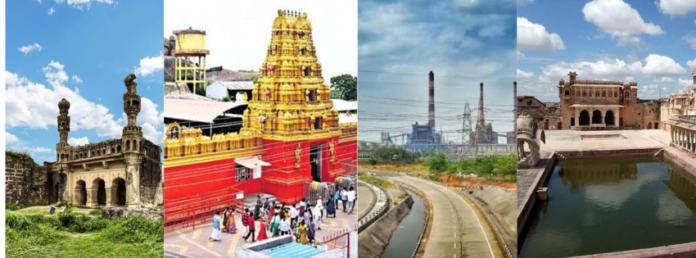
Karimnagar, located in the heart of Telangana, is a hidden gem waiting to be explored. This city, rich in history and natural beauty, offers a perfect blend of serene landscapes, ancient architecture, and cultural significance. Whether you’re a history buff, a nature lover, or someone seeking spiritual solace, Karimnagar has something for everyone. Let’s dive into some of the places to visit in Karimnagar in this charming district.


1. Elgandal Fort: A Journey Through Time
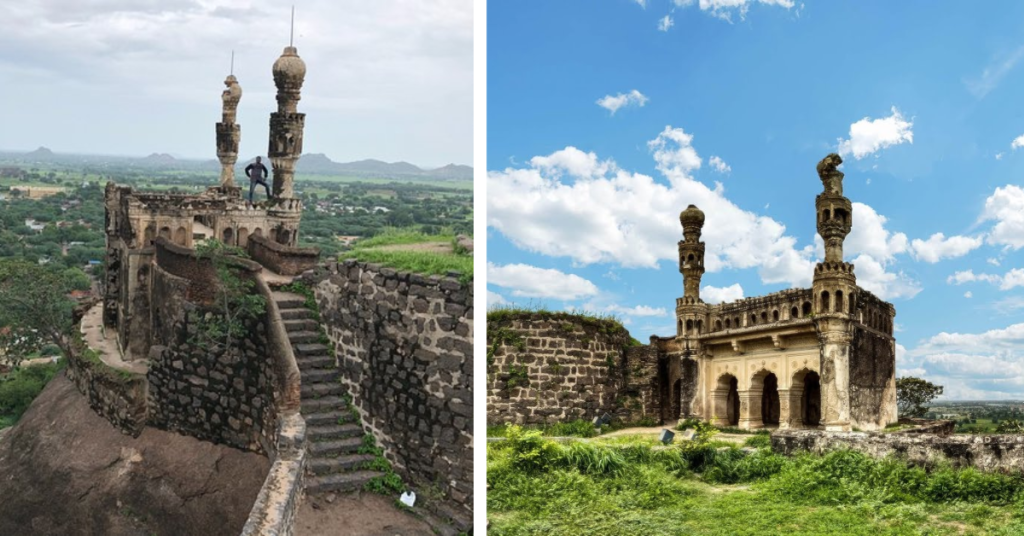
Elgandal Fort
fort
  • Location: On the banks of the Manair River, about 10 km from Karimnagar city.
  • Timings: 9:00 AM – 5:00 PM
  • Entry Fee: Free

For more information “click here

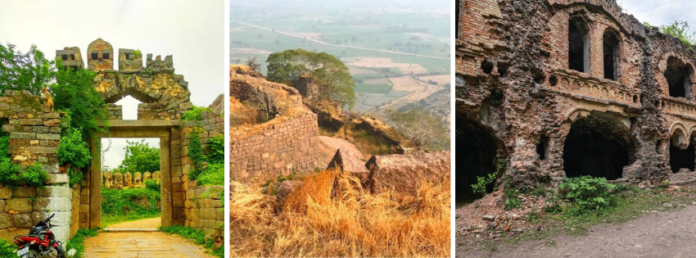
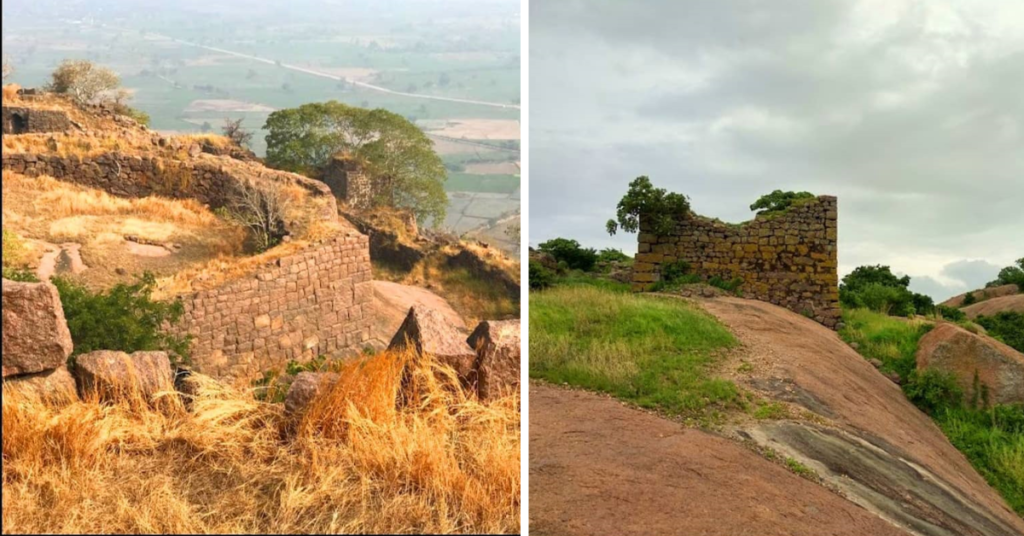
Elgandal Fort is an ancient fortress that stands tall as a testament to Karimnagar’s rich history. Once a stronghold for various dynasties, the fort offers breathtaking views of the surrounding countryside. places to visit in Karimnagar As you walk through its gates, you can almost hear the echoes of the past, making it a perfect spot for history enthusiasts and photographers alike.

Why Visit?

  • Explore ancient fortifications and temples within the fort.
  • Enjoy panoramic views of the Manair River and the countryside.
  • Experience the tranquility of a place steeped in history.

2. Lower Manair Dam: Nature’s Tranquil Retreat

Lower Manair Dam
in Karimnagar
  • Location: Approximately 5 km from Karimnagar city center.
  • Timings: Open 24 hours
  • Entry Fee: Free (Boating charges may apply)

For more information “click here

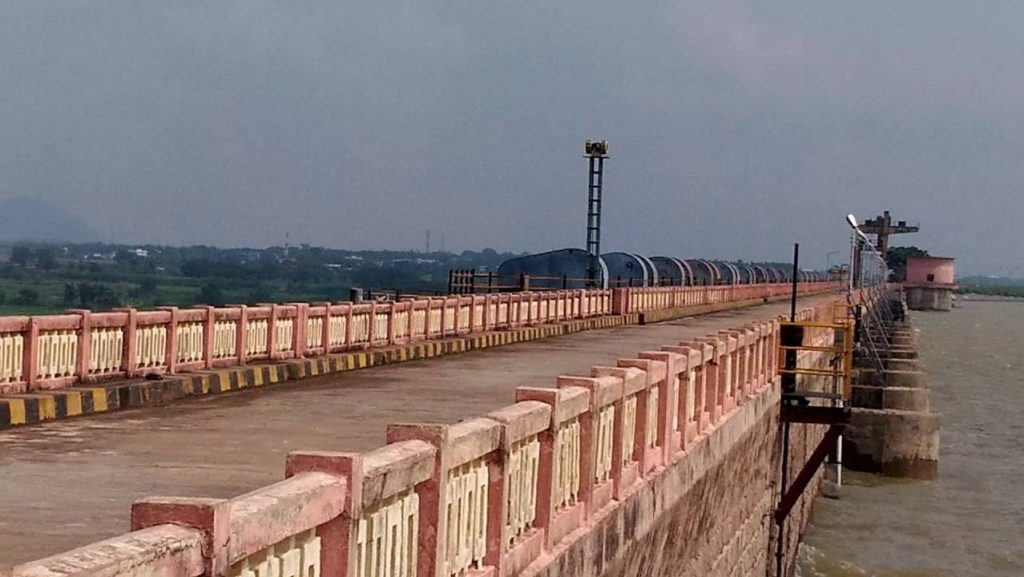
Lower Manair Dam is a popular destination for both locals and tourists. Nestled amidst lush greenery, this dam is an ideal spot for a peaceful day out. places to visit in Karimnagar Whether you’re looking to enjoy a picnic, go boating, or simply soak in the beauty of nature, the dam’s serene surroundings offer the perfect escape.

Why Visit?

  • Enjoy boating on the Manair River (boating timings may vary).
  • Perfect for picnics with family and friends.
  • Capture stunning sunset views over the dam.

3. Kondagattu Anjaneya Swamy Temple: A Spiritual Oasis
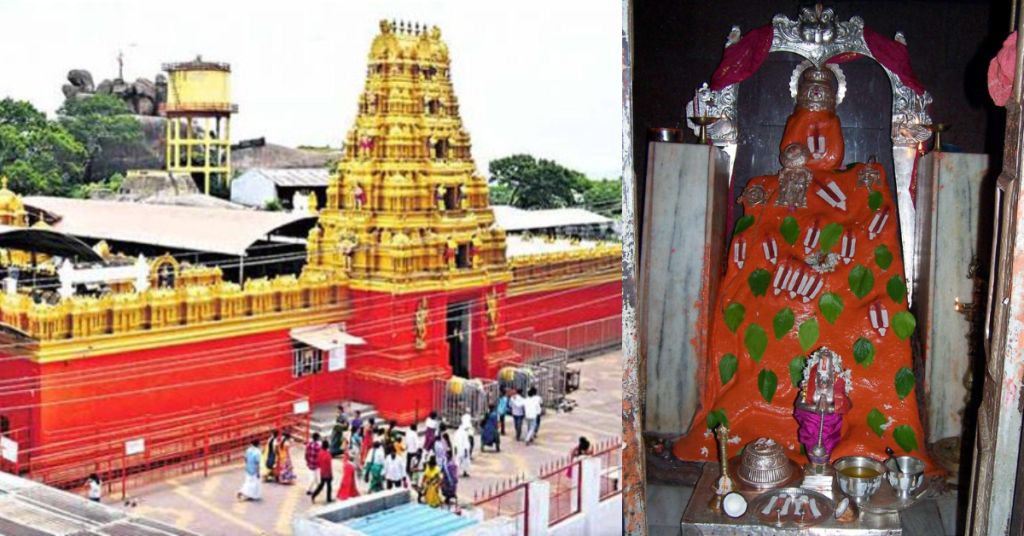
Kondagattu Anjaneya Swamy
and Temple
  • Location: Around 35 km from Karimnagar city.
  • Timings: 4:00 AM – 8:30 PM
  • Entry Fee: Free

For more information “click here

Set amidst picturesque hills, the Kondagattu Anjaneya Swamy Temple is a must-visit for those seeking spiritual peace. Dedicated to Lord Hanuman, this temple is not just a place of worship but also offers stunning views of the surrounding landscape. The journey to the temple, through winding roads and lush greenery, is an experience in itself.

Why Visit?

  • Experience the spiritual ambiance of a revered temple.
  • Trek through scenic hills for a bit of adventure.
  • Experience the serene natural beauty that envelops the temple.

4. Vemulawada Rajarajeshwara Temple: The Abode of Lord Shiva
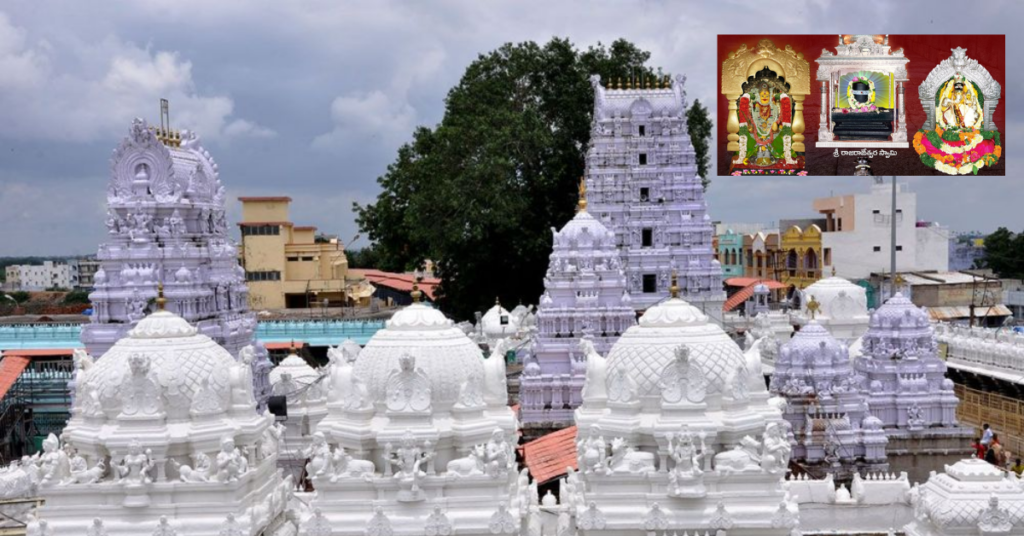
Vemulawada Rajarajeshwara
and Temple
  • Location: 38 km from Karimnagar city.
  • Timings: 4:00 AM – 9:00 PM
  • Entry Fee: Free

For more information “click here

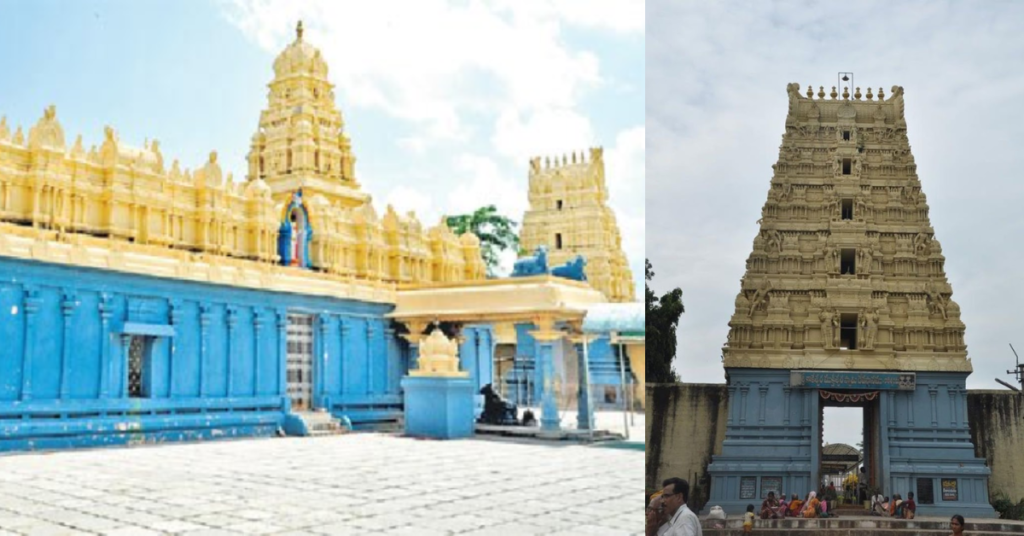
Vemulawada Rajarajeshwara Temple is one of the most significant Shiva temples in Telangana. Known for its intricate carvings and spiritual significance, this temple attracts thousands of devotees every year. The temple complex is a blend of history, art, and devotion, making it a must-visit spot in Karimnagar.

Why Visit?

  • Marvel at the temple’s exquisite architecture.
  • Participate in traditional rituals and ceremonies.
  • Feel the serene and spiritual atmosphere of the temple complex.

5. Nagunur Fort: Echoes of a Glorious Past
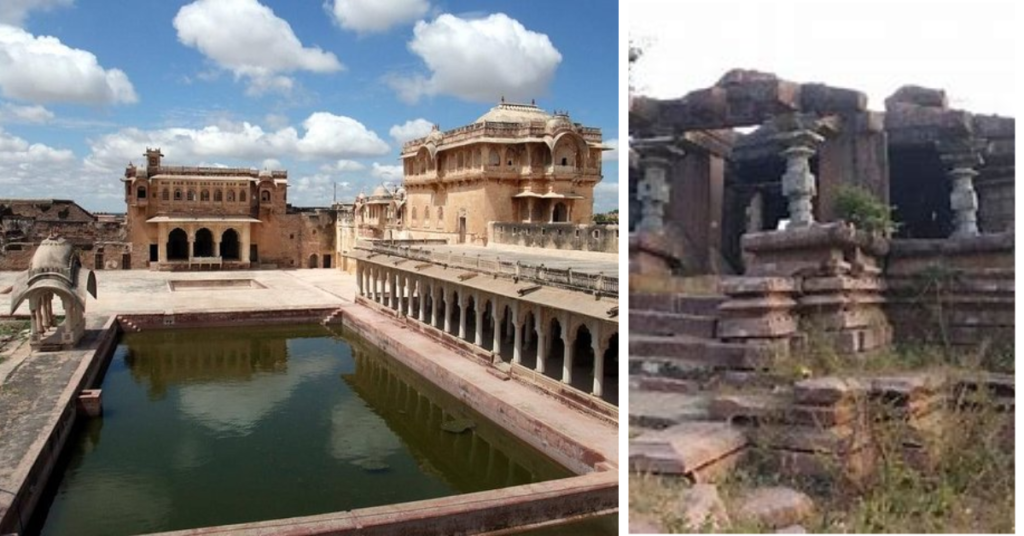
Nagunur Fort
fort in Karimnagar
  • Location: 8 km from Karimnagar city.
  • Timings: 9:00 AM – 6:00 PM
  • Entry Fee: Free

For more information “click here

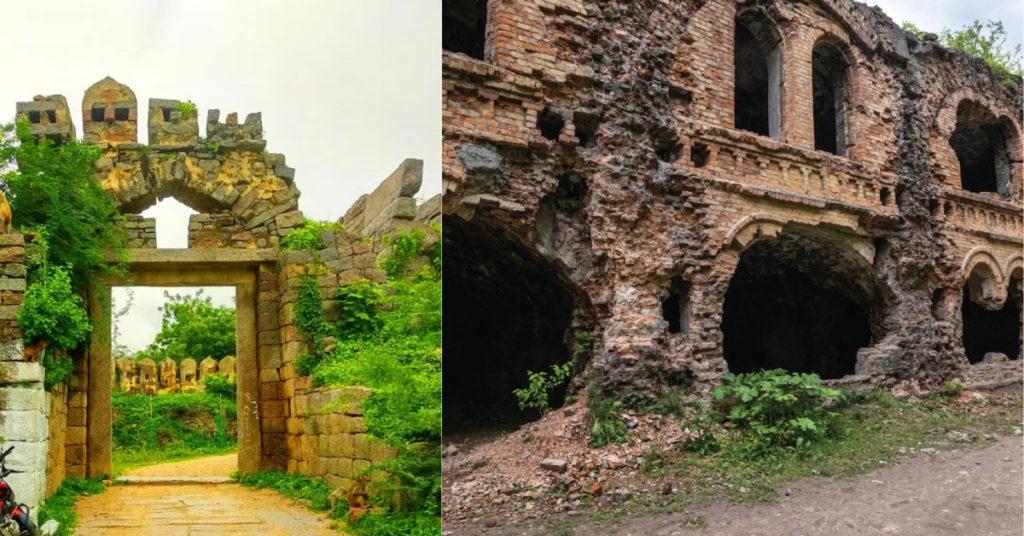
Nagunur Fort, though in ruins, is a place that will transport you back in time. This ancient fort, with its remnants of temples and palaces, offers a glimpse into the glorious past of the region. The fort’s location, surrounded by fields and open skies, makes it a peaceful retreat for those looking to escape the hustle and bustle of city life.

Why Visit?

  • Explore the ruins of a historically significant fort.
  • Enjoy a quiet, reflective day in nature.
  • Perfect for photography enthusiasts.

6. Deer Park: A Nature Lover’s Delight
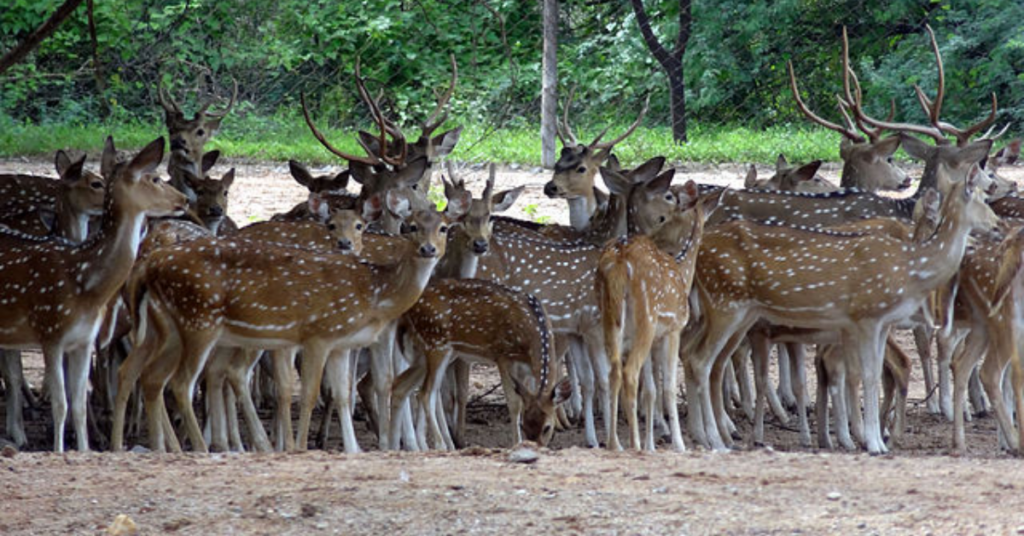
Deer Park
  • Location: On the outskirts of Karimnagar city.
  • Timings: 9:00 AM – 5:00 PM
  • Entry Fee: ₹10 per person

For more information “click here

For those who love nature and wildlife, Deer Park is the place to be. This serene park, home to a variety of deer species, offers a peaceful environment for a leisurely stroll or a family outing. The park’s well-maintained trails and lush greenery make it a perfect spot for a day spent in nature.

Why Visit?

  • Observe deer and other wildlife in their natural environment.
  • Enjoy a peaceful walk amidst nature.
  • Ideal for family outings and picnics.

7. Ramagundam Dam: Where Serenity Meets Scenic Beauty

Ramagundam Dam
  • Location: About 65 km from Karimnagar city.
  • Timings: Open 24 hours
  • Entry Fee: Free

For more information “click here

Ramagundam Dam is another gem in Karimnagar’s crown. Surrounded by hills and forests, this dam is a haven for those who appreciate the beauty of water and nature. The area around the dam is perfect for picnics, and the calm waters offer an excellent backdrop for photography.

Why Visit?

  • Perfect spot for a peaceful picnic.
  • Enjoy the beautiful views of the dam and surrounding hills.
  • Ideal for nature photography.

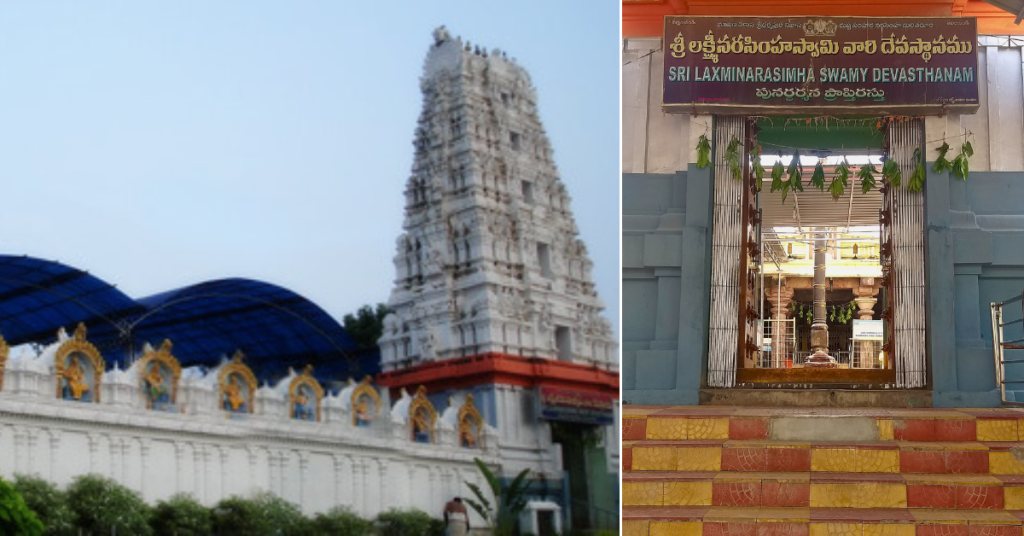
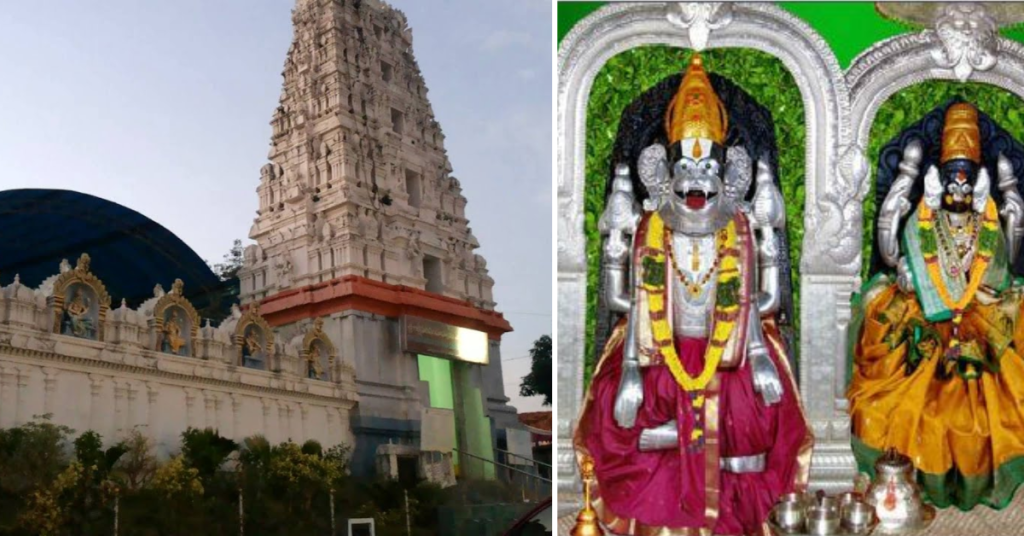
8. Kalwa Narasimha Swamy Temple: Spirituality on a Hill

Kalwa Narasimha Swamy
and Temple
  • Location: Approximately 10 km from Karimnagar city.
  • Timings: 6:00 AM – 7:00 PM
  • Entry Fee: Free

For more information “click here

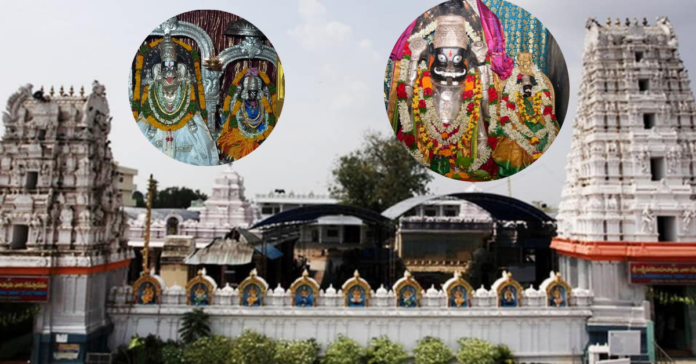
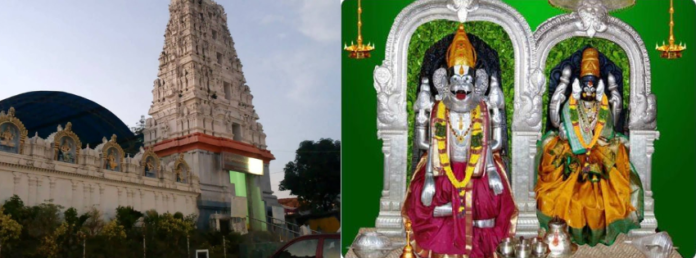
Perched on a hillock, the Kalwa Narasimha Swamy Temple is both a spiritual and scenic destination. The temple, dedicated to Lord Narasimha, offers panoramic views of the surrounding landscape. The climb to the temple is invigorating, and the sense of peace upon reaching the top is well worth the effort.

Why Visit?

  • Experience the spiritual aura of a hilltop temple.
  • Trekking opportunities for adventure enthusiasts.
  • Enjoy stunning views from the temple.

Conclusion

Karimnagar is a destination that offers more than meets the eye. From historical forts and tranquil dams to spiritual temples and serene parks, this district has a variety of experiences to offer. Whether you’re planning a short getaway or a detailed exploration, Karimnagar promises to leave you with memories that last a lifetime.
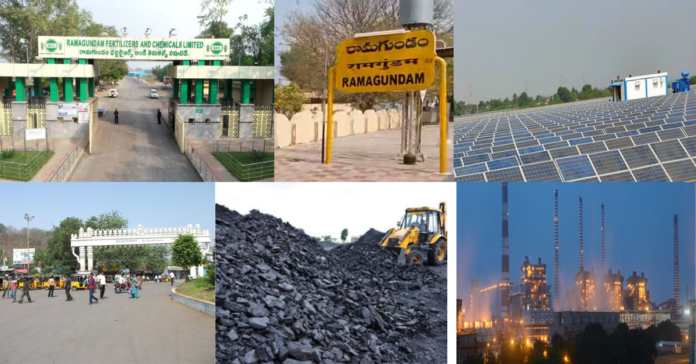
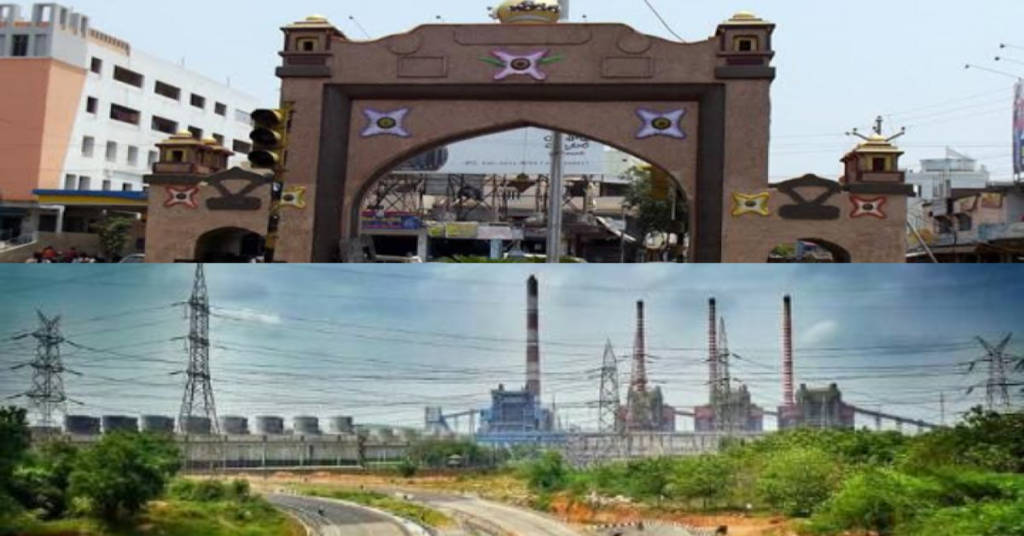
Exploring the Hidden Gems Of Ramagundam The City of Energy

0
Ramagundam the city of energy

Nestled in the Peddapalli district of Telangana, India, Ramagundam is a city that exemplifies the synergy between industrial might and natural beauty. Often dubbed the “City of Energy,” Ramagundam plays a pivotal role in India’s power sector, thanks to its vast coal reserves and massive thermal power plants. However, beyond its industrial significance, the city also offers unique tourism experiences, making it a place of diverse interest.

Historical Background Of Ramagundam

over view of Ramagundam

The history is deeply intertwined with the development of the coal industry in Telangana. Initially a small town, its strategic location in the rich coal belt of the Godavari River Valley led to its rapid industrialization. The establishment of the NTPC Ramagundam Super Thermal Power Station and the growth of Singareni Collieries catapulted the city into prominence, making it a hub of energy production in southern India.


Also Read: Exploring the Divine The Unique Forms of Lord Narasimha at Dharmapuri Temple


The Ramagundam Super Thermal Power Station

Overview

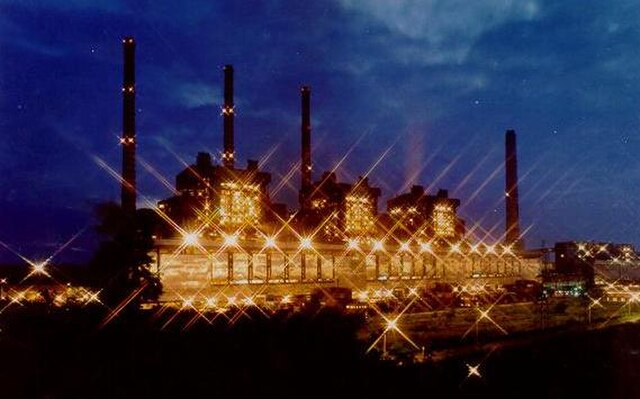
The Ramagundam Super Thermal Power Station, operated by the National Thermal Power Corporation (NTPC), is one of the largest and most important thermal power plants in India. With a total installed capacity of 2,600 MW, it significantly contributes to the power supply in Telangana and neighboring states. The plant primarily relies on the abundant coal reserves from nearby Singareni Collieries, ensuring steady and reliable power generation.

Ramagundam Super Thermal Power Station

Technical Specifications

  • Installed Capacity: 2,600 MW
  • Units: 7 Units (3×200 MW and 4×500 MW)
  • Fuel Source: Coal from Singareni Collieries
  • Cooling System: Water sourced from the Godavari River

Environmental Considerations

NTPC has implemented several measures to reduce the environmental impact of the plant. These include the installation of flue-gas desulfurization (FGD) units to minimize sulfur dioxide emissions. The use of electrostatic precipitators to control particulate matter.

Singareni Collieries: The Backbone of Ramagundam Economy

Overview

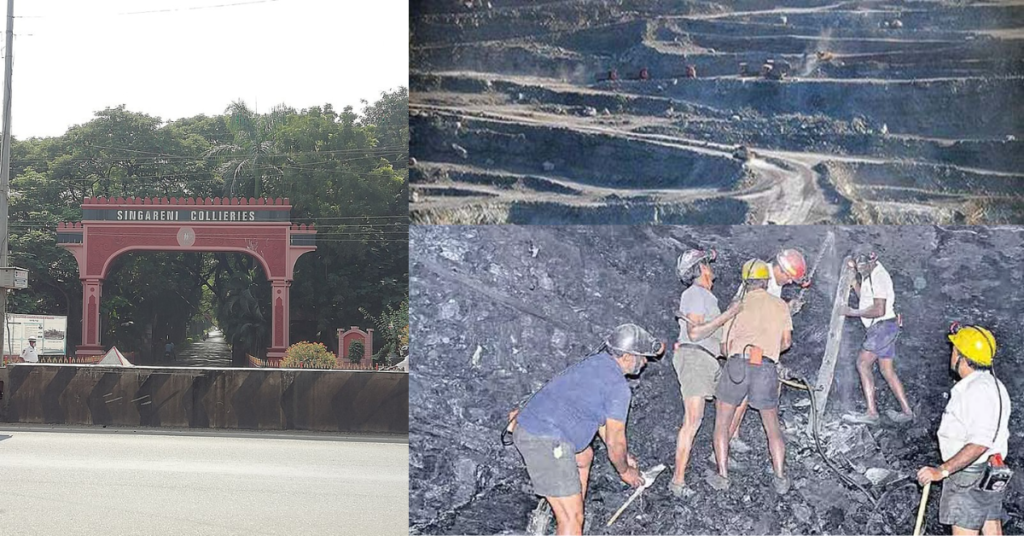
The Singareni Collieries Company Limited (SCCL) is a public-sector coal mining company that operates several mines in and around Ramagundam. Established in 1920, SCCL is one of the oldest and most significant coal producers in India, with a vast network of underground and open-cast mines.

Singareni Collieries

Coal Mining Operations

Ramagundam’s coal mines are among the most productive in the Singareni Collieries network. The coal extracted here is primarily used to fuel the nearby thermal power stations, including the NTPC Ramagundam plant. The mining process involves both underground and open-cast methods, with a strong emphasis on safety and environmental sustainability.

Economic Impact

Singareni Collieries is a major employer in the region, providing jobs to thousands of workers and contributing significantly to the local economy. The company’s presence has also led to the development of infrastructure, schools, hospitals, and other amenities..


Also Read: Karimnagar Deer Park: With Ultimate Details and Guide


Ramagundam Fertilizers and Chemicals Limited (RFCL)

Over View

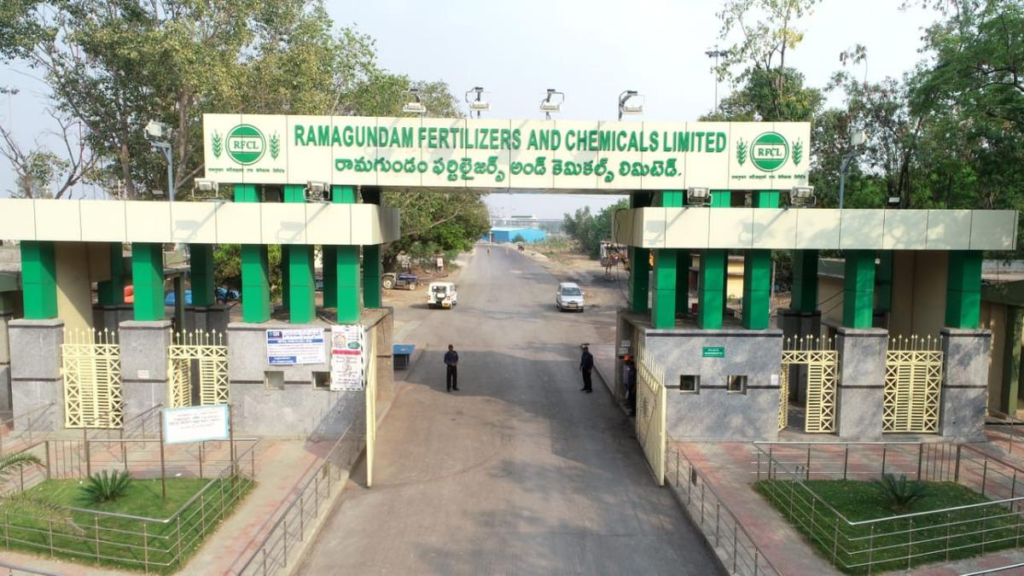
Ramagundam Fertilizers and Chemicals Limited (RFCL) was established as a public sector company to enhance domestic production of fertilizers, especially urea, under Indian government initiatives. Its headquarters are in Ramagundam, Telangana, integrating it with the region’s industrial and economic landscape.

Key Facilities and Operations

  • Urea Plant:
    • Capacity: The RFCL urea plant has a production capacity of around 1.2 million tons per annum (MTPA) of urea.
    • Technology: The plant uses state-of-the-art technology for ammonia-urea synthesis, ensuring efficient and environmentally friendly production processes.
  • Chemical Production:
    • Products: Besides urea, RFCL produces other chemicals used in agriculture and industry. These include ammonia and various by-products derived from the urea manufacturing process.
    • Applications: The chemicals produced by RFCL are used in a variety of applications, including fertilizers, industrial chemicals, and other agricultural products.

Tourism in Ramagundam

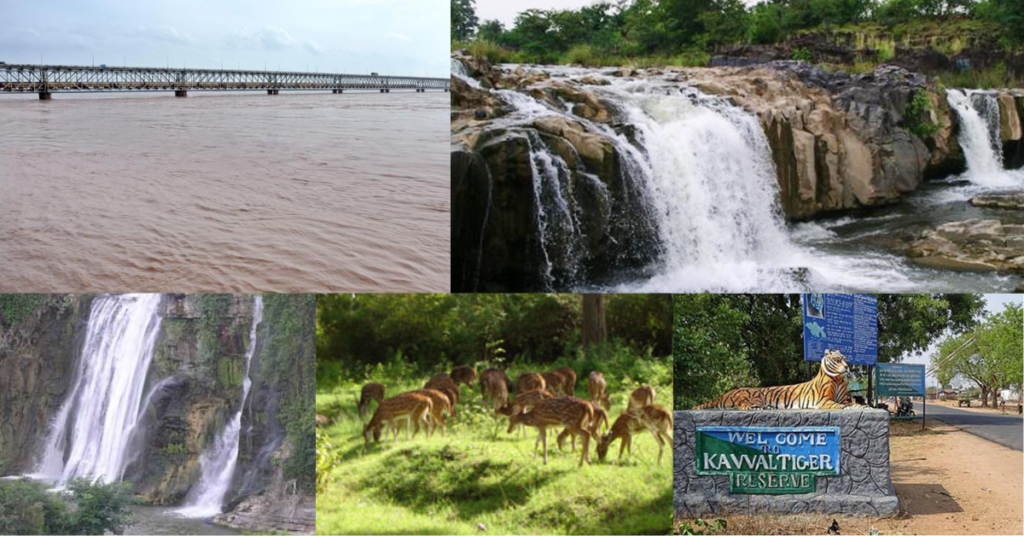
near by attractions in Ramagundam

While Ramagundam is primarily known for its industrial prowess, it also offers several tourist attractions that are worth exploring.

Godavari River

The Godavari River, one of the longest rivers in India, flows through, adding a touch of natural beauty to the industrial landscape. The river provides a serene backdrop for visitors, with opportunities for boating and picnicking along its banks. The Godavari is also a lifeline for the region, supplying water for agriculture, industry, and daily needs.

Kawal Wildlife Sanctuary

Located a short drive from Ramagundam, the Kawal Wildlife Sanctuary is a haven for nature lovers and wildlife enthusiasts. Spread over an area of 893 square kilometers, the sanctuary is home to a diverse range of flora and fauna, including tigers, leopards, sloth bears, and various species of deer and birds. The sanctuary is part of Project Tiger, a national initiative to protect and conserve the tiger population in India.

Pochera and Kuntala Waterfalls

A visit to Ramagundam can also include a trip to the picturesque Pochera and Kuntala Waterfalls, located within a few hours’ drive from the city. These waterfalls, nestled in the Sahyadri mountain range, are popular tourist spots, offering breathtaking views and a refreshing escape from the industrial hustle.


Also Read: The Story Behind Lower Manair Dam A Historical Perspective


Future Prospects and Development

Ramagundam’s future looks promising, with ongoing projects aimed at boosting industrial growth, improving infrastructure, and enhancing the quality of life for its residents. The city’s strategic location, combined with its industrial base and natural resources, positions it as a key player in Telangana’s economic landscape.

Industrial Expansion

Plans for expanding the Ramagundam Super Thermal Power Station, along with new projects in the coal and energy sectors, are expected to drive the city’s industrial growth. The government’s focus on clean energy and sustainable development may also lead to the adoption of new technologies

Local Festivals and Events

Ramagundam, like the rest of Telangana, celebrates a variety of festivals with great enthusiasm. Key festivals include:

  • Bathukamma: A floral festival celebrated by women, marking the beginning of Sharath Ruthu.
  • Bonalu: A regional festival dedicated to the goddess Mahakali, with vibrant processions and offerings.
  • Diwali and Dussehra: Celebrated with fireworks, decorations, and cultural programs.

Transportation

Ramagundam has excellent road and rail connectivity.

  • Road: National Highway 63 passes through Ramagundam, connecting it to other major cities in Telangana and beyond.
  • Rail: Ramagundam Railway Station is a key junction on the South Central Railway network, providing connectivity to various parts of India.
  • Public Transport: The city has a well-developed public transport system, including buses and auto-rickshaws, facilitating easy movement within and around the city.

Conclusion

Ramagundam, nestled in Telangana’s Peddapalli district, epitomizes the blend of industrial dynamism and natural splendor. As a pivotal center for power generation and coal mining, the city, with its NTPC Ramagundam Super Thermal Power Station and Singareni Collieries, significantly contributes to the energy sector, earning its title as the “City of Energy.” Beyond its industrial prowess, Ramagundam offers picturesque attractions such as the Godavari River, the Kawal Wildlife Sanctuary, and the scenic Pochera and Kuntala Waterfalls. With ongoing development projects and a vibrant cultural scene, including festivals like Bathukamma and Bonalu, Ramagundam is poised for a promising future, harmonizing industrial growth with natural beauty and cultural richness.

Frequently Asked Questions (FAQs)

1Q: What is Ramagundam known for?

A: It is well-known for its coal-fired thermal power plants and considerable contribution to India’s energy industry.

2Q: Which power station is located in Ramagundam?

A: The Ramagundam Super Thermal Power Station, operated by NTPC, is located in Ramagundam.

3Q: What is the installed capacity of the Ramagundam Super Thermal Power Station?

A: The installed capacity of the Ramagundam Super Thermal Power Station is 2,600 MW.

4Q: What are the main tourist attractions in Ramagundam?

A: The Godavari River, Kawal Wildlife Sanctuary, and Pochera and Kuntala Waterfalls are key tourist attractions in Ramagundam.

5Q: What festivals are celebrated in Ramagundam?

A: Key festivals in Ramagundam include Bathukamma, Bonalu, Diwali, and Dussehra.

The Powerful Lakshmi Narasimha Swamy Temple in Karimnagar

0

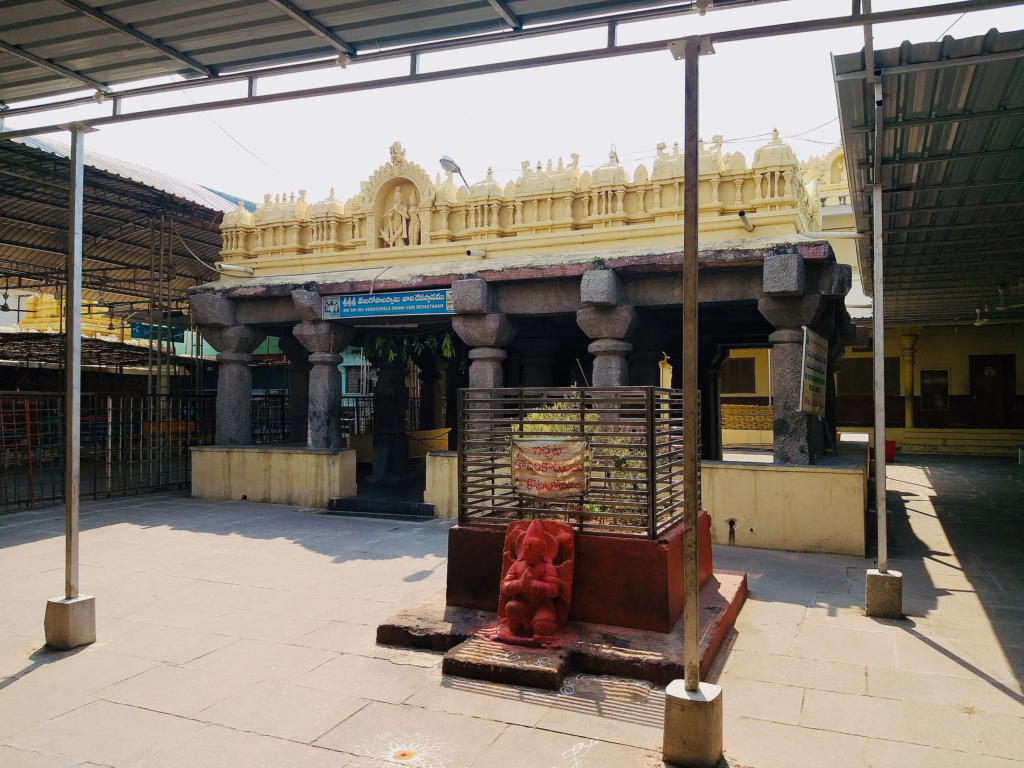
If you’re planning a visit to the Karimnagar region, make sure to include the Lakshmi Narasimha Swamy Temple in your itinerary. Situated at Nampally Gutta, this serene shrine is an excellent destination for those seeking both spiritual solace and scenic beauty.

 Lakshmi Narasimha Swamy Temple:

Location and Accessibility

The Lakshmi Narasimha Swamy Temple is conveniently located on the Vemulawada-Karimnagar highway. It’s about:

  • 2 km from Nampally Bus Stop
  • 4.5 km from Vemulawada Bus Stand
  • 32 km from Karimnagar

How to Get There:

  • By Car: The temple is accessible by road, and there’s ample parking available at the base of the hillock.
  • By Bus: Local buses run frequently to Nampally and Vemulawada, from where you can take a short auto-rickshaw ride or taxi to the temple.
  • By Taxi: Hiring a taxi from Karimnagar or nearby towns can be a convenient option for those preferring a direct route.

What to Expect

The temple is devoted to Lord Lakshmi Narasimha, a divine incarnation of Lord Vishnu. The main idol is uniquely carved from rock, seamlessly blending with the natural landscape around it. To reach the temple, visitors need to ascend a series of steps from the parking area at the base. Although the climb is somewhat steep, taking around 15 minutes, the journey is rewarding with beautiful views and a sense of accomplishment upon reaching the top.

nampally gutta

Also visit: Molangur Fort: Exclusive Kakatiya & Mughal History of Karimnagar


Unique Attractions

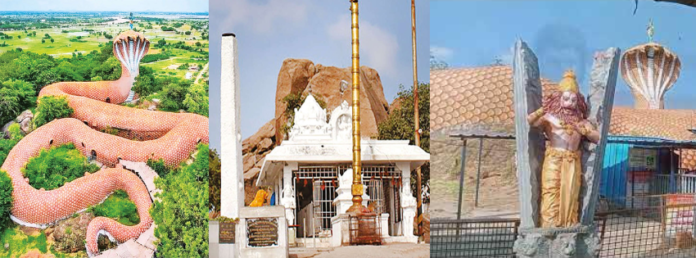
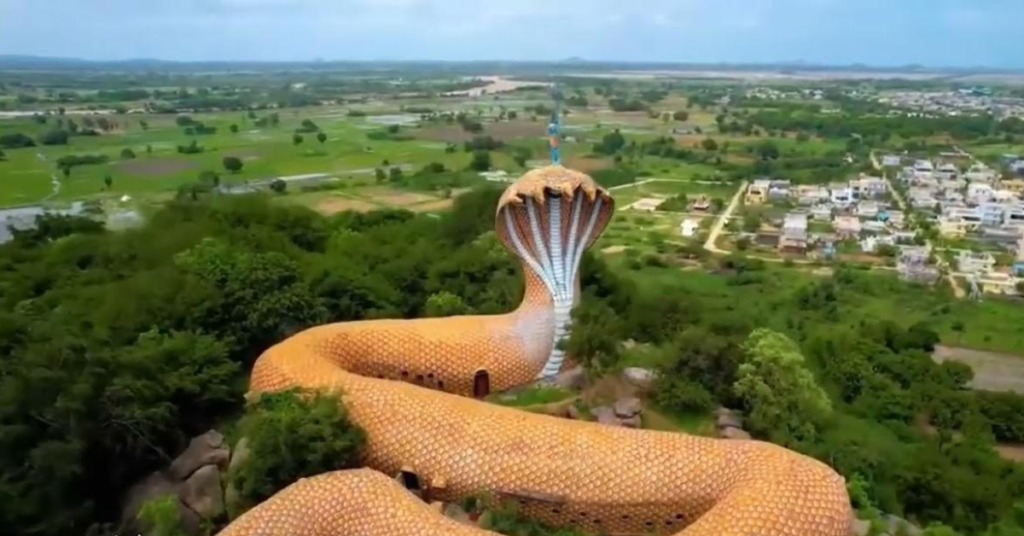
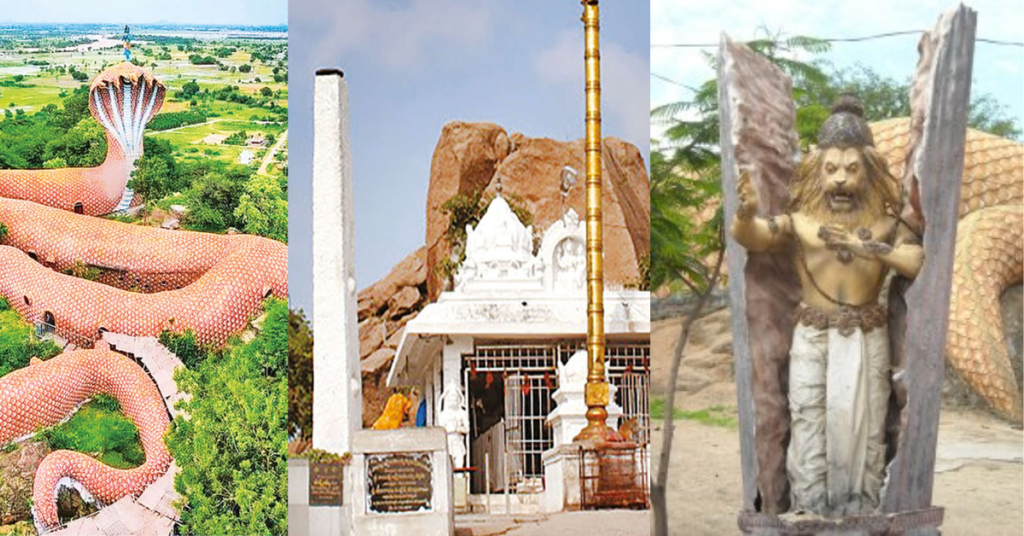
On your way to the main temple, you’ll encounter another interesting site—a temple dedicated to Naga Devatha, designed in the shape of a snake. Visitors can enter this shrine through a winding tunnel resembling a snake’s belly. Inside, you’ll find statues depicting the epic tale of Prahalada and Hiranyakasipu. At the end of the tunnel, there’s a dramatic statue of Lord Narasimha slaying the demon Hiranyakasipu. The shrine also features several ancient idols of Naga Devatha. A striking statue at the entrance depicts Lord Narasimha emerging from a pillar, enhancing the temple’s distinctive charm.

Entry Fee

There is no entry fee to visit the Nampally gutta Lakshmi Narasimha Swamy Temple, making it an accessible and affordable destination for all visitors.

Visiting Hours

The temple is open to visitors from 9 AM to 5:30 PM, allowing you to explore and enjoy the serene environment at your convenience.

FAQS

Q1) Where is the Lakshmi Narasimha Swamy Temple located?

ANS) The temple is located at Nampally Gutta on the Vemulawada-Karimnagar highway, about 32 km from Karimnagar in Telangana.

Q2) How can I reach the temple?

ANS) You can reach the temple by car, local bus, or taxi. It’s 2 km from Nampally Bus Stop and 4.5 km from Vemulawada Bus Stand.

Q3) What is unique about the temple?

ANS) The temple features a unique rock-carved idol of Lord Lakshmi Narasimha and a fascinating Naga Devatha shrine shaped like a snake, with a tunnel entrance.

Q4) How long does it take to climb to the temple?

ANS) The climb to the temple takes about 15 minutes. The steps are somewhat steep, but the journey is worth it.

Q5) What can I see at the Naga Devatha shrine?

ANS) Inside the Naga Devatha shrine, you’ll find statues depicting the story of Prahalada and Hiranyakasipu, along with ancient idols and a dramatic statue of Lord Narasimha slaying Hiranyakasipu.

Exploring the Divine The Unique Forms of Lord Narasimha at Dharmapuri Temple

0
Sri Lakshmi Narasimha Swamy in Dharmapuri

Introduction

The Dharmapuri Lakshmi Narasimha Swamy Temple, nestled in the serene village of Dharmapuri in Telangana’s Jagtial district, is a majestic embodiment of South Indian spiritual and architectural heritage. Revered for centuries, this ancient shrine dedicated to Lord Narasimha, an incarnation of Lord Vishnu, holds a prominent place in the hearts of devotees. This extensive guide will delve into the temple’s history, significance, main deities, festivals, rituals, and the unique role of Yama Dharmaraja, providing a detailed exploration of this sacred site.

temple view and entrance

Historical Significance of Dharmapuri temple

Dharmapuri, an ancient city with deep historical roots, is mentioned in several epics and literary works. In ancient scriptures like the Skandha Purana and Brahmanda Purana, it is referred to as ‘Dharmapura’. The city’s significance dates back to the Buddhist era when it was known as ‘Dharmaram’ in the Dekkala Banda inscription of the Rashtrakutas. It also appears in the writings of Ekamranatha from the Kakatiya period, a powerful dynasty that ruled large parts of the Deccan from 950 CE to 1323 CE.

Historically, Dharmapuri was under the rule of Hindu kings like the Badami Chalukyas, Rashtrakutas, and the Recharla Velmas. It was also an important center for both Jainism and Buddhism. The intricate sculptures of the Chalukya period are seen in the Ramalingeshwara Swamy Temple, with carvings that depict stories from the Mahabharata and Ramayana.

The temple, initially built in 1018 AD, faced destruction between 1422 and 1436 AD by Muslim rulers but was rebuilt in the 17th century. Despite facing challenges during the reign of Aurangzeb, the temple still stands, preserving its historic beauty.


Also Read: Molangur Fort: Exclusive Kakatiya & Mughal History of Karimnagar


The Itihasa Behind Dharmapuri temple

According to legend, Lord Vishnu took the form of Narasimha to defeat the demon king Hiranyakashyap. Even after the demon was slain, Lord Narasimha’s rage didn’t subside. To calm him, Devas, Prahalada, and sages prayed fervently. In response, Lord Narasimha meditated at this location in the Yoga Mudra posture. King Dharma Varma, a devoted follower of Vishnu, later built the temple in honor of this divine event.

Architectural Marvel of Dharmapuri

Design and Structure

The Dharmapuri Lakshmi Narasimha Swamy Temple showcases exemplary South Indian temple architecture. The temple complex features a grand entrance with intricately carved gopurams (gateway towers). Which are adorned with sculptures of various deities and mythological figures. The main sanctum houses the idol of Lord Narasimha, depicted in his Ashtabhuja (eight-armed) form, holding various symbolic weapons.

in side view of temple

The temple’s architecture follows the Dravidian style, characterized by its towering vimanas (temple spires) and elaborate sculptures. The intricate carvings on the pillars and walls depict scenes from Hindu epics and Puranas, reflecting the artistic prowess of the period in which the temple was built.

Deities of the Dharmapuri temple

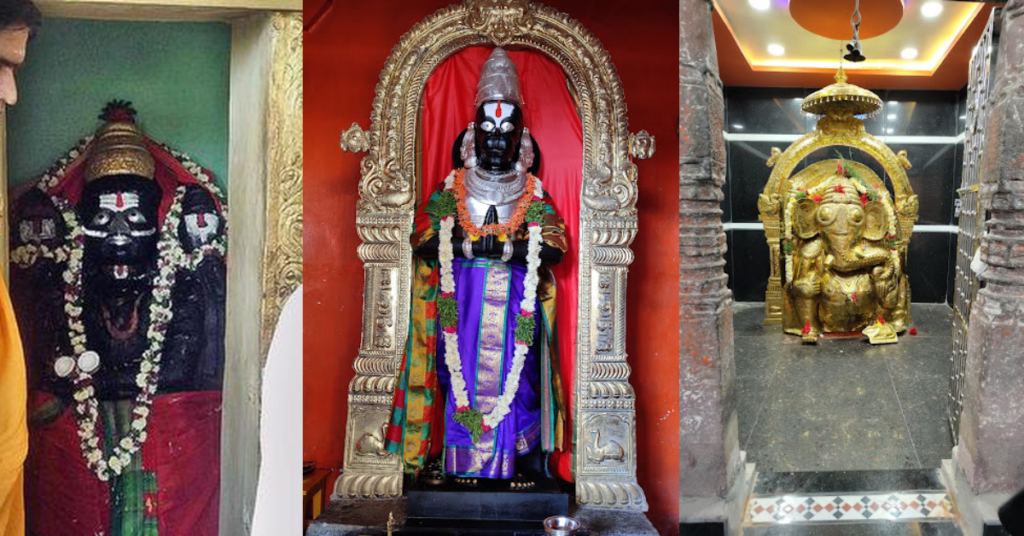
The temple houses three distinct forms of Lord Narasimha, each representing a different aspect of the deity’s divine nature:

  1. Seated Narasimha: This form of Lord Narasimha is depicted in a natural seated posture. It symbolizes calm and composed divinity, reflecting the serene and benevolent aspect of the deity.
  2. Ugra Narasimha: The second form is the fierce Ugra Narasimha, representing the deity’s wrathful aspect when he vanquished the demon Hiranyakashipu. This form is characterized by its intense expression and dynamic posture, emphasizing the deity’s role as a protector against evil forces.
  3. Saumya Narasimha: The third form is the peaceful Saumya avatar, akin to the form of Lord Balaji at Tirupati. This representation embodies the gentle and compassionate nature of Lord Narasimha, offering solace and blessings to devotees.

Additional Shrines

In addition to the central Narasimha deities, the temple complex features several other important shrines

 other important shrines
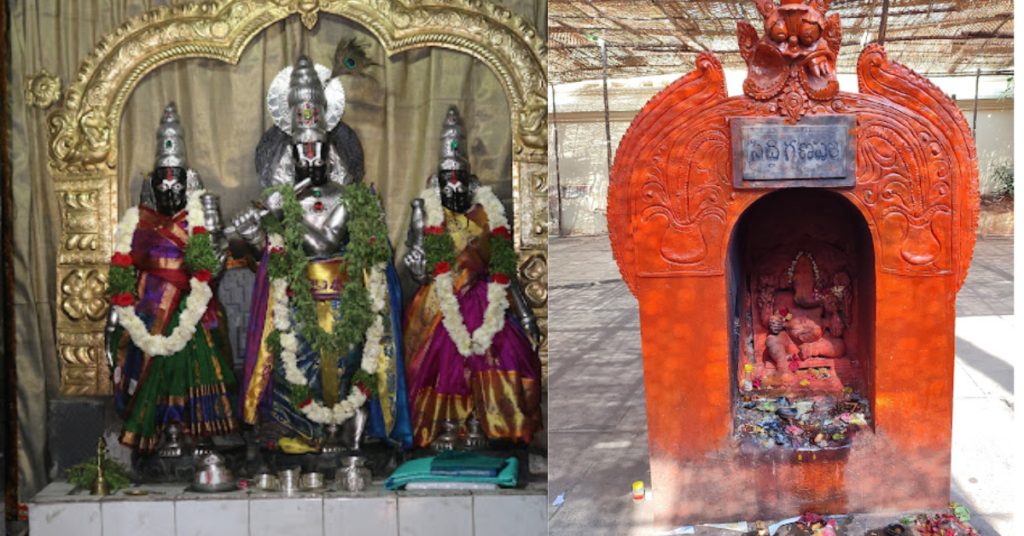
  • Sri Venugopal Shrine: A small temple dedicated to Sri Venugopal, where Lord Krishna is worshipped along with his consorts, Rukmini and Satyabhama. This shrine highlights the temple’s connection to various aspects of Vishnu’s incarnations and his divine consorts.
  • The idol of Yama Dharmaraja: At the entrance of the temple stands a significant idol of Yama Dharmaraja, the lord of Dharma and justice. Devotees traditionally offer their first prayers to Yama Dharmaraja upon entering the temple, seeking his blessings for righteousness and guidance.
  • Lord Aanjaney Swamy: The temple also honors Lord Aanjaney Swamy (Hanuman), regarded as the Kshetra Swamy or guardian deity of the region. Devotees often pray to him for strength, protection, and devotion.
other important gods

Also Read: A powerful god of Kaleshwaram: Muktheshwara Swamy


Rituals and Practices

The Dharmapuri Lakshmi Narasimha Swamy Temple follows a set of unique rituals and practices:

  • Offering Prayers to Yama Dharmaraja: Upon arriving at the temple, devotees first offer their prayers to Yama Dharmaraja, acknowledging his role as the guardian of Dharma. This practice underscores the importance of justice and moral integrity in the temple’s spiritual ethos.
  • Worship of Lord Aanjaney Swamy: After paying respects to Yama Dharmaraja, devotees turn to Lord Aanjaney Swamy. This act symbolizes seeking strength and devotion, with Hanuman being revered as a symbol of unwavering faith and dedication.
  • Main Worship and Offerings: Devotees then proceed to worship the various forms of Lord Narasimha. Each form has its own set of rituals, including special offerings and prayers. The Ugra Narasimha form, for instance, is often the focus of intense devotional practices aimed at overcoming difficulties and seeking protection.

Festivals and Celebrations at Dharmapuri temple

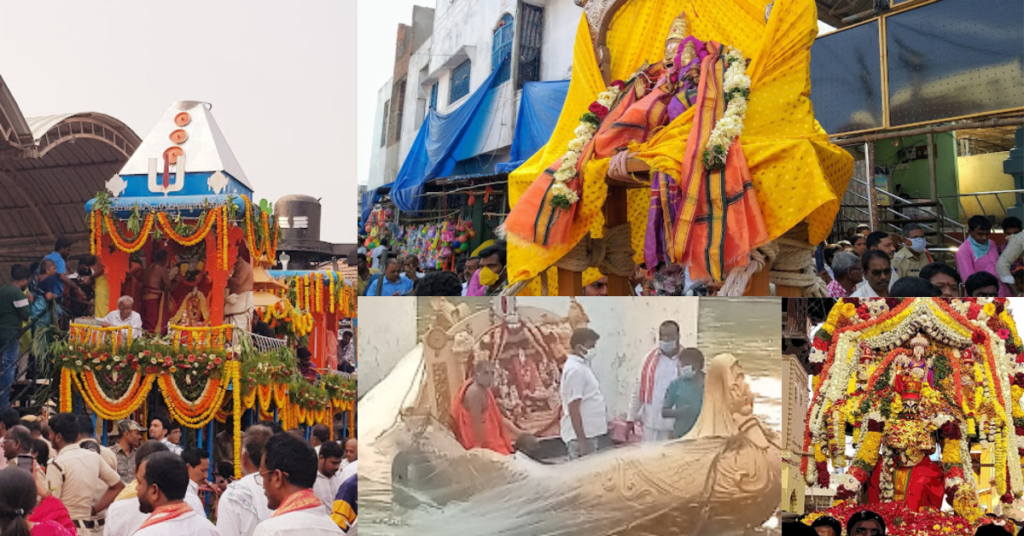
festivals at temple

Brahmotsavam:

The Brahmotsavam is the grand annual festival of the Dharmapuri Lakshmi Narasimha Swamy Temple, typically celebrated in MarchApril. This festival spans several days and involves a series of rituals, processions, and cultural events. Devotees from various regions flock to the temple to participate in the celebrations, which include:

Narasimha Jayanti

Narasimha Jayanti, the celebration of Lord Narasimha’s appearance, is another significant festival held in the temple. This festival occurs on the fourth day of the bright half of the month of Vaishakha (April-May).

Connection with the Godavari River

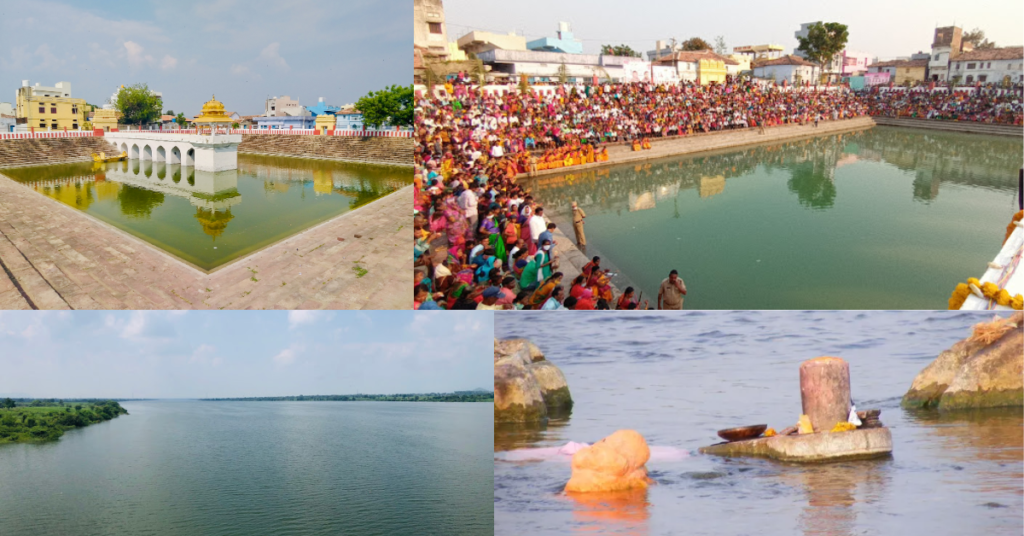
Godavari River and temple pushkarini

The Dharmapuri Lakshmi Narasimha Swamy Temple’s location on the banks of the Godavari River adds to its sacred significance. The river is one of the holiest in India, and its proximity to the temple enhances its spiritual importance. Devotees often take a ritual bath in the river before entering the temple, believing it purifies them and prepares them for worship.

Temple Timings

The Dharmapuri Lakshmi Narasimha Swamy Temple is open to devotees throughout the week. The daily schedule typically includes:

  • Morning Puja: 6:00 AM – 8:00 AM
  • Afternoon Puja: 12:00 PM – 1:00 PM
  • Evening Puja: 6:00 PM – 8:00 PM

The temple is closed for a short period between the afternoon and evening pujas. Special timings may apply during festivals and significant religious events.

How to Reach the Temple

By Road

Dharmapuri is well-connected by road, with regular bus services and private vehicles available from major cities like Hyderabad, Jagtial, and Karimnagar. The journey offers scenic views of the Telangana countryside and the Godavari River.

  • 230 Km from Hyderabad
  • 70 Km from Karimnagar
  • 30 Km from Jagityal

By Train

The nearest railway station to Dharmapuri is at Jagtial, approximately 28 kilometers away. From the railway station, one can take a taxi or local transport to reach the temple.

  • Mancheryal Railway Station 40 Km
  • Nizamabad Railway Station 130 Km
  • Warangal Railway Station 150 Km

By Air

The nearest airport is Rajiv Gandhi International Airport in Hyderabad, around 225 kilometers from Dharmapuri. From the airport, one can travel by road to reach the temple.

Conclusion

The Dharmapuri Lakshmi Narasimha Swamy Temple is a timeless beacon of devotion, history, and cultural heritage. Its rich historical background, architectural splendor, and spiritual significance make it a cherished destination for pilgrims and history enthusiasts alike. The temple’s vibrant festivals, unique rituals, and the divine presence of its deities continue to inspire and uplift those who seek solace and blessings. A visit to this sacred shrine is not merely a spiritual journey but an immersion into the depths of South Indian cultural and religious traditions.

Frequently Asked Questions(FAQs)

1Q: What is the Dharmapuri Lakshmi Narasimha Swamy Temple?

A: It is an ancient South Indian temple dedicated to Lord Narasimha, located in Dharmapuri, Telangana.

2Q: What is the historical significance of Dharmapuri?

A: Dharmapuri has deep historical roots, mentioned in ancient scriptures and inscriptions, and was significant during the Buddhist, Jain, and Hindu eras.

3Q: What are the main deities worshipped at Dharmapuri Temple?

A: The temple worships three forms of Lord Narasimha: Seated Narasimha, Ugra Narasimha, and Saumya Narasimha.

4Q: What is the significance of the Yama Dharmaraja idol at the temple?

A: Devotees offer their first prayers to Yama Dharmaraja, the lord of Dharma, upon entering the temple.

5Q: What is the significance of Narasimha Jayanti at the temple?

A: Narasimha Jayanti, celebrated in April-May, marks the appearance of Lord Narasimha and is a significant festival at the temple.

6Q: How can one reach the Dharmapuri Lakshmi Narasimha Swamy Temple?

A: The temple is accessible by road, train, and air, with the nearest major city being Hyderabad, approximately 230 kilometers away.


Karimnagar Deer Park: With Ultimate Details and Guide

0

Introduction:

Deer Park in Karimnagar is a serene and picturesque destination nestled in the heart of the city, offering a peaceful retreat from the hustle and bustle of daily life. Surrounded by lush greenery and filled with the soothing sounds of nature, the park provides an ideal setting for relaxation, wildlife observation, and family outings. Whether you’re a nature enthusiast, a fitness lover, or a family looking for a fun day out, Deer Park has something for everyone.

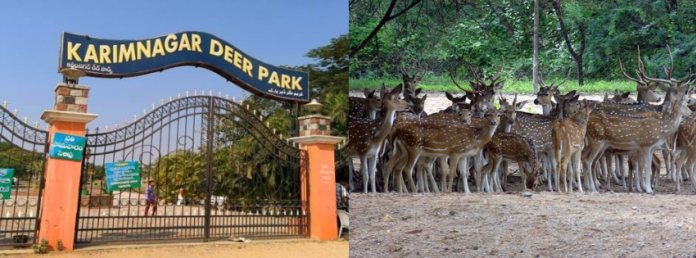
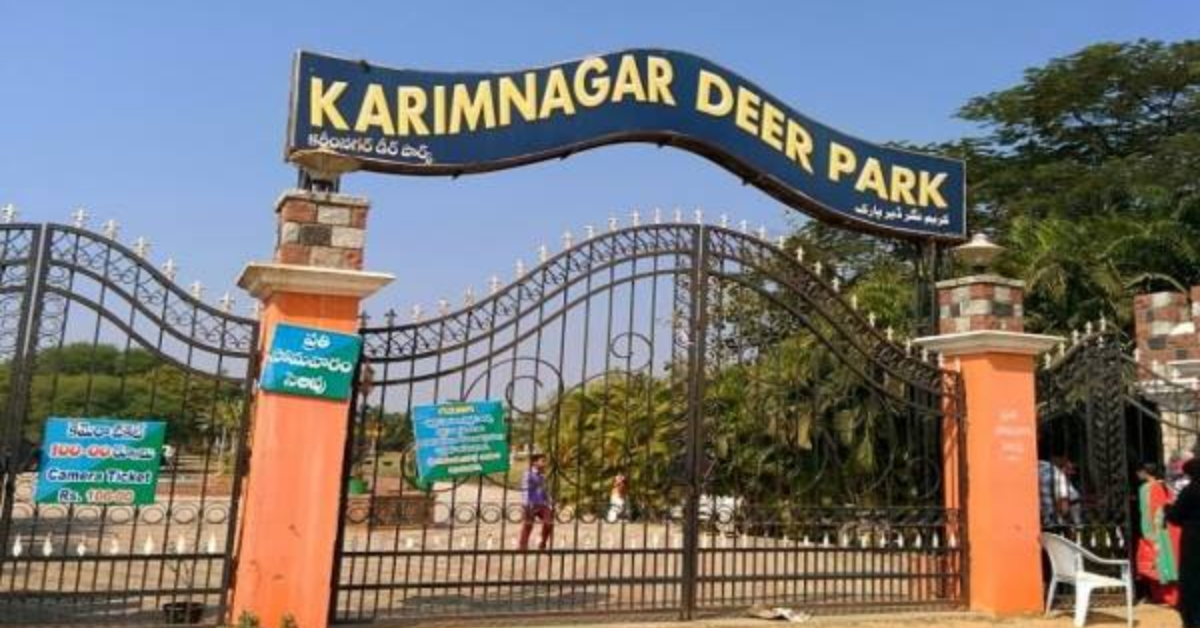
Deer Park in Karimnagar

Key Features of Deer Park

1. Deer Enclosure: A Wildlife Sanctuary in the City

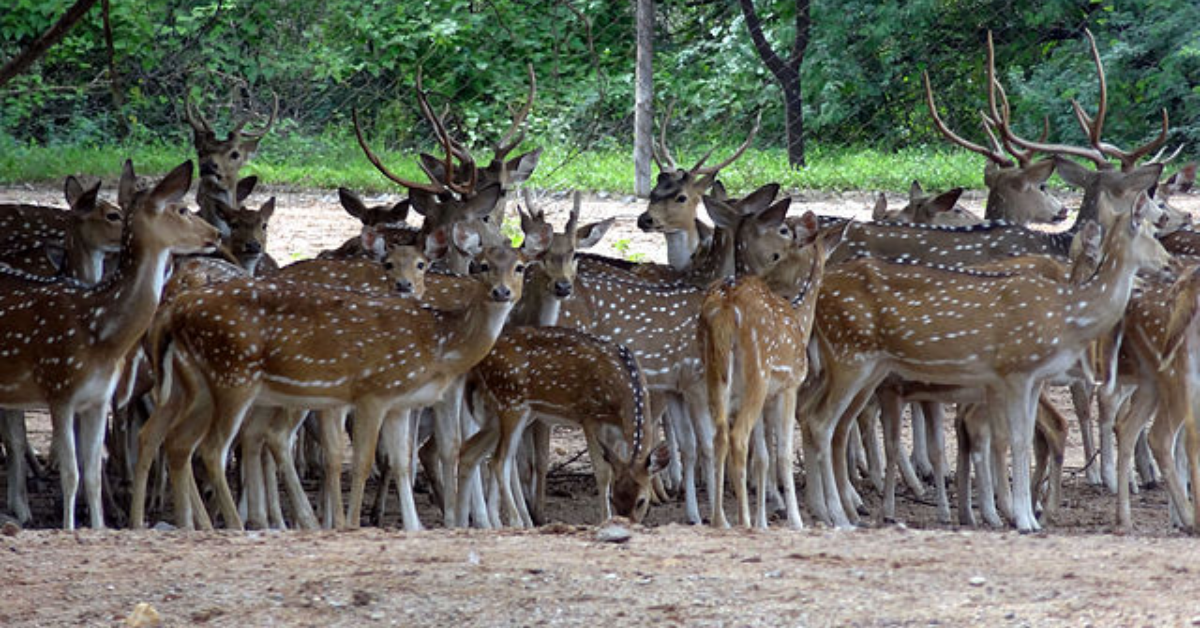
The park’s main attraction is its deer enclosure, where a variety of deer species, including spotted deer (chital), blackbuck, and sambar deer, roam freely in a naturalistic habitat. Visitors can observe these graceful creatures up close, gaining insight into their behavior and characteristics. Informative signboards around the enclosure provide details about each species, making it an educational experience for both children and adults.

2. Walking Trails: Pathways Through Nature

Deer Park features well-maintained walking trails that meander through the verdant landscape. These trails are perfect for strolls, jogging, or cycling, offering scenic views of the park’s natural beauty. The paths are lined with tall trees and blooming plants, providing shade and a refreshing environment for visitors. Along the way, you may spot birds, butterflies, and other small wildlife, making each walk a delightful experience.


Also read: The Story Behind Lower Manair Dam A Historical Perspective


3. Children’s Play Area: Fun for the Little Ones

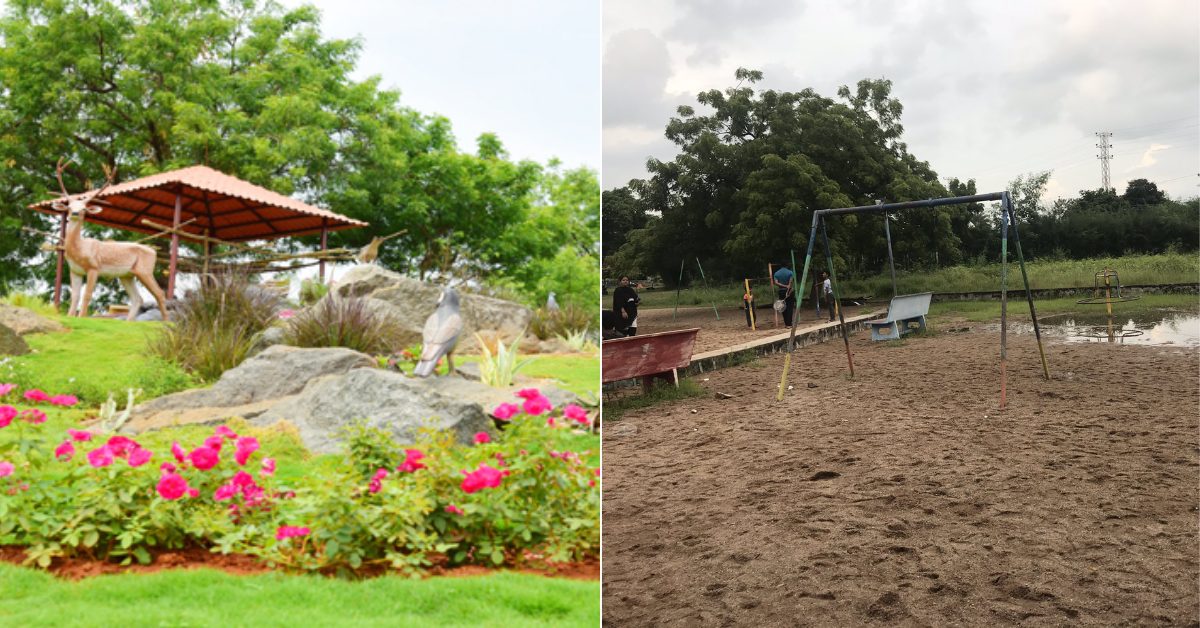
The park includes a dedicated children’s play area equipped with swings, slides, seesaws, and other fun activities. This area is a favorite among young visitors, providing them with a safe and engaging space to play while parents relax nearby. The playground is designed to encourage physical activity and social interaction, ensuring that children have a memorable visit.

Deer Park in Karimnagar
children's play area

4. Botanical Garden: A Feast for the Senses

Deer Park also boasts a small but vibrant botanical garden, featuring a variety of plants, flowers, and shrubs. The garden adds a splash of color to the park and is a favorite spot for those who enjoy botany or simply appreciate nature’s beauty. The carefully curated plant collections include native species as well as ornamental plants, creating a fragrant and visually pleasing environment.

5. Picnic Spots: Dining in Nature

For families and groups, the park offers designated picnic spots where visitors can enjoy a meal surrounded by the tranquility of nature. These areas are equipped with benches and tables, making them ideal for casual outdoor dining. The lush surroundings and abundant wildlife provide a one-of-a-kind picnic setting, making it an ideal spot for bonding with loved ones.

Activities to Enjoy at Deer Park, Karimnagar

Wildlife Observation: Spend time watching the deer and other animals in the park, learning about their natural behavior and habitats.

Nature Walks: Explore the park’s scenic walking trails, taking in the fresh air and beautiful views. These walks are great for exercise or simply enjoying a quiet moment in nature.

Picnicking: Bring along a picnic basket and enjoy a meal in one of the park’s designated picnic areas. It’s a perfect way to spend quality time with family and friends.

Photography: With its diverse wildlife, vibrant botanical garden, and scenic landscapes, Deer Park is a haven for photographers. Capture stunning images of the deer, the plant life, and the serene environment.

Deer Park in Karimnagar
deers in park

Also read: A Complete Pilgrim’s Guide to Kondagattu Sri Anjaneya Swamy Devasthanam


Relaxation: Whether you’re reading a book, meditating, or just sitting quietly, the park’s peaceful atmosphere makes it an ideal place to unwind and de-stress.

Visitor Information for Deer Park:

Karimnagar Deer Park Timings:

  • The park is typically open to the public from early morning until evening. However, visiting hours 10:00 Am – 06:00 PM every Monday closed 

Karimnagar Deer Park Entry Fees:

  • Adults: ₹40
  • Children: ₹20
  • Camera Fee: ₹300
  • Photoshoot Fee: ₹1,500

Near Attractions in Karimnagar:

Conclusion:

Deer Park in Karimnagar is a hidden gem that offers a refreshing escape from the urban environment. With its diverse wildlife, scenic walking trails, and family-friendly facilities, the park provides a perfect setting for a day of relaxation and enjoyment. Whether you’re observing the graceful deer, exploring the botanical garden, or simply unwinding in the peaceful surroundings, Deer Park promises a memorable experience for all ages. It is a must-visit destination for nature lovers, families, and anyone looking to reconnect with nature in the heart of the city.


Frequently Asked Questions(FAQs)

“click on Questions”

Q1. What are the entry fees for Deer Park in Karimnagar?

Answer: The entry fees for Deer Park in Karimnagar are ₹40 for adults and ₹20 for children.

Q2. What are the opening hours of Deer Park in Karimnagar?

Answer: Deer Park in Karimnagar is open from 10:00 AM to 6:00 PM daily, but it is closed on Mondays.

Q3. What wildlife can be seen at Deer Park, Karimnagar?

Answer: At Deer Park, Karimnagar, visitors can see various deer species, including spotted deer, blackbuck, and sambar deer.

Q4. Are there picnic spots available in Deer Park, Karimnagar?

Answer: Yes, Deer Park in Karimnagar offers designated picnic spots with benches and tables for visitors to enjoy outdoor dining.

Q5. Is there a children’s play area at Deer Park in Karimnagar?

Answer: Yes, Deer Park in Karimnagar features a children’s play area equipped with swings, slides, and seesaws.

Jagtial Fort: An Exclusive of Telangana’s Majestic History

0

Introduction:

The history of Telangana is a rich tapestry woven with threads of bravery, grandeur, and architectural brilliance. Among the many historical treasures of this region, the forts stand as enduring symbols of its opulent past. Each fort’s unique characteristics and historical significance contribute to the region’s glorious heritage. One such remarkable edifice is the Jagtial Fort, located in the town of Jagtial, in the Karimnagar district. This fort is often regarded as the shining jewel in Karimnagar’s tourism landscape, attracting history enthusiasts and travelers alike.

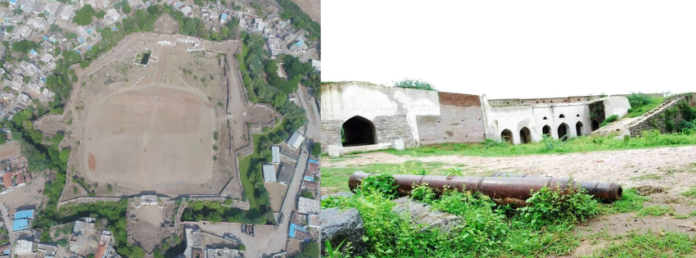
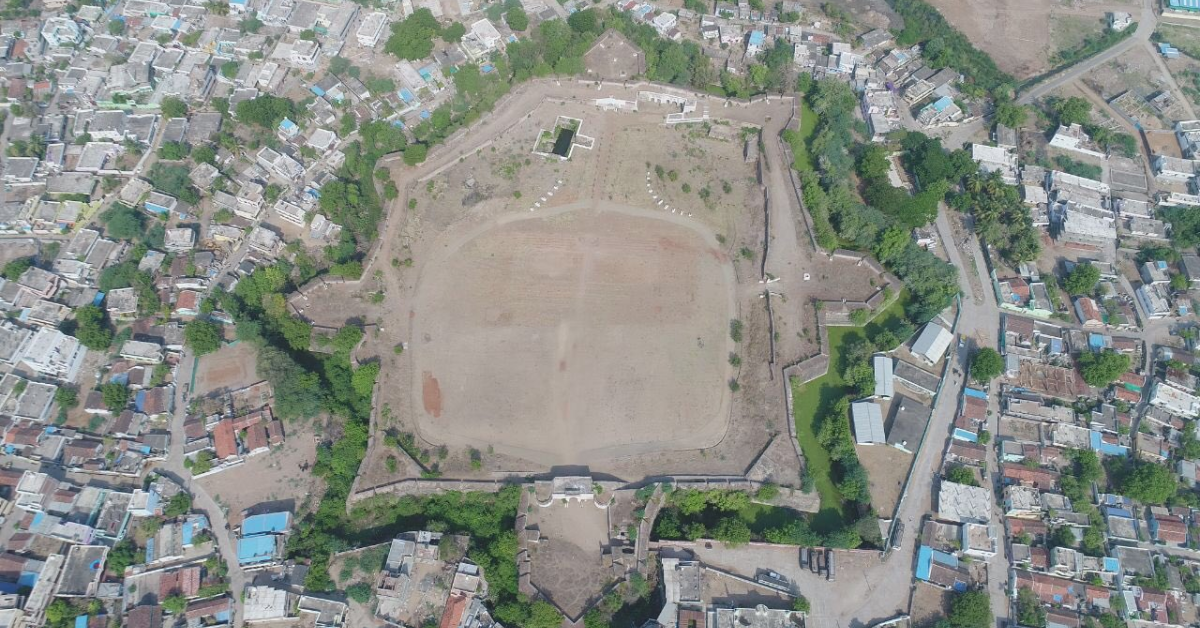
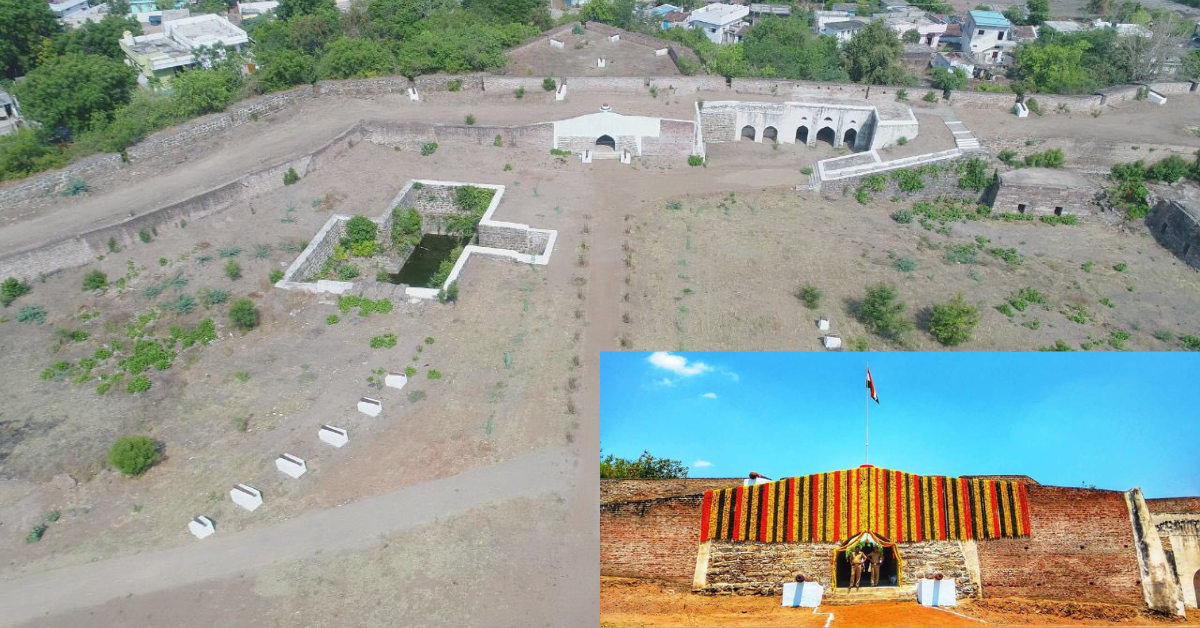
Jagtial Fort top view

A Glimpse into the Past: The Origins of Jagtial Fort

The construction of the Jagtial Fort dates back to the 17th century, a period marked by architectural innovation and military strategy. The fort was conceptualized and built by two European engineers, Tal and Jack, whose expertise and vision were instrumental in creating this unique star-shaped fortress. The fort’s very name, “Jagtial,” is believed to be a fusion of the engineers‘ names, with “Jag” derived from Jack and “Tial” from Tal. This blend of European engineering with local architectural styles makes Jagtial Fort a standout structure, reflecting the influence of foreign builders in the region’s history.


Also read: Warangal Fort: An Exclusive Historical Treasure of Telangana


Architectural Marvel: The Star-Shaped Fortress

Jagtial Fort is an architectural marvel, known for its distinctive star-shaped design. The fort is strategically surrounded by a moat, which once served as a formidable defense mechanism, making it difficult for enemies to breach the fort’s walls. The design is reminiscent of European castles, with its star-shaped layout intended to provide better defense and surveillance. Despite the passage of time and the fort’s current state of partial ruin, its unique design continues to captivate visitors.

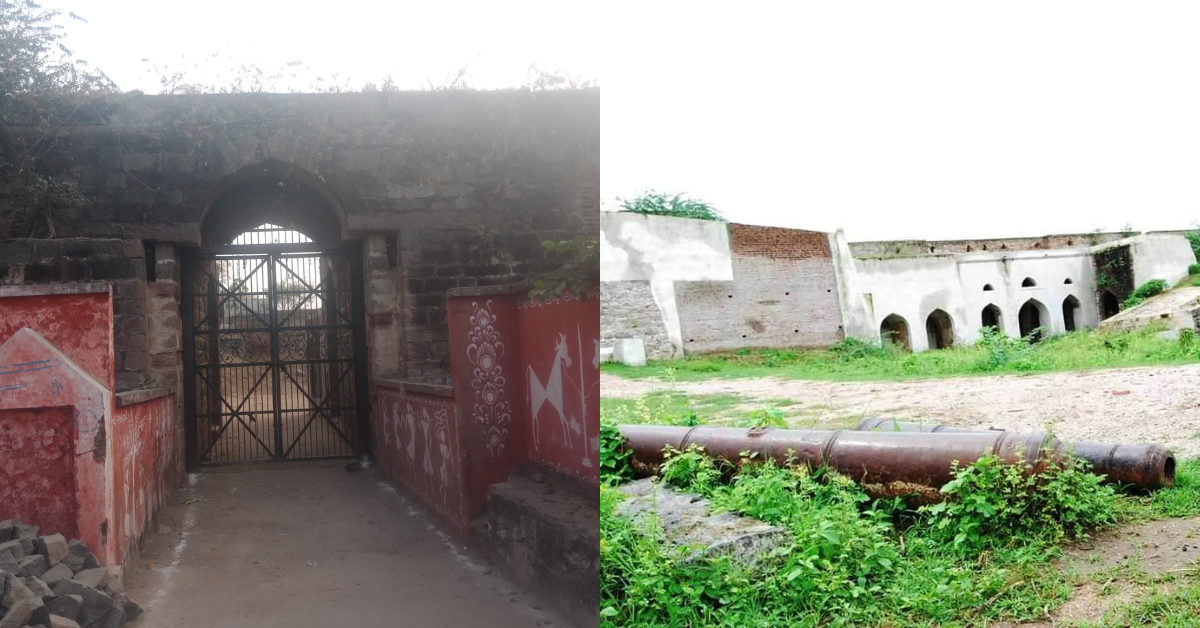
Jagtial Fort gate
and inside of the gate

Also read: Exploring Khammam Fort a Timeless Treasure of Telangana


The fort’s construction primarily utilized lime and stone, materials that were commonly used in the region during that era. The entrance to the fort was once guarded by a massive wooden gate, which, unfortunately, has not survived the ravages of time. However, remnants of the fort’s defensive mechanisms, including large cannons, still dot the premises, offering a glimpse into the fort’s glorious past.
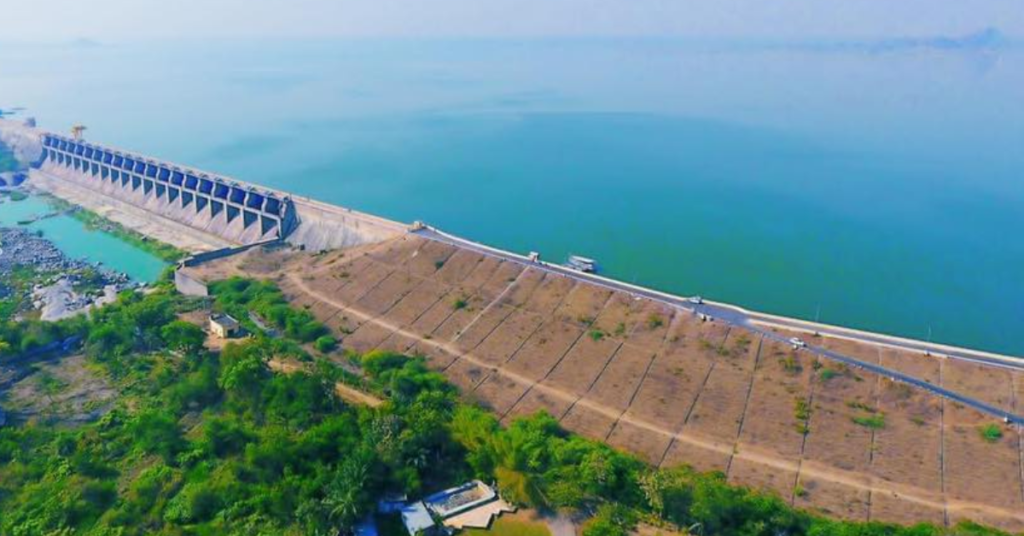
The Fort Today: A Ruin with Stories to Tell

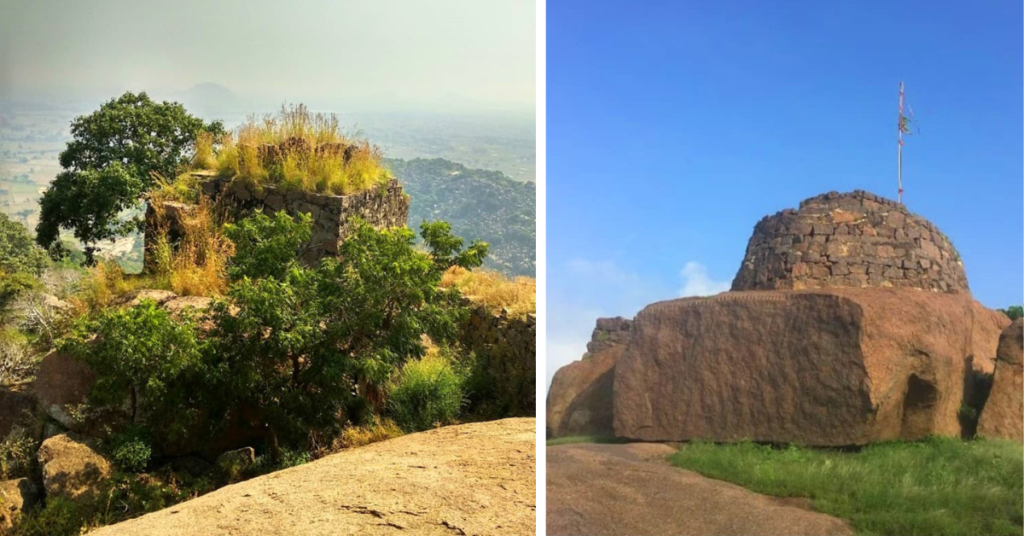
Although much of Jagtial Fort now lies in ruins, its historical significance and architectural uniqueness make it an essential stop for those exploring the heritage of Telangana. The fort’s remains tell stories of a bygone era, where engineering brilliance met with the demands of defense, creating a structure that was both functional and aesthetically pleasing.

The fort’s strategic location and its design reflect the military thinking of the time, with a focus on defense and the ability to withstand sieges. The moat, now largely dry, once added a layer of security, making it nearly impossible for invaders to approach the fort without being detected.

Visitor Information: Timings and Tips

For those planning to visit Jagtial Fort, the site is open to visitors every day of the week. The fort can be explored between 08:30 AM and 05:00 PM. It is advisable to visit during the cooler parts of the day, especially in the morning, to fully appreciate the fort’s architectural features without the discomfort of the midday heat.


Also read: Udayagiri Fort, Nellore: A Historical and exclusive Architectural Marvel


Jagtial Fort
and flag

Preserving a Legacy of Jagtial Fort

Efforts to preserve Jagtial Fort are crucial to maintaining its historical integrity. While much of the fort is in ruins, initiatives to protect and restore parts of the structure can help future generations connect with this remarkable piece of Telangana’s history.

In conclusion, Jagtial Fort is more than just a historical site; it is a symbol of the region’s rich past and its enduring legacy. A visit to this fort is not just a journey through time but also an opportunity to witness the confluence of European and Indian architectural traditions. Despite its current state, Jagtial Fort remains a testament to the grandeur of Telangana’s history, continuing to inspire awe and admiration in all who visit.

Near Attractions in Karimnagar:

“We’d love to hear from you! Whether you have a question, feedback, or a travel story to share, feel free to get in touch with us. Here’s how you can contact us:”

Conclusion:

Jagtial Fort is a testament to Telangana’s rich cultural and architectural heritage. Its star-shaped design, European influences, and historical significance make it a unique landmark that continues to draw the interest of history enthusiasts and travelers alike. Although time has taken its toll on the fort, its ruins still evoke a sense of wonder, offering a glimpse into the grandeur of the past. Visiting Jagtial Fort is not just an exploration of history but a journey into the heart of Telangana’s illustrious legacy. Whether you’re a history buff or a curious traveler, this fort promises an educational and inspiring experience, making it a must-visit destination in the Karimnagar district.
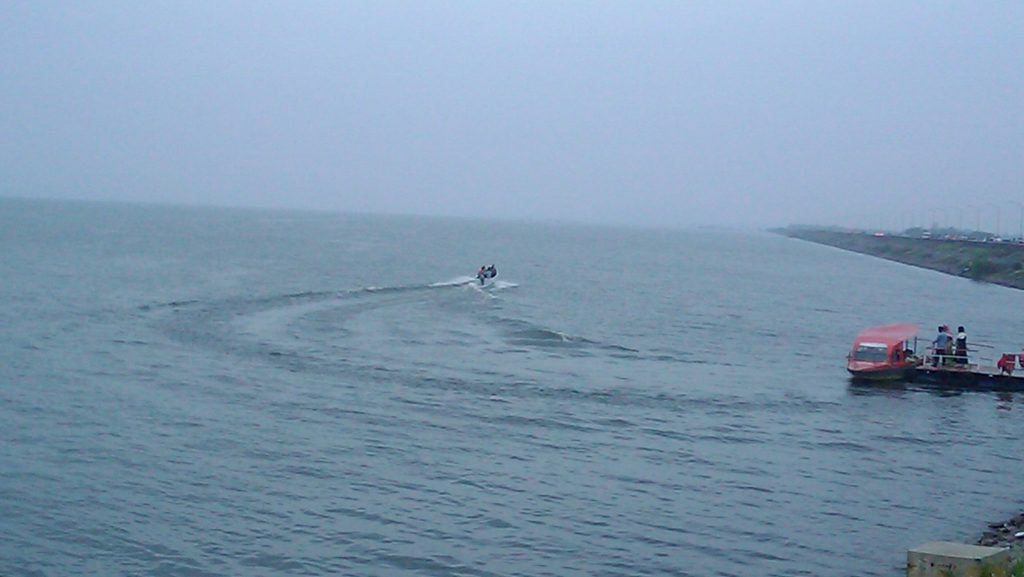

Frequently Asked Questions(FAQs)

Q1. What is the best time to visit Jagtial Fort?

Answer: The best time to visit is in the morning between 08:30 AM and 11:00 AM to avoid the midday heat.

Q2. How old is Jagtial Fort?

Answer: Jagtial Fort was built in the 17th century.

Q3. What is the unique architectural feature of Jagtial Fort?

Answer: The fort is known for its star-shaped design and European architectural influence.

Q4. Is there an entrance fee to visit Jagtial Fort?

Answer: The article does not specify an entrance fee, so it is likely free to visit.

Q5. Are there any nearby attractions to visit along with Jagtial Fort?

Answer: Yes, nearby attractions include Vemulawada Raja Rajeshwara Temple, Nagunur Fort and Temples, Ujwala Park, and Deer Park in Karimnagar.

Exclusive Sri Lakshmi Narasimha Swamy Temple in Dharmapuri

0

History

The Sri Lakshmi Narasimha Swamy Temple, dating back to 850-928 BC, is one of the nine Narasimha Khetrams in India. The temple was once converted into a mosque by Mughal invaders but was rebuilt in 1448. It is also referred to as Kottha Narasimha Swamy Temple.

Sri Lakshmi Narasimha Swamy Temple
Dharmapuri

Also visit: A powerful god of Kaleshwaram: Muktheshwara Swamy


Deity:

The presiding deity, Lord Narasimha, is depicted in a rare yogic posture (Pad Asana) with Goddess Lakshmi. This unique form attracts many devotees.

Special Features:

  • Idols: The temple houses several important idols, including eight of Hanuman, a six-foot-tall idol of Lord Brahma, and idols of Lord Krishna, Lord Yama, and Lord Balarama.
  • Legend: River Bhadra, once a woman longing for Lord Vishnu, merges with the Godavari near the temple, fulfilling her desire.

Festivals:

The Brahmotsavam Jathara is a major annual festival featuring a grand procession of the deity, known as Utsav Vigraha.

Entry Fee:

There is no entry fee. Devotees may choose to pay for special prayers and ceremonies. Contributions can be made through the Annadanam and Shashwatha Nidhi schemes.

How to Reach:

  • By Bus: Regular services from Hyderabad, Karimnagar, Jagtial, Vemulawada, Mancherial, as well as interstate buses from Nagpur, Mumbai, Bhivandi, and Nanded.
  • By Train: Mancherial Railway Station is the nearest.

Distances:

  • Hyderabad: 250 km
  • Karimnagar: 70 km
  • Basara Saraswathi Temple: 170 km
  • Mancherial: 42 km
  • Peddapalli: 60 km

Timings:

  • Morning: 5:00 am to 1:00 pm
  • Evening: 4:00 pm to 8:00 pm

Location:

Dharmapuri town, Karimnagar district, Telangana, on the southern banks of the River Godavari. Known as “Dakshina Kasi” or the Banaras of southern India due to its numerous temples.

Accommodation:

There are guest houses and budget hotels available near the temple for a comfortable stay.

FAQS

Q1) Where is the Dharmapuri Sri Lakshmi Narasimha Swamy Temple located?

ANS) The temple is located in Dharmapuri town, Karimnagar district, Telangana, on the southern banks of the River Godavari.

Q2) What makes the deity at this temple special?

ANS) The temple features Lord Narasimha in a rare yogic posture known as Pad Asana, seated with Goddess Lakshmi by his side. This unique representation is a significant attraction for devotees.

Q3) What are the temple’s visiting hours?

ANS) The temple is open daily from 5:00 am to 1:00 pm in the morning and 4:00 pm to 8:00 pm in the evening.

Q4) Is there an entry fee to visit the temple?

ANS) There is no entry fee to visit the temple. However, there may be nominal charges for special prayers and ceremonies. Devotees can also contribute to the Annadanam and Shashwatha Nidhi schemes.

Q5) How can I reach the Dharmapuri Sri Lakshmi Narasimha Swamy Temple?

ANS) By Bus: Regular services are available from Hyderabad, Karimnagar, Jagtial, Vemulawada, and Mancherial. Interstate buses from Nagpur, Mumbai, Bhivandi, and Nanded also connect to Dharmapuri.
By Train: The nearest railway station is in Mancherial.

Molangur Fort: Exclusive Kakatiya & Mughal History of Karimnagar

0

Molangur Fort, a Kakatiya stronghold, is situated in Molangur village, 13 km from Huzurabad in Telangana’s Karimnagar district. This ancient fort boasts a rich history, first serving as a formidable defense for the Kakatiyas and later undergoing changes under Mughal rule.

Historical Significance

The Mughals renamed the village Molangur after their invasion, changing its original name from Mudugar. The fort, built under Chief Officer Voragiri Miggaraju during Kakatiya ruler Prataprudra’s reign, showcased the Kakatiyas’ immense power. Strategically located in Kesavapatnam Mandal, the fort’s position made it nearly impenetrable, serving as a strong defense against enemies.

Molangur Fort

Architectural Marvel

Though located between the famous Elgandal and Warangal Forts, Molangur Fort still attracts tourists and history enthusiasts alike. Visitors can explore the fort’s remnants, including garrisons, stables, and palaces, providing insights into the lives of its inhabitants. The Kakatiya dynasty’s decline led to the fort’s capture by Mughals, who built the Molangshavalai Dargah honoring Malang Shah Wali. Both Hindus and Muslims started visiting the dargah as a pilgrimage site, prompting the village to be renamed Mulangur in the saint’s honor.

Molangur For in Karimnagar

Also visit: A powerful god of Kaleshwaram: Muktheshwara Swamy


Temples and the Legendary Doodh Bawli

Within the fort’s premises are two ancient Shaiva temples—Shivalayam and Virbhadralayam—that are of significant religious and historical importance. Another intriguing feature is the Doodh Bawli, a well located at the foot of the hill on which the fort stands.The well, known for its milky-white water, offers medicinal properties, and visitors still use it for drinking and healing

Molangur Fort in Karimnagar, Telangana

Special Attractions

  • Doodh Bawli: This well at the base of the hill is a must-see for visitors, housing some relics of the fort and offering water reputed for its healing qualities.
  • Temples: The Shaiva temples within the fort provide insights into the religious practices during the Kakatiya period.

Accommodation

For those planning to visit Molangur Fort, the best option is to stay in Karimnagar, where you’ll find a range of guest houses, lodges, and hotels offering modern amenities at affordable prices.

How to Reach Molangur Fort

  • By Road: Molangur is about 30 km from Karimnagar and can be easily reached by state-run buses from various nearby towns, including Huzurabad, Jammikunta, and Peddapally.
  • By Train: The nearest major railway station is Kazipet Junction, approximately 45 km from Molangur. Alternatively, you can access the Karimnagar Railway Station.

Fort Timings

The fort is open to visitors from 9:00 AM to 5:00 PM, every day of the week.

Distances to Molangur Fort

  • From Huzurabad: 13 km
  • From Jammukunta: 16 km
  • From Hyderabad: 182 km
  • From Warangal: 43 km
  • From Karimnagar: 30 km

Molangur Fort remains a fascinating destination for history buffs, researchers, and tourists alike, offering a unique glimpse into the grandeur of the Kakatiya dynasty and the subsequent Mughal influence.

FAQS

Q1) Where is Molangur Fort located?

ANS) Molangur Fort is situated in the village of Mulanguru, approximately 13 kilometers from Huzurabad in Karimnagar district, Telangana.

Q2) What is the historical significance of Molangur Fort?

ANS) Built during the Kakatiya dynasty to showcase their power, the fort later fell into Mughal hands. The Mughals added their architectural touch, including the Molangshavalai Dargah dedicated to the saint Malang Shah Wali.

Q3) What are the visiting hours for Molangur Fort?

ANS) The fort is open daily from 9:00 AM to 5:00 PM.

Q4) Where should I stay when visiting Molangur Fort?

ANS) Karimnagar is the best place to stay, with various guest houses, lodges, and hotels offering modern amenities at affordable prices.

Q5) Why did the village change its name to Mulangur?

ANS) The village was renamed Mulangur to honor the saint Malang Shah Wali, following the growing pilgrimage visits to the dargah built by the Mughals.

A powerful god of Kaleshwaram: Muktheshwara Swamy

0

Overview:

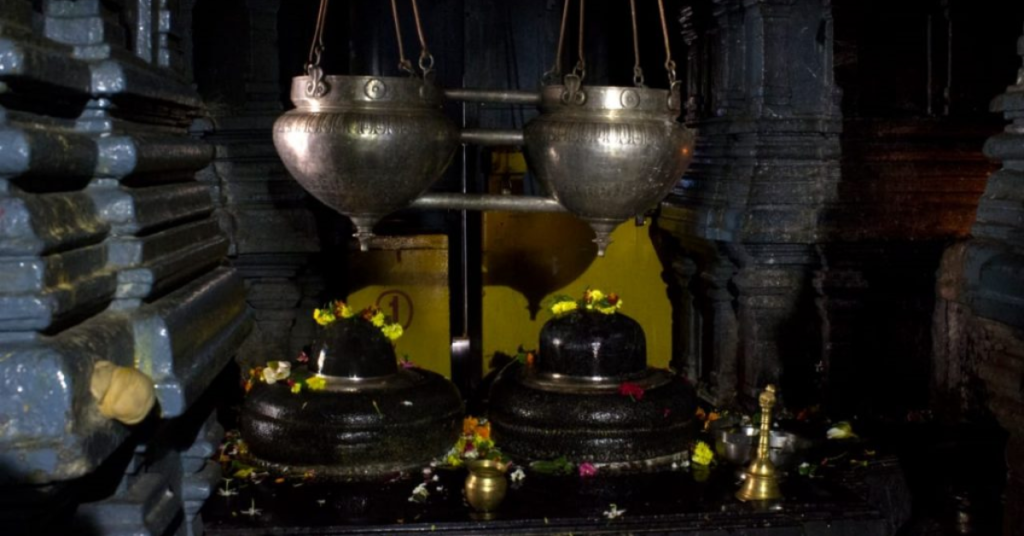
Kaleshwaram Muktheshwara Swamy Temple, located in the Bhupalpally district of Telangana, is a sacred and ancient site dedicated to Lord Shiva. This temple is renowned for its unique architectural feature: two Shiva Lingams residing on a single pedestal, known as the Panavattam. The temple’s name reflects the dual presence of Lord Shiva as Mukteshwara and Lord Yama as Kaleshwar

Kaleshwaram Muktheshwara swamy

Significance:

Kaleshwaram Muktheshwara Swamy Temple is one of three key Shiva temples that symbolize Trilinga Desham, representing the Telugu region. These three temples, revered as Jyotirlingas, mark the corners of the Telugu region, with the others in Draksharamam and Srisailam. This geographical and spiritual connection is a testament to the temple’s importance in the region’s cultural and religious landscape.

One of the temple’s most intriguing features is the Mukteshwara Linga’s hole that never fills with water, no matter how much is poured into it. Local legends suggest that this might be due to an underground passage connecting the temple to the River Godavari. Additionally, the temple features a unique fish idol, which has become a special attraction for visitors.

Kaleshwaram Muktheshwara swamy
Kaleshwaram

Timings:

  • Morning: 4:00 AM – 1:00 PM
  • Evening: 3:30 PM – 8:00 PM

How to Reach Kaleshwaram Muktheshwara Swamy Temple:

  • By Air: The nearest airport is in Hyderabad, approximately 265.2 km away from the temple.
  • By Train: The closest railway stations are Ramagundam (95 km), Karimnagar (121 km), and Warangal (115 km).
  • By Road: The temple is 277 km from Hyderabad and 125 km from Karimnagar, making it accessible by bus or car.

MUST VISIT PLACES IN WARANGAL

The Ultimate Guide to the Top 10 Temples Near Warangal

Address:

Kaleshwaram Muktheshwara Swamy Temple
Gudi Road, Kaleshwaram,
Bhupalpally District, Telangana, 505504.

For more information, visitors can refer to the official Telangana tourism website or other government resources for updates on temple timings and events.

FAQS

Q1) What is special about Kaleshwaram Muktheshwara Swamy Temple?

ANS) The temple is unique for its dual Shiva Lingams on a single pedestal, representing Lord Shiva (Mukteshwara) and Lord Yama (Kaleshwar). It is also one of the three Jyotirlingas in the Trilinga Desham.

Q2) What are the temple timings?

ANS) The temple is open from 4:00 AM to 1:00 PM and from 3:30 PM to 8:00 PM.

Q3) Is there any significance to the hole in the Mukteshwara Linga?

ANS) The hole in the Mukteshwara Linga never fills with water, likely due to an underground passage connecting the temple to the River Godavari.

Q4) What are some nearby attractions?

ANS) Nearby attractions include Dharmapuri Temple, Ramappa Temple, Laknavaram Lake, and Warangal Fort.

Q5) What is the best time to visit the temple?

ANS) The temple can be visited year-round, but the best time is during the winter months (October to February) when the weather is pleasant.

The Story Behind Lower Manair Dam A Historical Perspective

0
lower manair dam flow

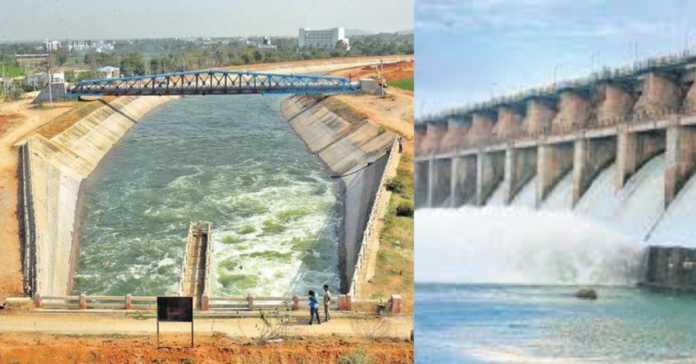
The Lower Manair Dam is an impressive infrastructure project situated on the Manair River, a tributary of the Godavari River. Located in the Karimnagar district of Telangana, India, this dam is crucial for regional irrigation, flood control, and drinking water supply.

over view of dam

History of Lower Manair Dam

The Lower Manair Dam began construction in 1974 and was finished in 1985. It was built across the Manair River, a tributary of the Godavari River, in the Alugunur village of Thimmapur mandal at the confluence with the Mohedamada River. The dam was primarily intended to regulate the flow of water below the Kakatiya Canal, ensuring a stable water supply for irrigation purposes. It also acts as a balancing reservoir for the Kakatiya Canal and provides irrigation to 400,000 acres of land. The LMD is known as the “water gateway into the district” and is often the first sight visitors see when entering Karimnagar.

Construction of Lower Manair Dam

The Manair Dam is built across the Manair River, near the village of Thimmapur in Karimnagar district. The primary objectives of the dam are to provide irrigation facilities to nearby agricultural lands, supply drinking water to the local population, and control floods.

Manair Dam Reservoir
  • Foundation and Structure: The dam is a composite structure featuring both earthen and concrete components. The foundation work involved extensive geological studies to ensure stability and durability. The dam’s construction required significant earthworks and the installation of robust spillways to manage excess water during monsoon seasons.
  • Dimensions: The dam has a height of approximately 26 meters (85 feet) and a length of about 1,300 meters (4,265 feet). Its reservoir, known as the Lower Manair Dam Reservoir, can hold a substantial volume of water, which is crucial for the dam’s intended purposes.
  • Key Features: The dam includes several key features such as:
    • Spillways: Designed to handle overflow and prevent dam failure during heavy rains.
    • Outlet Structures: These are used to release water for irrigation and flood management.
    • Hydrological Control: Advanced systems are in place to monitor and manage water levels.

Also Read: Vemulawada Raja Rajeshwara Temple: An Exclusive Journey Through History


Benefits of Dam

irrigation system of dam
  1. Irrigation: The Lower Manair provides water to thousands of hectares of agricultural land in the region. This has significantly boosted agricultural productivity and improved the livelihoods of local farmers.
  2. Drinking Water Supply: The dam plays a crucial role in supplying drinking water to urban and rural areas in the Karimnagar district.
  3. Flood Control: By regulating the flow of the Manair River, the dam helps mitigate the risk of floods, which can be devastating to nearby communities.
  4. Economic Impact: The availability of water has stimulated local economic activities, including agriculture and small-scale industries.

Challenges and Issues

Despite its benefits, the Lower Manair has faced several challenges:

  • Sedimentation: Over time, sedimentation can reduce the dam’s storage capacity, affecting its efficiency.
  • Maintenance: Regular maintenance is required to ensure the dam’s structural integrity and operational effectiveness.
  • Environmental Concerns: The dam’s construction and operation have raised environmental concerns, including the impact on local ecosystems and wildlife.

Also Read: A Complete Pilgrim’s Guide to Kondagattu Sri Anjaneya Swamy Devasthanam


Future Prospects

The future of the Dam involves ongoing efforts to enhance its efficiency and address any emerging issues. This includes regular maintenance, sediment management, and monitoring of environmental impacts. There is also potential for integrating advanced technologies to improve water management and resource utilization.

Other Attractions Near Lower Manair Dam

Manair river

1. Deer Park:

  • Location: Situated close to the Lower Manair Dam.
  • Description: The Deer Park is a serene spot, offering visitors a chance to observe deer and other local wildlife in a natural habitat. It’s a great place for a family outing, especially for children who enjoy watching animals.

2. Ujwala Park:

  • Location: Near the Lower Manair Dam.
  • Description: Ujwala Park is a well-maintained recreational area ideal for picnics and strolls. The park is adorned with lush greenery, walking paths, and children’s play areas, making it a popular spot for locals and tourists alike.

3. Kakatiya Karanam Sagar Reservoir:

  • Location: Close to the Lower Manair Dam.
  • Description: The Kakatiya Karanam Sagar Reservoir is another scenic water body in the vicinity, popular among visitors for its peaceful environment and beautiful landscapes. It’s a perfect place for those looking to enjoy nature and the tranquility of water bodies.

How to reach the Lower Manair Dam

  1. By Road: The dam is just 6 kilometers from Karimnagar town. You can take a taxi, auto-rickshaw, or drive by car.
  2. By Bus: Regular buses run from Karimnagar to nearby villages, with stops close to the dam.
  3. By Train: The nearest railway station is Karimnagar. From there, take a taxi or local transport to the dam.
  4. By Air: The closest airport is Rajiv Gandhi International Airport in Hyderabad, about 165 kilometers away. From there, you can hire a taxi or take a bus to Karimnagar, and then proceed to the dam.

Conclusion

The Lower Manair Dam stands as a testament to modern engineering and its role in managing water resources. Its contributions to irrigation, drinking water supply, and flood control underscore its importance to the Karimnagar district and the wider Telangana region. As it continues to serve its purposes, the dam also presents opportunities for further improvements and innovations in water management.

Frequently Asked Questions(FAQs)

1Q: What is the primary purpose of the Lower Manair Dam?

A: The Lower Manair Dam primarily serves irrigation, drinking water supply, and flood control.

2Q: When was the Lower Manair Dam constructed?

A: The construction of the Lower Manair Dam began in 1974 and was completed in 1985.

3Q: How high is the Lower Manair Dam?

A: The Lower Manair Dam has a height of approximately 26 meters (85 feet).

4Q: What challenges does the Lower Manair Dam face?

A: The dam faces challenges such as sedimentation, maintenance needs, and environmental concerns.

5Q: How much land does the Lower Manair Dam irrigate?

A: The dam provides irrigation to approximately 400,000 acres of land.

Home
About Us
Destination
Search