Monday, February 23, 2026
Home Blog Page 32

Thotlakonda Buddhist Complex: An Exclusive History One of Vizag

0

Introduction:

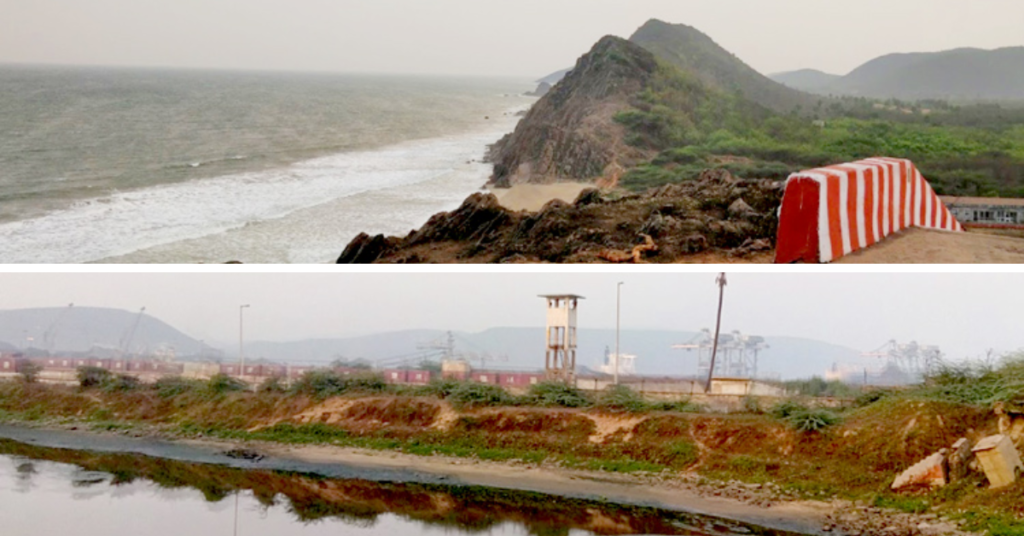
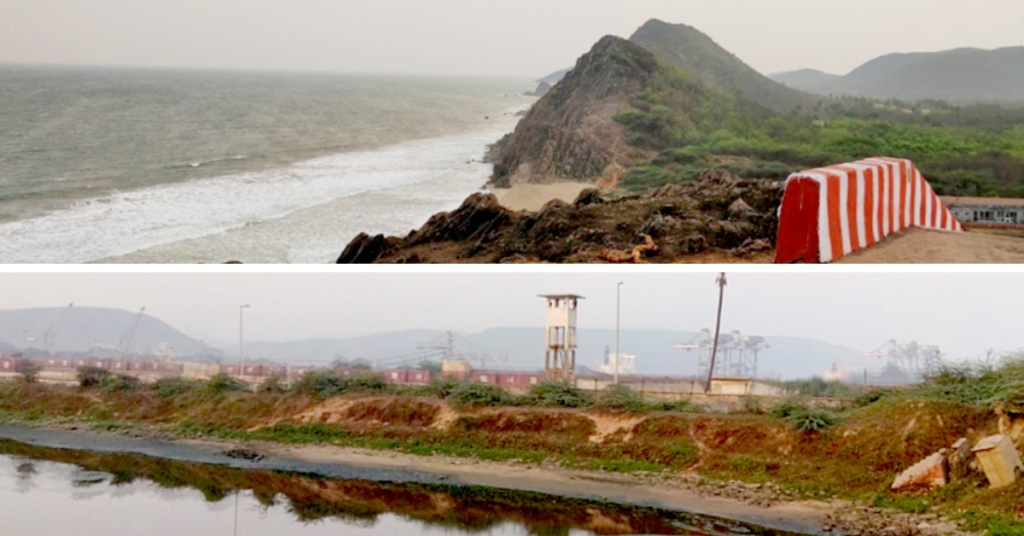
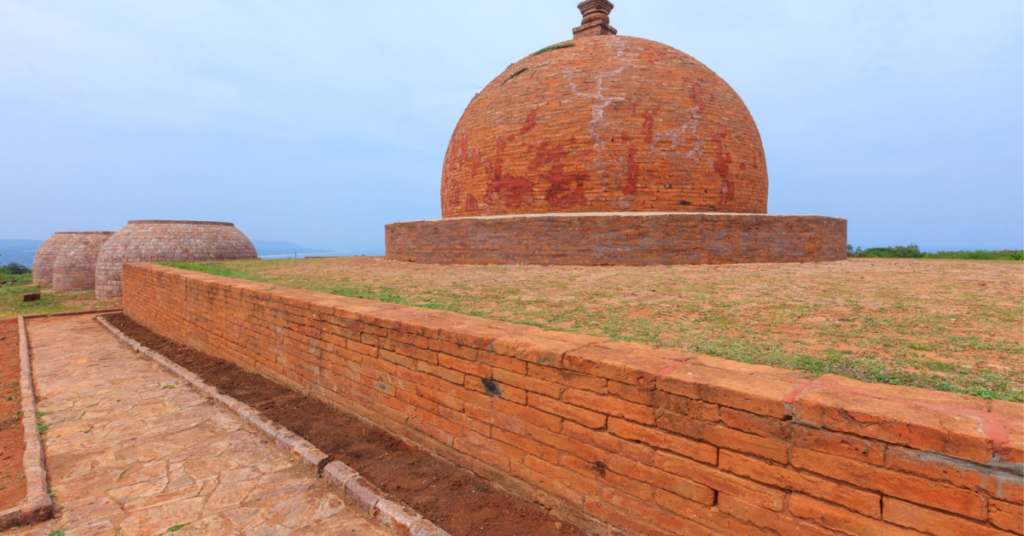
Perched on a hill near Bheemunipatnam, approximately 15 kilometers (9.3 miles) from Visakhapatnam in Andhra Pradesh, India, the Thotlakonda Buddhist Complex offers a fascinating window into ancient Buddhist history. The hill rises 128 meters (420 feet) above sea level and overlooks the serene coastline. Its name, derived from the Telugu word “Thotlakonda,” refers to the rock-cut cisterns carved into the bedrock of the hillock. Thotlakonda’s strategic location and historical significance make it a captivating destination for history enthusiasts and cultural explorers.

Thotla Konda

Historical Significance:

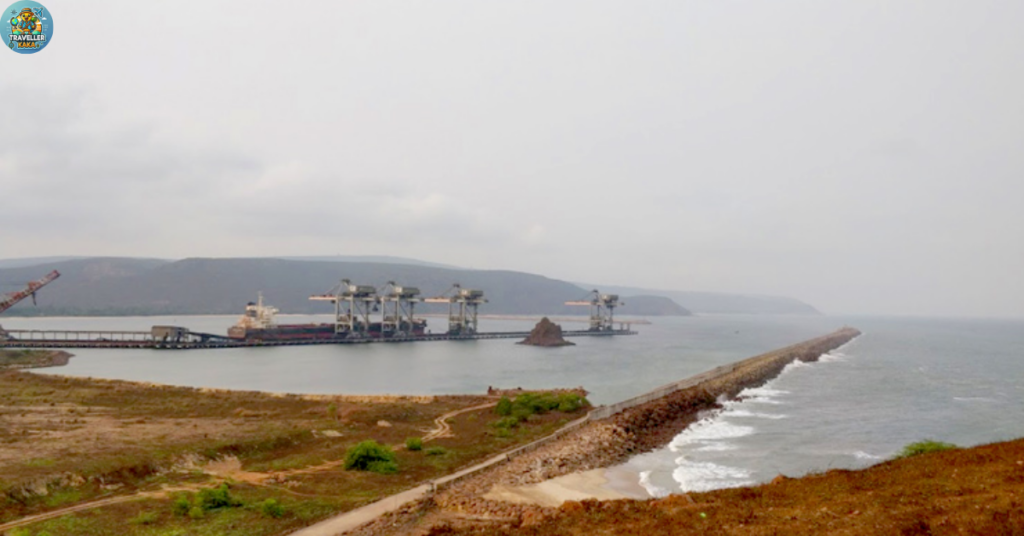
Thotlakonda was situated within the influence of ancient Kalinga, a region renowned for its role in spreading Buddhism to Sri Lanka and various parts of Southeast Asia. This hilltop site provided an ideal setting for Buddhist monks to establish a monastery, thanks to its salubrious climate and proximity to the sea. The haven provided by the sheltered coastline also made it a favorable spot for anchoring ships.

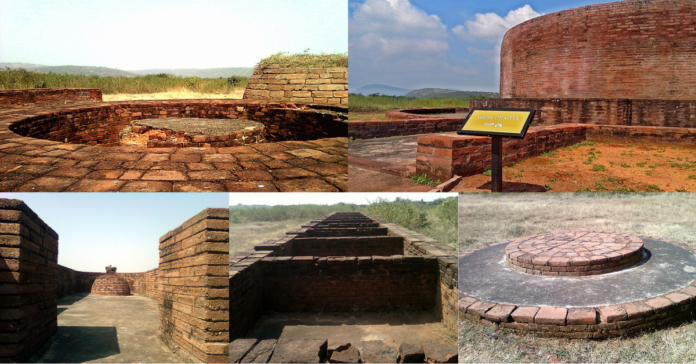
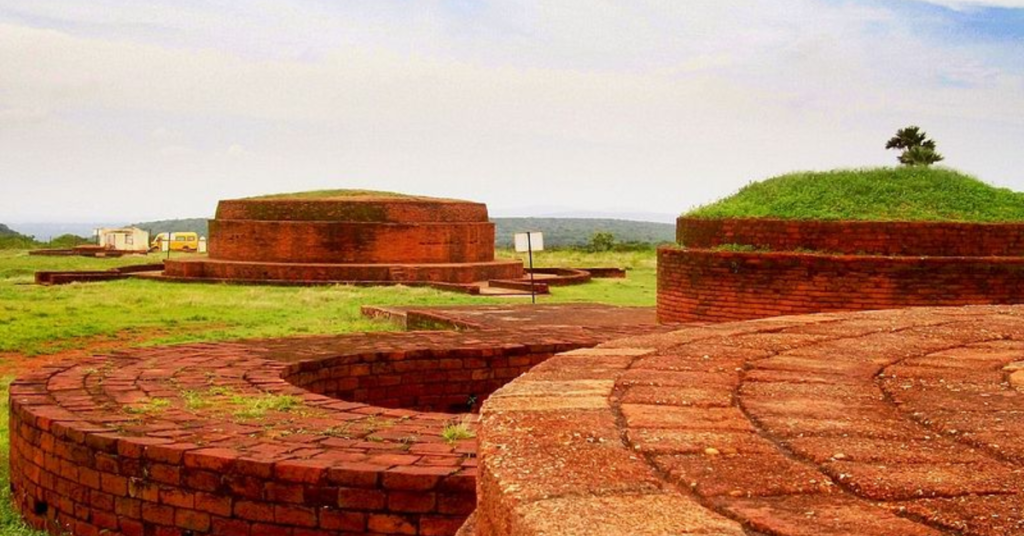
The complex came to light during an aerial survey by the Indian Navy in the late 1980s, as they were exploring locations for a potential naval base. Subsequent excavations conducted by the Andhra Pradesh State Archaeology Department from 1988 to 1993 revealed a Hinayana Buddhist complex that thrived around 2000 years ago. The excavations unearthed significant artifacts, including Satavahana dynasty lead and Roman silver coins, terracotta tiles, stucco decorative pieces, sculptured panels, miniature stupa models in stone, and Buddha footprints. Additionally, twelve inscriptions in the Brahmi script were discovered, shedding light on the site’s historical and cultural context.

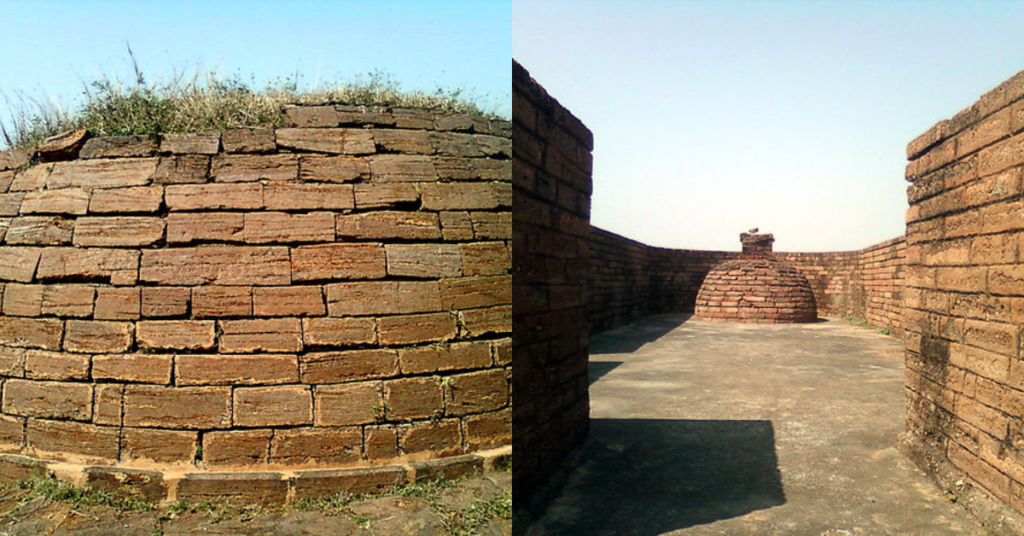
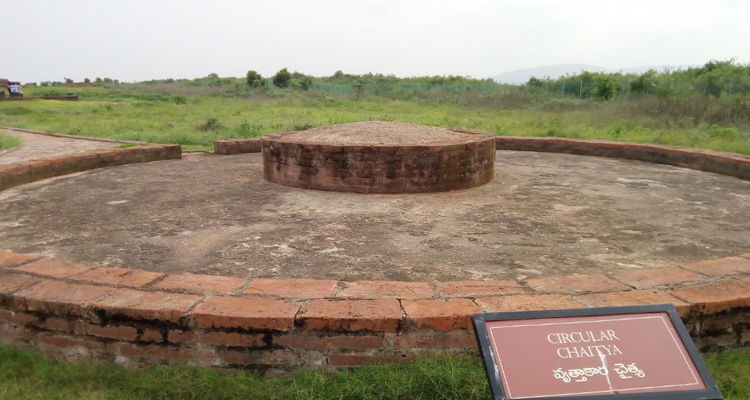
Thotlakonda Buddhist Complex image

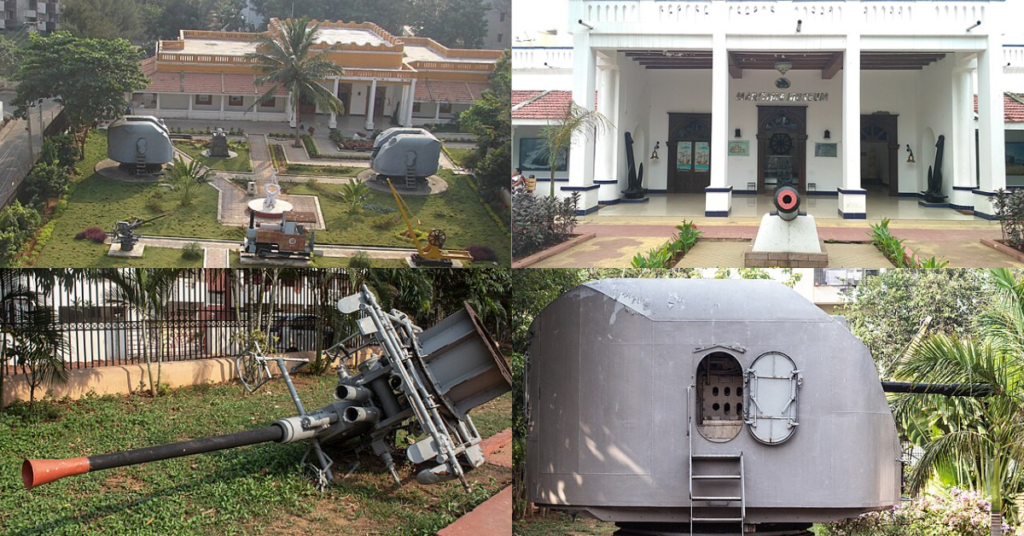
Also Know About: The Submarine Museum: An Ultimate Dive into Naval History


Architectural and Cultural Insights:

Thotlakonda’s peak activity spanned from the 2nd century BC to the 2nd century AD, a period marked by vigorous Roman trade and international religious missions. The site is associated with other ancient locations in Visakhapatnam, such as Bavikonda and Pavurallakonda. The complex featured lofty stupas adorned with light lime plaster, which were illuminated by rows of wick lamps at night, possibly serving as navigational landmarks for maritime travelers.

The monastery likely accommodated over 100 bhikkhus during its prime. The complex stored food, clothing, and medicines, serving as both a religious and academic center. The practice of Nikaya Buddhism was prevalent here, characterized by the worship of Gautama Buddha through symbols such as padukas, rather than human representations.

rock cuts and swiming pull of Thotlakonda Buddhist Complex

Also read: A Complete Guide to Kambalakonda Wildlife Sanctuary


Visiting Information of Thotlakonda:

For those interested in exploring this historical gem, here is some practical information:

Entry Fee:

  • Film shooting/TV Serials: ₹6000 + 18% GST
  • Pedestrian Entry: ₹5

Parking Fee:

  • Two-wheelers: ₹20
  • Cars: ₹30
  • Big Bus: ₹300
  • Mini Bus: ₹150
  • Adult and Child Walkers: ₹5

Nearby Attractions:

In addition to exploring Thotlakonda, visitors can enjoy several nearby attractions:

  • Ramakrishna Beach (RK Beach): A beautiful stretch of sand perfect for a relaxing stroll.
  • Borra Caves: Stunning limestone caves known for their impressive stalactites and stalagmites.
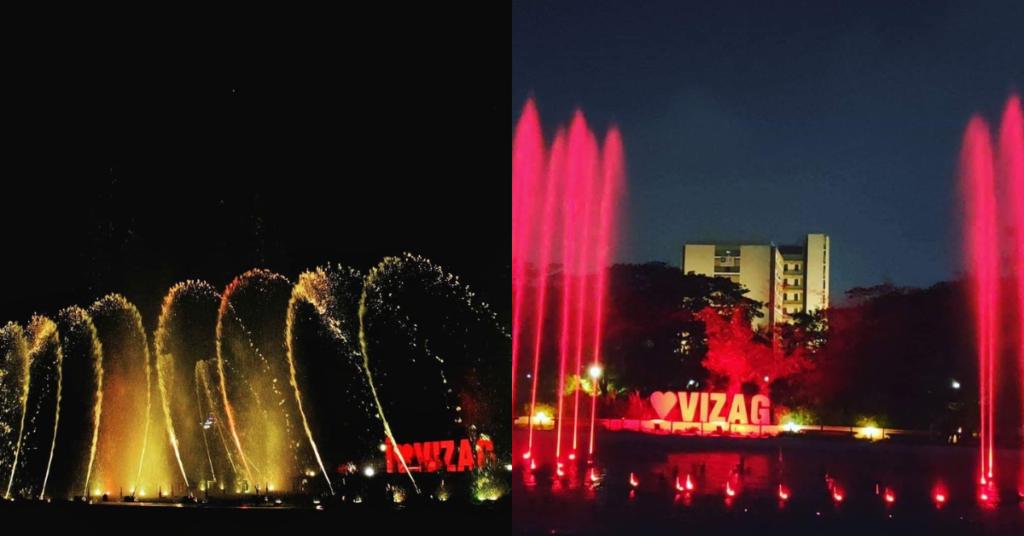
  • VUDA Park: A family-friendly park with boating options and a musical fountain.
  • Kailasagiri: A hilltop park offering panoramic views of Visakhapatnam and the sea.
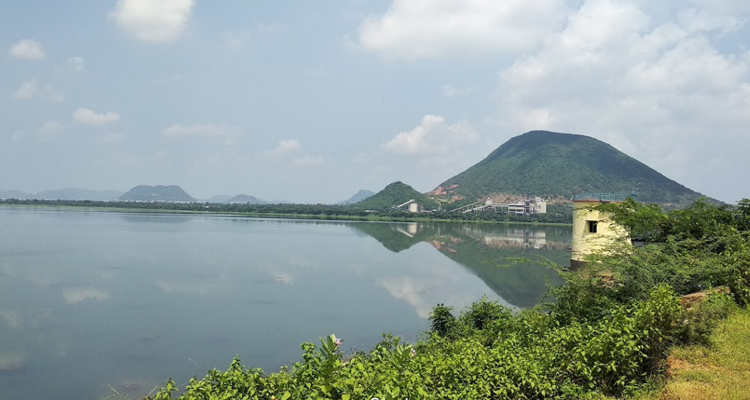
  • Mudasarlova Park: Mudasarlova Park is a scenic urban park in Visakhapatnam, featuring lush greenery, a reservoir, and recreational facilities perfect for picnics and family outings.

Conclusion:

The Thotlakonda Buddhist Complex stands as a testament to the rich historical and cultural heritage of ancient India. Its serene location, significant archaeological finds, and architectural marvels provide a profound understanding of early Buddhist practices and the diffusion of Indic culture. Whether you are a history buff, a cultural explorer, or simply curious about ancient civilizations, Thotlakonda offers an enriching and memorable experience.


Frequently Asked Questions(FAQS):

Q1. What is the significance of Thotlakonda Buddhist Complex?

Answer: Thotlakonda Buddhist Complex is a significant archaeological site in Visakhapatnam, India, offering insights into ancient Buddhist practices and trade routes.

Q2. When was Thotlakonda Buddhist Complex discovered?

Answer: The complex was discovered in the late 1980s during an aerial survey by the Indian Navy.

    Q3. What are the main attractions at Thotlakonda Buddhist Complex?

    Answer: The main attractions at Thotlakonda include the rock-cut cisterns, stupas, Buddha footprints, and ancient inscriptions.

    Q4. How can I reach Thotlakonda Buddhist Complex?

    Answer: You can reach the Thotlakonda Buddhist Complex by road or by taking a boat ride from Visakhapatnam.

    Q5. What is the best time to visit Thotlakonda Buddhist Complex?

    Answer: The best time to visit Thotlakonda is during the winter months (October to February) when the weather is pleasant.

    Explore Mudasarlova Park Beautiful view Of Visakhapatnam

    0

    Overview

    Mudasarlova Park, nestled in Visakhapatnam, is a beloved spot for picnics and relaxation. Established during the British era, this historic park is not only a beautiful retreat but also an important part of the city’s heritage. Recently, there are exciting plans to upgrade the park, but they come with some concerns about the nearby Mudasarlova Reservoir.

    Mudasarlova Park

    What to Know About Mudasarlova Park

    Located about 25 km from downtown Visakhapatnam in Hanumanthavaka, Mudasarlova Park is right next to the Mudasarlova Reservoir. This serene park is surrounded by lush hills and palm trees, offering a peaceful escape from the city. Visitors can enjoy scenic views, vibrant flower beds, diverse trees, and even a golf course.

    Redevelopment Plans

    The Visakhapatnam Urban Development Authority (VUDA) has big plans for Mudasarlova Park, with a proposed budget of Rs 50 crore. These plans include upgrading park facilities and adding new amenities. While the improvements sound promising, there are some concerns about how this redevelopment might affect the reservoir, which has been struggling with low water levels.

    Concerns and Opinions

    Some environmentalists, like Rajendra Singh, believe that focusing on revitalizing the reservoir is more important than modernizing the park. He suggests that fixing the water flow issues could help restore the reservoir to its former glory.

    Local activist Sohan Hatangadi also worries that the park is already overcrowded and that further development could damage the area’s natural beauty and existing plants. He argues that funds should be directed toward improving the reservoir’s water recharge system instead.

    Visitor Information

    • Entry Fee: INR 10 per person
    • Timings: 8:00 AM to 5:30 PM daily

    Getting There

    Mudasarlova Park is about 6 km from the city center of Visakhapatnam. You can reach it by local bus or taxi. It takes about 25 minutes to drive from Visakhapatnam Junction (12 km away) and around 40 minutes from Visakhapatnam International Airport (20 km away).

    Nearby Attractions

    1. Kailasagiri
      Just 7 km from Mudasarlova Park, Kailasagiri is a popular hilltop park offering stunning views of Visakhapatnam and the coastline. Enjoy a ropeway ride or a trek to the top and explore the park’s scenic spots and statues of Lord Shiva and Goddess Parvati.
    2. Indira Gandhi Zoological Park
      Located 4 km from the park, this zoo is a great destination for families and animal lovers. It features a variety of wildlife and birds in habitats designed to mimic their natural environments. The surrounding Eastern Ghats add to the park’s charm.
    3. RK Beach (Ramakrishna Beach)
      About 9.7 km from Mudasarlova Park, RK Beach is a popular destination for swimming, snorkeling, and enjoying beautiful sunrise and sunset views. It’s a great spot to unwind and relax after a visit to the park.

    Conclusion

    Mudasarlova Park is a cherished spot in Visakhapatnam with its rich history and beautiful surroundings. The planned upgrades will enhance the park, but addressing concerns about the reservoir is crucial to preserving both the park and the water source for future generations. Enjoy your visit and explore the nearby attractions to make the most of your trip!

    FQAS

    Q1) What is Mudasarlova Park known for?

    ANS) Mudasarlova Park is a historic picnic spot in Visakhapatnam, offering beautiful landscapes, flower beds, and a golf course. It’s situated next to the Mudasarlova Reservoir.

    Q2) What are the entry fees and timings for Mudasarlova Park?

    ANS) The entry fee is INR 10 per person. The park is open daily from 8:00 AM to 5:30 PM.

    Q3) How can I reach Mudasarlova Park?

    ANS) Mudasarlova Park is about 6 km from Visakhapatnam city center. You can reach it by local bus or taxi. It’s a 25-minute drive from Visakhapatnam Junction and a 40-minute drive from the Visakhapatnam International Airport

    Q4) What should I consider before visiting Mudasarlova Park?

    ANS) Check the park’s opening hours and entry fees, and be aware of the ongoing redevelopment plans. Also, consider visiting nearby attractions to make the most of your trip.

    Q5) What nearby attractions can I visit after Park?

    ANS) Nearby attractions include:
    Kailasagiri: A hilltop park with panoramic views, about 7 km away.
    Indira Gandhi Zoological Park: A zoo featuring diverse wildlife, about 4 km away.
    RK Beach: A popular beach for swimming and relaxation, about 9.7 km away.

    The Submarine Museum: An Ultimate Dive into Naval History

    0

    Introduction:

    Visakhapatnam, often called the “City of Destiny,” is not only known for its pristine beaches and scenic landscapes but also for its rich naval history. Among its many attractions, the INS Kursura Submarine Museum stands out as a unique and fascinating landmark. This Submarine museum Vizag, housed within a decommissioned Soviet-built submarine, offers visitors an extraordinary opportunity to experience life beneath the waves without ever leaving dry land. It’s the first of its kind in South Asia and only the second submarine museum in the world, making it a must-visit for anyone interested in naval history and maritime adventures.

    INS Kursura Submarine Museum

    The Legacy of INS Kursura:

    INS Kursura (S20) was a Soviet-built I-641 class submarine, inducted into the Indian Navy on December 18, 1969. Over its 31 years of service, INS Kursura played a crucial role in patrolling Indian waters, participating in numerous naval exercises, and standing as a silent sentinel of India’s maritime borders. The submarine was decommissioned on February 28, 2001, and then transformed into a museum. The museum was finally opened to the public on August 14, 2002. Furthermore, this transformation offered visitors a unique glimpse into naval history and submarine life. What’s more, the museum continues to attract enthusiasts and history buffs, providing an equally important educational experience. In addition, the museum stands as a testament to the submarine’s legacy and the dedicated service of its crew.

    Positioned on a concrete foundation at Ramakrishna Beach (RK Beach) in Visakhapatnam, the submarine was painstakingly hauled from the sea and preserved as a historical exhibit. The Submarine Museum Vizag offers a glimpse into the life of submariners and the complex operations of a submarine, making it an educational experience for visitors of all ages.

    A Journey Inside the Submarine:

    The INS Kursura Submarine Museum is an engineering marvel, both in its original naval design and its current incarnation as a museum. The submarine stretches 91.3 meters in length and 8 meters in breadth, with a displacement of 1,945 tons when surfaced and 2,469 tons when submerged.

    Visitors enter the museum through the same hatches once used by the crew and are instantly immersed in the confined, metallic environment that was home to 77 submariners, including 8 officers. Furthermore, this experience provides a genuine sense of life aboard the submarine. Next, visitors can explore various sections of the vessel, such as the control room and the crew quarters.

    Moreover, this immersive experience offers insight into the daily challenges faced by submariners. Finally, this unique perspective adds depth to the understanding of naval history and the submarine’s role in it. Furthermore, this authentic experience allows them to understand the tight quarters of submarine life.

    All controls and
presure walls in Submarine Museum

    Also, Know about: A Complete Guide to Exploring Borra Caves in Vizag


    “Within the museum, several areas of the submarine are showcased, including:”

    • Control Room: This area showcases the sophisticated equipment used to navigate and control the submarine.
    • Torpedo Room: Visitors can see the torpedo tubes and learn about the 22 torpedoes that were part of the submarine’s armament.
    Control room
and Torpedo room in Submarine Museum
    • Crew Quarters: The cramped living spaces reveal the daily life of submariners, showcasing how they utilize every inch of space.
    • Mess and Kitchen: A tiny kitchen prepared meals for the entire crew, showcasing the challenges of cooking in such a confined space.
    • Engine Room: Featuring the submarine’s propulsion systems, including its diesel engines and batteries.
    Crew Quarters, Mess and Kitchen
and Engine Room of Submarine Museum

    Throughout the museum, retired naval personnel act as guides, explaining the submarine’s history, its missions, and the life aboard for its crew. These guides, many of whom served on submarines themselves, provide valuable insights and personal anecdotes that bring the experience to life.

    Notable Features and Attractions:

    War Memorial Status:

    The Indian Navy recognizes the INS Kursura as a war memorial, honoring the bravery and dedication of the crew who served aboard this formidable vessel. The Submarine Museum Vizag played a significant role during the 1971 Indo-Pak War before the Museum, and its service record stands as a testament to its resilience and strategic importance. Moreover, the submarine’s contributions were pivotal in various naval operations. Besides its wartime efforts, the submarine continues to stand out as a museum exhibit, showcasing its enduring legacy. Finally, this museum highlights the submarine’s historical significance and the crucial role it played, thus honoring its distinguished service.


    Also know about: Simhachalam Temple A Sacred Journey to the Heart of Vaishnavism


    Educational Exhibits:

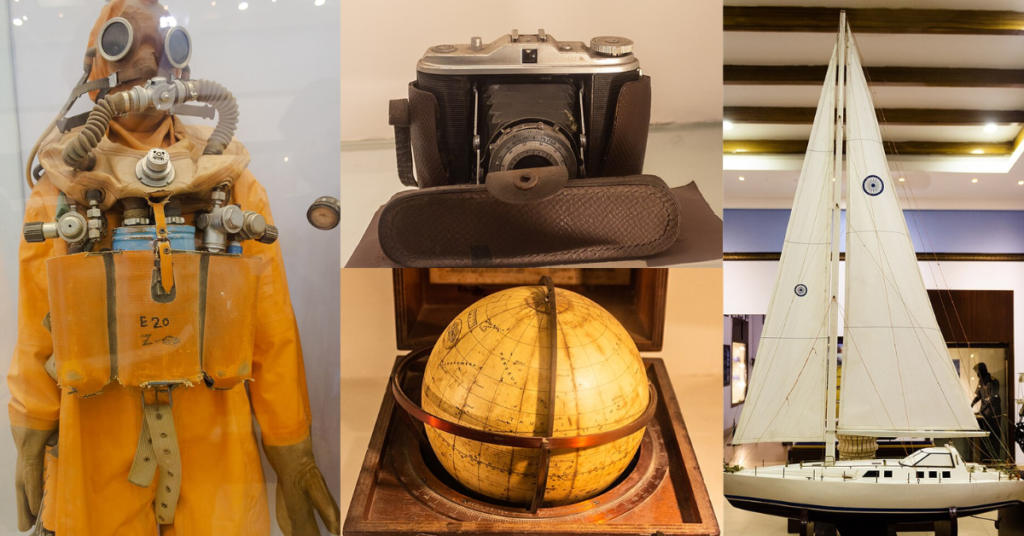
    The Submarine Museum Vizag features numerous artifacts, photographs, and written records that chronicle the history of submarines and the evolution of naval warfare. These exhibits offer educational value for students, historians, and military enthusiasts.

    Moreover, the intricate details and preserved equipment provide a deeper appreciation of their living conditions. Finally, the experience offers a comprehensive look at the submarine’s history and operations, making it an invaluable visit for anyone interested in naval history.

    under water dress and
crew members toys

    Visitor Experience:

    Visitors to the museum often express awe at the complexity and compactness of the submarine’s interior. The museum provides a rare opportunity to understand the operational challenges faced by submariners and the technological advancements in submarine design.

    Dining and Amenities:

    Located along the bustling RK Beach Road, the area surrounding the INS Kursura Submarine Museum offers several dining options. Visitors can enjoy local seafood delicacies, quick snacks, or a full meal at nearby eateries, and, in addition, soak in the coastal ambiance. Moreover, several dining options cater to different tastes and preferences. Next, you can savor a variety of local cuisines, and finally, relish the vibrant atmosphere of the area. Furthermore, these dining spots offer a delightful culinary experience that complements your visit to the museum. The museum provides basic amenities, such as restrooms and seating areas. Moreover, visitors can find these facilities conveniently located throughout the museum. In addition, there are ample seating options for resting during your visit. Finally, restrooms provide for all your needs while you explore this unique attraction.

    Practical Information for Visitors:

    Entry Fee:

    • Adults: ₹70
    • Children: ₹40
    • Camera: ₹50
    • Video Camera: ₹200
    • School Children in Groups: ₹20

    Timings:

    • The museum is open from 2:00 PM to 9:00 PM every day.
    • It is closed on Mondays for maintenance.

    Nearby Attractions:

    The INS Kursura Submarine Museum is strategically located near several other popular attractions in Visakhapatnam, making it easy to plan a full day of exploration. Some nearby sites include:

    • Ramakrishna Beach (RK Beach): A beautiful stretch of sand that is perfect for a relaxing walk.
    • Borra Caves in Vizag: These limestone caves, known for their stunning stalactites and stalagmites, captivate visitors with a fascinating journey into the depths of the earth.
    • VUDA Park: A family-friendly park with various entertainment options, including boating and a musical fountain.
    • Kailasagiri: A hilltop park offering panoramic views of the city and the sea, accessible via a short drive from the museum.

    Conclusion:

    The INS Kursura Submarine Museum Vizag is more than just a museum; it’s a tribute to the bravery and commitment of the Indian Navy. It offers an unparalleled experience, allowing visitors to step into the shoes of submariners and gain a deeper appreciation of the complexities and challenges of underwater warfare. Whether you’re a history buff, a military enthusiast, or simply looking for a unique experience in Visakhapatnam, a visit to the INS Kursura Submarine Museum is a must. First, it offers an unparalleled glimpse into the life of submariners. Moreover, the museum’s rich naval history provides an educational experience for all visitors. In addition, the submarine’s impressive design and historical significance make it a standout attraction. Finally, if you’re exploring Visakhapatnam, this museum is a unique destination that you shouldn’t miss. This iconic landmark stands as a reminder of India’s naval strength and the indomitable spirit of its servicemen.

    Frequently Asked Questions(FAQs):

    “click on Questions”

    Q1. What are the opening hours of the INS Kursura Submarine Museum?

    Answer: The museum is open daily from 2:00 PM to 9:00 PM, except Mondays.

    Q2. What is the entry fee for the museum?

    Answer: The entry fee is ₹70 for adults and ₹40 for children, with additional charges for cameras and video cameras.

    Q3. Is the INS Kursura Submarine Museum accessible for visitors with disabilities?

    Answer: The museum is housed within a submarine, which may present accessibility challenges for visitors with disabilities.

    Q4. Are there guided tours available at the museum?

    Answer: Yes, retired naval personnel act as guides and provide insights into the submarine’s history and operations.

    Q5. What other attractions are near the INS Kursura Submarine Museum?

    Answer: Nearby attractions include RK Beach, Borra Caves, VUDA Park, and Kailasagiri.

    A Complete Guide to Kambalakonda Wildlife Sanctuary

    0

    Introduction

    Kambalakonda Wildlife Sanctuary, a gem of natural beauty and biodiversity, is a must-visit destination in Visakhapatnam, Andhra Pradesh. Spanning 70.70 sq. km, this sanctuary offers a unique blend of forest reserve and wildlife rehabilitation center. Established on March 10, 1970, and named after the local hillock Kambalakonda, this sanctuary features a stunning dry evergreen forest that is both threatened and beautiful. If you’re planning a trip to Vizag, this wildlife sanctuary should definitely be on your itinerary.

    Kambalakonda
Wildlife
Sanctuary

    Location of Kambalakonda Wildlife Sanctuary

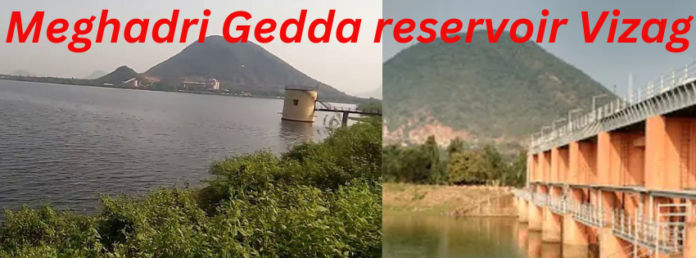
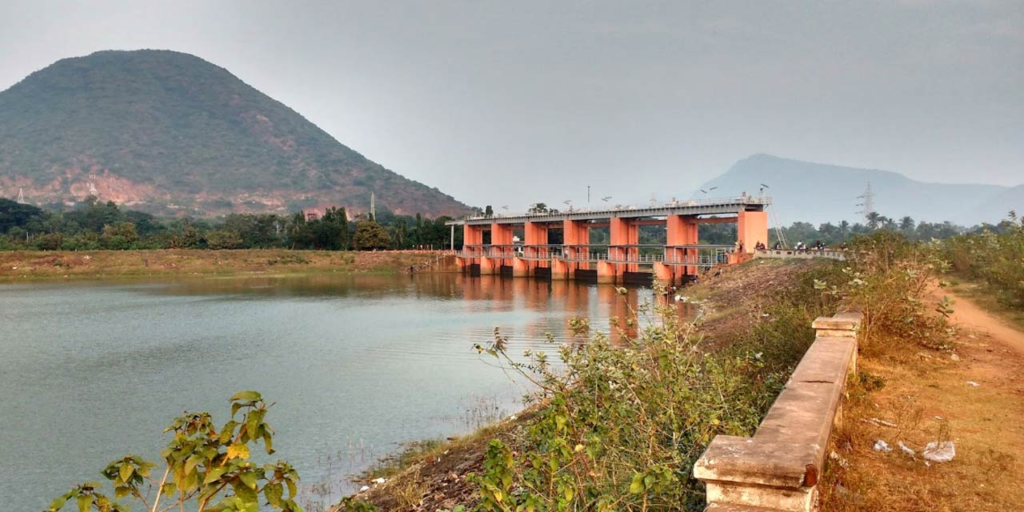
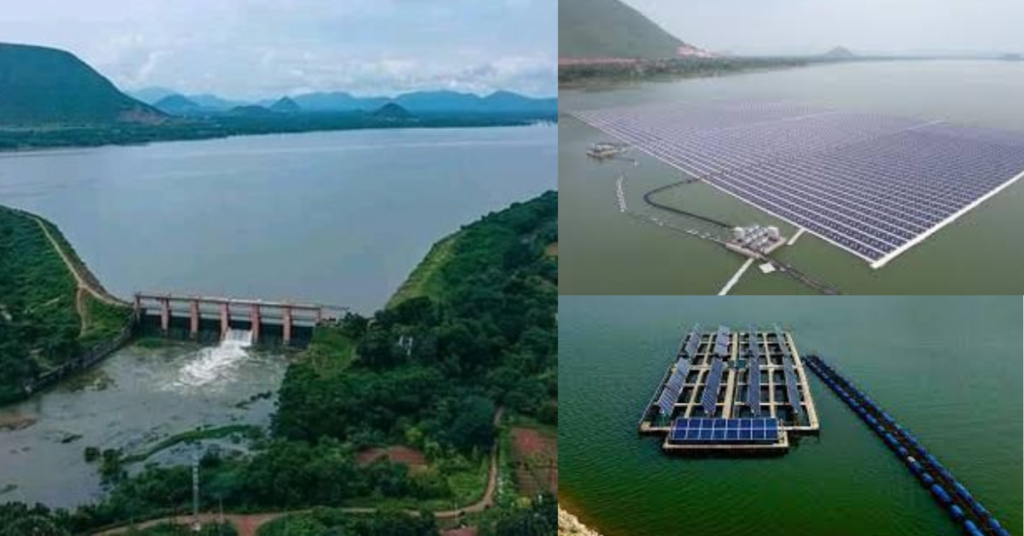
    Kambalakonda Wildlife Sanctuary is situated about 15 km from the heart of Visakhapatnam, nestled amidst the lush Eastern Ghats. The sanctuary is bordered by the Meghadri Gedda reservoir to the north, adding to its scenic allure.

    Things to Do at Kambalakonda Wildlife Sanctuary

    1. Wildlife Watching

    Embark on a wildlife adventure by spotting a variety of animals, birds, and reptiles. The sanctuary is home to rare species like the Indian leopard, Madras treeshrew, and Indian pangolin. Keep your eyes peeled for elusive birds and butterflies as you explore.

    2. Night Safari

    Experience the thrill of a night safari at the sanctuary’s nature park. The darkness and distant wildlife sounds create a magical atmosphere, offering a unique opportunity to see nocturnal creatures in their natural habitat.

    3. Birdwatching

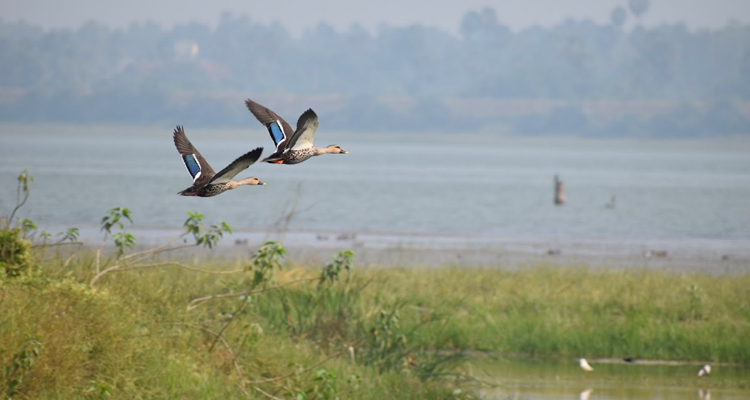
    Kambalakonda is a paradise for bird enthusiasts. The sanctuary’s man-made reservoir attracts numerous bird species, making it an ideal spot for birdwatching and wildlife photography.

    4. Sports and Adventure

    For adventure seekers, the sanctuary offers trekking trails through its dense forests. Enjoy guided treks to ensure safety while exploring these well-marked trails.

    5. Nature Walks

    Take a leisurely nature walk to explore the flora and fauna of the sanctuary at your own pace. Learn about the ecosystem and conservation efforts while observing smaller mammals, reptiles, and insects.

    Places to Visit Near Kambalakonda Wildlife Sanctuary

    Once you’ve explored the sanctuary, consider visiting these nearby attractions:

    1. Kailasagiri

    Located 7 km from the sanctuary, Kailasagiri is a popular hilltop park. You can reach it via a ropeway or by trekking. The park offers stunning views of Vizag and features statues of Lord Shiva and Goddess Parvati.

    Distance from Kambalakonda Wildlife Sanctuary: 7 km
    Timings: 8:30 AM to 6:30 PM

    2. Indira Gandhi Zoological Park

    Just 4 km from the sanctuary, this zoo is ideal for families. It features a variety of wildlife in habitats that mimic their natural environments, set against the backdrop of the Eastern Ghats.

    Distance from Kambalakonda Wildlife Sanctuary: 4 km
    Timings: 9:00 AM to 5:00 PM

    3. RK Beach (Ramakrishna Beach)

    Relax and unwind at RK Beach, located 9.7 km from the sanctuary. Known for its stunning sunrise and sunset views, the beach offers opportunities for swimming and snorkeling.

    Distance from Kambalakonda Wildlife Sanctuary: 9.7 km
    Timings: 24 Hours

    Facts About Kambalakonda Wildlife Sanctuary

    • Unique Ecosystem: The sanctuary features semi-evergreen forests, tropical dry deciduous forests, and scrublands. It is home to wildlife such as wild boars, spotted deer, and barking deer.
    • Address: Q8HM+9X2, Visakhapatnam, Andhra Pradesh 531173
    • Timings: 9:00 AM to 4:30 PM
    • Entry Fees: INR 10 for adults, INR 5 for children
    • Established: March 10, 1970

    Best Time to Visit

    The ideal time to visit Kambalakonda Wildlife Sanctuary is from October to March. The cooler weather during these months makes for a comfortable visit, and the wildlife is more active, enhancing your chances of sightings. Avoid the monsoon season (June to September) due to heavy rainfall and muddy trails.

    How to Reach

    Kambalakonda Wildlife Sanctuary is approximately 5 km from Visakhapatnam city center. You can reach Kambalakonda Wildlife by taxi or public bus. If you’re using public transport, catch a bus heading from Vizianagaram to Srikakulam along National Highway 16. Disembark at the nearest stop to the sanctuary and continue your journey from there.

    FAQS

    Q1) What is Kambalakonda Wildlife Sanctuary known for?

    ANS) Kambalakonda Wildlife Sanctuary is known for its diverse wildlife, including rare species, night safaris, and scenic nature walks.

    Q2) What are the entry fees for the sanctuary?

    ANS) Entry fees are INR 10 for adults and INR 5 for children.

    Q3) What activities can I do at the sanctuary?

    ANS) You can enjoy wildlife watching, night safaris, birdwatching, trekking, and nature walks.

    Q4) How can I reach Kambalakonda Wildlife?

    ANS) You can reach the sanctuary by taxi or public bus. Buses from Vizianagaram to Srikakulam along National Highway 16 stop near the sanctuary.

    Q5) Is there a guide available for trekking?

    ANS) Yes, you can hire a local guide for trekking to ensure safety and enhance your experience.

    Araku Valley The Untouched Beauty of the Eastern Ghats

    0
    Araku Valley

    Nestled in the heart of Andhra Pradesh, India, Araku Valley is a hidden gem that promises breathtaking natural beauty and a unique cultural experience. From lush green coffee plantations to stunning waterfalls, Araku Valley is a destination that offers something for every traveler. Especially for those seeking exclusivity and tranquillity away from the hustle and bustle of city life.

     breathtaking natural beauty

    What Makes Araku Valley Special?

    Araku Valley, situated in the Eastern Ghats, is renowned for its picturesque landscapes and pleasant climate. It lies approximately 120 kilometers from Visakhapatnam, making it an accessible destination for those looking to escape the city hustle. The valley is set at an altitude of about 911 meters (2990 feet) above sea level, giving it a cool and refreshing climate throughout the year.

    The area is predominantly known for its coffee plantations, lush green hills, and serene environment. The rich biodiversity and the traditional lifestyles of the local tribal communities add to the charm of this destination.


    Also Read: Lawson Bay Beach: Beautiful Beach in Visakhapatnam


    Top Attractions in Araku Valley

    1. Borra Caves

    Just 29 kilometers from Araku Valley, the Borra Caves are a must-see. Discovered in 1807, these limestone caves are about 150 million years old and feature incredible stalactite and stalagmite formations. Inside the cool, dark caves, you’ll find natural sculptures that resemble various shapes, thanks to the mineral deposits over millions of years. For a great visit, wear comfortable shoes, and consider bringing a flashlight to see the intricate details better.

    Borra Caves

    2. Araku Coffee Plantations

    Araku is famous for its coffee. The region’s perfect climate and soil make it ideal for growing high-quality coffee. Touring the coffee plantations is a great way to learn about the coffee-making process, from growing the beans to brewing the perfect cup. Many plantations offer tastings, so you can enjoy the fresh, aromatic coffee. Don’t forget to buy some coffee beans as a souvenir!

    famous for its coffee  plantations

    3. Tribal Museum

    The Tribal Museum in Araku offers a fascinating look into the lives of local tribal communities. It features traditional artifacts, costumes, and crafts from various tribal groups. As you walk through the museum, you’ll see traditional weapons, musical instruments, and everyday items that showcase the rich cultural heritage of the region. Spend some time exploring the exhibits to appreciate the diverse tribal cultures.

    Tribal Museum in Araku Valley

    4. Ananthagiri Hills

    Located about 26 kilometers from Araku Valley, Ananthagiri Hills is perfect for nature lovers and adventurers. The hills are covered with lush forests and offer stunning panoramic views. You can enjoy trekking and nature walks here, and visit the Ananthagiri Temple dedicated to Lord Anantha Padmanabha. Wear comfortable trekking shoes and bring a camera to capture the beautiful scenery.

    Ananthagiri Hills

    5. Katiki Waterfalls

    Katiki Waterfalls

    Approximately 35 kilometers from Araku Valley, Katiki Waterfalls is a beautiful natural spot. The waterfall cascades down a rocky cliff surrounded by dense forest, creating a peaceful and picturesque setting. It’s a great place for relaxation and photography. Wear comfortable clothing and sturdy footwear, and consider bringing a picnic to enjoy by the waterfall.

    6. Chaparai Waterfalls

    Chaparai Waterfalls, located about 30 kilometers from Araku Valley, is a lesser-known but equally beautiful spot. The waterfall is surrounded by natural beauty and offers a tranquil environment. It’s an ideal location for a quiet escape. Bring some water and snacks since facilities are limited, and be cautious around the wet rocks.

    Chaparai Waterfalls

    7. Padmapuram Gardens

    Located in the heart of Araku Valley, Padmapuram Gardens is a beautifully maintained space featuring a rose garden, a cactus garden, and a children’s park. It’s an excellent spot for leisurely walks and family picnics. The colorful flowers and well-kept grounds make it a pleasant place to relax and enjoy the day.

    Padmapuram Gardens

    Also Read: An Exclusive Of Kailasagiri: Vizag’s Natural Beauty and Adventure


    Getting There: The Vistadome Experience

    One of the most unique and picturesque ways to reach Araku is by boarding the Vistadome train from Visakhapatnam, which departs at 6:50 AM. The journey is an adventure, as the train weaves through 58 tunnels and crosses 84 bridges, offering passengers stunning views of the lush green hills, dense forests, and meandering rivers. The journey takes approximately five hours, making it a must-experience for any nature lover or photography enthusiast.

    Things to Do in Araku Valley

    • Trekking: Explore the scenic trails and forests surrounding Araku.
    • Camping: Enjoy a night under the stars in one of the designated camping sites.
    • Birdwatching: Spot a variety of bird species in the lush forests of Araku Valley.
    • Coffee Plantation Tours: Learn about the coffee production process and enjoy a tasting.
    • Tribal Dances: Witness the vibrant and energetic tribal dances performed by the local communities.
    • Shopping: Purchase unique handicrafts, textiles, and other souvenirs from the local markets.

    Accommodation Options in Araku

    Araku Valley offers a range of accommodation options to suit different budgets and preferences, from budget-friendly guesthouses to luxurious resorts. Some popular options include

    • Araku Valley Resorts: These resorts offer comfortable accommodations, amenities, and breathtaking views of the surrounding landscapes.
    • Hotels: Hotels in Araku Valley provide a range of facilities and services, including restaurants, swimming pools, and spa treatments.
    • Guesthouses: Guesthouses offer a more intimate and affordable accommodation option, with basic amenities and a friendly atmosphere.

    How to Reach Araku Valley

    • By Train: Araku Valley is well-connected by rail. The nearest railway station is Visakhapatnam, from where you can take a scenic train journey to Araku Valley.
    • By Road: Araku Valley is accessible by road from Visakhapatnam, Bhubaneswar, and Hyderabad.
    • By Air: The nearest airport is Visakhapatnam International Airport, from where you can hire a taxi or take a bus to Araku Valley.

    Best Time to Visit Araku Valley

    The best time to explore Valley is between October and March. During these months, the weather is nice, making it excellent for sightseeing and outdoor activities

    • Winter (October to March): The temperature ranges between 14°C to 20°C, making it the most comfortable time to explore the valley. The winter months are also ideal for trekking, visiting waterfalls, and enjoying the scenic beauty of the region.
    • Monsoon (July to September): Araku Valley receives moderate to heavy rainfall during the monsoon. The rains enhance the beauty of the valley, with lush green surroundings and flowing waterfalls. However, travel during this period may be slightly challenging due to the wet conditions.

    Conclusion

    Araku with its stunning natural attractions and rich cultural experiences, is a destination that offers something for everyone. From the awe-inspiring Borra Caves and the aromatic coffee plantations to the tranquil waterfalls and serene gardens, each attraction adds a unique charm to this beautiful region. Whether you’re seeking adventure, relaxation, or a deeper understanding of local culture, Araku has it all. Plan your visit to explore these top attractions and create unforgettable memories in this enchanting corner of India.

    Frequently Asked Questions

    1Q: What is the best time to visit Araku Valley?

    A: The best time to visit Araku is from October to March when the weather is pleasant for sightseeing.

    3Q: Is Araku Valley known for coffee?

    A: Yes, Araku is renowned for its high-quality coffee plantations and aromatic coffee.

    2Q: What are the top attractions in Araku Valley?

    A: Top attractions in the Valley include Borra Caves, coffee plantations, the Tribal Museum, Ananthagiri Hills, and Katiki Waterfalls.

    4Q: Are there any cultural experiences in Araku Valley?

    A: Yes, you can experience tribal dances and explore the Tribal Museum to learn about the local tribal culture.

    5Q: What is the Vistadome train experience in Araku Valley?

    A: The Vistadome train from Visakhapatnam to Araku offers a scenic journey through 58 tunnels and 84 bridges.

    6Q: Can I visit Araku Valley during the monsoon season?

    Yes, you can visit during the monsoon, but be prepared for wet conditions as the valley receives moderate to heavy rainfall.


    An Exclusive Of Kailasagiri: Vizag’s Natural Beauty and Adventure

    0

    Introduction:

    Visakhapatnam, often affectionately called Vizag, is known for its sprawling beaches and scenic landscapes. Among its many attractions, Kailasagiri Temple is a must-visit destination for tourists and locals alike. Perched atop a hill and spread over 380 acres, this picturesque park offers breathtaking views, thrilling activities, and a serene environment, making it an ideal spot for nature lovers, adventure seekers, and families.

    Kailasagiri images

    A Panoramic Paradise: Kailasagiri in Visakhapatnam

    Kailasagiri Temple Vizag is a beautiful place and hilltop Kailasagiri Park is located in Visakhapatnam, a city known for its lovely beaches and green landscapes. This park is one of the most popular places to visit in Vizag city, attracting tourists and locals alike.

    Stunning Views

    Kailasagiri offers amazing views of Visakhapatnam. From the top of the hill, you can see the sparkling beaches, the green forests, and the bustling city below. The park is full of trees and flowers, making it a peaceful place to relax and enjoy nature.

    One of the main attractions in Kailasagiri is the huge statue of Lord Shiva and Goddess Parvathi. This statue, which is 40 feet tall, is a symbol of the park and gives the hill its name. Visitors can reach the top of the hill either by taking a road or by riding a ropeway. The ropeway ride is especially fun because it gives you a bird’s-eye view of the entire city.

    Attractions and Activities:

    Kailasagiri is not just about scenic beauty; it’s also packed with a variety of attractions and activities that cater to all age groups. Some of the highlights include:

    Floral Clock
and TItanic Viewpoint
    • Floral Clock: One of India’s largest floral clocks, with a diameter of 10 feet, is a popular spot for visitors to capture memorable photos.
    • Titanic Viewpoint: This viewpoint offers a stunning view of the Bay of Bengal and is a favorite among photographers and nature enthusiasts.
    Jungle trails park
and Shanthi Ashram
    • Jungle Trails: Nature lovers can explore the various trails that wind through the park, offering an up-close experience with the region’s rich biodiversity.
    • Shanthi Ashram: For those seeking peace and tranquility, the Shanthi Ashram provides a serene environment ideal for meditation and relaxation.
    KSilasagiri Toy train
and Cable car
    • Toy Train: A major attraction for children, the toy train offers a delightful circular tour of the park, showcasing its beautiful landscapes.
    • Children’s Play Park and Horse Rides: These are popular among the younger visitors, ensuring that there’s something fun for everyone in the family.
    • Kailasagiri cable car (Ropeway): is a popular attraction in Visakhapatnam, offering breathtaking views of the city and surrounding areas. It provides a convenient and enjoyable way to reach the hilltop Kailasagiri Park, where visitors can explore various attractions and enjoy scenic vistas.

    Dining and Amenities:

    Kailasagiri also caters to the culinary needs of its visitors. There are several eateries scattered around the park, offering a variety of snacks and meals that you can enjoy amidst the park’s serene ambiance. Whether you’re looking for a quick bite or a leisurely meal, the food courts here provide a range of options to satisfy your hunger.

    Environmental Conservation:

    Kailasagiri is not only a tourist hotspot but also a model of environmental conservation. The park has been declared a plastic-free zone by the Visakhapatnam Metropolitan Region Development Authority (VMRDA), and visitors are encouraged to follow the park’s eco-friendly practices. This initiative helps in maintaining the park’s natural beauty and promoting a healthy environment for all.

    Upcoming Developments:

    In addition to its current attractions, Kailasagiri is set to introduce new projects, including an exclusive Butterfly Park and the Highest Manmade Waterfalls, further enhancing its appeal as a top tourist destination.

    Kailasagiri hills and
sunset

    visitors and Practical Information:

    • Entry Fee:
      • Pedestrians: ₹5
      • RTC Passengers: ₹10
      • Film/TV Serial Shooting: ₹6000 + GST
    • Parking Fee:
      • Two-Wheelers: ₹20
      • Four-Wheelers: ₹50
      • Large Four-Wheelers: ₹70
      • Mini Bus: ₹150
      • Tourist Bus: ₹300
    • Timings:
      • Hanumanthavaka Steps and Ropeway: 8:30 AM to 6:30 PM

    Nearby attractions of Kailasagiri Vizag:

    Conclusion:

    Kailasagiri is more than just a park; it’s a destination that encapsulates the essence of Visakhapatnam’s natural beauty, cultural heritage, and modern amenities. Whether you’re in search of adventure, tranquility, or just a beautiful spot to spend the day, Kailasagiri has something to offer everyone. Make sure to add this enchanting hilltop park to your itinerary when visiting Vizag it’s an experience you won’t want to miss!

    Frequently Asked Questions(FAQs):

    “Click on Questions”

    Q1. What are the entry fees for Kailasagiri?

    Answer: The entry fee is ₹5 for pedestrians and ₹10 for RTC passengers.

    Q2. What are the operating hours of Kailasagiri?

    Answer: Kailasagiri is open from 8:30 AM to 6:30 PM.

    Q3. How can visitors reach the top of Kailasagiri?

    Answer: Visitors can reach the top by road or via the ropeway.

    Q4. What are the main attractions at Kailasagiri?

    Answer: Key attractions include the 40-foot Shiva-Parvathi statue, the floral clock, and the Titanic viewpoint.

    Q5. What about food and dining are available at Kailasagiri?

    Answer: Kailasagiri offers several eateries and food courts with a variety of snacks and meals to enjoy within the park.

    Lawson Bay Beach: Beautiful Beach in Visakhapatnam

    0

    Introduction

    Vizag, a vibrant city teeming with tourists and locals, can sometimes feel overwhelming. For those seeking a peaceful retreat, Lawson Bay Beach, also known as Pedawaltair Beach, offers the perfect escape. Tucked away along the eastern coast of Visakhapatnam, this hidden gem boasts breathtaking views of the Bay of Bengal. Beyond its stunning coastline, Lawson’s Bay Beach is also steeped in cultural heritage and is significant for its industrial presence. With clear blue waters, soft golden sands, and lush greenery, it’s the ideal spot for travelers looking to unwind and recharge.

    lawson bay beach

    **Where Is Lawson’s Bay Beach?**

    Lawson’s Bay Beach is located in Pedda Waltair, Visakhapatnam, about 8-9 km from the city center. Often considered an extension of RK Beach, this tranquil beach is conveniently situated between Ramakrishna Beach and Rushikonda Beach in Vizag.

    **Interesting Facts About Lawson’s Bay Beach**

    Lawson Bay Beach is one of Vizag’s most pristine and offbeat beaches, offering a serene environment that is perfect for swimming, snorkeling, and simply relaxing. Its remote location makes it a popular spot among locals who prefer to avoid the crowds.

    **Address:** 11/2, 4-72-11/2, Dr. NTR Beach Road, Near Santha Ashram, Lawson Bay Colony, Pedda Waltair, Visakhapatnam, Andhra Pradesh 530017
    – **Timings:** 05:00 AM to 10:00 AM; 04:00 PM to 08:00 PM
    – **Entry fees:** No entry fee

    **Things to Do at Lawson Bay Beach**

    Whether you’re in the mood for a laidback day of sunbathing or seeking more adventurous water activities, Lawson’s Bay Beach has something for everyone.

    1. **Swimming & Sunbathing**
    Enjoy a swim in the clear waters or simply relax on the soft sands. The beach’s offbeat location means it’s often less crowded, providing a peaceful atmosphere for sunbathers and swimmers alike.

    2. **Beach Walks**
    Take a leisurely walk along the expansive coastline. The beach stretches long distances, making it ideal for morning strolls to catch the sunrise or evening walks when the weather is cooler.

    3. **Snorkeling & Diving**
    For those who love underwater adventures, Lawson’s Bay Beach offers excellent conditions for snorkeling and diving. The clear waters are home to vibrant marine life, making it a great spot to explore beneath the surface.

    4. **Try the Local Cuisine**
    Indulge in the local flavors with freshly caught fish, prawns, and crabs, prepared in traditional Andhra style. Must-try dishes from the beach’s food carts include prawn curry, fish fry, and Bongu Chicken, along with snacks like Mirchi Bajji, Punugulu, and Bobbatlu.

    **Places to Visit Near Lawson’s Bay Beach**

    After soaking up the sun at Lawson’s Bay Beach, consider visiting these nearby attractions:

    1. **Ramakrishn a Beach (RK Beach)**


    Just 2.8 km away, RK Beach is a lively spot popular with both tourists and locals. Don’t miss the INS Kurusura Submarine Museum and the Victory at Sea Memorial, and enjoy various beachfront activities like volleyball and sunbathing.
    Distance from Lawson’s Bay Beach: Roughly 2.8 kilometers
    – **Timings:** 5:00 AM to 12:00 AM

    2. **Rushikonda Beach**


    Known as a less commercialized version of RK Beach, Rushikonda Beach is famous for water sports like jet skiing, windsurfing, and parasailing. The beach is surrounded by lush green hills, adding to its charm.
    **Distance from Lawson’s Bay Beach: Approximately 8.5 kilometers
    – **Timings:** Open 24 hours

    3. **Indira Gandhi Zoological Park**


    For wildlife enthusiasts, this large zoo is home to a variety of species, including tigers, lions, elephants, and many reptiles and birds. The zoo’s exhibits are designed to mimic the animals’ natural habitats, and it also contributes to conservation efforts.
    – **Distance from Lawson’s Bay Beach:** 4.9 km
    – Operating Hours: 9:00 AM to 5:00 PM

    FAQS

    Q1) What are the visiting hours for Lawson’s Bay Beach?

    ANS) The beach is open to visitors throughout the day. However, it is best enjoyed in the morning and late afternoon.

    Q2) Is there an entry fee for Lawson’s Bay Beach?

    ANS) No, there is no entry fee to visit Lawson’s Bay Beach.

    Q3) Are there any facilities available at the beach?

    ANS) Basic amenities like food stalls, restrooms, and seating areas are available. For more comfort, consider bringing your own supplies.

    Q4) Are there any nearby attractions to visit?

    ANS) Yes, you can explore nearby places like Ramakrishna Beach, Kailasagiri Hill Park, and the Visakhapatnam Aquarium.

    Q5) Are there any safety measures or guidelines to follow?

    ANS) Follow general beach safety guidelines, such as avoiding swimming alone, watching for strong currents, and respecting local rules and regulations.

    A Complete Guide to Exploring Borra Caves in Vizag

    0

    Introduction

    Visakhapatnam, often referred to as Vizag, is a treasure trove of natural wonders, and Borra Caves stands out as one of its most fascinating attractions. Nestled in the Ananthagiri Hills of the Eastern Ghats, these ancient limestone caves have been captivating visitors for years. Whether you’re a history buff, an archaeology enthusiast, or simply someone who loves exploring natural marvels, Borra Caves offers an unforgettable experience. Let’s dive into everything you need to know to explore Borra Caves in 2024.

    Borra Caves

    Also visit:  Dolphin’s Nose Lighthouse beauty of Visakhapatnam


    Location of Borra Caves in Vizag

    Borra Caves are situated in the scenic Ananthagiri Hills of the Araku Valley, within the Visakhapatnam district of Andhra Pradesh, India. Located about 90 km from Visakhapatnam city, these caves sit at an altitude of 705 meters above sea level, offering breathtaking views of the surrounding landscape.

    History of Borra Caves in Vizag

    The Borra Caves are believed to be over a million years old, formed by the action of the Gosthani River on the limestone. However, these caves were officially discovered in 1807 by British geologist William King George. The caves boast impressive formations of stalactites and stalagmites, which add to their mystique and allure. With a depth of 80 meters, the caves are located 2,313 feet above sea level and are surrounded by lush greenery and dense forests, making them a haven for nature lovers.

    Borra Caves
VIZAG

    Top Things to Do at Borra Caves in Vizag

    1. Explore the Caves

    Exploring the Caves is the highlight of any visit. Opt for a guided tour to enhance your experience and gain insights into the geological formations, history, and local legends associated with the caves. The awe-inspiring limestone structures, formed over millions of years, are a sight to behold.

    Duration: 4-5 Hours
    Best Time to Visit: October to February

    Borra Caves
VIZAG

    2. Trekking Around Ananthagiri Hills

    The area around Caves offers fantastic trekking opportunities. Whether you’re a beginner or an experienced trekker, you’ll find trails that suit your level. One popular trek is to the Katiki Waterfalls, which takes you through lush green trails and ends at a stunning waterfall, perfect for a refreshing dip.

    Duration: 4-5 Hours
    Best Time to Visit: November to March

    3. Bird Watching

    For bird enthusiasts, Caves and the surrounding areas are a paradise. You can spot endemic species like the Indian Pitta and Malabar Whistling Thrush, along with migratory birds during the season. Consider joining a guided bird-watching tour to make the most of your experience.

    Duration: 1-2 Hours
    Best Time to Visit: November to April

    4. Photography

    The natural beauty of Caves, with its intricate stalactites and stalagmites, is perfect for photography. The dramatic artificial lighting inside the caves highlights the textures and contours of the rock formations, making it a great spot for both amateur and professional photographers.

    Duration: Varies depending on the tourists
    Best Time to Visit: October to March

    Conclusion

    Borra Caves in Vizag is not just a place to visit; it’s an experience that takes you back millions of years into the Earth’s history. Whether you’re exploring the caves, trekking through the hills, or capturing the beauty with your camera, Caves offers something for everyone. Make sure to include this natural wonder in your 2024 travel plans for an unforgettable adventure in Visakhapatnam.

    FAQS

    Q1) What is the best time to visit Borra Caves?

    ANS) The best time to visit Borra Caves is from October to March, when the weather is pleasant for exploration and outdoor activities.

    Q2) How far are Borra Caves from Visakhapatnam city?

    ANS) Caves are approximately 90 km from Visakhapatnam city, and the journey usually takes around 3 hours by road.

    Q3) What activities can I do at Borra Caves?

    ANS) You can explore the caves, go trekking in the Ananthagiri Hills, enjoy bird watching, and capture stunning photographs of the natural formations.

    Q4) How long does it take to explore Borra Caves?

    ANS) It typically takes about 4-5 hours to explore Caves, including the time spent on guided tours and photography.

    Q5) Are there any nearby attractions to visit after Borra Caves?

    ANS) yes, you can visit the nearby Araku Valley, Katiki Waterfalls, and other scenic spots in the Ananthagiri Hills after exploring the Caves.

    The Ultimate Guide Of RK Beach Visakhapatnam

    4

    Introduction:

    Visakhapatnam, often called the “Beach City of Andhra Pradesh,” is renowned for its picturesque coastline that draws visitors from all over the country. Among its many beaches, Ramakrishna Beach, more commonly known as RK Beach, stands out as a favorite. Bustling with life, RK Beach is a vibrant hub for both locals and tourists who flock to its shores to enjoy the natural beauty, serene waters, and a range of recreational activities.

    RK Beach

    History and Naming of RK Beach:

    RK Beach derives its name from the Ramakrishna Mission Ashram, which is located near the beach. The beach holds a special place in the heart of the city, not only for its scenic beauty but also for its cultural and historical significance. The ashram, dedicated to the teachings of Swami Vivekananda and the spiritual philosophy of Sri Ramakrishna Paramahamsa, adds a layer of spiritual tranquility to the beach, making it a place for both relaxation and reflection.

    The Scenic Beauty of RK Beach:

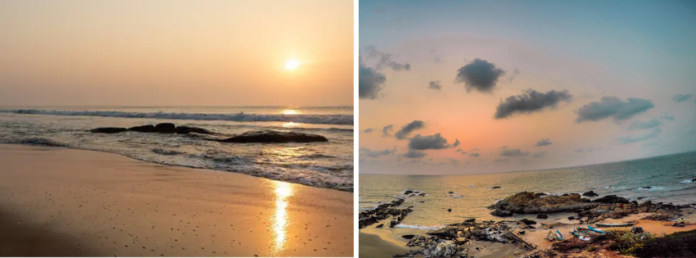
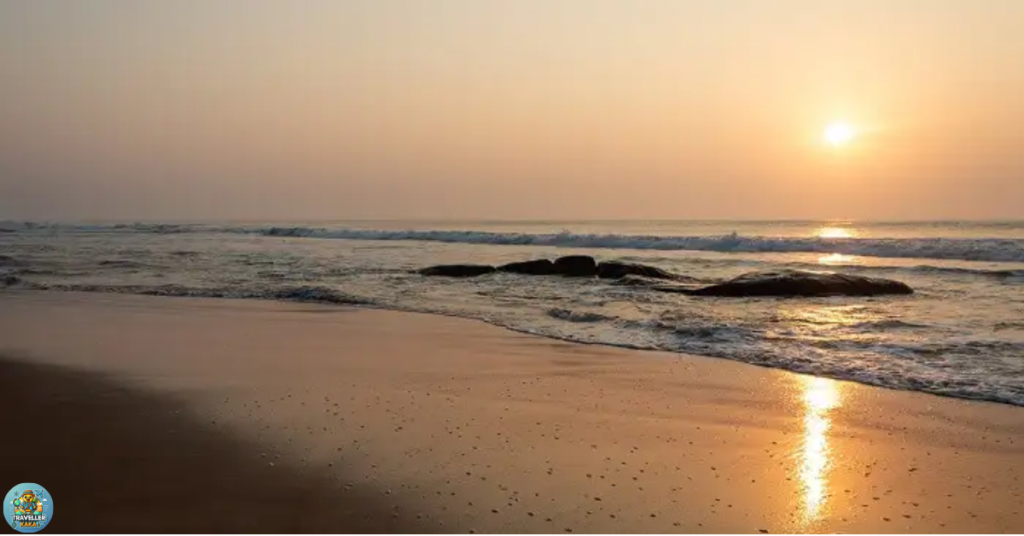
    RK Beach is renowned for its serene waters and cool, refreshing atmosphere. The beach offers stunning views of the surrounding countryside, with the lush Eastern Ghats providing a picturesque backdrop to the endless expanse of blue ocean. The view of the sunset from RK Beach is truly mesmerizing; as the sun dips below the horizon, the sky transforms into a canvas of vibrant colors, attracting photographers and nature lovers alike.

    RK Beach
and beach sunset

    Also read: Vuda Park Vizag: A Serene Getaway in the City of DestinyAlso read:


    Activities at RK Beach:

    RK Beach is not just a place for sightseeing; it’s also a hub of activity. Whether you’re looking to relax or engage in some exciting beachside fun, RK Beach has something for everyone.

    1. Swimming and Sunbathing: The calm waters make RK Beach ideal for swimming, and the soft sands provide the perfect spot for sunbathing. Visitors can often be seen lounging on the beach, soaking up the sun, and enjoying the gentle sea breeze.

    2. Surfing: The waves at RK Beach are suitable for both beginners and experienced surfers. Surfing enthusiasts can rent surfboards from local vendors and catch some waves, adding a dash of adventure to their beach day.

    Surfing in rk beach

    3. Beach Volleyball: A popular sport among the youth, beach volleyball is a common sight on Ramakrishna Beach. The sandy shores provide an excellent playing field, and it’s not unusual to see impromptu matches springing up as groups of friends gather for a game.

    Beach Volleyball
and beach activities

    Also read: Ultimate Guide to Exploring Rushikonda Beach in Andhra Pradesh


    4. Camel Rides: For those looking for a unique experience, camel rides along the beach are a must-try. The gentle camels, led by experienced handlers, offer a leisurely ride along the shore, giving riders a new perspective of the beach.

    Camel Rides

    5. Boating and Cruises: On one side of the shore, visitors can see a variety of boats and ships. Traditional fishing boats, operated by local fishers, offer rides that provide a glimpse into the life of the local fishing community. For a more luxurious experience, visitors can opt for a local cruise, which offers breathtaking views of the coastline and the setting sun.

    Boating and Cruises

    Nearby Attractions:

    RK Beach is surrounded by several other attractions that make it a must-visit destination in Visakhapatnam.

    1. INS Kurusura Submarine Museum: Located right on the beach, this museum is housed in a decommissioned submarine, INS Kurusura. It offers a fascinating look into the life of naval officers and the history of the Indian Navy. The museum is one of the most popular tourist spots in Vizag and provides an educational experience for all ages.

    INS Kurusura Submarine Museum

    Timings of INS Kurusura Submarine Museum:

    • Monday: Closed
    • Tuesday to Thursday: Open from 2:00 PM to 8:30 PM
    • Friday and Saturday: Open from 2:00 PM to 8:30 PM
    • Sunday: Open in two sessions – 10:00 AM to 12:30 PM and 2:00 PM to 8:30 PM

    2. Kali Temple: The Kali Temple near Ramakrishna Beach is a significant religious site, attracting devotees and tourists alike. The temple, dedicated to Goddess Kali, offers a peaceful atmosphere for prayer and meditation, with the sound of the waves adding to the spiritual ambiance.

    Kali Temple in vizag

    Timings of Kali Temple Vizag:

    • Morning: 6:00 AM – 12:00 PM
    • Evening: 4:00 PM – 8:00 PM

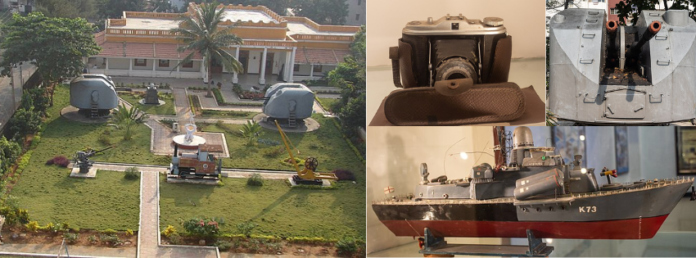
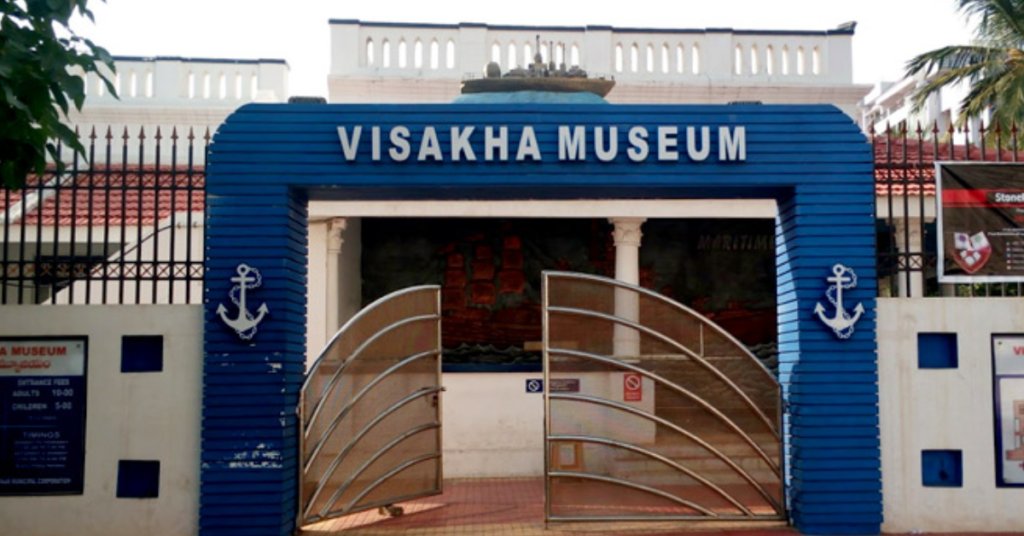
    3. Visakha Museum: This museum showcases the history and culture of Visakhapatnam, with exhibits ranging from ancient artifacts to maritime history. It’s a great place to learn more about the city’s rich heritage.

    Visakha Museum
boats
army boat
and submarine

    Also read: The Super Exclusive History Of Salar Jung Museum:


    Timings of Visakha Museum:

    • Friday: Closed
    • Saturday and Sunday: Open from 12 PM – 8 PM
    • Monday to Thursday: Open from 11:00 AM to 7:00 PM

    Visakha Museum Entry Fee:

    • Adults: ₹10 per person
    • Children (Ages 5-12): ₹5 per person

    4. VUDA Park: A well-maintained park near the beach, VUDA Park is a perfect spot for families. It features a children’s play area, a boating facility, and beautifully landscaped gardens. The park is an excellent place for a relaxing stroll or a family picnic.

    VUDA Park
water
boating
and boats

    VUDA Park Entry Fee:

    • 9:00 AM to 2:00 PM: ₹20 per person (Adults/Children)
    • 2:00 PM to 8:30 PM: ₹60 per person (Adults/Children) – Includes ticket for the Musical Fountain Show
    • Cycle Rides: ₹50 for one hour

    Note: There is no entry fee for jogging and walking from 4:00 AM to 9:00 AM and 4:00 PM to 8:00 PM.

    VUDA Park Vizag Timings:

    • VUDA Park Vizag is open daily from 9:00 AM to 8:30 PM.

    Culinary Delights:

    No visit to RK Beach is complete without indulging in the local cuisine. The beachside is lined with numerous roadside restaurants and eateries offering a variety of delicious seafood. Freshly caught fish, prawns, and other seafood are cooked to perfection and served with various local spices and flavors. Whether you’re a foodie or just looking for a quick bite, the culinary offerings around the Beach will satisfy your taste buds.

    Conclusion:

    RK Beach in Visakhapatnam is more than just a beach; it’s a lively, vibrant destination that offers something for everyone. Whether watching the sunset, riding a camel along the shore, exploring nearby attractions, or simply enjoying a quiet moment by the sea, RK Beach promises a memorable experience. Its blend of natural beauty, recreational activities, and cultural significance makes it one of the best beaches in Vizag and a must-visit for anyone traveling to Andhra Pradesh.


    Frequently Asked Questions(FAQs)

    “Click on Questions”

    Q1. What are the opening hours of RK Beach in Visakhapatnam?

    Answer: RK Beach is open to the public 24 hours, making it accessible at any time of the day.

    Q2. What activities can visitors enjoy at RK Beach?

    Answer: Visitors can enjoy swimming, sunbathing, surfing, camel rides, beach volleyball, and boating at RK Beach.

    Q3. Are there any entry fees for visiting RK Beach?

    Answer: No, RK Beach is free to visit; however, nearby attractions like the INS Kurusura Submarine Museum and VUDA Park have entry fees.

    Q4. What are the nearby attractions to visit around RK Beach?

    Answer: Nearby attractions include the INS Kurusura Submarine Museum, Kali Temple, Visakha Museum, and VUDA Park.

    Q5. What are the best places to eat near RK Beach?

    Answer: Numerous beachside eateries and roadside restaurants offer delicious seafood and local cuisine near RK Beach.

    Simhachalam Temple A Sacred Journey to the Heart of Vaishnavism

    0
    Simhachalam temple

    Introduction

    Welcome to our exploration of the Simhachalam Temple, a sacred site nestled in the hills of Visakhapatnam, Andhra Pradesh. This ancient Hindu temple, dedicated to Lord Vishnu in his Varaha Narasimha form, is not only a spiritual haven but also an architectural marvel. Perched 300 meters above sea level, Simhachalam Temple is renowned for its unique blend of mythology, history, and vibrant festivals. From its legendary origins to its grand festivals, this temple offers a rich tapestry of cultural and religious significance. Join us as we delve into the fascinating world of Simhachalam Temple and uncover what makes it a treasured destination for devotees and history enthusiasts alike.

    TEMPLE OVER VIEW

    History of Simhachalam Temple

    Simhachalam Temple has a rich history dating back to ancient times, with its earliest inscriptions found from the 11th century CE. The temple as it stands today was constructed by the Eastern Ganga king Narasingha Deva I in the 13th century and consecrated by his son, Bhanudeva I, in 1268 CE. Over the centuries, the temple has seen patronage from various dynasties. Including the Eastern Gangas, the Suryavamshi Gajapati Dynasty of Odisha, and the Tuluva Dynasty of the Vijayanagara Empire. The temple’s history is also marked by a period of decline, lasting 40 years, from 1564 to 1604 CE. However, it was revitalized and continues to be an important pilgrimage site today.

    temple construction design

    Legends Associated with the Temple

    Simhachalam Temple is steeped in mythology, primarily connected to the story of Lord Vishnu’s Narasimha avatar. According to the legend, Vishnu manifested as Varaha Narasimha, a form combining a boar (Varaha) and a lion (Narasimha), to save his devotee, Prahlada, from his demon father, Hiranyakashipu. The story goes that after killing Hiranyakashipu, Narasimha’s anger was uncontrollable, and it was only when Prahlada prayed to him that he calmed down. The temple is believed to have been built at the exact spot where this event took place, making it a sacred site for devotees.


    Also Read: Ultimate Guide to Exploring Rushikonda Beach in Andhra Pradesh in 2024


    Architecture of Simhachalam Temple

    The Simhachalam Temple resembles a fortress with three outer courtyards (prakarams) and five gateways. The current structure was largely rebuilt by Narasimhadeva I and combines architectural styles from the Eastern Gangas, Eastern Chalukyas, and Cholas. The temple unusually faces west, which, according to Hindu texts like the Purushottama Samhita and Vishnu Samhita, symbolizes victory. The temple’s five-tier rajagopuram (main tower) is located on the western gateway. Devotees enter through a side door that leads to the Kalyana Mandapa (wedding hall) with its 96 pillars, featuring carvings of Vishnu, Lakshmi, and the Alvars. The temple’s vimana (tower) has a three-tiered pyramid shape, capped with a gold-plated dome. The walls of the sanctum sanctorum display sculptures in the Kalinga style, including scenes from Hindu mythology like Narasimha’s victory over Hiranyakashipu and Varaha’s rescue of the Earth.

    The temple also has special halls for events and a dance hall with lion-head carvings at the base of its pillars. The outer parapet wall (jagatti) features rows of sculpted elephants, while the inner one has swan carvings. The Kalyana Mandapa’s pillars are adorned with the 32 forms of Narasimha, including the temple’s presiding deity.

    Simhachalam Temple Geographic Information

    walking path to the temple

    The Simhachalam Temple is located on the Simhachalam Hill Range, about 800 meters (2,600 feet) above sea level and 10 miles north of Visakhapatnam. Part of the Eastern Ghats, the hill range is called Kailasa and features the temple at the top, nestled within an amphitheater-like setting. The temple’s height is approximately 1,500 meters (4,900 feet) above sea level, and a natural valley runs along the northwest slope. Over time, the hill’s terraces have been used to cultivate crops like pineapples, jackfruit, and bananas, and a small village has developed around the temple. Steps were built alongside a stream to provide access to both the village and the temple.

    HILL RANGE

    The area’s soil, climate, and rainfall contribute to lush vegetation, and the hills are rich in medicinal herbs used for treating both human and animal ailments. The most popular route to the temple involves climbing a thousand steps from the base, starting at the Bhairava Dwaram entrance. Another path leads from the Madhava Dwaram to the top. Roads also have been constructed from Bhairava Dwaram to the summit. The temple has two water tanks: the Swami Pushkarini at the top and the Gangadhara, also known as Varaha Pushkarini, at the base. Three natural springs—Akashadhara, Chakradhara, and Madhavadhara—are also located on the hill. Gardens at the base host festivals throughout the year.


    Also Read: Exclusive Dolphin’s Nose Lighthouse beauty of Visakhapatnam


    Main Shrines of the Temple

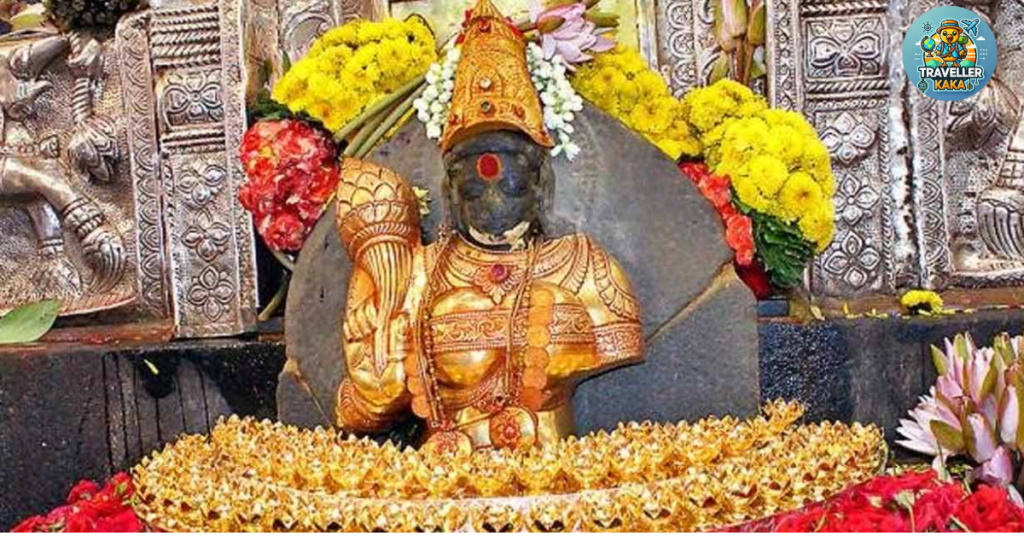
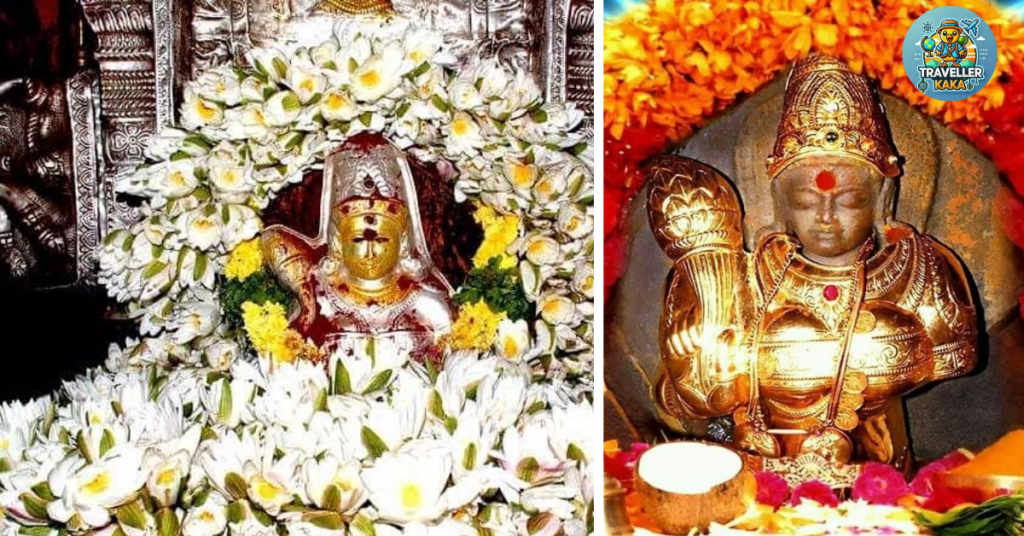
    The main deity, Varaha Narasimha, is housed in a separate hall called the Prahlada Mandapa. The idol is around 2.5 feet tall, depicting the deity with a boar’s head, human torso, and lion’s tail, accompanied by the goddesses Sridevi and Bhudevi. Due to vandalism, the idol’s original features are damaged, and it is covered with sandalwood paste, making it resemble a Shiva Lingam. The temple’s ornaments include a diamond-and-ruby Thirunamam, an emerald necklace, a gold bracelet, and a crown.

    The complex also contains sub-shrines dedicated to Andal, Lakshmi (Simhavalli Thayar), and the Alvars. There are also smaller temples for Tripurantaka (the guardian deity), Bhairava, and Rama, as well as Anjaneya and Kasi Vishweswara, near the Gangadhara spring.

    Festivals at Simhachalam Temple

    FESTIVALS AT TEMPLE

    Important Festivals

    • Kalyanotsava: This is a significant festival that celebrates the divine marriage of Lord Varaha Lakshmi Narasimha. It typically involves elaborate rituals and processions.
    • Chandanotsava: Celebrated in May, this festival involves applying sandalwood paste to the deity, symbolizing purification and devotion. It is a major event that draws many devotees.
    • Narasimha Jayanti: Marked to honor the incarnation of Lord Narasimha, this festival is observed with special prayers, rituals, and festivities.
    • Navaratrotsava: This festival, held during Navaratri, includes nine nights of worship dedicated to the divine feminine, with special rituals and processions.
    • Kamadahana: This festival is dedicated to the deity’s role in removing obstacles and granting wishes. It includes special prayers and rituals.

    Other Festivals

    • Krishna Janmashtami: Celebrates the birth of Lord Krishna with prayers, dances, and songs.
    • Karthika Deepavali: A festival of lights observed in the Karthika month, featuring lighting of lamps and special prayers.
    • Giripradakshina: Involves circumambulating the hills surrounding the temple, symbolizing devotion and reverence.

    Minor Festivals

    • Sankranti: Celebrated in January, marking the harvest season with special offerings and prayers.
    • Holi: The festival of colors is observed with vibrant celebrations and rituals.
    • Deepavali: Known as the festival of lights, it involves lighting lamps and offering prayers to deities.
    • Ugadi: The Telugu New Year, celebrated with special prayers, rituals, and festive meals.

    Entry Fee and Timings

    • Entry Fee: There is no general entry fee to visit the Simhachalam Temple. However, a special darshan option is available for INR 100 per person.
    • Timings:
      • Morning: 7:00 AM to 4:00 PM
      • Evening: 6:00 PM to 9:00 PM

    Things to Do Around Simhachalam Temple

    After exploring the Simhachalam Temple, you can visit these top tourist spots in Visakhapatnam:

    1. Indira Gandhi Zoological Park
      Distance: 14.5 km
      Highlights: Nestled in the Eastern Ghats, this park houses over 80 species of animals, including carnivores, mammals, primates, and ungulates. It also features a dedicated zone for moths and butterflies.
    2. Kambalakonda Wildlife Sanctuary
      Distance: 14.6 km
      Highlights: Ideal for adventure seekers and bird watchers, this sanctuary offers a thrilling trek through dense jungle and lush green gorges.
    3. Kailasagiri
      Distance: 15.2 km
      Highlights: This park provides stunning views of the Bay of Bengal. It’s a great spot for solo travelers, couples, and families to enjoy panoramic views and a relaxed environment.
    4. VUDA Park
      Distance: 16.1 km
      Highlights: Located adjacent to RK Beach, this park is perfect for morning and evening walks, featuring over 2,500 trees, colorful plants, and vibrant flowers.
    5. Visakhapatnam Aquarium
      Distance: 17.7 km
      Highlights: Established in 1994, this air-conditioned aquarium showcases a variety of marine species, including Red Squirrel Fish, Lionfish, and Butterfly Fish, with some species imported from Singapore and Malaysia.

    How to Reach Simhachalam Temple

    By Air: Fly into Visakhapatnam Airport from major cities like Mumbai, Hyderabad, Chennai, and Delhi. International flights to Singapore, Dubai, and Kuala Lumpur are also available.

    By Train: Arrive at Visakhapatnam Railway Station and take Bus 6A or a taxi to the temple. The station is well-connected to other cities.
    By Bus: From Dwarka Bus Stand, you can take Bus 6A or 40 to the temple. Buses 55 and 540 are available from Gajuwaka and Maddilipalem respectively.
    For a smooth trip, consider booking a tour package through Vizag Tourism.

    Conclusion

    Simhachalam Temple stands as a beacon of spirituality and historical grandeur, offering a unique blend of mythological richness, architectural beauty, and vibrant festivals. Its significance as a sacred site dedicated to Lord Vishnu’s Varaha Narasimha form makes it a cherished destination for devotees and history enthusiasts alike. With its stunning hilltop location, intricate carvings, and lively festivals, the Simhachalam Temple invites visitors to explore not just a place of worship but a testament to the rich cultural heritage of Andhra Pradesh.
    1Q: What is the main deity of Simhachalam Temple?

    A: The main deity is Varaha Narasimha, a form of Lord Vishnu.

    2Q: What are the visiting hours for Simhachalam Temple?

    A: Morning: 7:00 AM to 4:00 PM, Evening: 6:00 PM to 9:00 PM.

    3Q: When was Simhachalam Temple constructed?

    A: The temple was constructed in the 13th century CE by Eastern Ganga king Narasingha Deva I.

    4Q: How can I reach Simhachalam Temple?

    A: The temple is accessible by air, train, and bus from Visakhapatnam.

    5Q: Are there any nearby attractions to visit after the temple?

    A: Yes, nearby attractions include Indira Gandhi Zoological Park, Kailasagiri, and VUDA Park.

    Home
    About Us
    Destination
    Search