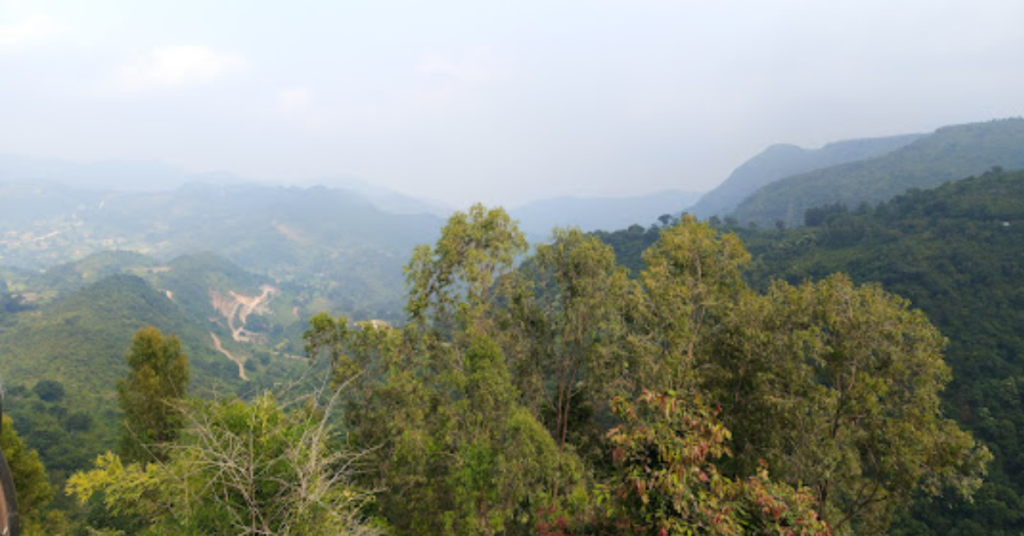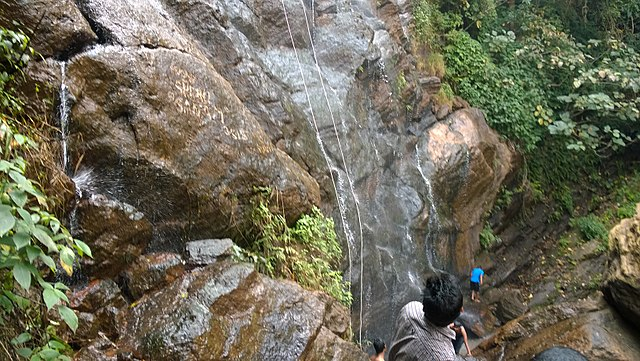

Friday, April 3, 2026
Home Blog Page 31

Exclusive Of Appikonda Beach: The Best Getaway in Visakhapatnam

0

Introduction:

Tucked away from the bustling tourist hotspots of Visakhapatnam lies Appikonda Beach Vizag, a hidden gem that offers tranquility and breathtaking views. Known for its unspoiled beauty, crystal-clear waters, and peaceful ambiance, Appikonda Beach is the perfect destination for those looking to relax and rejuvenate. Surrounded by lush cashews and Casuarina trees, this secluded beach is ideal for solo travelers, couples, and families seeking a quiet escape from the city.
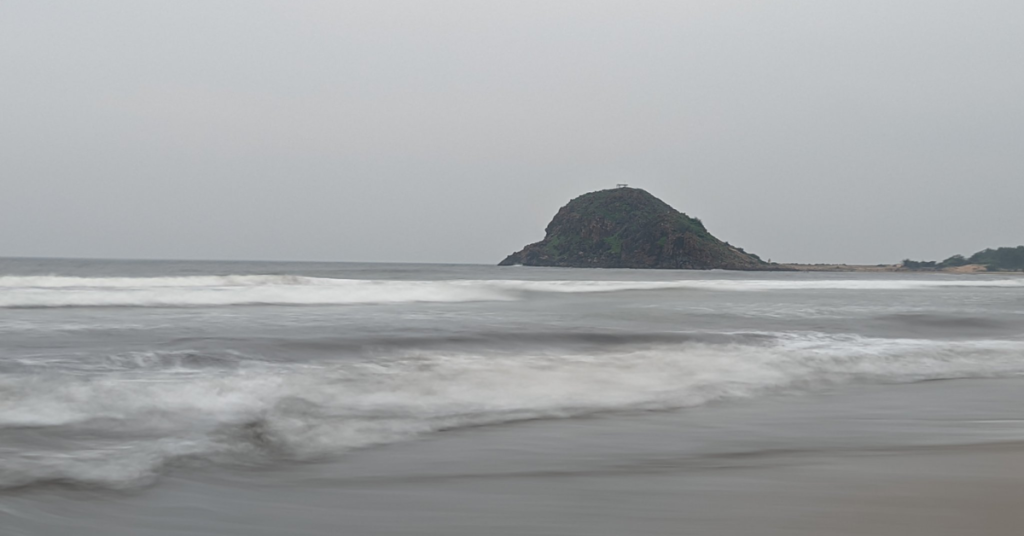
Appikonda Beach Vizag

Location and Accessibility:

Appikonda Beach is located approximately 19 kilometers from the city center of Visakhapatnam, making it a convenient yet secluded spot for a day trip. Despite its distance from the main tourist attractions, the beach is easily accessible by road. Visitors can either drive their vehicles or hire a private taxi from one of the many car rental services available in Visakhapatnam. Public transportation is limited, so it’s advisable to make travel arrangements in advance to ensure a hassle-free journey.

Scenic Beauty and Atmosphere:

Appikonda Beach Vizag is renowned for its stunning natural beauty. The golden sands, set against the backdrop of the deep blue sea and verdant hills, create a picturesque landscape that is perfect for photography. The beach is enveloped in a cool breeze, and the combination of foamy waves, grassy plains, and serene surroundings make it a place you’ll fall in love with at first sight. The tranquil atmosphere, coupled with the scenic vistas, provides an ideal setting for relaxation and unwinding.


Also visit: An Exclusive Of Kailasagiri: Vizag’s Natural Beauty and Adventure


Things to Do at Appikonda Beach Vizag:

  1. Plunge into Adventure: The calm and composed waves of Appikonda Beach make it a safe spot for swimming and water activities. Adventure seekers can indulge in a refreshing dip in the crystal-clear waters, satisfying their craving for excitement.
  2. Witness Spectacular Sunrises and Sunsets: The slushy shoreline of Appikonda Beach offers an epic view of the sunrise and sunset. Making it a must-visit for nature lovers and photographers. The mesmerizing hues of the sky reflecting off the water create a stunning visual that is hard to put into words.
  3. Snorkeling Experience: Try your hand at snorkeling to explore the vibrant underwater world. The clear waters of Appikonda Beach provide an excellent opportunity to witness marine life up close, offering a unique experience that is hard to find elsewhere.
  4. Visit the Ancient Shiva Temple: One of the major highlights of Appikonda Beach is the historic Shiva Temple, which dates back to the 12th century. The temple, located near the beach, is a popular spot for devotees and tourists alike. If your visit coincides with the Shivaratri festival, you can witness thousands of devotees gathering to celebrate this auspicious occasion.

Appikonda Beach Entry Fee and Timings:

One of the best things about Appikonda Beach is that there is no entry fee. Making it an affordable destination for everyone. The beach is open to visitors at all times, and the recommended exploration time is 3-4 hours. Whether you visit during the early morning hours or stay to watch the sunrise, Appikonda Beach offers a serene and memorable experience.

Appikonda Beach view
and boating

Must visit: Arasavalli Sun Temple: A Power Of The Sun


Best Time to Visit Appikonda Beach:

Appikonda Beach can be visited throughout the year, but the best time to explore its beauty is during the summer and winter months. From March to May, the weather is warm and pleasant, making it ideal for beach activities. The winter season, from October to March, is also a great time to visit, with temperatures ranging from 18 to 32 degrees Celsius. Ensuring a comfortable and enjoyable experience. It’s advisable to avoid visiting during the monsoon season (June to September) as the region receives heavy rainfall, which can hinder your beach experience.

Travel Tips for Appikonda Beach:

  1. Pack Your Essentials: Since there are no eateries or shops around Appikonda Beach, it’s essential to carry enough food and water for your visit.
  2. Plan Your Transportation: Given the limited local transportation options, make sure to arrange your travel in advance, whether by private vehicle or taxi.
  3. Enjoy Safely: While the waves at Appikonda Beach are generally calm, always exercise caution when swimming or engaging in water activities.

Near By Attractions:

Appikonda Beach Location:

Conclusion:

Appikonda Beach Vizag is a hidden paradise in Visakhapatnam that offers a perfect blend of natural beauty, serenity, and adventure. Whether you’re looking to relax by the sea, explore the underwater world, or visit the historic Shiva Temple, this beach has something for everyone. Moreover, it offers a perfect blend of relaxation and adventure. In addition, you can enjoy the serene atmosphere, and then take a dip in the crystal-clear waters. Furthermore, the rich history of the Shiva Temple adds a cultural touch to your visit, making it equally important for history enthusiasts. Lastly, what’s more, is that the beach provides a tranquil escape, ensuring a memorable experience for all.

Escape the hustle and bustle of city life and immerse yourself in the tranquil surroundings of Appikonda Beach a destination that promises a peaceful and memorable experience for all its visitors. Plan your trip today and discover the charm of this lesser-known gem in South India.


Frequently Asked Questions(FAQs):

Q1. What is the best time to visit Appikonda Beach?

Answer: The best time to visit Appikonda Beach is from October to March for pleasant weather.

Q2. Is there an entry fee for visiting Appikonda Beach?

Answer: There is no entry fee to visit Appikonda Beach; it’s free for all visitors.

Q3. What activities can visitors enjoy at Appikonda Beach?

Answer: Visitors can enjoy swimming, snorkeling, and witnessing stunning sunrises and sunsets at Appikonda Beach.

Q4. How can I reach Appikonda Beach from Visakhapatnam city?

Answer: Appikonda Beach is 19 km from Visakhapatnam city, accessible by private vehicle or taxi.

Q5. Is there any food available near Appikonda Beach?

Answer: No, there are no eateries near Appikonda Beach, so bringing your food and water is recommended.
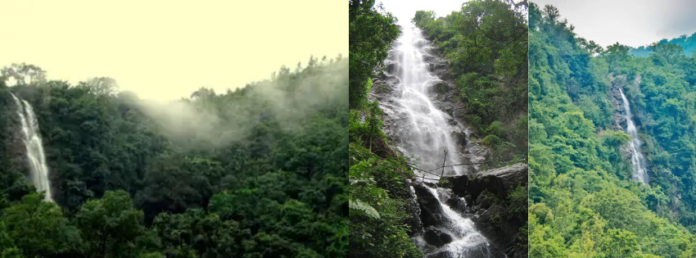
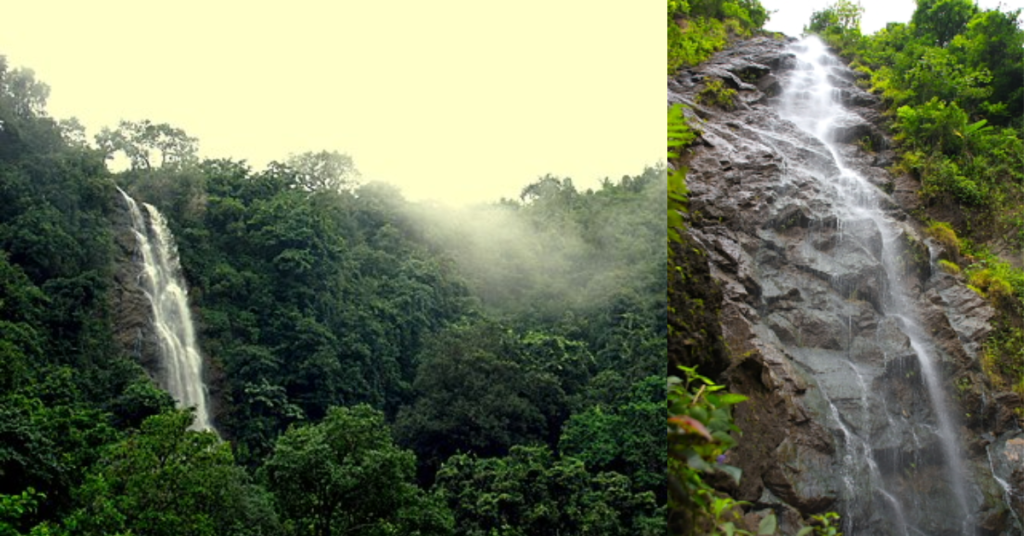
Exclusive Katiki Waterfalls: A Comprehensive Guide to Hidden Waterfalls

0

Introduction:

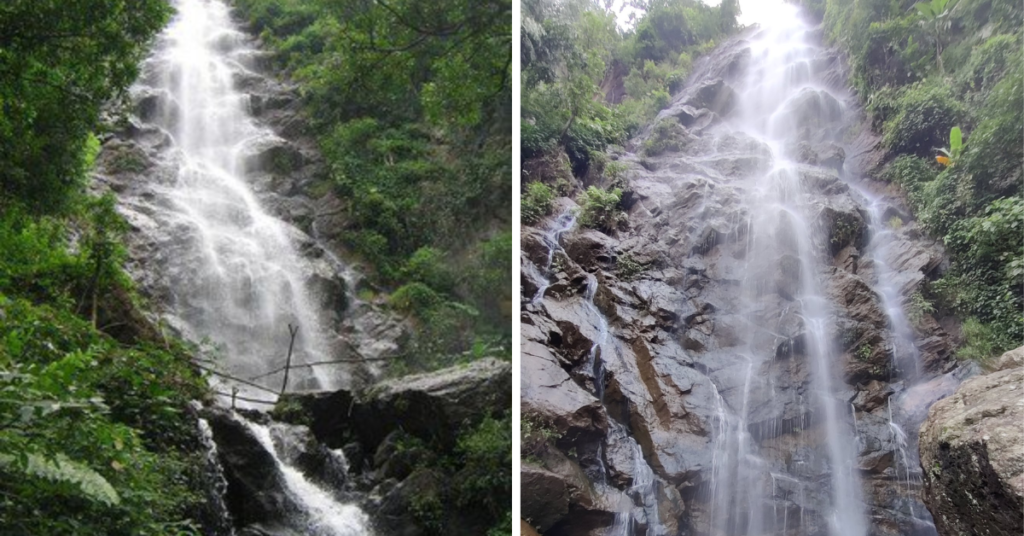
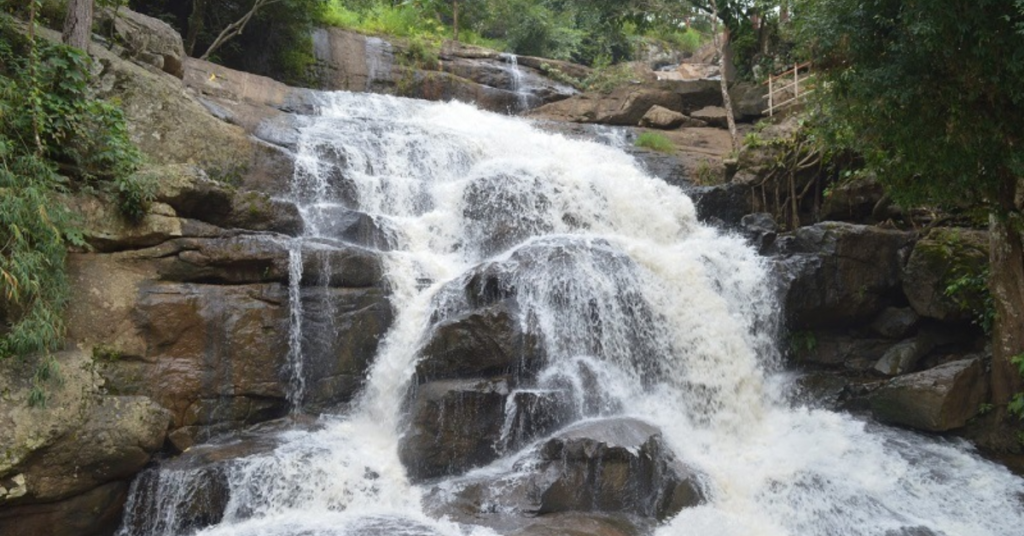
Nestled amidst the lush greenery near Borra Caves in the Visakhapatnam district of Andhra Pradesh, Katiki Waterfalls is a picturesque natural attraction that captivates nature enthusiasts and adventure seekers alike. Also called Araku Valley Katiki Waterfalls Originating from the Gosthani River, this majestic waterfall cascades from a height of about 50 feet, creating a breathtaking spectacle that is hidden within the Ananthagiri hills. This guide provides detailed information on Katiki Waterfalls, including its timings, location, history, access details, local experiences, and the latest tourism trends of Katiki Waterfalls Araku Valley

Katiki Waterfalls Araku Valley

Katiki Waterfalls Tourism and History:

Katiki Waterfalls has become a significant attraction due to its natural beauty and the trek required to reach it. The falls, originating from the Gosthani River, have been known to locals for years but gained prominence in recent times as a must-visit spot for nature lovers and adventure seekers. The surrounding Ananthagiri hills are rich in natural history and are home to diverse flora and fauna, adding to the allure of the Katiki waterfalls in Araku Valley.

Access to Katiki Waterfalls:

To access Katiki Waterfalls, visitors need to undertake a moderately challenging trek through the Ananthagiri hills. The trek involves walking through lush greenery, crossing streams, and navigating rocky paths. Proper footwear and physical preparation are recommended for a safe and enjoyable trek. The waterfall’s base features a small pond, which is considered safe for a refreshing dip, offering a rewarding end to the trek.


Also Explore: Exclusive of Kothapalli Waterfalls: A Hidden Gem Near Lambasingi


Local Experiences and Activities:

Visitors to Katiki Waterfalls can enjoy several local experiences:

  • Local Food: Local tribes living near the falls sell traditional food items, including bamboo chicken, a must-try delicacy for visitors.
  • Photography: The scenic beauty of the falls and the surrounding greenery make it an ideal spot for nature photography.
  • Picnics: The serene ambiance of the area provides a perfect setting for picnics amidst nature.
  • Swimming: The small pond at the base of the waterfall is safe for a refreshing dip.

The Latest Tourism Trends:

In recent years, there has been a growing interest in off-the-beaten-path destinations like Katiki Waterfalls. Travelers are increasingly seeking natural attractions that offer both adventure and tranquility, away from crowded tourist spots. The trend towards eco-tourism and sustainable travel has also led to more visitors exploring natural wonders while respecting and preserving their pristine environments.

Katiki Waterfalls Araku Valley
and overall view

Must Visit: Arasavalli Sun Temple: A Power Of The Sun


Tips for Visiting Katiki Waterfalls:

  • Wear comfortable shoes: The trek to the falls involves walking through uneven terrain.
  • Carry essentials: Bring water and snacks, as there are no facilities near the waterfalls.
  • Be cautious: Watch out for slippery rocks and strong currents, especially during the monsoon season.
  • Respect nature: Follow local customs and guidelines to preserve the natural beauty of the area.
  • Consider a local guide: If unsure about the trek, visiting with a local guide can enhance your experience and ensure safety.

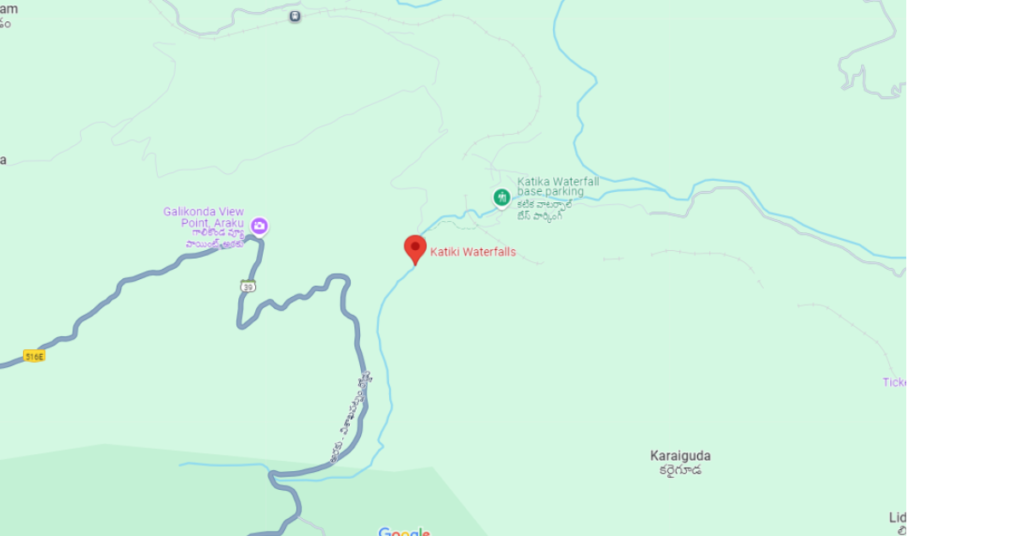
Katiki Waterfalls Location:

The Katiki Waterfalls is located in the Ananthagiri hills, near Borra Caves, in the Visakhapatnam district of Andhra Pradesh, India.

Katiki Waterfalls Timings:

The waterfall is open to visitors every day of the week, with the following timings:

  • Monday to Sunday: 6:00 AM – 7:00 PM

Places to Visit near Katiki Waterfalls:


Also read: Araku Valley The Untouched Beauty of the Eastern Ghats


Conclusion:

Katiki Waterfalls offers a serene escape into nature, with its stunning cascade and lush surroundings. Whether you’re a nature enthusiast, adventure seeker, or simply looking for a peaceful retreat, a visit to Katiki Waterfalls promises a memorable experience. Plan your trip, embrace the natural beauty, and enjoy the local experiences that this hidden gem has to offer.


Frequently Asked Questions(FAQs):

Q1. What are the visiting hours for Katiki Waterfalls?

Answer: Katiki Waterfalls is open daily from 6:00 AM to 7:00 PM.

Q2. Where is Katiki Waterfalls located?

Answer: Katiki Waterfalls is located in the Ananthagiri hills near Borra Caves, in Visakhapatnam district, Andhra Pradesh.

Q3. What is the best way to access Katiki Waterfalls?

Answer: The best way to access Katiki Waterfalls is by trekking through the Ananthagiri hills, involving a moderately challenging hike.

Q4. What local experiences can I enjoy at Katiki Waterfalls?

Answer: Visitors can enjoy local delicacies like bamboo chicken, nature photography, picnics, and a refreshing dip in the waterfall’s pond.

Q5. Are there any entry fees for visiting Katiki Waterfalls?

Answer: Katiki Waterfalls does not charge an entry fee for visitors.

Exclusive Thotapalli Barrage: A Lifeline for Ap Agriculture

0

Introduction

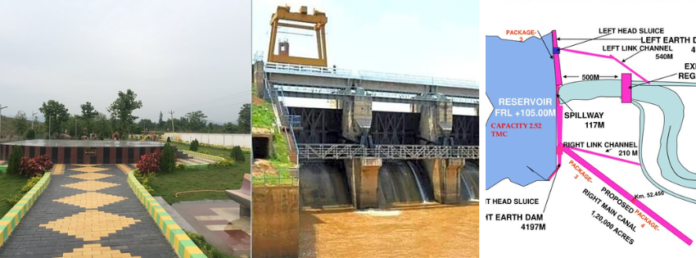
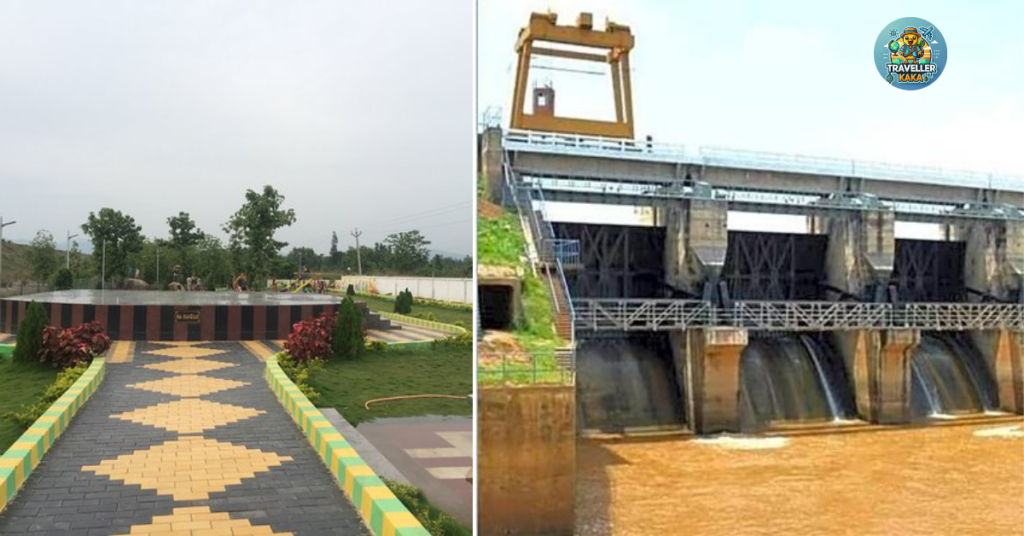
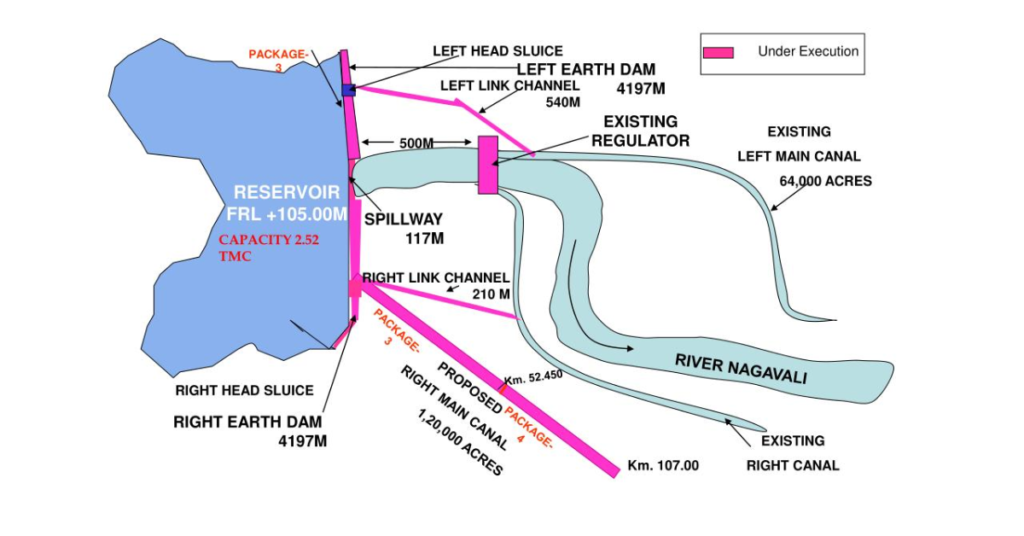
Thotapalli Barrage, located in Andhra Pradesh, India, is more than just a massive structure; it’s a lifeline for the region’s agriculture. Built across the Nagavali River, this vital irrigation project has transformed the landscape and greatly improved the livelihoods of countless farmers. Situated in the Parvathipuram Manyam district, Thotapalli Barrage holds a capacity of 2.51 Tmcft, serving as the primary irrigation source for vast areas in Srikakulam and Parvathipuram Manyam districts. Since its construction, the barrage has significantly boosted agricultural productivity and helped ease water scarcity in the region.

Thotapalli Barrage
Andhra Pradesh's
Agriculture

Also Read: Top 10 Must-Visit beautiful Places in Visakhapatnam


Benefits of Thotapalli Barrage

  • Irrigation: The main purpose of the Thotapalli Barrage is to provide irrigation water to the surrounding agricultural fields. By controlling the flow of the Nagavali River, it ensures a consistent water supply for crops like paddy, sugarcane, and various horticultural produce.
  • Increased Agricultural Productivity: With a steady water supply, farmers can now cultivate a more diverse range of crops and achieve higher yields, leading to better economic conditions.
  • Groundwater Recharge: Thotapalli Barrage also plays a key role in recharging groundwater levels. By storing rainwater, it helps maintain groundwater levels, which are essential for both agriculture and domestic use.
  • Rural Development: The barrage has been a catalyst for rural development, creating jobs in agriculture, related industries, and infrastructure projects, thus improving the living standards of the local communities.
Thotapalli Barrage

Challenges and Future Prospects

While the Thotapalli Barrage has provided numerous benefits, it faces challenges such as sedimentation in the reservoir, maintenance issues, and the need for effective water management practices. To ensure its long-term sustainability, it’s crucial to invest in modern irrigation technologies, promote water conservation, and implement regular maintenance.

Timings

The Thotapalli Barrage is open to visitors year-round, but specific timings may vary depending on the season and local conditions. It’s best to check with local authorities or tourism offices before planning your visit.

How to Reach

  • By Road: The nearest major cities are Vizag (Visakhapatnam) and Srikakulam. From these cities, you can take state or national highways to reach Parvathipuram Manyam. The barrage is well-connected by road, and you’ll find buses and taxis to take you there.
  • By Rail: Parvathipuram Manyam has its own railway station. From the station, you can hire a taxi or take a bus to reach the barrage.

Entry Fee

There is generally no entry fee to visit the Thotapalli Barrage. It’s a public space, open to all visitors, though certain restrictions may apply during specific events or times.

Nearby Attractions

  • Araku Valley: A beautiful hill station known for its stunning views, coffee plantations, and tribal villages.
  • Borra Caves: Famous for their unique rock formations and stalactites, these natural caves are a must-visit in the region.
  • Kotipalli Reservoir: Located near Thotapalli Barrage, this reservoir offers scenic views and boating opportunities.
  • Bheemunipatnam Beach: If you’re in the mood for a beach day, Bheemunipatnam Beach provides a peaceful retreat with its sandy shores.

Tips

  • The best time to visit Thotapalli Barrage is during the monsoon season (June to September) when the reservoir is full, and the surroundings are vibrant and green.
  • Wear comfortable shoes, as you may need to walk around the area.
  • Bring a camera to capture the beautiful views of the barrage and its surroundings.
  • Be mindful of the environment and avoid littering.

Conclusion

Thotapalli Barrage is a shining example of how infrastructure development can transform lives. By providing a steady supply of irrigation water, it has been a cornerstone of agricultural prosperity in Andhra Pradesh. As the region continues to develop, Barrage will remain a vital part of its agricultural landscape, ensuring food security and economic well-being for generations to come.

FAQS

Q1) What is Thotapalli Barrage?

ANS) Thotapalli Barrage is a significant irrigation project located in Parvathipuram Manyam district of Andhra Pradesh, India.

Q2) Where is Thotapalli Barrage located?

ANS) The barrage is located in the Parvathipuram Manyam district of Andhra Pradesh, serving the Srikakulam and Parvathipuram Manyam districts.

Q3) What is the capacity of Barrage?

ANS) Barrage has a storage capacity of 2.51 Tmcft (thousand million cubic feet).

Q4) How does Thotapalli Barrage benefit agriculture?

ANS) The barrage ensures a steady water supply for irrigation, leading to increased agricultural productivity and supporting a variety of crops like paddy and sugarcane.

Q5) Does Thotapalli Barrage help in groundwater recharge?

ANS) Yes, the barrage contributes to groundwater recharge by storing rainwater, which helps replenish groundwater levels essential for agriculture and domestic use.

Arasavalli Sun Temple: A Power Of The Sun

0

Introduction

The Arasavalli Sun Temple, dedicated to Lord Surya (the Sun God), is located in Arasavalli Village, just 1 km east of Srikakulam in Andhra Pradesh, India. King Devendra Varma of the Eastern Ganga Dynasty originally built the temple in the 7th century CE. The current structure mainly features renovations from the 18th century.

This ancient temple features the Rekha deula architectural style, similar to the Puri Jagannath Temple in Odisha. It is renowned as one of the oldest sun temples in India. Alongside the Konark Sun Temple and Martand Sun Temple, it stands as one of the few major temples still dedicated to Lord Surya today.


Also Visit: Experience Exclusive of Sri Kurmam Temple in Andhra Pradesh


History of Arasavalli

The temple, dating back to the 12th century, was built during the Eastern Chalukya dynasty and features the distinctive architectural style of that period. Over the centuries, it has endured various rulers and religious movements, yet retains its original grandeur. The temple’s central shrine, garbhagriha, is a towering structure adorned with intricate carvings depicting Hindu mythology. The gopuram, or gateway tower, is a massive structure with multiple tiers, each adorned with sculptures of deities and mythical creatures. The temple’s orientation and design align with the Sun’s movement, reflecting the cosmic significance of the deity it honors.

The Sun God Surya

Dedicated to Surya, the Hindu God of the Sun, the temple is a place of spiritual significance. Surya is often depicted riding a chariot drawn by seven horses, with each horse representing a day of the week. Devotees come to the temple to seek blessings for good health, prosperity, and spiritual growth. The annual Rath Yatra festival, celebrated with great pomp and fervor, is a highlight of the temple’s calendar.

Arasavalli temple timings

To plan your visit to the Arasavalli Sun Temple, here are the general timings:

  • Temple Opening Hours: The temple is open daily from 6:00 AM to 12:00 PM and from 4:00 PM to 8:00 PM.
  • Special Puja Timings: The temple schedules specific rituals and pujas at designated times throughout the day.. Major ceremonies usually occur in the early morning and evening.
  • Festivals and Events: During festivals like Ratha Saptami and Magha Saptami, the temple may have extended hours and special ceremonies. It’s a good idea to check the schedule or contact the temple in advance for details.

For the most accurate and up-to-date information, especially during festival times, it’s best to check the temple’s official website or contact local authorities.

Entry Fee

The entry fee to Arasavalli Sun Temple is nominal and affordable. However, it’s a good idea to check the official website or ask locally for the latest information.

Nearby Visit Places

  • Srikakulam Beach: Enjoy a serene beach experience and witness breathtaking sunsets.
  • Bheemunipatnam Beach: Explore this picturesque beach with its pristine sands and clear waters.
  • Borra Caves: Discover the mesmerizing limestone caves with their unique formations and underground river.
  • Araku Valley: Immerse yourself in the scenic beauty of the valley, surrounded by lush greenery and cascading waterfalls.
  • Kotipalli Reservoir: Enjoy boating and other water activities at this serene reservoir.

How to Reach Arasavalli Sun Temple

  • By Air: The closest airport to the Arasavalli Sun Temple is Visakhapatnam International Airport. From there, you can hire a taxi or take a bus to Arasavalli.
  • By Train: Arasavalli has its own railway station, well-connected to major cities in Andhra Pradesh.
  • By Road: You can reach the temple by road from Srikakulam, which connects well to other parts of the state.

Conclusion

Arasavalli Sun Temple offers a unique blend of spiritual significance, architectural beauty, and natural splendor. Whether you are a devout Hindu or simply a traveler seeking a serene and enriching experience, this temple is a must-visit destination. With its affordable entry fee and numerous nearby attractions, Arasavalli promises a memorable visit for all.

FAQS

Q1) What is the Arasavalli Sun Temple?

ANS) The Arasavalli Sun Temple is a historic temple dedicated to Lord Surya, the Sun God. It is located in Arasavalli Village, near Srikakulam in Andhra Pradesh, India.

Q2) When was the Arasavalli Sun Temple built?

ANS) King Devendra Varma of the Eastern Ganga Dynasty originally built the temple in the 7th century CE. The current structure largely reflects renovations from the 18th century.

Q3) What is the architectural style of the Arasavalli Sun Temple?

ANS) The temple features the Rekha deula architectural style, similar to the Puri Jagannath Temple in Odisha. This style is notable for its intricate carvings and unique design.

Q4) What are the visiting hours for the Arasavalli Sun Temple?

ANS) The temple is open daily from 6:00 AM to 12:00 PM and from 4:00 PM to 8:00 PM. Special pujas and ceremonies are held at various times throughout the day.

Q5) Is there an entry fee to visit the Arasavalli Sun Temple?

ANS) The entry fee is minimal. For the most current fee information, it is best to check the temple’s official website or contact local authorities.

Exclusive of Kothapalli Waterfalls: A Hidden Gem Near Lambasingi

0

Introduction:

Nestled in the serene landscapes of Andhra Pradesh, Kothapalli Waterfalls offers a breathtaking retreat for nature enthusiasts and adventure seekers. Situated near Lambasingi, this hidden gem is celebrated for its picturesque beauty and tranquil environment. Whether you’re an avid traveler or someone looking for a peaceful getaway, Waterfalls promises a memorable experience.

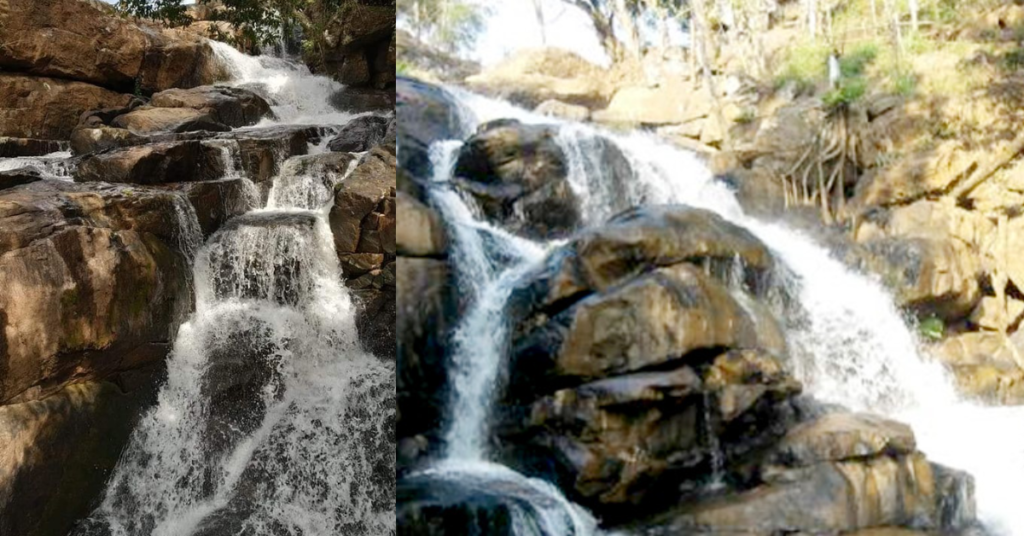
Kothapalli Waterfalls

Kothapalli Waterfalls Location and Accessibility:

This waterfall is located in Kothapally Village within the Gangaraju Madugula Mandal of Andhra Pradesh. The falls are approximately 37 kilometers from Lambasingi, 30 kilometers from Paderu, and 72 kilometers from Araku. The site is easily accessible by road, with options for walking or trekking to fully immerse yourself in the natural surroundings. It is the best waterfall near Vizags


Also Visit: Exclusive Of Yarada Beach: A Hidden Gem in Visakhapatnam


About the Waterfalls:

Discovered by locals in 2012, Kothapalli Waterfalls has since become a popular attraction, especially for those exploring the Vizag region. The waterfall, cascading over the Ghostani River, plunges into a serene pool after traversing a series of rocky formations. Set against a backdrop of dense forest and situated about 500 feet deep on a hill, the falls present a spectacular sight. The surrounding coffee plantations add to the scenic beauty, making it a perfect spot for relaxation and nature photography.

Visitor Experience:

The journey to these waterfalls involves a 2-kilometer trek from the parking lot, which is well-maintained and provides ample space for visitors’ vehicles. This short hike through lush forest areas leads you to the base of the waterfall, where you can enjoy the cool mist and tranquil ambiance. The site offers a refreshing escape from the hustle and bustle of city life, and the surrounding natural beauty is ideal for picnics and strolls.

Kothapalli Waterfalls
and water

Explore our: Top 10 Must-Visit beautiful Places in Visakhapatnam


Kothapalli Waterfalls Timings and Entry Fee:

  • Timings: 6:00 AM – 5:30 PM
  • Entry Fee: Rs. 10 per person

Travel Tips:

  • Wear comfortable footwear: The trek to the falls involves walking through uneven terrain.
  • Carry essentials: Pack water, snacks, and sun protection to ensure a comfortable visit.
  • Respect nature: Adhere to local guidelines to help maintain the area’s natural beauty.

Kothapalli waterfalls distance on MAP:

Also Must Visit Places:

Conclusion:

Kothapalli Waterfalls is a must-visit destination for those seeking a serene escape in Andhra Pradesh. With its stunning natural beauty, easy accessibility, and nearby attractions, it offers a well-rounded experience for travelers and nature lovers. Plan your visit, explore the lush surroundings, and enjoy the tranquility of this picturesque waterfall.


Frequently Asked Questions(FAQs):

Q1. Where is Kothapalli Waterfalls located?

Answer: This waterfall is located in Kothapally Village, Gangaraju Madugula Mandal, Andhra Pradesh.

Q2. How far is Kothapalli Waterfalls from Lambasingi?

Answer: The waterfalls are approximately 37 kilometers from Lambasingi.

Q3. What are the visiting hours for Kothapalli Waterfalls?

Answer: The falls are open from 6:00 AM to 5:30 PM daily.

Q4. What is the entry fee for Kothapalli Waterfalls?

Answer: The entry fee is Rs. 10 per person.

Q5. How long is the trek to Kothapalli Waterfalls from the parking lot?

Answer: The trek to the falls from the parking lot is about 2 kilometers.

Experience Exclusive of Sri Kurmam Temple in Andhra Pradesh

0

Introduction

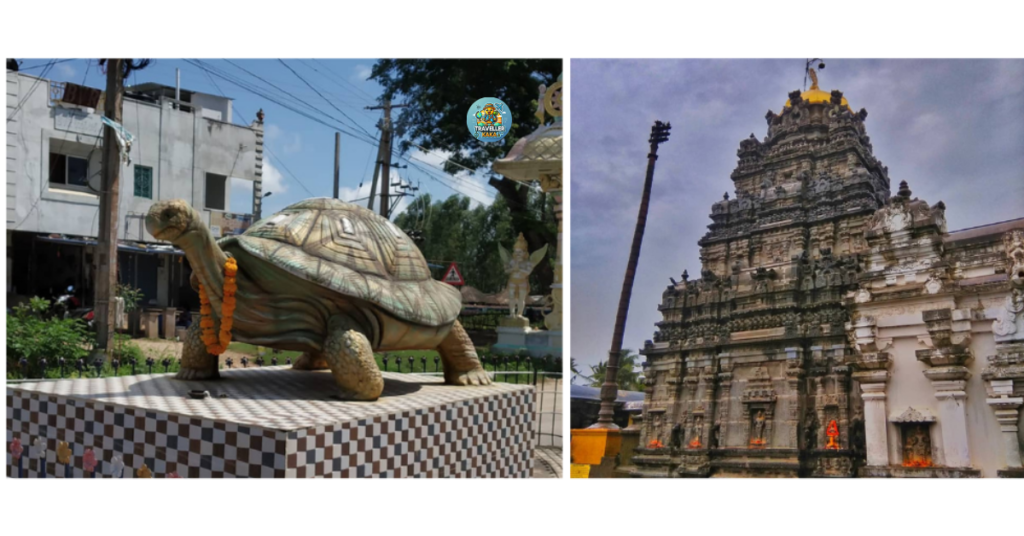
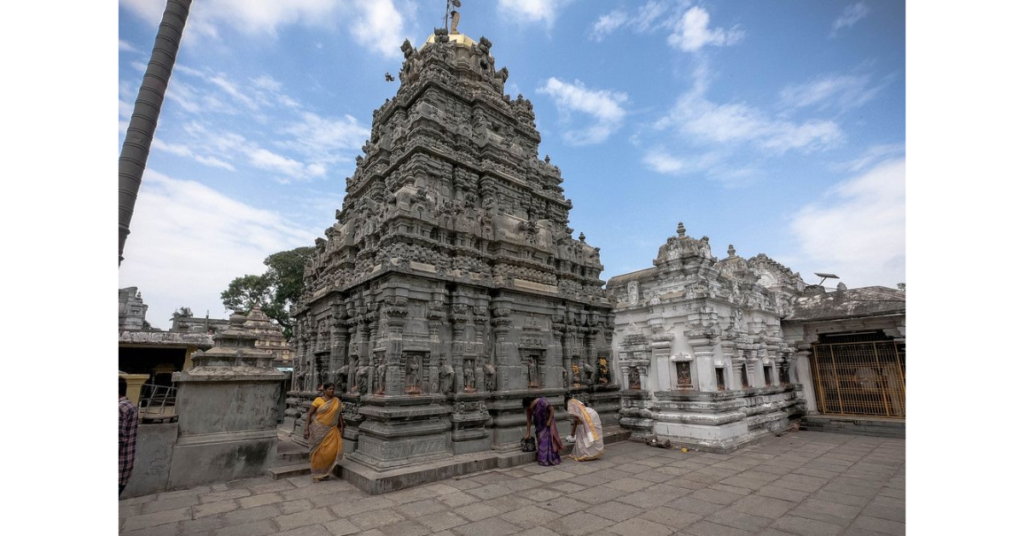
Nestled in the serene town of Srikurmam in Andhra Pradesh’s Srikakulam district, Sri Kurmam Temple stands out as a unique and ancient shrine. Dedicated to Lord Vishnu in his rare Kurma (tortoise) avatar, this temple is the only one of its kind in India. Whether you’re a devotee or a curious traveler, Sri Kurmam Temple offers a tranquil and spiritually uplifting experience that draws visitors from all corners of the globe.

SriKurmam
Temple
Andhra Pradesh

Also Read: Top 10 Must-Visit beautiful Places in Visakhapatnam


Location

Sri Kurmam Temple is about 13 kilometers from Srikakulam, surrounded by lush greenery that adds to its peaceful ambiance. Located in the northeastern part of Andhra Pradesh, Srikurmam is the perfect destination for those seeking serenity and spiritual solace.

Address:


Sri Kurmam Temple, Srikurmam Village, Srikakulam District, Andhra Pradesh, India

Visiting Hours and Entry Fees

Visitors are welcome throughout the year, with the temple open at the following times:(srikurmam temple darshan timings AND srikurmam temple timings)

  • Morning: 6:00 AM – 12:00 PM
  • Evening: 3:00 PM – 8:00 PM

Entry Fees: There is no charge to enter the temple, though donations are appreciated to help with its upkeep and activities.

How to Reach Sri Kurmam Temple

  • By Air: The nearest airport is Visakhapatnam International Airport, about 106 kilometers away. Taxis and buses are easily available from the airport to Srikurmam.
  • By Rail: The closest railway station is Srikakulam Road Railway Station (Amadalavalasa), approximately 35 kilometers from the temple.
  • By Road: Sri Kurmam Temple is well-connected by road, with regular buses and taxis operating from Srikakulam town. Driving is also a convenient option.

What to Do at Sri Kurmam Temple

  • Offer Prayers: Join in the daily rituals and seek blessings from Lord Vishnu in his Kurma avatar.
  • Explore the Architecture: Marvel at the temple’s intricate carvings and stunning Dravidian architectural style.
  • Meditate: Find a peaceful corner within the temple premises to meditate and soak in the spiritual atmosphere.
  • Attend Festivals: Experience the vibrant celebrations during major festivals like Kurma Jayanti, Vaikuntha Ekadashi, and Rath Yatra.

Nearby Attractions

While you’re visiting Sri Kurmam Temple, consider exploring these nearby sites:

  • Salihundam Buddhist Monuments: Situated on the banks of the River Vamsadhara, this site is rich in Buddhist history and offers a peaceful environment.
  • Arasavalli Temple: Dedicated to the Sun God Surya, this ancient temple is one of the oldest in the region and holds great spiritual significance.

History of Sri Kurmam Temple

srikurmam temple history is considered one of India’s oldest temples, dating back to the 2nd century AD. Legend has it that Lord Vishnu himself established the temple. The temple features a deity depicted as a tortoise, representing Lord Vishnu’s Kurma avatar. It brims with historical and mythological stories that enhance its spiritual and cultural significance.

Conclusion

Sri Kurmam Temple is more than just a place of worship; it’s a sanctuary of peace, spirituality, and historical significance. Whether you’re seeking divine blessings or exploring India’s rich cultural heritage, a visit to Sri Kurmam Temple promises a memorable experience. Immerse yourself in the temple’s divine aura, admire its architectural beauty, and take home memories of a spiritually fulfilling journey. Plan your visit today and discover the timeless charm of this ancient temple in Andhra Pradesh.

FAQS

Q1) Are there accommodation options near the temple?

ANS) Yes, there are several hotels and guesthouses in Srikakulam town offering comfortable stays for pilgrims and tourists.

Q2) Is photography allowed inside the temple?

ANS) Photography inside the temple is generally not allowed. Check with the temple authorities for the specific rules.

Q3) What is the significance of Sri Kurmam Temple?

ANS) Sri Kurmam TemplSri Kurmam Temple stands as the only shrine in India dedicated to Lord Vishnu’s Kurma (tortoise) avatar and holds the distinction of being one of the oldest temples, with origins tracing back to the 2nd century AD.

Q4) How can I reach Sri Kurmam Temple?

ANS) You can reach the temple by air (Visakhapatnam International Airport, 106 km away), by rail (Srikakulam Road Railway Station, 35 km away), or by road with regular buses and taxis available.

Q5) Is there an entry fee to visit Sri Kurmam Temple?

ANS) You won’t need to pay an entry fee to visit the temple, but the temple appreciates donations to help with maintenance and activities.

An Exclusive Guide to Sri Venkateswara Temple, Annavaram:

0

Introduction:

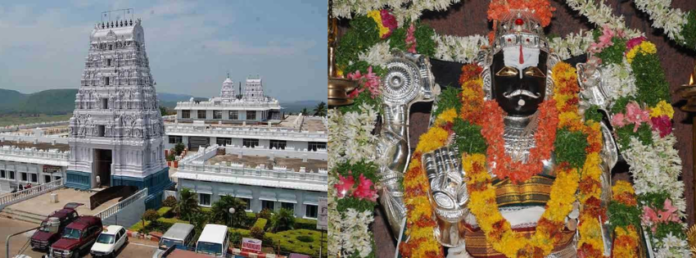
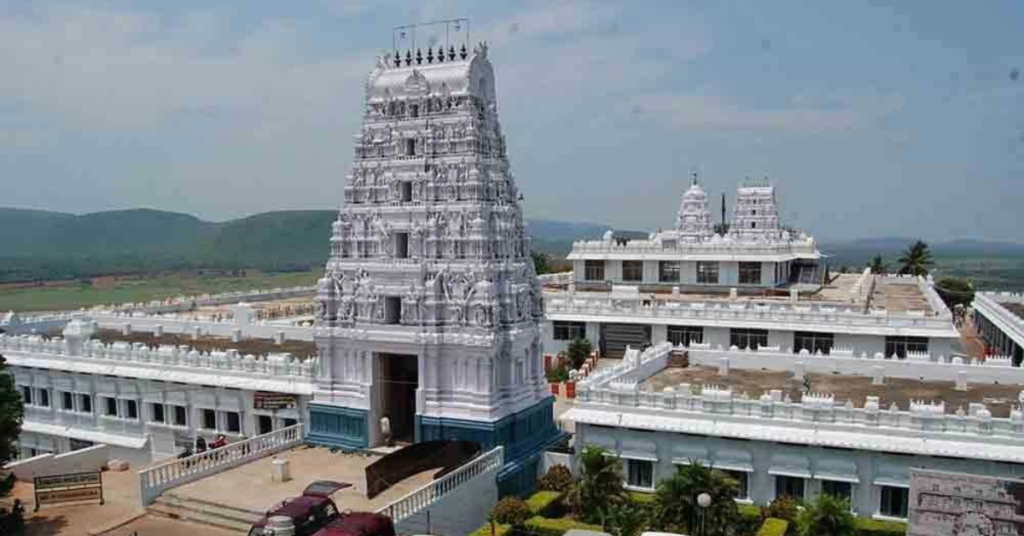
Sri Venkateswara Temple, located in the picturesque town of Annavaram, Andhra Pradesh, is one of the most revered holy shrines in India. Ranking second in popularity only to Tirupati within the state, this temple stands as a testament to the rich cultural and spiritual heritage of the region. The temple is a blend of architectural beauty. Historical significance, and spiritual sanctity, making it a must-visit destination for devotees and tourists alike.

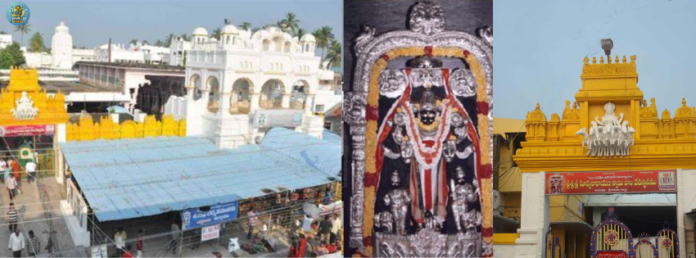
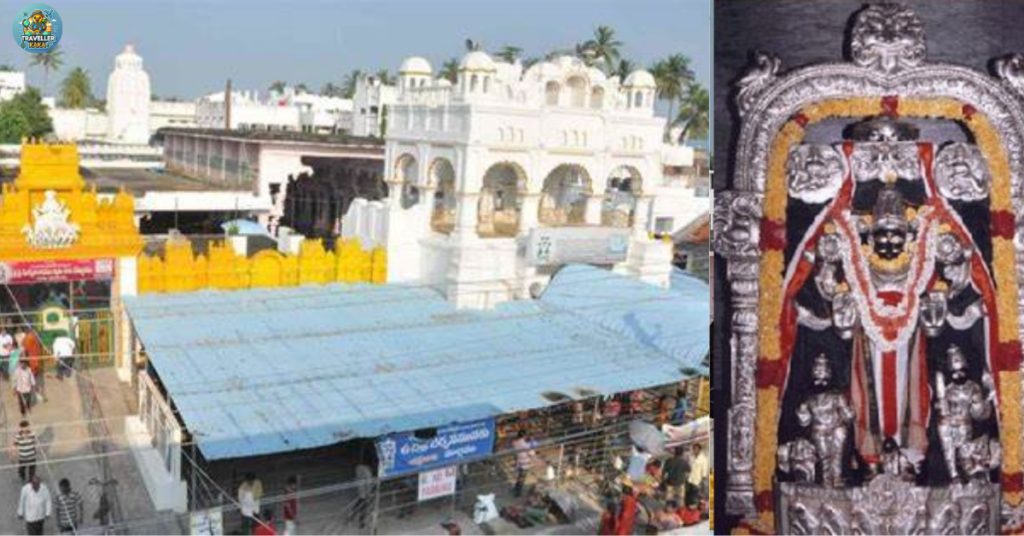
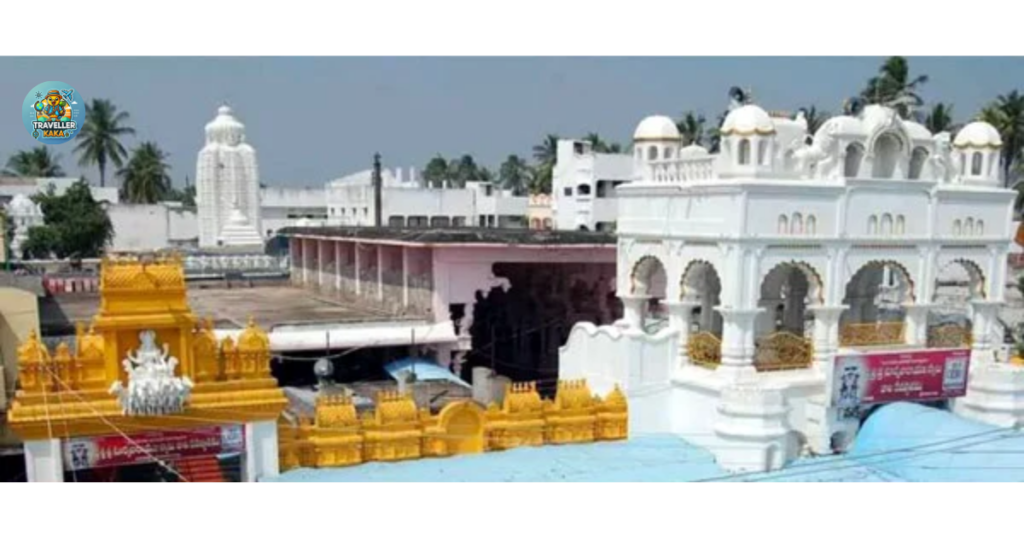
Annavaram temple

History and Significance of Annavaram Temple:

The Dravidian architectural style shapes Sri Venkateswara Temple, also called Sri Veera Venkata Satyanarayana Swamy Temple. The Revakhanda of the Skandapuranam extensively mentions the glory of Lord Satyanarayana Swamy. The deity, along with his consort Sri Anantha Lakshmi and Lord Shiva, resides on the Ratnagiri hill, a site named after Ratnakara, the son of Meru, the king of holy mountains. The sacred Pampa River, which touches the base of Ratnagiri, further enhances the temple’s divine aura.

The unique aspect of this temple is the worship of the Divine Trinity Brahma, Vishnu, and Shiva within a single idol, symbolizing the unity of creation, preservation, and destruction. This makes the temple a unifying place of worship for both Vaishnavites and Shaivites, attracting thousands of pilgrims daily.


Also read: Celebrate the Vibrant Gangamma Jatara Festival in Visakhapatnam


Legends and Sthala Purana:

The name “Annavaram” comes from two different stories. One story tells that people generously distributed food in the area, leading to the name derived from “Annam,” which means food in Telugu. Another version attributes the name to the blessings (varam) bestowed by the presiding deity, thus called Annavaram.

The legend of Ratnagiri Hill, where the temple stands, intertwines with tales of devotion and divine grace. Meruvu, the lord of the hills, and his consort Menaka performed great penance and received blessings, resulting in the birth of two sons, Bhadra and Ratnakar. Bhadra became Bhadrachalam, a hill on which Lord Rama resides, while Ratnakar transformed into Ratnagiri, where Lord Satyanarayana Swamy made his abode. Historical figures such as Sri Krishnadevaraya of Vijayanagar and the freedom fighter Alluri Sitarama Raju utilized the hill’s secret passages during their campaigns.

annavaram temple god
and Sri Venkateswara swamy

Architectural Marvel Of Annavaram Sri Venkateswara Temple:

The temple’s design resembles a chariot, representing the journey of the soul. The chariot’s wheels represent the Sun and the Moon, signifying the eternal movement of time. The temple’s design reflects the cosmic principles mentioned in ancient texts like the Agni Purana and Silpa Sastra. The temple’s unique architectural style aims to remind devotees of the universe, with the deity at the center representing the Supreme Spirit.


Also Explore: Sri Kanaka Mahalakshmi Temple: powerful goodness of vizag


Annavaram Temple Timings and Darshan Details:

For those planning to visit, the temple is open from 5:00 AM to 9:00 PM daily. Here’s a breakdown of the key timings and darshan details:

  • Temple Timings: The temple is open from 5:00 AM to 9:00 PM, offering ample time for devotees to participate in various rituals and darshan.
  • Vratham Timings: The Satyanarayana Swamy Vratham, a special ritual performed by devotees seeking blessings, is conducted throughout the day. However, specific timings can be confirmed at the temple or via online booking platforms.
  • Annavaram Temple Darshan Tickets: Darshan tickets can be purchased directly at the temple. There are also options for special darshan tickets, which provide quicker access to the deity.

Annavaram Vratham: Significance and Legends:

Devotees perform the Satyanarayana Vratham to seek wealth, health, and overall prosperity. The ritual originated from a story about a poor Brahmin who received blessings from Lord Vishnu after following the Lord’s advice to perform the Vratham. This ritual is believed to offer significant benefits, including relief from troubles, success in endeavors, and spiritual growth.

The temple hosts thousands of devotees daily, with an average attendance of around five thousand people performing the Vratham. Devotees can perform the ritual on any day convenient for them, although Ekadasi is considered an auspicious day.

Annavaram Vratham Tickets Online Booking:

To facilitate the smooth participation of devotees in the Vratham, the temple authorities offer online booking services. Here are some details:

Top Places to Visit around Annavaram:


Here You Go With: Top 10 Must-Visit beautiful Places in Visakhapatnam


Conclusion:

Sri Venkateswara Temple in Annavaram is not just a place of worship but a beacon of spiritual guidance and historical importance. Whether you are seeking divine blessings, exploring ancient architecture, or understanding the legends that shaped this sacred space. A visit to Annavaram promises a fulfilling experience. The temple caters to the spiritual needs of its vast and diverse devotee base with facilities like online booking for Vratham and clear darshan timings.

Plan your visit, participate in the holy Vratham, and immerse yourself in the divine ambiance of Annavaram, where tradition meets tranquility.


Frequently Asked Questions(FAQs):

Q1. What are the temple timings for Sri Venkateswara Temple, Annavaram?

Answer: The temple is open daily from 5:00 AM to 9:00 PM.

Q2. How can I book Annavaram Vratham tickets online?

Answer: You can book Vratham tickets online through the temple’s official booking portal.

Q3. What is the significance of the Satyanarayana Swamy Vratham at Annavaram?

Answer: The Vratham is a powerful ritual for seeking blessings for wealth, health, and prosperity.

Q4. What architectural style is the Sri Venkateswara Temple, Annavaram built in?

Answer: The Dravidian architectural style defines the temple, with its design resembling a chariot.

Q5. What is the legend behind the name “Annavaram”?

Answer: The name “Annavaram” comes from stories of generous food distribution (“annam”) and blessings (“varam”) bestowed by the presiding deity.

Pavuralakonda Beautiful of Nature

0

Looking for a peaceful getaway surrounded by nature and steeped in history? Pavuralakonda, nestled in the Eastern Ghats of Andhra Pradesh, is the perfect destination. This tranquil hill station offers stunning views, rich cultural heritage, and a serene atmosphere, making it ideal for nature lovers and history buffs alike.

The History Behind Pavuralakonda

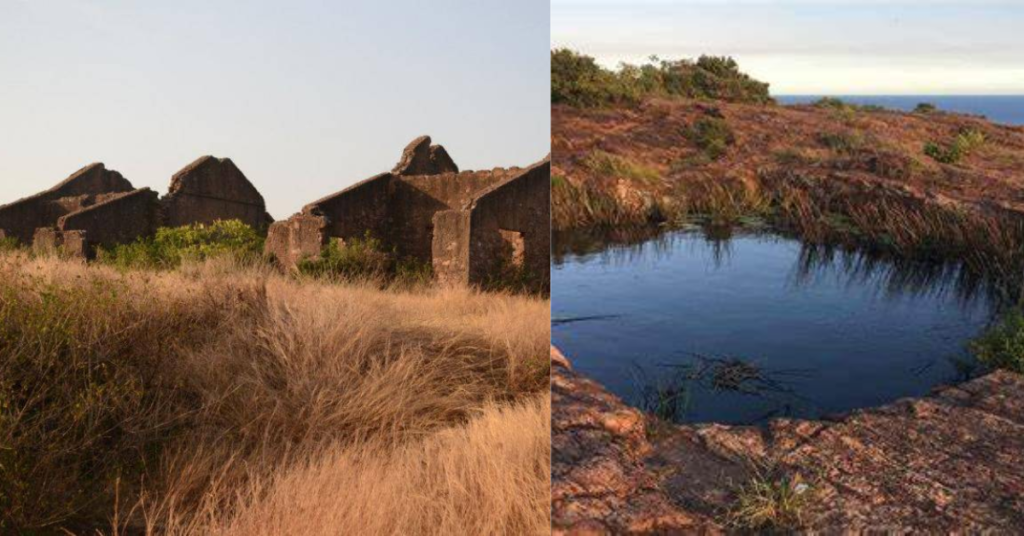
“Pavuralakonda,” meaning “Hill of Smoke” in Telugu, refers to the mist that often blankets the hilltop. This area is rich in history, featuring ancient temples and important Buddhist sites. From the 3rd Century BCE to the 2nd Century CE, Pavuralakonda was a prominent Buddhist monastic complex, adding a fascinating historical layer to its natural beauty.

Pavuralakonda

Things to Do in Pavuralakonda

Pavuralakonda offers plenty of activities and attractions:

  • Trekking: Explore lush forests and rolling hills with exciting trekking trails. Enjoy breathtaking panoramic views of the valleys and nearby villages.
  • Visit Ancient Temples: Discover rock-carved temples with intricate architecture, showcasing the area’s cultural and historical significance.
  • Picnic Spots: Find a peaceful spot in the natural beauty of the hill station for a relaxing picnic with friends or family.
  • Wildlife Watching: Spot various wildlife, including deer, monkeys, and colorful birds.
  • Sunrise and Sunset Views: Watch stunning sunrises and sunsets from the hilltop, where the sky transforms into vibrant shades of orange, pink, and purple.
Pavuralakonda
VIZAG

When to Visit Pavuralakonda

The best time to visit Pavuralakonda is from November to February, when the weather is cool and comfortable. The monsoon season (June to September) is also lovely, with lush greenery and scenic waterfalls.

How to Reach Pavuralakonda

Pavuralakonda is easy to get to from major cities in Andhra Pradesh. The nearest railway station is Bhimavaram, and the closest airport is Visakhapatnam. From these locations, you can hire a taxi or take a bus to reach the hill station.

Nearby Attractions

While you’re in the area, don’t miss these nearby attractions:

Pavuralakonda is a hidden gem that combines natural beauty with historical richness. Whether you’re trekking through its scenic trails, exploring ancient temples, or simply enjoying the peaceful surroundings, it guarantees a memorable experience.

FAQS

Q1) What is Pavuralakonda?

ANS) Pavuralakonda is a serene hill station in Andhra Pradesh’s Eastern Ghats, known for its lush greenery, ancient temples, and historical Buddhist significance.

Q2) What activities can I do at Pavuralakonda?

ANS) Visitors can enjoy trekking, exploring ancient temples, picnicking, wildlife spotting, and viewing stunning sunrises and sunsets.

Q3) Are there any nearby attractions?

ANS) Yes, nearby attractions include Ramakrishna Beach, Rushikonda Beach, Bheemili Beach, Thotlakonda, Bavikonda, Sankaram Buddhist Excavations, Kambalakonda Wildlife Sanctuary, Indira Gandhi Zoological Park, and Kailasagiri.

Q4) What should I bring for a visit?

ANS) Wear comfortable trekking shoes, bring water, a hat, sunscreen, and a camera to capture the scenic views and historical sites.

Q5) Is Pavuralakonda suitable for families?

ANS) Yes, Pavuralakonda is ideal for families. It offers activities like picnicking, gentle trekking, and wildlife spotting that are suitable for all ages.

Bojjana Konda A Hidden Gem of Buddhist Art and Architecture

0
Bojjana Konda Vizag

Visakhapatnam is full of surprises, offering a mix of beautiful beaches, scenic hills, lush forests, and rich history. Among the many places to explore, one standout site is Bojjana Konda, a fascinating Buddhist heritage site located in the village of Sankaram.

Bojjana Konda heritage site

A Peek into the History of Bojjana Konda

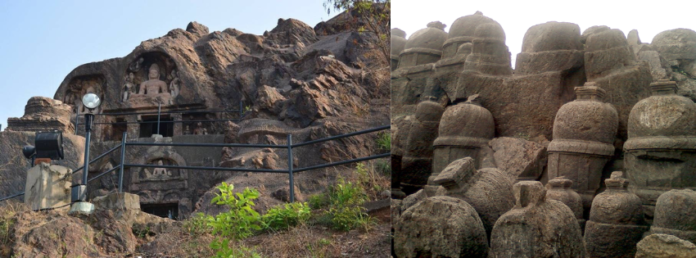
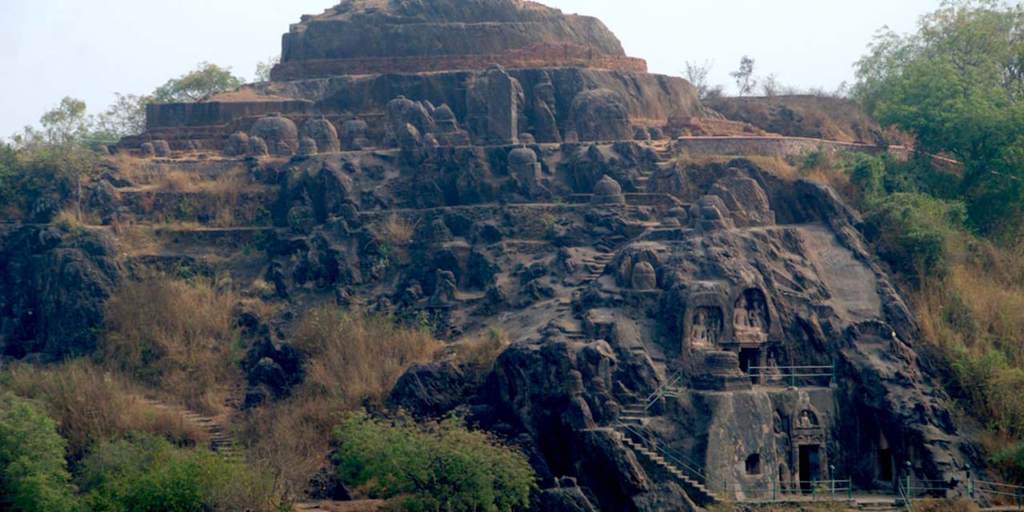
Bojjana Konda, originally named ‘Buddhina Konda,’ is a significant historical site dating back to the 4th to 9th centuries AD. This Buddhist site, along with its twin hill Lingala Konda, reveals the major influences of Buddhism on the region. Sankaram, which was once known as ‘Sangharam’ (meaning monastery), was a prominent center for Buddhist culture.

Buddhina Konda  monastery

In 1906, British archaeologist Alexander Rea led an excavation here and uncovered several ancient artifacts, including a statue of Buddha. The site is renowned for its monolithic stupas, rock-cut caves, and other historical relics.


Also Read: Meghadri Gadda Reservoir A Hidden Gem in Visakhapatnam


Architecture and Design of Bojjana Konda

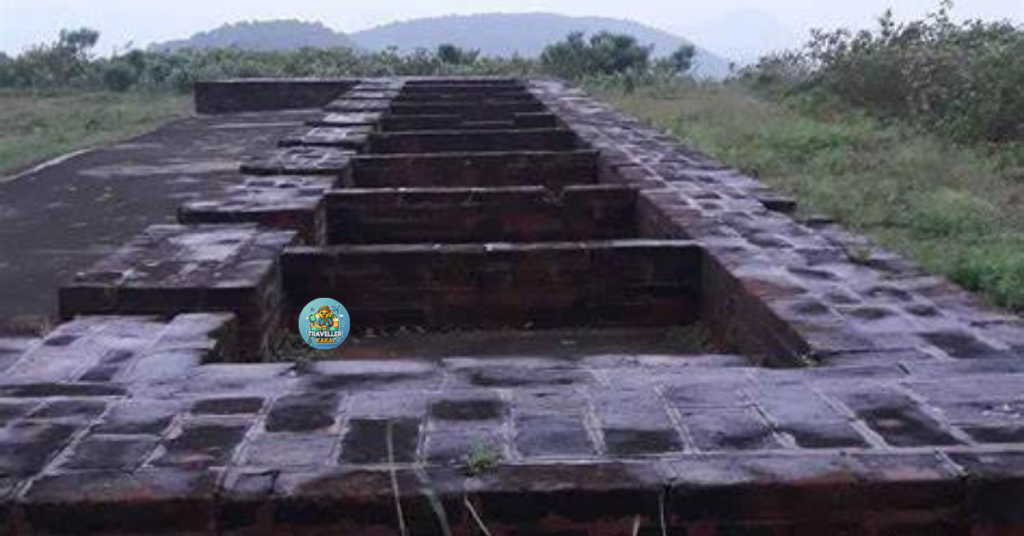
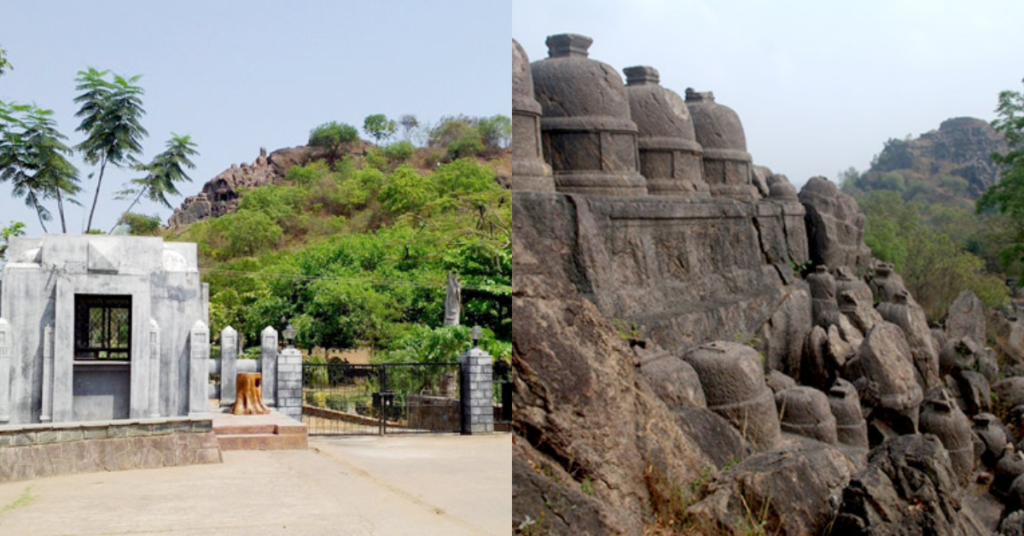
Buddhina Konda is perched on an eastern hill in Sankaram. Surrounding it are rock-cut platforms with a central maha stupa, whose dome is made entirely of bricks. The site has uncovered Buddhist coins and relics, adding to its historical value.

eastern hill Bojjana Konda

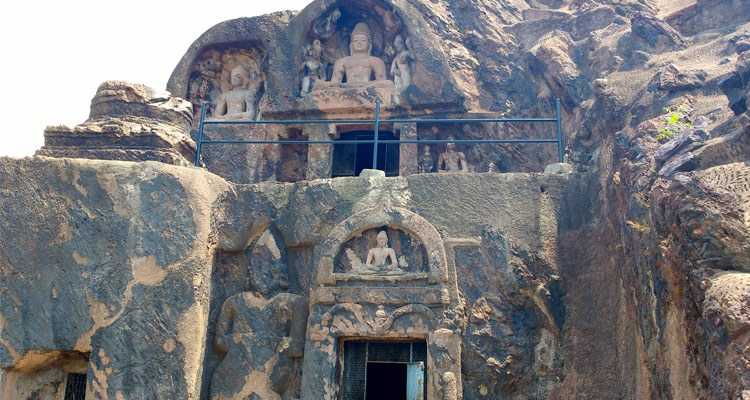
The site features around six rock-cut caves, each with unique sculptures and designs. The main cave includes sixteen pillars and a stupa, with intricate carvings on the ceiling. One can also find ancient prayer halls, vihara (monastic residences), and a life-size statue of Buddha.


Also Read: Gangavaram Beach is a Beautiful place to visit in Vizag


Things to Do at Bojjana Konda

  1. Enjoy the Panoramic View: From this , you can take in stunning views of Sankaram village and the surrounding greenery. The fresh air and scenic beauty make for a refreshing experience.
  2. Explore the Caves: Wander through the six rock-cut caves, each showcasing detailed pillars and monolithic stupas. The cave carvings depict various Buddhist themes and are a treat for history enthusiasts.
  3. Visit the Prayer Halls: See how ancient Buddhists worshiped in these well-preserved prayer halls. You can still find lamp holders and elevated platforms used for religious gatherings.
  4. Discover the Vihara: The site includes remnants of an old vihara (monastery) where monks and students would stay and learn. The caves here are simply carved but hold historical significance.
  5. See the Life-Size Buddha Statue: At the entrance, a life-size Buddha statue greets visitors with a serene expression, symbolizing peace and tranquility. Nearby, you can also see a statue of Lord Ganesha, representing a transition from Buddhism to Hinduism.

Entry Fee and Visiting Hours

Buddhist heritage is open daily from 9:00 am to 6:00 pm, and there is no entry fee.

Nearby Attractions

If you’re visiting Buddhist heritage, you might also want to check out these nearby spots

  1. Lingala Konda: The neighboring hill site, similar to Bojjana Konda, offers additional insights into Buddhist history.
  2. Nookambika Temple: Located just 2 km away in Anakapalli, this temple is dedicated to the Hindu goddess Nookambika and is a significant pilgrimage site.
  3. Simhachalam: A nearby temple city is known for its rich artistic and religious heritage.

Also Read: Ananthagiri Hills Your Ultimate Escape to Serenity and Scenic Beauty


How to Get There

Bojjana Konda is about 45 km from Vizag. You can reach it by:

  • Train: Take a local train from Vizag to Anakapalli and then a cab to Bojjana Konda.
  • Bus: Local and intercity buses run from the APSRTC complex to Anakapalli. From there, you can take a cab or auto-rickshaw.
  • Cab: Hiring a cab from Vizag is the most comfortable option.

Conclusion

Bojjana Konda stands as a captivating testament to the rich Buddhist heritage of the region. From its ancient rock-cut caves and monolithic stupas to the serene life-size Buddha statue, the site provides a unique window into the past. Whether you’re an enthusiast of history, architecture, or simply looking to enjoy panoramic views of the surrounding landscape, Bojjana Konda promises an enriching experience. With its accessible location near Visakhapatnam and its intriguing historical artifacts, It is an essential stop for anyone exploring the cultural and historical tapestry of Andhra Pradesh. Plan your visit to uncover the layers of history and witness the tranquility that this ancient site offers.

Frequently Asked Questions

1Q: What is Bojjana Konda?

A: Bojjana Konda is a significant Buddhist heritage site with ancient rock-cut caves and stupas located in Sankaram.

2Q: What is the historical significance of Bojjana Konda?

A: Bojjana Konda dates back to the 4th to 9th centuries AD and was a prominent center for Buddhist culture.

3Q: What can you see at Bojjana Konda?

A: Visitors can explore rock-cut caves, monolithic stupas, ancient prayer halls, and a life-size Buddha statue.

4Q:What are some nearby attractions to Bojjana Konda?

A: Nearby attractions include Lingala Konda, Nookambika Temple, and the temple city of Simhachalam.

5Q: How far is Bojjana Konda from Visakhapatnam?

A: Bojjana Konda is approximately 45 kilometers from Visakhapatnam.

Ananthagiri Hills Vizag Your Ultimate Escape to Serenity and Scenic Beauty

0
Ananthagiri Hills

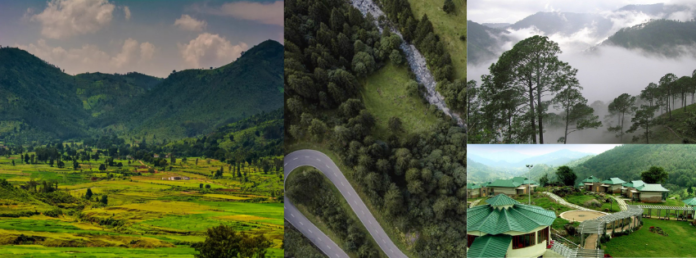
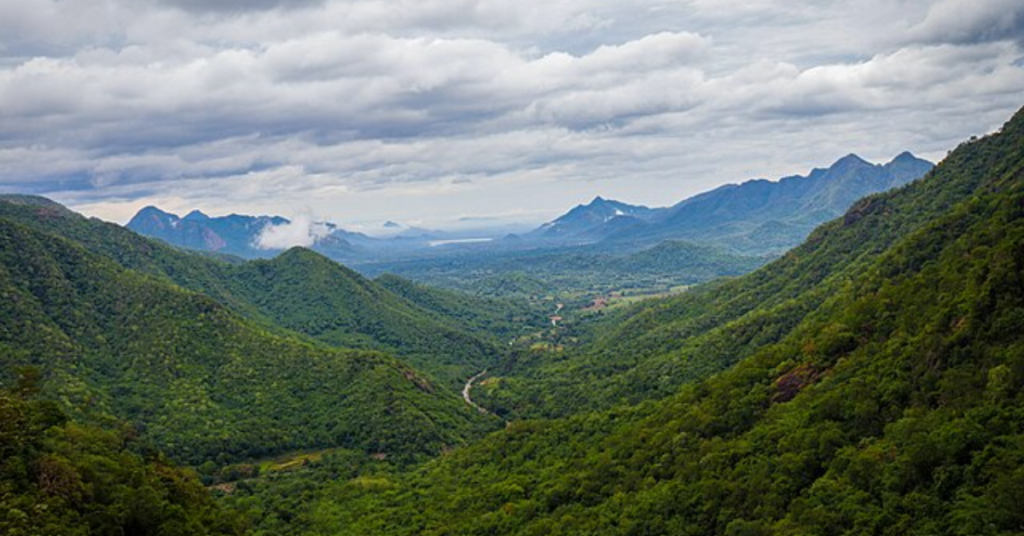
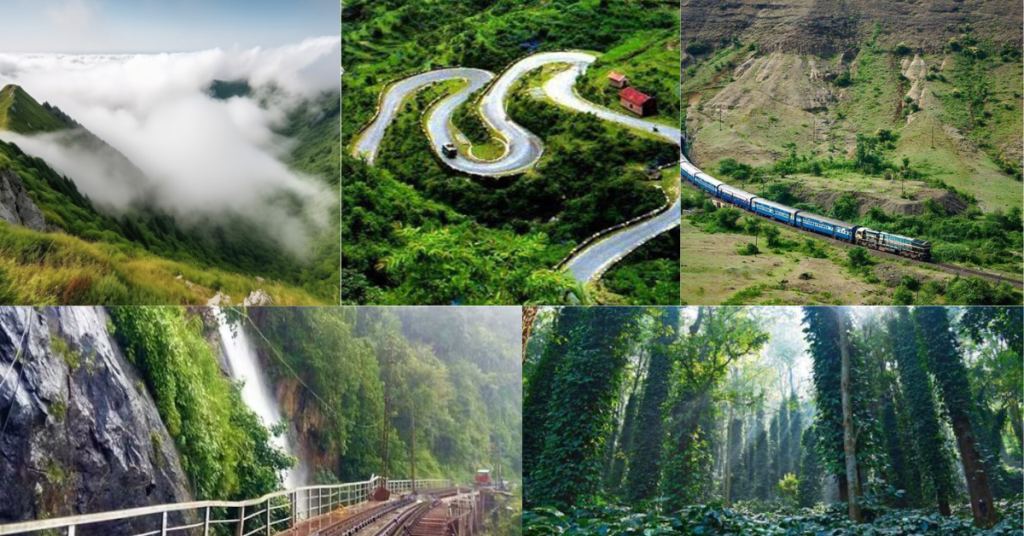
Nestled amidst the Eastern Ghats, Ananthagiri Hills Vizag is a serene and unexplored hill station in Andhra Pradesh. Known for its lush greenery, ancient structures, and tranquil environment, The Hill is a perfect getaway for nature lovers, adventure enthusiasts, and those seeking a peaceful retreat. This blog will take you through the various attractions, historical significance, and travel tips for visiting this picturesque destination.

Eastern Ghats of Ananthagiri Hills

Discovering Ananthagiri Hills Vizag

Ananthagiri Hills is approximately 17 kilometers from Araku Valley and about 112 kilometers from Visakhapatnam. This hill range is located atop the Elysian Tirumala Hills, about 40 kilometers from Visakhapatnam. The region is known for its serene beauty, lush greenery, and pleasant weather, especially during the summer when it offers a cool and refreshing escape from the heat.

serene beauty of Ananthagiri Hills Vizag

One of the notable features of Ananthagiri Hills is its coffee plantations. The area is famous for producing high-quality coffee, making it a paradise for coffee enthusiasts. The hills are also renowned for their beautiful landscapes, which include meadows of wildflowers, apple orchards, and rushing streams that cascade down the mountainsides.


Also Read: Bojjana Konda A Hidden Gem of Buddhist Art and Architecture


The Scenic Beauty of Accommodation in Ananthagiri Hills Vizag

The scenic value of Hills is truly extraordinary. Visitors can witness stunning views of sunrise and sunset, which are especially mesmerizing from the hilltops. The area is enveloped in a fragrant mix of mango groves and orchards, adding to the overall charm.

The hills are also home to Bhavanasi Lake, a serene body of water that enhances the region’s natural beauty. Due to its tranquil and picturesque environment, Bhavanasi Lake has earned the nickname “Badrinath of the South.”

Top Attractions in Ananthagiri Hills Vizag

Bhavanasi Lake

Known as the southern Badrinath, Bhavanasi Lake is considered sacred. It’s believed that taking a holy dip in the lake enhances faith and purifies the soul. The tranquil waters of the lake are surrounded by lush greenery, making it a peaceful spot.

Araku Valley

 Araku Valley is a hidden gem that promises breathtaking natural beauty and a unique cultural experience. From beautiful green coffee farms to breathtaking waterfalls.

 Araku Valley to Ananthagiri Hills Vizag

The Borra Hills and Caves

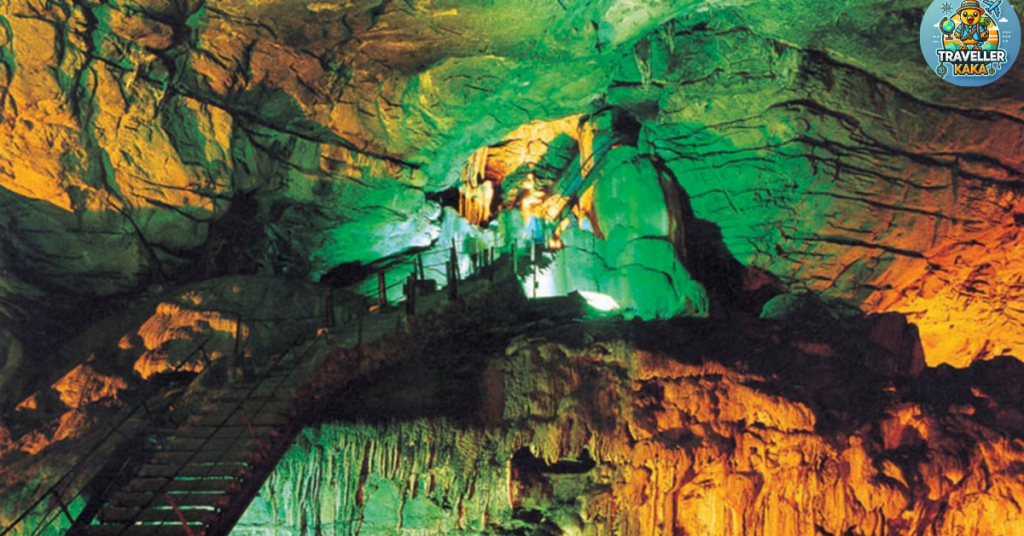
A short drive from Ananthagiri Hill will take you to the Borra Caves in Araku Valley. These ancient caves, discovered by British geologist William King in 1807, are famous for their unique formations and historical significance.

Borra Caves  in vizag

Coffee Plantations

The coffee plantations in Ananthagiri hills are a major attraction. Walking through these plantations allows you to experience the process of coffee production and enjoy the rich aroma of freshly brewed coffee.

coffee plants in Ananthagiri Hills Vizag

Galikonda Viewpoint

For one of the highest and most spectacular views in the region, head to Galikonda Viewpoint. Standing at 3,800 feet, it offers stunning vistas of the surrounding hills and valleys. Nearby attractions include the Katiki Waterfalls, Araku Waterfalls, and Tadimada Waterfalls.

most spectacular view of galikonda view point

Katiki Waterfalls

A short trek of about 2 kilometers will lead you to the Katiki Waterfalls, a stunning natural feature where water cascades from a height of 50 feet. It is the perfect location for those who enjoy nature and trekking.

 Katiki Waterfalls,

Tribal Museum

The Araku Tribal Museum provides insight into the history and culture of the tribal communities in the Eastern Ghats. It features traditional tools, artifacts, and exhibits about local tribal life.

Tribal Museum, tribal communities

Also Read: Exclusive Of City Central Park in Visakhapatnam: Ultimate Guide


Accommodation in Ananthagiri Hills Vizag

When visiting Ananthagiri Hills, you’ll find a range of accommodation options to suit your needs. The Andhra Pradesh Tourism resort in the village of Ananthagiri is a popular choice, offering modern comforts with a touch of rustic charm, perfect for a relaxing stay.

Adventure Activities

  • Trekking: Explore the hills on various trekking trails, ranging from easy to challenging.
  • Camping: Set up camp amidst nature and enjoy the tranquility of the surrounding environment.

Best Time to Visit

  • October to February: The weather is pleasant and ideal for exploring the hills.

How to Reach

  • By Road: Ananthagiri is well-connected via road from Visakhapatnam.. APRTC and private taxis are available.
  • By Rail: The nearest railway station is Borra Caves, which is about 9 km away.

Conclusion

Ananthagiri Hills, with its serene landscapes, rich cultural heritage, and thrilling adventure opportunities, is a perfect destination for those looking to escape the hustle and bustle of city life. Whether you’re exploring the ancient Borra Caves, enjoying the coffee plantations, of Bhavanasi Lake, or wandering through the lush coffee plantations, this hidden gem in Andhra Pradesh offers something for everyone. The tranquil environment, combined with the breathtaking views and a touch of history, makes Hills an ideal getaway for nature lovers, adventure seekers, and anyone in need of a peaceful retreat. Plan your visit to Ananthagiri Hills to experience the untouched beauty and serenity of this picturesque hill station.

Frequently Asked Questions

1Q: What is Ananthagiri Hills known for?

A: Ananthagiri Hills is known for its lush greenery, coffee plantations, and serene landscapes.

2Q: What are the top attractions in Ananthagiri Hills?

A: Top attractions include Bhavanasi Lake, Araku Valley, Borra Caves, coffee plantations, and Katiki Waterfalls.

3Q: How far is Ananthagiri Hills from Visakhapatnam?

A: Ananthagiri Hills is approximately 112 kilometers from Visakhapatnam.

4Q: How can I reach Ananthagiri Hills?

A: Ananthagiri Hills can be reached by road from Visakhapatnam or by train to the nearby Borra Caves station.

5Q: What activities can you do in Ananthagiri Hills?

A: Activities include trekking, camping, and exploring coffee plantations.

Home
About Us
Destination
Search