Friday, April 3, 2026
Home Blog Page 28

Discover Dindi: A Hidden Gem in Vizianagaram

0

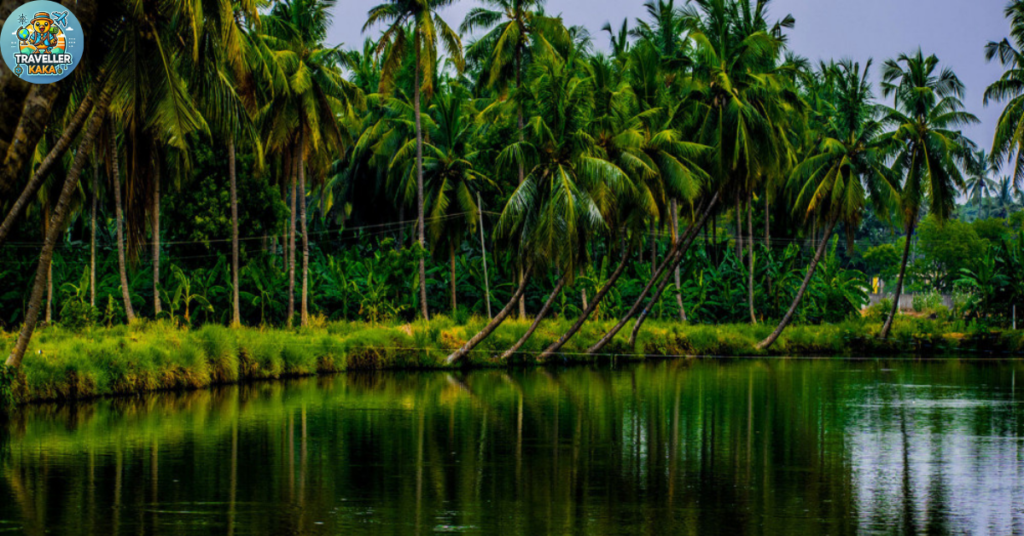
Located amidst the serene backwaters of the Godavari River, Dindi is an idyllic getaway in the East Godavari district, offering a perfect blend of natural beauty and tranquility. Known for its palm-fringed landscapes, pristine waters, and lush greenery, Dindi is a haven for nature lovers and those looking to unwind away from the hustle of urban life. If you’re planning a trip to this lesser-known paradise, here’s all the useful information you’ll need to make the most of your visit.
Dindi

Why Visit Dindi?

Dindi is an enchanting village nestled along the banks of the Godavari, renowned for its coconut groves, serene backwaters, and traditional village life. Visitors can enjoy scenic houseboat rides, discover local culture, and indulge in the rustic charm of the region.

This location is perfect for those who wish to experience the serene and unexplored side of Andhra Pradesh, with eco-friendly resorts, backwater cruises, and opportunities to witness stunning sunrise and sunset views over the river.

 Dindi
Vizianagaram

Things to Do in Dindi

  1. Houseboat Cruises: One of the highlights of Dindi is the backwater cruise. Tourists can hire houseboats and take a relaxing ride along the Godavari River, soaking in the natural beauty, observing local fishermen, and experiencing rural life along the riverbanks. The houseboats often have dining and accommodation options, making the experience even more enjoyable.
  2. Relax at the Resorts: Dindi offers a variety of eco-friendly resorts, which provide the ideal setting to relax. These resorts are often nestled within coconut groves and provide luxurious stays with breathtaking views of the backwaters. Popular activities at these resorts include Ayurvedic massages and leisure walks through the plantations.
  3. Nature Walks and Birdwatching: Dindi is a paradise for nature enthusiasts. The surrounding backwaters and wetlands provide the perfect habitat for many bird species, making it an ideal spot for birdwatching. Early morning walks in the village will immerse you in the sounds of chirping birds and the gentle breeze from the river.
  4. Explore Local Culture: Take the time to explore the village life of Dindi. The locals are warm and welcoming, and you can witness traditional customs, agricultural practices, and even participate in village activities. This cultural immersion adds a personal touch to the visit.

Nearby Attractions

  • Coringa Wildlife Sanctuary: Located just 40 km from Dindi, this sanctuary is a great place for nature lovers. Known for its mangrove forests and a variety of bird species, it’s a must-visit for wildlife enthusiasts. You can enjoy boat rides through the sanctuary and spot exotic birds like flamingos and pelicans.
  • Antharvedi: Located 20 km from Dindi, Antharvedi is famous for the Sri Lakshmi Narasimha Swamy Temple, which attracts thousands of pilgrims every year. It is also where the Godavari meets the Bay of Bengal, offering scenic views of the confluence.
  • Ryali Temple: Just 30 km away, the Ryali Jaganmohini Kesava Swamy Temple is a famous pilgrimage spot. The idol here is unique as it depicts Lord Vishnu in the front and Goddess Jaganmohini on the back, a rare representation in Indian temple architecture.
  • Kolleru Lake: A birdwatcher’s paradise, Kolleru Lake is located about 80 km from Dindi and is home to a large variety of migratory birds, especially during the winter months. The serene setting and the abundance of birdlife make it a worthwhile trip.

Best Time to Visit

The ideal time to visit Dindi is during the winter months (October to March) when the weather is pleasant and perfect for outdoor activities. Summers can be hot, while the monsoon season (July to September) transforms the landscape into a lush green paradise, though rain might interrupt some of the outdoor activities.

Timings and Entry Fees

  • Houseboat rides: Available throughout the day from 7:00 AM to 6:00 PM. Bookings can be made directly at the resorts or via local operators.
  • Coringa Wildlife Sanctuary: Open from 9:00 AM to 5:00 PM. Entry fee: INR 30 per person for Indian tourists and INR 100 for foreign nationals. Camera charges: INR 25.
  • Sri Lakshmi Narasimha Swamy Temple (Antharvedi): The temple is open from 6:00 AM to 12:00 PM and from 4:00 PM to 8:00 PM.

How to Reach Dindi

  • By Air: The nearest airport is Rajahmundry Airport, which is approximately 80 km from Dindi.
  • By Train: The closest railway station is Palakollu Railway Station, about 15 km away. Regular trains connect Palakollu to major cities like Hyderabad, Chennai, and Visakhapatnam.
  • By Road: Dindi is well-connected by road. You can drive down from nearby towns such as Rajahmundry or Palakollu, or take a bus to the destination.

Accommodation

Dindi offers a variety of resorts and guesthouses, most of which are eco-friendly and provide serene river views. Popular options include Sterling Dindi Resort and Dindi By The Godavari, both offering comfortable stays and recreational activities like boat rides and local tours.

Final Thoughts

Dindi is a perfect destination for those looking to escape into nature’s lap. Its serene landscapes, traditional charm, and peaceful ambiance make it a hidden gem worth exploring. Whether you’re seeking relaxation or adventure, Dindi provides a wholesome experience with its unique combination of backwater beauty and cultural richness.

FAQS

Q1) What makes Dindi special?

ANS) Dindi is all about laid-back vibes, scenic backwaters, and lush coconut groves. Think of it as a perfect spot for chilling, taking houseboat rides, and soaking in village life. It’s like stepping into a world that’s slow-paced, peaceful, and Instagram-worthy!

Q2) How can I get to Dindi?

ANS) You’ve got options! You can fly into Rajahmundry Airport, which is about 80 km away. If you’re a train traveler, the nearest station is Palakollu (15 km away). And if you’re a road tripper, buckle up! Dindi is well-connected by road and makes for a smooth drive.

Q3) What’s the deal with houseboat rides?

ANS) Houseboat rides in Dindi are a MUST! You’ll cruise along the Godavari River, take in the views, and feel like you’re floating on calm, magical waters. Rides are available from 7 AM to 6 PM, and you can book them via resorts or local operators. Pro tip: Pack snacks and your camera!

Q4) Is it a good spot for families?

ANS) Oh, absolutely! Dindi is a family-friendly destination. From scenic boat rides to nature walks, there’s plenty to keep everyone happy. It’s peaceful, safe, and the perfect place for quality family time.

Q5) Any cool places nearby?

ANS) Absolutely! Check out Coringa Wildlife Sanctuary for some birdwatching and boat rides, visit the Sri Lakshmi Narasimha Swamy Temple at Antharvedi, or head to Kolleru Lake to spot migratory birds. All within a short drive!
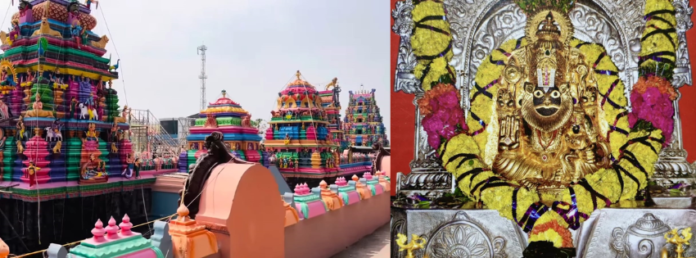
Exclusive of The Sri Lakshmi Narasimha Swamy Temple, Antarvedi

0
sri lakshmi narasimha swamy temple antarvedi

Introduction:

From the serene banks of the Godavari River to the vibrant festivals that enliven its courtyard, the Sri Lakshmi Narasimha Swamy Temple in Antarvedi is not just a religious site; it’s a cultural treasure trove. This temple stands as a beacon of spirituality, attracting devotees and tourists alike with its rich history, architectural beauty, and profound significance in Hindu tradition. In this article, we will delve into the allure of this temple, exploring its history, architecture, the importance of its rituals, and the experiences of those who visit.

Sri Lakshmi Narasimha Swamy Temple, Antarvedi

A Glimpse into History The Sri Lakshmi Narasimha Swamy Temple:

Origins and Significance:

The Sri Lakshmi Narasimha Swamy Temple boasts a history that dates back several centuries. Established by devotees of Lord Vishnu, the temple is dedicated to Narasimha, an avatar of Vishnu who embodies both ferocity and devotion. According to local legends, the temple commemorated the divine intervention that saved the world from the demon Hiranyakashipu.

The site holds religious significance and connects to various myths that resonate deeply in the hearts of many. The temple was built in the auspicious location of Antarvedi, which translates to “the place between the seas.” This setting, where the river merges with the ocean, is believed to amplify the spiritual energy of the temple.


Must visit: Exclusive Maredumilli: A Nature Paradise Of Vizianagaram


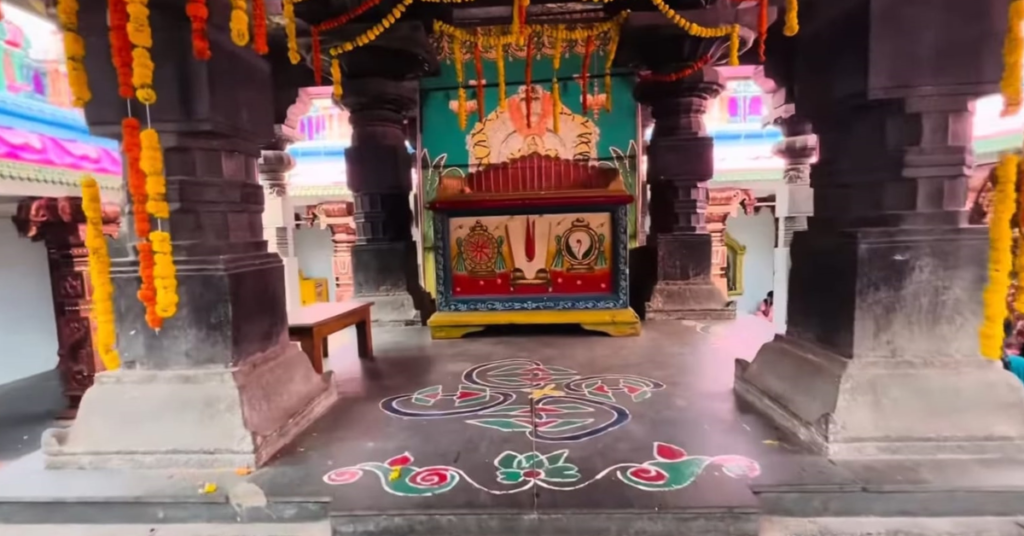
Sri Lakshmi Narasimha Swamy Temple interior

“Visiting this temple feels like happy and refreshing falling into a living testament of faith, everywhere the narrates a story of devotion.”

Historical Events:

Over the years, the temple has seen several significant events, including various renovations and expansions. The annual Brahmotsavam festival celebrated with fervor, draws thousands of devotees, thereby strengthening the communal bonds and spiritual fervor among the people. Historical records suggest that the temple has been a crucial waypoint for many saints and philosophers, making it a cradle of spiritual enlightenment.


Also read: Exclusive of Kadiyam Nurseries: A Delight for Plant Lovers


swamy pallaki

Architectural Marvel of The Sri Lakshmi Narasimha Swamy Temple:

Design and Structure:

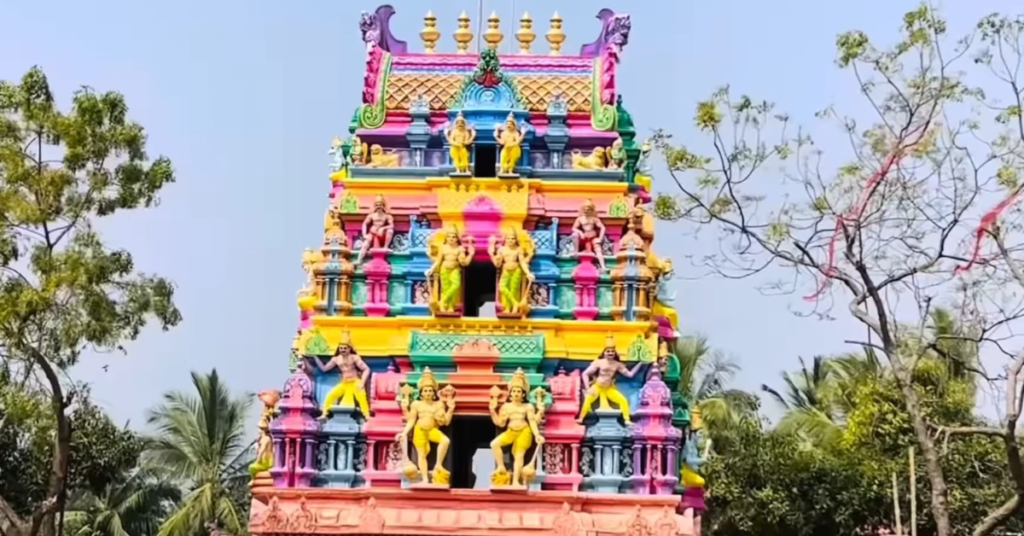
The architecture of Sri Lakshmi Narasimha Swamy Temple is a splendid representation of South Indian temple architecture. With its towering gopuram (gateway tower), intricately carved pillars and sanctum sanctorum housing the deity, visitors are often left in awe of its grandeur.


Also, Visit: Rampa Waterfalls: A Hidden Gem in East Godavari


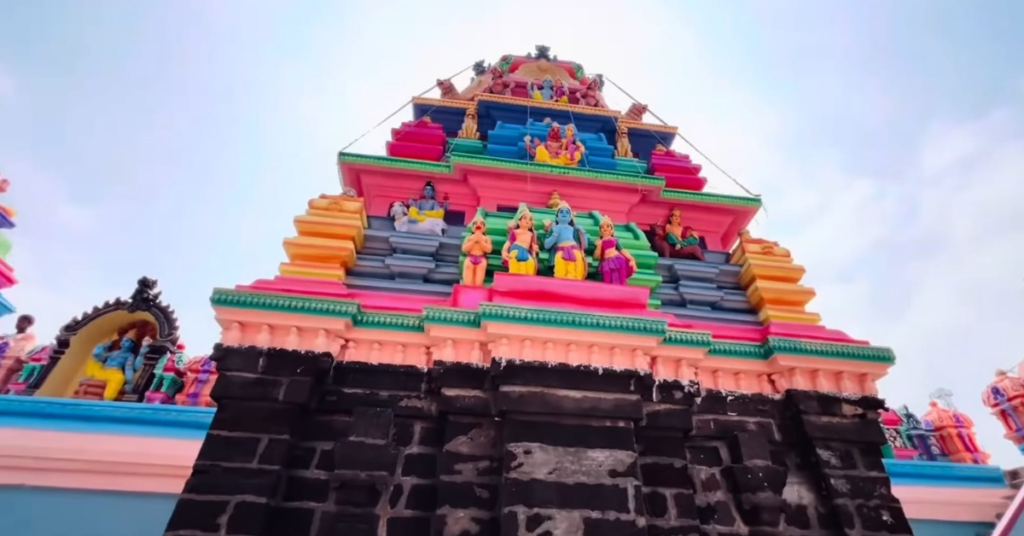
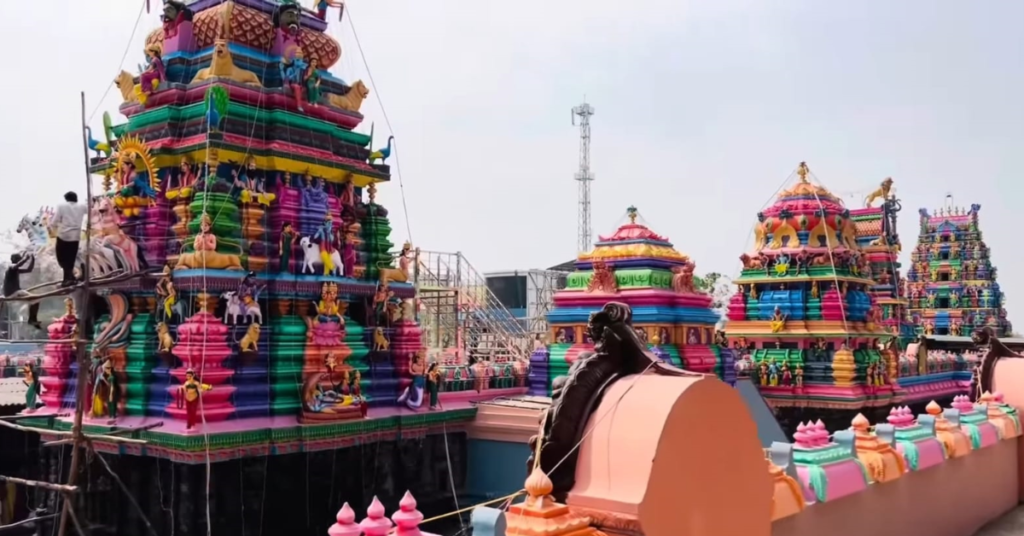
  • Gopuram: The temple’s gopuram, adorned with colorful sculptures depicting various Hindu deities, serves as a striking entrance that prepares devotees for the divine experience that lies within.
  • Main Sanctum: The main sanctum features a mesmerizing idol of Lord Lakshmi Narasimha, depicted with a lion’s face and a human body, symbolizing the triumph of good over evil.
top view of Sri Lakshmi Narasimha Swamy Temple, Antarvedi

Must Visit: Exclusive of Coringa Wildlife Sanctuary: Marvel in Andhra Pradesh


Surroundings and Natural Beauty:

Nestled amid lush greenery and the tranquil sounds of the Godavari River, the temple’s surroundings add to its appeal. The cool breeze that sweeps through the area enhances the spiritual ambiance, creating a sanctuary for meditation and prayer.

Rituals and Devotional Practices:

Daily Rituals:

Rituals at the temple are an integral part of its charm. The daily pooja (worship) includes offerings of flowers, fruits, and milk, accompanied by chanting of mantras that resonate with the temple’s spiritual energy.

  • Maha Mangalarathi: Devotees offer a grand lamp to the deity during the Maha Mangalarathi, symbolizing the removal of darkness and ignorance from their lives.
  • Festivals: The temple hosts several festivals like Vaikunta Ekadasi and Dussehra, drawing devotees from far and near. Elaborate ceremonies, music, and dance mark each festival, creating a vibrant atmosphere that fosters community and shared faith.

Personal Experiences:

Many devotees share transformative experiences during their visits. Whether it’s a moment of clarity, a sense of peace, or divine intervention in their lives, these stories often echo the temple’s spiritual potency.


Must visit: Hope Island, East Godavari: A Hidden Gem for Tranquil Getaways


“When we visit to the temple the feels like is a journey of the soul. I always leave with a renewed sense of purpose and tranquility,” shares Priya, a regular visitor.

A Pilgrim’s Guide:

How to Reach:

Getting to the Sri Lakshmi Narasimha Swamy Temple is relatively straightforward. Antarvedi, located in Andhra Pradesh, offers good road and rail connections for easy access.

  • By Air: The nearest airport is located in Rajahmundry, approximately 80 km away.
  • By Train: Nidadavole has the nearest railway station, and you can arrange local transportation from there.
  • By Road: Regular bus services operate from major nearby cities.

Antarvedi Lakshmi Narasimha Swamy Temple Timings:

  • Everyday Morning Hours: 6:00 AM – 1:00 PM
  • Everyday Evening Hours: 3:30 PM – 7:30 PM

Darshan Types and Timings:

  • Abhishekam: 8:00 AM – 9:30 AM (The deity is bathed during this time.)
  • Nijaroopa Darshan: 6:00 AM – 8:00 AM (Closest viewing of the deity.)
  • Sarva Darshan: 9:30 AM – 12:30 PM and 2:30 PM – 7:30 PM (General viewing for all devotees.)

Ticket Costs:

  • Free Darshan: No fee for entering the temple.
  • Ramp Walk: No fee for using the ramp to enter the temple.
  • Seegra Darshan: ₹10 to ₹50 (A steel can be purchased at the entrance of Antaralayam.)
  • Antaralaya Darshan with Gothra namam: ₹25 to ₹100 (For a closer view of the deity, your Gothra name must be provided.)
  • Kalyanam: Rs 500 for Kalyanam (you need to get the tickets directly at the temple counter.)

Please note: These rates are current as of now, but they may change in the future.

Important Information:

  • Carry sufficient cash as the temple might not accept cards.
  • Maintain silence and respect other devotees.

Additional Information:

  • The temple provides food and prasad (holy offerings).
  • There are hotels and dharmshalas (guest houses) near the temple.
  • The temple organizes various religious events.

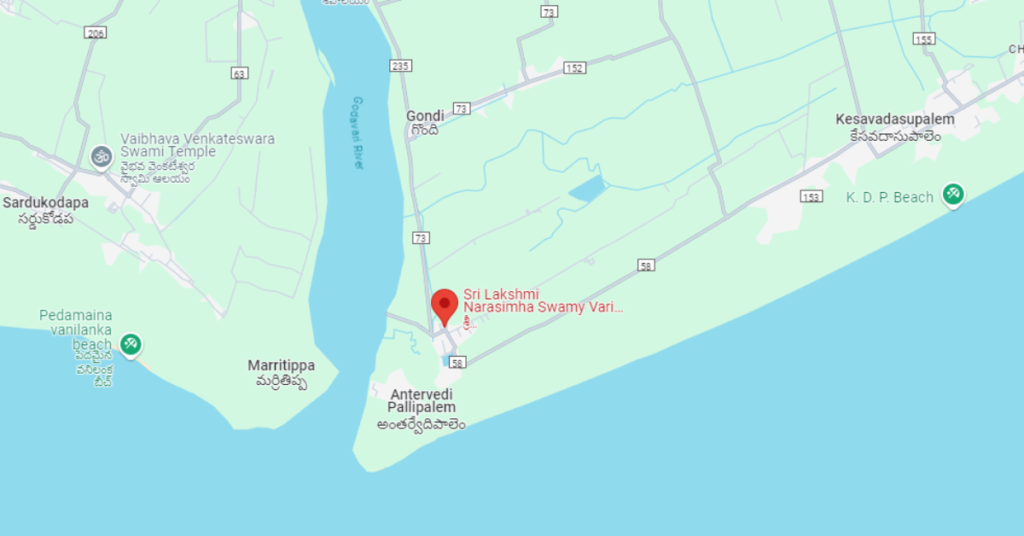
Sri Lakshmi Narasimha Swamy Temple in Antarvedi Location:

Best Time to Visit:

The ideal time to visit the temple is during the winter months (October to February), when the weather is pleasant and conducive to outdoor activities. Additionally, visiting during festivals can provide an enriched experience, surrounded by colorful celebrations and a vibrant atmosphere.

Conclusion:

Visiting the Sri Lakshmi Narasimha Swamy Temple in Antarvedi is more than just a spiritual excursion; it’s an opportunity to experience an age-old tradition that resonates with countless devotees. From its historical roots and magnificent architecture to the ritualistic fervor and personal stories that emerge within its walls, the temple offers a unique blend of faith, culture, and community.

Whether you’re a devotee seeking blessings or a traveler in search of cultural experiences, this temple is a worthwhile addition to your itinerary. So, why not plan a visit and immerse yourself in the rich spiritual heritage of Antarvedi?

Remember, every visit to such a sacred space can potentially uplift your spirit and offer insights that linger long after you’ve left.


Frequently Asked Questions(FAQs):

Q1. What is the significance of Sri Lakshmi Narasimha Swamy Temple?

Answer: The temple is dedicated to Lord Narasimha, symbolizing the triumph of good over evil.

Q2. Where is the Sri Lakshmi Narasimha Swamy Temple located?

Answer: The temple is located in Antarvedi, East Godavari district, Andhra Pradesh.

Q3. What are the temple timings?

Answer: The temple is open daily from 6:00 AM to 1:00 PM and 3:30 PM to 7:30 PM.

Q4. What festivals are celebrated at Sri Lakshmi Narasimha Swamy Temple?

Answer: The temple celebrates festivals like Brahmotsavam, Vaikunta Ekadasi, and Dussehra with great fervor.

Q5. How can I reach Sri Lakshmi Narasimha Swamy Temple?

Answer: The temple is accessible by road, with nearby air (Rajahmundry) and rail (Nidadavole) options.

Exclusive Maredumilli: A Nature Paradise Of Vizianagaram

0

Introduction

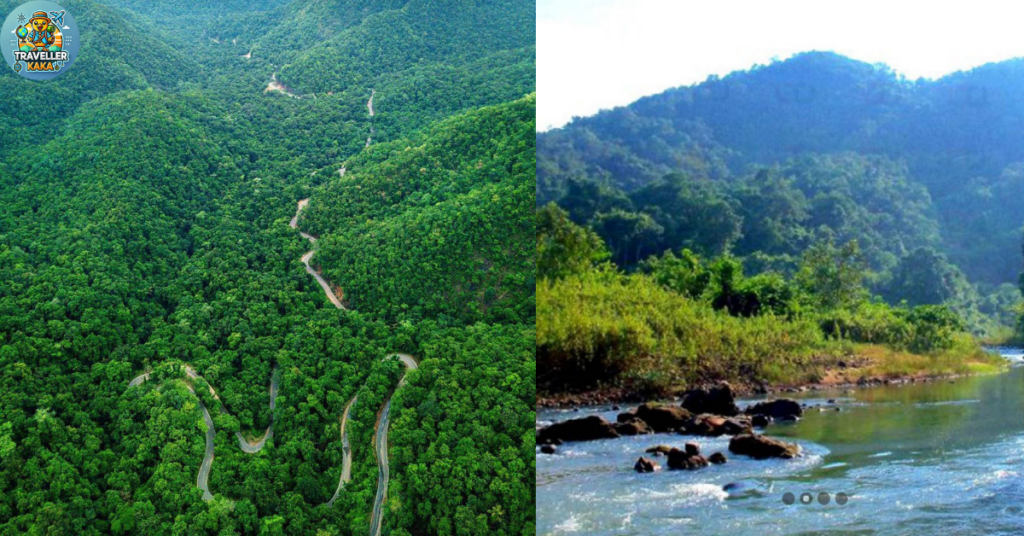
Maredumilli, located in the East Godavari district of Andhra Pradesh, is a picturesque hill station renowned for its dense forests, cascading waterfalls, and unique biodiversity. Though often mistaken for its counterpart near Rajahmundry, Maredumilli in Vizianagaram has its own charm and appeal for nature lovers, adventure seekers, and travelers looking to unwind in tranquility. The serene atmosphere, combined with the untouched beauty of the landscape, makes this a perfect escape from the hustle and bustle of city life. Maredumilli can be visited throughout the year, but the monsoon and winter seasons (from July to February) are the best times to experience the lush greenery, waterfalls, and cool weather. The temperature during these months ranges between 15°C and 25°C, providing a refreshing and comfortable experience for travelers.

Attractions in Maredumilli

  1. Jalatarangini Waterfalls: One of the most popular attractions, Jalatarangini Waterfalls is located amidst dense forests. The sight of water gushing down the rocks is mesmerizing, and you can enjoy a refreshing dip in the natural pools. It is ideal for picnics and nature walks.
  2. Amruthadhara Waterfalls: A short trek will take you to the beautiful Amruthadhara Waterfalls, another must-visit spot in Maredumilli. The sound of the falling water and the peaceful surroundings create an enchanting experience.
  3. Rampa Waterfalls: About 10 km from Maredumilli, Rampa Waterfalls offers a serene retreat in the middle of the forest. It’s a great spot for nature enthusiasts who love to explore the wilderness.
  4. Maredumilli Bamboo Groves: The bamboo groves in the region are a significant attraction, showcasing a variety of bamboo species. Walking through these groves is a refreshing experience, and the area is ideal for camping and eco-tourism.
  5. Jungle Safari: Maredumilli is known for its rich biodiversity. A jungle safari offers a chance to spot wildlife, including various species of birds, reptiles, and animals in their natural habitat. The scenic beauty of the forest adds to the thrill of the safari.
  6. Madanikunj Eco Park: This eco-park is a fantastic spot for families, featuring walking trails, viewpoints, and picnic spots. It’s a perfect place to spend a relaxing day in nature.

Timings and Entry Fees

  • Jalatarangini Waterfalls: Open from 9:00 AM to 5:00 PM, no entry fee.
  • Amruthadhara Waterfalls: Open from 9:00 AM to 5:00 PM, no entry fee.
  • Rampa Waterfalls: Open from 9:00 AM to 5:00 PM, entry fee of INR 10 per person.
  • Maredumilli Bamboo Groves: Open all day, no entry fee.
  • Madanikunj Eco Park: Open from 8:00 AM to 6:00 PM, entry fee of INR 20 per person.
  • Jungle Safari: Available in the early morning and late afternoon, safari charges vary depending on the operator.

How to Reach Maredumilli

  • By Road: Maredumilli is well connected by road, and travelers can take a bus or drive from Vizianagaram, which is around 130 km away. It is accessible via NH 16.
  • By Rail: The nearest railway station is in Vizianagaram, from where you can hire a taxi or take a bus to Maredumilli.
  • By Air: The nearest airport is Visakhapatnam International Airport, located about 160 km away. From the airport, you can take a cab or bus to Maredumilli.

Accommodation

Maredumilli offers several eco-friendly accommodations, including government-run forest guesthouses and private resorts. Some of the popular options include:

  • Jungle Star Nature Camp: A well-maintained forest guesthouse with basic amenities.
  • Eco-Tourism Camps: Run by the forest department, these camps provide comfortable lodging close to nature.

If you are looking for luxury or mid-range accommodation, you can stay in Rajahmundry or Vizianagaram, which have a wider range of hotels and resorts.

Things to Do in Maredumilli

  1. Trekking: The hilly terrain and dense forests make Maredumilli a trekker’s paradise. There are several trails ranging from easy to moderate, and the lush greenery provides a breathtaking backdrop for trekking enthusiasts.
  2. Bird Watching: Maredumilli is home to many species of birds. Bird watchers will love spotting endemic species, especially during the early morning hours when the forest is alive with the sounds of nature.
  3. Camping: If you enjoy outdoor activities, camping in Maredumilli is a great way to connect with nature. Several campsites are available, providing opportunities to experience the forest up close.
  4. Photography: The scenic landscapes of Maredumilli are perfect for photographers. The waterfalls, forests, and wildlife provide ample subjects for stunning photographs.

Nearby Attractions

If you have extra time, you can explore these nearby attractions:

  • Papi Hills: A beautiful hill range known for its boat rides on the Godavari River, about 60 km.
  • Rajahmundry: The cultural hub of Andhra Pradesh, located 85 km away, is known for its temples, parks, and the Godavari River.
  • Vizianagaram Fort: Located 130 km away, this historical fort is a significant tourist attraction that showcases the rich cultural heritage of the region.

Final Thoughts

Maredumilli is a hidden gem waiting to be explored. Its combination of natural beauty, adventure activities, and eco-tourism make it a must-visit destination for travelers seeking tranquility and a deep connection with nature. Whether you’re trekking through dense forests, relaxing by waterfalls, or watching birds in their natural habitat, Maredumilli promises an unforgettable experience.

FAQS

Q1) Where is Maredumilli located?

ANS) Maredumilli is located in the East Godavari district of Andhra Pradesh, approximately 130 km from Vizianagaram.

Q2) What is the best time to visit Maredumilli?

ANS) The best time to visit Maredumilli is between July and February, when the weather is cool and ideal for outdoor activities

Q3) How do I reach Maredumilli?

ANS) You can reach Maredumilli by road from Vizianagaram (130 km) or by train to Vizianagaram Railway Station. The nearest airport is Visakhapatnam International Airport, about 160 km away.

Q4) What are the must-visit attractions?

ANS) Key attractions include Jalatarangini Waterfalls, Amruthadhara Waterfalls, Rampa Waterfalls, Maredumilli Bamboo Groves, and Madanikunj Eco Park.

Q5) Are there entry fees for visiting the waterfalls?

ANS) Jalatarangini and Amruthadhara Waterfalls have no entry fee, but Rampa Waterfalls charges INR 10 per person.

Exclusive of Kadiyam Nurseries: A Delight for Plant Lovers

0
kadiyam nursery east godavari district

Introduction:

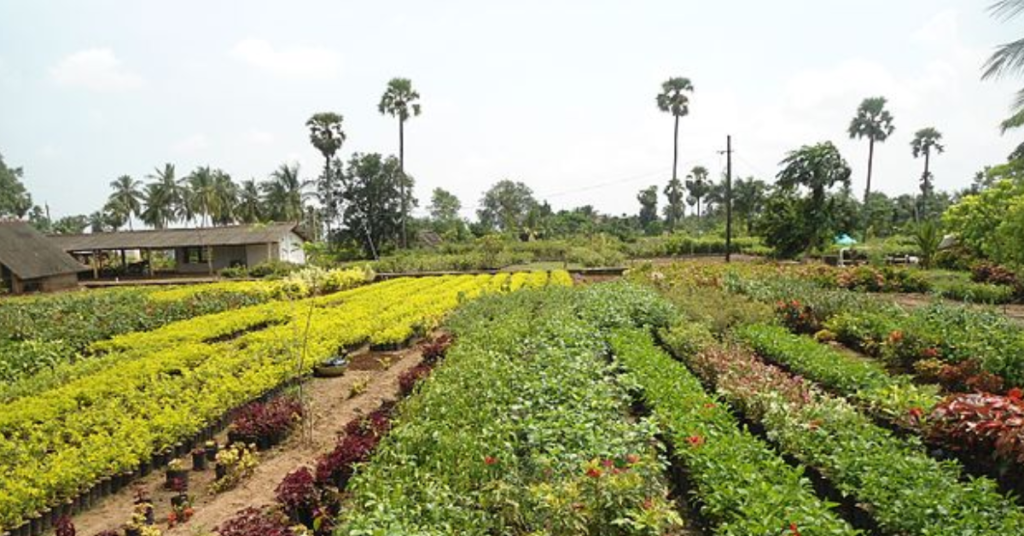
Kadiyam is a renowned region in the East Godavari district of Andhra Pradesh, India, famous for its numerous nurseries. This area has been a hub for plant cultivation and distribution for many years, offering a wide variety of plants to suit different needs and preferences.

Kadiyam Nurseries east godavari district

Also read: Exclusive of Coringa Wildlife Sanctuary: Marvel in Andhra Pradesh


A Quick Look at Kadiyam:

  • Location: Kadiyam is situated in the East Godavari district of Andhra Pradesh.
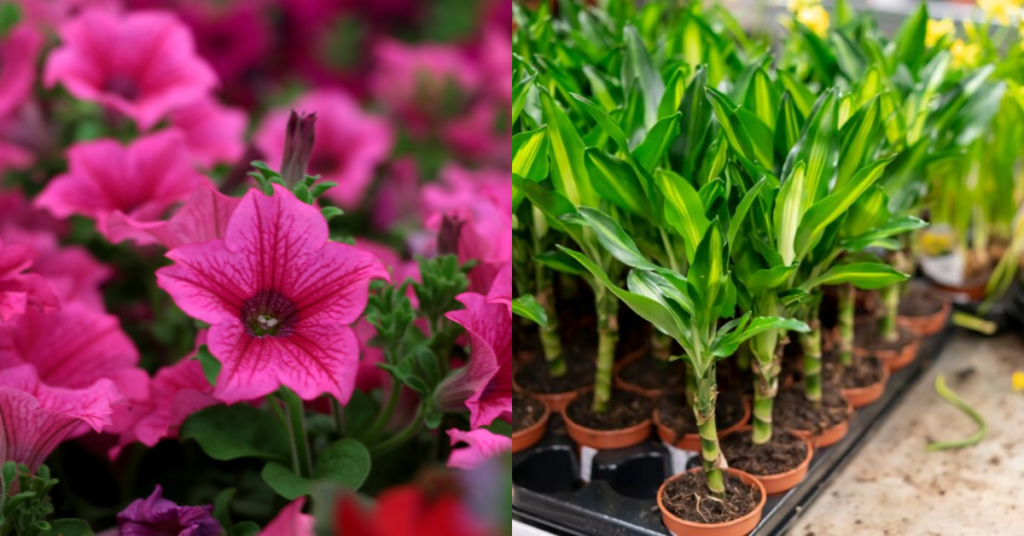
  • Specialization: The nurseries in Kadiyam specialize in a wide range of plants, including flowering plants, fruit trees, medicinal plants, ornamental plants, and more.
  • Quality: The nurseries in Kadiyam are known for their high-quality plants and excellent customer service.

Popular Nurseries in Kadiyam:

  • Sri Satyadeva Nursery: This nursery is one of the most well-known in Kadiyam, offering a vast collection of plants and expert gardening advice.
  • Sri Veera Venkata Satyanarayana Nursery: This nursery is renowned for its wide range of ornamental and flowering plants.
  • Green India Nursery: This nursery offers a diverse selection of plants, including fruit trees, medicinal plants, and exotic varieties.
  • Sri Satyadeva Nursery – Pulla Veera Venkata Rao: This nursery is known for its high-quality plants and excellent customer service.
  • Satyadeva Nursery – Pulla Chantiyya: This nursery specializes in cacti and succulents.

Must visit: Hope Island, East Godavari: A Hidden Gem for Tranquil Getaways


Kadiyam Nurseries plants
and pink flowers

Other notable nurseries in Kadiyam include:

  • Rajesh Nursery
  • Divyasai Nursery (Gupta)
  • Go Green Nursery
  • Truth Nursery Gardens
  • Kadiyam Nursery & Trees
  • Shivani Nurseries
  • Sri Krishna Nursery
  • Sai Maha Lakshmi Gardens
  • Sri Satya Hanuma Nursery Gardens
  • Ushakiran Nursery
  • Revival Nursery
  • Lakshmi Srinivas Nursery Gardens
  • KADIYAM NURSERYS PRAJWAL NURSERY

Also read: Ultimate Guide Maharaja’s College and Palace of Vizianagaram


Services Offered:

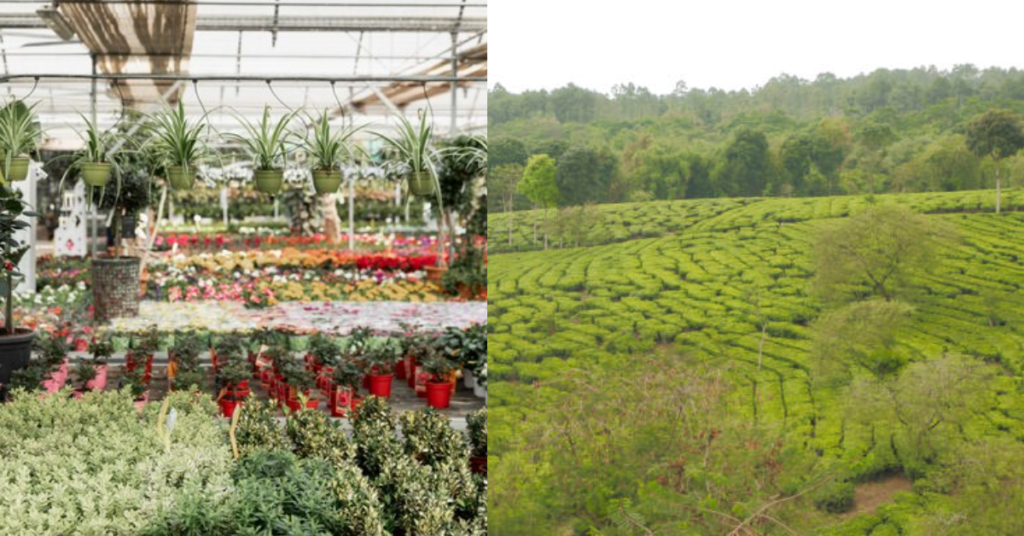
  • Plant Sales: The nurseries in Kadiyam offer a wide range of plants, including flowering plants, fruit trees, medicinal plants, ornamental plants, and more.
  • Gardening Advice: The nursery owners and staff are knowledgeable about plant care and can provide expert advice to customers.
  • Landscaping Services: Many of the nurseries also offer landscaping services to help customers create beautiful gardens.
  • Plant Maintenance: Some nurseries provide plant maintenance services, such as pruning, fertilizing, and pest control.
Nurseries  indoor plants

Also read: Exclusive Pedda Cheruvu Vizianagaram: A Perfect Blend of Beauty


How to Reach Kadiyam:

Kadiyam is easily accessible by road, train, and bus. The nearest major railway station is Samalkot, and regular bus services are available from nearby towns and cities.

Visiting Kadiyam Nurseries:

Visiting kadiyam nurseries east Godavari district can be a delightful experience for plant lovers and gardeners. You can explore the different nurseries, admire the diverse plant collections, and learn about gardening tips from the experts. Many nurseries also offer on-site landscaping services and plant maintenance.

farming
and flowers Nurseries

Must Visit: Exclusive Of Vanjangi Viewpoint: An Ultimate and Scenic Beauty


“Kadiyam Nursery East Godavari District online shopping and contact number

conclusion:

Kadiyam Nurseries offers a wide variety of plants, expert advice, and quality services. Whether you are a seasoned gardener or simply looking to add some greenery to your home, Kadiyam is a must-visit destination.


Frequently Asked Questions(FAQs):

Q1. What is Kadiyam famous for?

Answer: Kadiyam is famous for its numerous plant nurseries, offering a wide range of plants.

Q2. Where is Kadiyam located?

Answer: Kadiyam is located in the East Godavari district of Andhra Pradesh, India.

Q3. What types of plants are available at Kadiyam nurseries?

Answer: Kadiyam nurseries offer flowering plants, fruit trees, medicinal plants, ornamental plants, and more.

Q4. How can I reach Kadiyam Nurseries?

Answer: Kadiyam is accessible by road, train, and bus, with the nearest railway station being Samalkot.

Q5. Do Kadiyam nurseries offer landscaping services?

Answer: Yes, many Kadiyam nurseries provide landscaping services along with plant sales and maintenance.

Rampa Waterfalls: A Hidden Gem in East Godavari

0

Introduction

Nestled in the lush, green hills of the Eastern Ghats near Rampachodavaram village, the Rampa Waterfalls is one of the most beautiful and lesser-known attractions in the East Godavari district of Andhra Pradesh. Surrounded by dense forest, this waterfall is a perfect spot for nature lovers, adventure seekers, and anyone looking to escape the hustle and bustle of city life.

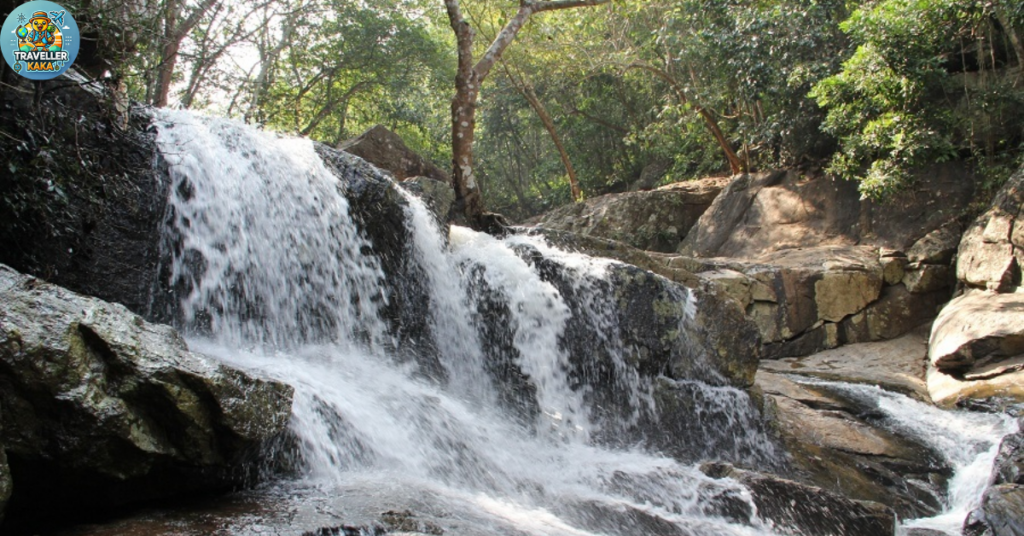
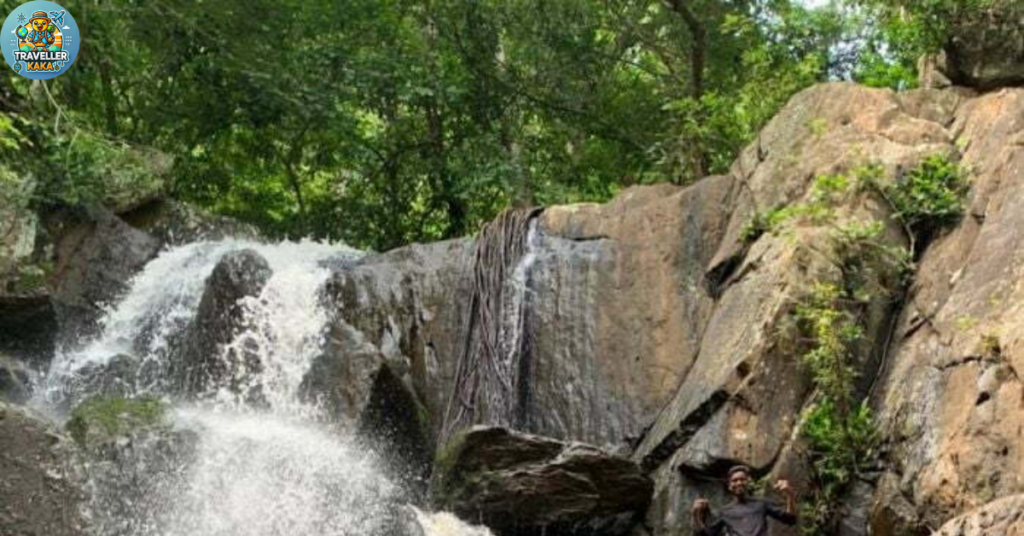
The Rampa Waterfalls Rampachodavaram is one of the highest in Andhra Pradesh, cascading from a height of 50 feet. Visiting this waterfall is not only about witnessing nature’s beauty but also experiencing a thrilling jeep ride through the dense jungle to reach the falls. If you’re seeking an adventure mixed with tranquility, Rampa Waterfalls won’t disappoint.

What Makes Rampa Waterfalls Special?

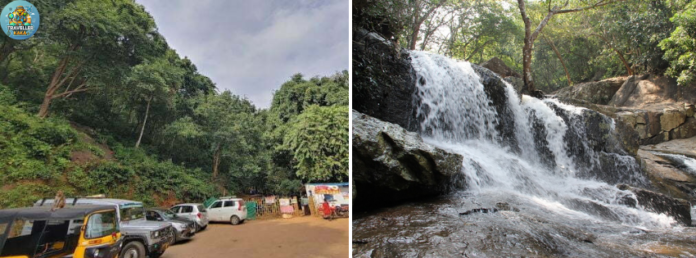
Rampa Waterfalls Rampachodavaram, located near Maredumilli, is unique in many ways. Surrounded by semi-evergreen forests, the waterfall is constantly fed by natural streams, making it a year-round destination. This secluded spot offers the perfect setting for picnics, swimming, and photography.

Close to the waterfalls is the ancient Sri Neelakanteswara Temple, a historic Shiva temple that adds a touch of spirituality to the visit. The temple’s location amidst nature makes it an ideal stopover while visiting the falls.

Things to Do at Rampa Waterfalls

1. Sightseeing

Rampa Waterfalls Rampachodavaram is hidden deep within a forest, and reaching it is an adventure in itself. A jeep ride through the thick jungle will take you close to the waterfall. From the entry point, a short 20-minute hike will lead you to the main falls. Along the way, you will encounter small streams and waterfalls, making the hike even more enjoyable.

2. Picnic

Rampa Waterfalls is a fantastic location for a picnic. The peaceful environment, combined with the sound of water rushing down the slopes, makes it an ideal spot to relax and enjoy some time with family or friends. You can pack some snacks and food as there are no food vendors at the falls.

3. Photography

The picturesque surroundings of Rampa Waterfalls make it a perfect spot for photography enthusiasts. Whether it’s the waterfall, the lush greenery, or the scenic jungle, you will find plenty of photo-worthy spots. The falls also offer shallow areas where you can safely enjoy a refreshing dip.


Also Read: Pydithalli Ammavari Temple


How to Reach Rampa Waterfalls

Rampa Waterfalls is located near Maredumilli, a popular eco-tourism destination in East Godavari. Here’s how you can reach it:

  • By Road: Maredumilli is the closest town to the waterfalls. It is well-connected by road to major cities in Andhra Pradesh. From Maredumilli, you can hire a jeep or taxi to reach the waterfall.
  • By Air: The nearest airport is Rajahmundry Airport, which is about 47 kilometers from Rampa Waterfalls. You can hire a taxi or rent a vehicle from the airport to reach the falls.
  • By Train: The nearest railway station is Rajahmundry Railway Station, located around 62 kilometers from the waterfalls. From the station, you can take a taxi to reach Rampa Waterfalls.

Best Time to Visit Rampa Waterfalls

The best time to visit Rampa Waterfalls is during the winter months, from October to March. During this period, the weather is cool and pleasant, making the trip more enjoyable. The monsoon season (July to September) also offers a stunning view of the falls, but the trails can be slippery, and extra caution is advised.

Nearby Attractions

While Rampa Waterfalls is the main highlight, there are several other attractions nearby that you can explore during your trip:

1. Jalatarangini Waterfalls (35 km)

Located about 35 kilometers from Rampa, Jalatarangini Waterfalls is a beautiful tiered waterfall. Surrounded by forests and rocks, this is a great spot for wildlife lovers and nature enthusiasts. You can even swim in the clear waters below the falls.

2. Amruthadhara Waterfalls (44 km)

Another stunning waterfall near Rampa, Amruthadhara is located 44 kilometers away. This seasonal waterfall comes to life during the monsoon and is surrounded by forests and cliffs. A short, steep trek will take you to the falls.

3. Manyam Viewpoint (59 km)

About 59 kilometers from Rampa, Manyam Viewpoint offers breathtaking views of the valleys and forests of Maredumilli. This viewpoint is located on the Rajahmundry-Bhadrachalam highway and is a must-visit for nature lovers.

4. Bhupathipalem Reservoir (5.7 km)

Located just 5.7 kilometers from Rampa, Bhupathipalem Reservoir is an irrigation project that serves the local tribal communities. Surrounded by evergreen trees, the reservoir offers a peaceful and scenic setting for a picnic.

5. Sokuleru Vagu Viewpoint (59 km)

Sokuleru Vagu Viewpoint is located 30 kilometers from Maredumilli and offers stunning views of the Sokuleru River flowing through the Eastern Ghats. The scenic beauty and calm surroundings make it an ideal spot for a relaxing break.

Travel Tips

  • Wear comfortable shoes: The hike to the waterfall is short but can be slippery, especially during the monsoon season.
  • Bring extra clothes: If you plan on swimming or taking a dip in the waterfall, make sure to bring an extra set of clothes.
  • Carry food and water: There are no restaurants or food vendors at the waterfalls, so it’s a good idea to pack some snacks and water. The nearest food options are available at Maredumilli.
  • Be cautious during monsoon: The waterfall’s flow increases significantly during the monsoon, and the rocks can become very slippery. Exercise caution when approaching the water.

Conclusion

Rampa Waterfalls is an unspoiled natural wonder that offers visitors a unique blend of adventure and tranquility. From the thrilling jeep ride through the forest to the short hike and the waterfall itself, every part of the journey is an unforgettable experience. Whether you’re looking for a place to unwind, take photographs, or enjoy a picnic with loved ones, Rampa Waterfalls is a must-visit destination in East Godavari.

FAQS

1Q) Where is Rampa Waterfalls located?

ANS) Rampa Waterfalls is located near Rampachodavaram village in the Eastern Ghats, East Godavari district, Andhra Pradesh.

Q2) How do I reach Rampa Waterfalls?

ANS) You can reach Rampa Waterfalls by road via Maredumilli, with the final stretch requiring a jeep ride through the forest. The nearest airport is Rajahmundry Airport (47 km), and the nearest railway station is Rajahmundry Railway Station (62 km).

Q3) What are the main attractions at Waterfalls?

ANS) Visitors can enjoy sightseeing, picnicking, photography, and swimming in the waterfall, along with a visit to the nearby Sri Neelakanteswara Temple.

Q4) What is the best time to visit Rampa Waterfalls?

ANS) The best time to visit is from October to March when the weather is pleasant, and the waterfall is at its most beautiful.

Q5) Can I swim in Waterfalls?

ANS) Yes, swimming is allowed, and the waterfall has shallow areas that are safe for taking a dip.

Exclusive of Coringa Wildlife Sanctuary: Marvel in Andhra Pradesh

0
Coringa Wildlife Sanctuary

Introduction:

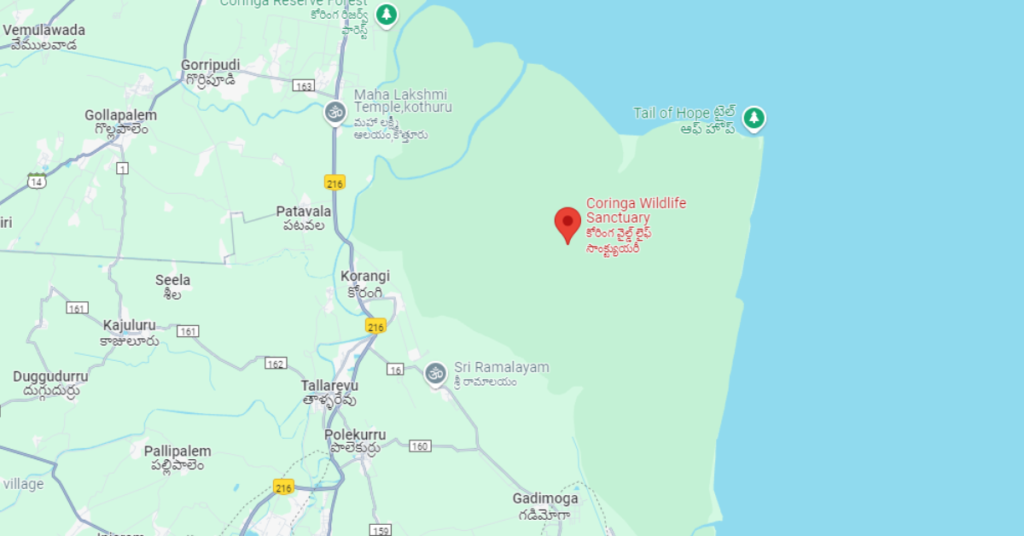
Coringa Wildlife Sanctuary is a serene and ecologically rich sanctuary located about 15 km from Kakinada, along the Kakinada-Yanam Road in East Godavari District, Andhra Pradesh. The Coringa Wildlife Sanctuary, located near the village of Coringa, spans approximately 235 sq. km and forms part of the Godavari Mangroves. The Government of Andhra Pradesh declared the sanctuary a protected area on July 5, 1978, aiming primarily to conserve the unique mangrove vegetation in the estuarine regions.

Coringa Wildlife Sanctuary trees

Geographic Location and Ecosystem:

Coringa Wildlife Sanctuary is nestled between 16°30′ to 17°00′ N latitudes and 82°14′ to 82°23′ E longitudes. The sanctuary is renowned for its dense mangrove forests, and salt-tolerant ecosystems in tropical and subtropical intertidal zones. Mangroves thrive in brackish waters and are typically found along sheltered coastlines, estuaries, tidal creeks, and mudflats, forming highly productive and diverse ecosystems.

The mangrove forests here serve as a vital habitat for various plant and animal species that are uniquely adapted to this environment. Mangroves are crucial in protecting coastal areas from erosion, and storm surges, and maintaining ecological balance. Andhra Pradesh has approximately 582 sq. km of mangrove forests, with the Coringa region contributing significantly to this. The state’s mangroves account for about 9% of its forest area, though not all of this land is fully covered with vegetation, as some areas include sandy patches, mudflats, and open blanks.


Also read: Hope Island, East Godavari: A Hidden Gem for Tranquil Getaways


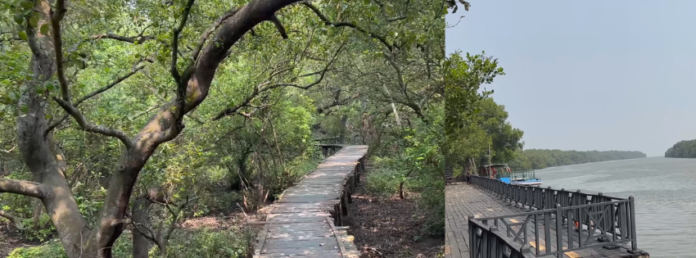
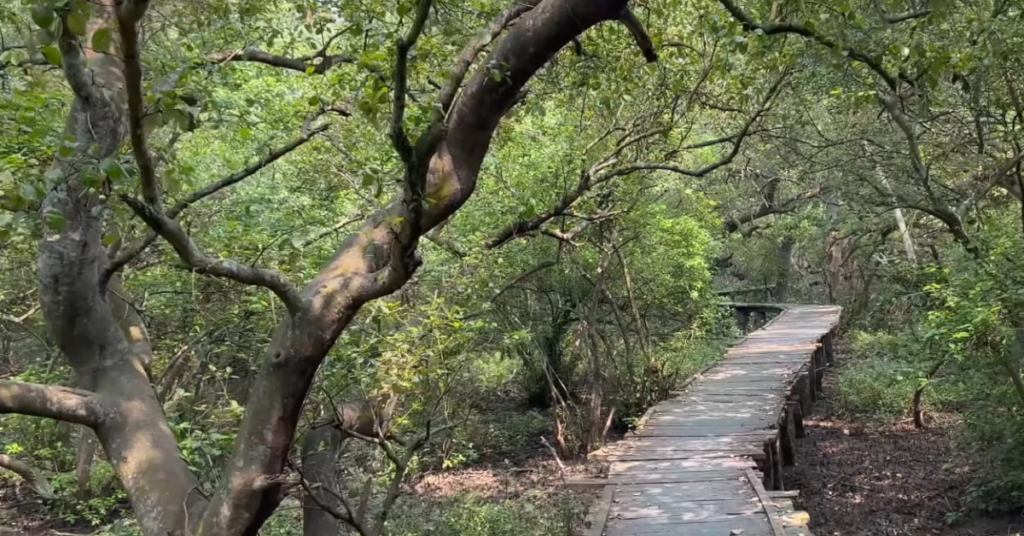
walk way in forest

Flora and Fauna:

The sanctuary boasts a rich biodiversity. The mangrove vegetation includes species like Avicennia, Rhizophora, and Bruguiera. These plants have unique adaptations that allow them to survive in saline environments, helping maintain the region’s ecological balance. The dense mangroves are crucial for the ecosystem and form a habitat for a wide range of fauna.

Coringa is home to several species of birds, making it a birdwatcher’s paradise. You can spot birds like kingfishers, herons, flamingos, egrets, and more. The sanctuary boasts a rich fish population, featuring both rare and commercially important species. Estuarine crocodiles, sea turtles, and several species of reptiles add to the sanctuary’s biodiversity. You can spot mammals like spotted deer, jackals, and otters in the sanctuary.


Also Visit: Exclusive Pedda Cheruvu Vizianagaram: A Perfect Blend of Beauty


Unique Features of Coringa Sanctuary:

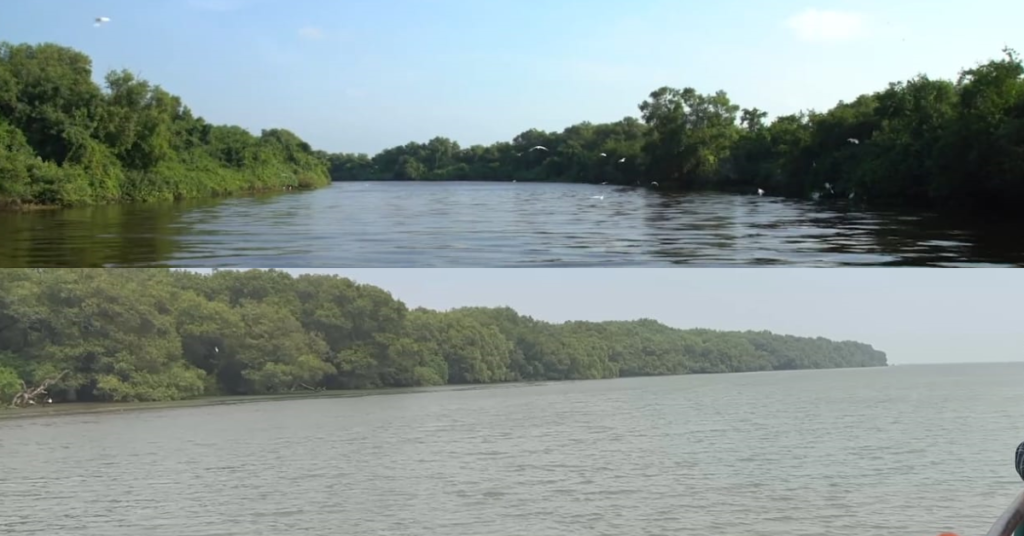
One of the key highlights of Coringa Wildlife Sanctuary is its extensive mangrove forest, which is the second-largest in India, after Sundarbans. The sanctuary’s ecosystem is vital for preventing soil erosion and safeguarding against floods. The dense vegetation forms a natural shield that protects inland areas from the devastating effects of tidal surges and cyclones, which are frequent along India’s eastern coast.

water sea

Also read: Ultimate Guide Maharaja’s College and Palace of Vizianagaram


Another unique aspect of the sanctuary is the long wooden boardwalk that cuts through the mangrove forests, providing visitors with an up-close view of the intricate ecosystem. Walking along the boardwalk is an immersive experience that offers a deep connection to nature as you witness the diversity of flora and fauna.

Tourism and Visitor Information:

Coringa Wildlife Sanctuary is ideal for nature lovers, birdwatchers, and eco-tourists. The best time to visit the sanctuary is between October and May when the weather is pleasant, and migratory birds flock to the region.

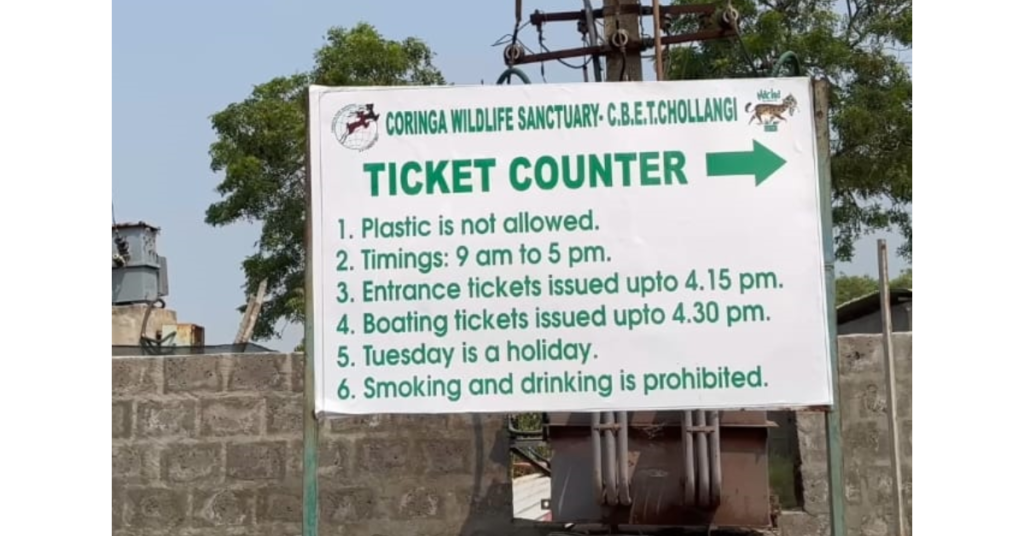
Coringa Wildlife Sanctuary timings

Also read: Exclusive of Ganta Stambham An Another History of Vizianagaram


How to Reach:

  • By Road: The sanctuary lies just 15 km from Kakinada, with easy access via the Kakinada-Yanam Road.
  • By Rail: Kakinada railway station connects directly to major cities in Andhra Pradesh.
  • By Air: The nearest airport is Rajahmundry Airport, located about 70 km away from the sanctuary.

Timings: The sanctuary is open daily from 9:00 AM to 4:30 PM.

Entry Fee: There is a nominal entry fee for visitors, which may vary for Indian and foreign nationals.

Activities in Coringa Wildlife Sanctuary:

  • Boardwalk
  • Watchtower forest view
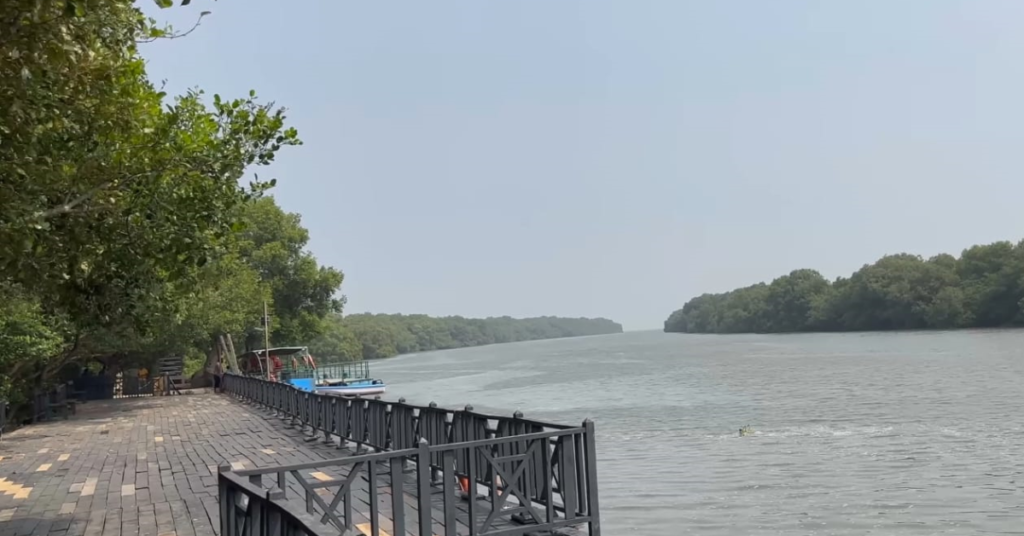
  • Boating
Coringa Wildlife boating area

Also read: Explore The ChinthaPalli Beach vizianagaram: An Exclusive Hidden Gem


Coringa Wildlife Sanctuary Ticket prices:

  • Adults 50rs
  • Childrens 20rs
  • Photo Shoot 3000rs
  • Camera 500rs
  • Foreigners 250rs

Coringa Wildlife Sanctuary Location on MAP:

Conclusion:

Coringa Wildlife Sanctuary is a hidden gem of Andhra Pradesh, offering a blend of biodiversity, scenic beauty, and tranquility. Whether you’re a bird enthusiast, a nature lover, or simply someone seeking a peaceful retreat into the wild, Coringa offers a unique experience. Its rich ecosystem and vital role in coastal protection make it a must-visit destination for eco-conscious travelers.

Plan your visit to explore the wonders of the mangroves and immerse yourself in the natural beauty of Coringa Wildlife Sanctuary.


Frequently Asked Questions(FAQs):

Q1. What is the best time to visit Coringa Wildlife Sanctuary?

Answer: The best time to visit is between October and May.

Q2. How far is Coringa Wildlife Sanctuary from Kakinada?

Answer: It is located about 15 km from Kakinada.

Q3. What are the main activities at Coringa Wildlife Sanctuary?

Answer: Main activities include boardwalk exploration, boating, and wildlife viewing.

Q4. Are there any entry fees for Coringa Wildlife Sanctuary?

Answer: Yes, the entry fee is ₹50 for adults, ₹20 for children, and ₹250 for foreigners.

Q5. Is photography allowed inside Coringa Wildlife Sanctuary?

Answer: Yes, photography is allowed with an additional charge of ₹500, and professional photo shoots cost ₹3000.

Hope Island, East Godavari: A Hidden Gem for Tranquil Getaways

0

Introduction

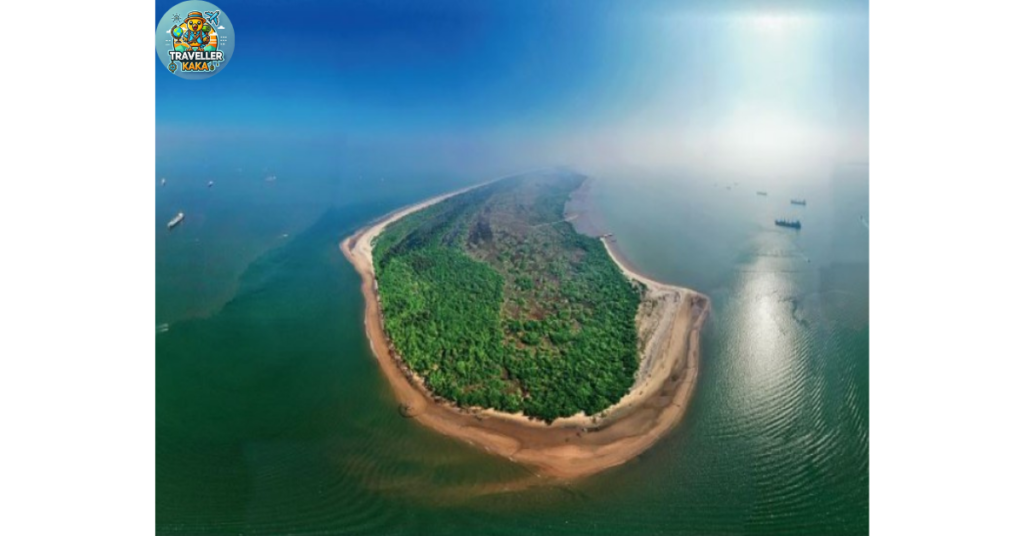
Hope Island beach Kakinada, nestled in the East Godavari district of Andhra Pradesh, is a serene and picturesque destination perfect for those seeking a tranquil escape from the hustle and bustle of daily life. This hidden gem, with its pristine beaches and lush surroundings, offers a unique blend of natural beauty and peaceful relaxation. Hope Island is an unspoiled paradise situated off the coast of East Godavari. Known for its serene ambiance, clear waters, and sandy shores, the island is an ideal destination for nature lovers, beach enthusiasts, and anyone looking to unwind in a peaceful setting. The island’s isolation ensures that visitors can enjoy a quiet retreat away from crowded tourist spots.

Natural Beauty and Attractions

Beaches and Shoreline: The highlight of Hope Island is undoubtedly its beautiful beaches. The island boasts soft, white sand and crystal-clear waters, perfect for sunbathing, swimming, or simply relaxing. The gentle waves and calm environment make it an excellent spot for a leisurely beach day.

Flora and Fauna: The island’s lush vegetation adds to its charm. Tall palm trees and dense greenery create a tropical paradise atmosphere. Visitors might also spot various bird species, making it a great spot for birdwatching.

Sunsets and Sunrises: Hope Island offers breathtaking sunrise and sunset views. The horizon’s hues during these times make for spectacular photographs and memorable experiences.

Activities to Enjoy

  • Beach Relaxation: Spend your day lounging on the beach, enjoying the sun and sea. The tranquil environment provides the perfect backdrop for relaxation and rejuvenation.
  • Picnicking: Bring along a picnic and enjoy a meal with a view. The island’s peaceful setting is ideal for a family picnic or a romantic outing.
  • Exploring Nature: Wander through the island’s lush greenery and explore its natural beauty. The calm environment invites leisurely strolls and exploration.
  • Fishing: Engage in some local fishing. The surrounding waters are known for a variety of fish, providing a peaceful fishing experience.
Hope Island images
, East Godavari

Timings and Accessibility

Visiting Hours: Hope Island is accessible during daylight hours, from 6:00 AM to 6:00 PM. It is advisable to plan your visit within these hours to fully enjoy the island’s natural beauty and activities.

Accessibility: Reaching Hope Island involves a short boat ride from the mainland. Boats are available from nearby towns and ports. The nearest major town is Kakinada, which is approximately 40 kilometers from the island. From Kakinada, visitors can hire local boats or take a ferry to reach Hope Island.

Best Time to Visit

The ideal time to visit Hope Island is during the winter months, from November to February. The weather is pleasant, with mild temperatures and lower humidity, making it perfect for outdoor activities and beach relaxation. The summer months can be quite hot, while the monsoon season brings heavy rains, which might affect travel plans.

Nearby Attractions

While Hope Island itself is a major attraction, there are several nearby places worth exploring:

  1. Kakinada Beach (40 km away): A popular beach destination near Kakinada, known for its beautiful coastline and vibrant local culture.
  2. Coringa Wildlife Sanctuary (50 km away): A protected area known for its mangrove forests and rich biodiversity. It’s a great spot for nature lovers and wildlife enthusiasts.
  3. Draksharamam (60 km away): An ancient temple town with historic temples and a significant cultural heritage. It’s a must-visit for those interested in history and architecture.
  4. Rajahmundry (80 km away): A larger city known for its historical significance and cultural sites. Rajahmundry offers a range of attractions, including temples, riverside walks, and local markets.
  5. Peddaganjam (30 km away): A picturesque village with scenic views and traditional local culture, offering a glimpse into rural life in Andhra Pradesh.

Travel Tips

  • Prepare for Boat Travel: Since the island is accessible only by boat, ensure you have all necessary arrangements made in advance. It’s also a good idea to check weather conditions before your trip.
  • Bring Essentials: Pack essentials such as sunscreen, water, snacks, and a camera to fully enjoy your visit to the island.
  • Respect Nature: Be mindful of the natural environment. Avoid littering and follow local guidelines to help preserve the island’s beauty.

Conclusion

Hope Island in East Godavari is a beautiful destination that promises a peaceful and refreshing escape from everyday life. With its pristine beaches, lush greenery, and tranquil atmosphere, it offers a unique experience for anyone looking to enjoy nature’s beauty. Whether you’re planning a family outing, a romantic getaway, or a solo retreat, Hope Island provides a serene backdrop for relaxation and rejuvenation.

FAQS

Q1) What is Hope Island?

ANS) Hope Island is a small, scenic island located in the Bay of Bengal, off the coast of Kakinada in East Godavari, Andhra Pradesh. It is known for its pristine beaches and tranquil environment.

Q2) How do I reach Hope Island?

ANS) Hope Island beach Kakinada can be accessed by boat from Kakinada Port. Regular boat services are available, and the journey takes about 45 minutes to 1 hour.

Q3) Is Hope Island a good place for a family visit?

ANS) Yes, Hope Island is a peaceful and safe place for families. The calm waters and quiet beaches make it ideal for picnics, beach games, and family outings.

Q4) What are the main attractions on Hope Island?

ANS) The island is known for its sandy beaches, serene surroundings, and opportunities for water activities like fishing and birdwatching. Its untouched natural beauty makes it a great spot for relaxation.

Q5) Are there any accommodations on Hope Island?

ANS) No, there are no accommodations on the Hope Island beach in Kakinada itself. Visitors usually stay in Kakinada, where several hotels and resorts are available.

Ultimate Guide Maharaja’s College and Palace of Vizianagaram

0

Introduction

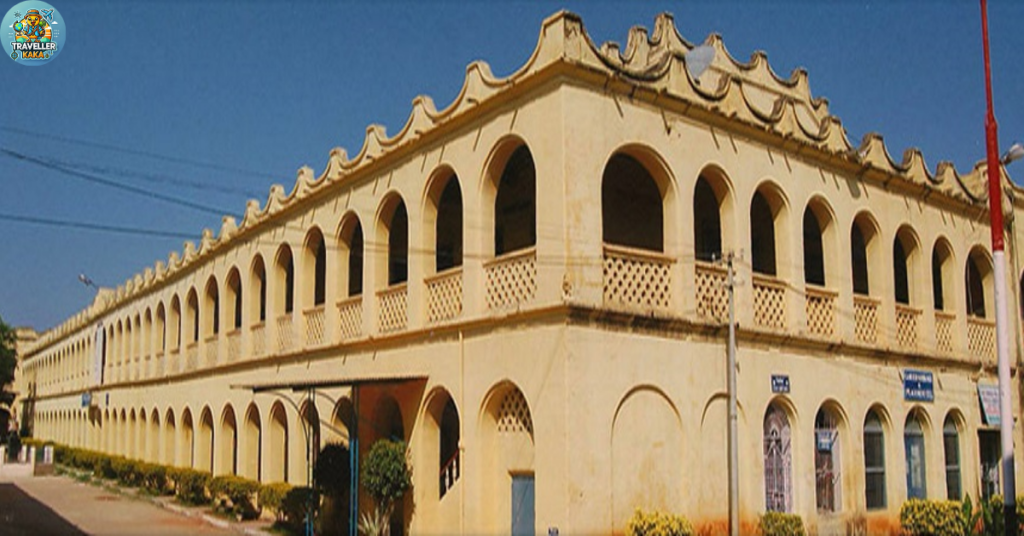
Maharaja’s College and Palace are two of the most iconic landmarks in Vizianagaram, Andhra Pradesh, representing the rich history and cultural heritage of the region. Both the palace and the college reflect the grandeur of the Vizianagaram royal family and stand as symbols of the region’s educational and architectural legacy. For visitors interested in history, architecture, and education, this is an ideal destination.

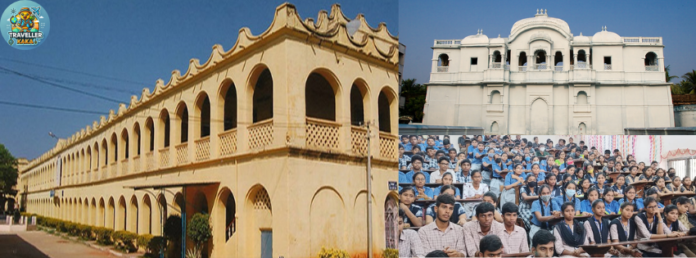
Maharaja's College images
and Palace vizianagaram

History of Maharaja’s College and Palace

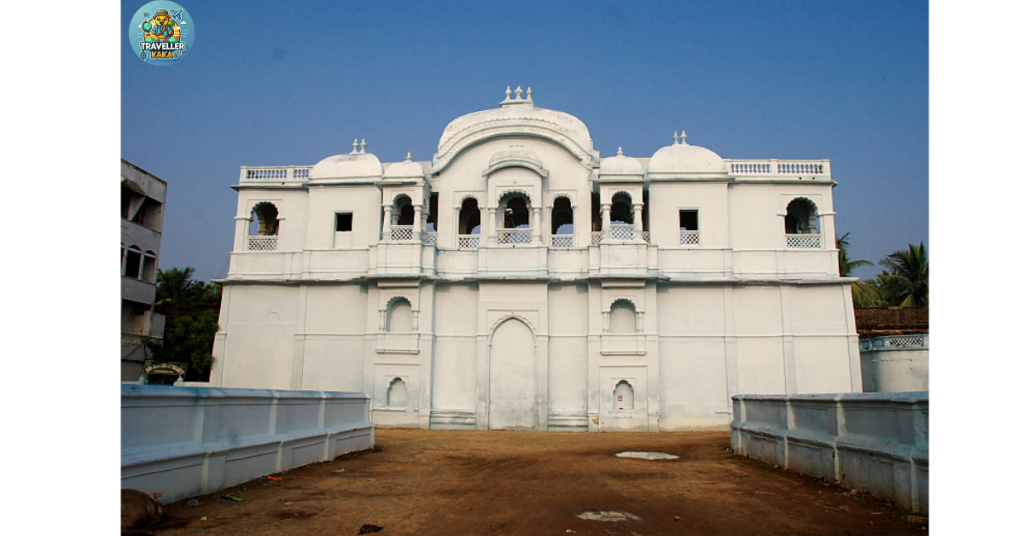
Maharaja’s Palace: The palace, built in the late 19th century, is a masterpiece of Indo-European architecture. It was commissioned by the Vizianagaram royal family, one of the most influential dynasties in the region. The palace was originally the royal residence of the rulers, who were known for their contribution to arts, culture, and education.

Maharaja’s College: In 1879, the royal family established Maharaja’s College to promote higher education in the region. It is one of the oldest and most prestigious educational institutions in Andhra Pradesh. The college was initially affiliated with Madras University and has produced numerous scholars and notable personalities over the years. The building itself is an architectural marvel, blending colonial and traditional styles.

Maharaja's College and
Maharaja's Palace imagesvizianagaram

Architectural Splendor

The palace and college both exhibit remarkable architectural features. The palace boasts large, ornate columns, sprawling courtyards, intricately designed ceilings, and grand halls. The fusion of Mughal, European, and local architectural styles is evident in every corner of the building. Visitors are often mesmerized by the majestic beauty of the palace, which stands as a testament to the opulence of the Vizianagaram royal family.

Maharaja’s College, on the other hand, showcases a more formal, institutional style. The wide corridors, high ceilings, and classical columns of the building make it a serene place for learning. Large trees shade the sprawling campus, creating a peaceful environment for both students and visitors.


Also Read: Top 10 Must-Visit beautiful Places in Visakhapatnam


Activities for Visitors

There are several activities and experiences to enjoy during your visit to Maharaja’s College and Palace:

  • Historical Walks: Visitors can take a leisurely walk around the palace and admire the intricacies of its architecture. The beautifully designed courtyards and gardens offer plenty of photo opportunities.
  • Educational Tours: The college campus offers educational tours for those interested in its historical significance. Learn about the history of education in the region, the college’s notable alumni, and its contribution to society.
  • Photography: The magnificent architecture of both the palace and college is a haven for photography enthusiasts. The blend of historical elements and natural surroundings creates stunning backdrops for photography.

Timings and Entry Fee

  • Maharaja’s Palace: The palace is generally not open to the public for interior visits, as it remains a private property of the royal family. However, visitors are allowed to explore the exteriors and the gardens from 9:00 AM to 6:00 PM.
  • Maharaja’s College: The college campus is open to visitors during college hours from 9:00 AM to 5:00 PM on weekdays. Visitors should contact the administration for organized tours or to request more detailed information.

There is currently no entry fee for visiting the exterior of the palace or walking around the college campus.

Best Time to Visit

The best time to visit Maharaja’s College and Palace is during the cooler months, from November to February. The pleasant weather makes it easier to explore the outdoors and enjoy the architectural beauty of the landmarks.

How to Reach Maharaja’s College and Palace

Both Maharaja’s Palace and College are centrally located in Vizianagaram, making them easily accessible by road. The college is situated just 2 kilometers from the Vizianagaram Bus Station and around 3 kilometers from the Vizianagaram Railway Station. Visitors coming from Visakhapatnam can take a direct bus or hire a cab to reach Vizianagaram, which is about 60 kilometers away.

For those traveling by air, the nearest airport is Visakhapatnam International Airport, which is approximately 65 kilometers from Vizianagaram. From the airport, taxis are readily available to reach the college and palace.

Nearby Attractions

Vizianagaram is home to several other attractions that visitors can explore along with Maharaja’s College and Palace.

  1. Vizianagaram Fort (1.5 km away): A historic fort built by the Vizianagaram rulers, this fort is a great place to learn about the region’s military history and admire the old-world architecture.
  2. Pedda Cheruvu (3 km away): A serene lake known for its picturesque surroundings and peaceful ambiance, ideal for relaxation and picnics.
  3. Ganta Stambham (1 km away): A prominent clock tower and a landmark of Vizianagaram. It stands in the center of the town and is a symbol of the town’s cultural identity.
  4. Bobbili Fort (35 km away): Another historical gem, Bobbili Fort is famous for its battle history and rich architecture. It’s an ideal spot for those looking to explore more royal heritage sites near Vizianagaram.

Travel Tips


  • As both the palace and the college are functioning properties, it’s essential to respect the privacy of the residents and students while exploring.
  • Check for guided tours: If you’re keen on learning about the history in more detail, inquire about guided tours at Maharaja’s College for a deeper understanding of its educational and cultural significance.
  • Carry water and snacks: While exploring the palace and nearby attractions, having water and light snacks handy is always a good idea.

Conclusion

Maharaja’s College and Palace stand as magnificent symbols of Vizianagaram’s royal legacy and academic prominence. The blend of architectural grandeur and historical significance makes these landmarks must-visit destinations for anyone traveling to Vizianagaram.

FAQS

Q1) What is the history of Maharaja’s College and Palace?

ANS) Maharaja’s College was established in 1879 by the Vizianagaram royal family to promote higher education. The palace, built in the 19th century, served as the royal residence and is an architectural marvel showcasing Indo-European styles.

Q2) Is Maharaja’s Palace open to the public?

ANS) The interior of Maharaja’s Palace is not open to the public as it remains private property. However, visitors can explore the exterior and gardens between 9:00 AM and 6:00 PM.

Q3) What are the timings to visit Maharaja’s College?

ANS) Maharaja’s College is open to visitors from 9:00 AM to 5:00 PM on weekdays. Visitors interested in organized tours should contact the administration.

Q4) What are the nearby attractions?

ANS) Nearby attractions include Vizianagaram Fort (1.5 km), Pedda Cheruvu (3 km), Ganta Stambham (1 km), and Ramanarayanam (10 km).

Q5) Is there an entry fee for Maharaja’s College and Palace?

ANS) No, there is no entry fee for visiting the exteriors of the palace or walking around the college campus.

Exclusive Pedda Cheruvu Vizianagaram: A Perfect Blend of Beauty

0

Introduction

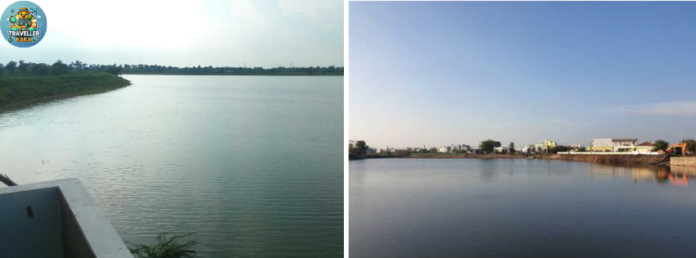
Vizianagaram Pedda Cheruvu is one of the most captivating water bodies located in the heart of Vizianagaram, Andhra Pradesh. Known for its scenic beauty, historical significance, and importance as a local resource, this large lake is a favorite among locals and tourists alike. Whether you are a nature lover, a history enthusiast, or simply looking for a peaceful spot to unwind, Pedda Cheruvu is an ideal destination.

Vizianagaram pedda cheruvu

History of Pedda Cheruvu

Pedda Cheruvu is not just a beautiful lake; it has historical significance as well. The lake dates back to the early days of the Vizianagaram kingdom. Constructed to serve the irrigation and water needs of the region, it continues to be a major source of water for surrounding villages. The strategic location of the lake close to the fort and town reflects the engineering marvels of the past rulers of Vizianagaram. The reservoir has been well-maintained over the centuries, adding to its legacy as a heritage site.

Vizianagaram
pedda
cheruvu

Scenic Beauty

Surrounded by lush greenery and a calm environment, Pedda Cheruvu offers a peaceful retreat for visitors. The lake’s expansive stretch reflects the sky’s changing colors throughout the day, making it a popular spot for photography. Early mornings and late afternoons offer the best views as the sun casts its golden hue over the waters.

The banks of the lake are dotted with trees and local flora, creating an excellent habitat for birds, making it a perfect place for birdwatchers. The cool breeze coming off the water adds to the tranquility, making it an ideal spot for relaxation.

Activities at Pedda Cheruvu

Pedda Cheruvu isn’t just a spot for sightseeing; it also offers several activities:

  • Boating: Depending on the season, visitors can enjoy boat rides that provide stunning views of the lake and surrounding area. Paddle boats and rowing boats are available, offering an enjoyable way to explore the waters.
  • Fishing: The lake is also a popular spot for local fishermen, and visitors may get a chance to witness traditional fishing techniques.
  • Photography: The serene environment and natural beauty make it a favorite location for photography enthusiasts.
  • Walking: A well-laid pathway around the lake invites visitors to take peaceful walks, with plenty of benches to rest and enjoy the view.

Timings and Entry Fee

Pedda Cheruvu is open to visitors from 6:00 AM to 6:00 PM daily. The timings ensure visitors can enjoy both sunrise and sunset views, which are spectacular at this location. There is no entry fee, making it an easily accessible attraction for everyone.

Best Time to Visit

The best time to visit Pedda Cheruvu is during the winter and early spring months (November to March) when the weather is pleasant, and the lake is at its full capacity. During the monsoon, the lake swells with rainwater, adding to its beauty, but sometimes the rains can limit outdoor activities.

How to Reach Pedda Cheruvu

Pedda Cheruvu is located about 3 kilometers from the main Vizianagaram town, making it easily accessible by road. Visitors can hire local auto-rickshaws or taxis to reach the lake. Public buses also ply from the Vizianagaram bus station to the nearby areas. The nearest railway station is the Vizianagaram Junction, just 4 kilometers away, making it convenient for travelers arriving by train. The nearest airport is the Visakhapatnam International Airport, approximately 60 kilometers away.

Nearby Attractions

If you’re visiting Pedda Cheruvu, you can easily combine your trip with visits to nearby attractions.

  1. Vizianagaram Fort (2 km away): A historic fort that offers a glimpse into the glorious past of the Vizianagaram rulers. The fort is known for its architecture and cultural significance.
  2. Ganta Stambham (2.5 km away): This clock tower is one of the most recognizable landmarks in Vizianagaram. It’s a symbol of the town’s history and culture.
  3. Ramanarayanam (12 km away): A beautiful spiritual complex that depicts the Ramayana in a unique way. It’s a must-visit for anyone interested in mythology and spirituality.
  4. Maharaja College (3 km away): A historical educational institution known for its colonial architecture and rich history.
  5. Bobbili Fort (35 km away): A short drive from Pedda Cheruvu, Bobbili Fort offers another slice of history for visitors with its grand structures and rich past.

Travel Tips

  • Plan for early morning or late afternoon: These are the best times to enjoy the scenic beauty and capture beautiful photographs.
  • Carry water and snacks: While there are small vendors near the lake, it’s always a good idea to bring your own refreshments.
  • Respect nature: As the lake serves as a habitat for birds and other wildlife, ensure not to disturb the natural surroundings.

Conclusion

Pedda Cheruvu is a hidden gem in Vizianagaram, offering a perfect mix of natural beauty, historical significance, and recreational activities. Whether you’re seeking relaxation, a connection with nature, or a bit of local history, a visit to this peaceful lake is sure to enrich your experience. Make sure to include it in your itinerary when you explore the charming district of Vizianagaram.

Exclusive of Ganta Stambham An Another History of Vizianagaram

0
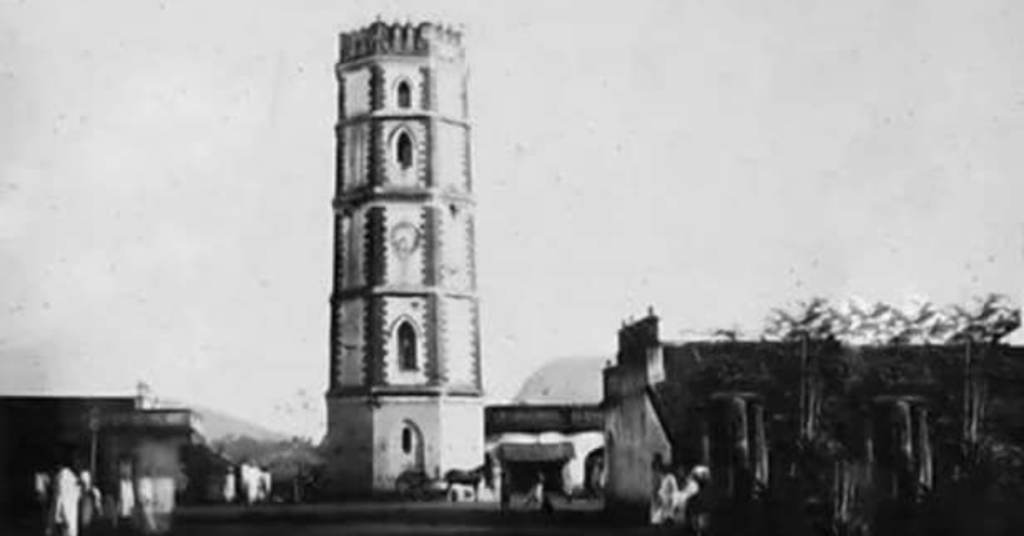
ganta stambham vizianagaram

Introduction:

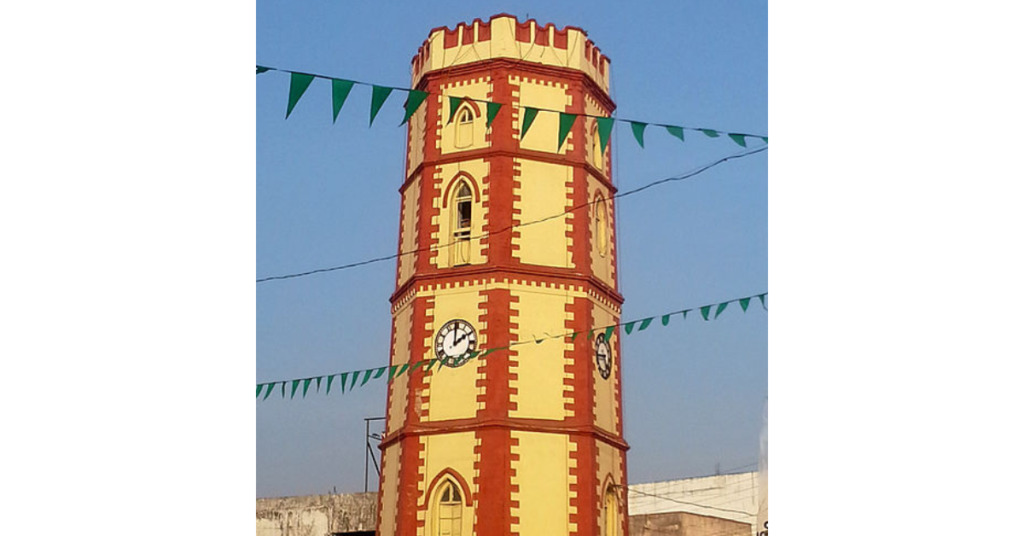
Ganta Stambham, or the Clock Tower, stands as one of the most iconic landmarks in Vizianagaram, Andhra Pradesh. More than just a clock, this towering structure has become a significant symbol of the city’s history, culture, and progress. With its roots tracing back over a century, Ganta Stambham continues to capture the imagination of both locals and visitors, representing a blend of tradition and modernity.

Ganta Stambham black and white photo

History of Ganta Stambham:

Constructed in 1885 during the reign of the Vizianagaram Maharajas. Ganta Stambham was inspired by none other than Big Ben in London. The rulers of Vizianagaram, who were well-traveled and deeply influenced by Western architecture, were particularly taken by the grandeur of Big Ben. Seeking to bring a similar structure to their city. They commissioned the construction of Ganta Stambham, hoping it would serve as a symbol of modernization and progress in Vizianagaram.


Also, know About: Discover the Victory at Sea Memorial A Tribute to Courage


In the late 19th century, the construction of Ganta Stambham was not just an architectural achievement but also a reflection of the growing influence of British colonial architecture across India. The Maharajas of Vizianagaram were patrons of arts, culture, and urban development. The clock tower quickly became a focal point for the city, symbolizing the march of time and the promise of progress.

The Symbolism Behind Ganta Stambham:

The clock tower was strategically placed in a central location, ensuring that its chimes could be heard throughout the town. These hourly chimes were more than just time markers; they served as a guide for the townspeople, helping them structure their daily lives. Over the decades, Ganta Stambham has come to symbolize progress, unity, and community spirit.

clock tower of Vizianagaram

Also read: Exclusive of Bobbili Veena Makers Village: A Musical Heritage


It was a time when modern concepts of governance, infrastructure, and public utility were being introduced to Indian towns. Ganta Stambham, with its precise and punctual timekeeping, was seen as a herald of the new era. The clock tower became not only a physical landmark but also a symbol of the region’s journey towards modernity.

Architecture and Inspiration:

At 68 feet tall, Ganta Stambham’s design closely follows the Victorian style, with intricate detailing and an imposing structure that mirrors the elegance of Big Ben. Made of sturdy brick and stone, the tower features a prominent clock face on each side, ensuring visibility from all corners of the town. The influence of British architecture is clear in the tower’s symmetry, vertical emphasis, and precision in design.

The clock’s mechanism, imported from Europe, was a feat of engineering at the time. The tower’s original machinery worked manually, and a specially appointed caretaker was responsible for winding the clock every day. They have updated the clock’s mechanical heart over the years, but the structure still retains its historical charm.


Must Know About: Exclusive Thotapalli Barrage: A Lifeline for Ap Agriculture


A Gathering Place for Locals:

Throughout its history, Ganta Stambham has become more than just a clock tower; it is a central point of community life in Vizianagaram. The area around the tower is always bustling with activity. Whether it’s locals meeting up for a chat, street vendors selling their goods, or travelers stopping to admire the tower’s grandeur, Ganta Stambham has become a gathering place for all.

Ganta Stambham old
and new photo

For many, the clock tower is a place that evokes nostalgia a symbol of their childhood, the city’s growth, and the passage of time. Even today, it remains a favorite spot for photography, celebrations, and civic events.

Recent Renovations:

In recent years, the Ganta Stambham has undergone extensive renovations to preserve its historical significance and enhance its beauty. Recent updates include adding modern amenities like lighting and reinforced structural elements, while carefully preserving the tower’s traditional charm. The restoration team undertook the project to preserve this historical treasure for future generations and ensure it remains a functional part of the city’s landscape.

The renovation also included repairs to the clock mechanism Ensuring that the clock still chimes, marking the passage of time just as it did over a century ago. The renovations have rejuvenated the clock tower, making it a proud emblem of the city’s heritage once again.

Key Features of Ganta Stambham:

  • Height: The tower stands 68 feet tall, towering over the city, and is visible from many parts of Vizianagaram.
  • Year of Construction: Built in 1885 during the rule of the Vizianagaram Maharajas.
  • Architectural Inspiration: Modeled after the iconic Big Ben in London, reflecting the influence of British colonial architecture.
  • Cultural Significance: A symbol of time, progress, and unity in the community, serving as a guide for daily life in the city.
  • Recent Developments: Underwent renovations to preserve its structure and restore its historical charm, with modern additions that enhance its appearance.

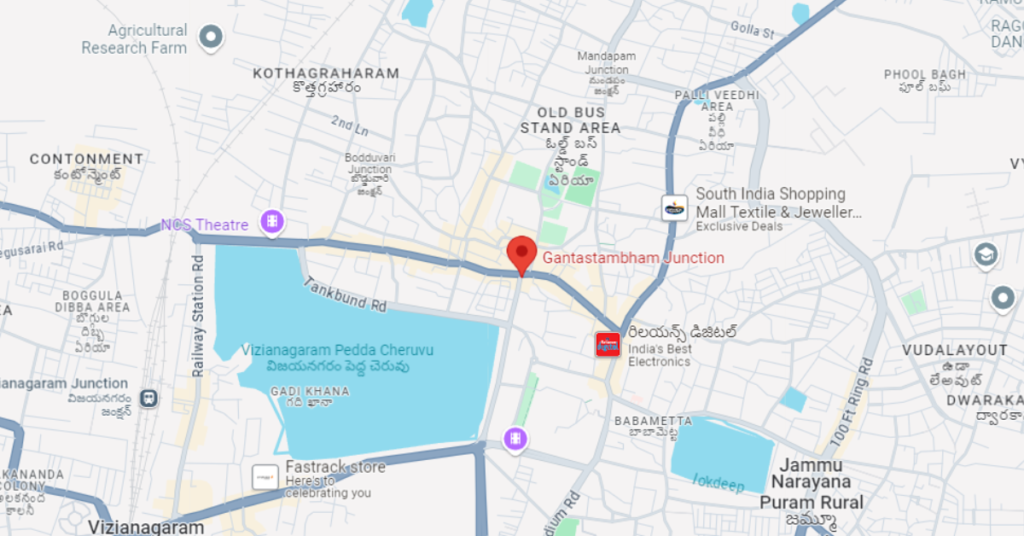
Ganta Stambham Vizianagaram Location MAP:

Other Attractions In Vizianagaram:

Conclusion:

Ganta Stambham is much more than a clock tower; it is a historical landmark that reflects the spirit of Vizianagaram. Its enduring presence for over a century is a testament to the city’s rich cultural heritage and the foresight of its rulers. As a place where people gather, reminisce and celebrate the present, Ganta Stambham continues to stand as a symbol of both time and progress.

For anyone visiting Vizianagaram, a trip to Ganta Stambham is not just about seeing a clock it’s about experiencing a piece of history that has shaped the city’s identity and continues to guide its people through the ages.


Frequently Asked Questions(FAQs):

Q1. When was Ganta Stambham built?

Answer: The Vizianagaram Maharajas built Ganta Stambham in 1885.

Q2. What inspired the construction of Ganta Stambham?

Answer: Big Ben in London inspired the tower, showcasing the influence of British colonial architecture.

Q3. Where is Ganta Stambham located?

Answer: Ganta Stambham is located in the heart of Vizianagaram, Andhra Pradesh.

Q4. Has Ganta Stambham undergone renovations?

Answer: The authorities recently renovated Ganta Stambham to preserve its historical significance and enhance its appearance.

Q5. What is the significance of Ganta Stambham?

Answer: Ganta Stambham symbolizes time, progress, and community unity in Vizianagaram.

Home
About Us
Destination
Search