Wednesday, January 14, 2026
Home Blog Page 27

Exclusive Of Baruva Beach, Srikakulam: An Ultimate Information

0

Information:

On a recent trip to the scenic district of Srikakulam in Andhra Pradesh, I discovered a beautiful and lesser-known destination Baruva Beach. Nestled along the pristine coastline, Baruva Beach offers a perfect escape for those looking to unwind away from the usual crowded tourist spots. With golden sands, swaying coconut trees, and the peaceful sound of gentle waves lapping against the shore, the beach promises tranquility like no other. As someone who loves exploring hidden gems, Baruva Beach left a lasting impression on me. Here’s my story of a memorable journey to this coastal paradise.

A Glimpse into Baruva’s Past: My First Encounter:

Upon arriving at Baruva Beach Srikakulam, I was struck by the calm atmosphere. Unlike the bustling beaches of Goa or Kerala, Baruva seemed untouched by commercialization. My curiosity about its history led me to discover that Baruva Beach wasn’t always known to tourists. Many years ago, it was primarily a place where locals came for small family picnics, fishing, or simply to enjoy the view. Its charm was kept a secret from the outside world.

Back in the day, Baruva was a quiet fishing village. The locals often spoke about the historical significance of the beach. As it was once an important port during British rule. The old lighthouse still stands as a reminder of that time, guiding ships to safety. Walking along the shoreline. I could almost feel the past lingering in the air, imagining how life must have been back then.


Must Visit: An Exclusive Journey to Modakondamma Ammavari Temple, Paderu:


The Development Journey: From Hidden Gem to Emerging Tourist Spot:

It wasn’t until the early 2000s that Baruva started gaining attention from travelers like me. The Andhra Pradesh Tourism Development Corporation (APTDC) recognized its potential and began developing basic facilities. I noticed the clean restrooms, well-maintained pathways, and a few cozy cottages nestled near the beach. These small but thoughtful additions have made the beach more welcoming to visitors.

Talking to a few locals, I learned that Baruva Beach is still evolving as a tourist destination. In the past few years, efforts have been made to promote eco-friendly tourism. The local community is passionate about keeping the beach clean and preserving its natural beauty. Walking around, I saw signs encouraging visitors to avoid littering and respect the fragile marine life. It’s refreshing to see how much the locals care about their beach.


Also Read: Kalingapatnam Beach: A Peaceful and Beautiful Place


A Serene Day at Baruva: Connecting with Nature:

One of the highlights of my visit was how peaceful and untouched Baruva Beach felt. The lack of commercialization allows you to truly connect with nature. I found myself lost in the beauty of the coconut trees lining the shore, the soothing rhythm of the waves, and the vast stretch of golden sand. Baruva is perfect for those who want to relax without distractions.

As the day went by, I indulged in simple pleasures sitting by the water and feeling the cool breeze. Also watching the sun dip below the horizon. The Baruva Beach, Srikakulam is also an ideal spot for beach camping and stargazing. Especially for nature lovers who want to experience the beauty of the night sky in a tranquil setting. The air here feels different it’s pure, refreshing, and carries with it a sense of calm that’s hard to find elsewhere.

Exploring the Local Heritage: The Lighthouse and Baruva Harbor:

For history enthusiasts like me, Baruva Beach Srikakulam has more than just natural beauty to offer. A short walk from the beach took me to the old lighthouse that dates back to the time when Baruva was an active seaport during British rule. The lighthouse, standing tall and proud, offers a panoramic view of the coastline and the confluence. The Mahendratanaya River with the Bay of Bengal. It’s a peaceful spot where you can sit and marvel at the stunning scenery.

The Baruva Harbor, now a quiet fishing area, used to be an important trading point centuries ago. As I stood there. Watching the fishermen go about their daily activities. Srikakulam couldn’t help but appreciate the simplicity of life in Baruva and how this small village has preserved its heritage over the years. For anyone who enjoys delving into the history of a place. Baruva offers a glimpse into the past while still being rooted in the present.


Don’t Miss To Visit: Exclusive Of Vanjangi Viewpoint: An Ultimate and Scenic Beauty


The Shipwreck of the Chilaka: A Hidden Treasure at Baruva Beach:

Baruva Beach in Srikakulam is not only known for its serene beauty but also an incredible underwater discovery the wreck of the SS Chilaka. This British cargo ship, en route from Calcutta to Rangoon, tragically sank in 1917 after catching fire. Today, the remains of the Chilaka rest about 40 meters from the shore, drawing adventurous visitors eager to explore its history through scuba diving and snorkeling.

Baruva Beach Ship History Though the SS Chilaka is the most famous wreck, there are other sunken ships around Baruva Beach. Each is now home to diverse marine life like fish and coral. The clear, calm waters make it easy for divers to view these underwater relics. It’s fascinating to think that Baruva, once a busy port in the 18th century, has such a rich maritime history beneath its waves.


Also read: Exclusive Of Appikonda Beach: The Best Getaway in Visakhapatnam


Efforts are being made to protect these underwater treasures. The Andhra Pradesh government has created a marine sanctuary to safeguard both the shipwrecks and marine life, ensuring future generations can experience this hidden world.

If you’re planning a visit to Baruva Beach to see these wrecks, remember that the best time to go is between October and March. Hiring a local guide will enrich your experience with historical insights, and don’t forget to bring your own diving or snorkeling gear. Above all, respect the marine environment and leave the shipwrecks undisturbed for others to appreciate.


You Must Know About: The Submarine Museum: An Ultimate Dive into Naval History


Getting There: The Journey to Baruva:

One of the reasons Baruva Beach Srikakulam has remained a hidden gem for so long is its remote location. However, reaching the beach is now much easier due to improved road and rail connectivity. I traveled from Visakhapatnam, which is the nearest major city, and the drive itself was an absolute pleasure. The scenic landscapes, lush green fields, and small coastal villages made the journey unforgettable.

The nearest railway station is Sompeta, just a few kilometers away from the beach, making it easily accessible for tourists. Whether you’re coming by road or rail, the journey to Baruva Beach is worth every moment, offering a peaceful break from the usual tourist hotspots.

Baruva Beach Resort Price:

  • The starting price for resorts in Baruva, Srikakulam, is around Rs. 1,500.

Baruva Beach Distance on MAP:

Conclusion:

For anyone looking to escape the noise of city life and experience the raw beauty of nature, Baruva Beach is a destination you won’t want to miss. Its golden sands, clear waters, and serene atmosphere offer a refreshing change from the more crowded beaches of India. Whether you’re a nature lover, a history buff, or simply looking for a quiet retreat, Baruva has something to offer everyone.


Here You Go: Top 10 Must-Visit beautiful Places in Visakhapatnam


Visiting Baruva Beach isn’t just a trip it’s an experience that connects you with nature. History, and the simplicity of life. It’s the kind of place that leaves a lasting impression, making you want to return time and again for its tranquility and beauty. If you’re planning your next beach vacation, I highly recommend giving Baruva Beach a spot on your itinerary it’s a hidden gem waiting to be discovered.


Frequently Asked Questions(FAQs):

Q1. What is the best time to visit Baruva Beach?

Answer: The best time to visit Baruva Beach is between October and March when the weather is pleasant and ideal for outdoor activities.

Q2. What is the starting price for resorts at Baruva Beach?

Answer: The starting price for resorts at Baruva Beach is around Rs. 1,500, offering affordable accommodation options.

Q3. Can I explore shipwrecks at Baruva Beach?

Answer: Yes, visitors can explore the famous SS Chilaka shipwreck through scuba diving and snorkeling, located about 40 meters from the shore.

Q4. How do I reach Baruva Beach?

Answer: Baruva Beach is easily accessible by road and rail, with Sompeta being the nearest railway station just a few kilometers away.

Q5. What are some key attractions near Baruva Beach?

Answer: The old lighthouse, Baruva Harbor, and the confluence of the Mahendratanaya River with the Bay of Bengal are notable attractions near Baruva Beach.

Exploring Salihundam: A Hidden Gem of Buddhist Heritage in Srikakulam

0

Introduction

Salihundam, a quaint village in the Srikakulam district of Andhra Pradesh, is a must-visit destination for history buffs and cultural enthusiasts. Nestled along the serene southern bank of the Vamsadhara River, this site is renowned for its rich archaeological and religious significance, particularly for its ancient Buddhist heritage.

A Glimpse into Salihundam’s History

Salihundam is home to an ancient Buddhist complex that dates back to the 2nd century CE. It is a treasure trove of stupas, monolithic votive stupas, Mahastupa (great stupa), and platforms built to house sacred relics. Over time, excavations at this site have revealed four Buddhist stupas and several temples, offering insights into the spread of Buddhism in southern India.

One of the most intriguing aspects of Salihundam is the discovery of inscriptions in Brahmi script and languages like Prakrit and Sanskrit. These findings have cemented the village’s reputation as a significant center for Buddhist learning and culture. It is believed that scholars and students from all over the Indian subcontinent once gathered here to study and practice Buddhism.

Salihundam

Also Visit: Experience Exclusive of Sri Kurmam Temple in Andhra Pradesh


A Blend of Heritage and Nature

For travelers seeking a quiet yet enriching experience, Salihundam offers a tranquil escape. Overlooking picturesque paddy fields and the gentle flow of the Vamsadhara River, this historical village is a peaceful spot for those who appreciate a slower pace and a deep dive into India’s past.

The site became a popular destination after major excavations in the 19th and 20th centuries. Thanks to efforts by the Archaeological Survey of India (ASI), Salihundam is now well-preserved and accessible to both local and international tourists.

Things to Do and See in Salihundam

Here are some key attractions to explore during your visit to Salihundam:

  • Stupas and Mahachaityas: These ancient stupas, which once housed sacred relics of Buddhist monks, are a key draw for visitors.
  • Viharas: These were the living quarters for monks, giving a glimpse into the lifestyle of those who once resided here.
  • Chaityas: These halls were used for worship and feature beautiful architectural details that reflect Buddhist art and craftsmanship.
  • Sculptural Reliefs: The intricate carvings on the walls depict various scenes from Buddha’s life and teachings.

Tourism Trends in Salihundam

Tourism in Salihundam is growing, driven by three key trends:

  1. Heritage Tourism: Visitors flock to Salihundam for its deep connection to India’s ancient Buddhist history.
  2. Eco-Tourism: The natural beauty surrounding the site, including the lush landscapes and river views, makes it a perfect spot for those who appreciate nature.
  3. Educational Tourism: Many schools and colleges organize trips to Salihundam, giving students an opportunity to learn about the historical and cultural significance of the site.

Visiting Practical Information

Salihundam is a peaceful, less commercialized destination compared to other historical sites in India, making it a great spot for travelers seeking a quiet retreat. Here’s what you need to know before you go:

  • Best Time to Visit: The ideal time to visit Salihundam is between November and February when the weather is cooler and more comfortable for sightseeing. Temperatures range from 15°C to 30°C during this time. If you’re planning a trip in December or January, you may also get a chance to experience some local festivals.
  • Opening Hours:
  • Monday to Sunday: 9:00 AM to 5:00 PM
  • (It’s a good idea to double-check the current timings, as they might vary due to special events or maintenance.)

Entry Fee:

  • Adults: INR 10
  • Children: Free

Travel Tips for Salihundam

  • Footwear: Wear comfortable shoes, as you may need to walk on uneven surfaces while exploring the site.
  • Stay Hydrated: Carry plenty of water and use sun protection, especially if visiting during the day.
  • Hire a Guide: A local guide can provide valuable insights into the history of the site and make your visit more enriching.

Preservation and Future of Salihundam

Efforts are being made to preserve Salihundam’s historical treasures while promoting sustainable tourism. The local government and communities are working together to ensure that future generations can continue to explore and appreciate this important heritage site. With these initiatives, Salihundam is set to become a prominent hub for Buddhist pilgrimage and heritage tourism in the years to come.


Whether you’re a history lover, a nature enthusiast, or simply looking for a peaceful retreat, Salihundam offers an unforgettable experience. Its mix of ancient monuments, tranquil surroundings, and deep cultural significance make it a unique destination in Andhra Pradesh.

FAQS

Q1) What is Salihundam known for?

ANS) Salihundam is renowned for its ancient Buddhist complex, including stupas, viharas, chaityas, and intricate sculptural reliefs.

Q2) Where is Salihundam located?

ANS) Salihundam is located in the Srikakulam district of Andhra Pradesh, India, on the southern bank of the Vamsadhara River.

Q3) What is the best time to visit Salihundam?

ANS) The best time to visit Salihundam is between November and February when the weather is cooler and more comfortable for sightseeing.

Q4) What are the opening hours for Salihundam?

ANS) open daily from 9:00 AM to 5:00 PM. It’s advisable to check for any changes before your visit.

Q5) Are there guided tours available?

ANS)Hiring a local guide will help you gain a deeper understanding of the historical and cultural significance of Salihundam.

An Exclusive Journey to Modakondamma Ammavari Temple, Paderu:

0

Introduction:

On a recent trip to Andhra Pradesh, I had the incredible opportunity to visit the Modakondamma Ammavari Temple in Paderu. Tucked away in the serene hills, this temple is not just a place of worship but a journey into the heart of nature and spirituality. As someone who loves exploring off-the-beaten-path destinations, my visit to this temple was a truly enriching experience. This Temple Also called Madugula Modakondamma temple

Modakondamma Ammavari Temple

Meeting the Divine Goddess Modakondamma:

When I arrived at the temple, I was immediately touched by the strong yet peaceful presence of the goddess Modakondamma. People believe she is a powerful but kind form of Goddess Parvati. The locals say she is a protector who listens to the prayers of her devotees and fulfills their wishes. As I stood in front of her, I felt a deep connection and a calming sense of peace. The temple is not just a building; it’s a place where you can truly feel the divine energy all around you.

A Short Walk Through History:

As I explored the temple, the rich cultural heritage became evident in the intricate stone carvings and the aura of devotion that surrounded the place. The most intriguing part of the temple’s history is the story of the forgotten golden pot, or “Bangaru Chembu,” Modakondamma Ammavari Temple Paderu which adds a mystical charm to the temple’s origins. According to the tale, during a grand festival, the royal family forgot to bring back a golden pot used in the rituals. When the minister, Mangali, was sent to retrieve it, the goddess herself, in a playful manner, kicked the pot with her foot, sending it flying back to Madugula. This miraculous event is said to have solidified the temple’s significance and led to the establishment of the present-day shrine.

Modakondamma Ammavari

Also, Visit: Arasavalli Sun Temple: A Power Of The Sun


Today, the Modakondamma Ammavari Temple symbolizes enduring faith, drawing devotees from across the region. The annual June festival, where the goddess’s idols are carried in a grand procession, is a spectacle that brings the community together and preserves the temple’s ancient traditions. For anyone visiting this place, the history of Modakondamma is not just a story of a temple but a narrative of devotion, miracles, and the unbreakable bond between the deity and her followers.

The Significance of Modakondamma Temple:

Visiting Modakondamma Temple was a unique experience that felt deeply connected to the cultural fabric of Paderu. The temple is not just a place for religious activities; it’s a cornerstone of the local community’s identity. Thousands of devotees flock here every year, especially during the temple’s grand annual festival. The energy during these celebrations is palpable, with rituals and prayers that bring together people from all walks of life.

A Festival Like No Other:

I was fortunate enough to visit the temple during its annual festival, dedicated to Goddess Modakondamma. The whole area was alive with devotion and joy. The festival is the highlight of the year, drawing in devotees from all over the region. The air was filled with the sound of prayers and traditional music, and the temple grounds were beautifully decorated with flowers and lights. Being part of this celebration was a truly special experience.


Must Visit Temple in Vizag: Sri Kanaka Mahalakshmi Temple: powerful goodness of vizag


Modakondamma Ammavari Temple, Jatara
and Festival

Nature’s Embrace: The Scenic Beauty of Paderu:

One of the most captivating aspects of Modakondamma Temple is its location. Surrounded by lush green hills and dense forests, the temple offers a peaceful retreat from the hustle and bustle of daily life. The natural beauty around the temple is breathtaking, with panoramic views that make you feel like you’re in another world. The tranquility of the setting enhanced my spiritual experience, making it a perfect place for reflection and prayer.

How to Get There Modakondamma Ammavari Temple Paderu:

Reaching Modakondamma Temple is fairly easy, with good road connectivity from major cities in Andhra Pradesh. I traveled from Visakhapatnam, the nearest major city, which is well-connected by road to Paderu. The journey itself was a treat, with scenic landscapes that kept me captivated throughout the drive. Once in Paderu, the temple is just a short distance away, easily accessible by local transport.


Also visit: SriMukhalingam Temple: The Powerful Varanasi of South India


Why You Should Visit Modakondamma Ammavari Temple:

If you’re looking for a place to experience deep spirituality or just want to enjoy the natural beauty of Andhra Pradesh, the Modakondamma Temple is an ideal destination. This sacred site is more than just a temple; it’s a place where divine grace meets rich cultural heritage amidst serene landscapes. Whether you’re a devout believer seeking a spiritual connection or someone in search of peace and tranquility, a visit to Modakondamma Temple will leave you with an unforgettable experience. The temple’s calm and spiritual atmosphere makes it a perfect retreat for anyone looking to find solace and reflect on life’s deeper meanings.

Modakondamma Ammavari Temple and Paderu village

Dont Miss This: Exclusive Of Vanjangi Viewpoint: An Ultimate and Scenic Beauty


In essence, visiting Modakondamma Ammavari Temple isn’t just about exploring a religious site it’s about embracing a journey of the soul, where faith, culture, and nature come together to offer a truly blessed experience.

Madugula Modakondamma Temple Timings:

  • visiting hours from 5:30 AM to 12:00 PM in the morning
  • 4:00 PM to 7:30 PM. Opens every Day

Modakondamma Ammavari Temple, Paderu Location:

Must Visit Places:

Conclusion:

My visit to Modakondamma Ammavari Temple was more than just a trip; it was a journey into the soul of Andhra Pradesh’s spiritual and cultural heritage. The temple’s serene environment, coupled with its rich history and the divine presence of Goddess Modakondamma, left a lasting impression on me. I highly recommend a visit to this sacred site to anyone looking for a meaningful and peaceful retreat.

Frequently Asked Questions(FAQs):

Q1. What are the visiting hours for Modakondamma Ammavari Temple?

Answer: The temple is open daily from 5:30 AM to 12:00 PM and from 4:00 PM to 7:30 PM.

Q2. Where is Modakondamma Ammavari Temple located?

Answer: The temple is situated in Paderu, Andhra Pradesh, surrounded by scenic green hills and forests.

Q3. What is the significance of the Modakondamma Ammavari Temple?

Answer: The temple is a revered site dedicated to Goddess Modakondamma, known for fulfilling the wishes of her devotees.

Q4. What is the best time to visit the Modakondamma Ammavari Temple?

Answer: The annual festival in June is the best time to visit, as it offers a vibrant cultural experience.

Q5. How can I reach Modakondamma Ammavari Temple?

Answer: The temple is easily accessible by road, with the nearest major city being Visakhapatnam.

SriMukhalingam Temple: The Powerful Varanasi of South India

0

Introduction

SriMukhalingam Temple, also known as Dakshina Kashi (Varanasi of the South), is one of India’s hidden gems. Situated in Mukhalingam village, Jalumuru Mandal, Srikakulam district, Andhra Pradesh, this temple is perched on the banks of the Vamsadhara River. Once the capital of the Kalinga Ganga dynasty for over 600 years, the temple complex boasts stunning architecture that reflects the rich history and culture of the region. This magnificent site is also recognized as a protected monument by the Archaeological Survey of India (ASI).

SriMukhalingam Temple: The Varanasi
South India

Also Visit: Arasavalli Sun Temple: A Power Of The Sun


The Architectural Wonder of Sri Mukhalingam Temple

The Sri Mukhalingam Temple, dedicated to Lord Shiva, showcases Indo-Aryan architectural brilliance. The temple complex includes the Trinity of Mukhalingeswara (Madhukeswara), Aniyanka Bheemeswara, and Someswara temples, offering a glimpse into the incredible craftsmanship of the Kalinga kings. With its beautiful carvings, intricate stonework, and captivating natural surroundings, this temple is a must-visit for devotees and architecture lovers alike.

SriMukhalingam Temple
The Varanasi
of South
India

History of Sri Mukhalingam Temple

The temple’s rich history dates back to the 8th century AD when it was built by Kāmārnava–II, son of Dānārnava of the Eastern Ganga dynasty. King Anantavarman Cōdaganga’s Korni Copper Plant Grant (1077–1147 AD) reveals that Kāmārnava, an ancestor of Cōdaganga, constructed this temple.

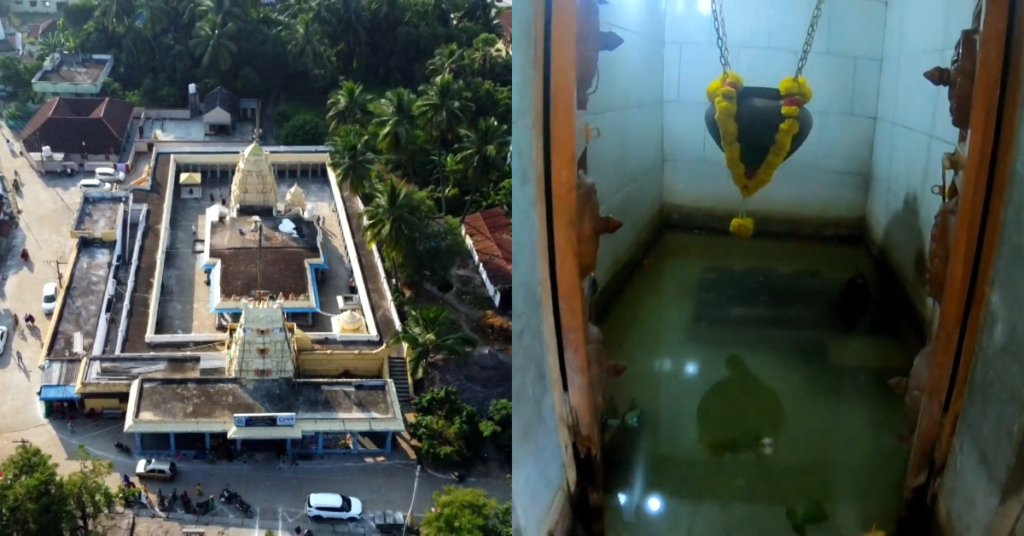
srimukhalingam temple history, as the name suggests, features a unique Shiva Lingam with a face (Sri Mukham). The Lingam, carved from the fossilized trunk of the Madhuka tree, stands as a unique structure in India. Local lore tells that Lord Shiva manifested in this tree to relieve a group of Gandharvas cursed to live as tribes. Thus, the temple also honors Shiva as Sri Madhukeswara Swamy.

SriMukhalingam Temple
of South India

The Legend of the Golem (Huge Mud Pot)

One of the temple’s fascinating stories revolves around a large mud pot, or Golem, placed behind the deity. As per temple lore, a devotee named Naganna, a potter, offered a large pot of milk to Lord Shiva, but due to its size, he couldn’t carry it into the temple. To his surprise, the next morning, the pot was found behind the deity—a miraculous act attributed to Lord Shiva. As a reward for his devotion, Naganna was blessed with a child.

Festivals and Events at Sri Mukhalingam Temple

The temple sees a huge influx of pilgrims during Maha Shivaratri. On this auspicious day, devotees gather to take a holy dip in the Vamsadhara River, known as the Chakratirtha snanam, and seek blessings from Lord Shiva. The festival is celebrated with various cultural performances and religious events over two days.

Tourist Attractions Near Sri Mukhalingam Temple

Apart from the temple itself, there are several notable sites to visit nearby:

  • Arasavalli Temple: Famous for its Sun God temple.
  • Sri Kurmanatha Swamy Temple (Srikurmam): Another ancient temple dedicated to Lord Vishnu.
  • Kalingapatnam Beach: A serene beach near Srikakulam.
  • Salihundam Buddhist Stupas: Explore the rich history of Buddhism at this archaeological site.

Best Time to Visit

The ideal time to visit Sri Mukhalingam Temple is between October and February. The weather during these months is pleasant, making it easy for visitors to explore the temple complex and nearby attractions. Summers can be quite hot, so it’s best to avoid visiting between March and June.

Where to Stay

For accommodation, visitors can find budget-friendly hotels, cottages, and homestays in Srikakulam, which is about 48 km from the temple. These options provide a comfortable stay for travelers looking to explore the region.

How to Reach Sri Mukhalingam Temple

  • By Road: SriMukhalingam Temple is located 48 km from Srikakulam, and the town is well-connected by road. You can easily find state-owned buses, taxis, or private vehicles to reach the temple.
  • By Train: The nearest railway station is Srikakulam Road Railway Station (CHE), approximately 28 km away. From the station, you can hire a cab or take a bus to the temple.
  • By Air: The nearest airport is Visakhapatnam Airport, located 150 km away. From Vizag, you can take a taxi or bus to reach Sri Mukhalingam Temple.

Conclusion

SriMukhalingam Temple is not only a spiritual hub but also an architectural marvel that showcases the glory of the Kalinga dynasty. Whether you’re a pilgrim or a history enthusiast, this lesser-known temple offers a hidden treasure ready for exploration. Plan your visit and experience the beauty and serenity of this ancient site.

FAQS

Q1) What is Sri Mukhalingam Temple famous for?

ANS) Sri Mukhalingam Temple is famous for its stunning Indo-Aryan architecture and its unique Shiva Lingam with a carved face. It is also known as Dakshina Kashi or the Varanasi of South India.

Q2) Where is Sri Mukhalingam Temple located?

ANS) The temple is located in Mukhalingam village, Jalumuru Mandal, Srikakulam district, Andhra Pradesh, on the banks of the Vamsadhara River.

Q3) What is the historical significance of Sri Mukhalingam Temple?

ANS) Kāmārnava–II of the Eastern Ganga dynasty built the temple in the 8th century AD. It served as the capital of the Kalinga Ganga dynasty for over 600 years.

Q4) What is the best time to visit Sri Mukhalingam Temple?

ANS) The best time to visit is between October and February, when the weather is pleasant for sightseeing.

Q5) How can I reach Sri Mukhalingam Temple?

ANS) You can reach the temple by road from Srikakulam (48 km away), by train via Srikakulam Road Railway Station (28 km away), or by air through Visakhapatnam Airport (150 km away).

Kalingapatnam Beach: A Peaceful and Beautiful Place

0

Kalingapatnam Beach

Kalingapatnam Beach, located in the serene Srikakulam district of Andhra Pradesh, is a hidden gem where the Vamsadhara River meets the Bay of Bengal. This beautiful beach is not just a place for relaxation—it’s a destination rich in history. Once a bustling maritime hub during the Kalinga Dynasty and later a British trading port, Kalingapatnam offers a unique blend of natural beauty and cultural heritage. The remnants of an old lighthouse add to the charm, making it a must-visit spot.

Whether you want to enjoy breathtaking sea views, take a leisurely walk along the sandy shores, or simply unwind in a peaceful setting, Kalingapatnam Beach is the perfect escape from the city’s hustle and bustle. Surrounded by lush greenery and quiet countryside, this beach is ideal for both nature lovers and history enthusiasts.

Kalingapatnam Beach
Kalingapatnam

Also Read: Exclusive Thotapalli Barrage: A Lifeline for Ap Agriculture


Visitor Information

Opening Hours:
Kalingapatnam Beach is open 24/7, all year round. However, it’s a good idea to check for any updates before you visit, as opening hours might change due to special events or maintenance. For the latest information, you can contact the local tourism board or check the official website if available.

Entry Fee:

  • Adults: Free
  • Children: Free

Note: While entry is currently free, it’s always wise to confirm as prices may change.


Tips for Visiting Kalingapatnam Beach

  • Sun Protection: Bring sunscreen, hats, and sunglasses to protect yourself from the sun, especially during the warmer months.
  • Stay Hydrated: Carry plenty of water to stay hydrated, as the beach can get quite warm.
  • Check Tide Timings: For a safer swim or beach walk, it’s important to check the local tide timings.
  • Respect Nature: Help keep the beach clean by not littering and respecting the local environment.

Best Time to Visit

The best time to visit Kalingapatnam Beach is between October and March. During these months, the weather is pleasant, with moderate temperatures ideal for beach activities and sightseeing. The monsoon season (June to September) is less ideal due to heavy rainfall and strong currents, which might impact your beach experience.

Kalingapatnam Beach
Beach

Also Read: Bojjana Konda A Hidden Gem of Buddhist Art and Architecture


Attractions and Historical Significance

Kalingapatnam Beach is not just a relaxing spot—it’s steeped in history. The town of Kalingapatnam was once a significant maritime center, playing a crucial role in trade and cultural exchanges with Southeast Asia during ancient and medieval times. During the British era, it served as an important port in northern Andhra Pradesh. Today, the remnants of the British-era lighthouse stand as a historical marker, offering visitors a glimpse into the past.

Top Attractions:

  • Lighthouse: The old lighthouse offers stunning panoramic views of the beach and the Bay of Bengal—it’s a must-see.
  • Buddhist Stupas: Nearby, you’ll find ancient Buddhist stupas that reflect the region’s historical ties to Buddhism, making it a great spot for history lovers.
  • Maritime Culture: Even though the commercial port has declined, small fishing communities still thrive here, adding cultural richness to your visit.

Latest Tourism Trends

Recent efforts at Kalingapatnam Beach have focused on enhancing the visitor experience while preserving the beach’s natural beauty. The Andhra Pradesh Tourism Development Corporation (APTDC) has improved connectivity, accommodations, and facilities. Watersports and beachside amenities are now available, diversifying the tourist experience in a sustainable way.

Agrotourism and Village Tours:
Explore the rural lifestyle through agrotourism and village tours. Engage with local communities and learn about their way of life. There’s also a growing emphasis on promoting local cuisine, handicrafts, and cultural performances, providing a more immersive experience.


In summary, Kalingapatnam Beach is a perfect blend of natural beauty, historical significance, and cultural richness. Whether you’re looking for a peaceful retreat or an opportunity to explore the history of the region, this beach has something for everyone. With a focus on sustainable tourism, Kalingapatnam Beach is set to remain a beloved destination for years to come.

FAQS

Q1) What is Kalingapatnam Beach known for?

ANS) Kalingapatnam Beach is known for its serene natural beauty, historical significance as a former maritime hub, and remnants of an old British-era lighthouse.

Q2) Are there any entry fees for Kalingapatnam Beach?

ANS) No, entry to Kalingapatnam Beach is currently free for both adults and children.

Q3) What are the opening hours of Kalingapatnam Beach?

ANS) Kalingapatnam Beach is open 24 hours a day, year-round. However, it’s good to check for any updates before visiting.

Q4) What should I bring when visiting Kalingapatnam Beach?

ANS) Bring sun protection like sunscreen, hats, and sunglasses. Also, carry water to stay hydrated and check local tide timings for safe beach activities.

Q5) What are the latest tourism trends at the Beach?

ANS) Recent trends include improved facilities, watersports, beachside amenities, and a focus on agrotourism and village tours.

Exclusive Of Vanjangi Viewpoint: An Ultimate and Scenic Beauty

0

Introduction:

During my recent trip to Vanjangi Viewpoint in Andhra Pradesh, I had an unforgettable experience. Nestled in the Eastern Ghats, this newly discovered hill station provided a truly magical escape. The views were stunning, and the atmosphere was incredibly peaceful. Vanjangi is quickly becoming a favorite spot for those who love nature and adventure. With its beautiful sunrises and lush green scenery, it’s a place where you can truly connect with nature and find tranquility.

Vanjangi Viewpoint

The Sunrise Spectacle at Vanjangi Hills:

As the first light of dawn touches Vanjangi Hills, the sky turns into a stunning painting of gold and orange. From this high vantage point, standing Vanjangi viewpoint height 3,400 feet above sea level, you get an incredible view of the sunrise. The sun rises from a blanket of clouds, creating a breathtaking sight. The nearby village of Paderu, where the viewpoint is located, is often called “Megha Samudram,” which means “Ocean of Clouds.” This name perfectly captures the magical and serene scene you can witness each morning.

The best time to see this natural wonder is during the winter months, from Best Place to Visit in December to January. Arriving between 5 AM and 6 AM is ideal, as you’ll witness a magical scene unfold. At this time, the sun’s golden rays slowly break through the fog and mist, creating a breathtaking view. The temperature during this period drops to around 15 degrees Celsius, and the cool, crisp air makes the experience even more enchanting.


Also Visit: Ananthagiri Hills Vizag Your Ultimate Escape to Serenity and Scenic Beauty


Journey to Vanjangi Hilltop:

Getting to Vanjangi is an adventure that begins with a scenic drive from Visakhapatnam. This drive takes you through beautiful landscapes for about 100 kilometers From Vizag. Your journey starts in Paderu, which is about 6 kilometers away from Vanjangi. Paderu serves as the starting point for your trek.

From Paderu, you’ll embark on a five-kilometer walk through lush forests. The path to the hilltop is steep and rugged, but the effort is worth it. As you climb, the surroundings become more serene, and you’re rewarded with an incredible sunrise view once you reach the top.

If you’re coming by train, the nearest station is Anakapalle, which is about 80 kilometers from Vanjangi. From Anakapalle, you can take an Andhra Pradesh State Transport bus to nearby towns like Paderu, G. Madugula, and V. Madugula. From there, you can hire a car to reach Vanjangi.

Visakhapatnam railway station, a major hub, is well-connected to many cities across India. It’s a convenient place to start your journey to Vanjangi.

Vanjangi Viewpoint
overall view sunrise

Also Experience The: Exclusive Katiki Waterfalls: A Comprehensive Guide to Hidden Waterfalls


A Growing Destination:

Vanjangi is becoming more popular, drawing in many trekkers and nature lovers. The quiet village is now lively with visitors who want to see its beautiful hill station. This increase in tourism is good for local businesses, but there are also worries about too many people and the impact on the environment. The local community and authorities hope that visitors will follow responsible tourism practices. This way, they can enjoy the area’s natural beauty while also creating jobs for residents.

Tips for First-Time Visitors:

  1. Wear Comfortable Footwear: The trek to the viewpoint involves walking through uneven terrain, so sturdy shoes are essential.
  2. Carry Essentials: Bring water, snacks, and warm clothing, as the early morning temperatures can be quite cool.
  3. Respect the Environment: Follow local guidelines to help preserve the natural beauty of the area and avoid littering.
  4. Check the Weather: Ensure you plan your visit during the winter months for the best experience of the sunrise and the surrounding landscape.
  5. Travel Arrangements: Plan your journey, especially if traveling from distant locations. Hiring a car or using local transport options can make your trip more convenient.

Entry Fee for Vanjangi Viewpoint:

  • They are charging money for vehicles starting from RS 50+

Vanjangi Viewpoint Distance MAP Guide:

Must Visit Place In Vizag Trip:


Must Visit: Araku Valley The Untouched Beauty of the Eastern Ghats


Conclusion:

My visit to Vanjangi Viewpoint was an unforgettable experience that offered a perfect blend of natural beauty and tranquility. Whether you’re a seasoned traveler or someone looking to escape the city for a day, Vanjangi’s stunning sunrise and lush landscapes are sure to leave you spellbound. As the popularity of this hidden gem grows, it remains a pristine destination for those seeking solace in nature’s embrace. Plan your trip to Vanjangi and witness the breathtaking beauty of the Eastern Ghats for yourself!


Frequently Asked Questions(FAQs):

Q1. What is the best time to visit Vanjangi Viewpoint?

Answer: The ideal time to visit is from December to January for the best sunrise experience.

Q2. How do I get to Vanjangi Viewpoint?

Answer: You can reach Vanjangi by a scenic drive from Visakhapatnam followed by a trek from Paderu.

Q3. Is there an entry fee for Vanjangi Viewpoint?

Answer: Yes, there is a fee starting from ₹50+ for vehicles.

Q4. What should I bring when visiting Vanjangi Viewpoint?

Answer: Bring comfortable footwear, water, snacks, and warm clothing for early morning temperatures.

Q5. What can I do at Vanjangi Viewpoint?

Answer: Enjoy breathtaking sunrise views, photography, and a serene nature experience.

Exclusive Of Appikonda Beach: The Best Getaway in Visakhapatnam

0

Introduction:

Tucked away from the bustling tourist hotspots of Visakhapatnam lies Appikonda Beach Vizag, a hidden gem that offers tranquility and breathtaking views. Known for its unspoiled beauty, crystal-clear waters, and peaceful ambiance, Appikonda Beach is the perfect destination for those looking to relax and rejuvenate. Surrounded by lush cashews and Casuarina trees, this secluded beach is ideal for solo travelers, couples, and families seeking a quiet escape from the city.

Appikonda Beach Vizag

Location and Accessibility:

Appikonda Beach is located approximately 19 kilometers from the city center of Visakhapatnam, making it a convenient yet secluded spot for a day trip. Despite its distance from the main tourist attractions, the beach is easily accessible by road. Visitors can either drive their vehicles or hire a private taxi from one of the many car rental services available in Visakhapatnam. Public transportation is limited, so it’s advisable to make travel arrangements in advance to ensure a hassle-free journey.

Scenic Beauty and Atmosphere:

Appikonda Beach Vizag is renowned for its stunning natural beauty. The golden sands, set against the backdrop of the deep blue sea and verdant hills, create a picturesque landscape that is perfect for photography. The beach is enveloped in a cool breeze, and the combination of foamy waves, grassy plains, and serene surroundings make it a place you’ll fall in love with at first sight. The tranquil atmosphere, coupled with the scenic vistas, provides an ideal setting for relaxation and unwinding.


Also visit: An Exclusive Of Kailasagiri: Vizag’s Natural Beauty and Adventure


Things to Do at Appikonda Beach Vizag:

  1. Plunge into Adventure: The calm and composed waves of Appikonda Beach make it a safe spot for swimming and water activities. Adventure seekers can indulge in a refreshing dip in the crystal-clear waters, satisfying their craving for excitement.
  2. Witness Spectacular Sunrises and Sunsets: The slushy shoreline of Appikonda Beach offers an epic view of the sunrise and sunset. Making it a must-visit for nature lovers and photographers. The mesmerizing hues of the sky reflecting off the water create a stunning visual that is hard to put into words.
  3. Snorkeling Experience: Try your hand at snorkeling to explore the vibrant underwater world. The clear waters of Appikonda Beach provide an excellent opportunity to witness marine life up close, offering a unique experience that is hard to find elsewhere.
  4. Visit the Ancient Shiva Temple: One of the major highlights of Appikonda Beach is the historic Shiva Temple, which dates back to the 12th century. The temple, located near the beach, is a popular spot for devotees and tourists alike. If your visit coincides with the Shivaratri festival, you can witness thousands of devotees gathering to celebrate this auspicious occasion.

Appikonda Beach Entry Fee and Timings:

One of the best things about Appikonda Beach is that there is no entry fee. Making it an affordable destination for everyone. The beach is open to visitors at all times, and the recommended exploration time is 3-4 hours. Whether you visit during the early morning hours or stay to watch the sunrise, Appikonda Beach offers a serene and memorable experience.

Appikonda Beach view
and boating

Must visit: Arasavalli Sun Temple: A Power Of The Sun


Best Time to Visit Appikonda Beach:

Appikonda Beach can be visited throughout the year, but the best time to explore its beauty is during the summer and winter months. From March to May, the weather is warm and pleasant, making it ideal for beach activities. The winter season, from October to March, is also a great time to visit, with temperatures ranging from 18 to 32 degrees Celsius. Ensuring a comfortable and enjoyable experience. It’s advisable to avoid visiting during the monsoon season (June to September) as the region receives heavy rainfall, which can hinder your beach experience.

Travel Tips for Appikonda Beach:

  1. Pack Your Essentials: Since there are no eateries or shops around Appikonda Beach, it’s essential to carry enough food and water for your visit.
  2. Plan Your Transportation: Given the limited local transportation options, make sure to arrange your travel in advance, whether by private vehicle or taxi.
  3. Enjoy Safely: While the waves at Appikonda Beach are generally calm, always exercise caution when swimming or engaging in water activities.

Near By Attractions:

Appikonda Beach Location:

Conclusion:

Appikonda Beach Vizag is a hidden paradise in Visakhapatnam that offers a perfect blend of natural beauty, serenity, and adventure. Whether you’re looking to relax by the sea, explore the underwater world, or visit the historic Shiva Temple, this beach has something for everyone. Moreover, it offers a perfect blend of relaxation and adventure. In addition, you can enjoy the serene atmosphere, and then take a dip in the crystal-clear waters. Furthermore, the rich history of the Shiva Temple adds a cultural touch to your visit, making it equally important for history enthusiasts. Lastly, what’s more, is that the beach provides a tranquil escape, ensuring a memorable experience for all.

Escape the hustle and bustle of city life and immerse yourself in the tranquil surroundings of Appikonda Beach a destination that promises a peaceful and memorable experience for all its visitors. Plan your trip today and discover the charm of this lesser-known gem in South India.


Frequently Asked Questions(FAQs):

Q1. What is the best time to visit Appikonda Beach?

Answer: The best time to visit Appikonda Beach is from October to March for pleasant weather.

Q2. Is there an entry fee for visiting Appikonda Beach?

Answer: There is no entry fee to visit Appikonda Beach; it’s free for all visitors.

Q3. What activities can visitors enjoy at Appikonda Beach?

Answer: Visitors can enjoy swimming, snorkeling, and witnessing stunning sunrises and sunsets at Appikonda Beach.

Q4. How can I reach Appikonda Beach from Visakhapatnam city?

Answer: Appikonda Beach is 19 km from Visakhapatnam city, accessible by private vehicle or taxi.

Q5. Is there any food available near Appikonda Beach?

Answer: No, there are no eateries near Appikonda Beach, so bringing your food and water is recommended.

Exclusive Katiki Waterfalls: A Comprehensive Guide to Hidden Waterfalls

0

Introduction:

Nestled amidst the lush greenery near Borra Caves in the Visakhapatnam district of Andhra Pradesh, Katiki Waterfalls is a picturesque natural attraction that captivates nature enthusiasts and adventure seekers alike. Also called Araku Valley Katiki Waterfalls Originating from the Gosthani River, this majestic waterfall cascades from a height of about 50 feet, creating a breathtaking spectacle that is hidden within the Ananthagiri hills. This guide provides detailed information on Katiki Waterfalls, including its timings, location, history, access details, local experiences, and the latest tourism trends of Katiki Waterfalls Araku Valley

Katiki Waterfalls Araku Valley

Katiki Waterfalls Tourism and History:

Katiki Waterfalls has become a significant attraction due to its natural beauty and the trek required to reach it. The falls, originating from the Gosthani River, have been known to locals for years but gained prominence in recent times as a must-visit spot for nature lovers and adventure seekers. The surrounding Ananthagiri hills are rich in natural history and are home to diverse flora and fauna, adding to the allure of the Katiki waterfalls in Araku Valley.

Access to Katiki Waterfalls:

To access Katiki Waterfalls, visitors need to undertake a moderately challenging trek through the Ananthagiri hills. The trek involves walking through lush greenery, crossing streams, and navigating rocky paths. Proper footwear and physical preparation are recommended for a safe and enjoyable trek. The waterfall’s base features a small pond, which is considered safe for a refreshing dip, offering a rewarding end to the trek.


Also Explore: Exclusive of Kothapalli Waterfalls: A Hidden Gem Near Lambasingi


Local Experiences and Activities:

Visitors to Katiki Waterfalls can enjoy several local experiences:

  • Local Food: Local tribes living near the falls sell traditional food items, including bamboo chicken, a must-try delicacy for visitors.
  • Photography: The scenic beauty of the falls and the surrounding greenery make it an ideal spot for nature photography.
  • Picnics: The serene ambiance of the area provides a perfect setting for picnics amidst nature.
  • Swimming: The small pond at the base of the waterfall is safe for a refreshing dip.

The Latest Tourism Trends:

In recent years, there has been a growing interest in off-the-beaten-path destinations like Katiki Waterfalls. Travelers are increasingly seeking natural attractions that offer both adventure and tranquility, away from crowded tourist spots. The trend towards eco-tourism and sustainable travel has also led to more visitors exploring natural wonders while respecting and preserving their pristine environments.

Katiki Waterfalls Araku Valley
and overall view

Must Visit: Arasavalli Sun Temple: A Power Of The Sun


Tips for Visiting Katiki Waterfalls:

  • Wear comfortable shoes: The trek to the falls involves walking through uneven terrain.
  • Carry essentials: Bring water and snacks, as there are no facilities near the waterfalls.
  • Be cautious: Watch out for slippery rocks and strong currents, especially during the monsoon season.
  • Respect nature: Follow local customs and guidelines to preserve the natural beauty of the area.
  • Consider a local guide: If unsure about the trek, visiting with a local guide can enhance your experience and ensure safety.

Katiki Waterfalls Location:

The Katiki Waterfalls is located in the Ananthagiri hills, near Borra Caves, in the Visakhapatnam district of Andhra Pradesh, India.

Katiki Waterfalls Timings:

The waterfall is open to visitors every day of the week, with the following timings:

  • Monday to Sunday: 6:00 AM – 7:00 PM

Places to Visit near Katiki Waterfalls:


Also read: Araku Valley The Untouched Beauty of the Eastern Ghats


Conclusion:

Katiki Waterfalls offers a serene escape into nature, with its stunning cascade and lush surroundings. Whether you’re a nature enthusiast, adventure seeker, or simply looking for a peaceful retreat, a visit to Katiki Waterfalls promises a memorable experience. Plan your trip, embrace the natural beauty, and enjoy the local experiences that this hidden gem has to offer.


Frequently Asked Questions(FAQs):

Q1. What are the visiting hours for Katiki Waterfalls?

Answer: Katiki Waterfalls is open daily from 6:00 AM to 7:00 PM.

Q2. Where is Katiki Waterfalls located?

Answer: Katiki Waterfalls is located in the Ananthagiri hills near Borra Caves, in Visakhapatnam district, Andhra Pradesh.

Q3. What is the best way to access Katiki Waterfalls?

Answer: The best way to access Katiki Waterfalls is by trekking through the Ananthagiri hills, involving a moderately challenging hike.

Q4. What local experiences can I enjoy at Katiki Waterfalls?

Answer: Visitors can enjoy local delicacies like bamboo chicken, nature photography, picnics, and a refreshing dip in the waterfall’s pond.

Q5. Are there any entry fees for visiting Katiki Waterfalls?

Answer: Katiki Waterfalls does not charge an entry fee for visitors.

Exclusive Thotapalli Barrage: A Lifeline for Ap Agriculture

0

Introduction

Thotapalli Barrage, located in Andhra Pradesh, India, is more than just a massive structure; it’s a lifeline for the region’s agriculture. Built across the Nagavali River, this vital irrigation project has transformed the landscape and greatly improved the livelihoods of countless farmers. Situated in the Parvathipuram Manyam district, Thotapalli Barrage holds a capacity of 2.51 Tmcft, serving as the primary irrigation source for vast areas in Srikakulam and Parvathipuram Manyam districts. Since its construction, the barrage has significantly boosted agricultural productivity and helped ease water scarcity in the region.

Thotapalli Barrage
Andhra Pradesh's
Agriculture

Also Read: Top 10 Must-Visit beautiful Places in Visakhapatnam


Benefits of Thotapalli Barrage

  • Irrigation: The main purpose of the Thotapalli Barrage is to provide irrigation water to the surrounding agricultural fields. By controlling the flow of the Nagavali River, it ensures a consistent water supply for crops like paddy, sugarcane, and various horticultural produce.
  • Increased Agricultural Productivity: With a steady water supply, farmers can now cultivate a more diverse range of crops and achieve higher yields, leading to better economic conditions.
  • Groundwater Recharge: Thotapalli Barrage also plays a key role in recharging groundwater levels. By storing rainwater, it helps maintain groundwater levels, which are essential for both agriculture and domestic use.
  • Rural Development: The barrage has been a catalyst for rural development, creating jobs in agriculture, related industries, and infrastructure projects, thus improving the living standards of the local communities.
Thotapalli Barrage

Challenges and Future Prospects

While the Thotapalli Barrage has provided numerous benefits, it faces challenges such as sedimentation in the reservoir, maintenance issues, and the need for effective water management practices. To ensure its long-term sustainability, it’s crucial to invest in modern irrigation technologies, promote water conservation, and implement regular maintenance.

Timings

The Thotapalli Barrage is open to visitors year-round, but specific timings may vary depending on the season and local conditions. It’s best to check with local authorities or tourism offices before planning your visit.

How to Reach

  • By Road: The nearest major cities are Vizag (Visakhapatnam) and Srikakulam. From these cities, you can take state or national highways to reach Parvathipuram Manyam. The barrage is well-connected by road, and you’ll find buses and taxis to take you there.
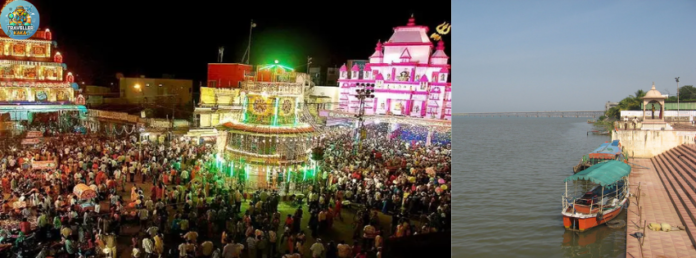
  • By Rail: Parvathipuram Manyam has its own railway station. From the station, you can hire a taxi or take a bus to reach the barrage.

Entry Fee

There is generally no entry fee to visit the Thotapalli Barrage. It’s a public space, open to all visitors, though certain restrictions may apply during specific events or times.
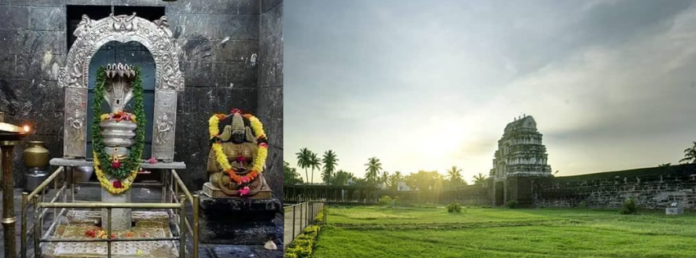
Nearby Attractions

  • Araku Valley: A beautiful hill station known for its stunning views, coffee plantations, and tribal villages.
  • Borra Caves: Famous for their unique rock formations and stalactites, these natural caves are a must-visit in the region.
  • Kotipalli Reservoir: Located near Thotapalli Barrage, this reservoir offers scenic views and boating opportunities.
  • Bheemunipatnam Beach: If you’re in the mood for a beach day, Bheemunipatnam Beach provides a peaceful retreat with its sandy shores.

Tips

  • The best time to visit Thotapalli Barrage is during the monsoon season (June to September) when the reservoir is full, and the surroundings are vibrant and green.
  • Wear comfortable shoes, as you may need to walk around the area.
  • Bring a camera to capture the beautiful views of the barrage and its surroundings.
  • Be mindful of the environment and avoid littering.

Conclusion

Thotapalli Barrage is a shining example of how infrastructure development can transform lives. By providing a steady supply of irrigation water, it has been a cornerstone of agricultural prosperity in Andhra Pradesh. As the region continues to develop, Barrage will remain a vital part of its agricultural landscape, ensuring food security and economic well-being for generations to come.

FAQS

Q1) What is Thotapalli Barrage?

ANS) Thotapalli Barrage is a significant irrigation project located in Parvathipuram Manyam district of Andhra Pradesh, India.

Q2) Where is Thotapalli Barrage located?

ANS) The barrage is located in the Parvathipuram Manyam district of Andhra Pradesh, serving the Srikakulam and Parvathipuram Manyam districts.

Q3) What is the capacity of Barrage?

ANS) Barrage has a storage capacity of 2.51 Tmcft (thousand million cubic feet).

Q4) How does Thotapalli Barrage benefit agriculture?

ANS) The barrage ensures a steady water supply for irrigation, leading to increased agricultural productivity and supporting a variety of crops like paddy and sugarcane.

Q5) Does Thotapalli Barrage help in groundwater recharge?

ANS) Yes, the barrage contributes to groundwater recharge by storing rainwater, which helps replenish groundwater levels essential for agriculture and domestic use.

Arasavalli Sun Temple: A Power Of The Sun

0

Introduction

The Arasavalli Sun Temple, dedicated to Lord Surya (the Sun God), is located in Arasavalli Village, just 1 km east of Srikakulam in Andhra Pradesh, India. King Devendra Varma of the Eastern Ganga Dynasty originally built the temple in the 7th century CE. The current structure mainly features renovations from the 18th century.

This ancient temple features the Rekha deula architectural style, similar to the Puri Jagannath Temple in Odisha. It is renowned as one of the oldest sun temples in India. Alongside the Konark Sun Temple and Martand Sun Temple, it stands as one of the few major temples still dedicated to Lord Surya today.


Also Visit: Experience Exclusive of Sri Kurmam Temple in Andhra Pradesh


History of Arasavalli

The temple, dating back to the 12th century, was built during the Eastern Chalukya dynasty and features the distinctive architectural style of that period. Over the centuries, it has endured various rulers and religious movements, yet retains its original grandeur. The temple’s central shrine, garbhagriha, is a towering structure adorned with intricate carvings depicting Hindu mythology. The gopuram, or gateway tower, is a massive structure with multiple tiers, each adorned with sculptures of deities and mythical creatures. The temple’s orientation and design align with the Sun’s movement, reflecting the cosmic significance of the deity it honors.

The Sun God Surya

Dedicated to Surya, the Hindu God of the Sun, the temple is a place of spiritual significance. Surya is often depicted riding a chariot drawn by seven horses, with each horse representing a day of the week. Devotees come to the temple to seek blessings for good health, prosperity, and spiritual growth. The annual Rath Yatra festival, celebrated with great pomp and fervor, is a highlight of the temple’s calendar.

Arasavalli temple timings

To plan your visit to the Arasavalli Sun Temple, here are the general timings:

  • Temple Opening Hours: The temple is open daily from 6:00 AM to 12:00 PM and from 4:00 PM to 8:00 PM.
  • Special Puja Timings: The temple schedules specific rituals and pujas at designated times throughout the day.. Major ceremonies usually occur in the early morning and evening.
  • Festivals and Events: During festivals like Ratha Saptami and Magha Saptami, the temple may have extended hours and special ceremonies. It’s a good idea to check the schedule or contact the temple in advance for details.

For the most accurate and up-to-date information, especially during festival times, it’s best to check the temple’s official website or contact local authorities.

Entry Fee

The entry fee to Arasavalli Sun Temple is nominal and affordable. However, it’s a good idea to check the official website or ask locally for the latest information.

Nearby Visit Places

  • Srikakulam Beach: Enjoy a serene beach experience and witness breathtaking sunsets.
  • Bheemunipatnam Beach: Explore this picturesque beach with its pristine sands and clear waters.
  • Borra Caves: Discover the mesmerizing limestone caves with their unique formations and underground river.
  • Araku Valley: Immerse yourself in the scenic beauty of the valley, surrounded by lush greenery and cascading waterfalls.
  • Kotipalli Reservoir: Enjoy boating and other water activities at this serene reservoir.

How to Reach Arasavalli Sun Temple

  • By Air: The closest airport to the Arasavalli Sun Temple is Visakhapatnam International Airport. From there, you can hire a taxi or take a bus to Arasavalli.
  • By Train: Arasavalli has its own railway station, well-connected to major cities in Andhra Pradesh.
  • By Road: You can reach the temple by road from Srikakulam, which connects well to other parts of the state.

Conclusion

Arasavalli Sun Temple offers a unique blend of spiritual significance, architectural beauty, and natural splendor. Whether you are a devout Hindu or simply a traveler seeking a serene and enriching experience, this temple is a must-visit destination. With its affordable entry fee and numerous nearby attractions, Arasavalli promises a memorable visit for all.

FAQS

Q1) What is the Arasavalli Sun Temple?

ANS) The Arasavalli Sun Temple is a historic temple dedicated to Lord Surya, the Sun God. It is located in Arasavalli Village, near Srikakulam in Andhra Pradesh, India.

Q2) When was the Arasavalli Sun Temple built?

ANS) King Devendra Varma of the Eastern Ganga Dynasty originally built the temple in the 7th century CE. The current structure largely reflects renovations from the 18th century.

Q3) What is the architectural style of the Arasavalli Sun Temple?

ANS) The temple features the Rekha deula architectural style, similar to the Puri Jagannath Temple in Odisha. This style is notable for its intricate carvings and unique design.

Q4) What are the visiting hours for the Arasavalli Sun Temple?

ANS) The temple is open daily from 6:00 AM to 12:00 PM and from 4:00 PM to 8:00 PM. Special pujas and ceremonies are held at various times throughout the day.

Q5) Is there an entry fee to visit the Arasavalli Sun Temple?

ANS) The entry fee is minimal. For the most current fee information, it is best to check the temple’s official website or contact local authorities.

Home
About Us
Destination
Search