Wednesday, January 14, 2026
Home Blog Page 26

Bobbili Fort: A Exclusive Legacy of Vizianagaram’s Royalty

0

Introduction

If you’re a history buff or love exploring ancient sites, Bobbili Fort in Vizianagaram district, Andhra Pradesh, should be on your travel list. Bobbili Fort is an architectural marvel with deep historical significance, dating back to the 17th century. Built by Pedda Rayudu, founder of the Bobbili dynasty, it offers visitors a glimpse into the region’s rich cultural and royal heritage. The fort’s connection to the famous Bobbili Battle of 1757 makes it a must-visit for those intrigued by India’s past.

bobbili fort photo
Fort

What to Expect at Fort

Although much of the original structure was damaged during the 1757 battle, the fort still stands as a symbol of the valiant history of Bobbili. Visitors can explore the remnants of this iconic fortress, including the Raja’s Palace, the Durbar Hall, and a museum housing artifacts that depict the rich legacy of the Bobbili dynasty.

Bobbili Fort features a unique blend of architectural styles from various dynasties, with sculptures and artworks highlighting the region’s artistic legacy. Whether you’re a history enthusiast or curious traveler, Bobbili Fort offers a captivating glimpse into Andhra Pradesh’s royal past.

Key Information for Visitors

  • Opening Hours:
  • Monday to Sunday: 10:00 AM to 4:30 PM
  • Tip: Check for any updates on timings or special events before your visit.
  • Entry Fee: Free for both adults and children
  • Best Time to Visit: October to March, when the weather is pleasant, making it easier to explore the fort and other outdoor attractions.

Tips for a Great Visit

  • Carry water and snacks: There are limited refreshment options around the fort.
  • Respect the site: This historical landmark is of great significance, so be mindful while exploring.
  • Wear comfortable footwear: You’ll be walking through ruins and uneven terrain.

Historical of Bobbili

Founded in 1652, Bobbili town and its fort are named after “Bobba Hill,” where the fort was initially constructed. The fort is most famous for the Bobbili Battle of 1757, a significant historical event in which the Bobbili forces, led by Rajah Rajagopala Krishna Yachendra, fought valiantly against the French-supported Vizianagaram forces. This battle marked a turning point in the region’s history and left a lasting legacy for the Bobbili dynasty.

Architectural Grandeur

Despite the ravages of time and war, Bobbili Fort continues to display its architectural splendor. Visitors can explore the fort’s ruins, including the grand Durbar Hall and Raja’s Palace, which echo the royal lifestyle of the past. The fort complex also includes a museum showcasing artifacts and sculptures that provide a glimpse into the fort’s rich history and artistic heritage.

Tourism Development and Popularity

In recent years, Fort has become more popular among tourists, thanks to efforts by the Andhra Pradesh government to promote the region’s historical landmarks. The fort is now part of several heritage tours that highlight the cultural and historical significance of the area. Additionally, the town of Bobbili is renowned for its contribution to classical music, particularly the famous Bobbili Veena, which adds to its cultural appeal.

How to Get There

Bobbili is well-connected by road and rail. The nearest major airport is in Visakhapatnam, about 100 kilometers away, making it a convenient destination for travelers. Whether you’re planning a weekend getaway or a day trip from nearby cities, Bobbili is easily accessible.

Other Places to Explore in Vizianagaram

While in Vizianagaram, don’t miss these nearby attractions:

conclusion

Bobbili Fort is more than just a historical monument; it’s a gateway to understanding the valor and legacy of the Bobbili rulers. Visiting this fort is a rewarding experience for anyone interested in the rich history of Andhra Pradesh. Visit Fort between October and March for the best experience. Enjoy pleasant weather and immerse yourself in local culture by joining vibrant festivals like Dussehra and Sankranti, celebrated with great enthusiasm during these months.

FAQS

Q1) What are the opening hours of Bobbili Fort?

ANS) Bobbili Fort is open daily from 10:00 AM to 4:30 PM.

Q2) Is there an entry fee for Bobbili Fort?

ANS) No, entry is free for both adults and children.

Q3) When is the best time to visit Bobbili Fort?

ANS) The ideal time to visit is between October and March when the weather is pleasant.

Q4) Are there any nearby attractions to visit?

ANS) Yes, nearby attractions include Vizianagaram Fort, Gantastambham, and Bobbili Puli Dibba.

Q5) Are there guided tours available at Fort?

ANS) Guided tours may be available. Contact the local tourism office for details.

Punyagiri Temple, Vizianagaram: An Exclusive of Powerful Place

0
Punyagiri temple vizianagaram

Introduction:

Located amidst the breathtaking Eastern Ghats, Punyagiri Temple in Vizianagaram is a revered shrine dedicated to Lord Shiva, known here as Uma Kotilingeswara Swamy. Nestled on the picturesque hills surrounded by lush greenery and waterfalls, this temple is a peaceful sanctuary for spiritual seekers and nature lovers. In this article, we can see All the information about Punyagiri Temple Vizianagaram timings, History, and All.

Punyagiri Temple

The Divine Significance of Punyagiri Temple:

The Punyagiri Shiva Temple holds immense spiritual importance for devotees, especially those seeking forgiveness for their sins. According to the belief, taking a dip in the sacred waters near the temple and offering prayers to Parameswara, another name for Uma Kotilingeswara Swamy, purifies the soul. The temple, often called Dakshinakashi, resembles Kashi in the North, where devotees believe souls attain Moksha (salvation).

Mythological Connections and Legends:

One of the fascinating legends associated with the temple involves the Pandavas from the Mahabharata. It is said that they stayed in the forest near Punyagiri Temple during their exile in the Dwaparayuga. Another prominent tale is linked to Virataraju and his brother-in-law Kichaka, who met his end at the hands of Bhima due to his inappropriate behavior towards Draupadi. Sudeshna Devi, Virataraju’s wife and Kichaka’s sister, mourned deeply, and Lord Shiva consoled her. Devotees believe that Shiva alleviated her sorrow by creating a stream of water, now known as Chinaputturdara Falls, which flows near the temple.


Also read: Pydithalli Ammavari Temple: A Complete Guide for Visitors


Chinaputturdara Falls coming out from Shiva Lingam

The Ashtika Mandapam, another highlight of the temple, is where devotees immerse the ashes of their deceased loved ones in the sacred water. Devotees believe that this act releases souls from the cycle of rebirth and helps them attain salvation.

Unique Features of Punyagiri Temple:

One of the most remarkable aspects of the Punyagiri Temple is the Trimurti, where three Shiva Lingas are installed in a nearby cave. A constant flow of water from an underground stream bathes these Lingas, a sight considered miraculous by devotees.

Taking a bath in the Chinaputturdara Falls before entering the temple is a ritual followed by many. This practice is believed to cleanse sins and purify the soul. Furthermore, it is a vital part of the pilgrimage experience. In addition, the sacred waters enhance the spiritual journey of the devotees. Finally, the ritual sets the tone for a more meaningful visit to the temple.

Dense greenery, towering hills, and natural waterfalls surround the temple, offering a serene and spiritual environment. Pilgrims frequently meditate and reflect on the divine energy that emanates from the temple.


Must read: Exclusive Historic Vizianagaram Fort: A Symbol of Victory


Chinaputturdara Falls

Famous Festivals at This Temple:

Major festivals, especially Maha Shivaratri, bring the temple to life as devotees celebrate with great devotion and grandeur for three days. Other important festivals include:

  • Karthika Masam – Celebrated for an entire month dedicated to Lord Shiva.
  • Ugadi – The Telugu New Year, marking a fresh start.
  • Navaratri – A festival that honors and celebrates the power of the divine feminine energy.

Don’t Miss: Exclusive Of Vanjangi Viewpoint: An Ultimate and Scenic Beauty


During these festivals, thousands of devotees visit the temple. They perform rituals, offer prayers, and then participate in religious festivities. Moreover, these celebrations draw people together in devotion.

In addition, the spiritual atmosphere heightens as everyone engages in traditional practices, further enhancing the experience. Lastly, the collective energy of the devotees creates a deeply immersive and sacred environment.

Vizianagaram Punyagiri Temple timings:

Punyagiri Temple Vizianagaram timings are 6:00 AM to 7:00 PM every day. The early morning and late evening hours are particularly serene, offering a peaceful experience for those seeking spiritual solace.

How to Reach Punyagiri Temple, Vizianagaram:

The Punyagiri Temple is conveniently accessible by road, rail, and air.

  • By Air: The nearest airport is Visakhapatnam Airport, located about 70 km away. From there, visitors can either hire a taxi or use public transportation to reach the temple.
  • By Train: The closest railway stations are Vizianagaram Railway Station (35 km) and Visakhapatnam Railway Station (72 km). Both stations have excellent connectivity to major cities across India.
  • By Bus: The temple is about 35 km from Vizianagaram and 4 km from Srungavarapukota (S.Kota). Direct buses are available from Vizianagaram to S.Kota, making the journey convenient for pilgrims.

Also read: Exclusive of Kothapalli Waterfalls: A Hidden Gem Near Lambasingi


Punyagiri Temple Address with MAP:

Punyagiri Temple
Punyagiri Rd, Rega Punyagiri,
Vizianagaram, Andhra Pradesh 535145, India.

Must Visit Historical Temples:

Conclusion:

Visiting the Punyagiri Temple in Vizianagaram is more than just a pilgrimage; it is an experience that combines spirituality with the beauty of nature. Surrounded by lofty hills, waterfalls, and rich flora, the temple offers a peaceful retreat for the soul.

Devotees find solace not only in the rituals and prayers but also in the serene environment, which furthermore enhances the divine connection with Lord Shiva. Moreover, the peaceful surroundings deepen their spiritual experience, and what’s more, the natural beauty of the temple adds to the overall sense of tranquility.

Whether you’re seeking spiritual fulfillment, forgiveness for past sins, or a moment of peace in nature, a visit to Punyagiri Temple promises to be a transformative experience. Furthermore, the serene environment and rich history enhance the journey.

In addition, the temple’s unique rituals and picturesque surroundings contribute to a profound spiritual awakening. Finally, exploring Punyagiri Temple offers not only divine solace but also a refreshing connection with nature, making it an unforgettable experience. Moreover, the serene environment enhances your connection with the divine.

In addition, the temple’s rich history adds depth to your spiritual journey. Finally, the natural beauty surrounding the temple offers a peaceful retreat for reflection and meditation. The sacred waters, mystical legends, and spiritual aura make this temple a must-visit destination in the Vizianagaram district.

Frequently Asked Questions(FAQs):

Q1. What is the main deity of the Punyagiri Temple?

Answer: The main deity is Uma Kotilingeswara Swamy, a form of Lord Shiva.

Q2. What are the temple’s visiting hours?

Answer: The temple is open from 6:00 AM to 7:00 PM daily.

Q3. How can one reach Punyagiri Temple by air?

Answer: The nearest airport is Visakhapatnam Airport, 70 km away.

Q4. Which festivals are celebrated at Punyagiri Temple?

Answer: Major festivals include Maha Shivaratri, Karthika Masam, Ugadi, and Navaratri.

Q5. What unique feature can be found at the temple?

Answer: The Trimurti cave with three Shiva Lingas continuously bathed by underground water.

Mogadalapadu Beach: A Beautiful Gem in Visakhapatnam

0

Introduction

Mogadalapadu Beach, located in the coastal city of Visakhapatnam, Andhra Pradesh, is an undiscovered paradise. Known for its golden sands, clear waters, and tranquil ambiance, this beach is the perfect getaway for those seeking relaxation and natural beauty. Though still relatively unknown, it’s slowly attracting the attention of both locals and tourists looking for a peaceful retreat.

A Peaceful Retreat Near Visakhapatnam

Just a short drive from Visakhapatnam, Mogadalapadu Beach offers a serene escape from the city’s hustle and bustle. The beach remains less crowded compared to popular spots, allowing you to enjoy the calming sound of waves and a gentle sea breeze. Whether you’re looking for a solo retreat or a quiet day with family and friends, this is the perfect destination to unwind.

Mogadalapadu Beach: A Beautiful Gem in Visakhapatnam

Also Read: Top 10 Must-Visit beautiful Places in Visakhapatnam


Natural Beauty and Unspoiled Surroundings

With golden sands stretching along the coastline and clear waters perfect for swimming and snorkeling, Mogadalapadu Beach is truly a natural wonder. Coconut palms and tropical plants create a picturesque landscape that makes every moment spent here feel like a retreat into nature. The untouched environment preserves the beach’s charm, offering a refreshing and peaceful experience.

Activities and Things to Do

Though it’s known for its tranquil atmosphere, Mogadalapadu Beach also offers various activities for adventurous visitors. You can swim, surf, or paddleboard in the calm waters. The nearby mangrove forests are perfect for exploration, and fishing or kayaking are great options for those looking for adventure. If you’re in the mood for a leisurely stroll, the long beachside walk offers stunning views and the chance to collect unique seashells.

Mogadalapadu Beach
A Beautiful Gem
Visakhapatnam

Explore Nearby Attractions

In addition to Mogadalapadu Beach, there are several other attractions nearby that you can explore:

  • Rishikonda Beach: A popular spot known for its water sports like windsurfing and jet skiing, located just a short drive away.
  • Yarada Beach: A less commercialized beach offering stunning views and a peaceful vibe, perfect for nature lovers.
  • Dolphin’s Nose: A viewpoint offering breathtaking panoramic views of the city and coastline, just a few kilometers from the beach.
  • Simhachalam Temple: A famous Hindu temple dedicated to Lord Narasimha, offering both spiritual and historical significance.
  • Kailasagiri Hill Park: A scenic hilltop park offering views of the Bay of Bengal and Visakhapatnam city, ideal for a peaceful day out.
  • INS Kurusura Submarine Museum: A unique museum housed inside a decommissioned submarine, offering a glimpse into India’s naval history.

Taste the Local Culture and Cuisine

Mogadalapadu Beach offers more than just scenic beauty. Nearby fishing villages give you a chance to experience the local culture and traditions. Seafood lovers will be delighted by the fresh catch available at beachside restaurants and stalls. The local cuisine, especially seafood dishes, is a must-try when visiting the region.

How to Reach Mogadalapadu Beach

Reaching Mogadalapadu Beach is easy, as it is well-connected to Visakhapatnam city. The nearest railway station is Visakhapatnam Junction, and the closest airport is Visakhapatnam International Airport. From there, you can take a taxi or bus to the beach, which is about a 30-minute drive.

Helpful Tips for Your Visit

  • Best Time to Visit: Plan your trip between October and March for the best weather and fewer crowds.
  • Accommodation: There are several places to stay near Mogadalapadu Beach, ranging from guesthouses to luxury resorts, offering options for all budgets.
  • What to Pack: Be sure to bring sunscreen, a hat, comfortable clothing, and swimwear. If you plan on engaging in water activities, pack the necessary equipment.
  • Respect the Environment: Keep the beach clean and avoid littering. Be mindful of the local customs and protect the natural beauty of the area.

Mogadalapadu Beach offers a peaceful getaway with pristine nature and a variety of nearby attractions, making it a perfect destination for both relaxation and exploration.

conclusion

Mogadalapadu Beach is a hidden gem in Visakhapatnam, offering a serene and picturesque escape from the city. With its unspoiled beauty, calm waters, and nearby attractions, it provides a perfect blend of relaxation and adventure. Whether you’re seeking solitude or exploring the local culture, this beach promises a memorable and peaceful experience for all visitors.

FAQS

Q1) What are the best activities at Mogadalapadu Beach?

ANS) Popular activities include swimming, snorkeling, paddleboarding, beach walks, fishing, and exploring nearby mangrove forests.

Q2) What is the best time to visit Mogadalapadu Beach?

ANS) The best time to visit is between October and March when the weather is pleasant and the beach is less crowded.

Q3) Are there accommodations near Mogadalapadu Beach?

ANS) Yes, there are various accommodation options nearby, including guesthouses, resorts, and hotels, catering to different budgets.

Q4) Are there any nearby attractions to visit?

ANS) Yes, nearby attractions include Rishikonda Beach, Yarada Beach, Dolphin’s Nose viewpoint, Simhachalam Temple, and Kailasagiri Hill Park.

Q5) Can I find local cuisine at Mogadalapadu Beach?

ANS) Yes, nearby fishing villages and beachside stalls offer fresh seafood and local dishes, giving you a taste of Visakhapatnam’s coastal cuisine.

Pydithalli Ammavari Temple: A Complete Guide for Visitors

0

Introduction

Sri sri sri pydithalli ammavari temple is one of the most revered Hindu temples in the city of Vizianagaram, Andhra Pradesh. Dedicated to Goddess Pydithalli Ammavaru, this temple is deeply rooted in the local culture and history. The temple is believed to have been built in honor of Pydithalli Ammavaru, an incarnation of the elder sister of the royal family of Vizianagaram. Legend says her spirit entered an idol after her demise, and since then, the idol has been worshipped with immense devotion by locals.

The temple’s architecture showcases traditional South Indian style, and the atmosphere here is serene, offering visitors a peaceful space for prayers and reflection. Every year, thousands of devotees flock to the temple, particularly during the famous Sirimanu Utsavam festival, a grand celebration that fills the streets with vibrant processions, music, and dance.

Pydithalli
Ammavari
Temple

Also Read: Top 10 Must-Visit beautiful Places in Visakhapatnam


Temple Timings

The temple is open daily for visitors from 5:30 AM to 8:30 PM.

Tip: It’s always best to check for updates on special events or festivals as the temple hours may vary

Historical Of Temple

The history of the temple is intertwined with the legacy of the Vizianagaram royal family. According to local lore, Pydithalli, a princess from the 18th century, died during a battle, and later appeared in a villager’s dream to reveal the location of her idol. The villagers built the temple where the idol was found, and since then, it has been a center of faith for the people of Vizianagaram.

Sirimanu Utsavam: The Grand Festival

The Sirimanu Utsavam is the highlight of the year at Pydithalli Ammavari Temple. Held on the first Tuesday after Vijayadashami (Dussehra), this festival attracts thousands of devotees who come to seek blessings and witness the iconic Sirimanu Chariot procession. The streets come alive with music, traditional dances, and colorful displays, making it a must-see event for tourists. If you’re planning a visit during this time, be prepared for large crowds and an electrifying atmosphere.

Pydithalli
Ammavari
Temple
Sirimanu Utsavam

Best Time to Visit Temple

The best time to visit the temple is during the post-monsoon months from October to March. The weather is cooler and ideal for both temple visits and sightseeing. The temple is also less crowded outside of festival seasons, allowing for a more peaceful experience.

If you’re planning to visit during the Sirimanu Utsavam, usually in October or November, you’ll experience the temple at its most vibrant. However, expect long queues and bustling crowds. Summer months (April to June) can be quite hot and uncomfortable for travel, so plan accordingly.

Tips for Visiting To Temple

  1. Expect Crowds: Especially during festivals like Sirimanu Utsavam.
  2. Photography: Photography inside the temple may be restricted. It’s best to confirm with the temple authorities before taking photos.
  3. Footwear: Remember to remove your footwear before entering the temple premises.
  4. Respect Traditions: Dress modestly and follow temple etiquette while visiting.

Nearby Attractions to Temple

  1. Vizianagaram Fort
    A historic fort built by the Vizianagaram royal family, showcasing rich architecture and heritage. Perfect for history enthusiasts.
  2. Ganta Stambham (Clock Tower)
    A landmark structure in Vizianagaram, this clock tower stands tall in the town center and is a popular spot for photos.
  3. Ramabhadra Swamy Temple
    A revered temple located nearby, dedicated to Lord Rama. Known for its peaceful ambiance and religious significance.
  4. Kumili Waterfalls
    A scenic waterfall located around 20 km from Vizianagaram, ideal for nature lovers looking for a quick escape from the city.
  5. Bobbili Fort
    Located around 60 km from Vizianagaram, Bobbili Fort is a historic site that offers insights into the battles and culture of the region.
  6. Thatipudi Reservoir
    About 25 km from Vizianagaram, this reservoir is a serene spot for picnics and boating, surrounded by lush greenery.
  7. Kondakarla Ava
    A beautiful freshwater lake around 40 km from Vizianagaram, popular for birdwatching and nature walks.

These attractions add to the cultural and natural charm of the region, making a visit to Vizianagaram a well-rounded experience.

Conclusion

Pydithalli Ammavari Temple in Vizianagaram is a cultural and spiritual landmark. Whether visiting for religious purposes or to experience local traditions, the temple offers a peaceful atmosphere. The annual Sirimanu Utsavam festival is a vibrant highlight for visitors.

FAQS

Q1) Where is Pydithalli Ammavari Temple located?

ANS) Pydithalli Ammavari Temple is located in Vizianagaram, Andhra Pradesh, India

Q2) What is Pydithalli Ammavari Temple famous for?

ANS) The temple is renowned for its annual Sirimanu Utsavam, a grand festival attracting thousands of devotees and tourists.

Q3) Is the temple accessible for people with disabilities?

AMS) While the temple strives to be accessible, it is advisable to check with local authorities or guides for specific accommodations.

Q4) What is Sirimanu Utsavam?

ANS) Sirimanu Utsavam is the temple’s most celebrated festival, marked by vibrant processions and cultural performances, held on the first Tuesday after Vijayadashami (Dussehra).

Q5) How long should I plan to stay at the temple?

ANS) A visit typically takes around 1-2 hours, depending on crowd levels and festival timings.

Exclusive Historic Vizianagaram Fort: A Symbol of Victory

0

Introduction:

Nestled in the heart of northeastern Andhra Pradesh, the Vizianagaram Fort stands as a testament to the rich history and architectural brilliance of South India. Built-in 1713 by Maharaja Vijaya Rama Raju, the fort has become an iconic symbol of the royal legacy and cultural heritage of the Vizianagaram district. This majestic structure, with its imposing gates, ancient temples, palaces, and the renowned Victory Tower, continues to attract visitors and history enthusiasts alike. In this article, we’ll delve into the captivating history, architecture, and significance of Vizianagaram Fort and provide useful tips Like Vizianagaram Fort Timings and all the information for planning your visit.

Vizianagaram Fort

The Birth of Vizianagaram Fort: A Royal Legacy:

The established Vizianagaram Fort Times was in 1713 by Maharaja Vijaya Rama Raju, also known as Ananda Raju I (1671–1717), the ruler of Vizianagaram. According to legend, the fort was constructed on a site identified by Mahabub Valli, a Muslim saint.

Who suggested the location after performing penance in the area? The fort is said to represent the five signs of victory, which further cemented its importance to the Maharaja and his kingdom.

Initially part of a dense forest, this site was chosen for its auspiciousness, and the fort became the foundation for the Vizianagaram dynasty. Its construction marked the beginning of a new era, signifying the Maharaja’s power, wisdom, and spiritual guidance.


Also read: An Exclusive Historic Significance of Mandasa Village:


Vizianagaram Fort
and Maharaja Vijaya ramaraju

Architectural Marvels of Vizianagaram Fort:

The Vizianagaram Fort showcases a unique blend of Rajasthani and local architectural styles. Evident in its two main gates and other structures within the fort complex. These gates, the Nagar Khana (Eastern Gate) and the Western Gate hold immense cultural significance and are key highlights for visitors.

  • Nagar Khana (Eastern Gate): This grand entrance, adorned with intricate designs, features a drum tower on top. In the past, royal orders and the arrival of distinguished guests were announced by beating drums here.
  • Western Gate: This is the rear entrance to the fort and provides access to the royal tombs. Traditionally, this gate was used for funeral processions and remains an integral part of the fort’s spiritual legacy.

In place of the fort’s former moat, you’ll now find a well-maintained park, creating a tranquil space for visitors to explore and relax.


Don’t Miss: Kaviti Village, Srikakulam: An Exclusive Serene Village in Andhra Pradesh


Vizianagaram Fort over view

Palaces and Structures within Vizianagaram Fort femous for:

The Vizianagaram Fort is not just a military structure; it also houses several royal palaces. There each with its own historical importance and unique architectural beauty.

  1. Moti Mahal (Durbar Hall): Built in 1869 by Vijayarama Raju-III, this hall served as the royal court. It features two impressive marble statues at its entrance and now functions as a college for women on its first floor. The museum here showcases artifacts from the past kings. Offering a glimpse into the royal life of the fort.
  2. Oudh Khana (Royal Palace): Known for its octagonal bathroom built for the Rajas, the Oudh Khana is a remarkable structure. It includes a 50-foot-high water tank, which was once fed by a nearby well. The spiral staircase leading to the top of this structure is a must-see for architecture lovers.
  3. Alaknanda Palace: Once a lavish royal guest house, the Alaknanda Palace was constructed to host important visitors to the kingdom. Today, it serves as the headquarters for the 5th Battalion of the Andhra Pradesh Armed Reserve Police.
  4. Korukonda Palace: Situated near Alaknanda Palace, this grand palace is surrounded by extensive gardens and open grounds. Educational institutions and a training school for aspiring defense personnel operate on this land.

Must Visit: Malluru Narasimha Swamy Temple: A Spiritual Journey to the Hilltop


Moti Mahal (Durbar Hall), Oudh Khana (Royal Palace), Alaknanda Palace, and Korukonda Palace

Ganta Stambham: The Clock Tower Inspired by Big Ben:

Located just outside the fort’s boundaries is the Ganta Stambham, an octagonal Clock Tower built in 1885. This 68-foot structure was inspired by Big Ben in London and constructed by the Rajas of Vizianagaram. The clock tower once painted white, now features a cream and red color scheme and serves as an iconic landmark in the heart of the city.


Have to Know About: Exclusive Of Vanjangi Viewpoint: An Ultimate and Scenic Beauty


Visiting Vizianagaram Fort: Essential Information:

Planning a trip to the Vizianagaram Fort is easy with the following helpful details:

Vizianagaram Fort timings:

  • Timings: Vizianagaram Fort timings of the fort is open to visitors from 10:00 AM to 6:00 PM daily.

Vizianagaram Fort entry ticket price:

  • Entry Fee: Entry is free, and the recommended time to explore the fort is about 2 hours.

How to Reach Vizianagaram Fort:

  • By Air: The nearest airport is Visakhapatnam International Airport, located 54.3 km away.
  • By Train: The nearest railway station is Visakhapatnam Railway Station, located 54.6 km away.
  • By Bus: The fort is easily accessible, located just 1.9 km from Vizianagaram Bus Stand.

Address: Vizianagaram Fort, Head Post Office Road, Jonnaguddi Area, Vizianagaram, Andhra Pradesh 535003.

Vizianagaram Fort Location MAP:

Vizianagaram Fort Location MAP:

Top Historical Must Visit Places:

Conclusion: A Journey Through History:

The Vizianagaram Fort, with its fascinating history, grand architecture, and connection to the royal lineage. Offers visitors a unique experience of Andhra Pradesh’s cultural heritage. From the Moti Mahal and Oudh Khana to the towering Ganta Stambham, the fort is a living monument that preserves the legacy of the Rajas of Vizianagaram. Whether you are a history enthusiast or simply looking for a peaceful spot to explore. A visit to Vizianagaram Fort will undoubtedly leave you in awe of its rich past and enduring charm.

“Plan your visit today to step into the world of royal grandeur and historical significance Comment below and share with us about your travel Experience.”


Frequently Asked Questions(FAQs):

Q1. What are the visiting hours of Vizianagaram Fort Timings?

Answer: The fort is open from 10:00 AM to 6:00 PM daily.

Q2. Is there an entry fee to visit Vizianagaram Fort?

Answer: No, entry to the fort is free.

Q3. How can I reach Vizianagaram Fort?

Answer: You can reach us by air (Visakhapatnam International Airport), train (Visakhapatnam Railway Station), or bus (Vizianagaram Bus Stand).

Q4. What are the key attractions within Vizianagaram Fort?

Answer: The fort features the Moti Mahal, Oudh Khana, Alaknanda Palace, and Ganta Stambham.

Q5. What is the historical significance of Vizianagaram Fort?

Answer: Built-in 1713, the fort symbolizes the royal legacy of the Rajas of Vizianagaram and represents five signs of victory.

An Exclusive Historic Significance of Mandasa Village:

0

Introduction:

Mandasa Vasudeva Perumal Temple, Mandasa Village, located in the scenic Srikakulam district on the border of Orissa, is not just any village. It holds a remarkable place in history, thanks to the legends of kings, ancient temples, and cultural significance.

Let’s take a deeper dive into the historic importance of Mandasa and its revered Vasudeva Temple. In This given Complete Information about Mandasa Vasudeva Perumal Temple Timings and all other informations and History.
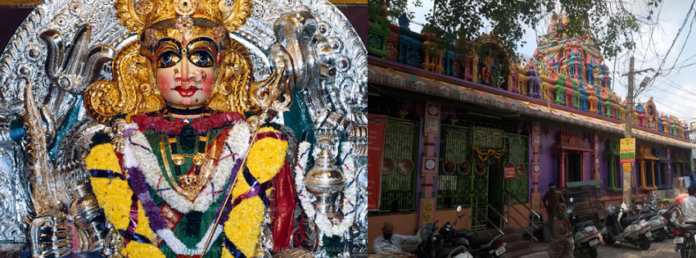
mandasa vasudeva perumal temple

A Legend Rooted in Time: The Origin of Manjusha Kingdom:

The story of Mandasa dates back to 1200 AD when Raja Vaman Singh Deo arrived from the north. After giving up his kingdom to his uncle, he sought spiritual solace in the Mahindra Hills. While in deep penance, a divine vision guided him.

The legend goes that a gold ring slipped from his finger into a river, later to be found downstream. This symbolic event indicated where his kingdom should be established, giving birth to the ancient Manjusha Kingdom. The river, still flowing today, is known as Suna Muddi, meaning “Golden Ring.”


Also read: The Powerful Lakshmi Narasimha Swamy Temple in Karimnagar


Originally part of the Ganjam district of the Madras Presidency, Manjusha eventually became part of the Vizag district before joining the Srikakulam district. This village holds deep religious significance, with Lord Vasudeva being the presiding deity of Mandasa.

Lord Vasudeva
and lord garuda deva

A Brief History of the Vasudeva Temple:

The temple of Lord Vasudeva stands as a beacon of devotion, representing Sriyah Pathi Srimannarayana, an ocean of compassion. The Mandasa Vasudeva Perumal Temple Time’s Built in 1744 AD by Sri Hari Hara Rajamani, the temple was once a royal place of worship for the rulers of Mandasa.

Despite its regal past, over time, the temple fell into neglect. Once patronized by kings, it struggled to maintain daily rituals and worship due to a lack of resources. Eventually, the temple came under the care of the Endowments Department.


Must Visit: Exploring the Divine The Unique Forms of Lord Narasimha at Dharmapuri Temple


The Revival of the Vasudeva Temple:

A pivotal moment for Mandasa came in 1988 when Sri Chinna Srimannarayana Ramanuja Jeeyar Swamiji visited the village during a World Peace walk in Srikakulam. He noticed the dilapidated state of the once-grand temple and took immediate action. After receiving permission from the Deva: da, and Dharma: da Sa of Andhra Pradesh, Swamiji began the temple’s reconstruction.

Led by Sriman P.B. Vishal Gupta of Rajam, a committee was formed to oversee the temple’s restoration. The ambitious renovation project began on 13th November 2003, focusing on key structures such as the Garbhalayam (sanctum sanctorum), Dwaja Sthambham (flagpole), and Mukhamandapam (main hall).

The renovation preserved the ancient designs while incorporating new sculptures where necessary, using traditional building methods.

Mandasa Temple
and Sri Chinna Jeeyar Swamiji

Also read: Exclusive Sri Lakshmi Narasimha Swamy Temple in Dharmapuri


The entire restoration, costing approximately Rs. 60 lakhs, breathed new life into the temple. During this period, valuable discoveries, including 457 Arabic engraved coins, copper plates, and gold ornaments, were secured by the local government.

The Temple’s Rebirth: Dedication to the People of Mandasa:

In 2005, the temple was finally ready for its grand rededication. On June 26th, Sri Chinna Jeeyar Swamiji performed the Thamra Sasanam ceremony, officially marking the temple’s re-establishment. The event, which attracted thousands of devotees, was a fitting tribute to the temple’s glorious past.

The Spiritual Connection of Pedda Jeeyar Swamiji:

A beautiful tale links Pedda Jeeyar Swamiji and his close friend T.K. Gopalacharyulu Swamy to Mandasa. As young students, they visited Mandasa to study the sacred text Sri Bhashyam under the renowned scholar Sri Ramanujacharyulu. Their journey took a dramatic turn when they both had the same prophetic dream about a broken bridge during their studies.

Fearing the dream signaled their inability to complete their studies, they confided in their guru, Sri Ramanujacharyulu. In response, the guru took them to Lord Vasudeva’s Temple, prostrated before the deity, and prayed for divine intervention.

Sri pedda Jeeyar Swamiji

Don’t Miss: A powerful god of Kaleshwaram: Muktheshwara Swamy


With the Lord’s blessings, the two students completed their studies ahead of time, becoming prominent scholars in the Sri Bhashyam tradition.

The Consecration Ceremony and Modern-day Mandasa Temple:

In June 2005, Sri Chinna Jeeyar Swamiji arrived in Mandasa at a grand reception from thousands of devotees.

The Vasudeva Swamy Temple had been fully restored to its former glory, exactly as it had been centuries before, with the same architecture and materials. The entire event was celebrated with great joy, as devotees experienced the power and grace of Lord Vasudeva once more.

Lord Vasudeva
and Sri Chinna Jeeyar Swamiji

Don’t Miss: A Complete Pilgrim’s Guide to Kondagattu Sri Anjaneya Swamy Devasthanam


The consecration of the temple honored Lord Vasudeva and re-established shrines for Sri Devi Bhudevi, Goda Krishna, and various Acharyas. The air was filled with Vedic chants, Puranic hymns, and Prabandha Songs, with scholars and devotees praising the timeless glory of Mandasa Vasudeva Swamy Temple.
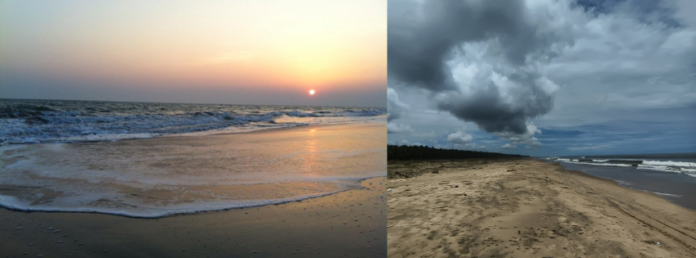
Preserving Tradition in Modern Times:

In his address, Sri Chinna Jeeyar Swamiji emphasized the importance of preserving temples in their original form. He cautioned against the trend of modernizing sacred spaces, urging devotees to respect the values embedded in ancient structures.

By maintaining the Mandasa Temple’s authentic form, Swamiji ensured that future generations would continue to benefit from its spiritual and cultural significance.


Here You Go: The Ultimate Guide to the Top 10 Temples Near Warangal


Mandasa Vasudeva Perumal Temple Timings:

If you plan to visit the temple, the Darshan timings are as follows:

  • Morning: 5:30 AM to 11:00 AM
  • Evening: 4:30 PM to 7:00 PM

Be sure to attend the Suprabhata Seva in the early hours or witness the Kavata Udgatana in the evening to experience the full spiritual atmosphere of the temple.

Mandasa Vasudeva Perumal Temple Location MAP:

Mandasa Vasudeva Perumal Temple Location

Conclusion:

Mandasa village, with its rich history and the sacred Vasudeva Temple, stands as a testament to centuries of devotion, culture, and architectural heritage. It remains a spiritual beacon in the Srikakulam district, preserving its legacy through time for future generations.

Must Visit Temples:

Frequently Asked Questions(FAQs):

Q1. What is the historical significance of Mandasa Village?

Answer: Mandasa Village is renowned for its ancient Manjusha Kingdom and the revered Vasudeva Perumal Temple, dating back to 1200 AD.

Q2. Who built the Mandasa Temple?

Answer: The Vasudeva Temple was built in 1744 AD by Sri Hari Hara Rajamani.

Q3. How was the Mandasa Vasudeva Temple restored?

Answer: The temple was restored in 2005, led by Sri Chinna Jeeyar Swamiji, preserving its original architectural design.

Q4. What are the darshan timings for the Mandasa Vasudeva Perumal Temple Timings?

Answer: The temple is open from 5:30 AM to 11:00 AM and 4:30 PM to 7:00 PM.

Q5. Where is Mandasa Village located?

Answer: Mandasa Village is located in the Srikakulam district of Andhra Pradesh, near the Orissa border.

Discover the Exclusive Kallepalli Beach and Heritage of Temple’s

0

Introduction

Kallepalli is a picturesque village located just 5 kilometers from the town of Srikakulam in Andhra Pradesh, India. Nestled in the Srikakulam mandal of the Srikakulam district, this tiny hamlet has gained fame as a major tourist destination. What makes Kallepalli unique is the breathtaking confluence of the River Nagavali with the Bay of Bengal, a sight that attracts tourists from far and wide. Whether you’re looking for a serene holiday or a nature-filled getaway, offers a perfect blend of scenic beauty and cultural richness.

Kallepalli
Beach

Also Read: Malluru Narasimha Swamy Temple: A Spiritual Journey to the Hilltop


Climate of Kallepalli

Kallepalli enjoys a moderate climate, making it a comfortable destination for travelers year-round. Summers are warm, while winters are pleasantly cool, typical of the coastal climate in Andhra Pradesh. Monsoon showers provide much-needed relief from the heat, with the village receiving plenty of rainfall during this season. For the best experience, plan your visit between September and March, when the weather is most favorable for outdoor activities.

Attractions in Kallepalli

Kallepalli offers a mix of natural beauty and historical significance. Here are some of the highlights:

  1. Confluence of River Nagavali and the Bay of Bengal: The scenic merging of the river with the sea is a must-see for nature lovers. The tranquil surroundings and panoramic views make it a perfect spot for relaxation and photography.
  2. Kallepalli Beach: Known for its pristine beauty, Beach is one of the most stunning beaches along Andhra Pradesh’s coastline. The golden sands, sparkling waters, and lush greenery, with casuarina and palm trees lining the shores, create a refreshing ambiance. The beach is a hotspot for leisure activities such as fishing, beach walks, and picnics.
  3. Kallepalli Temple: There might be several temples in and around. Notable temples in similar regions often include deities like kallepalli bangaru maisamma (goddess of rain and harvest), which ties into the following point.
  4. Temples and Historical Monuments: Home to several ancient temples and monuments that offer glimpses into the region’s rich cultural history. These landmarks are a magnet for history buffs and spiritual seekers alike.
Kallepalli
Beach
ap

Things to Do

  • Fishing at Kallepalli Beach: Local fishermen offer opportunities for visitors to experience traditional fishing practices.
  • Beach Sports: Activities like volleyball and cricket are popular among both locals and tourists on the vast sandy shores.
  • Nature Photography: The landscapes provide numerous spots for capturing beautiful sunrise and sunset moments.
  • Heritage Exploration: Visit the ancient temples and historical sites to immerse yourself in the spiritual and historical essence of the region.

How to Reach Kallepalli

Kallepalli is easily accessible from major Indian cities via roadways. Here are the main travel options:

  • By Road: The village is well-connected by roads, and tourists can easily avail themselves of local buses or taxis from nearby towns, especially from Srikakulam, which is just 5 kilometers away.
  • By Train: The nearest railway station is in Visakhapatnam, about 100 kilometers. From there, buses or taxis can be taken to the village.
  • By Air: The closest airport is Visakhapatnam Airport, located around 100 kilometers from the village. Alternatively, Donakonda Airport is another option, situated 102.2 kilometers away.

Best Time to Visit Kallepalli

The best time to visit Kallepalli is between September and March when the weather is pleasant and ideal for outdoor activities. During this period, the village experiences cool breezes, perfect for exploring its natural beauty and relaxing on the beach.

Conclusion

Kallepalli is a hidden gem in the state of Andhra Pradesh, offering visitors a peaceful retreat with a mix of natural attractions, beachside relaxation, and historical exploration. Whether you’re a nature lover, a beach enthusiast, or someone seeking cultural experiences, promises a memorable vacation. Add this charming village to your travel itinerary for a rejuvenating escape from city life!

FAQS

Q1) Where is Kallepalli located?

ANS) Kallepalli is a village located 5 kilometers from Srikakulam in Andhra Pradesh, India, within the Srikakulam district.

Q2) What is the best time to visit Kallepalli?

ANS) The best time to visit is between September and March when the weather is pleasant and ideal for outdoor activities.

Q3) What are the main attractions?

ANS) Key attractions include the stunning confluence of the River Nagavali with the Bay of Bengal, the Beach, ancient temples, and historical monuments.

Q4) What is the climate like in Kallepalli?

ANS) A moderate climate. Summers are warm, winters are cool, and monsoons bring ample rainfall.

Q5) Are there any historical sites near Kallepalli?

ANS) Yes, features several ancient temples and historical monuments that reflect the region’s rich cultural heritage.

Kaviti Village, Srikakulam: An Exclusive Serene Village in Andhra Pradesh

0

Introduction:

Nestled in the picturesque district of Srikakulam in Andhra Pradesh, Kaviti is a charming village known for its tranquil ambiance, lush greenery, and cultural heritage. Away from the chaotic urban centers, Kaviti Village Srikakulam offers a peaceful retreat for travelers seeking to experience the simplicity of rural life while enjoying the natural beauty and historic significance of the region.

Kaviti Village
and Kaviti Village road

Natural Beauty and Agriculture:

The serene village of Kaviti is renowned for its rich natural beauty. Surrounded by fields of paddy and groves of swaying coconut trees, the landscape provides a picturesque setting that is both relaxing and rejuvenating. The greenery and open spaces create a peaceful environment that contrasts sharply with the bustle of urban life.

Agriculture is the backbone of Kaviti’s economy. The villagers primarily engage in cultivating paddy, coconuts, and other crops, relying on the fertile land and favorable climate of the region. The sight of neatly lined coconut trees and vast paddy fields swaying in the wind is a treat for the eyes, making Kaviti an ideal destination for nature lovers and those seeking to rediscover the simplicity of rural living.


Also read: The Exclusive Vamsadhara River: Nature’s Lifeline Of AP


paddy,
and coconuts in Kaviti Village

Cultural Heritage:

Kaviti is not only a natural paradise but also a village rich in cultural traditions. The village celebrates Sri Neelamani Ammavari Festival and customs with great enthusiasm, preserving the essence of Andhra Pradesh’s vibrant heritage. Arts and crafts such as pottery, and weaving are integral to the local culture, offering visitors a glimpse into the traditional lifestyle of the region.

One of the most beautiful aspects of Kaviti’s culture is its ability to blend modernity with tradition, ensuring that the community’s heritage is kept alive for future generations while adapting to the changes of the modern world.


Also Explore: Malluru Narasimha Swamy Temple: A Spiritual Journey to the Hilltop


Educational Institutions:

Kaviti may be a small village, but it places a strong emphasis on education. The village is home to several Government primary, upper primary, and secondary schools, ensuring that the younger generation has access to quality education. The emphasis on education is a reflection of the village’s progressive attitude toward development and growth.

Kaviti village
Government and privet schools

How to Reach Kaviti:

Kaviti is well-connected by both road and rail, making it easily accessible for travelers.

  • By Road: Regular bus services are available from Srikakulam and other nearby towns. The village is a pleasant drive from Srikakulam, offering scenic views along the way.
  • By Train: The nearest railway station is Sompeta, located about 20 km from Kaviti. Trains from Visakhapatnam, Srikakulam, and other major cities halt here, making it a convenient option for visitors traveling by rail.

Must Visit: An Exclusive Journey to Modakondamma Ammavari Temple, Paderu:


Tourist Places Near Kaviti, Andhra Pradesh:

While Kaviti itself is a serene destination that promises a quiet and rejuvenating experience, the surrounding region is home to several tourist attractions that offer a diverse range of experiences, from natural beauty to historical exploration.

1. Baruva Beach

Just a short distance from Kaviti, Baruva Beach is a hidden coastal gem. Known for its golden sands, clear blue waters, and tranquil atmosphere, it’s perfect for sunbathing, relaxing, and beach activities. Baruva Beach is an ideal spot for those looking to escape the crowded beaches of more popular tourist destinations. Visitors can enjoy a peaceful stroll along the beach or dip in the cool waters.

Baruva Beach
and sunset view

A visit to Baruva Harbor and the old lighthouse adds a historic touch to your beach trip, reminding visitors of Baruva’s maritime significance during British rule.

2. Ichchapuram Fort (Historical Exploration)

History enthusiasts will find Ichchapuram Fort to be a fascinating site. Built during the 17th century, the fort offers a glimpse into the region’s rich history. The fort stands as a reminder of the battles fought and the strategic importance of this location. The panoramic views from the fort provide an opportunity for photography and historical reflection.

Ichchapuram Fort
near Kaviti Village

3. Sri Kurmam Temple

For those seeking a spiritual experience, Sri Kurmam Temple is a must-visit. Located near Srikakulam, this ancient temple is dedicated to Lord Vishnu, specifically in his tortoise avatar, Kurma. The temple’s intricate carvings and peaceful surroundings attract devotees and history lovers alike. A visit to Sri Kurmam Temple Srikakulam district offers a tranquil spiritual retreat, making it a popular destination for those on a religious pilgrimage.

Sri Kurmam Temple
near Kaviti Village

4. Araku Valley

Though located slightly farther from Kaviti, Araku Valley is a stunning hill station known for its breathtaking beauty, waterfalls, and tribal culture. The valley is a refreshing escape for those looking to explore Andhra Pradesh’s natural landscape and cultural richness. The scenic beauty of the region, coupled with its cool climate, makes Araku Valley a great weekend getaway for travelers visiting Kaviti.

Araku Valley
near Kaviti Village

5. Borra Caves

Located within Araku Valley, the Borra Caves are a geological wonder. These limestone caves, formed over millions of years, are known for their unique formations and the fascinating natural beauty inside. A guided tour through Borra Caves will leave visitors in awe of the incredible underground world that has developed naturally over time.

Borra Caves
near Kaviti Village

Kaviti Village Location On MAP:

Conclusion:

Kaviti Village is much more than just a small rural village in Srikakulam it’s a destination that offers peace, natural beauty, and a connection to Andhra Pradesh’s rich cultural and historical legacy. From the lush green paddy fields and coconut groves to the spiritual and historical landmarks nearby, Kaviti Village Srikakulam offers a perfect blend of relaxation and exploration.

Whether you’re looking to unwind at Baruva Beach, explore the historic Ichchapuram Fort, or delve into the spiritual calm of Sri Kurmam Temple, Kaviti and its surrounding attractions offer something for every traveler. As you plan your next trip, consider giving this serene village and its nearby gems a place on your itinerary.


Frequently Asked Questions(FAQs):

Q1. What is Kaviti Village known for?

Answer: Kaviti Village is known for its serene environment, lush greenery, cultural heritage, and agricultural significance.

Q2. How far is Kaviti from Srikakulam?

Answer: Kaviti is approximately 130 km from Srikakulam, the district headquarters.

Q3. What are the nearby tourist attractions to Kaviti?

Answer: Nearby attractions include Baruva Beach, Ichchapuram Fort, Sri Kurmam Temple, Araku Valley, and Borra Caves.

Q4. How can I reach Kaviti Village?

Answer: Kaviti is accessible by road with regular bus services, and the nearest railway station is Sompeta, located 20 km away.

Q5. What is the main occupation of people in Kaviti?

Answer: Agriculture, particularly paddy and coconut farming, is the main occupation of people in Kaviti.

the Exclusive Vamsadhara River: Nature’s Lifeline Of AP

0

The Vamsadhara River, a vital waterway in eastern India, derives its name from the words “bansa” (bamboo) and “dhara” (water flow). This name reflects the river’s origins in bamboo-filled forests and its gentle flow through beautiful landscapes. In Oriya, the river is called “Bansadhara,” while in Telugu, it’s known as “Vamsadhara.”

the Vamsadhara River
: Nature’s Lifeline

Geographic Features of the Vamsadhara River

  • Location: The Vamsadhara River flows between two prominent rivers—Godavari and Mahanadi—on India’s east coast.
  • States Covered: It travels through Odisha and Andhra Pradesh, supporting many communities along the way.
  • Basin Area: It covers 8,015 square kilometers in Odisha and 2,815 square kilometers in Andhra Pradesh.
  • Rainfall: The basin receives around 1,400 millimeters of rainfall annually.
  • Origin: The river originates at the border of Kalyansinghpur in Rayagada district and Thuamul Rampur in Kalahandi district, Odisha.
  • Length: Stretching 254 kilometers, it eventually empties into the Bay of Bengal near Kalingapatnam, Andhra Pradesh.
  • Terrain: Hilly landscapes dominate Rayagada district in Odisha, where vibrant tribal communities reside.
  • Water Resources: The river provides an estimated 115 thousand million cubic feet of water annually for use in both states.

Major Tributary: Mahendratanaya River

The Mahendratanaya River is a significant tributary of the Vamsadhara, contributing greatly to its flow. Originating in Gajapati district, Odisha, this river flows through scenic hilly areas before joining the Vamsadhara in Andhra Pradesh. Its waters support agriculture, enhancing the livelihoods of many farmers along its path. Construction of a barrage at Regulapadu is underway to divert water for irrigation purposes.

the Vamsadhara
River

River Water Dispute

A long-standing interstate water-sharing dispute exists between Odisha and Andhra Pradesh over the Vamsadhara River’s resources. The disagreement stems from each state’s desire to harness the river’s waters for agriculture and development.

Key Agreements and Developments:

  • 1962 Agreement: The two states agreed to share the river’s water equally, in a 50:50 ratio.
  • Andhra Pradesh Projects: Andhra Pradesh initiated projects such as the Gotta Barrage and Neredi Barrage to utilize its share of water.
  • Odisha’s Move: Odisha diverted water to the Rushikulya River Basin through the Harabhangi dam, which escalated tensions between the states.

Vamsadhara River Tribunal:

In response to the ongoing dispute, the Vamsadhara River Water Disputes Tribunal was established, led by Justice Mukundakam Sharma. In 2017, the tribunal permitted Andhra Pradesh to proceed with the construction of the Neredi Barrage. Both states must adhere to the 50:50 water-sharing ratio established in the 1962 agreement.

In 2021, the tribunal issued its final ruling, upholding the previous decision, and emphasized the importance of cooperation between the states to manage water resources sustainably.

Nearby Attractions to Vamsadhara River

  1. Kalingapatnam Beach
    Located at the confluence of the Vamsadhara River and the Bay of Bengal, this scenic beach is known for its peaceful surroundings and picturesque views.
  2. Gotta Barrage
    A key irrigation project on the Vamsadhara River in Andhra Pradesh, Gotta Barrage offers a glimpse into the region’s water management and agricultural development.
  3. Mahendragiri Hills
    The hills in Gajapati district of Odisha offer breathtaking views and hold great mythological significance. They offer trekking opportunities and serene natural beauty.
  4. Srikurmam Temple
    Located near Srikakulam, this ancient temple dedicated to Lord Vishnu is renowned for its unique architecture and religious significance.
  5. Kaviti Beach
    A lesser-known but beautiful beach near Kalingapatnam, Kaviti Beach is ideal for a peaceful retreat and enjoying coastal beauty.

Components of the Project:

  • Left Main Canal (LMC): This canal irrigates 148,000 acres of farmland, significantly boosting agricultural productivity.
  • Right Main Canal (RMC): Covering 62,280 acres, this canal is fed by the Gotta Reservoir, which ensures a steady supply of water for irrigation.

Conclusion

The Vamsadhara River is not only a lifeline for the communities in Odisha and Andhra Pradesh but also an essential resource for agriculture. Through sustainable water management and cooperative agreements, the river’s flow can continue to nurture the land and the people it supports. The Vamsadhara Project has transformed the agricultural landscape of Uttarandhra, ensuring a brighter future for its farmers and the environment.

FAQS

Q1) Which states does the Vamsadhara River flow through?

ANS) The Vamsadhara River flows through the states of Odisha and Andhra Pradesh.

Q2) What is the length of the Vamsadhara River?

ANS) The river flows for approximately 254 kilometers before joining the Bay of Bengal.

Q3) What is the major tributary of the Vamsadhara River?

ANS) The Mahendratanaya River is the major tributary, which contributes to the flow of Vamsadhara.

Q4) What are the key projects associated with the River?

ANS) Key projects include the Gotta Barrage and Neredi Barrage in Andhra Pradesh, aimed at using the river’s water for irrigation.

Q5) What is the purpose of the Vamsadhara Project?

ANS) The Vamsadhara Project aims to provide irrigation facilities to the Uttarandhra region, boosting agricultural productivity.

Malluru Narasimha Swamy Temple: A Spiritual Journey to the Hilltop

0

Introduction

Malluru Narasimha Swamy Temple, also known as Hemachala Narasimha Swamy Temple, is a tranquil and sacred site located in Mallur, Mangapet Mandal of Warangal District, Telangana. This ancient temple sits majestically on Puttakonda, a hill 1,500 feet above sea level, surrounded by dense forests. The journey to the temple is an experience in itself, requiring a climb of about 120-150 steps, with devotees encountering the Shikanjaneya Hanuman Temple along the way, which is believed to be the protector of the region.

Malluru
Narasimha Swamy
Temple

Also Visit: SriMukhalingam Temple: The Powerful Varanasi of South India


Temple Timings

  • Morning: 8:00 AM – 1:00 PM
  • Evening: 3:00 PM – 5:00 PM

The Sacred Chintamani Jalapatham

The Chintamani Jalapatham, or Chintamani Waterfall, captivates visitors with its connection to the deity’s divine powers. This mystical stream continuously flows from the feet of Lord Narasimha Swamy, and the source of the water remains a mystery. Locals and devotees hold the belief that this water possesses healing properties.

Malluru Narasimha Swamy
Chintamani Jalapatham (Srikakulam Waterfall)

The Legend of Chintamani Jalapatham

Legend has it that Rani Rudramadevi, the queen of the Kakatiya dynasty, once suffered from a serious illness. Following her physicians’ advice, she drank the water from Chintamani Jalapatham and experienced a miraculous cure. Since that time, people have highly regarded the waterfall for its reputed healing powers. To this day, devotees collect this sacred water and even send it to their relatives living abroad, believing in its divine healing power.

The water flows into a reservoir near the temple and continues to inspire awe among visitors for its enigmatic origin and spiritual significance.

Unique Features of the Temple

The temple is famous for its main deity, Lord Narasimha Swamy, whose idol is enshrined in a rock that resembles a human body with hair on the chest. One of the most fascinating aspects of the idol is that when devotees touch the chest, their finger sinks into the rock, leaving an imprint. This unique feature, found only at Hemachala, draws devotees from all over.The idol is 9.2 feet tall and produces water from the navel, known as Chandana Dhravam, which is considered a holy theertham. Devotees believe this sacred water has the power to cleanse sins and cure diseases.

History

Dating back over 4,776 years, the temple holds a rich history and significant spiritual importance. It is said that the sage Agastya named the hill Hemachala. According to legend, the demon king Ravana gifted this land to his sister Shurpanaka. The area is also believed to be where Lord Rama defeated 14,000 demons led by Khara Dushana.

Festivals at Malluru Narasimha Swamy Temple

The temple is known for celebrating several grand festivals, with thousands of devotees participating each year:

  • Narasimha Jayanthi
  • Vaikunta Ekadashi
  • Sri Brahmotsavam during Vaishaka Masam (April-May)

Best Time to Visit

The ideal time to visit Malluru Narasimha Swamy Temple is between October and June, when the weather is pleasant, and the annual festival takes place. The temple is especially vibrant during Vaishaka Masam (April-May), when devotees flock to witness the Brahmotsavam celebrations.

Tourist Attractions Near Hemachala Narasimha Temple

Enhance your spiritual journey by visiting nearby attractions:

How to Reach Hemachala Narasimha Swamy Temple

  • By Air: The nearest airport is Hyderabad’s Shamshabad Airport, about 300 km away.
  • By Rail: The closest railway station is Manuguru (BDCR).
  • By Road: Buses are available from Manuguru, Bhadrachalam, and Warangal, with several other vehicles also providing access to the temple.

Conclusion

Malluru Narasimha Swamy Temple, with its historical significance, spiritual atmosphere, and the mystical Chintamani Jalapatham, offers an extraordinary experience to devotees and nature lovers alike. Whether you’re seeking divine blessings or fascinated by the temple’s unique history, a visit to this sacred place will leave you spiritually enriched.

FAQS

Q1) What are the timings of Malluru Narasimha Swamy Temple?

ANS) The temple is open daily from 8:00 AM to 1:00 PM and 3:00 PM to 5:00 PM.

Q2) What is the significance of Chintamani Jalapatham?

ANS) Devotees believe that Chintamani Jalapatham, a sacred waterfall, holds healing powers. According to legend, it cured Rani Rudramadevi of an illness after she drank the water.

Q3) How many steps do visitors need to climb to reach the temple?

ANS) Visitors need to climb around 120-150 steps from the base of the hill to reach the temple.

Q4) Where is Chintamani Jalapatham located?

ANS) The waterfall is located near Malluru Narasimha Swamy Temple in Warangal, Telangana.

Q5) When is the best time to visit Chintamani Jalapatham?

ANS) The best time to visit Chintamani Jalapatham is from October to June, coinciding with the ideal visiting period for Malluru Narasimha Swamy Temple.
Home
About Us
Destination
Search