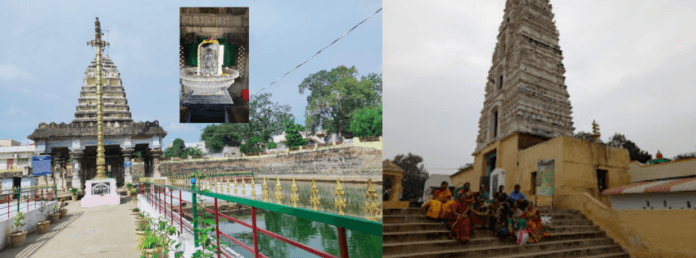
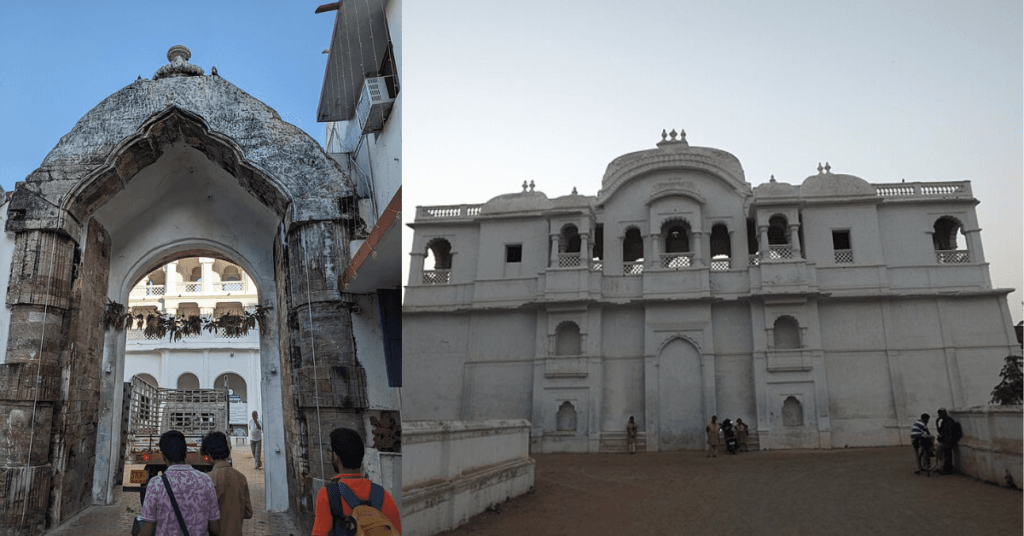
Located in the heart of Chebrolu, a small village in the Guntur district of Andhra Pradesh. TheChaturmukha Brahma Temple is one of the few temples dedicated to Lord Brahma, the Creator in Hindu mythology. While Lord Brahma is part of the revered Hindu trinity (Brahma, Vishnu, and Shiva), temples dedicated to him are extremely rare, making this shrine all the more special.
The Uniqueness of the Chaturmukha Brahma Temple
The term “Chaturmukha” translates to “four-faced,” and the temple’s idol of Lord Brahma is carved with four faces, symbolizing the four Vedas (Rigveda, Yajurveda, Samaveda, and Atharvaveda) and the four directions—north, south, east, and west. This representation is meant to show that Lord Brahma oversees all creation, and his wisdom extends in every direction.
What sets the Chaturmukha Brahma Temple apart is not just its dedication to Brahma but also its exquisite architectural beauty. The temple stands as a testament to ancient Indian craftsmanship, featuring intricate stone carvings and beautifully designed pillars that attract visitors for both religious and artistic reasons.
Though the exact date of the temple’s construction is debated, it is believed to have been built during the Chola or the Eastern Chalukya period. Its historical roots and the fascinating myths associated with it make it an important cultural and spiritual destination.
One popular legend says that Lord Brahma, who is often known for his role in creation, was cursed by Lord Shiva due to a dispute. As a result of this curse, Brahma was not widely worshipped, and very few temples were built in his honor. This is one of the exceptions, offering a place of worship for those seeking blessings from the god of creation.
Architectural Grandeur
The Chaturmukha Brahma Temple is built in the Dravidian style of architecture, commonly seen in South Indian temples. The temple’s gopuram (tower) is intricately carved, showcasing various mythological stories and deities. The idol of Lord Brahma with four faces sits majestically in the inner sanctum, where devotees offer prayers.
One of the unique features of the temple is the “Garbhagriha” (sanctum sanctorum), which is surrounded by beautifully carved pillars. These pillars are not only architecturally stunning but also hold mythological significance, depicting scenes from Hindu epics like the Ramayana and the Mahabharata.
Spiritual Significance
For devotees, visiting the Chaturmukha Brahma Temple is considered highly auspicious. Lord Brahma is believed to bless worshippers with knowledge, wisdom, and creativity. Since Brahma is the creator, people often come here to pray for new beginnings—whether it’s starting a new phase of life, launching a new project, or seeking solutions to problems.
The temple’s peaceful ambiance and spiritual energy make it a perfect place for meditation and contemplation. Many believe that offering prayers here can help one gain clarity and overcome obstacles in life.
Though the temple sees devotees throughout the year, Brahmotsavam is the most important festival celebrated here. This grand annual festival, held in honor of Lord Brahma, draws large crowds of pilgrims from various parts of Andhra Pradesh and beyond. The festival includes special rituals, processions, and cultural performances, making it a vibrant time to visit.
Other important occasions include Kartika Pournami, a day dedicated to Lord Brahma when the temple is illuminated with lamps and filled with devotional activities.
Nearby Visiting Places to Chaturmukha Brahma Temple
Undavalli Caves – Rock-cut caves featuring stunning sculptures and a reclining statue of Lord Vishnu. It’s located around 35 km away.
Kondaveedu Fort – An ancient hilltop fort offering great views and historical significance, located about 30 km from Chebrolu.
Mangalagiri Temple– Dedicated to Lord Narasimha, this temple on a hill is about 40 km away.
Uppalapadu Bird Sanctuary – A popular spot for birdwatching, particularly during the migratory season. It’s located around 25 km from Chebrolu.
How to Reach Chaturmukha Brahma Temple
By Road: Chebrolu is well-connected by road. You can take a bus or hire a taxi from Guntur (20 km away) or Vijayawada (50 km away).
By Train: The nearest railway station is Guntur Junction, about 20 km from Chebrolu.
By Air: The closest airport is Vijayawada International Airport, approximately 50 km from the temple.
Conclusion
The Chaturmukha Brahma Temple in Andhra Pradesh is a unique and spiritually enriching destination. Its rarity as a temple dedicated to Lord Brahma, combined with its beautiful architecture and rich history. This makes it a must-visit for both devotees and those interested in the cultural heritage of India. Whether you seek blessings for new beginnings or simply wish to admire the temple’s architectural splendor, a visit to the Chaturmukha Brahma Temple promises a peaceful and fulfilling experience.
Frequently Asked Questions
1Q: What is the Chaturmukha Brahma Temple?
A: The Chaturmukha Brahma Temple is a rare temple dedicated to Lord Brahma, located in Chebrolu, Andhra Pradesh.
2Q: Why is the temple called ‘Chaturmukha’?
A: The term “Chaturmukha” refers to Lord Brahma’s four faces, symbolizing the four Vedas and four directions.
3Q: When was the Chaturmukha Brahma Temple built?
A: The temple is believed to have been constructed during the Chola or Eastern Chalukya period.
4Q: Why is Lord Brahma rarely worshipped?
A: According to legend, Lord Brahma was cursed by Lord Shiva, which led to very few temples being built in his honor.
5Q: When is the Brahmotsavam festival celebrated?
A: Brahmotsavam, the main festival at the temple, is celebrated annually in honor of Lord Brahma.
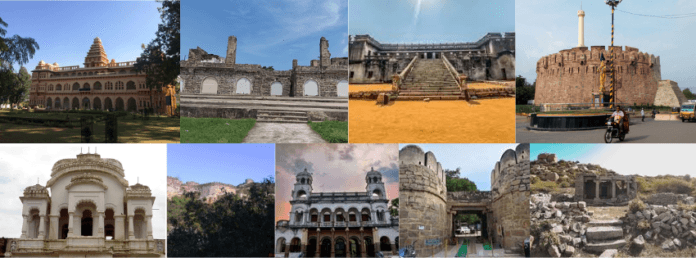
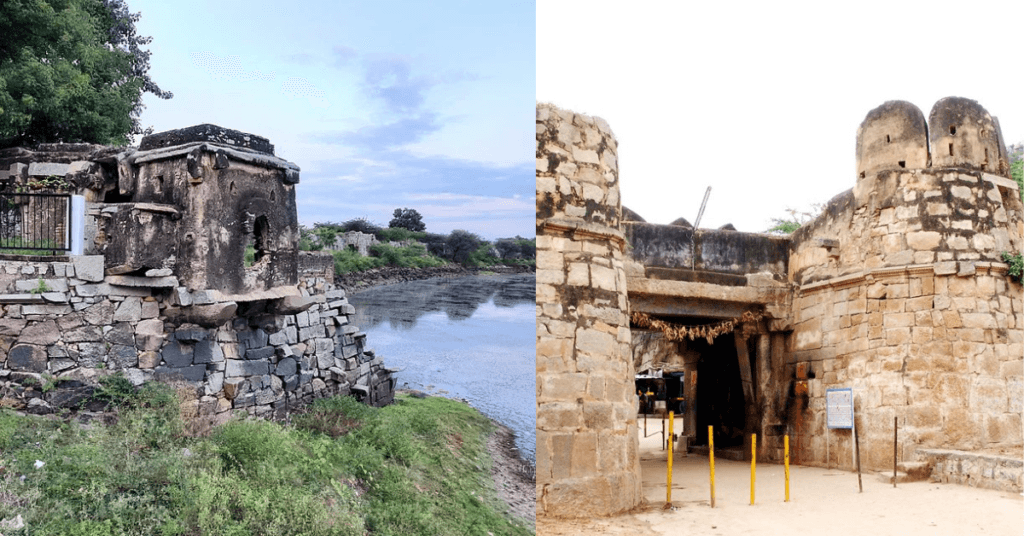
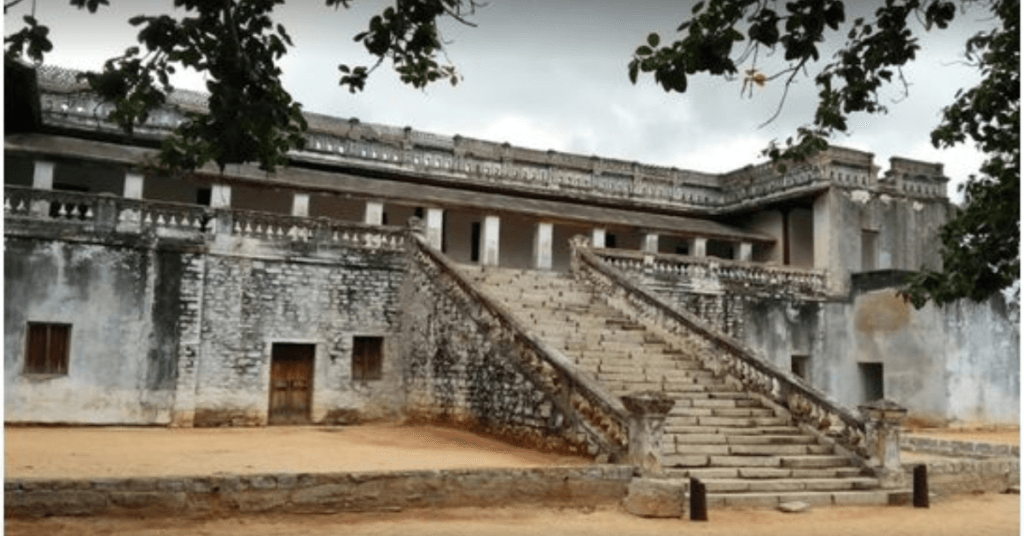
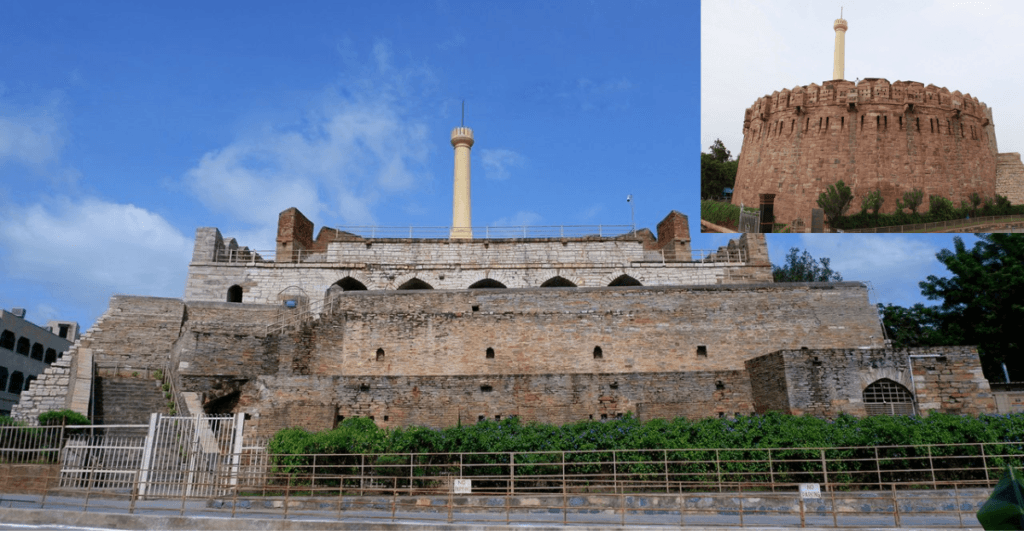
Andhra Pradesh, a south Indian state is a cultural, heritage country and a historical marvel. The region features diverse landscapes, from green coastal plains to desert mountains, welcoming ancient architecture, powerful forts, and imposing palaces. These edifices are silent witnesses to this area’s deep history, from the reigns of ancient kingdoms to colonial rule.
The history of forts in Andhra Pradesh dates back to ancient times with many structures built during the reign of the Satavahanas and the Vijayanagara Empire. These monumental constructions were erected not just as fortifications, but to flaunt the power and wealth of their lords. Every fort and palace tells a different story about the region’s political, cultural, and architectural evolution. This tour of the historic castles and forts of Andhra Pradesh takes you back to an era of chivalry, romance, and grandeur.
1. Chandragiri Fort
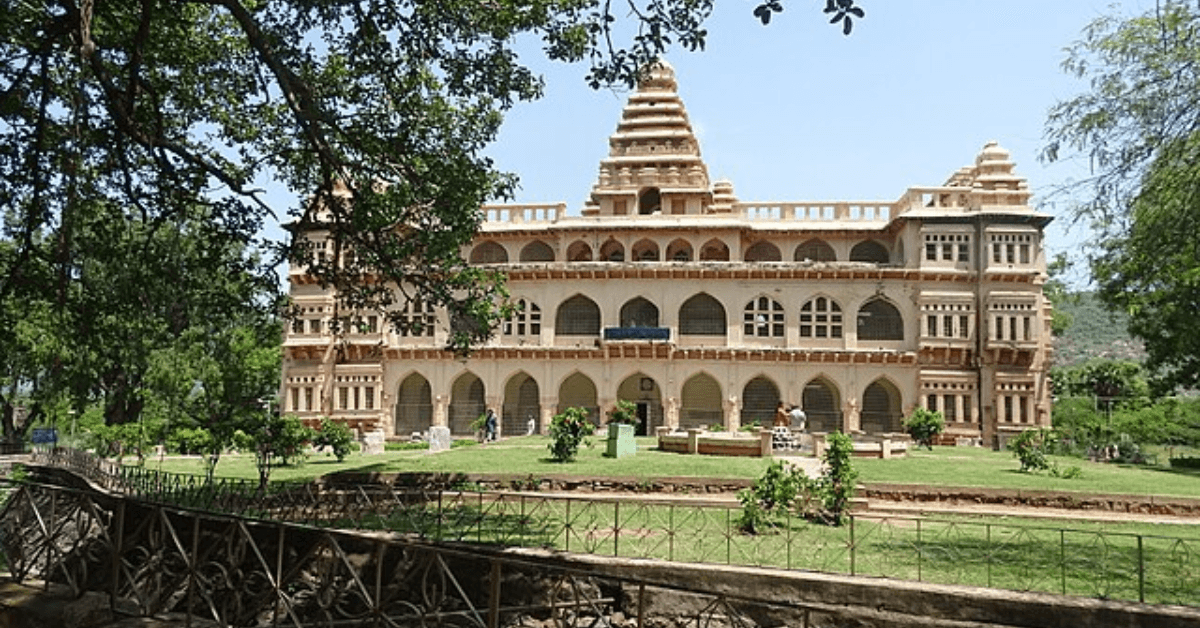
Chandragiri Fort, located near the famous temple city of Tirupati, one of the best Forts in Andhra Pradesh is a fascinating glimpse into the Vijayanagara Empire. Built in the 16th century, the fort showcases a beautiful mix of Hindu and Islamic architectural influences. The two main palaces within the fort, the Raja Mahal and the Rani Mahal are adorned with detailed carvings and provide a sense of the grandeur of the era. A major highlight for visitors is the Sound and Light show held in the evenings. This show brings the fort’s rich history to life, making it an engaging experience for all ages.
Location: Located in Chandragiri, a town in the Tirupati district of Andhra Pradesh, India.
Timings: 10:00 AM to 5:00 PM (Closed on Mondays)
Entry Fee: ₹40 for Indians and ₹150 for Foreign Nationals
Special Attractions: The Sound and Light show held in the evening is a major highlight, bringing the fort’s history to life.
Ideal Time to Visit: October to March, during the cooler months.
2. Kondapalli Fort
Kondapalli Fort, situated near Vijayawada, dates back to the 14th century and was constructed by the Reddy kings. It holds historical importance and is also famous for the exquisite Kondapalli toys crafted in the region. The fort provides scenic views of the surrounding landscape, including the Krishna River. Although not the grandest of forts, it offers a worthwhile experience, particularly for those interested in local crafts and history. The fort’s architecture primarily showcases the Dravidian style, with some influence from the Kakatiya dynasty. A trip to the nearby Kondapalli Reserve Forest often complements a visit to the fort.
Location: Located in Kondapalli village, near Vijayawada in the Krishna district of Andhra Pradesh, India.
Timings: 10:00 AM to 5:00 PM (Closed on Fridays)
Entry Fee: ₹10 for Indians and ₹100 for foreign nationals.
Special Attractions: The Kondapalli toys, made of softwood and painted with vibrant colors, are a must-see. You can also visit the nearby Kondapalli Reserve Forest.
Ideal Time to Visit: Throughout the year, except for the hot summer months (April-May).
3. Gooty Fort
Gooty Fort, located in the town of Gooty in Andhra Pradesh, is an ancient hill fort constructed by the Vijayanagara Empire. Its significant age makes it one of the region’s oldest fortifications. Characterized by massive walls, imposing bastions, and grand gateways, the fort also houses several temples and other structures within its complex. Its strategic hilltop location likely provided a commanding vantage point for defense. History enthusiasts will find Gooty Fort a compelling destination.
Location: Located in Gooty, a town in the Anantapur district of Andhra Pradesh, India.
Timings: 9:00 AM to 6:00 PM (Open all days)
Entry Fee: No entry fee
Special Attractions: The fort’s massive walls, bastions, and gateways are its main attractions. You can also see several temples and other structures within the fort complex.
Ideal Time to Visit: October to March, during the cooler months.
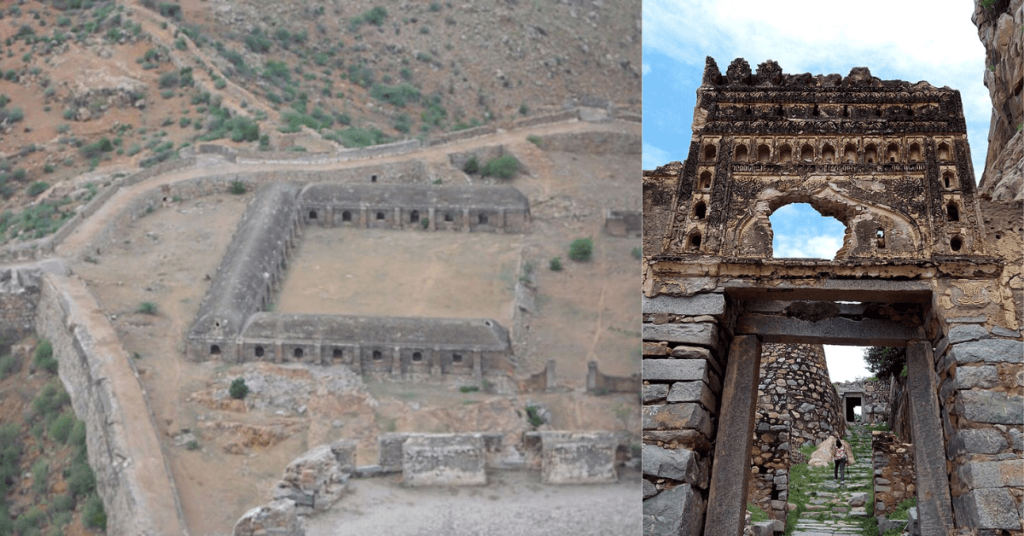
The Bobbili Fort, situated in Bobbili, Andhra Pradesh, is a site of historical importance. Constructed in the 17th century by the Bobbili kings, its primary claim to fame stems from its association with the renowned Battle of Bobbili, fought in 1757. Although the fort’s architecture may not be as imposing as some other fortifications in the area, its historical significance is undeniable. A museum within the fort’s walls showcases artifacts connected to the battle, providing insights into this crucial historical event. For those interested in delving into local history and the valor displayed during the Battle of Bobbili, a visit to the fort is a rewarding experience.
Location: Located in Bobbili, a town in the Vizianagaram district of Andhra Pradesh, India.
Timings: 10:00 AM to 5:00 PM (Closed on Mondays)
Entry Fee: ₹10 for Indians and ₹50 for Foreign Nationals
Special Attractions: The fort’s museum, which houses artifacts related to the Battle of Bobbili, is a major attraction.
Ideal Time to Visit: October to March, during the cooler months.
5. Gandikota Fort
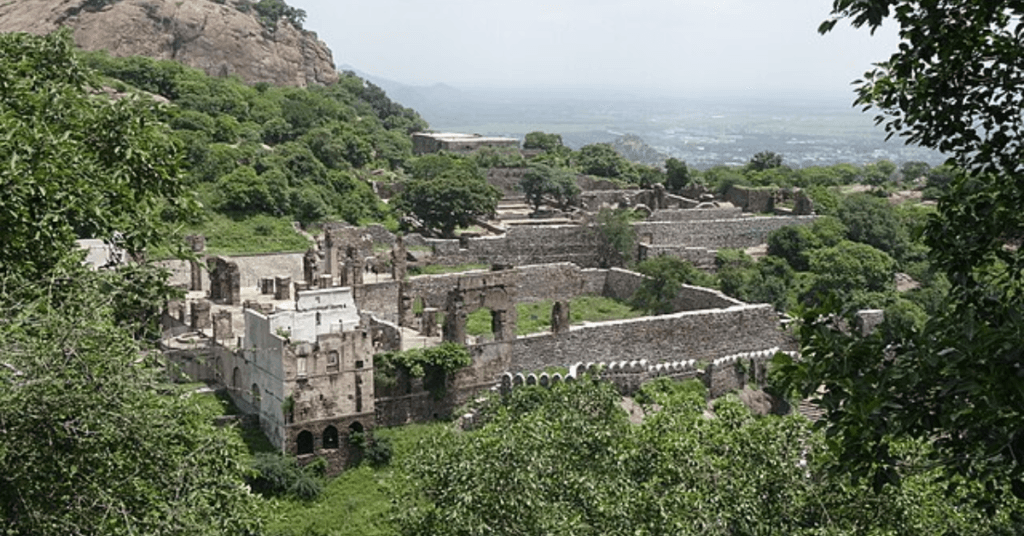
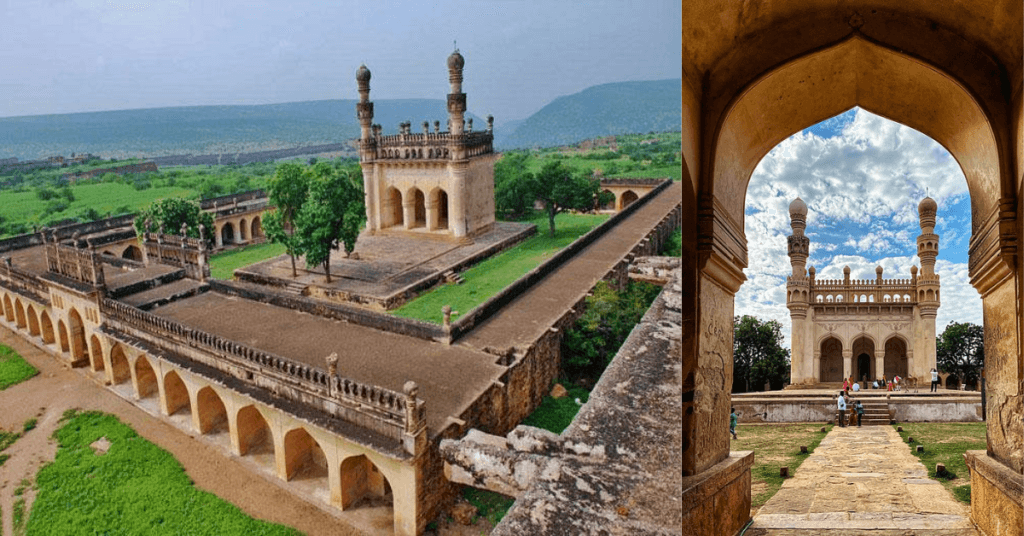
Gandikota Fort, often referred to as the “Grand Canyon of India,” is a historic fortification situated in the Kadapa district of Andhra Pradesh. Perched on the banks of the Penna River, the fort overlooks a dramatic gorge carved by the river, creating a breathtaking spectacle. Gandikota’s history spans several dynasties, each leaving its mark on the fort’s architecture and structures. The fort’s strategic location and impressive architecture, combined with the stunning natural beauty of the surrounding gorge, make it a truly captivating destination.
Location: Located in Gandikota village, near Jammalamadugu in the Kadapa district of Andhra Pradesh, India.
Timings: 8:00 AM to 6:00 PM (Open all days)
Entry Fee: ₹5 for Indians and ₹100 for Foreign Nationals
Special Attractions: The breathtaking views of the gorge and the Penna River are the main attractions here. You can also explore the fort’s ruins, which include temples, mosques, and palaces.
Ideal Time to Visit: September to February, when the weather is pleasant.
6. Udayagiri Fort
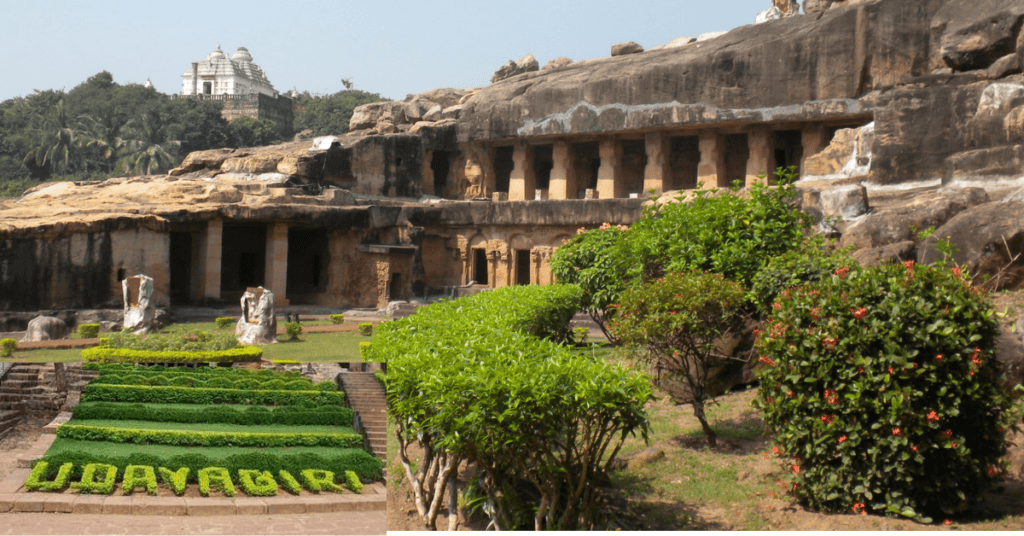
Udayagiri Fort is located in the town of Udayagiri in Andhra Pradesh, India. It is an ancient hill fort of historic importance. Built by the Pallava dynasty, the fort is popular for its strategic location and stout architecture. The fort complex is home to several temple relics and other architecture, which will give you an insight into the lives of people who lived in the region years ago. For those who have a penchant for history, Udayagiri Fort is one of the prime destinations to visit in Ganjam.
Location: Located in Udayagiri, a town in the Nellore district of Andhra Pradesh, India.
Timings: 10:00 AM to 5:00 PM (Closed on Mondays)
Entry Fee: ₹10 for Indians and ₹100 for Foreign Nationals
Special Attractions: The fort’s massive walls, bastions, and gateways are its main attractions. You can also see several temples and other structures within the fort complex.
Ideal Time to Visit: October to March, during the cooler months.
7. Vizianagaram Fort
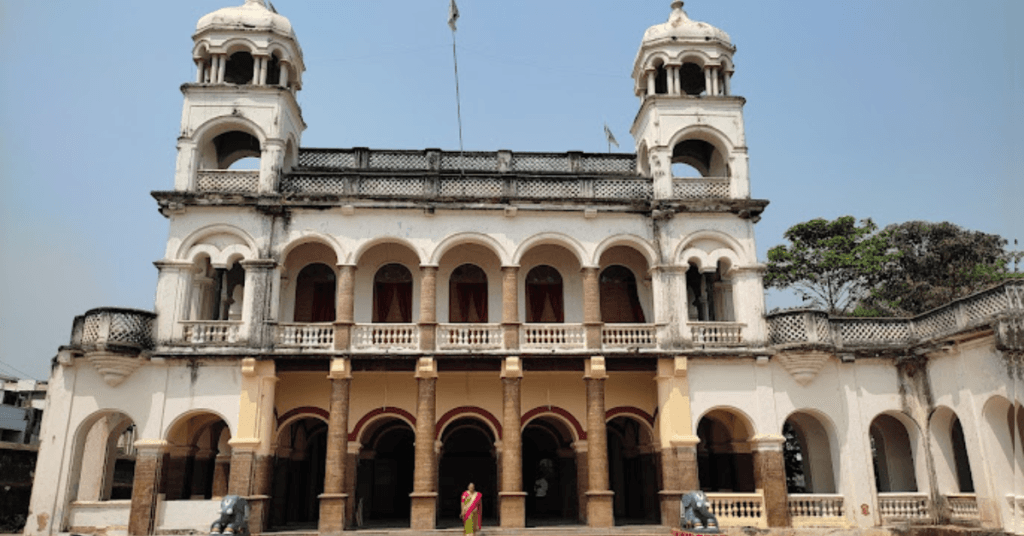
Vizianagaram Fort, located in the city of Vizianagaram is one of the best Forts in Andhra Pradesh and is a significant landmark in the area. Built by the Vijayanagara kings, this fort is a fine example of the fusion of Dravidian and Islamic architecture. The giant “Singhadwara” (Lion’s Gate) is a striking landmark. Inside the fort, temples and other buildings can be explored by visitors.
Location: Located in Vizianagaram, a city in the Vizianagaram district of Andhra Pradesh, India.
Timings: 10:00 AM to 5:00 PM (Closed on Mondays)
Entry Fee: ₹10 for Indians and ₹50 for Foreign Nationals
Special Attractions: The fort’s main gate, known as the “Singhadwara,” is a major attraction. You can also see several temples and other structures within the fort complex.
Ideal Time to Visit: October to March, during the cooler months.
8. Penukonda Fort
Located in the Anantapur district of Andhra Pradesh, Penukonda Fort is an embodiment of the significance of that region from long ago. Built by the Vijayanagara Empire, this mighty fort exhibits an interesting blend of both Dravidian and Islamic architectural styles. Penukonda Fort, once a great political and cultural center, served as an influence on regional dynamics. Today it makes an alluring place for visitors to get a sense of the lavishness of the Vijayanagara Empire.
Location: Located in Penukonda, a town in the Anantapur district of Andhra Pradesh, India.
Timings: 10:00 AM to 5:00 PM (Closed on Tuesdays)
Entry Fee: ₹10 for Indians and ₹100 for Foreign Nationals
Special Attractions: The fort’s massive walls, bastions, and gateways are its main attractions. You can also see several temples and other structures within the fort complex.
Ideal Time to Visit: October to March, during the cooler months.
Gurramkonda Fort, situated atop a prominent hill in Andhra Pradesh, is a historic fortification with a rich and varied past. Having been occupied by numerous dynasties throughout its existence, the fort exhibits an architectural blend reflecting both Hindu and Islamic influences. This intriguing combination makes it a fascinating destination for history enthusiasts and those with an appreciation for architectural heritage. The fort’s elevated position affords panoramic views of the surrounding landscape, adding to its allure. A visit during the cooler months is highly recommended for a more comfortable and enjoyable experience.
Location: Located in Gurramkonda, a town in the Chittoor district of Andhra Pradesh.
Timings: 10:00 AM to 5:00 PM (Closed on Tuesdays)
Entry Fee: ₹10 for Indians and ₹100 for Foreign Nationals
Special Attractions: The sheer size and elevation of the fort are captivating. The views from the top are panoramic. Exploring the ruins and imagining the fort’s past is a key attraction. The unique rock formation itself is a point of interest.
Ideal Time to Visit: The best time to visit Gurramkonda Fort is during the cooler months, from October to March. The weather is more pleasant for exploring the fort, which involves some climbing.
10. Raidurgam Fort
Raidurgam Fort is in Anantapur district, Andhra Pradesh. It’s a big, old fort on a hill. It was important in the past and has been ruled by different people. It’s called “Raya’s Fort,” which means it was connected to the Vijayanagara Empire. The fort has strong walls, and you can see different styles of buildings inside. Going to the top gives you great views.
Location: Located in Rayadurgam, a town in the Anantapur district of Andhra Pradesh.
Timings: Generally, forts are open from around 9:00 AM to 5:00 PM, but it’s best to confirm locally. It’s also a good idea to check if it’s open on all days of the week.
Entry Fee: Usually, there’s a nominal fee, but it’s advisable to check on the spot.
Special Attractions: The fort’s size and the views from the top are major draws. Exploring the ruins and imagining the battles and sieges of the past makes for an interesting visit.
Ideal Time to Visit: October to March is the ideal time due to the pleasant weather.
11. Kondareddy Fort
Kondareddy Fort, also known as Kondareddy Buruju, is a historical landmark in Kurnoo and one of the best Forts in Andhra Pradesh, it holds significance as a reminder of the region’s past. It’s associated with the Vijayanagara Empire and later rulers. The “Buruju” in its name refers to a bastion or tower, suggesting its strategic importance for defense. The fort’s architecture reflects influences from different periods. It features strong walls and a prominent tower (the Buruju). While it may not have the intricate carvings or grand palaces of some larger forts, its simple, functional design speaks to its military purpose.
Location: Kondareddy Buruju, Kurnool, Andhra Pradesh, India. It’s located within the city of Kurnool, making it easily accessible.
Timings: forts are open from around 9:00 AM to 5:00 PM,
Entry Fee: Usually, there’s a nominal fee, but it’s advisable to check on the spot.
Special Attractions: The main attraction is the Kondareddy Buruju itself. Climbing to the top (if allowed) can offer good views of Kurnool city. The fort’s location within the city makes it easy to combine with other sightseeing in Kurnool.
Ideal Time to Visit: October to March is the ideal time to visit due to the pleasant weather. Summer months in Kurnool can be quite hot.
Conclusion
Andhra Pradesh’s forts offer a captivating journey through the region’s rich history and diverse cultural influences. From the grandeur of Chandragiri to the rugged beauty of Gandikota and the lesser-known gems like Mogalturu, each fort tells a unique story. Whether you’re a history buff, an architecture enthusiast, or simply a traveler seeking breathtaking views, exploring these fortifications is an enriching experience. Remember to plan your visits during the cooler months and check local information for the latest details. These forts stand as silent witnesses to the rise and fall of empires, offering a tangible connection to the past and a glimpse into the vibrant heritage of Andhra Pradesh.
Frequently Asked Questions
1Q: Which is the oldest fort in Andhra Pradesh?
A: Gooty Fort is one of the oldest forts in Andhra Pradesh, built during the Vijayanagara Empire.
2Q: Which fort is known as the ‘Grand Canyon of India’?
A: Gandikota Fort is often referred to as the ‘Grand Canyon of India’ due to its breathtaking gorge formed by the Penna River.
3Q: Which fort is famous for the Battle of Bobbili?
A: Bobbili Fort is famous for the Battle of Bobbili, fought in 1757 between the Bobbili rulers and the French-backed Vizianagaram army.
4Q: Which forts are located near rivers?
A: Gandikota Fort is situated near the Penna River, offering stunning views of the gorge.
5Q: Which fort has a unique entrance called ‘Singhadwara’?
A: Vizianagaram Fort has a grand entrance known as “Singhadwara” (Lion’s Gate).
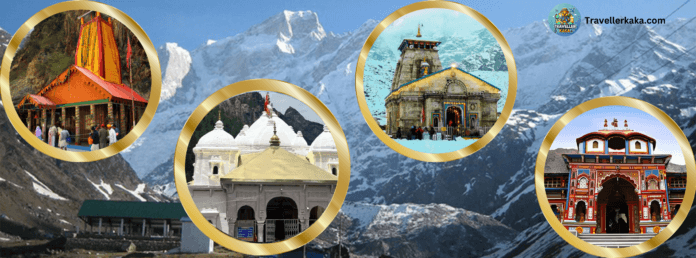
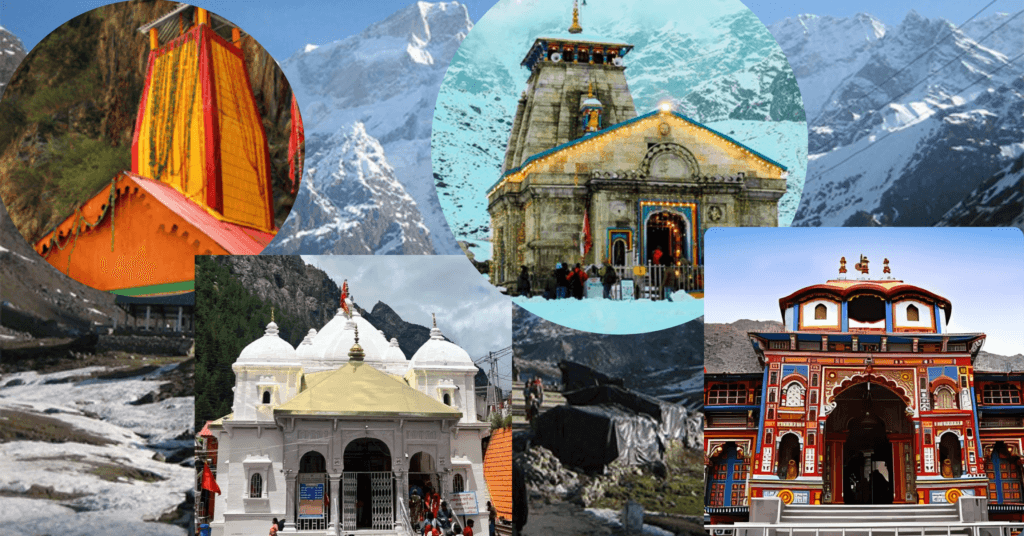
The Char Dham Yatra in Uttarakhand is a pilgrimage covering four holy sites Yamunotri, Gangotri, Kedarnath, and Badrinath. Each of these shrines holds immense spiritual significance in Hinduism. Journey plan for Chardham yatra, Planning a pilgrimage requires careful preparation, including acquiring necessary permits, choosing the right season, and ensuring a safe and comfortable journey, especially for elderly pilgrims. This guide provides a step-by-step plan to make your Char Dham Yatra fulfilling and hassle-free.
Permits and Documentation
Before embarking on your journey, ensure you have the necessary documents and permits for the Journey plan for the Chardham yatra.
Pilgrim Pass: It is mandatory to obtain a ‘Pilgrim Pass’ from the Garhwal Mandal Vikas Nigam (GMVN) or the Uttarakhand Government.
Identity Proof: Carry a valid ID proof such as an Aadhaar card, passport, or voter ID.
Health Certificate: Senior citizens and individuals with medical conditions should carry a health certificate from a registered medical practitioner.
Registration: Register online or offline for the Char Dham Yatra through the Uttarakhand Government portal.
Check Weather Updates: Weather in the Himalayas changes rapidly.
Carry a Medical Kit: Include medicines, first aid, and altitude sickness tablets.
Keep Yourself Hydrated: To prevent dehydration, drink lots of water.
Acclimatization: First, spend a day adjusting to high altitudes before starting the journey. This will help your body acclimate and reduce the risk of altitude sickness.
Avoid Overexertion: Walk at a comfortable pace, especially for senior citizens, to ensure a safe and pleasant experience.
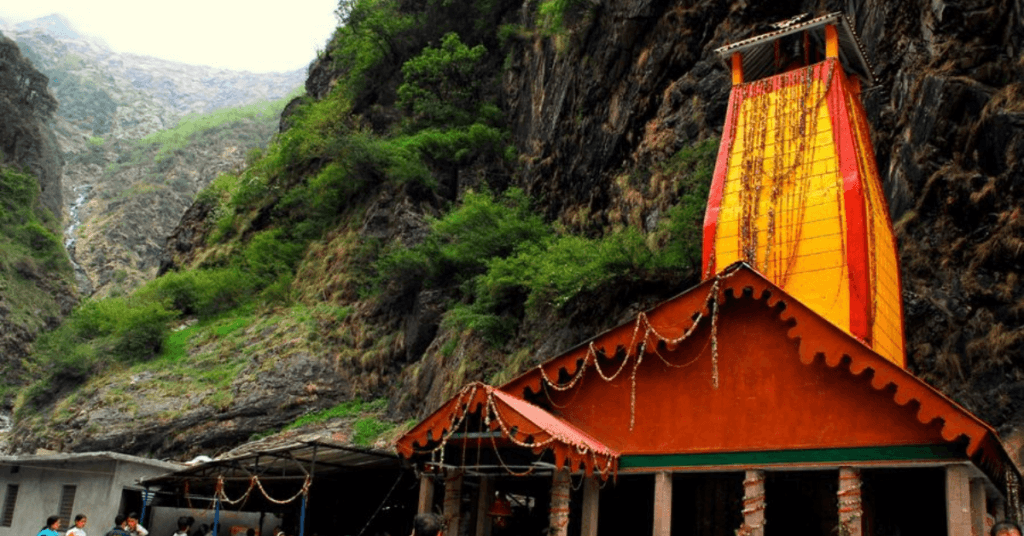
Yamunotri, located in the Indian state of Uttarakhand, is one of the Char Dham pilgrimage sites, dedicated to the Yamuna River. It holds religious significance as the place where the Yamuna River originates, and it is revered by Hindus for its connection to the goddess Yamuna. Pilgrims visit Yamunotri to seek blessings and purify themselves in the sacred waters.
Significance:
Religious Importance: Yamunotri is the source of the Yamuna River, which is considered one of the seven holy rivers in Hinduism. It is believed to be the birthplace of Goddess Yamuna, the sister of Yama (the god of death).
Pilgrimage Site: As a Char Dham destination, it is part of a sacred circuit that attracts thousands of devotees annually.
Attractions:
Yamunotri Temple: The temple dedicated to Goddess Yamuna is the central attraction. It features a hot spring nearby, where pilgrims take a dip.
Surya Kund: A thermal spring where devotees cook rice and potatoes wrapped in cloth as offerings.
Divya Shila: A rock pillar, which people worship before entering the temple, stands as a significant part of the ritual.
Scenic Beauty: Surrounded by majestic snow-capped peaks and lush landscapes, Yamunotri offers breathtaking views, making it an ideal destination for nature lovers and trekkers.
Yamunotri offers both spiritual significance and natural beauty. Therefore, it becomes a must-visit destination for pilgrims and adventurers alike. In addition, its serene landscapes and sacred atmosphere attract those seeking both spiritual fulfillment and a connection with nature.
Gangotri, located in Uttarakhand, India, is a major pilgrimage site and one of the Char Dham destinations. It is the origin of the sacred Ganges River, which holds immense spiritual importance in Hinduism. Gangotri is revered as the place where Goddess Ganga descended to earth to purify the souls of the righteous.
Significance:
Religious Importance: Gangotri is the source of the Ganges River, considered one of the holiest rivers in Hinduism. It is believed that the river was brought to Earth by Lord Shiva to save the world.
Pilgrimage Site: As part of the Char Dham Yatra, it attracts thousands of devotees seeking blessings for spiritual purification and salvation.
Attractions:
Gangotri Temple: The central attraction, dedicated to Goddess Ganga. Pilgrims visit to offer prayers and seek divine blessings.
Bhagirath Shila: A rock near the temple, believed to be where King Bhagirath meditated to bring Ganga to Earth.
Tapovan: A serene meadow near Gangotri, offering spectacular views of the Himalayas and a place for trekking.
Scenic Beauty: The region is surrounded by snow-capped peaks, lush forests, and glacial streams, providing breathtaking views and a tranquil atmosphere.
Gangotri offers both spiritual significance and natural beauty. Consequently, it becomes a cherished destination for pilgrims and nature enthusiasts alike. In addition, its serene environment and picturesque landscapes add to its allure, drawing visitors seeking both spiritual solace and scenic tranquility.
Kedarnath
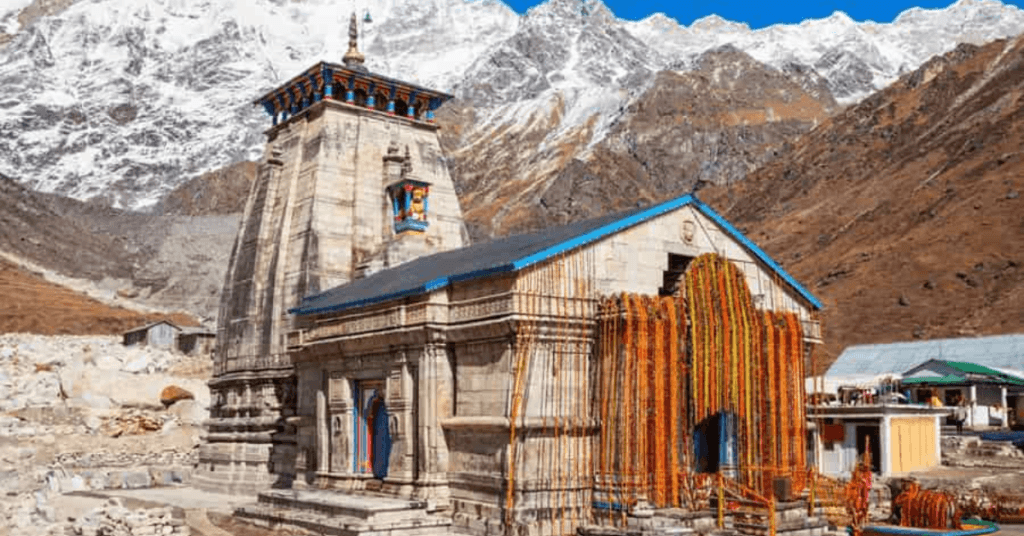
Kedarnath, located in Uttarakhand, India, is one of the holiest pilgrimage sites in Hinduism, and it forms part of the Char Dham circuit. It is dedicated to Lord Shiva and holds great religious significance as one of the twelve Jyotirlingas.
Significance:
Religious Importance: People consider Kedarnath one of the most sacred temples dedicated to Lord Shiva. They believe that Lord Shiva appeared here in the form of a lingam to absolve the sins of devotees.
Pilgrimage Site: Kedarnath is an essential part of the Char Dham Yatra, attracting thousands of pilgrims who undertake the challenging journey for spiritual solace and blessings.
Attractions:
Kedarnath Temple: The main attraction, an ancient temple nestled amidst the majestic Himalayas. It stands as a testimony to rich spiritual heritage and is one of the 12 Jyotirlingas.
Bhairav Nath Temple: This temple, located a short distance from Kedarnath, dedicates itself to Bhairav, who people believe to be the protector of Kedarnath.
Scenic Views: The temple offers stunning panoramic views of snow-capped mountains, including the Kedarnath peak, making it a captivating destination for trekkers and nature lovers.
Trekking: A popular trek from Gaurikund to Kedarnath takes pilgrims through beautiful landscapes, adding to the adventure of reaching the sacred site.
Kedarnath combines deep spiritual significance with breathtaking natural beauty, making it an iconic destination for both religious devotees and trekkers.
Badrinath
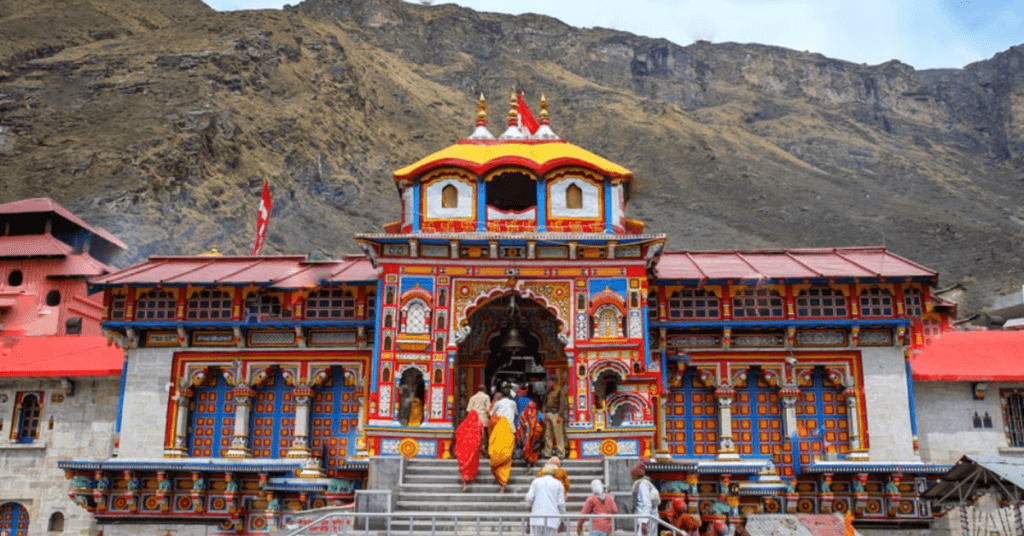
Badrinath, located in Uttarakhand, India, is one of the most significant pilgrimage destinations in Hinduism and a vital part of the Char Dham circuit. People dedicate it to Lord Vishnu, and it holds immense religious importance.
Significance:
Religious Importance: Badrinath dedicates itself to Lord Vishnu and people believe it to be one of the holiest shrines in Hinduism. It is the site where Lord Vishnu meditated to attain eternal peace.
Pilgrimage Site: As a part of Char Dham Yatra, devotees consider it a must-visit destination for seeking divine blessings and spiritual purification.
Attractions:
Badrinath Temple: The central attraction, an ancient temple dedicated to Lord Vishnu, located on the banks of the Alaknanda River. The temple is a masterpiece of architecture and spiritual importance.
Tapt Kund: A hot spring near the temple allows pilgrims to take a holy dip before visiting, believed to cleanse and purify the soul.
Mata Murti Temple: A temple dedicated to the mother of Lord Badrinath, Mata Murti, located near the Alaknanda River.
Scenic Beauty: Badrinath offers breathtaking views of snow-capped mountains, valleys, and rivers, making it a picturesque destination.
Badrinath offers both spiritual significance and stunning natural beauty. Therefore, it becomes a key destination for pilgrims and nature enthusiasts alike. In addition, the serene surroundings and divine atmosphere further enhance its appeal to those seeking peace and reflection. Consequently, the site draws a diverse range of visitors, each seeking a unique experience.
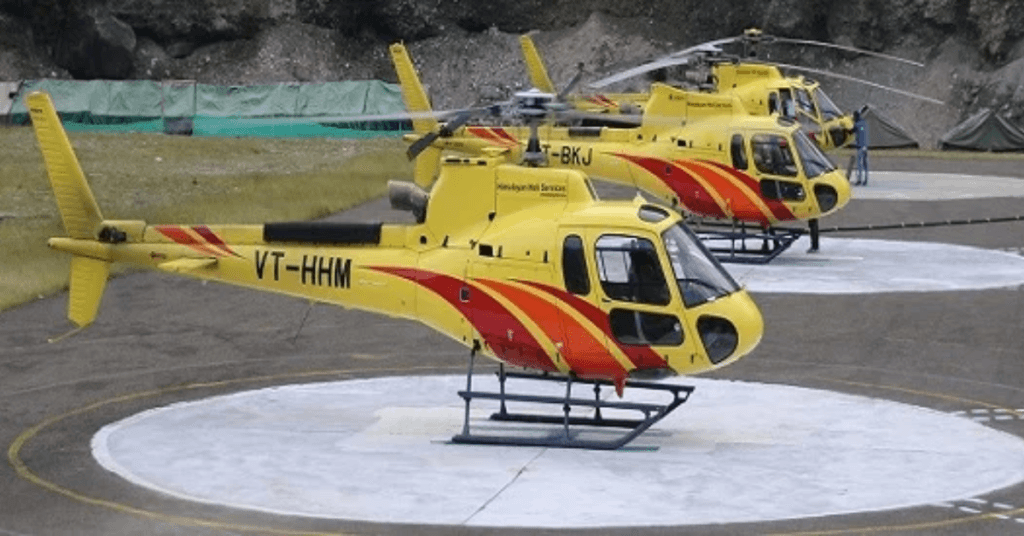
A well-planned Char Dham Yatra ensures a smooth and spiritually enriching Journey plan for Chardham yatra. By choosing the right time, securing proper permits, booking accommodations in advance, and considering helicopter services for elderly pilgrims, you can make the pilgrimage both comfortable and memorable.
First, selecting the right time is crucial to avoid extreme weather conditions, ensuring a smoother experience. Next, securing the necessary permits is important to ensure your entry to the sacred sites without any delays. In addition, booking accommodations in advance will help you avoid last-minute hassles, especially during peak pilgrimage season. Furthermore, considering helicopter services for elderly pilgrims can make the journey more accessible and convenient.
Therefore, with thoughtful planning, you can ensure a comfortable and fulfilling pilgrimage experience. Finally, it’s important to stay informed and prepared to handle any unexpected situations, ensuring a smooth and memorable journey. I wish you a journey blessed with peace and devotion.
Frequently Asked Questions (FAQs)
1Q) What is Char Dham Yatra?
ANS: The Char Dham Yatra is a pilgrimage covering Yamunotri, Gangotri, Kedarnath, and Badrinath in Uttarakhand.
Q2) When is the best time to visit Char Dham Yatra?
ANS: The best time is from May to June and September to October, avoiding monsoons and winter closures.
Q3) Is registration required for Char Dham Yatra?
ANS: Yes, online or offline registration is mandatory through the Uttarakhand Government portal.
Q4) How long does the Char Dham Yatra take?
ANS: The full pilgrimage takes around 10–12 days to complete.
Q5) What are the transportation options for Char Dham Yatra?
ANS: Pilgrims can travel by road, air (to Dehradun), or opt for helicopter services.
Q6) Are there helicopter services for Char Dham Yatra?
ANS: Yes, helicopter services are available, especially for elderly pilgrims, covering all four Dhams in 2-5 days.
Q7) What essential items should pilgrims carry?
ANS: Warm clothing, trekking shoes, raincoats, medical kits, and ID proofs are necessary.
Q8) Is the Char Dham Yatra safe for elderly pilgrims?
ANS: Yes, but they should carry a health certificate, medications, and consider helicopter services.
Q9) Where can I stay during the Char Dham Yatra?
ANS: You can find various budget and premium hotels near each Dham, and it is recommended to book in advance.
Q10) What are the temple opening and closing timings?
ANS: Timings vary, with most temples opening around 4:00-6:30 AM and closing by 9:30 PM.
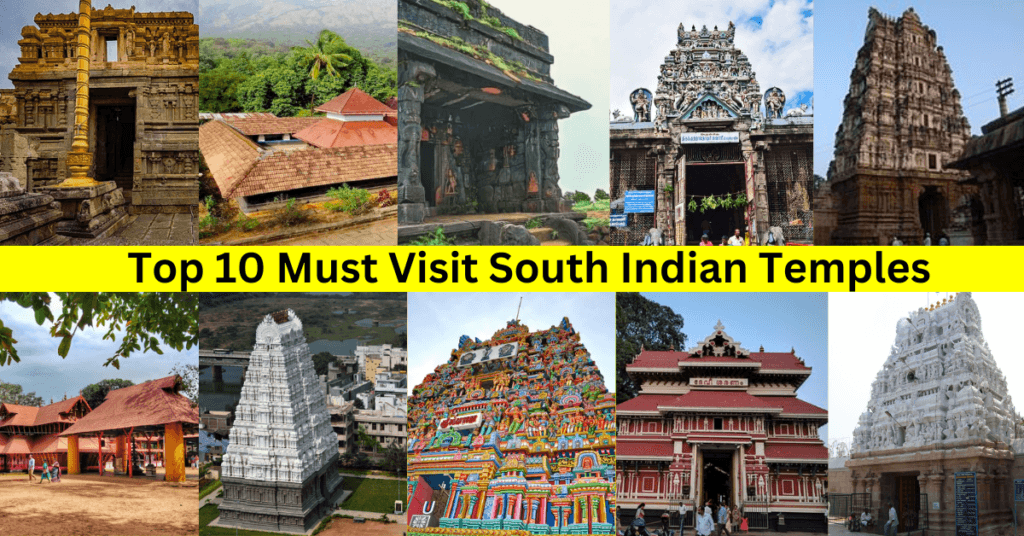
South India is home to some of the most iconic temples, such as Meenakshi Temple in Madurai and Tirupati Balaji Temple. Top 10 Temples in South India. However, beyond these well-known pilgrimage sites, there exist numerous lesser-explored temples that boast unique history, architectural grandeur, and spiritual significance. This article explores 10 offbeat temples in South India that are worth visiting.
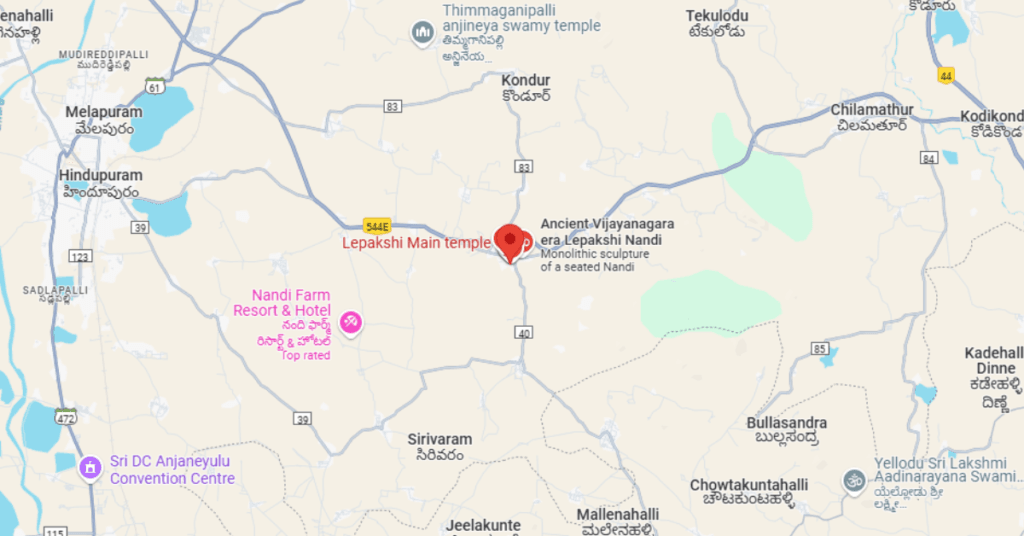
1. Lepakshi Temple, Andhra Pradesh:
History:
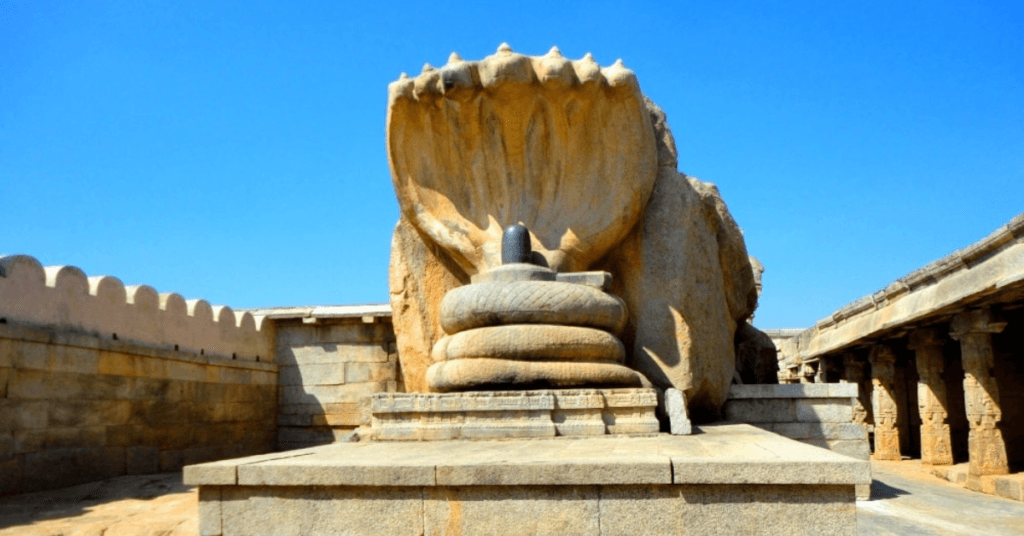
The 16th-century Lepakshi Temple, located in the Anantapur district of Andhra Pradesh, stands dedicated to Lord Veerabhadra, an incarnation of Lord Shiva. King Achyuta Deva Raya built the temple during the reign of the Vijayanagara Empire. The temple holds mythological ties to the Ramayana, where people believe Lord Rama commanded the fallen Jatayu to rise, which is why they interpret the name “Lepakshi” as “rise, O bird.”
Architecture:
Style: Dravidian architecture in the Vijayanagara style.
Key Features:
Main Shrine (Sanctum): Dedicated to Lord Veerabhadra.
Ranga Mandapa: A hall for religious performances and dances.
Hanging Pillar: A unique pillar that seems suspended in mid-air, intriguing visitors.
Nandi Statue: A massive Nandi (bull) carved from a single stone.
Frescoes: Beautiful paintings depicting scenes from Hindu mythology, especially from the Ramayana and Mahabharata.
Significance:
Religious: The temple is one of the most important pilgrimage sites for devotees of Lord Shiva and Lord Vishnu.
Cultural: Architects designed it as a masterpiece of Vijayanagara architecture, showcasing detailed sculptures and stunning frescoes.
Historical: The temple stands as a symbol of the grandeur of the Vijayanagara Empire, showcasing their architectural, artistic, and engineering expertise.
Best Time to Visit:
Ideal Months: October to March, as the weather is pleasant and suitable for sightseeing.
Festivals: Devotees celebrate the temple with great fervor, especially during Shivaratri and Veerabhadra Jayanti.
Timings:
Open Hours: 6:00 AM to 6:00 PM daily.
The temple remains open throughout the day for visitors, allowing enough time for exploration and worship.
Location:
Address: Lepakshi Village, Anantapur District, Andhra Pradesh, India.
Distance: Approximately 15 km from the town of Hindupur and around 120 km from Bangalore.
Lepakshi Temple is a must-visit for those interested in Indian culture, history, and architecture, Top 10 Temples in South India blog offers a glimpse into the rich legacy of the Vijayanagara Empire.
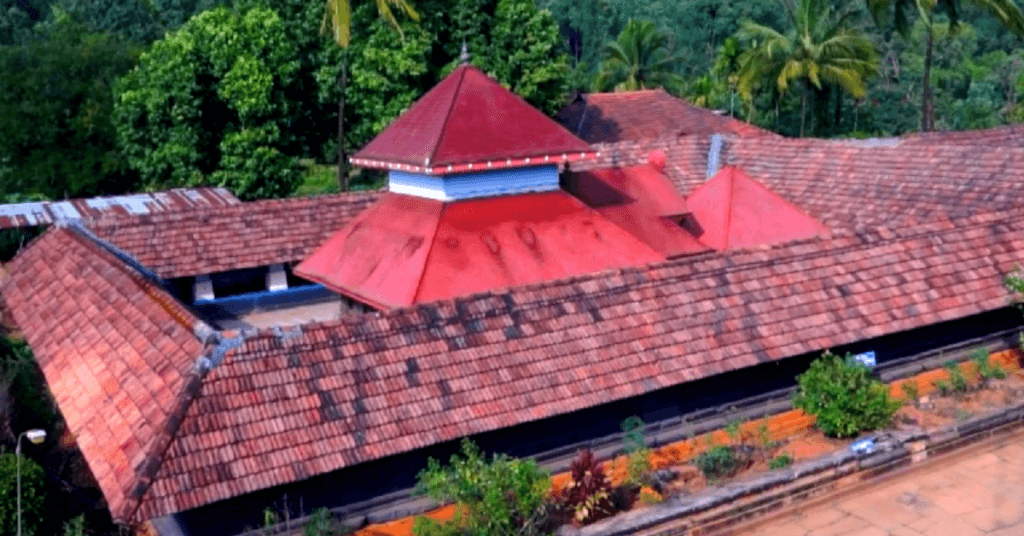
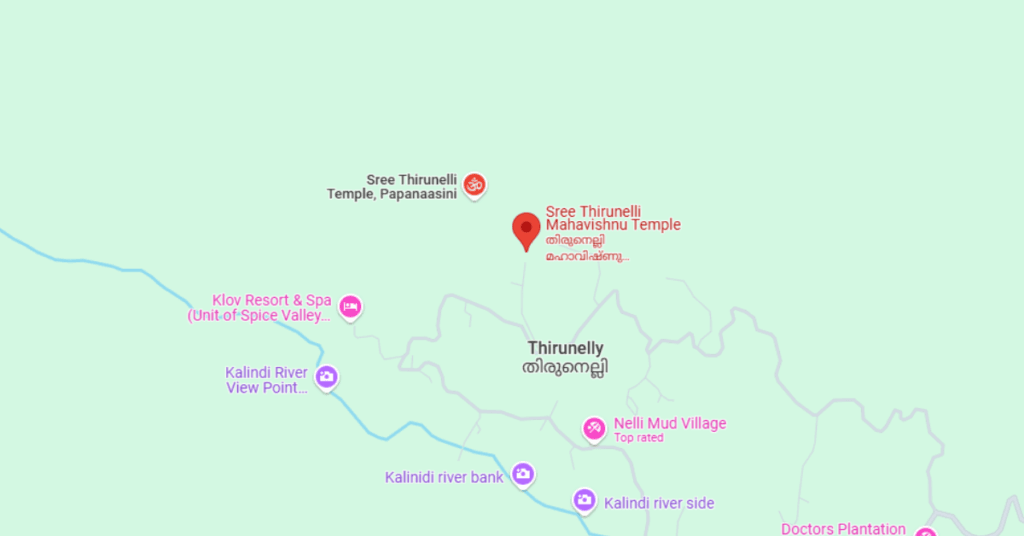
The people believe that Lord Brahma himself established the Thirunelli Temple, located in the Wayanad district of Kerala. This ancient Hindu temple, dedicated to Lord Vishnu, is over 1,000 years old and sits in the picturesque Pulpally village, surrounded by the beautiful Western Ghats. Local legend links the temple to the mythological belief that the great sage Narada performed a yajna (sacrifice) there to purify the world. The temple is renowned for its calm and reverent ambiance.
Architecture:
Style: Kerala temple architecture, which typically features a traditional wooden structure.
Key Features:
Sanctum Sanctorum: The temple’s main shrine houses an idol of Lord Vishnu in the form of Vishnu Moorthy.
Sreekovil (Sanctum): The temple enshrines the deity in its sacred inner chamber.
Mural Paintings: The temple features beautiful traditional Kerala-style murals on the walls.
Rooftop Structure: The temple has a typical Kerala temple roof, made of wooden tiles, providing a unique aesthetic.
Significance:
Religious: Devotees highly revere Thirunelli Temple as a pilgrimage site, especially those seeking to perform rituals for their ancestors. They conduct the sacred ritual of “Pithru Tarpanam” (ancestor worship) to bring peace to their forefathers’ souls.
Cultural: The temple is part of Kerala’s rich religious traditions and holds a deep connection to local folklore.
Natural Beauty: The temple is located in the midst of dense forests, adding to its tranquil and divine atmosphere, making it a favorite spot for nature lovers.
Best Time to Visit:
Ideal Months: October to March, during the cooler months, is the best time to visit Thirunelli Temple as the weather is pleasant.
Festivals: The most important festival celebrated here is Vishnu Puja during the Makaravilakku festival in January and Thirunelli Utsavam during the month of Karkidakam (July-August).
Timings:
Open Hours: 5:00 AM to 12:00 PM and 4:00 PM to 7:00 PM daily.
The temple remains open for devotees during these hours for prayers and rituals.
Location:
Address: Thirunelli Village, Wayanad District, Kerala, India.
Distance: The temple is around 32 km from Kalpetta (Wayanad district) and about 135 km from Kozhikode.
Thirunelli Temple, nestled in the heart of nature, is a peaceful retreat for both spiritual seekers and nature enthusiasts. Top 10 Temples in South India blog offers. Its serene ambiance and historical significance make it a must-visit destination in Kerala.
Kodachadri Temple is located in the Kodachadri hills in the Western Ghats of Karnataka, dedicated to Mookambika Devi, an incarnation of Goddess Parvati. The temple sits at an elevation of about 1,343 meters and forms part of the famous Mookambika Temple in Kollur. According to legend, people believe that the goddess killed the demon Mookasura at Kodachadri, and the hill and temple were named after him. It is an important pilgrimage site, attracting devotees who trek up the hill to reach the temple.
Architecture:
Style: The temple follows traditional South Indian temple architecture, but its location and accessibility give it a unique charm.
Key Features:
Main Shrine: The temple houses an idol of Goddess Mookambika, in her powerful form as the slayer of the demon Mookasura.
Simple Structure: People revere the temple for its historical and religious importance, even though they designed it to be relatively small and simple compared to other temples.
Natural Surroundings: The dense forests, hills, and waterfalls surrounding the temple enhance its spiritual significance, adding to its scenic beauty.
Significance:
Religious: People associate the temple with Mookambika Devi and consider it an important place to offer prayers to the goddess for her divine blessings and protection. The temple forms part of a group of temples dedicated to Mookambika across the region.
Pilgrimage: Many devotees trek up to the temple as part of their spiritual journey. Pilgrims consider the Kodachadri hill sacred and believe that visiting this temple brings prosperity and peace.
Nature: The temple’s location in the midst of lush forests and hills makes it a popular destination for nature lovers and trekkers.
Best Time to Visit:
Ideal Months: The best time to visit Kodachadri Temple is from October to March, during the cooler months, when trekking conditions are ideal.
Avoid Monsoon (June to September): The region experiences heavy rainfall during the monsoon, making trekking difficult and unsafe.
Timings:
Open Hours: 6:00 AM to 6:00 PM daily.
The temple is open throughout the day for devotees and trekkers who reach the temple.
Location:
Address: Kodachadri Hills, Kundapura Taluk, Udupi District, Karnataka, India.
Distance: The temple is about 30 km from Kundapura and around 80 km from Udupi.
Kodachadri Temple, situated in the picturesque Western Ghats, is a serene pilgrimage spot, ideal for those who seek a blend of spirituality, nature, and adventure. Top 10 Temples in South India.
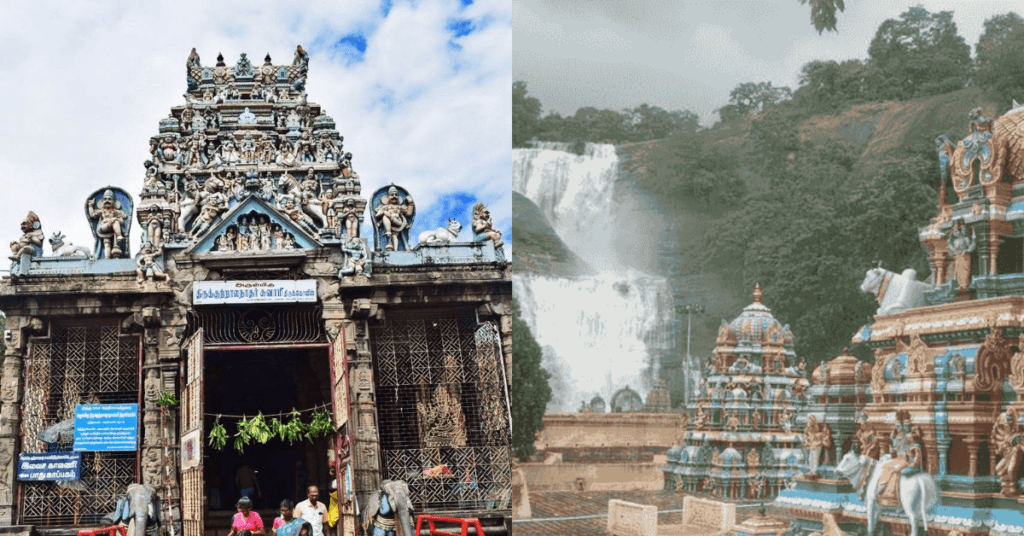
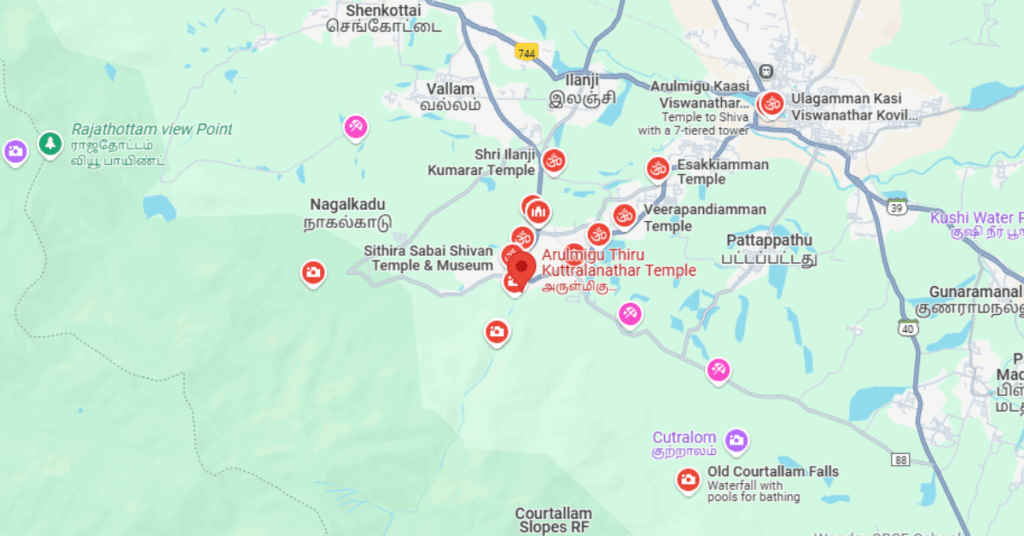
People dedicate the ancient Kutralam Temple, also known as Kutralanathar Temple, to Lord Shiva. It is located in the town of Kutralam in the Tirunelveli district of Tamil Nadu. People believe that the Pandya Dynasty established the temple, which holds rich historical significance, especially due to its association with the Kutralam Falls (also known as Courtallam Falls), considered sacred by the locals. People believe that the Tiruvacakam, a Tamil religious text, mentions the temple and the falls, further cementing the area’s historical and spiritual importance.
Architecture:
Style: Dravidian temple architecture.
Key Features:
Sanctum Sanctorum (Garbhagriha): The main shrine houses the idol of Kutralanathar (Lord Shiva), with his consort Kanya Kumari as the goddess in the temple’s adjacent shrine.
Pillared Mandapa: The temple features large mandapas (halls), with intricately carved stone pillars typical of Tamil Nadu temples.
Tower (Vimana): A towering gopuram (gateway tower) marks the temple’s entrance, adorned with vivid sculptures of various deities, an essential feature of Dravidian architecture.
Sacred Tank: Pilgrims associate the temple with a water tank and take a holy dip in the nearby Kutralam Falls, which they consider a purifying experience.
Significance:
Religious: Kutralam Temple is an important pilgrimage destination for followers of Lord Shiva. People revere the temple for its spiritual connection to the Kutralam Falls, which they say has healing powers. Devotees believe the water from the falls has medicinal properties and use it for purification and wellness.
Cultural: The temple is an integral part of local Tamil culture, and it draws devotees not only for religious rituals but also for the therapeutic benefits of the surrounding waters.
Natural Beauty: The temple is located amidst lush greenery and hills, adding to its serene and tranquil atmosphere.
Best Time to Visit:
Ideal Months: The best time to visit is between October to March when the weather is cool and pleasant.
Monsoon Season (June to September): While the monsoon season brings more water to the falls, it can make the area slippery, and heavy rains may disrupt travel plans.
Timings:
Open Hours: 6:00 AM to 12:00 PM and 4:00 PM to 8:00 PM daily.
The temple remains open for devotees throughout the day during these hours for prayers and rituals.
Location:
Address: Kutralam, Tirunelveli District, Tamil Nadu, India.
Distance: The temple is about 35 km from Tirunelveli and approximately 150 km from Madurai.
Kutralam Temple, with its historic significance, spiritual atmosphere, and stunning natural beauty, is an essential destination for both devotees and nature lovers alike. Top 10 Temples in South India blog offers, Its combination of a sacred temple and healing waterfalls makes it a unique spot in Tamil Nadu.
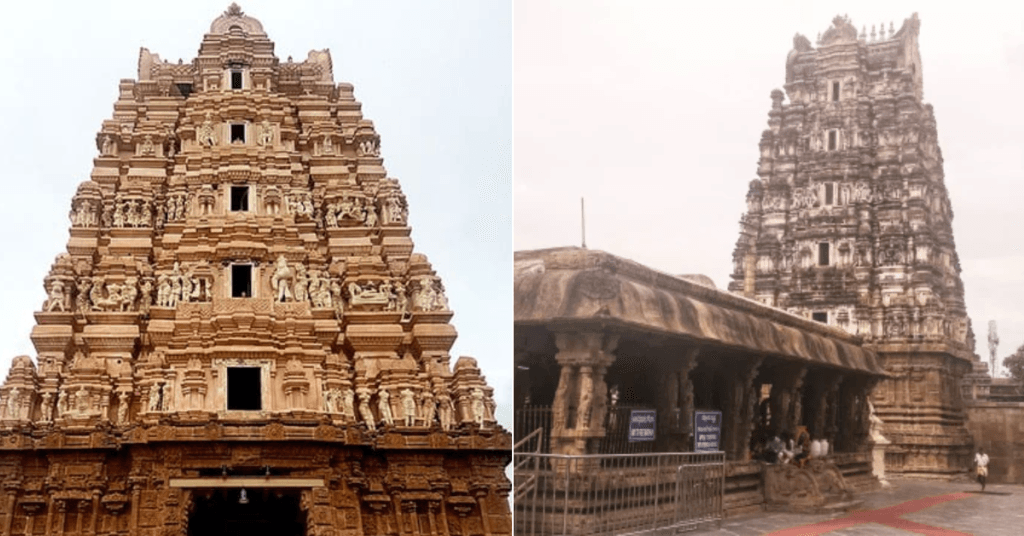
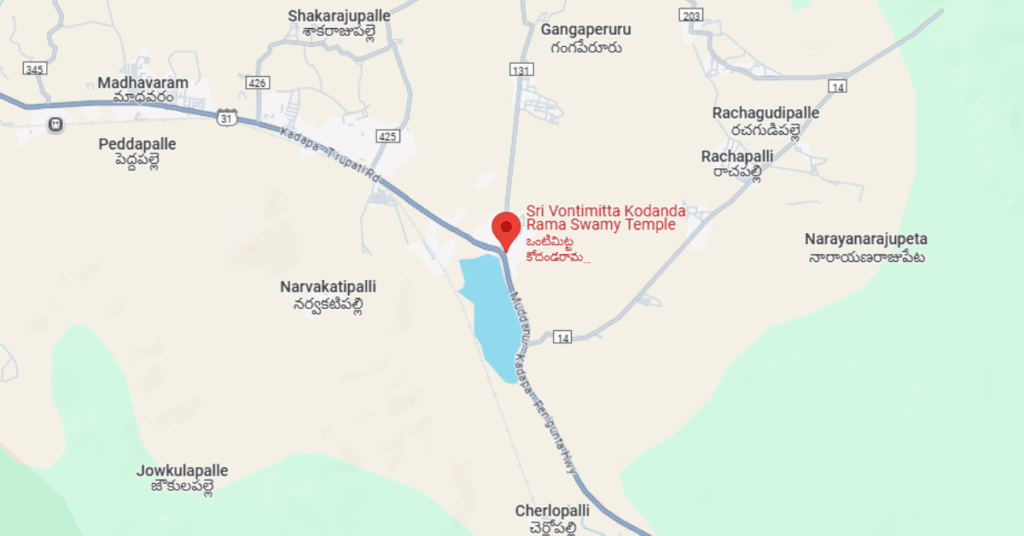
The Kodandarama Temple is an ancient and revered Hindu temple located in Kadapa, Andhra Pradesh. Locals believe that the Vijayanagara Empire constructed the temple dedicated to Lord Rama around the 14th century. People consider the temple historically significant as one of the oldest shrines dedicated to Lord Rama in southern India. There People associate the temple with the legendary Ramayana and say that Lord Rama, along with his consort Sita and brother Lakshmana, stopped there during their exile.
Architecture:
Style: Dravidian architecture, influenced by the Vijayanagara style.
Key Features:
Main Shrine (Sanctum Sanctorum): The temple houses an idol of Lord Rama, standing along with his consort Sita and brother Lakshmana.
Gopuram: Sculptors intricately designed the entrance tower or gopuram with several sculptural details depicting stories from the Ramayana.
Mandapas: The temple has multiple mandapas (halls), including a hall for devotees to gather and worship.
Chandramouleshwara Shrine: The temple honors both Rama and Shiva by featuring a separate shrine dedicated to Lord Shiva, highlighting its inclusive nature.
Significance:
Religious: The Kodandarama Temple is an important pilgrimage site, especially for devotees of Lord Rama. The temple’s association with Lord Rama and his journey during the exile makes it a sacred place for prayer and worship.
Cultural: It is a significant part of the region’s cultural heritage, with rituals and festivals that draw people from nearby areas.
Mythological Connection: People believe that Lord Rama bathed in the Tungabhadra River during his exile, which adds to the temple’s spiritual importance due to its proximity to the river.
Best Time to Visit:
Ideal Months: The best time to visit the Kodandarama Temple is during the cooler months, from October to March. This is when the weather is more pleasant for travel and outdoor activities.
Festivals: The temple is especially vibrant during Rama Navami, the festival celebrating the birth of Lord Rama, typically observed in March or April.
Timings:
Open Hours: 6:00 AM to 12:00 PM and 4:00 PM to 8:00 PM daily.
The temple remains open for devotees and tourists during these hours, allowing ample time for prayers and exploration.
Location:
Address: Kodandarama Temple, Kadapa, Andhra Pradesh, India.
Distance: The temple is about 1 km from the Kadapa Railway Station and approximately 120 km from Tirupati.
The Kodandarama Temple is an iconic religious and cultural site, attracting pilgrims and visitors with its peaceful ambiance, historic significance, and architectural beauty. Top 10 Temples in South India blog offers, It is an excellent place for spiritual reflection and learning about the Ramayana’s cultural impact in South India.
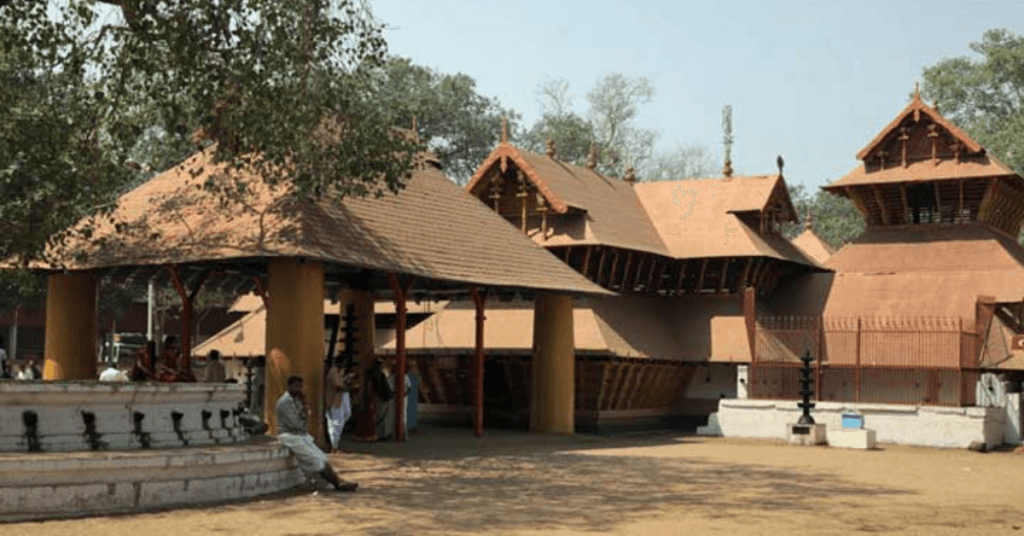
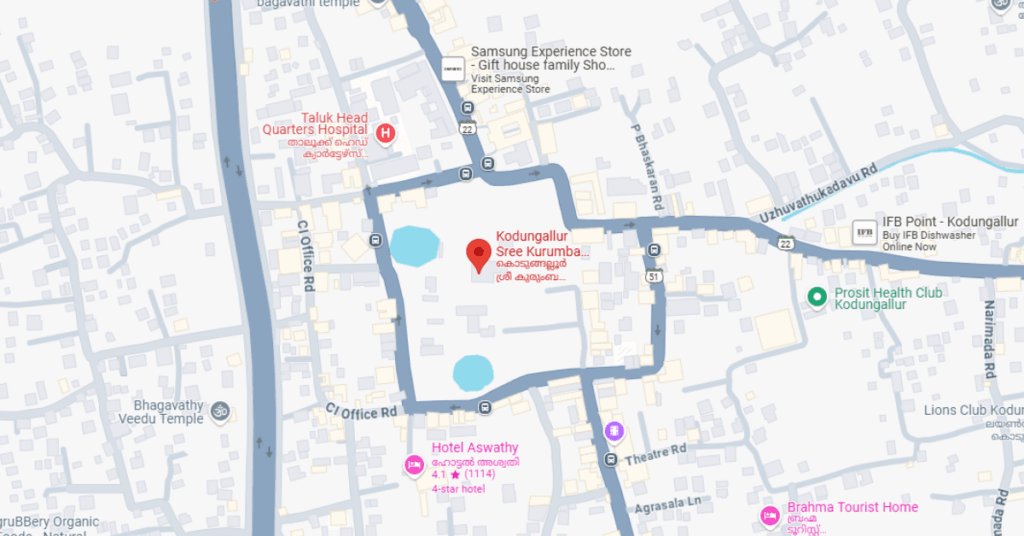
The Kodungallur Bhagavathy Temple, located in Kodungallur in the Thrissur District of Kerala, is one of the oldest and most significant temples dedicated to Bhagavathy (Goddess Durga). People believe the temple is over 2,000 years old and closely linked to the worship of Bhagavathy (an incarnation of Goddess Parvati), steeping it in ancient history and mythological significance. People believe that Parasurama, the mythical sage and avatar of Lord Vishnu, originally constructed the temple, according to legend.
Locales associate the temple with the Legend of the Rakshasas, where they believe that Rakshasas (demons) once tried to attack the goddess but she defeated them with her divine powers. This victory over evil is a central theme in the temple’s spiritual significance.
Architecture:
Style: Traditional Kerala temple architecture.
Key Features:
Main Shrine (Sanctum Sanctorum): People dedicate the temple to Bhagavathy, placing the idol of the goddess in the sanctum. Devotees highly revere the idol as a symbol of divine power.
Shikhara: The temple has a typical Kerala-style shikhara (roof tower) with intricate carvings.
Pillared Mandapas: The temple has large open halls and mandapas supported by beautifully carved stone pillars.
Sacred Tank: There is a holy tank in front of the temple where devotees take a ritualistic dip before entering the temple.
Significance:
Religious: The temple is one of the major pilgrimage sites in Kerala, particularly for worshippers of Goddess Durga. People believe that offering prayers to Bhagavathy brings blessings, protection, and prosperity. People know the temple for its association with removing evil influences and ensuring safety from harm.
Cultural: The temple holds great cultural and spiritual significance in Kerala. It is a center of religious learning and worship.
Legendary Connection: The temple is also famous for its connection to the Kodungallur Bharani Festival, which is one of the largest and most vibrant festivals in Kerala, attracting thousands of devotees every year. This festival celebrates the goddess’s victory over the demons.
Best Time to Visit:
Ideal Months: The best time to visit is from October to March when the weather is cooler and pleasant for travel.
Festival: The Kodungallur Bharani Festival, celebrated in February or March, is the most significant time to visit. During this festival, the temple is filled with fervor, rituals, and processions, drawing large crowds.
Timings:
Open Hours: 4:00 AM to 12:00 PM and 5:00 PM to 8:00 PM daily.
The temple remains open for devotees during these hours, and special rituals are held during festivals.
Location:
Address: Kodungallur Bhagavathy Temple, Kodungallur, Thrissur District, Kerala, India.
Distance: The temple is approximately 38 km from Thrissur and around 45 km from Cochin (Kochi).
The Kodungallur Bhagavathy Temple is an iconic spiritual destination, combining rich history, mythology, and Kerala’s unique temple architecture. Top 10 Temples in South India blog offers, It is especially famous for its religious rituals and grand festivals, making it a must-visit for devotees and tourists exploring Kerala’s cultural heritage.
The Srikalahasti Temple is one of the most famous Hindu temples in Andhra Pradesh, dedicated to Lord Shiva in the form of Srikalahasteeswara. Located in the town of Srikalahasti in Chittoor District, the temple has a rich history dating back to over 2,000 years. It is believed to have been constructed during the Pallava dynasty in the 5th century and later expanded during the Chola and Vijayanagara periods.
The temple is steeped in mythology and is associated with several legends. One of the most popular legends involves Vayu (the Wind God), who is said to have created the temple by blowing the idol of Lord Shiva to the surface of the earth. It is also linked to the story of Kalahasti, the sage, who is said to have meditated at the site.
Architecture:
Style: Dravidian architecture, with influences from the Chola and Vijayanagara periods.
Key Features:
Sanctum Sanctorum (Garbhagriha): The main shrine houses the idol of Srikalahasteeswara, which is a unique representation of Lord Shiva. The sanctum is surrounded by intricately carved walls and pillars.
Gopuram (Entrance Tower): The temple’s grand entrance features a towering gopuram, adorned with beautiful sculptures depicting scenes from Hindu mythology.
Raya Gopuram: This impressive structure leads to the inner sanctum and is considered an architectural marvel.
Pillared Mandapas: The temple has several large mandapas (halls) with finely carved stone pillars, showcasing the skill of ancient artisans.
Vimana (Shikhara): The temple features a prominent vimana (roof tower) over the sanctum, characteristic of Dravidian temple architecture.
Significance:
Religious: The temple is one of the Pancha Bhoota Stalams—the five sacred temples dedicated to the elements. Srikalahasti represents Vayu (the wind element) and is known as the “Kailash of the South.”
Pilgrimage: It is a highly revered temple for Lord Shiva and attracts thousands of devotees, especially those seeking to perform Rudra Abhishekam and Vayu Pooja (prayers to the wind god).
Mythological: The temple is associated with several legends, including the story of Sage Vayu, and the importance of spiritual purity and meditation in achieving moksha (liberation).
Best Time to Visit:
Ideal Months: The best time to visit Srikalahasti Temple is between October and March, when the weather is cooler and more comfortable for travel.
Festivals: The temple sees a huge influx of devotees during festivals like Shivaratri, Karthika Masam, and Navaratri. During Shivaratri, special rituals and prayers are conducted.
Timings:
Open Hours: 6:00 AM to 9:00 PM daily.
The temple remains open for worship and prayer throughout the day, with multiple rituals conducted in the morning and evening.
Location:
Address: Srikalahasti Temple, Srikalahasti, Chittoor District, Andhra Pradesh, India.
Distance: The temple is approximately 36 km from Tirupati and 175 km from Chennai.
The Srikalahasti Temple is an iconic pilgrimage site for devotees of Lord Shiva, known for its historical, architectural, and spiritual significance. Top 10 Temples in South India blog offers, Its serene location and the powerful presence of the temple make it an essential visit for anyone exploring the religious and cultural heritage of Andhra Pradesh.
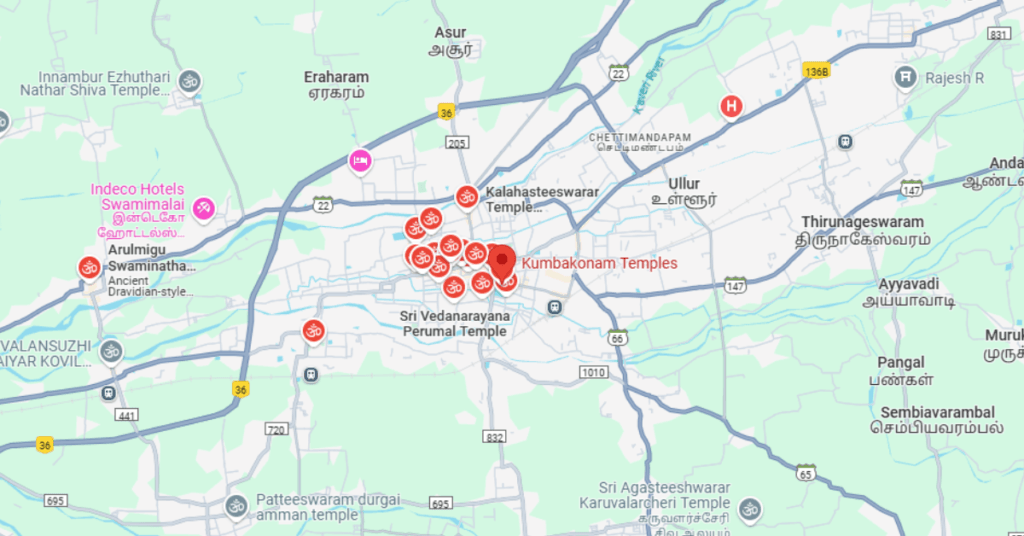
Kumbakonam, located in the Thanjavur district of Tamil Nadu, is often referred to as the “Temple Town” due to the large number of ancient temples that dot the area. The town has a rich cultural and historical significance, particularly in the Chola period (9th to 13th centuries), when it was a center of culture, education, and religion. Many of the temples in Kumbakonam were built or renovated during the reigns of the Chola, Pandya, and Vijayanagara dynasties.
Notable temples in Kumbakonam include the famous Adikumbeswarar Temple, Sarangapani Temple, Kumbeswarar Temple, and Ramaswamy Temple, among others. Each temple has its own unique legend and significance, with some tied to the great Hindu epics, like the Ramayana and Mahabharata.
Architecture:
Style: Dravidian temple architecture, with ornate sculptures and towering gopurams (entrance towers).
Key Features:
Gopurams: The temples are known for their massive, intricately designed gopurams, which are adorned with sculptures of gods, goddesses, and mythological creatures.
Sanctum Sanctorum (Garbhagriha): Each temple has a central sanctum that houses the main deity. The idols are usually beautifully carved and made of stone or metal.
Mandapas: Many temples have large pillared halls (mandapas) for gathering devotees and conducting rituals.
Vimana: A prominent tower or vimana above the sanctum represents the celestial abode of the deity.
Water Tanks and Theerthams: Many temples in Kumbakonam are built near sacred water bodies or have their own temple tanks (theerthams) for ritual baths.
Significance:
Religious: Kumbakonam is home to several of the most sacred temples in Tamil Nadu. These temples are dedicated to various deities like Shiva, Vishnu, Kali, and Saraswati, and they serve as important pilgrimage sites for devotees.
Cultural: Kumbakonam is deeply intertwined with the cultural heritage of Tamil Nadu. Many festivals, rituals, and religious practices are held at these temples throughout the year, drawing large crowds of devotees. It is especially known for the grand celebrations of Mahashivaratri, Vaikunta Ekadasi, and Navaratri.
Astronomical and Mythological: Kumbakonam is known for its connections to ancient astronomy and Hindu mythology, with some temples believed to be aligned with cosmic events or marking key astronomical positions.
Best Time to Visit:
Ideal Months: The best time to visit Kumbakonam is during the cooler months, from October to March, when the weather is more comfortable for sightseeing.
Festivals: The temples host many important festivals throughout the year, such as Mahashivaratri (celebrating Lord Shiva), Vaikunta Ekadasi (celebrating Lord Vishnu), and Navaratri (celebrating Goddess Durga). These festivals are a great time to experience the grandeur of the temples.
Timings:
Open Hours: Most temples in Kumbakonam open around 6:00 AM to 12:00 PM and then again from 4:00 PM to 8:00 PM for evening rituals.
Rituals and Festivals: Special pujas and rituals are performed at specific times throughout the day, especially during festivals.
Location:
Address: Kumbakonam, Thanjavur District, Tamil Nadu, India.
Distance: Kumbakonam is about 40 km from Thanjavur and 250 km from Chennai.
Kumbakonam is an essential destination for anyone interested in exploring the religious, architectural, Top 10 Temples in South India blog offers and cultural richness of Tamil Nadu. The town’s temples are not just places of worship but also cultural hubs that reflect the artistic brilliance of ancient Tamil architecture and traditions.
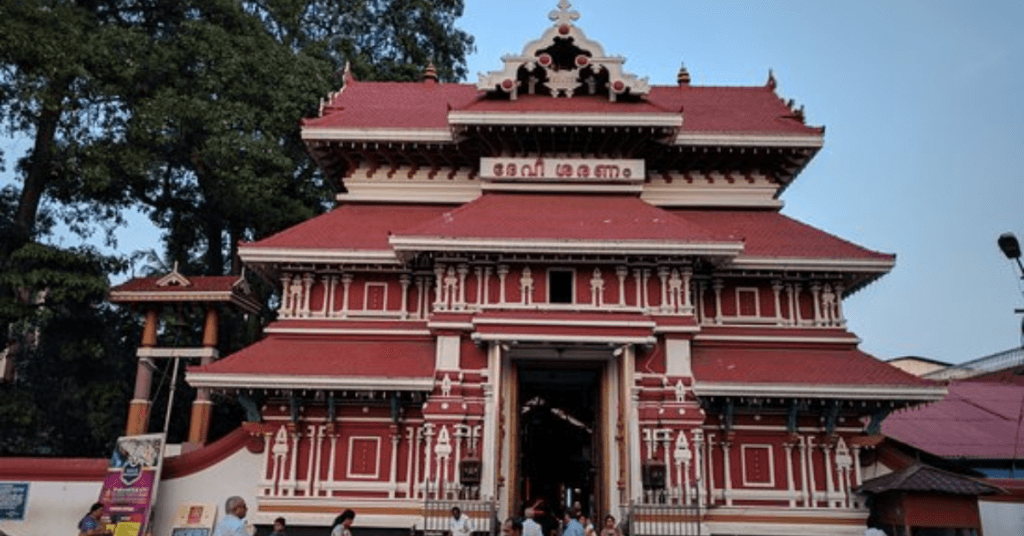
The Bhagavathy Temple is an ancient Hindu temple dedicated to Bhagavathy, a form of Goddess Durga. The temple is located in Kerala, and it holds great historical and religious significance, especially in the local Hindu community. The worship of Bhagavathy is central to the region’s cultural practices, as the goddess is considered a protector and an embodiment of power. Various versions of the temple can be found across Kerala, each having its unique history and mythological connection.
One prominent Bhagavathy Temple is the Sree Bhagavathy Temple in Kottakkal, Malappuram District, which is famous for its spiritual importance. According to local legends, the goddess was believed to have incarnated to protect the people from evil forces, and her power is said to bless devotees with protection, wealth, and prosperity.
Architecture:
Style: Traditional Kerala temple architecture, characterized by simplicity and elegance.
Key Features:
Main Shrine (Sanctum Sanctorum): The temple houses the idol of Bhagavathy (Durga), often depicted as a fierce and protective form, in a beautifully decorated sanctum.
Gopuram (Entrance Tower): Many Bhagavathy temples have a traditional gopuram, an intricately carved tower at the entrance.
Mandapas: Kerala temples typically feature large open halls or mandapas for devotees to gather, pray, and engage in rituals.
Wooden and Stone Carvings: The temples often feature impressive wooden and stone carvings depicting scenes from Hindu mythology.
Sacred Tank (Theertham): Some temples have sacred water tanks, where devotees take a ritualistic dip before entering the temple.
Significance:
Religious: The Bhagavathy Temple is a central place of worship for devotees of Durga and Bhagavathy. The goddess is worshipped for protection, health, wealth, and victory over evil. The temple is especially significant in the context of Shakti worship, which emphasizes the divine feminine energy.
Cultural: In Kerala, people consider Bhagavathy temples not only religious centers but also important cultural hubs, where they celebrate festivals and rituals with great fervor. The Thiruvathira festival is particularly important, marking the goddess’s victory over demons.
Mythological: The temple is often tied to regional myths, such as the story of Mahishasura, the demon king defeated by Goddess Durga. These stories are integral to the temple’s rituals and festivals.
Best Time to Visit:
Ideal Months: The best time to visit the Bhagavathy Temple is between October and March when the weather is cooler and more comfortable for travel and exploration.
Festivals: Visiting during festivals like Navaratri, Thiruvathira, and Vishu offers an opportunity to witness grand celebrations, processions, and rituals in the temple.
Timings:
Open Hours: 5:00 AM to 12:00 PM and 4:00 PM to 8:00 PM daily.
Temples are open for regular prayers during these times, with special rituals and offerings conducted in the morning and evening.
Location:
Address: Bhagavathy Temple, Kottakkal, Malappuram District, Kerala, India.
Distance: It is around 10 km from Malappuram and 50 km from Kozhikode.
The Bhagavathy Temple is a perfect blend of spirituality, cultural heritage, and architectural beauty. Top 10 Temples in South India blog offers a peaceful and divine atmosphere for worship and reflection, making it an important pilgrimage site for devotees of Goddess Durga in Kerala.
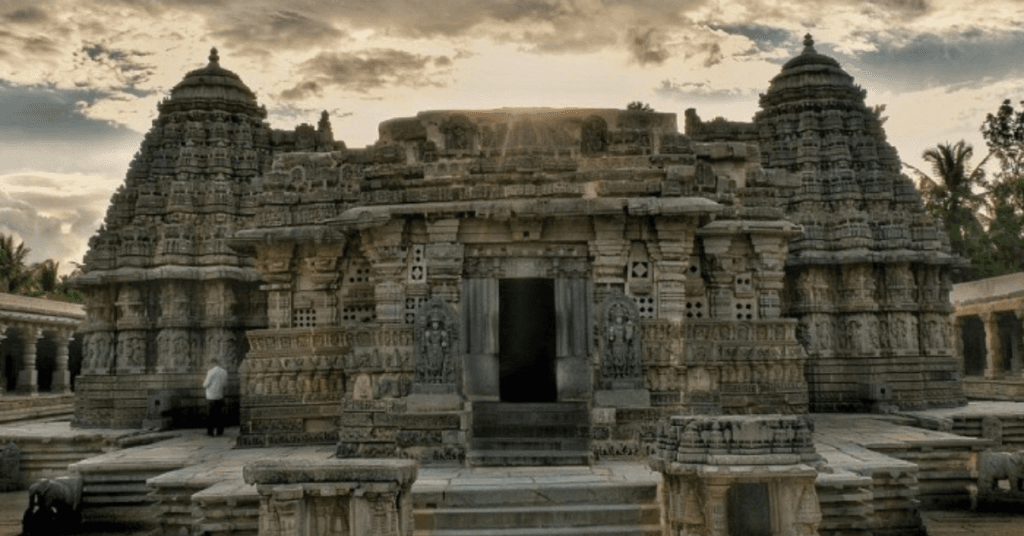
The Chennakeshava Temple in Aralaguppe, located in the Tumkur District of Karnataka, is a significant example of Hoysala architecture. King Vishnuvardhana of the Hoysala dynasty constructed the temple in the 12th century. The temple is dedicated to Lord Vishnu in his incarnation as Chennakeshava (the “handsome Vishnu”).
People recognize Aralaguppe for its historical and cultural importance, and the Chennakeshava Temple stands as one of the lesser-known but exquisitely crafted temples of the Hoysala era. Despite being smaller in comparison to other Hoysala temples like the Chennakeshava Temple at Belur, it still showcases the grandeur and intricacy of Hoysala art and architecture.
Architecture:
Style:Hoysala architecture, characterized by intricate carvings and detailed sculptures on stone.
Key Features:
Sanctum Sanctorum (Garbhagriha): The main deity of the temple is Chennakeshava, represented in the form of a beautifully sculpted idol. The builders constructed the sanctum with precision, following traditional Hoysala architectural principles.
Vimana (Shikhara): The tower above the sanctum (vimana) is typical of Hoysala-style architecture, though it is smaller than some other grander Hoysala temples.
Jagati (Platform): The builders constructed the temple on a raised platform (known as a jagati), a feature commonly found in Hoysala temples. The platform helps to elevate the temple and protect it from the elements.
Carvings and Sculptures: Detailed carvings of gods, goddesses, mythical creatures, and scenes from Hindu epics like the Mahabharata and Ramayana adorn the temple walls. The intricate stonework showcases the craftsmanship of the Hoysala dynasty.
Pillars: The temple has beautifully carved stone pillars, some with fine sculptures, reflecting the Hoysala attention to architectural and artistic details.
Significance:
Religious: Devotees of Lord Vishnu, especially in the region, consider the Chennakeshava Temple an important site dedicated to Lord Vishnu. The temple serves as a place of spiritual worship and reverence.
Architectural Significance: The temple is an excellent example of Hoysala architecture, known for its precise geometry, detailed sculptures, and ornamental decoration. It is a must-visit for those interested in ancient Indian temple architecture.
Cultural: The temple holds cultural and historical value in Karnataka, as it reflects the grandeur of the Hoysala dynasty and its contribution to art, culture, and religion.
Best Time to Visit:
Ideal Months: The best time to visit the Chennakeshava Temple is between October and March, when the weather is cooler and ideal for sightseeing.
Festivals: Devotees often visit the temple during festivals like Vaikuntha Ekadasi and Rama Navami, where they conduct special prayers and rituals
Timings:
Open Hours: The temple generally remains open from 6:00 AM to 12:00 PM and 4:00 PM to 8:00 PM daily.
Visitors can attend morning and evening prayers and take in the temple’s architectural beauty.
Location:
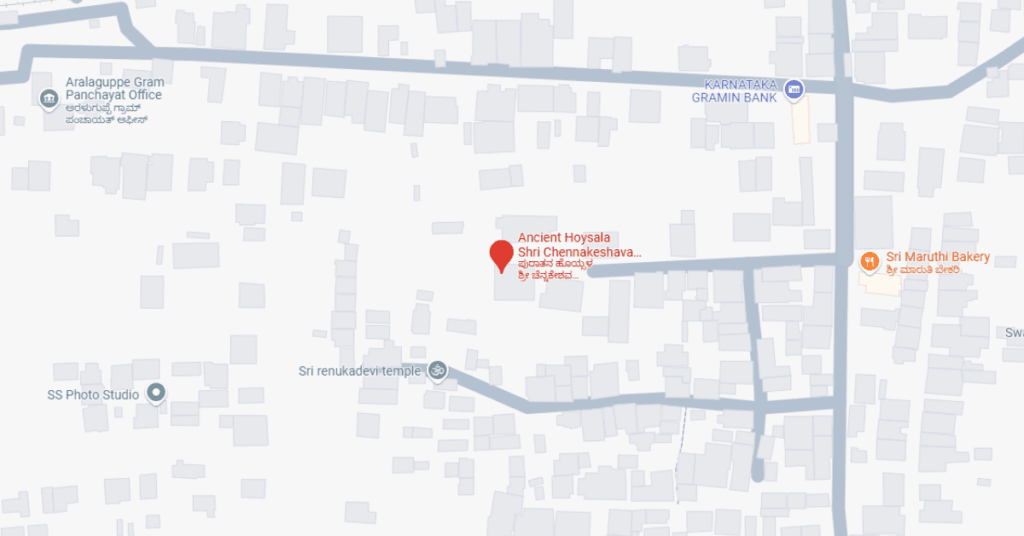
Address: Chennakeshava Temple, Aralaguppe, Tumkur District, Karnataka, India.
Distance: Aralaguppe is located approximately 15 km from Tiptur and 95 km from Bengaluru.
The Chennakeshava Temple in Aralaguppe is an exquisite gem of Hoysala architecture, combining deep historical significance with intricate craftsmanship. Top 10 Temples in South India This blog offers a serene experience for those interested in exploring Karnataka’s rich cultural and architectural heritage.
These 10 offbeat temples in South India remain hidden gems, waiting to be discovered. Top 10 Temples in South India From architectural brilliance to spiritual significance, each temple offers a unique experience. Next time you plan a temple tour, go beyond the usual pilgrimage sites and discover these wonders.
Travel Tips
Best time to visit: October to March for pleasant weather.
Dress modestly and follow temple etiquette.
Plan ahead for festivals and rituals to experience the temple culture fully.
Frequently Asked Questions (FAQs)
Q1) What are the must-visit offbeat temples in South India?
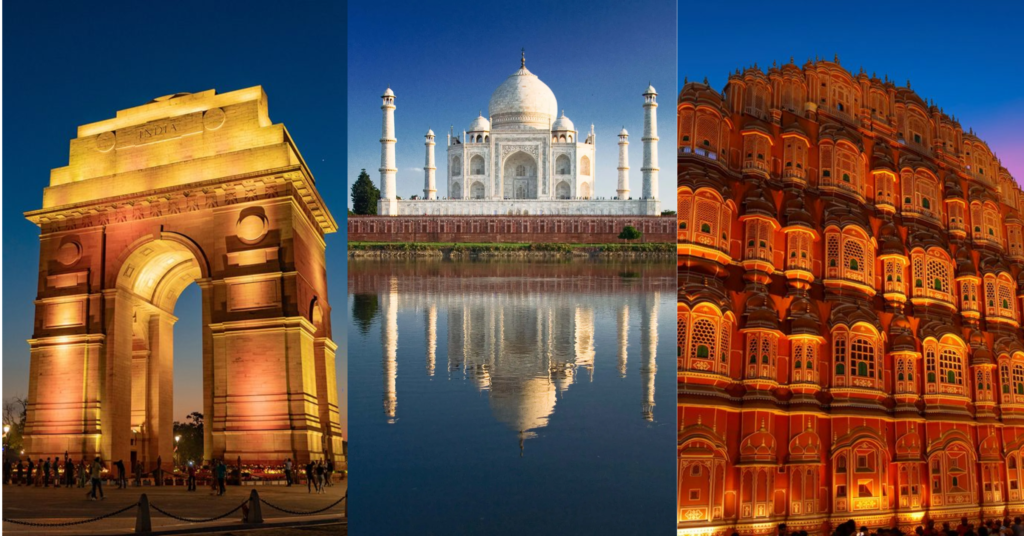
Discover India’s captivating Golden Triangle a journey through the historical wonders of Delhi, Agra, and Jaipur. This comprehensive guide unveils iconic landmarks and hidden gems within these vibrant cities. Explore ancient forts, majestic palaces, and intricate architecture. Delhi Agra Jaipur tour plan Find valuable insights on transportation, optimal visiting times, and must-see attractions. Plan an unforgettable Indian adventure through this culturally rich circuit.
Day 1 & 2: Delhi
Day 1: Arrival in Delhi
Morning:
Arrive in Delhi and check into your hotel.
Transport: From the airport, you can take the Delhi Metro Airport Express, book a prepaid taxi, or use ride-hailing apps like Uber or Ola.
Afternoon:
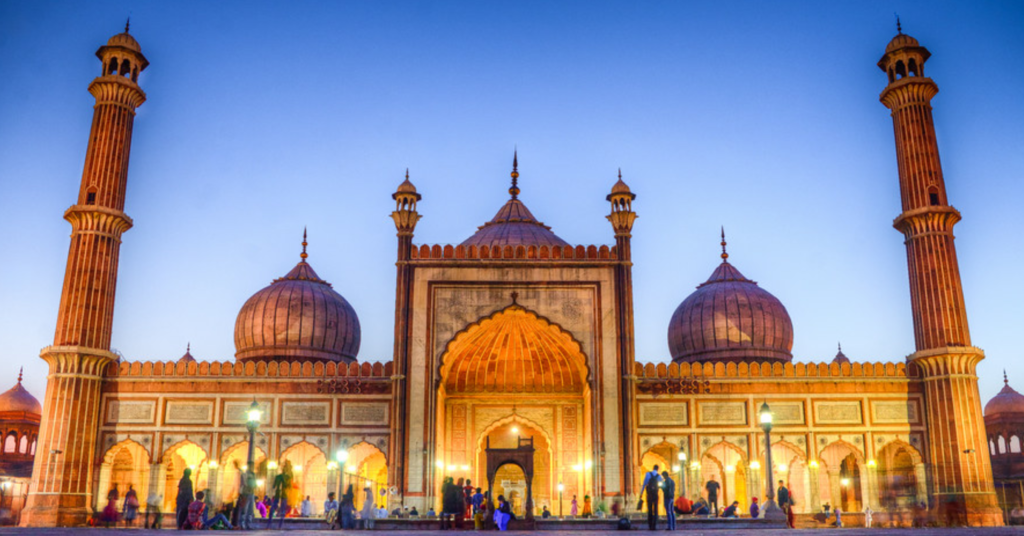
Explore Old Delhi, starting with Jama Masjid, one of India’s largest mosques.
Don’t miss the intricate carvings and the stunning view from the minaret.
Timings: 7:00 AM – 12:00 PM & 1:30 PM – 6:30 PM
Entry Fee: Free (₹100 for minaret access)
Transport: Use auto-rickshaws, cycle rickshaws, or the Delhi Metro (nearest station: Chawri Bazar).
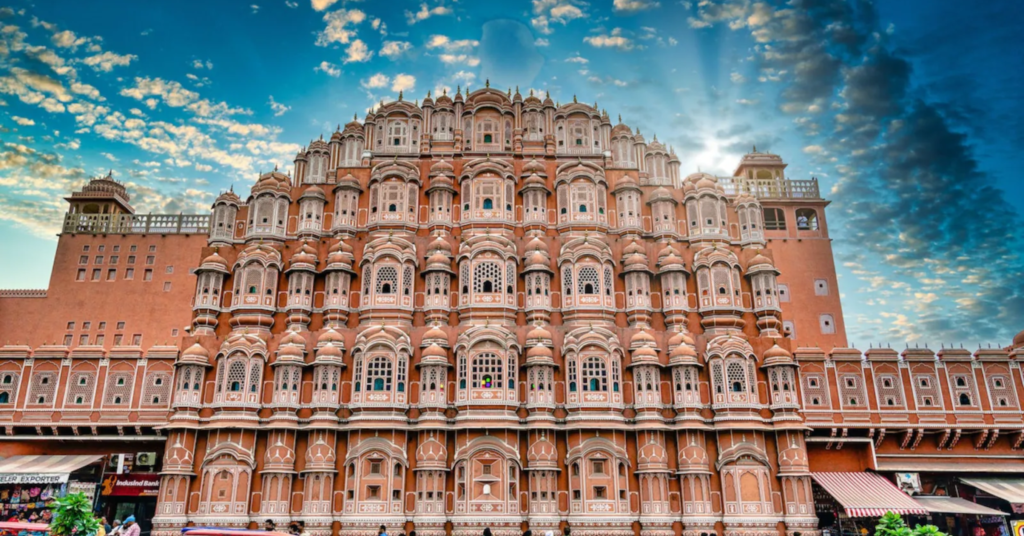
Visit Hawa Mahal, known for its unique honeycomb exterior.
Timings: 9:00 AM – 4:30 PM
Entry Fee: ₹50 (Indians), ₹200 (Foreigners)
Afternoon:
Explore City Palace and Jantar Mantar.
Evening:
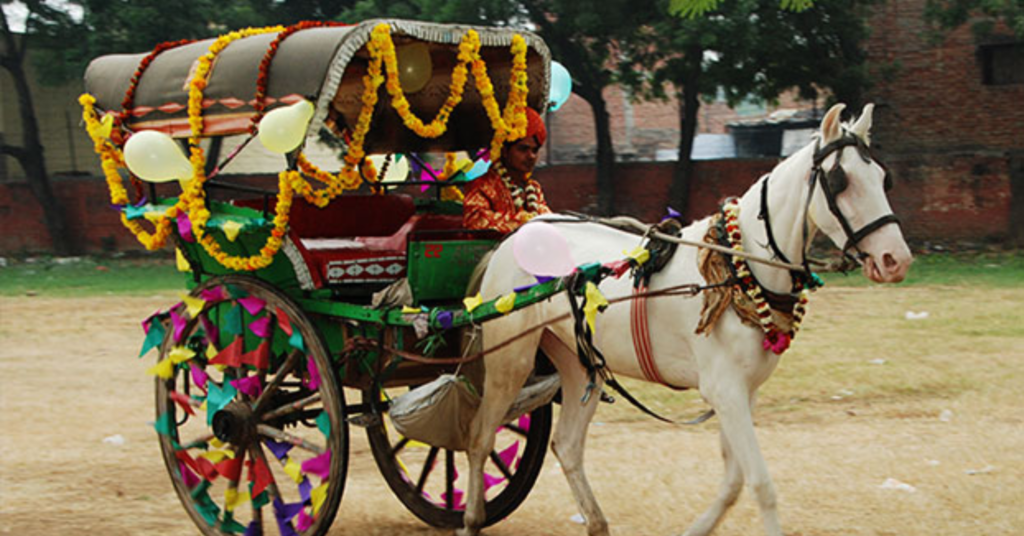
Take a Tonga ride around Jaipur.
Day 7: Amer Fort and Departure
Morning:
Visit Amer Fort and Jal Mahal.
Timings: 8:00 AM – 5:30 PM
Entry Fee: ₹100 (Indians), ₹500 (Foreigners)
Evening:
Depart for your next destination or return home.
Best Time to Visit
October to March: The weather is best, and it is ideal for sightseeing.
April to June: Hot but manageable with early morning visits.
July to September: Monsoon, offering lush landscapes but occasional travel disruptions.
Conclusion
The Delhi Agra Jaipur tour plan, Golden Triangle offers a perfect blend of history, culture, and architecture. From Delhi’s bustling markets to Agra’s Mughal wonders and Jaipur’s regal charm, this itinerary ensures an unforgettable experience. Delhi Agra Jaipur tour plan wisely, travel smart and make the most of your journey.
Frequently Asked Questions (FAQs)
Q1) What is the Golden Triangle in India?
ANS: The Golden Triangle refers to the popular travel circuit connecting Delhi, Agra, and Jaipur.
Q2) How many days are enough for a Golden Triangle tour?
ANS: A 6 to 7-day trip is ideal to explore all major attractions.
Q3) What is the best time to visit the Golden Triangle?
ANS: October to March offers pleasant weather for sightseeing.
Q4) How can I travel between Delhi, Agra, and Jaipur?
ANS: You can travel by train, car, or bus. The Gatimaan Express is the fastest train between Delhi and Agra.
Q5) Is the Taj Mahal open every day?
ANS: No, the Taj Mahal is closed on Fridays.
Q6) What are the must-visit places in Jaipur?
ANS: Hawa Mahal, Amer Fort, City Palace, Jantar Mantar, and Jal Mahal.
Q7) Do I need to book tickets in advance for major attractions?
ANS: It’s recommended, especially for the Taj Mahal, to avoid long queues.
Q8) Is local transport easily available in these cities?
ANS: Yes, metro, auto-rickshaws, and taxis are available in Delhi, while Agra and Jaipur have tuk-tuks and cabs.
Q9) What is the dress code for visiting temples and mosques?
ANS: Wear modest clothing, covering shoulders and knees, especially in religious places.
Q10) Is the Golden Triangle safe for solo travelers?
ANS: Yes, but it’s advisable to take usual precautions like avoiding isolated areas at night.
Andhra Pradesh, a state nestled on the southeastern coast of India, is a treasure trove of experiences waiting to be discovered. From ancient temples and historical sites to breathtaking landscapes and vibrant cities, this state offers something for every traveler. Whether you’re a history buff, a nature enthusiast, or simply seeking a cultural immersion, Andhra Pradesh promises an unforgettable journey. Let’s explore some of the best places to visit in Andhra Pradesh
1. Tirupati – The Spiritual Hub
Tirupati is one of India’s most famous pilgrimage destinations, attracting millions of devotees annually. The Sri Venkateswara Temple, located on Tirumala Hills, is dedicated to Lord Vishnu and is one of the richest temples in the world. The city is known for its vibrant religious atmosphere, grand festivals like Brahmotsavam, and scenic beauty.
Major Attractions:
Sri Venkateswara Temple: Located on the Tirumala Hills, this temple is dedicated to Lord Vishnu and is considered one of the wealthiest temples in the world.
Sri Govindaraja Swamy Temple: A famous temple with stunning architecture.
Kapila Theertham: A waterfall and a temple dedicated to Lord Shiva.
Chandragiri Fort: A historical fort built during the Vijayanagara Empire.
Iskon Temple: The ISKCON Temple in Tirupati, Andhra Pradesh, is a prominent spiritual center dedicated to Lord Krishna.
📌 Tip: Book your darshan tickets in advance to avoid long queues.
2. Visakhapatnam (Vizag) – The Jewel of the East Coast
Visakhapatnam is Located on the eastern coast of India, one of the Best Places to Visit in Andhra Pradesh, facing the Bay of Bengal. Known for its stunning beaches, lush green hills, and scenic landscapes. The city has a rich history, with several ancient temples and one of India’s largest ports, Visakhapatnam is a major industrial hub and naval base.
Major Attractions:
RK Beach: A famous beach known for its serene atmosphere.
INS Kursura Submarine Museum: A real submarine turned into a museum.
Kailasagiri Hill Park: A hilltop park offering breathtaking views.
Borra Caves: Ancient limestone caves with beautiful formations.
Araku Valley: A beautiful hill station with coffee plantations.
Simhachalam temple: Sri Varaha Lakshmi Narasimha Temple, Simhachalam, is a Hindu temple located on the Simhachalam Hill Range.
📌 Tip: Try the famous Araku coffee while visiting.
Amaravati is located in the Guntur district of Andhra Pradesh, India, on the banks of the Krishna River. It was an important Buddhist center from the 2nd century BCE to the 3rd century CE. It was once part of the Satavahana dynasty’s kingdom. The site is famous for its sculptural art, including reliefs, sculptures, and pillars that offer insight into early Buddhist art. The site is listed as a tentative UNESCO World Heritage site due to its historical and cultural significance.
Major Attractions:
Amaravati Stupa: An ancient Buddhist stupa built during Emperor Ashoka’s reign.
Dhyana Buddha Statue: A 125-foot tall Buddha statue representing peace and meditation.
Amaralingeswara Swamy Temple: A famous Shiva temple with a beautiful architectural design.
📌 Tip: Visit the local museum to explore ancient Buddhist relics.
4. Araku Valley – A Scenic Hill Station
Araku Valley is a picturesque hill station located in the Eastern Ghats of Andhra Pradesh, around 120 km from Visakhapatnam. Situated at an altitude of about 3,000 feet above sea level, offering a cool and pleasant climate.
Major Attractions:
Coffee Plantations: Enjoy organic coffee and visit tribal coffee museums.
Borra Caves: A must-visit for those who love natural wonders.
Dumbriguda Waterfalls: A breathtaking waterfall amidst greenery.
Tribal Museum: Learn about the traditions of the tribal communities.
📌 Tip: Take the scenic train ride from Visakhapatnam to Araku for a picturesque journey.
5. Lepakshi – The Architectural Marvel
A hidden gem of architectural marvel, the Veerabhadra temple at Lepakshi is a testament to the Vijayanagara Empire’s artistic prowess. The temple’s intricate carvings, monolithic sculptures, and the famous “hanging pillar” are truly awe-inspiring. The surrounding countryside adds to the charm of this historical site.
Major Attractions:
Veerabhadra Temple: Famous for its floating pillar and Vijayanagara architecture.
Monolithic Nandi: One of the largest Nandi statues in India.
Intricate Murals: Beautiful paintings that depict mythological stories.
📌 Tip: Visit during winter months to enjoy the weather.
6. Gandikota – The Grand Canyon of India
Gandikota, often referred to as the “Grand Canyon of India,” is a stunning geological marvel located in the Kadapa district one of the Best Places to Visit in Andhra Pradesh. The site features dramatic, deep gorges carved by the Pennar River, surrounded by rocky landscapes and vast, arid terrain, creating a breathtaking natural view. The fort of Gandikota, perched on a hill, adds historical charm with its ancient walls, temples, and ruins, offering a glimpse into its once-strategic importance. Known for its picturesque beauty, the site is a popular destination for trekking, photography, and exploring the remnants of history.
Major Attractions:
Gandikota Fort: A historical fort with ruins of temples and mosques.
Pennar River Gorge: The scenic canyon-like landscape that resembles the Grand Canyon.
Ranganatha Swamy Temple: An ancient temple dedicated to Lord Vishnu.
📌 Tip: Visit during sunrise or sunset for the best views.
7. Papikondalu – A River Cruise Adventure
Papikondalu, also known as the Papi Hills, is a scenic hill range located in the Godavari River Valley in Rajahmundry in West Godavari District. The hills are part of the Eastern Ghats and are renowned for their lush green landscapes, beautiful river views, and biodiversity. The area is popular for eco-tourism and adventure activities, such as boat rides along the Godavari River, which offer a unique opportunity to witness the breathtaking hills and waterfalls. Papikondalu is also known for its tranquility, making it a peaceful retreat for nature lovers and photographers. The region is culturally significant, with tribal communities residing in the area, maintaining their traditional way of life.
Major Attractions:
Boat Cruises: Enjoy a scenic boat ride through the hills.
Perantapalli Village: A tribal village showcasing their traditions.
Waterfalls: Experience the beauty of lush greenery and waterfalls.
📌 Tip: Carry cash as digital payments may not be available in remote areas.
8. Vijayawada – The Land of Goddess Durga
Vijayawada, often referred to as “The Land of Goddess Durga,” is a vibrant city located in the state of Andhra Pradesh, India. It is renowned for the famous Kanaka Durga Temple, dedicated to Goddess Durga, perched atop the Indrakeeladri Hill. The city holds immense religious significance, with devotees flocking from across the country, especially during festivals like Dussehra, to seek the blessings of the goddess. Apart from its spiritual importance, Vijayawada is also a major commercial and educational hub, known for its cultural heritage, bustling markets, and scenic beauty along the Krishna River.
Major Attractions:
Kanaka Durga Temple: Dedicated to Goddess Durga, one of the most famous temples in Andhra Pradesh.
Undavalli Caves: Rock-cut caves with impressive sculptures.
Prakasam Barrage: A scenic bridge over the Krishna River.
📌 Tip: Try the spicy Andhra cuisine at local restaurants.
Srikalahasti, a revered temple town located in Andhra Pradesh, is famous for the Srikalahasteeswara Temple, dedicated to Lord Shiva. This ancient temple is renowned for its unique Vayu Linga, symbolizing the air element among the five Pancha Bhoota Shrines. The town’s historical significance dates back to the 10th century and is closely associated with the Kakatiya and Vijayanagara dynasties. Srikalahasti is also known for its spiritual importance, offering rituals like Kalahasti Rahu-Ketu Pooja, believed to remove doshas (flaws). The town’s peaceful ambiance, rich culture, and traditional festivals attract pilgrims and tourists alike.
Major Attractions:
Srikalahasteeswara Temple: A famous Shiva temple known for its unique Rahu-Ketu puja.
Veyilingala Kona Waterfalls: A serene waterfall located near the temple.
Bharadwaja Tirtham: A sacred pond for spiritual cleansing.
📌 Tip: Perform the Rahu-Ketu puja if you seek astrological remedies.
10. Coringa Wildlife Sanctuary – A Nature Lover’s Paradise
Coringa Wildlife Sanctuary, located near Kakinada in Andhra Pradesh, is a serene haven for nature lovers and wildlife enthusiasts. Covering around 235 square kilometers, it is a unique blend of mangrove forests, tidal rivers, and diverse ecosystems. The sanctuary is home to a rich variety of flora and fauna, including several endangered species like the saltwater crocodile and the Indian pangolin. Its birdlife, especially migratory species, makes it a hotspot for bird watchers. The sanctuary also serves as an important nesting ground for sea turtles. With its tranquil beauty and biodiversity, Coringa offers a perfect escape for those looking to connect with nature.
Major Attractions:
Mangrove Forests: The second-largest mangrove forest in India.
Birdwatching: Spot rare birds like flamingos and kingfishers.
Eco Walkways: Wooden paths to explore the sanctuary.
📌 Tip: Visit during winter for the best birdwatching experience.
Local Cuisine to Try in Andhra Pradesh
Tirupati Laddu – A world-famous sweet offered as prasadam at the Tirumala temple.
Araku Coffee – A must-try freshly brewed coffee from the tribal regions.
Nellore Chapala Pulusu – A spicy and tangy fish curry unique to Nellore.
Gongura Pickle – A signature Andhra dish made with sorrel leaves.
Pootharekulu – A traditional sweet from Atreyapuram, known for its paper-thin layers.
Best Time to Visit Andhra Pradesh
Winter (October to February) – Ideal for most destinations, especially Araku Valley, Visakhapatnam, and Srisailam.
Summer (March to June) – Best for coastal areas like Visakhapatnam but can be hot inland.
Monsoon (July to September) – Lush greenery in places like Lambasingi, Horsley Hills, and Araku Valley.
📌 Tip: The state is well-connected by air, rail, and road, making it easily accessible from other parts of India.
Conclusion
From ancient temples and historical ruins to lush valleys and pristine coastlines, the best places to visit in Andhra Pradesh offer a captivating blend of experiences. Whether you’re seeking spiritual solace at Tirupati, exploring the architectural wonders of Lepakshi, or immersing yourself in the natural beauty of Araku Valley, Andhra Pradesh has something for every traveler. This diverse state promises a rich tapestry of culture, history, and natural beauty, making it a truly unforgettable destination. So, plan your trip and discover the magic of the best places to visit in Andhra Pradesh!
FREQUENTLY ASKED QUESTIONS
1Q: What is the best time to visit Andhra Pradesh?
A: The best time to visit is during the winter months (October to February), especially for destinations like Araku Valley, Visakhapatnam, and Srisailam.
2Q: How can I reach Andhra Pradesh?
A: Andhra Pradesh is well-connected by air, rail, and road, making it easily accessible from other parts of India.
3Q: What should I do in Araku Valley?
A: Explore the coffee plantations, visit the Borra Caves, and enjoy a scenic train ride from Visakhapatnam.
4Q: What is Srikalahasti famous for?
A: Srikalahasti is renowned for the Srikalahasteeswara Temple and its unique Rahu-Ketu puja.
5Q: Why visit Coringa Wildlife Sanctuary?
A: It’s a paradise for nature lovers, offering rich biodiversity, including rare birds, mangrove forests, and saltwater crocodiles.
6Q: What is Tirupati famous for?
A: Tirupati is famous for the Sri Venkateswara Temple, one of the richest and most visited temples in the world.
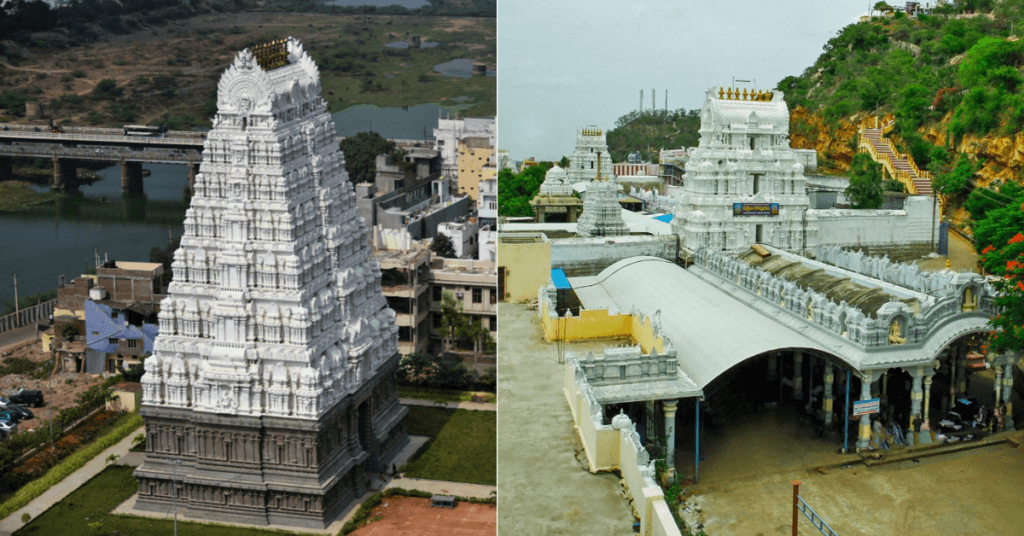
Singarakonda Lakshmi Narasimha Swamy Temple is a revered Hindu temple situated atop a scenic hill in Singarayakonda, Prakasam district, Andhra Pradesh. Known as Dakshina Simhachalam, the temple holds great religious significance and attracts thousands of devotees every year. Dedicated to Lord Lakshmi Narasimha Swamy, this ancient temple is believed to be a powerful place of worship that fulfills the wishes of the devotees.
History and Mythology
The temple was originally constructed in the 15th century by King Devaraya, a renowned ruler of the Vijayanagara Empire. An inscription on the Dwaja Stambham (flag post) indicates that the temple was built in 1443-44 AD during the rule of Sri Krishnadevaraya. The temple has been a center of faith for centuries, preserving its spiritual aura and historical grandeur.
According to Hindu mythology, the region was once ruled by a powerful demon named Kharasura, who was a devoted worshipper of Lord Narasimha. The demon sought a boon from Lord Narasimha, but the deity responded that the boon would be granted in His Rama Avatar. Displeased, Kharasura started disturbing the Yajnas (sacred fire rituals) performed by sages and saints in the region.
To restore peace, Lord Rama installed an idol of Lord Narasimha Swamy and offered prayers before slaying Kharasura. People believe this event sanctified the hill, making it a divine and sacred location. The temple thus stands as a testament to this legendary episode from Hindu scriptures, preserving the rich mythology and cultural significance associated with it.
As a symbol of devotion and faith, it brings the ancient story to life, allowing visitors to connect with the divine narrative in a meaningful way.
Architectural Grandeur
The temple exhibits classic Vijayanagara-style architecture, featuring intricate carvings and imposing structures.
Key Architectural Highlights:
5-Tier Rajagopuram: A grand five-tiered tower(Rajagopuram), adorned with exquisite sculptures of deities, marks the temple’s entrance.
Garbhagriha (Sanctum Sanctorum): Houses the majestic idol of Lord Lakshmi Narasimha Swamy, enshrined in a serene atmosphere of devotion.
Dwaja Stambham: The temple has an elaborately decorated flag post, which is significant for temple rituals and ceremonies.
Prasanna Anjaneya Swamy Idol: The temple premises feature a unique south-facing Hanuman idol, which devotees consider highly auspicious and of special significance. This rare positioning of the idol adds to the temple’s spiritual charm, attracting visitors who seek blessings and protection. As you approach the idol, the serene atmosphere further enhances the feeling of reverence and devotion, making it a highlight of the temple experience.
Yoga Narasimha Temple: An additional shrine dedicated to Yoga Narasimha Swamy adds to the spiritual significance of the temple complex.
The vibrant annual festivals at the temple draw thousands of devotees and pilgrims, who renowned for their lively celebrations.
Brahmotsavam: Celebrated in June, this is the grandest festival of the temple, featuring special rituals, cultural programs, and grand processions.
Tirunallu: An annual celebration that includes bhajans, folk performances, and special pujas in honor of Lord Narasimha Swamy.
Narasimha Jayanti: Marks the birth anniversary of Lord Narasimha, celebrated with Vedic chants, Abhishekams, and religious discourses.
Timings and Visitor Information
Morning Darshan: 7:00 AM – 12:30 PM
Afternoon Break: 12:30 PM – 2:00 PM
Evening Darshan: 2:00 PM – 7:00 PM
It is advisable to visit the temple early in the morning or during the evening Aarti to fully immerse yourself in a more peaceful and divine experience. During these times, the atmosphere is tranquil, allowing you to connect more deeply with the spiritual essence of the place. Additionally, the serene surroundings and the sacred rituals enhance the overall experience, making it truly memorable.
Apart from the main temple, visitors can explore several other spiritual and natural attractions in and around Singarakonda:
Prasanna Anjaneya Swamy Temple: The unique south-facing Hanuman idol is believed to bless devotees with strength and courage.
Yoga Narasimha Temple: A smaller shrine within the temple premises that signifies the meditative form of Lord Narasimha.
Scenic Views from the Hill: The temple’s elevated location offers breathtaking panoramic views of the surrounding region, making it a perfect place for spiritual reflection and meditation.
Conclusion
Singarakonda Lakshmi Narasimha Swamy Temple is not just a place of worship; it is also a cultural and historical landmark in Andhra Pradesh, offering visitors a unique glimpse into the region’s rich heritage. With its spiritual significance, the temple stands as a testament to centuries of tradition and devotion.
Moreover, its historical importance adds depth to the overall experience, making it a must-visit destination for those seeking both divine blessings and a deeper understanding of the area’s cultural legacy.. With its mythological significance, stunning architecture, and vibrant festivals, the temple continues to be a major pilgrimage center for devotees of Lord Narasimha Swamy.
Whether you are seeking divine blessings, historical insights, or a serene retreat, a visit to this temple offers, in addition, a deeply enriching spiritual experience. At the same time, you will find moments of peace and reflection, offering a perfect balance of historical insight and personal tranquility.
This unique combination enriches your visit, allowing you to both learn and connect on a deeper level. Ultimately, this temple provides a perfect blend of spirituality, history, and tranquility, ensuring that your visit is both meaningful and unforgettable.
Water is the lifeline of civilization, and reservoirs play a crucial role in ensuring water security for agriculture, drinking, and industrial use. One such vital project in Andhra Pradesh is the Gundlakamma Reservoir, officially known as the Kandula Obula Reddy Gundlakamma Reservoir Project. Located in Prakasam district, near Chinnamallavaram village in Maddipadu Mandal, this reservoir is a significant water source for irrigation and drinking purposes. Gundlakamma Reservoir Project location in Andhra Pradesh. its history, benefits, challenges, and future developments.
This blog explores the history, structure, benefits, challenges, and future developments of this essential water project.
Overview of the Gundlakamma Reservoir
Construction & Structure
Construction Start: 2006
Inauguration: 2008
Dam Type: Earthen dam
Length: 5.699 km
Spillway: 227 meters long, equipped with 15 vertical gates
Crest Level of Gates: +16.38 meters
Maximum Flood Discharge: 2,72,000 cusecs
The reservoir was built to store water efficiently and distribute it for irrigation and drinking purposes across multiple regions.
The Gundlakamma Reservoir is a lifeline for farmers and communities in Prakasam district. It plays a crucial role in irrigation, drinking water supply, and economic development. However, challenges like land acquisition issues, maintenance problems, and water distribution delays need to be addressed for its full potential to be realized.
With ongoing government initiatives, technological improvements, and community participation, the project has the potential to transform the region’s agricultural and water security landscape.
Frequently Asked Questions (FAQs):
Q1) What is the Gundlakamma Reservoir?
ANS: The Gundlakamma Reservoir, officially known as the Kandula Obula Reddy Gundlakamma Reservoir Project, is a vital water source in Andhra Pradesh for irrigation and drinking water supply.
Q2) Where is the Gundlakamma Reservoir located?
ANS: It is located in Chinnamallavaram village, Maddipadu Mandal, Prakasam district, Andhra Pradesh.
Q3) When was the Gundlakamma Reservoir constructed?
ANS: The construction started in 2006 and was inaugurated in 2008.
Q4) What is the total storage capacity of the reservoir?
ANS: The total storage capacity is 3.859 TMC, with a live storage of 1.973 TMC.
Q5) How much agricultural land does the reservoir support?
ANS: It irrigates approximately 62,368 acres in the Kharif season and 80,060 acres in the Rabi season.
Q6) How many people benefit from the reservoir’s drinking water supply?
ANS: Around 2.56 lakh people across 43 villages and Ongole town receive drinking water from the reservoir.
Q7) What are the major challenges faced by the project?
ANS: Land acquisition issues, maintenance challenges, crest gate leaks, and silt accumulation affect the efficiency of the reservoir.
Q8) How does the reservoir impact the environment?
It helps in groundwater recharge and biodiversity support but has also led to land submergence and displacement of communities.
Q9) What are the socio-economic benefits of the project?
ANS: It boosts agriculture, provides employment opportunities, supports allied industries, and improves living standards.
Q10) What future developments are planned for the reservoir?
ANS: The government plans to complete the high-level canal, modernize canal infrastructure, and implement better water management techniques.
Andhra Pradesh is not just about beautiful temples, lush green valleys, and rich culture. The state also has some of the most serene and breathtaking beaches perfect for a relaxing vacation. Whether you are looking for a peaceful retreat, adventurous water sports, or stunning sunsets, Andhra Pradesh has it all. Let’s explore the best beaches in Andhra Pradesh where you can unwind and soak in the beauty of the sea.
Rushikonda Beach, Visakhapatnam
Rushikonda Beach is one of the most popular beaches in Andhra Pradesh, known for its golden sands, clear blue waters, and lush green hills. It’s perfect for swimming, sunbathing, or enjoying water sports like jet skiing and surfing. The beach is well-maintained and offers a clean, serene environment for visitors.
Things to Do:
Try water sports like jet skiing and windsurfing
Go for a swim in the clear blue waters
Relax at the beachside resorts
Location: 8 km from Visakhapatnam city
Best Food to Taste: Don’t miss the fresh seafood at beachside shacks, especially prawn curry and fish fry. Pair it with Andhra’s famous spicy pickles for an authentic coastal meal.
Local Trip Idea: Visit the nearby Kailasagiri Hill Park for a panoramic view of Visakhapatnam. You can also explore the INS Kursura Submarine Museum for a unique experience.
Ramakrishna Beach (RK Beach), Visakhapatnam
Ramakrishna Beach, popularly known as RK Beach, is one of the most famous beaches in Andhra Pradesh. Located in Visakhapatnam, this beach is perfect for long walks, enjoying the sea breeze, and watching mesmerizing sunsets. It is also home to the INS Kursura Submarine Museum and the Victory at Sea Memorial.
Things to Do:
Take a stroll along the beachside promenade
Visit the Submarine Museum
Enjoy delicious seafood at nearby restaurants
Location: 6 km from Visakhapatnam city
Best Food to Taste: Savor fresh and spicy seafood dishes like Royyala Iguru (prawn curry), Chepala Pulusu (fish curry), and Crab Masala at beachside shacks. Pair it with Andhra’s famous spicy pickles for an authentic coastal meal. Andhra’s famous sweets like Pootharekulu (rice starch sweet) and Kaja (fried sweet).
Local Trip Idea: Visit the nearby Kailasagiri Hill Park for a panoramic view of Visakhapatnam. You can also explore the INS Kursura Submarine Museum for a unique experience.
Yanam Beach, Yanam
Yanam Beach, also known as Rajiv Gandhi Beach, is a picturesque beach located in the Yanam region. The peaceful ambiance, beautiful promenade, and well-maintained surroundings make it an excellent place for relaxation and leisure walks. When visiting Yanam Beach, you’ll want to enjoy the local flavors of the region, which are influenced by the blend of Andhra and French cultures.
Things to Do:
Take a boat ride along the Godavari River
Enjoy the peaceful atmosphere and fresh air
Explore the nearby French colony
Location: 6 km from Visakhapatnam city
Best Food to Taste: Savor fresh and spicy seafood dishes like Royyala Iguru (prawn curry), Chepala Pulusu (fish curry), and Crab Masala at beachside shacks. Pair it with Andhra’s famous spicy pickles for an authentic coastal meal. Andhra’s famous sweets like Pootharekulu (rice starch sweet) and Kaja (fried sweet).
Local Trip Idea: Visit the nearby Kailasagiri Hill Park for a panoramic view of Visakhapatnam. You can also explore the INS Kursura Submarine Museum for a unique experience.
Mypadu Beach, Nellore
Mypadu Beach is one of the most beautiful and well-maintained beaches in Andhra Pradesh. Located near Nellore, this beach is perfect for those looking for solitude and relaxation. The golden sand, calm waves, and refreshing breeze make it a wonderful getaway from the hustle and bustle of city life.
Things to Do:
Watch the sunrise and sunset for a breathtaking view
Enjoy local seafood at beachside stalls
Take a peaceful walk along the shore
Location: 24 km from Nellore city
Best Food to Taste: Try the local Nellore-style biryani, known for its unique flavor and aroma. Also, savor the crispy Andhra-style dosas and spicy chutneys.
Local Trip Idea: Visit the Nelapattu Bird Sanctuary, a haven for birdwatchers, or explore the ancient Sri Ranganathaswamy Temple in Nellore.
Bheemunipatnam Beach, or Bheemili Beach, is a quiet and less crowded destination. Surrounded by historical sites and colonial-era buildings, this beach offers a unique blend of nature and history. It is an ideal place for those who love peaceful surroundings and scenic beauty.
Things to Do:
Explore the ruins of a Dutch cemetery and an old lighthouse
Take a boat ride along the Gosthani River
Enjoy a peaceful picnic by the shore
Location: 24 km from Visakhapatnam city
Best Food to Taste: Enjoy local delicacies like Royyala Iguru (prawn curry) and Chepala Pulusu (fish curry) at nearby eateries.
Local Trip Idea: Explore the Dutch Cemetery and the 17th-century Dutch fort nearby. You can also visit the Bhimeswara Swamy Temple, which adds a spiritual touch to your trip.
Suryalanka Beach is known for its pristine beauty and crystal-clear waters. Located near Guntur, this beach is a great destination for a weekend getaway. The shallow waters make it ideal for swimming and spending time with family and friends.
Things to Do:
Stay at beachfront resorts for a luxurious experience
Swim in the safe and shallow waters
Capture stunning photographs of the scenic beauty
Location: 9 km from Bapatla town
Best Food to Taste: Relish the authentic Andhra meals served on banana leaves, including spicy curries, rice, and lentil dishes.
Local Trip Idea: Visit the nearby Bapatla town to explore its rich cultural heritage and enjoy authentic Andhra cuisine at local eateries.
Manginapudi Beach, Machilipatnam
Manginapudi Beach is a black sand beach located near Machilipatnam. Unlike other beaches, this one has unique black soil, adding to its charm. It is famous for its shallow waters, making it a safe place for visitors to enjoy the sea. The beach is also known for its stunning sunsets and peaceful ambiance.
Things to Do:
Visit the historic fishing village nearby
Take a dip in the therapeutic saltwater
Attend the annual Krishna Utsav festival
Location: 11 km from Machilipatnam city
Best Food to Taste: Try the local Machilipatnam Kaja, a sweet delicacy, and the spicy Andhra-style chicken curry.
Local Trip Idea: Take a trip to the ancient town of Machilipatnam and explore its historical sites, including the Panduranga Swamy Temple and the Lighthouse.
Uppada Beach, Kakinada
Uppada Beach is famous for its golden sands and serene environment. It’s a great place to relax and enjoy the beauty of nature. The beach is known for its Uppada sarees, a traditional handloom product.
Things to Do:
Take a peaceful walk along the long shoreline.
Enjoy the sunrise and sunset with breathtaking views.
Experience the cool sea breeze and soothing waves.
Location: 15 km from Kakinada city
Best Food to Taste: Enjoy the local seafood dishes like crab curry and fish fry. Don’t forget to try the famous Kakinada Kaja, a sweet snack.
Local Trip Idea: Visit the nearby Hope Island, a natural barrier island, or explore the bustling Kakinada city for its vibrant markets and delicious street food.
Kalingapatnam Beach is a picturesque beach where the river Vamsadhara meets the Bay of Bengal. The beach is known for its tranquil environment and historical significance.
Things to Do:
Walk along the golden sandy shore and enjoy the peaceful surroundings.
Witness the spectacular sunrise and sunset views over the Bay of Bengal.
Perfect for history buffs and culture enthusiasts.
Location: 30 km from Srikakulam town
Best Food to Taste: Savor the local Andhra-style meals, including spicy curries and rice dishes. Try the fresh seafood available at nearby stalls.
Local Trip Idea: Explore the ancient Kalingapatnam port and the nearby Buddhist stupas, which reflect the region’s rich history.
Best Time to Visit the Beaches in Andhra Pradesh
The ideal time to visit these beaches is from October to March when the weather is pleasant and perfect for sightseeing and beach activities. Summers can be quite hot, so avoiding visiting during peak summer months is best.
Travel Tips for a Beach Vacation in Andhra Pradesh
Carry Sunscreen: Protect your skin from the sun’s harsh rays.
Stay Hydrated: Keep a water bottle handy, especially during outdoor activities.
Respect the Environment: Keep the beaches clean and dispose of waste properly.
Check Weather Conditions: Avoid visiting during monsoon as the sea can be rough.
Book Accommodations in Advance: Popular beach destinations can get crowded, so book your stay early.
Conclusion
Andhra Pradesh is home to some of the most beautiful and peaceful beaches, perfect for a relaxing vacation. Whether you are looking for adventure, serenity, or breathtaking views, these beaches offer something for everyone. So, pack your bags, put on your sunglasses, and get ready for a refreshing beach holiday in Andhra Pradesh!
Have you visited any of these beaches? Share your experience in the comments!
FREQUENTLY ASKED QUESTIONS
1. What are the best beaches in Andhra Pradesh for a relaxing vacation?
Some of the best beaches include Rushikonda Beach, Yarada Beach, Suryalanka Beach, Mypadu Beach, Vodarevu Beach, and R.K. Beach.
2. Which is the cleanest beach in Andhra Pradesh?
Rushikonda Beach and Yarada Beach are among the cleanest beaches in Andhra Pradesh, perfect for relaxation.
3 Which beach in Andhra Pradesh is best for a weekend getaway?
Suryalanka Beach is ideal for a weekend getaway with its beach resorts and peaceful ambiance.
4 Are Andhra Pradesh beaches safe for swimming?
Some beaches like Rushikonda Beach and Suryalanka Beach are safe for swimming, while others like Yarada Beach have strong currents.
5 What is the best food to try at Andhra Pradesh beaches?
Some must-try dishes include Bamboo Chicken, Nellore Chepala Pulusu (Fish Curry), Andhra Prawn Masala, and Pootharekulu (Sweet).
6. Are there water sports available at Andhra Pradesh beaches?
Yes, Rushikonda Beach is the best place for jet skiing, surfing, and parasailing.
Hyderabad’s Rajiv Gandhi International Airport (RGIA), located in Shamshabad, is one of India’s busiest and most well-connected airports. Serving as a major aviation hub in South India, it connects Hyderabad to numerous domestic and international destinations. Whether you’re planning a business trip, a vacation, or a pilgrimage, RGIA offers a wide range of flight options to suit your needs. In this detailed guide, we’ll explore the list of flights from Hyderabad Rajiv Gandhi International Airport to other states (within India) and international destinations, along with essential travel tips and insights.
1. Introduction to Rajiv Gandhi International Airport
Rajiv Gandhi International Airport (IATA: HYD) is the primary airport serving Hyderabad and the Telangana region. It is named after the former Prime Minister of India, Rajiv Gandhi, and is operated by GMR Hyderabad International Airport Limited (GHIAL). The airport is renowned for its state-of-the-art infrastructure, world-class facilities, and seamless connectivity to both domestic and international destinations.
With over 60 domestic destinations and 40 international destinations, RGIA is a key gateway for travelers in South India. The airport also boasts a single integrated terminal, making it easy for passengers to navigate between domestic and international flights.
2. Domestic Flights from Hyderabad to Other States
Hyderabad is well-connected to major cities and states across India. Below is a comprehensive list of domestic destinations and the airlines operating flights from Rajiv Gandhi International Airport.
IndiGo, Air India, SpiceJet, Vistara, AirAsia India
Karnataka
Bengaluru
IndiGo, Air India, SpiceJet, Vistara, Go First
Maharashtra
Mumbai
IndiGo, Air India, SpiceJet, Vistara, Go First, AirAsia India
Delhi
Delhi
IndiGo, Air India, SpiceJet, Vistara, Go First, AirAsia India
Kerala
Kochi
IndiGo, Air India, SpiceJet, Vistara
Gujarat
Ahmedabad
IndiGo, Air India, SpiceJet, Vistara
Rajasthan
Jaipur
IndiGo, Air India, SpiceJet, Vistara
Uttar Pradesh
Lucknow
IndiGo, Air India, SpiceJet, Vistara
West Bengal
Kolkata
IndiGo, Air India, SpiceJet, Vistara
Telangana
Warangal
TruJet
Odisha
Bhubaneswar
IndiGo, Air India, SpiceJet, Vistara
Punjab
Amritsar
IndiGo, Air India, SpiceJet
Madhya Pradesh
Bhopal
IndiGo, Air India, SpiceJet
Jharkhand
Ranchi
IndiGo, Air India, SpiceJet
Assam
Guwahati
IndiGo, Air India, SpiceJet
3. International Flights from Hyderabad to Other Countries
Rajiv Gandhi International Airport is a major hub for international travel, connecting Hyderabad to key destinations across Asia, the Middle East, Europe, and North America. Below is a detailed list of international destinations and the airlines operating flights from RGIA.
Table: List of International Destinations and Airlines
Country
City
Airlines Operating
UAE
Dubai
Emirates, Air India, IndiGo, SpiceJet
Saudi Arabia
Riyadh
Air India, Saudia
Qatar
Doha
Qatar Airways, IndiGo
USA
Chicago
Air India
UK
London
British Airways, Air India
Singapore
Singapore
Singapore Airlines, IndiGo
Malaysia
Kuala Lumpur
AirAsia, Malaysia Airlines
Thailand
Bangkok
Thai Airways, IndiGo
Germany
Frankfurt
Lufthansa
Australia
Sydney
Air India
Canada
Toronto
Air India
Oman
Muscat
Oman Air, Air India
Kuwait
Kuwait City
Kuwait Airways, Air India
Sri Lanka
Colombo
SriLankan Airlines, IndiGo
Nepal
Kathmandu
Nepal Airlines, IndiGo
Bangladesh
Dhaka
Biman Bangladesh Airlines
China
Guangzhou
China Southern Airlines
Japan
Tokyo
All Nippon Airways (ANA)
4. Top Airlines Operating from RGIA
Rajiv Gandhi International Airport is served by a mix of full-service carriers and low-cost airlines. Some of the top airlines operating from RGIA include:
IndiGo
Air India
SpiceJet
Vistara
Emirates
Qatar Airways
Singapore Airlines
Lufthansa
British Airways
5. Terminal Information and Facilities
RGIA has a single integrated terminal that handles both domestic and international flights. The terminal is divided into:
Domestic Wing
International Wing
Key Facilities:
Lounges: Plaza Premium Lounge, GVK Lounge
Dining Options: Food courts, cafes, and fine-dining restaurants
Shopping: Duty-free shops, luxury brands, and local souvenirs
Transportation: Taxis, buses, and car rentals
Other Services: Free Wi-Fi, medical assistance, and baggage services
6. Tips for Travelers
Airplane on the runway during during non-flying weather
Check-in Early: Arrive at least 2 hours before domestic flights and 3 hours before international flights.
Online Check-in: Save time by checking in online and downloading your boarding pass.
Pack Smart: Be aware of baggage allowances and restrictions.
Explore Duty-Free: Take advantage of duty-free shopping for international travelers.
Stay Connected: Use the airport’s free Wi-Fi to stay connected.
Q1. How many domestic destinations does RGIA connect to? RGIA connects to over 60 domestic destinations across India.
Q2. Which airlines operate international flights from Hyderabad? Airlines like Emirates, Qatar Airways, Singapore Airlines, and Lufthansa operate international flights from RGIA.
Q3. Is there a direct flight from Hyderabad to the USA? Yes, Air India operates direct flights from Hyderabad to Chicago.
Q4. What is the best time to book flights from Hyderabad? Booking 2-3 months in advance can help you secure the best deals.
8. Conclusion
Rajiv Gandhi International Airport is a vital aviation hub that connects Hyderabad to the rest of India and the world. With its extensive network of domestic and international flights, state-of-the-art facilities, and seamless travel experience, RGIA ensures that your journey is comfortable and hassle-free. Whether you’re flying to a nearby state or a distant country, this guide will help you plan your trip with ease.
For more travel guides and flight updates, visit TravellerKaka.com. Safe travels!