
Tuesday, January 13, 2026
Home Blog Page 19

The Iconic Best train journey in India (Darjeeling Toy Train & Palace on Wheels)

0

Introduction:

Best train journey in India. India’s railways are more than just a mode of transportation they are a window into the country’s rich history, culture, and breathtaking landscapes. Two of the many fascinating train journeys are truly iconic: the Darjeeling Toy Train and the Palace on Wheels. These trains offer travelers an unparalleled experience, from scenic routes to luxury on wheels. Here’s everything you need to know, including travel routes, booking hacks, and the magic of these legendary journeys.


Darjeeling Toy Train: A Ride Through the Clouds

A UNESCO World Heritage Marvel

The Darjeeling Himalayan Railway (DHR), fondly called the Toy Train, is a UNESCO World Heritage Site. Built-in 1881, this narrow-gauge train winds through the lush tea gardens and misty hills of Darjeeling, offering a nostalgic and picturesque journey. this is one of the Best train journeys in India. The rhythmic chug of the steam locomotive, the crisp mountain air, and the panoramic views make this the experience of a lifetime.

Best train journey Darjeeling Toy Train

Must Read: Exclusive of Rajasthan’s Royal Palaces: Best-Friendly Stays in Heritage Hotels


Scenic Routes and Timings

1. Joy Ride (Darjeeling to Ghum and Back)

  • Duration: 2-hour round trip
  • Route: Darjeeling Station → Ghum Station → Batasia Loop → Darjeeling Station
  • Timings: Multiple trips daily, starting from 7:40 AM to 4:30 PM
  • Fare: ₹1,000 for diesel engine, ₹1,500–₹1,600 for steam engine

This short yet scenic ride takes you through the highest railway station in India, Ghum, and the mesmerizing Batasia Loop, where the train spirals around a beautifully landscaped garden offering a panoramic view of the Kanchenjunga range.

2. Full Journey (New Jalpaiguri to Darjeeling)

  • Duration: Approximately 8 hours one-way
  • Route: New Jalpaiguri Junction (NJP) → Darjeeling Station
  • Fare: ₹1,420 (First Class), ₹1,700 (AC Chair Car)

For travelers who want to experience the full historic route, this journey covers sharp curves, high-altitude bridges, and breathtaking mountain passes, making it a must-try adventure.


Also Read: Visit Narayanavanam Temple: A Place of Divine Blessings


3. Siliguri to Rongtong Joy Ride

  • Duration: 3-hour round trip
  • Route: Siliguri Junction → Rongtong
  • Fare: ₹1,000 per person
Best train journey route in Darjeeling Toy Train

This ride is perfect for those who want to experience the Toy Train without heading all the way to Darjeeling.

Booking Hacks for the Darjeeling Toy Train

  • Book Online: Use the official IRCTC website (irctc.co.in) to book tickets easily.
  • Advance Booking: Secure your seat at least a month in advance, especially during peak seasons (April–June, October–December).
  • Choose the Steam Engine: Opt for the steam-powered engine for an authentic heritage experience.
  • Foreign Travelers: International cards are accepted for payment.

Also Read: Unveiling the Architectural Splendor of the Chaturmukha Brahma Temple


Palace on Wheels: A Royal Journey Through Rajasthan

Embark on a journey fit for royalty aboard the Palace on Wheels, one of India’s most prestigious luxury trains, offering a lavish week-long experience through the vibrant heart of Rajasthan. This is one of the Best train journeys in India. This opulent train, inspired by the grandeur and elegance of Maharajas, offers a journey unlike any other.

With its palatial cabins, exceptional dining options, and impeccable service, Palace on Wheels provides an unforgettable royal experience steeped in history, culture, and luxury.

Whether it’s the traditional wooden paneling, velvet curtains, or antique-inspired furniture, every corner of the Palace on Wheels exudes luxury and refinement.

Best train journey in India Palace on Wheels

Scenic Routes and Timings

The Palace on Wheels offers an exclusive route through the most iconic and picturesque destinations in Rajasthan, delivering an unparalleled experience of India’s royal past.

  • Route:
    New Delhi → Jaipur → Sawai Madhopur (Ranthambore) → Chittorgarh → Udaipur → Jaisalmer → Jodhpur → Bharatpur → Agra → New Delhi
  • Duration:
    7 Nights, 8 Days

Each destination along this scenic journey is a step into a world of grandeur, history, and natural beauty.

Booking Hacks for the Palace on Wheels

The Palace on Wheels is a once-in-a-lifetime experience that demands early planning, but the rewards are well worth it. Here’s how you can make the most of your booking:


Also Read: The New top 10 UNESCO Indian heritage sites Here the Checklist


Book Online:

The best way to secure your seat on this luxurious journey is to book directly on the official Palace on Wheels website or through authorized travel agents. Booking online ensures a smoother process and sometimes even access to exclusive deals.

    The Royal Experience

    More than just a train ride, Palace on Wheels offers an immersive experience into the royal lifestyle of Rajasthan. The train features fine dining restaurants, each offering a wide variety of Indian and international cuisines. Guests can also enjoy a well-stocked bar and lounges to relax in style. this is a Best experience train journey in India

    For those with a penchant for wellness, the train includes a spa where you can unwind after a long day of sightseeing. Relaxing treatments, traditional therapies, and modern relaxation techniques are on offer to soothe you as you travel from one magical destination to the next.

    Best train journey experience in Palace on Wheels

    Explore the Culture and Heritage of Rajasthan

    Along the way, passengers can enjoy off-board excursions, such as visits to some of India’s most famous palaces, forts, temples, and wildlife sanctuaries. The journey is not just about luxury but also about deepening your understanding of Rajasthan’s diverse culture and heritage.

    With Palace on Wheels, every stop offers a cultural exploration of Rajasthan’s history and landscapes, and the grandeur of the train itself makes the journey a truly royal experience.


    Also Read: Ultimate Spiritual Journey Plan to Char Dham (Yamunotri, Gangotri, Kedarnath, Badrinath)


    Final Thoughts

    Both the Darjeeling Toy Train and Palace on Wheels showcase different facets of Indian railways—one steeped in colonial heritage and natural beauty, and the other drenched in royal opulence. Whether you’re looking for a scenic mountain adventure or a luxury ride through Rajasthan, these iconic trains offer experiences that are truly unforgettable Best train journey in India.

    Which journey would you choose? Let us know in the comments.


    Frequently Asked Questions (FAQs)

    Q1) How can I book tickets for the Darjeeling Toy Train?

    ANS:You can book tickets online through the official IRCTC website (irctc.co.in) or at railway reservation counters.

    Q2) What is the best time to travel on the Darjeeling Toy Train?

    ANS: The best time is during April–June (summer) or October–December (autumn) for clear views and pleasant weather.

    Q3) How much does a ticket for the Palace on Wheels cost?

    ANS: Prices vary by season and cabin type, starting at approximately ₹3.5 lakh per person for a Deluxe Cabin.

    Q4) What destinations does the Palace on Wheels cover?

    ANS: It covers major Rajasthan cities like Jaipur, Udaipur, Jaisalmer, Jodhpur, and Agra over a 7-night journey.

    Q5) Is the Palace on Wheels worth the price?

    ANS: Yes! It offers a luxurious experience with heritage-style cabins, fine dining, cultural excursions, and royal hospitality.

    Exclusive of Rajasthan’s Royal Palaces: Best-Friendly Stays in Heritage Hotels

    0

    Introduction:

    Rajasthan, the land of maharajas, is home to some of India’s most magnificent palaces and forts, many of which have been converted into heritage hotels. While some of these properties are known for their luxury, there are plenty of budget and Best-friendly options where you can experience regal hospitality without breaking the bank. Here’s a curated list of affordable heritage hotels in Rajasthan that offer a royal stay under ₹5,000 per night.


    1. Neemrana Fort Palace

    Neemrana Fort-Palace is a 15th-century heritage hotel located on the Delhi-Jaipur Highway, approximately 100 kilometers from Delhi. Spanning 25 acres, this 14-tiered property offers a unique blend of historical architecture and modern amenities. Guests can enjoy features such as hanging gardens, two pools with panoramic views, and an Ayurvedic spa. The hotel also provides facilities for weddings, conferences, and cultural performances.

    Neemrana Fort Palace is one of the best Heritage hotels in Rajasthan

    Contact Details:

    • Phone: +91 1494 672800

    Website: Neemranahotels.com

    Timings: The hotel operates year-round. Specific check-in and check-out times may vary; it’s advisable to confirm with the hotel directly.

    Address: 122nd Milestone, Delhi-Jaipur Highway, Neemrana, Alwar, Rajasthan 301705.

    “Click on the map to begin your journey.”

    For more information or to make a reservation, please visit their official website or contact them using the details provided above.


    Also Read: The New top 10 UNESCO Indian heritage sites Here the Checklist


    2. Umaid Bhawan, Jaipur

    Umaid Bhawan is a heritage-style boutique hotel situated in the heart of Jaipur, Rajasthan. Established in 1993, it offers a blend of traditional Rajasthani architecture and modern amenities. The hotel features intricately carved balconies, open terraces, and lush gardens, providing guests with a royal experience reminiscent of Jaipur’s regal past.

    Umaid Bhawan, Jaipur

    Contact Details:

    • Phone: +91 (141) 2316184 / 2206426 / 2201276
    • Mobile: +91 9314503423

    Website: Umaid Bhawan – A Heritage Styled Boutique Hotel

    Timings: The hotel operates year-round. Check-in is from 12:00 PM, and check-out is until 12:00 PM.

    Address: D1-2A, Behind Collectorate, (Via) Bank Road, Bani Park, Jaipur-302016, Rajasthan, India.

    “Click on the map to begin your journey.”

    For reservations or more information, please visit their official website or contact them using the details provided above.


    Also Read: Unveiling the Architectural Splendor of the Chaturmukha Brahma Temple


    3. Krishna Prakash Heritage Haveli, Jodhpur

    Krishna Prakash Heritage Haveli is a heritage hotel situated in Jodhpur, Rajasthan, offering guests a blend of traditional Rajasthani architecture and modern amenities. The haveli is located near the iconic Mehrangarh Fort, providing easy access to major attractions in the city.

    Krishna Prakash Heritage Haveli, Jodhpur

    Contact Details:

    • Phone: +91 – 291 – 2633448
    • Mobile: +91 – 9829241547 / 8209509811

    Website: Krishna Prakash Heritage Haveli

    Timings:

    • Check-in: From 11:00 AM
    • Check-out: Until 10:00 AM

    Address: Nayabas, Killikhana, Near Makrana Mohallah, Jodhpur – 342 001, Rajasthan, India.

    “Click on the map to begin your journey.”

    For reservations or more information, please visit their official website or contact them using the details provided above.


    Also Read: Top 11 Must-Visit Forts in Andhra Pradesh | History, Architecture & Travel Guide


    4. Hotel Heritage House, Jaisalmer

    Hotel Heritage House is a 3-star heritage hotel situated in Jaisalmer, Rajasthan, offering guests a blend of traditional Rajasthani architecture and modern amenities. The hotel is conveniently located near several historical sites, including Patwon Ki Haveli (1.2 km), Salim Singh Ki Haveli (1.8 km), and Jaisalmer Fort (1.9 km).

    Hotel Heritage House, Jaisalmer

    Contact Details:

    Website: Hotel Heritage House

    Timings:

    • Check-in: From 12:30 PM
    • Check-out: Until 10:00 AM

    Address: 583, 584 Anchalvanshi Colony, Jaisalmer, Rajasthan 342001, India.

    “Click on the map to begin your journey.”

    For reservations or more information, please visit their official website or contact them using the details provided above.


    Also Read: Exclusive of Singarakonda Lakshmi Narasimha Swamy Temple


    5. Golden Haveli, Jaisalmer

    Golden Haveli is a 3-star heritage hotel situated in Jaisalmer, Rajasthan, offering guests a blend of traditional Rajasthani architecture and modern amenities. The hotel is conveniently located near several historical sites, including Gadi Sagar Lake (1.07 km) and Jaisalmer Fort (900 m).

    Golden Haveli, Jaisalmer is one of Heritage hotels in Rajasthan

    Contact Details:

    Website: Golden Haveli

    Timings:

    • Check-in: From 4:00 PM
    • Check-out: Until 4:00 PM

    Address: Bera Road, Opposite Nagar Parishad, Jaisalmer, Rajasthan 345001, India.

    “Click on the map to begin your journey.”

    For reservations or more information, please visit their official website or contact them using the details provided above.


    Also Read: Ultimate Spiritual Journey Plan to Char Dham (Yamunotri, Gangotri, Kedarnath, Badrinath)


    6. Hotel Royal Haveli, Jaisalmer

    Hotel Royal Haveli is a 3-star heritage hotel situated in Jaisalmer, Rajasthan, offering guests a blend of traditional Rajasthani architecture and modern amenities. The hotel is conveniently located near several historical sites, including Jaisalmer Fort (1.1 km) and Jain Temples (1.1 km).

    Hotel Royal Haveli, Jaisalmer

    Contact Details:

    Website: Hotel Royal Haveli

    Timings:

    • Check-in: From 11:30 AM
    • Check-out: Until 10:00 AM

    Address: Air Force Circle, Near Desert Boy’s Dhani Dhibba Para, Jaisalmer, Rajasthan 345001, India.

    “Click on the map to begin your journey.”

    For reservations or more information, please visit their official website or contact them using the details provided above.


    Also Read: Ultimate Guide for Golden Triangle Travel: Delhi, Agra & Jaipur


    7. The Fern Bambora Fort, Udaipur

    The Fern Bambora Fort is a heritage hotel situated in Bambora, near Udaipur, Rajasthan. This 5-star property offers a blend of traditional Rajasthani architecture and modern amenities, providing guests with a unique and luxurious experience.

    best Heritage hotels in Rajasthan is The Fern Bambora Fort, Udaipur

    Contact Details:

    • Phone: +91 87802 84069
    • Email: res.fr.bambora@fernhotels.com

    Website: The Fern Bambora Fort

    Timings:

    • Check-in: From 2:00 PM
    • Check-out: Until 11:00 AM

    Address: Bambora, Udaipur 313706, Rajasthan, India.

    “Click on the map to begin your journey.”

    For reservations or more information, please visit their official website or contact them using the details provided above.


    Also Read: Exclusive of Gundlakamma Reservoir: A Vital Water Source in AP


    8. Narain Niwas Palace

    Narain Niwas Palace is a heritage hotel situated in Jaipur, Rajasthan, offering guests a blend of traditional Rajasthani architecture and modern amenities. Built in 1928 by General Amar Singh Ji, the Thakur of Kanota, this palace was once a retreat for the Kanota family. Today, it stands as a testament to Rajasthan’s regal past, providing a luxurious experience for visitors.

    Narain Niwas Palace

    Contact Details:

    Website: Narain Niwas Palace

    Timings:

    • Check-in: From 1:00 PM
    • Check-out: Until 11:00 AM

    Address: Kanota Bagh, Narayan Singh Road, Jaipur, Rajasthan 302004, India.

    “Click on the map to begin your journey.”

    For reservations or more information, please visit their official website or contact them using the details provided above.


    Also Read: Hyderabad to Tirupati Flights: Schedule, Ticket Prices, Distance & Booking Guide


    9. Gorbandh Palace

    Gorbandh Palace is a heritage hotel situated in Jaisalmer, Rajasthan, offering guests a blend of traditional Rajasthani architecture and modern amenities. The hotel is conveniently located near several historical sites, including Jaisalmer Fort (1.2 km) and the Jaisalmer Bus Station (1.9 km).

    Heritage hotels in Rajasthan is Gorbandh Palace

    Contact Details:

    Website: Taj Gorbandh Palace

    Timings:

    • Check-in: From 2:00 PM
    • Check-out: Until 12:00 PM

    Address: Sam Road, Jaisalmer, Rajasthan 345001, India.

    “Click on the map to begin your journey.”

    For reservations or more information, please visit their official website or contact them using the details provided above.


    Also Read: Exclusive Bhairavakona Temple A Mystical Gem in Andhra Pradesh


    10. Laxmi Niwas Palace

    Laxmi Niwas Palace is a heritage hotel situated in Bikaner, Rajasthan, offering guests a blend of traditional Rajasthani architecture and modern amenities. Originally built between 1898 and 1902 by Maharaja Sir Ganga Singh as his royal residence, the palace is designed in the Indo-Saracenic style, reflecting the grandeur of the era.

    Laxmi Niwas Palace is Heritage hotels in Rajasthan

    Contact Details:

    Website: Laxmi Niwas Palace

    Timings:

    • Check-in: From 2:00 PM
    • Check-out: Until 12:00 PM

    Address: Laxmi Niwas Palace, Bikaner, Rajasthan 334001, India.

    “Click on the map to begin your journey.”

    For reservations or more information, please visit their official website or contact them using the details provided above.


    Also Read: Exclusive of Kothapatnam Beach ongole: A Serene Getaway


    Conclusion:

    Staying in a heritage hotel in Rajasthan allows you to experience the grandeur of royal India without exceeding your budget. Best Heritage hotels in Rajasthan. Whether it’s the historic Neemrana Fort Palace or the scenic The Fern Bambora Fort, each of these properties offers a unique blend of tradition, comfort, and affordability. Book your stay today and immerse yourself in Rajasthan’s regal past.

    Which of these heritage hotels would you love to stay in? Let us know in the comments.


    Frequently Asked Questions (FAQs)

    Q1) What is the best budget-friendly heritage hotel in Rajasthan?

    ANS: Several options are available Starting from ₹5,000 per night, including Neemrana Fort Palace, Umaid Bhawan (Jaipur), and Krishna Prakash Heritage Haveli (Jodhpur).

    Q2) Do these heritage hotels offer modern amenities?

    ANS: Yes, these hotels blend traditional Rajasthani architecture with modern amenities like Wi-Fi, swimming pools, and spa services.

    Q3) Are these heritage hotels suitable for families?

    ANS: Absolutely! Most budget-friendly heritage hotels in Rajasthan offer family-friendly rooms, cultural experiences, and dining options.

    Q4) How can I book a stay at these hotels?

    ANS: You can book through their official websites, contact them via phone/email, or use hotel booking by given links platforms.

    Q5) Which heritage hotels in Rajasthan are closest to major attractions?

    ANS: Hotels like Krishna Prakash Heritage Haveli (Jodhpur) and Golden Haveli (Jaisalmer) are near key landmarks like Mehrangarh Fort and Jaisalmer Fort.

    Visit Narayanavanam Temple: A Place of Divine Blessings

    0
    Sri Kalyana Venkateswara Swamy Temple narayanavanam
    The Sri Kalyana Venkateswara Swamy Temple, located in the serene town of Narayanavanam, Andhra Pradesh, is an important holy site cherished by devotees. This temple is not merely a place of worship, but a heartfelt devotion along with the ideal of marital happiness dedicated to Lord Venkateswara, who is an incarnation of Lord Vishnu. Because it is said to be the temple where Lord Venkateswara married Goddess, It is called the wedding temple as it is” believed to be the place where Lord Venkateswara married Goddess Padmavathi, the incarnation of Goddess Lakshmi.
     Narayanavanam, temple entrance

    The Legend Behind the Temple

    The divine wedding of Lord Venkateswara and Goddess Padmavathi took place at Narayanavanam, according to Hindu mythology. It is celebrated with great piety and is the reason behind the temple’s name Kalyana Venkateswara Swamy Temple (“Kalyana” means wedding). According to the devotees, visiting this temple after making a pilgrimage to the most renowned Tirumala Tirupati Temple fulfills the reunion with the divine which they think is a half-painted painting.

    The Temple’s Architecture

    The Sri Kalyana Venkateswara Swamy Temple showcases the beautiful South Indian style of temple architecture. As you approach the temple, you will be greeted by a tall and majestic gopuram (entrance tower) adorned with intricate carvings and sculptures. Inside the temple, the main deity, Lord Venkateswara, stands gracefully in the sanctum sanctorum, accompanied by idols of Goddess Padmavathi and other deities. The temple’s serene atmosphere and spiritual vibes make it a perfect place for meditation and prayer.

    gopuram  Temple's Architecture

    Significance of the Narayanavanam Temple

    This temple is not just a place of worship but also a destination for seeking blessings for a happy and prosperous married life. Many couples visit the temple to pray for a strong and loving relationship. It is believed that offering petitions in this location brings about a sense of peace, harmony, and fulfillment in one’s existence.


    Also Read: The New top 10 UNESCO Indian heritage sites Here the Checklist


    Festivals and Celebrations at Narayanavanam Temple

    The temple celebrates many festivals, attracting thousands of devotees:

    1. Brahmotsavam – A grand 9-day festival with temple processions and special rituals.
    2. Vaikunta Ekadasi – A special day for Lord Vishnu devotees.
    3. Kalyanotsavam – Celebrates the divine wedding of Lord Venkateswara and Goddess Padmavathi.
    4. Rathotsavam (Chariot Festival) – The deity is taken around the temple in a grand procession.

    These festivals bring devotional energy and cultural vibrance to the temple

    Festivals and Celebrations at Narayanavanam Temple

    Temple Timings

    The temple operates daily with the following schedule:

    Darshan Timings:

    • Morning: 7:00 AM – 1:00 PM
    • Break: 1:00 PM – 3:00 PM
    • Evening: 3:00 PM – 8:00 PM

    Note: Timings may change during special festivals and events.

    Sevas & Pooja Timings

    The temple offers various daily and special sevas for devotees:

    Daily Sevas:

    Seva NameTimingPrice
    Suprabhatam (Morning Prayer)6:00 AM – 6:30 AM₹50
    Thomala Seva (Flower Decoration)6:30 AM – 7:00 AM₹100
    Archana (Special Prayer)7:00 AM – 7:30 AM₹50
    Sarva Darshan (General Darshan)8:00 AM – 1:00 PMFree
    Kalyanotsavam (Celestial Wedding)10:00 AM – 11:00 AM₹1000
    Ekantha Seva (Night Ritual)7:45 PM – 8:00 PM₹20

    Special Sevas:

    • Abhishekam – Every Friday at 5:00 AM (₹500 per couple)
    • Astottara Shatanama Archana (108 Names Chanting) – Daily at 10:00 AM (₹150)
    • Unjal Seva (Swing Ritual) – Every Saturday at 6:30 PM (₹500)

    💡 Devotees believe that performing Kalyanotsavam here brings a happy married life.

    Temple Location & How to Reach

    📍 Address:
    Sri Kalyana Venkateswara Swamy Temple,
    Narayanavanam, Puttur Rural Mandal,
    Tirupati District, Andhra Pradesh – 517581

    Distance from Major Places

    • Tirupati: 37 km
    • Puttur: 5 km
    • Chennai: 110 km

    How to Reach

    🚉 By Train:

    • Puttur Railway Station is the nearest railway station (5 km away).
    • Direct trains are available from Tirupati, Chennai, and Bengaluru.

    🚍 By Bus:

    • Direct APSRTC buses are available from Tirupati to Narayanavanam.
    • Buses heading to Pichatur, Nagalapuram, or Uthukottai pass through Narayanavanam.

    ✈️ By Air:

    • Tirupati International Airport is the nearest airport (40 kilometers away).
    • Chennai Airport is 105 km away for better connectivity.
    Accommodation Near the Temple

    • The temple does not provide accommodations, but you can stay at:
      • TTD Guest Houses in Tirupati (₹500 – ₹2000)
      • Hotels in Puttur (₹1000 – ₹3000)
      • Luxury Hotels in Tirupati like Taj Tirupati & Fortune Select

    Tip: Book rooms in advance during festival seasons!


    Also Read: Penchalakona Lakshmi Narasimha Swamy Temple – A Famous Pilgrimage Site Surrounded by Hills


    Contact Information

    📞 Phone: +91-877-2263271
    🌐 TTD Website: www.tirumala.org

    Why Visit Sri Kalyana Venkateswara Swamy Temple?

    • It is a sacred wedding site where Lord Venkateswara and Goddess Padmavathi got married.
    • Devotees believe that worshipping here blesses them with a happy married life and prosperity.
    • The spiritual atmosphere and beautiful architecture make it a must-visit temple.
    • It is easily accessible from Tirupati, making it a great pilgrimage stop before or after visiting Tirumala.

    Nearby Attractions

    While visiting Sri Kalyana Venkateswara Swamy Temple, several nearby attractions make the trip even more enjoyable. Some of the must-visit places around Narayanavanam include:

    1. Tirumala

    • Distance: 45 km from Narayanavanam
    • Famous for the Tirumala Venkateswara Temple, it is one of the most visited pilgrimage sites in India, dedicated to Lord Venkateswara.

    2. Padmavathi Temple, Tiruchanur

    • Distance: 22 km from Narayanavanam
    • This temple is dedicated to Goddess Padmavathi, the consort of Lord Venkateswara, and is an important spiritual destination for devotees.

    3. Sri Kapileswara Swamy Temple

    • Distance: 7 km from Tirupati
    • A beautiful temple dedicated to Lord Shiva, located at the base of the Kapila Teertham waterfalls. The temple is a peaceful spot for worship and meditation.

    4. Talakona Waterfalls

    • Distance: 50 km from Narayanavanam
    • Located in the Sri Venkateswara National Park, this is one of the highest waterfalls in Andhra Pradesh. It’s an excellent destination for nature lovers and adventurers.

    Conclusion

    Sri Kalyana Venkateswara Swamy Temple at Narayanavanam is a must-visit for devotees of Lord Venkateswara. It holds deep spiritual and historical significance as the site of His divine wedding with Goddess Padmavathi. Whether you seek marital blessings, peace, or a divine experience, visiting this temple is a soulful journey.

    Plan your visit today and receive the divine grace of Sri Venkateswara Swamy! 🙏✨

    Frequently Asked Questions

    1Q. What is the significance of Narayanavanam Temple?

    A. It is the sacred site where Lord Venkateswara married Goddess Padmavathi before proceeding to Tirumala.

    2Q. Where is Narayanavanam Temple located?

    A. The temple is located in Narayanavanam, 2 km east of Puttur and 45 km south of Tirupati in Andhra Pradesh.

    3Q. Can I participate in the Kalyanotsavam?

    A. Yes, devotees can participate in the Kalyanotsavam, the celestial wedding ritual.

    4Q. How can I reach Narayanavanam Temple?

    A. The temple is accessible by train (Puttur station), bus (APSRTC services), and air (Tirupati airport).

    5Q. When was the Narayanavanam Temple built?

    A. The temple was established in 1541 AD and is a prominent pilgrimage site.

    The New top 10 UNESCO Indian heritage sites Here the Checklist

    0

    Introduction

    India is home to a remarkable collection of UNESCO (United Nations Educational, Scientific and Cultural Organization) World Heritage Sites, top 10 UNESCO Indian heritage sites, each showcasing the country’s rich cultural and natural heritage. As of 2024, India boasts 42 UNESCO-recognized sites, with Santiniketan and the Hoysala Temples being the latest additions. This guide provides complete details, including history, significance, timings, and the best time to visit each site.


    Newest UNESCO World Heritage Sites (2024)

    1. Santiniketan

    History:

    Rabindranath Tagore established Santiniketan with the idea of blending nature, spirituality, and education. The university and its surrounding areas became a center for arts and culture, attracting artists, writers, and intellectuals from across the world.

    Santiniketan

    Significance:

    Santiniketan holds immense cultural and historical importance as the birthplace of Visva-Bharati University, a hub of creativity and intellectual exchange. It is also the site where Tagore wrote many of his works. The place is a symbol of his philosophy of education, peace, and unity across cultures.

    Timings:

    Santiniketan is open to visitors throughout the year, and there are no fixed opening hours for the town itself. However, the museums and university buildings generally follow the timings of 10:00 AM to 5:00 PM, Monday to Saturday.

    Location:

    Santiniketan, Bolpur, West Bengal 731235, around 160 km north of Kolkata.

    “Click on the map to begin your journey.”

    Best Time to Visit:

    The ideal time to visit Santiniketan is from October to Octoberwhen the weather is pleasant and perfect for exploring the campus and nearby areas. The winter months also host many cultural festivals, including Poush Mela, which showcases local arts, crafts, and performances, making it a unique experience.


    Must check: Ultimate Spiritual Journey Plan to Char Dham (Yamunotri, Gangotri, Kedarnath, Badrinath)


    2. Hoysala Temples

    History:

    The Hoysala dynasty built the Hoysala Temples, ruling parts of Karnataka and Tamil Nadu. Belur’s Chennakeshava Temple, Halebidu’s Hoysaleswara Temple, and Somanathapura’s Keshava Temple are renowned for their intricate sculptures, detailed carvings, and exemplary Dravidian architectural style. The Hoysala dynasty primarily dedicated these temples to Hindu deities like Vishnu and Shiva, and they serve as lasting symbols of the dynasty’s cultural and architectural legacy.

    top 10 UNESCO Indian heritage sites is Hoysala Temples.

    Significance:

    People consider the Hoysala temples masterpieces of Indian temple architecture, known for their highly detailed sculptures, pillars, and reliefs that depict scenes from Hindu mythology, daily life, and royal grandeur. The temples at Belur and Halebidu are UNESCO World Heritage nominees due to their historical importance and architectural excellence. The temples are also significant pilgrimage sites, drawing devotees and historians alike.

    Timings:

    The temples are generally open for visitors from 6:00 AM to 8:00 PM. However, it is advisable to check with the local authorities for any specific changes in timings, especially during festivals or holidays.

    Location:

    “Click on the Address to begin your journey.”

    Best Time to Visit:

    The best time to visit the Hoysala temples is between October and March, during the cooler months of the year. The weather is more comfortable for sightseeing, and it the one of the main places in the top 10 UNESCO Indian heritage sites, and region’s scenic beauty is at its best. Additionally, cultural events and festivals, like Mahashivaratri at Halebidu, take place during this time and are celebrated with great fervor.


    Also Read: Unveiling the Architectural Splendor of the Chaturmukha Brahma Temple


    3. Taj Mahal

    History:

    Mughal Emperor Shah Jahan built the Taj Mahal in memory of his beloved wife, Mumtaz Mahal, who died during childbirth in 1631. Construction began in 1632 and took over 20 years to complete, with thousands of artisans and laborers working on the monument. The Taj Mahal is made of white marble and is set amidst beautiful gardens and a reflecting pool, representing a blend of Persian, Ottoman Turkish, and Indian architectural styles.

    Significance:

    The Taj Mahal is considered a masterpiece of Mughal architecture and is recognized globally as a symbol of eternal love. It was designated as a UNESCO World Heritage Site in 1983 due to its cultural and historical significance. The monument attracts millions of visitors annually and is one of the Seven Wonders of the World.

    Timings:

    The Taj Mahal is open to visitors every day except Friday. The visiting hours are from 6:00 AM to 7:00 PM, with the best time to visit being early morning or late afternoon to avoid the crowd and heat. Night viewing is allowed on full moon nights and for a few days before and after the full moon (with prior booking).

    Location:

    The Taj Mahal is located in Agra, Uttar Pradesh, India, about 200 km southeast of Delhi.

    Agra is well-connected by road, rail, and air to major cities in India.

    “Click on the map to begin your journey.”

    Best Time to Visit:

    The ideal time to visit the Taj Mahal is during the winter months, from October to March, when the weather is cool and pleasant. The monument is particularly beautiful during sunrise and sunset when the light creates a stunning effect on the marble surface.


    Also Read: Exclusive of Singarakonda Lakshmi Narasimha Swamy Temple


    4. Ajanta Caves

    History:

    The Ajanta Caves were discovered in 1819 by a British officer and are believed to have been built in two phases: the first between the 2nd century BCE and 1st century CE and the second from the 5th to the 6th century CE. The caves served as a monastic retreat for Buddhist monks and were used for meditation and religious practices. The stunning frescoes and sculptures were created by master artisans, showcasing the rich cultural and religious heritage of ancient India.

    top 10 UNESCO Indian heritage sites Ajanta Caves also

    Significance:

    The Ajanta Caves are a UNESCO World Heritage Site and are renowned for their exquisite murals, which are among the finest examples of ancient Indian art. They provide valuable insights into the history, culture, and religious practices of the time. The paintings inside the caves are especially famous for their depiction of Buddhist stories, daily life, and natural surroundings.

    Timings:

    The Ajanta Caves are open to visitors daily from 9:00 AM to 5:30 PM. They are closed on Mondays.

    Address:

    Ajanta Caves, Ajanta, Maharashtra 431001, India
    Located approximately 100 km from Aurangabad, Maharashtra.

    “Click on the map to begin your journey.”

    Best Time to Visit:

    The best time to visit Ajanta Caves is during the winter months, from October to March, when the weather is cooler and more pleasant for exploring the caves. Avoid the summer months, as temperatures can get quite high in the region. it the one of the main places in the top 10 UNESCO Indian heritage sites.


    Also read: Top 11 Must-Visit Forts in Andhra Pradesh | History, Architecture & Travel Guide


    5. Ellora Caves

    History:

    Ellora Caves were created between the 5th and 10th centuries under the patronage of the Rashtrakuta dynasty and other local rulers. The complex consists of 12 Buddhist caves, 17 Hindu caves, and 5 Jain caves. The caves are carved into the basalt rock of the Sahyadri hills and are known for their stunning architecture and intricate sculptures. The most famous cave is Kailasa Temple (Cave 16), which is a single monolithic structure, carved from top to bottom.

    the main top 10 UNESCO Indian heritage sites are Ellora Caves.

    Significance:

    Ellora Caves are recognized as a UNESCO World Heritage Site due to their religious, cultural, and architectural significance. The site showcases the coexistence of three major religions and features a blend of Hindu, Buddhist, and Jain art and architecture. The Kailasa Temple, especially, is considered a marvel of rock-cut architecture. The caves are one of the largest religious complexes in the world.

    Timings:

    Ellora Caves are open to visitors from 9:00 AM to 5:30 PM daily. The site is closed on Mondays.

    Address:

    Ellora Caves,
    Ellora, Aurangabad, Maharashtra 431102, India
    Located about 30 km from Aurangabad, Maharashtra.

    “Click on the map to begin your journey.”

    Best Time to Visit:

    The best time to visit Ellora Caves is during the winter months, from October to March, when the weather is cool and pleasant. Avoid visiting during the summer, as the temperatures can soar, making exploration uncomfortable.


    Also Read: Penchalakona Lakshmi Narasimha Swamy Temple – A Famous Pilgrimage Site Surrounded by Hills


    6. Sundarbans National Park

    History:

    The Sundarbans, which means “beautiful forests,” have been home to diverse flora and fauna for centuries. The area was declared a National Park in 1984 and later a UNESCO World Heritage Site in 1987. The park is part of the larger Sundarbans Delta, which spans both India and Bangladesh, and it the one of the main places in the top 10 UNESCO Indian heritage sites, and is an important conservation area for endangered species like the Bengal tiger and saltwater crocodile.

    Sundarbans National Park

    Significance:

    Sundarbans National Park is a crucial biodiversity hotspot and one of the most ecologically significant areas in India. It is the largest tidal halophytic mangrove forest in the world and provides a unique habitat for wildlife, including tigers, spotted deer, wild boars, and various species of birds and reptiles. The park plays a vital role in protecting the coastal areas from storms and erosion.

    Timings:

    Sundarbans National Park is open for tourists from 6:00 AM to 6:00 PM. However, it is best to consult local authorities for specific timings, especially during the monsoon season (June to September), when the park may be closed due to weather conditions.

    Address:

    Sundarbans National Park,
    Sundarbans, South 24 Parganas, West Bengal, India
    Located approximately 100 km from Kolkata.

    “Click on the map to begin your journey.”

    Best Time to Visit:

    The best time to visit Sundarbans National Park is during the winter months, from November to February, when the weather is cooler and more comfortable for wildlife safaris and boat rides. The summer months (March to May) can be hot and humid, and the monsoon season (June to September) can make the area inaccessible due to heavy rainfall.


    Also Read: Ultimate Guide fot Top 10 Must Visit South Indian Temples


    7. Khangchendzonga National Park

    History:

    Khangchendzonga National Park was established in 1977 and later designated as a UNESCO World Heritage Site in 2016. It is named after Kangchenjunga, the mountain which holds deep cultural significance for the Sikkimese people, who consider it sacred. The park spans an area of over 850 square kilometers, with its diverse landscapes ranging from subtropical forests to alpine meadows and glaciers. It is home to several rare and endangered species.

    top 10 UNESCO heritage sites one of it Khangchendzonga National Park.

    Significance:

    The park is one of the most ecologically significant areas in India, offering protection to a variety of flora and fauna, including the snow leopard, red panda, and Himalayan tahr. The park is also a key part of the Kangchenjunga Biosphere Reserve. it the one of the main places in the top 10 UNESCO Indian heritage sites. Additionally, it is culturally important to the local communities, who view the area as sacred and integral to their spiritual beliefs.

    Timings:

    Khangchendzonga National Park is generally open to visitors from March to November, with the best time to explore being in the warmer months. However, entry into the park requires permits, and the timings for visits are typically between 6:00 AM to 4:00 PM.

    Address:

    Khangchendzonga National Park,
    Sikkim, India
    Located in the northern part of Sikkim, near Yuksom and Pelling.

    “Click on the map to begin your journey.”

    Best Time to Visit:

    The best time to visit Khangchendzonga National Park is from March to June and September to November. During these months, the weather is pleasant and ideal for trekking and wildlife watching. You should avoid the monsoon season (June to August) due to heavy rains that make the trails slippery and difficult to navigate.


    Also Read: Hyderabad Rajiv Gandhi International Airport: A Comprehensive Guide to Domestic and International Flights


    8. Khajuraho Group of Monuments

    History:

    The Chandela dynasty built the Khajuraho temples between the 9th and 12th centuries. Initially, there were over 85 temples, but today, about 25 temples remain. People renowned the temples for their exquisite architecture, intricate carvings, and detailed sculptures, many of which depict scenes from Hindu mythology, daily life, and eroticism, symbolizing the harmony between body and spirit.

    top 10 UNESCO Indian heritage sites

    Significance:

    The Khajuraho temples are an architectural marvel of medieval India and reflect the expertise of artisans and architects of that era. People dedicate the temples to Hindu and Jain deities, and they hold significance for their unique blend of religious, artistic, and cultural influences. People believe the erotic sculptures, which have made the site famous, symbolize the celebration of life and human desires in the spiritual context. The site also ranks as one of the top 10 UNESCO Indian heritage sites.

    Timings:

    The temples are open for visitors daily from 6:00 AM to 6:00 PM. The sound and light show in the evening, which narrates the history of Khajuraho, is available from 7:00 PM to 8:00 PM.

    Address:

    Khajuraho Group of Monuments,
    Khajuraho, Chhatarpur District, Madhya Pradesh 471606, India
    Located approximately 620 km from Bhopal and well-connected by road, rail, and air.

    “Click on the map to begin your journey.”

    Best Time to Visit:

    The best time to visit Khajuraho is during the winter months, from October to March, when the weather is cool and pleasant for sightseeing. The Khajuraho Dance Festival, held in February, is a major cultural event that attracts many tourists and is an ideal time to visit for those interested in experiencing traditional Indian dance and music.


    Also Read: Hyderabad to Tirupati Flights: Schedule, Ticket Prices, Distance & Booking Guide


    9. Great Living Chola Temples

    History:

    Chola emperors like Raja Raja Chola I and Rajaraja II constructed the Great Living Chola Temples during their reign. The Brihadeeswarar Temple in Thanjavur, completed in 1010 CE, stands as the most iconic structure and is a testament to the Chola Empire’s grandeur. These temples reflect the zenith of Dravidian architecture and artistry, with intricate sculptures, expansive courtyards, and towering spires. They were central to the religious and cultural life of the Chola kingdom.

    Great Living Chola Temples in top 10 UNESCO Indian heritage sites

    Significance:

    People renowned the temples for their architectural innovation, with the Brihadeeswarar Temple in Thanjavur featuring the world’s largest dome constructed without the use of supporting frameworks. People dedicate these temples to Shiva, and they serve as an example of the Chola dynasty’s artistic and religious achievements. They rank as one of the top 10 UNESCO Indian heritage sites. The UNESCO World Heritage Site inscription recognized them in 1987 due to their cultural, architectural, and historical importance.

    Timings:

    The temples are open to visitors from 6:00 AM to 12:00 PM and from 4:00 PM to 8:00 PM. Exact timings may vary depending on local regulations and temple events.

    Address:

    “Click on the Address to begin your journey.”

    Best Time to Visit:

    The best time to visit the Great Living Chola Temples is between October and March, during the cooler months. This period is ideal for exploring the temples in a comfortable climate. The Pongal festival (January) provides a vibrant time to experience local traditions, although it can get crowded.


    Also Read: Exclusive Bhairavakona Temple A Mystical Gem in Andhra Pradesh


    10. Konark Sun Temple

    History:

    King Narasimhadeva I of the Eastern Ganga dynasty constructed the Konark Sun Temple in the 13th century. The temple designers built it in the form of a giant chariot with twelve pairs of wheels to reflect the grandeur of the Sun God. People believe that the temple was originally a fully functional complex, but natural calamities and invasions ruined much of it over time. Today, the temple is a UNESCO World Heritage Site and remains one of the finest examples of Kalinga architecture.

    Konark Sun Temple also one of top 10 UNESCO Indian heritage sites

    Significance:

    The Konark Sun Temple is famous for its architectural brilliance and the symbolic representation of the Sun God in the form of a chariot drawn by seven horses. The temple’s intricate carvings, sculptures, and orientation with respect to the sun make it a masterpiece of ancient Indian architecture. It serves as a significant pilgrimage site and a symbol of Odisha’s rich cultural heritage.

    Timings:

    The temple is open to visitors from 6:00 AM to 8:00 PM daily. The best time to visit is in the early morning when the sun’s rays illuminate the temple’s intricate carvings.

    Address:

    Konark Sun Temple,
    Konark, Puri District, Odisha 752111, India
    Located about 35 km from Puri.

    “Click on the map to begin your journey.”

    Best Time to Visit:

    The best time to visit Konark Sun Temple is between October and March, during the cooler months of the year. The Konark Dance Festival, held annually in December, is an excellent time to visit, as it features classical dance performances set against the temple’s stunning backdrop. it the one of the main places in the top 10 UNESCO Indian heritage sites.


    Also Read: Ultimate View of Vodarevu Beach A Hidden Coastal Gem of AP


    Conclusion

    India’s UNESCO World Heritage Sites offer a glimpse into the country’s historical, cultural, and natural wonders. With the latest additions of Santiniketan and the Hoysala Temples, the list continues to grow, reflecting India’s diverse heritage. Plan your visits accordingly to experience the best of these globally recognized landmarks.


    Frequently Asked Questions (FAQs)

    Q1) How many UNESCO World Heritage Sites does India have in 2024?

    ANS: India has 42 UNESCO World Heritage Sites as of 2024.

    Q2) Which are the latest additions to India’s UNESCO list?

    ANS: Santiniketan and the Hoysala Temples were added in 2023.

    Q3) What is the best time to visit Santiniketan?

    ANS: October to March, especially during Poush Mela.

    Q4) Where are the Hoysala Temples located?

    ANS: In Karnataka, at Belur, Halebidu, and Somanathapura.

    Q5) Why is the Taj Mahal a UNESCO World Heritage Site?

    ANS: It is a masterpiece of Mughal architecture and a symbol of eternal love.

    Q6) What are the visiting hours for Ajanta Caves?

    ANS: Open from 9:00 AM to 5:30 PM, closed on Mondays.

    Q7) What makes Ellora Caves unique?

    ANS: It features rock-cut Hindu, Buddhist, and Jain temples, including the Kailasa Temple.

    Q8) When is the best time to visit Sundarbans National Park?

    ANS: November to February, when wildlife spotting is best.

    Q9) Which UNESCO site is home to the endangered snow leopard?

    ANS: Khangchendzonga National Park in Sikkim.

    Q10) How can I reach the UNESCO sites in India?

    ANS: Most sites are well-connected by road, rail, and air from major cities.

    Penchalakona Lakshmi Narasimha Swamy Temple – A Famous Pilgrimage Site Surrounded by Hills

    0

    The Penchalakona Lakshmi Narasimha Swamy Temple is a renowned pilgrimage site located in the Nellore district of Andhra Pradesh. Situated amidst the scenic Eastern Ghats, this temple is dedicated to Lord Narasimha, an incarnation of Lord Vishnu. The temple is not only a spiritual haven but also a place of natural beauty, surrounded by lush hills, dense forests, and the tranquil Penchalakona waterfall. It is a perfect destination for devotees and nature enthusiasts alike.

     Penchalakona Lakshmi Narasimha Swamy Temple

    Legend and Significance

    The temple holds immense religious significance and is associated with a fascinating legend. After slaying the demon king Hiranyakashipu, Lord Narasimha was filled with uncontrollable rage. To calm him, Goddess Lakshmi embraced him in the form of Chenchulakshmi, a tribal woman. This divine event is believed to have taken place at Penchalakona, making it a sacred site. The temple is also linked to the Jwala Narasimha form of the deity, symbolizing his fiery aspect.

    The temple is considered one of the 108 Divya Desams (holy abodes of Lord Vishnu) and is a significant pilgrimage site for Vaishnavites. The serene environment, coupled with the spiritual aura, makes it a must-visit destination for devotees.

    Temple Architecture

    The Penchalakona Lakshmi Narasimha Swamy Temple showcases traditional South Indian temple architecture. The main sanctum houses the idol of Lord Narasimha seated with Goddess Lakshmi on his lap, depicting the unique Lakshmi Narasimha form. The temple complex also includes smaller shrines dedicated to deities like Lord Hanuman, Lord Venkateswara, and Goddess Durga.

    The temple is located at the foothills of the Eastern Ghats, and the surrounding natural beauty enhances its spiritual ambiance. The Penchalakona waterfall, located nearby, is considered sacred, and devotees often take a dip in its waters before visiting the temple.

     Lakshmi Narasimha 

    Also Read: Top 11 Must-Visit Forts in Andhra Pradesh | History, Architecture & Travel Guide


    Temple Timings

    Throughout the year, devotees can visit the shrine.. The daily timings are as follows:

    • Morning: 6:00 AM to 12:00 PM
    • Evening: 4:00 PM to 8:00 PM

    During festivals and special occasions, the temple may remain open for extended hours.

    Sevas and Poojas

    The temple offers a variety of sevas and poojas for devotees to seek the blessings of Lord Narasimha. Below are the details of the sevas, their timings, and costs:

    Seva/PoojaTimingsCost (Approx.)
    Suprabhatham6:00 AM – 6:30 AM₹ 100
    Archana6:30 AM – 12:00 PM₹ 50
    Abhishekam7:00 AM – 8:00 AM₹ 500
    Laksha Kumkumarchana9:00 AM – 11:00 AM₹ 1,000
    Nitya Kalyanam10:00 AM – 11:00 AM₹ 1,500
    Vastra Samarpana8:00 AM – 12:00 PM₹ 200
    Saswatha Pooja6:00 AM – 12:00 PM₹ 5,000
    Special Abhishekam4:00 PM – 6:00 PM₹ 1,000

    Note: Please take note that the prices listed above are estimates and might vary. Devotees are advised to confirm the current rates with the temple administration.

    Festivals and Celebrations

    The temple celebrates several festivals with great devotion and grandeur. Some of the major festivals include:

    Festivals and Celebrations at Penchalokona
    • Brahmotsavam: A nine-day annual festival featuring processions, cultural programs, and special rituals.
    • Narasimha Jayanti: Celebrated to mark the appearance of Lord Narasimha, attracting thousands of devotees.
    • Vaikunta Ekadasi: A significant festival dedicated to Lord Vishnu, celebrated with special poojas and rituals.
    • Ugadi: The Telugu New Year is celebrated with great enthusiasm at the temple.

    Also Read: Top 10 Best Places to Visit in Andhra Pradesh: A Complete Travel Guide


    Accommodation Facilities

    The temple provides basic accommodation facilities for pilgrims. Below are the details:

    1. Temple Choultry:
      • Managed by the temple trust.
      • Offers clean and affordable rooms.
      • Cost: ₹ 200 – ₹ 500 per night (depending on room type).
    2. Private Lodges:
      • Located near the temple premises.
      • Provide more comfortable stays.
      • Cost: ₹ 800 – ₹ 1,500 per night.
    3. Dormitory Facilities:
      • Available for large groups and families.
      • Cost: ₹ 100 – ₹ 200 per person.

    Note: It is advisable to book accommodation in advance, especially during festivals and peak seasons.

    How to Reach Penchalakona

    Penchalakona is well-connected by road and can be easily accessed from major cities in Andhra Pradesh.

    • By Road: The temple is located about 70 km from Nellore and 25 km from Rapur. Regular buses and private taxis are available from Nellore and other nearby towns.
    • By Rail: The nearest railway station is Nellore Railway Station, which is well-connected to major cities like Chennai, Hyderabad, and Bangalore.
    • By Air: The nearest airport is Chennai International Airport, located about 180 km from Penchalakona. The temple may be reached from the airport by bus or taxi.

    Nearby Attractions

    1. Penchalakona Waterfall: A beautiful waterfall located near the temple, considered sacred by devotees.
    2. Nellore: Known for its rich history and cultural heritage, Nellore is a great place to explore.
    3. Sri Ranganathaswamy Temple (Nellore): Another famous temple dedicated to Lord Ranganatha, located in Nellore.
    4. Udayagiri Fort: A historical fort located about 60 km from Penchalakona, offering stunning views of the surrounding landscape.

    Tips for Visitors

    • The best time to visit the temple is during the winter months (October to February) when the weather is pleasant.
    • Carry comfortable clothing and footwear, as the temple involves some walking.
    • Respect the temple customs and traditions. Photography may be restricted in certain areas.
    • Plan your visit during festivals to witness the temple in its full glory, but be prepared for large crowds.

    Conclusion

    The Penchalakona Lakshmi Narasimha Swamy Temple is a divine abode that offers a perfect blend of spirituality and natural beauty. Whether you are a devotee seeking blessings or a traveler exploring the serene landscapes of Andhra Pradesh, this temple is a must-visit destination. With its rich history, sacred rituals, and tranquil surroundings, the temple continues to attract pilgrims and tourists from all over the country.

    Frequently Asked Questions (FAQs)

    1Q. Where is Penchalakona Lakshmi Narasimha Swamy Temple located?

    A. The temple is located in the Rapur taluk of Nellore district, Andhra Pradesh, approximately 70 km from Nellore city. It is nestled in the scenic Eastern Ghats, surrounded by lush hills and forests.

    2Q. Are there any food facilities available near the temple?

    A. Yes, there are small eateries and food stalls near the temple premises that serve vegetarian meals and snacks. The temple may also offer prasadam (sacred food) to devotees.

    3Q. Can I book sevas online?

    A. Currently, the temple may not offer online booking for sevas. Devotees are advised to contact the temple administration directly for bookings and inquiries.

    4Q. Are there any dress code requirements for visiting the temple?

    A. While there is no strict dress code, it is recommended to wear modest and traditional attire as a mark of respect for the temple customs.

    5Q. What is the best time to visit the temple?

    A. The best time to visit the temple is during the winter months (October to February) when the weather is pleasant. Visiting during festivals like Brahmotsavam or Narasimha Jayanti offers a unique spiritual experience.

    Sri Talpagiri Ranganadha Swamy Temple, Nellore – The Srirangam of Andhra Pradesh

    0
    Sri Talpagiri Ranganadha Swamy Temple, Nellore

    Introduction

    Sri Talpagiri Ranganadha Swamy Temple, located in Nellore, Andhra Pradesh, is an ancient and revered Hindu temple dedicated to Lord Ranganatha, a reclining form of Lord Vishnu. Situated on the banks of the sacred Penna River, this temple has a rich history dating back to the 7th-8th century AD, making it one of the most prominent temples in the region.

    Sri Talpagiri Ranganadha Swamy Temple raja gopuram

    The Legend of Talpagiri Ranganadha Swamy Temple

    The Sthalapuranam of the temple is mentioned in the Vaishnava Samhita of the Skanda Purana. According to legend:

    • Lord Vishnu wished to reside on Earth with Goddess Lakshmi (Ramadevi).
    • He commanded Adi Sesha, his divine serpent, to create a hill 16 miles away from the sea for his resting place.
    • Adi Sesha’s hoods stretched up to Satyaloka, allowing people to reach heaven without performing yagnas or religious rituals.
    • The Devas and Dikpalakas complained to Lord Brahma that their offerings were not reaching them.
    • Vishnu pressed Adi Sesha’s hoods with his foot, reducing them to the level of the hill’s surface, giving the place the name Talpagiri (Talpa = Couch, Giri = Hill).
    • Sage Kashyapa Maharshi performed Ekadasi Krathu, and on the eleventh day, Lord Vishnu manifested from the Homagundam in a reclining posture (Anantha Sayanam) as Sri Ranganatha Swamy.
    Sri Talpagiri Ranganadha Swamy Temple inside view

    Also Read: Venkatagiri Fort – A historic fort showcasing the architectural grandeur of the past.


    Architectural and Historical Importance

    Various dynasties have patronized the temple over the centuries:

    • 7th Century AD: Built by the Pallava rulers of Simhapuri (ancient Nellore).
    • 12th Century AD: Expanded by Sri Rajendra Ubhaya Kulothunga Chola, who constructed the Garbha Griha and Mandapam.
    • 13th Century AD: Jatavarma Sundara Pandyan, after conquering the region, celebrated his victory at this temple and granted lands and manyams.
    • 19th Century (1849): Yeragudipati Venkatachalam Panthulu built the magnificent seven-storied Raja Gopuram and the Chitrakuta Bhavanam.
    • 20th Century: Sriman Muppirala Narasimhacharyulu gifted gold ornaments, Garuda Vahanam, Addala Mandapam, and a gold-threaded Vishnu Sahasranamavali to the deity.
    Sri Talpagiri Ranganadha Swamy Temple dwajasthbam and Architectural

    Unique Features of the Temple

    1. The West-Facing Deity

    Unlike most Vishnu temples where the deity faces east, Lord Ranganatha faces west towards the Penna River. According to local folklore, the Lord disliked the Adharma of Kaliyuga and turned his face away from the city.

    2. Architectural Similarities with Srirangam

    The Raja Gopuram does not directly lead to the main temple. Instead, visitors pass through a street lined with houses of temple priests, similar to the Srirangam Temple in Tamil Nadu.

    3. The Idol’s Unique Reclining Position

    In most Ranganatha temples, Lord Vishnu reclines in a specific direction, but at Talpagiri Ranganadha Swamy Temple, the deity faces west due to Vastu specifications.

    4. The Iconic Raja Gopuram

    Standing nearly 100 feet high, the Gali Gopuram is a symbol of Nellore. Whether entering the city by road or departing by train, the last thing one sees is this majestic tower, which serves as a beacon of faith for devotees.

    5. Connection with the Penna River

    According to legends, people found the idol of Lord Ranganatha floating in the Penna River and later installed it on its banks. The temple originally had its entrance on the west side, facing the river, so devotees could arrive by boat.


    Also Read: Jonnawada Kamakshi Temple – A popular temple known for its spiritual significance.


    penna rivar and Ranganadha Swamy mula viratt

    Other Shrines in the Temple Complex

    The temple complex also houses:

    • Sri Ranganayaki Ammavaru Temple (to the south) – The consort of Lord Ranganatha.
    • Sri Andal and Alwars’ Temples (to the north) are dedicated to the great Vaishnavite saints.
    • Sri Venkateswara Swamy Temple – A more recent addition to the temple.
    • Sri Narasimha Swamy Shrine – Honoring Lord Narasimha, an incarnation of Vishnu.

    A Serene and Spiritual Experience

    The temple is usually not overcrowded, offering a peaceful and spiritual experience. Visitors can enjoy uninterrupted darshan, except on major festival days when the temple sees large gatherings. The tranquil atmosphere near the riverbank makes it a great spot for meditation and contemplation.

    Temple Timings

    The temple is open for devotees every day, and the timings are as follows:

    • Morning: 6:00 AM to 12:00 PM
    • Evening: 4:30 PM to 9:00 PM

    Note: The temple may have extended hours during festivals and special occasions.It is best to verify with temple officials before booking a visit.

    Festivals and Rituals

    The temple celebrates several festivals with great fervor. Some of the major festivals include:

    • Brahmotsavam: A grand festival celebrated with processions, music, and dance.
    • Ekadasi: A sacred day dedicated to Lord Vishnu, observed with special prayers and rituals.
    • Vaikunta Ekadasi: A significant festival when the gates of heaven are believed to open, and devotees throng the temple to seek blessings.

    Tips for Devotees

    • The temple is less crowded on weekdays, making it ideal for a peaceful visit.
    • Traditional attire is preferred while visiting the temple. Avoid wearing shorts or sleeveless clothes.
    • Leave your footwear at the designated space outside the shrine.
    •  Devotees can help with the temple’s maintenance and activities. Donation boxes are available inside the temple.
    • Don’t miss the sunset by the Penna River for a breathtaking view.
    • Photography is allowed in most parts of the temple, but avoid using flash inside the sanctum.

     Temple Location and How to Reach

    By Air: The nearest airport is Tirupati Airport. (approximately 130 km away).

    By Road: The temple is well-connected by road and is about 3 km from Nellore city center.

    By Train: Nellore Railway Station is around 4 km from the temple.

    Nearby Visiting Places

    • Mypadu Beach: A beautiful beach with golden sands and clear waters. Perfect for a day trip, swimming, or enjoying the sea breeze.
    • Nelapattu Bird Sanctuary: A paradise for bird lovers. Home to migratory birds like pelicans, flamingos, and painted storks. Best visited between October and March.
    • Bhairavakona Caves: Ancient rock-cut caves with beautiful carvings and sculptures. A must-visit for history and architecture enthusiasts.

    Conclusion – The Srirangam of Andhra Pradesh

    The Sri Talpagiri Ranganadha Swamy Temple is not just a place of worship but a journey through time, history, and spirituality. Whether you are a devotee seeking blessings or a traveler exploring the cultural heritage of Andhra Pradesh, this temple offers a unique and enriching experience. With its serene surroundings, ancient architecture, and divine aura, it truly stands as the Srirangam of Andhra Pradesh.

    So, the next time you visit Nellore, make sure to pay a visit to this sacred abode of Lord Ranganadha and immerse yourself in its divine energy!

    Frequently Asked Questions

    1Q. Where is Sri Talpagiri Ranganadha Swamy Temple located?

    A. It is located in Nellore, Andhra Pradesh, on the banks of the Penna River.

    2Q. What are the temple timings?

    A. The temple is open from 6:00 AM to 12:00 PM and 4:30 PM to 9:00 PM.

    3Q. Is there any dress code for visiting the temple?

    A. Devotees are advised to wear traditional attire while visiting the temple.

    4Q. How to reach the temple?

    A. The temple is well-connected by road, and Nellore Railway Station is nearby.

    5Q. What is the significance of this temple?

    A. It is dedicated to Lord Ranganatha, a reclining form of Lord Vishnu, and is known as the Srirangam of Andhra Pradesh.

    Unveiling the Architectural Splendor of the Chaturmukha Brahma Temple

    0
    chaturmukha brahma temple

    Located in the heart of Chebrolu, a small village in the Guntur district of Andhra Pradesh. The Chaturmukha Brahma Temple is one of the few temples dedicated to Lord Brahma, the Creator in Hindu mythology. While Lord Brahma is part of the revered Hindu trinity (Brahma, Vishnu, and Shiva), temples dedicated to him are extremely rare, making this shrine all the more special.

    The Uniqueness of the Chaturmukha Brahma Temple

    The term “Chaturmukha” translates to “four-faced,” and the temple’s idol of Lord Brahma is carved with four faces, symbolizing the four Vedas (Rigveda, Yajurveda, Samaveda, and Atharvaveda) and the four directions—north, south, east, and west. This representation is meant to show that Lord Brahma oversees all creation, and his wisdom extends in every direction.

    What sets the Chaturmukha Brahma Temple apart is not just its dedication to Brahma but also its exquisite architectural beauty. The temple stands as a testament to ancient Indian craftsmanship, featuring intricate stone carvings and beautifully designed pillars that attract visitors for both religious and artistic reasons.

    Chaturmukha Brahma Temple

    Also Read: Bhattiprolu Stupa A Hidden Gem of Buddhist Heritage


    History and Mythology

    Though the exact date of the temple’s construction is debated, it is believed to have been built during the Chola or the Eastern Chalukya period. Its historical roots and the fascinating myths associated with it make it an important cultural and spiritual destination.

    One popular legend says that Lord Brahma, who is often known for his role in creation, was cursed by Lord Shiva due to a dispute. As a result of this curse, Brahma was not widely worshipped, and very few temples were built in his honor. This is one of the exceptions, offering a place of worship for those seeking blessings from the god of creation.

    Architectural Grandeur

    temple gopuram

    The Chaturmukha Brahma Temple is built in the Dravidian style of architecture, commonly seen in South Indian temples. The temple’s gopuram (tower) is intricately carved, showcasing various mythological stories and deities. The idol of Lord Brahma with four faces sits majestically in the inner sanctum, where devotees offer prayers.

    One of the unique features of the temple is the “Garbhagriha” (sanctum sanctorum), which is surrounded by beautifully carved pillars. These pillars are not only architecturally stunning but also hold mythological significance, depicting scenes from Hindu epics like the Ramayana and the Mahabharata.

    Spiritual Significance

    For devotees, visiting the Chaturmukha Brahma Temple is considered highly auspicious. Lord Brahma is believed to bless worshippers with knowledge, wisdom, and creativity. Since Brahma is the creator, people often come here to pray for new beginnings—whether it’s starting a new phase of life, launching a new project, or seeking solutions to problems.
    The temple’s peaceful ambiance and spiritual energy make it a perfect place for meditation and contemplation. Many believe that offering prayers here can help one gain clarity and overcome obstacles in life.

    temple’s peaceful ambiance

    Also Read: The Exclusive of Bhimavaram Sri Mavullamma Ammavari Temple


    Festivals and Celebrations

    Though the temple sees devotees throughout the year, Brahmotsavam is the most important festival celebrated here. This grand annual festival, held in honor of Lord Brahma, draws large crowds of pilgrims from various parts of Andhra Pradesh and beyond. The festival includes special rituals, processions, and cultural performances, making it a vibrant time to visit.

    Other important occasions include Kartika Pournami, a day dedicated to Lord Brahma when the temple is illuminated with lamps and filled with devotional activities.

    Nearby Visiting Places to Chaturmukha Brahma Temple

    • Amaravati – Famous for the ancient Amaralingeswara Temple and the Buddhist Stupa. It’s about 40 km from Chebrolu.
    • Undavalli Caves – Rock-cut caves featuring stunning sculptures and a reclining statue of Lord Vishnu. It’s located around 35 km away.
    • Kondaveedu Fort – An ancient hilltop fort offering great views and historical significance, located about 30 km from Chebrolu.
    • Mangalagiri Temple – Dedicated to Lord Narasimha, this temple on a hill is about 40 km away.
    • Uppalapadu Bird Sanctuary A popular spot for birdwatching, particularly during the migratory season. It’s located around 25 km from Chebrolu.

    How to Reach Chaturmukha Brahma Temple

    • By Road: Chebrolu is well-connected by road. You can take a bus or hire a taxi from Guntur (20 km away) or Vijayawada (50 km away).
    • By Train: The nearest railway station is Guntur Junction, about 20 km from Chebrolu.
    • By Air: The closest airport is Vijayawada International Airport, approximately 50 km from the temple.

    Conclusion

    The Chaturmukha Brahma Temple in Andhra Pradesh is a unique and spiritually enriching destination. Its rarity as a temple dedicated to Lord Brahma, combined with its beautiful architecture and rich history. This makes it a must-visit for both devotees and those interested in the cultural heritage of India. Whether you seek blessings for new beginnings or simply wish to admire the temple’s architectural splendor, a visit to the Chaturmukha Brahma Temple promises a peaceful and fulfilling experience.

    Frequently Asked Questions

    1Q: What is the Chaturmukha Brahma Temple?

    A: The Chaturmukha Brahma Temple is a rare temple dedicated to Lord Brahma, located in Chebrolu, Andhra Pradesh.

    2Q: Why is the temple called ‘Chaturmukha’?

    A: The term “Chaturmukha” refers to Lord Brahma’s four faces, symbolizing the four Vedas and four directions.

    3Q: When was the Chaturmukha Brahma Temple built?

    A: The temple is believed to have been constructed during the Chola or Eastern Chalukya period.

    4Q: Why is Lord Brahma rarely worshipped?

    A: According to legend, Lord Brahma was cursed by Lord Shiva, which led to very few temples being built in his honor.

    5Q: When is the Brahmotsavam festival celebrated?

    A: Brahmotsavam, the main festival at the temple, is celebrated annually in honor of Lord Brahma.

    Top 11 Must-Visit Forts in Andhra Pradesh | History, Architecture & Travel Guide

    0

    Andhra Pradesh, a south Indian state is a cultural, heritage country and a historical marvel. The region features diverse landscapes, from green coastal plains to desert mountains, welcoming ancient architecture, powerful forts, and imposing palaces. These edifices are silent witnesses to this area’s deep history, from the reigns of ancient kingdoms to colonial rule.

    The history of forts in Andhra Pradesh dates back to ancient times with many structures built during the reign of the Satavahanas and the Vijayanagara Empire. These monumental constructions were erected not just as fortifications, but to flaunt the power and wealth of their lords. Every fort and palace tells a different story about the region’s political, cultural, and architectural evolution. This tour of the historic castles and forts of Andhra Pradesh takes you back to an era of chivalry, romance, and grandeur.

    1. Chandragiri Fort

    Chandragiri Fort best Forts in Andhra Pradesh

    Chandragiri Fort, located near the famous temple city of Tirupati, one of the best Forts in Andhra Pradesh is a fascinating glimpse into the Vijayanagara Empire. Built in the 16th century, the fort showcases a beautiful mix of Hindu and Islamic architectural influences. The two main palaces within the fort, the Raja Mahal and the Rani Mahal are adorned with detailed carvings and provide a sense of the grandeur of the era. A major highlight for visitors is the Sound and Light show held in the evenings. This show brings the fort’s rich history to life, making it an engaging experience for all ages.

    Location: Located in Chandragiri, a town in the Tirupati district of Andhra Pradesh, India.

    Timings: 10:00 AM to 5:00 PM (Closed on Mondays)

    Entry Fee: ₹40 for Indians and ₹150 for Foreign Nationals

    Special Attractions: The Sound and Light show held in the evening is a major highlight, bringing the fort’s history to life.

    Ideal Time to Visit: October to March, during the cooler months.

    2. Kondapalli Fort

    Kondapalli Fort

    Kondapalli Fort, situated near Vijayawada, dates back to the 14th century and was constructed by the Reddy kings. It holds historical importance and is also famous for the exquisite Kondapalli toys crafted in the region. The fort provides scenic views of the surrounding landscape, including the Krishna River. Although not the grandest of forts, it offers a worthwhile experience, particularly for those interested in local crafts and history. The fort’s architecture primarily showcases the Dravidian style, with some influence from the Kakatiya dynasty. A trip to the nearby Kondapalli Reserve Forest often complements a visit to the fort.

    Location: Located in Kondapalli village, near Vijayawada in the Krishna district of Andhra Pradesh, India.

    Timings: 10:00 AM to 5:00 PM (Closed on Fridays)

    Entry Fee: ₹10 for Indians and ₹100 for foreign nationals.

    Special Attractions: The Kondapalli toys, made of softwood and painted with vibrant colors, are a must-see. You can also visit the nearby Kondapalli Reserve Forest.

    Ideal Time to Visit: Throughout the year, except for the hot summer months (April-May).

    3. Gooty Fort

    gooty fort

    Gooty Fort, located in the town of Gooty in Andhra Pradesh, is an ancient hill fort constructed by the Vijayanagara Empire. Its significant age makes it one of the region’s oldest fortifications. Characterized by massive walls, imposing bastions, and grand gateways, the fort also houses several temples and other structures within its complex. Its strategic hilltop location likely provided a commanding vantage point for defense. History enthusiasts will find Gooty Fort a compelling destination.

    Location: Located in Gooty, a town in the Anantapur district of Andhra Pradesh, India.

    Timings: 9:00 AM to 6:00 PM (Open all days)

    Entry Fee: No entry fee

    Special Attractions: The fort’s massive walls, bastions, and gateways are its main attractions. You can also see several temples and other structures within the fort complex.

    Ideal Time to Visit: October to March, during the cooler months.


    Also Read: Ultimate Guide for Top 10 Must-Visit South Indian Temples


    4. Bobbili Fort

    bobbili fort and the museum

    The Bobbili Fort, situated in Bobbili, Andhra Pradesh, is a site of historical importance. Constructed in the 17th century by the Bobbili kings, its primary claim to fame stems from its association with the renowned Battle of Bobbili, fought in 1757. Although the fort’s architecture may not be as imposing as some other fortifications in the area, its historical significance is undeniable. A museum within the fort’s walls showcases artifacts connected to the battle, providing insights into this crucial historical event. For those interested in delving into local history and the valor displayed during the Battle of Bobbili, a visit to the fort is a rewarding experience.

    Location: Located in Bobbili, a town in the Vizianagaram district of Andhra Pradesh, India.

    Timings: 10:00 AM to 5:00 PM (Closed on Mondays)

    Entry Fee: ₹10 for Indians and ₹50 for Foreign Nationals

    Special Attractions: The fort’s museum, which houses artifacts related to the Battle of Bobbili, is a major attraction.

    Ideal Time to Visit: October to March, during the cooler months.

    5. Gandikota Fort

    Gandikota Fort  Grand Canyon of India

    Gandikota Fort, often referred to as the “Grand Canyon of India,” is a historic fortification situated in the Kadapa district of Andhra Pradesh. Perched on the banks of the Penna River, the fort overlooks a dramatic gorge carved by the river, creating a breathtaking spectacle. Gandikota’s history spans several dynasties, each leaving its mark on the fort’s architecture and structures. The fort’s strategic location and impressive architecture, combined with the stunning natural beauty of the surrounding gorge, make it a truly captivating destination.

    Location: Located in Gandikota village, near Jammalamadugu in the Kadapa district of Andhra Pradesh, India.

    Timings: 8:00 AM to 6:00 PM (Open all days)

    Entry Fee: ₹5 for Indians and ₹100 for Foreign Nationals

    Special Attractions: The breathtaking views of the gorge and the Penna River are the main attractions here. You can also explore the fort’s ruins, which include temples, mosques, and palaces.

    Ideal Time to Visit: September to February, when the weather is pleasant.

    6. Udayagiri Fort

    Udayagiri Fort Forts in Andhra Pradesh

    Udayagiri Fort is located in the town of Udayagiri in Andhra Pradesh, India. It is an ancient hill fort of historic importance. Built by the Pallava dynasty, the fort is popular for its strategic location and stout architecture. The fort complex is home to several temple relics and other architecture, which will give you an insight into the lives of people who lived in the region years ago. For those who have a penchant for history, Udayagiri Fort is one of the prime destinations to visit in Ganjam.

    Location: Located in Udayagiri, a town in the Nellore district of Andhra Pradesh, India.

    Timings: 10:00 AM to 5:00 PM (Closed on Mondays)

    Entry Fee: ₹10 for Indians and ₹100 for Foreign Nationals

    Special Attractions: The fort’s massive walls, bastions, and gateways are its main attractions. You can also see several temples and other structures within the fort complex.

    Ideal Time to Visit: October to March, during the cooler months.

    7. Vizianagaram Fort

    Vizianagaram Forts in Andhra Pradesh

    Vizianagaram Fort, located in the city of Vizianagaram is one of the best Forts in Andhra Pradesh and is a significant landmark in the area. Built by the Vijayanagara kings, this fort is a fine example of the fusion of Dravidian and Islamic architecture. The giant “Singhadwara” (Lion’s Gate) is a striking landmark. Inside the fort, temples and other buildings can be explored by visitors.

    Location: Located in Vizianagaram, a city in the Vizianagaram district of Andhra Pradesh, India.

    Timings: 10:00 AM to 5:00 PM (Closed on Mondays)

    Entry Fee: ₹10 for Indians and ₹50 for Foreign Nationals

    Special Attractions: The fort’s main gate, known as the “Singhadwara,” is a major attraction. You can also see several temples and other structures within the fort complex.

    Ideal Time to Visit: October to March, during the cooler months.

    8. Penukonda Fort

    Penukonda the Vijayanagara Empire.

    Located in the Anantapur district of Andhra Pradesh, Penukonda Fort is an embodiment of the significance of that region from long ago. Built by the Vijayanagara Empire, this mighty fort exhibits an interesting blend of both Dravidian and Islamic architectural styles. Penukonda Fort, once a great political and cultural center, served as an influence on regional dynamics. Today it makes an alluring place for visitors to get a sense of the lavishness of the Vijayanagara Empire.

    Location: Located in Penukonda, a town in the Anantapur district of Andhra Pradesh, India.

    Timings: 10:00 AM to 5:00 PM (Closed on Tuesdays)

    Entry Fee: ₹10 for Indians and ₹100 for Foreign Nationals

    Special Attractions: The fort’s massive walls, bastions, and gateways are its main attractions. You can also see several temples and other structures within the fort complex.

    Ideal Time to Visit: October to March, during the cooler months.


    Also Read: Exclusive of Singarakonda Lakshmi Narasimha Swamy Temple


    9. Gurramkond Fort

    Gurramkonda Fort prominent hill in Andhra Pradesh

    Gurramkonda Fort, situated atop a prominent hill in Andhra Pradesh, is a historic fortification with a rich and varied past. Having been occupied by numerous dynasties throughout its existence, the fort exhibits an architectural blend reflecting both Hindu and Islamic influences. This intriguing combination makes it a fascinating destination for history enthusiasts and those with an appreciation for architectural heritage. The fort’s elevated position affords panoramic views of the surrounding landscape, adding to its allure. A visit during the cooler months is highly recommended for a more comfortable and enjoyable experience.

    Location: Located in Gurramkonda, a town in the Chittoor district of Andhra Pradesh.

    Timings: 10:00 AM to 5:00 PM (Closed on Tuesdays)

    Entry Fee: ₹10 for Indians and ₹100 for Foreign Nationals

    Special Attractions: The sheer size and elevation of the fort are captivating. The views from the top are panoramic. Exploring the ruins and imagining the fort’s past is a key attraction. The unique rock formation itself is a point of interest.

    Ideal Time to Visit: The best time to visit Gurramkonda Fort is during the cooler months, from October to March. The weather is more pleasant for exploring the fort, which involves some climbing.

    10. Raidurgam Fort

    Raidurgam Fort ruled by different people

    Raidurgam Fort is in Anantapur district, Andhra Pradesh. It’s a big, old fort on a hill. It was important in the past and has been ruled by different people. It’s called “Raya’s Fort,” which means it was connected to the Vijayanagara Empire. The fort has strong walls, and you can see different styles of buildings inside. Going to the top gives you great views.

    Location: Located in Rayadurgam, a town in the Anantapur district of Andhra Pradesh.

    Timings: Generally, forts are open from around 9:00 AM to 5:00 PM, but it’s best to confirm locally. It’s also a good idea to check if it’s open on all days of the week.

    Entry Fee: Usually, there’s a nominal fee, but it’s advisable to check on the spot.

    Special Attractions: The fort’s size and the views from the top are major draws. Exploring the ruins and imagining the battles and sieges of the past makes for an interesting visit.

    Ideal Time to Visit: October to March is the ideal time due to the pleasant weather.

    11. Kondareddy Fort

    Kondareddy Buruju

    Kondareddy Fort, also known as Kondareddy Buruju, is a historical landmark in Kurnoo and one of the best Forts in Andhra Pradesh, it holds significance as a reminder of the region’s past. It’s associated with the Vijayanagara Empire and later rulers. The “Buruju” in its name refers to a bastion or tower, suggesting its strategic importance for defense. The fort’s architecture reflects influences from different periods. It features strong walls and a prominent tower (the Buruju). While it may not have the intricate carvings or grand palaces of some larger forts, its simple, functional design speaks to its military purpose.

    Location: Kondareddy Buruju, Kurnool, Andhra Pradesh, India. It’s located within the city of Kurnool, making it easily accessible.

    Timings: forts are open from around 9:00 AM to 5:00 PM,

    Entry Fee: Usually, there’s a nominal fee, but it’s advisable to check on the spot.

    Special Attractions: The main attraction is the Kondareddy Buruju itself. Climbing to the top (if allowed) can offer good views of Kurnool city. The fort’s location within the city makes it easy to combine with other sightseeing in Kurnool.
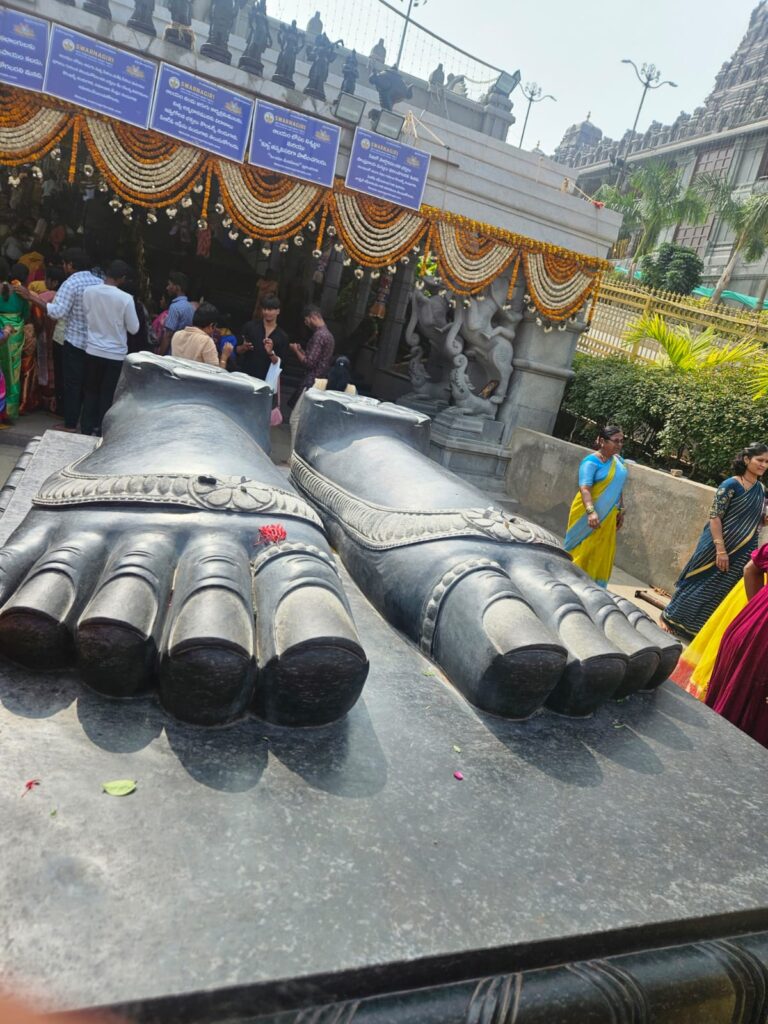
    Ideal Time to Visit: October to March is the ideal time to visit due to the pleasant weather. Summer months in Kurnool can be quite hot.

    Conclusion

    Andhra Pradesh’s forts offer a captivating journey through the region’s rich history and diverse cultural influences. From the grandeur of Chandragiri to the rugged beauty of Gandikota and the lesser-known gems like Mogalturu, each fort tells a unique story. Whether you’re a history buff, an architecture enthusiast, or simply a traveler seeking breathtaking views, exploring these fortifications is an enriching experience. Remember to plan your visits during the cooler months and check local information for the latest details. These forts stand as silent witnesses to the rise and fall of empires, offering a tangible connection to the past and a glimpse into the vibrant heritage of Andhra Pradesh.

    Frequently Asked Questions

    1Q: Which is the oldest fort in Andhra Pradesh?

    A: Gooty Fort is one of the oldest forts in Andhra Pradesh, built during the Vijayanagara Empire.

    2Q: Which fort is known as the ‘Grand Canyon of India’?

    A: Gandikota Fort is often referred to as the ‘Grand Canyon of India’ due to its breathtaking gorge formed by the Penna River.

    3Q: Which fort is famous for the Battle of Bobbili?

    A: Bobbili Fort is famous for the Battle of Bobbili, fought in 1757 between the Bobbili rulers and the French-backed Vizianagaram army.

    4Q: Which forts are located near rivers?

    A: Gandikota Fort is situated near the Penna River, offering stunning views of the gorge.

    5Q: Which fort has a unique entrance called ‘Singhadwara’?

    A: Vizianagaram Fort has a grand entrance known as “Singhadwara” (Lion’s Gate).

    Ultimate Spiritual Journey Plan to Char Dham (Yamunotri, Gangotri, Kedarnath, Badrinath)

    0

    Introduction

    The Char Dham Yatra in Uttarakhand is a pilgrimage covering four holy sites Yamunotri, Gangotri, Kedarnath, and Badrinath. Each of these shrines holds immense spiritual significance in Hinduism. Journey plan for Chardham yatra, Planning a pilgrimage requires careful preparation, including acquiring necessary permits, choosing the right season, and ensuring a safe and comfortable journey, especially for elderly pilgrims. This guide provides a step-by-step plan to make your Char Dham Yatra fulfilling and hassle-free.

    Journey plan for Chardham yatra

    Permits and Documentation

    Before embarking on your journey, ensure you have the necessary documents and permits for the Journey plan for the Chardham yatra.

    • Pilgrim Pass: It is mandatory to obtain a ‘Pilgrim Pass’ from the Garhwal Mandal Vikas Nigam (GMVN) or the Uttarakhand Government.
    • Identity Proof: Carry a valid ID proof such as an Aadhaar card, passport, or voter ID.
    • Health Certificate: Senior citizens and individuals with medical conditions should carry a health certificate from a registered medical practitioner.
    • Registration: Register online or offline for the Char Dham Yatra through the Uttarakhand Government portal.
    Permits and Documentation for Chardham yatra

    Also Read: Top 10 Best Places to Visit in Andhra Pradesh: A Complete Travel Guide


    Best Time to Visit

    • Ideal Months: May to June and September to October are the best times to visit, as the weather remains pleasant and roads are accessible.
    • Avoid Monsoon Season: July and August should be avoided due to heavy rainfall, landslides, and road closures.
    • Winter Closure: The temples remain closed from November to April due to heavy snowfall.

    Temple Opening & Closing Timings:

    • Yamunotri Temple Timings: 6:00 AM – 8:00 PM
    • Gangotri Temple Timings: 6:15 AM – 9:30 PM
    • Kedarnath Temple Timings: 4:00 AM – 9:00 PM
    • Badrinath Temple Timings: 4:30 AM – 9:30 PM

    Travel Itinerary & Route

    The traditional Char Dham route is as follows:

    1. Yamunotri → 2. Gangotri → 3. Kedarnath → 4. Badrinath
    Yamunotri, Gangotri. Kedarnath. Badrinath map route of Chardham yatra.

    Duration:

    • The complete Char Dham Yatra takes around 10–12 days.

    Must Read: Ultimate Guide fot Top 10 Must Visit South Indian Temples


    Transportation Options

    On Road:

    • Buses, taxis, and shared jeeps are available from Haridwar, Rishikesh, and Dehradun.

    By Air:

    • The nearest airport is Jolly Grant Airport (Dehradun). From there, taxis and buses are available.

    In Helicopter:

    • Helicopter services are available for elderly pilgrims, reducing travel time significantly.

    Accommodation Options

    Booking accommodations in advance is advisable, especially during the peak season of the Journey plan for the Chardham yatra.

    Best Accommodation Near Char Dham:


    Safety Tips

    • Check Weather Updates: Weather in the Himalayas changes rapidly.
    • Carry a Medical Kit: Include medicines, first aid, and altitude sickness tablets.
    • Keep Yourself Hydrated: To prevent dehydration, drink lots of water.
    • Acclimatization: First, spend a day adjusting to high altitudes before starting the journey. This will help your body acclimate and reduce the risk of altitude sickness.
    • Avoid Overexertion: Walk at a comfortable pace, especially for senior citizens, to ensure a safe and pleasant experience.

    Must Read: Ultimate Guide for Golden Triangle Travel: Delhi, Agra & Jaipur


    Essential Things to Carry

    Clothing:

    • Layered warm clothes, waterproof jackets, gloves, and thermal wear.

    Essentials:

    • Comfortable trekking shoes, raincoat, torch, power bank, snacks, and a water bottle.

    For Elderly Pilgrims:

    • Walking sticks, portable oxygen cans, prescribed medications, and foldable chairs.

    These are all essential things to carry out in the journey plan for the Chardham Yatra.


    Helicopter Services for Elderly Pilgrims

    • VIP Darshan: Helicopter services offer fast darshan without long queues.
    • Duration: Covers all four Dhams in 2-5 days.
    • Booking: Advance booking is necessary through authorized tour operators.
    Helicopter Services in Chardham Yatra

    Emergency Contacts

    • Local Authorities: Keep contact numbers of local police stations and hospitals.
    • Travel Insurance: Ensure you have travel insurance covering medical emergencies.
    • Helpline Numbers: Uttarakhand Tourism Helpline – 0135-2741600

    Also read: Exclusive of Gundlakamma Reservoir: A Vital Water Source in AP


    Destination Overview

    Yamunotri

    Yamunotri, located in the Indian state of Uttarakhand, is one of the Char Dham pilgrimage sites, dedicated to the Yamuna River. It holds religious significance as the place where the Yamuna River originates, and it is revered by Hindus for its connection to the goddess Yamuna. Pilgrims visit Yamunotri to seek blessings and purify themselves in the sacred waters.

    Yamunotri

    Significance:

    • Religious Importance: Yamunotri is the source of the Yamuna River, which is considered one of the seven holy rivers in Hinduism. It is believed to be the birthplace of Goddess Yamuna, the sister of Yama (the god of death).
    • Pilgrimage Site: As a Char Dham destination, it is part of a sacred circuit that attracts thousands of devotees annually.

    Attractions:

    • Yamunotri Temple: The temple dedicated to Goddess Yamuna is the central attraction. It features a hot spring nearby, where pilgrims take a dip.
    • Surya Kund: A thermal spring where devotees cook rice and potatoes wrapped in cloth as offerings.
    • Divya Shila: A rock pillar, which people worship before entering the temple, stands as a significant part of the ritual.
    • Scenic Beauty: Surrounded by majestic snow-capped peaks and lush landscapes, Yamunotri offers breathtaking views, making it an ideal destination for nature lovers and trekkers.

    Yamunotri offers both spiritual significance and natural beauty. Therefore, it becomes a must-visit destination for pilgrims and adventurers alike. In addition, its serene landscapes and sacred atmosphere attract those seeking both spiritual fulfillment and a connection with nature.
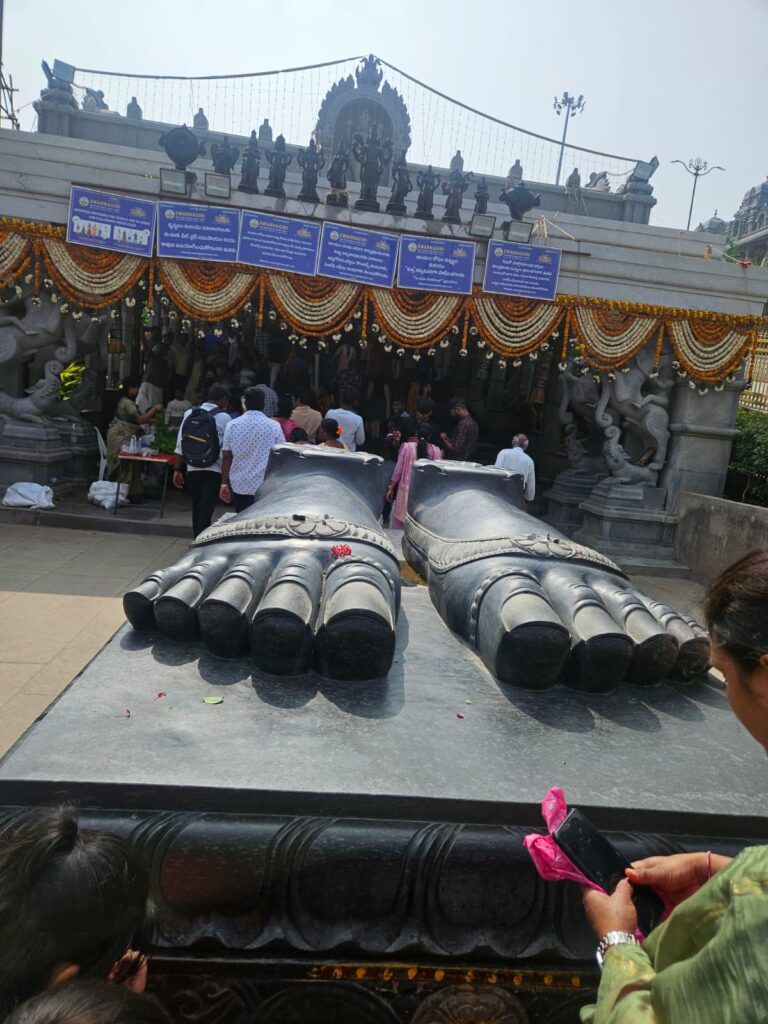

    Must Visit: Exclusive of Singarakonda Lakshmi Narasimha Swamy Temple


    Gangotri

    Gangotri, located in Uttarakhand, India, is a major pilgrimage site and one of the Char Dham destinations. It is the origin of the sacred Ganges River, which holds immense spiritual importance in Hinduism. Gangotri is revered as the place where Goddess Ganga descended to earth to purify the souls of the righteous.

    Gangotri

    Significance:

    • Religious Importance: Gangotri is the source of the Ganges River, considered one of the holiest rivers in Hinduism. It is believed that the river was brought to Earth by Lord Shiva to save the world.
    • Pilgrimage Site: As part of the Char Dham Yatra, it attracts thousands of devotees seeking blessings for spiritual purification and salvation.

    Attractions:

    • Gangotri Temple: The central attraction, dedicated to Goddess Ganga. Pilgrims visit to offer prayers and seek divine blessings.
    • Bhagirath Shila: A rock near the temple, believed to be where King Bhagirath meditated to bring Ganga to Earth.
    • Tapovan: A serene meadow near Gangotri, offering spectacular views of the Himalayas and a place for trekking.
    • Scenic Beauty: The region is surrounded by snow-capped peaks, lush forests, and glacial streams, providing breathtaking views and a tranquil atmosphere.

    Gangotri offers both spiritual significance and natural beauty. Consequently, it becomes a cherished destination for pilgrims and nature enthusiasts alike. In addition, its serene environment and picturesque landscapes add to its allure, drawing visitors seeking both spiritual solace and scenic tranquility.

    Kedarnath

    Kedarnath, located in Uttarakhand, India, is one of the holiest pilgrimage sites in Hinduism, and it forms part of the Char Dham circuit. It is dedicated to Lord Shiva and holds great religious significance as one of the twelve Jyotirlingas.

    Kedarnath

    Significance:

    • Religious Importance: People consider Kedarnath one of the most sacred temples dedicated to Lord Shiva. They believe that Lord Shiva appeared here in the form of a lingam to absolve the sins of devotees.
    • Pilgrimage Site: Kedarnath is an essential part of the Char Dham Yatra, attracting thousands of pilgrims who undertake the challenging journey for spiritual solace and blessings.

    Attractions:

    • Kedarnath Temple: The main attraction, an ancient temple nestled amidst the majestic Himalayas. It stands as a testimony to rich spiritual heritage and is one of the 12 Jyotirlingas.
    • Bhairav Nath Temple: This temple, located a short distance from Kedarnath, dedicates itself to Bhairav, who people believe to be the protector of Kedarnath.
    • Scenic Views: The temple offers stunning panoramic views of snow-capped mountains, including the Kedarnath peak, making it a captivating destination for trekkers and nature lovers.
    • Trekking: A popular trek from Gaurikund to Kedarnath takes pilgrims through beautiful landscapes, adding to the adventure of reaching the sacred site.

    Kedarnath combines deep spiritual significance with breathtaking natural beauty, making it an iconic destination for both religious devotees and trekkers.


    Badrinath

    Badrinath, located in Uttarakhand, India, is one of the most significant pilgrimage destinations in Hinduism and a vital part of the Char Dham circuit. People dedicate it to Lord Vishnu, and it holds immense religious importance.

    Badrinath

    Significance:

    • Religious Importance: Badrinath dedicates itself to Lord Vishnu and people believe it to be one of the holiest shrines in Hinduism. It is the site where Lord Vishnu meditated to attain eternal peace.
    • Pilgrimage Site: As a part of Char Dham Yatra, devotees consider it a must-visit destination for seeking divine blessings and spiritual purification.

    Attractions:

    • Badrinath Temple: The central attraction, an ancient temple dedicated to Lord Vishnu, located on the banks of the Alaknanda River. The temple is a masterpiece of architecture and spiritual importance.
    • Tapt Kund: A hot spring near the temple allows pilgrims to take a holy dip before visiting, believed to cleanse and purify the soul.
    • Mata Murti Temple: A temple dedicated to the mother of Lord Badrinath, Mata Murti, located near the Alaknanda River.
    • Scenic Beauty: Badrinath offers breathtaking views of snow-capped mountains, valleys, and rivers, making it a picturesque destination.

    Badrinath offers both spiritual significance and stunning natural beauty. Therefore, it becomes a key destination for pilgrims and nature enthusiasts alike. In addition, the serene surroundings and divine atmosphere further enhance its appeal to those seeking peace and reflection. Consequently, the site draws a diverse range of visitors, each seeking a unique experience.


    Also Read: Hyderabad to Tirupati Flights: Schedule, Ticket Prices, Distance & Booking Guide


    Conclusion

    A well-planned Char Dham Yatra ensures a smooth and spiritually enriching Journey plan for Chardham yatra. By choosing the right time, securing proper permits, booking accommodations in advance, and considering helicopter services for elderly pilgrims, you can make the pilgrimage both comfortable and memorable.

    First, selecting the right time is crucial to avoid extreme weather conditions, ensuring a smoother experience. Next, securing the necessary permits is important to ensure your entry to the sacred sites without any delays. In addition, booking accommodations in advance will help you avoid last-minute hassles, especially during peak pilgrimage season. Furthermore, considering helicopter services for elderly pilgrims can make the journey more accessible and convenient.

    Therefore, with thoughtful planning, you can ensure a comfortable and fulfilling pilgrimage experience. Finally, it’s important to stay informed and prepared to handle any unexpected situations, ensuring a smooth and memorable journey. I wish you a journey blessed with peace and devotion.


    Frequently Asked Questions (FAQs)

    1Q) What is Char Dham Yatra?

    ANS: The Char Dham Yatra is a pilgrimage covering Yamunotri, Gangotri, Kedarnath, and Badrinath in Uttarakhand.

    Q2) When is the best time to visit Char Dham Yatra?

    ANS: The best time is from May to June and September to October, avoiding monsoons and winter closures.

    Q3) Is registration required for Char Dham Yatra?

    ANS: Yes, online or offline registration is mandatory through the Uttarakhand Government portal.

    Q4) How long does the Char Dham Yatra take?

    ANS: The full pilgrimage takes around 10–12 days to complete.

    Q5) What are the transportation options for Char Dham Yatra?

    ANS: Pilgrims can travel by road, air (to Dehradun), or opt for helicopter services.

    Q6) Are there helicopter services for Char Dham Yatra?

    ANS: Yes, helicopter services are available, especially for elderly pilgrims, covering all four Dhams in 2-5 days.

    Q7) What essential items should pilgrims carry?

    ANS: Warm clothing, trekking shoes, raincoats, medical kits, and ID proofs are necessary.

    Q8) Is the Char Dham Yatra safe for elderly pilgrims?

    ANS: Yes, but they should carry a health certificate, medications, and consider helicopter services.

    Q9) Where can I stay during the Char Dham Yatra?

    ANS: You can find various budget and premium hotels near each Dham, and it is recommended to book in advance.

    Q10) What are the temple opening and closing timings?

    ANS: Timings vary, with most temples opening around 4:00-6:30 AM and closing by 9:30 PM.

    Ultimate Guide fot Top 10 Must Visit South Indian Temples

    0

    Introduction:

    South India is home to some of the most iconic temples, such as Meenakshi Temple in Madurai and Tirupati Balaji Temple. Top 10 Temples in South India. However, beyond these well-known pilgrimage sites, there exist numerous lesser-explored temples that boast unique history, architectural grandeur, and spiritual significance. This article explores 10 offbeat temples in South India that are worth visiting.


    1. Lepakshi Temple, Andhra Pradesh:

    History:

    The 16th-century Lepakshi Temple, located in the Anantapur district of Andhra Pradesh, stands dedicated to Lord Veerabhadra, an incarnation of Lord Shiva. King Achyuta Deva Raya built the temple during the reign of the Vijayanagara Empire. The temple holds mythological ties to the Ramayana, where people believe Lord Rama commanded the fallen Jatayu to rise, which is why they interpret the name “Lepakshi” as “rise, O bird.”

    Architecture:

    • Style: Dravidian architecture in the Vijayanagara style.

    Key Features:

    • Main Shrine (Sanctum): Dedicated to Lord Veerabhadra.
    • Ranga Mandapa: A hall for religious performances and dances.
    • Hanging Pillar: A unique pillar that seems suspended in mid-air, intriguing visitors.
    • Nandi Statue: A massive Nandi (bull) carved from a single stone.
    • Frescoes: Beautiful paintings depicting scenes from Hindu mythology, especially from the Ramayana and Mahabharata.

    Significance:

    • Religious: The temple is one of the most important pilgrimage sites for devotees of Lord Shiva and Lord Vishnu.
    • Cultural: Architects designed it as a masterpiece of Vijayanagara architecture, showcasing detailed sculptures and stunning frescoes.
    • Historical: The temple stands as a symbol of the grandeur of the Vijayanagara Empire, showcasing their architectural, artistic, and engineering expertise.

    Best Time to Visit:

    • Ideal Months: October to March, as the weather is pleasant and suitable for sightseeing.
    • Festivals: Devotees celebrate the temple with great fervor, especially during Shivaratri and Veerabhadra Jayanti.

    Timings:

    • Open Hours: 6:00 AM to 6:00 PM daily.
    • The temple remains open throughout the day for visitors, allowing enough time for exploration and worship.

    Location:

    • Address: Lepakshi Village, Anantapur District, Andhra Pradesh, India.
    • Distance: Approximately 15 km from the town of Hindupur and around 120 km from Bangalore.

    Lepakshi Temple is a must-visit for those interested in Indian culture, history, and architecture, Top 10 Temples in South India blog offers a glimpse into the rich legacy of the Vijayanagara Empire.


    Must know: Ultimate Guide for Golden Triangle Travel: Delhi, Agra & Jaipur


    2. Thirunelli Temple, Kerala:

    History:

    The people believe that Lord Brahma himself established the Thirunelli Temple, located in the Wayanad district of Kerala. This ancient Hindu temple, dedicated to Lord Vishnu, is over 1,000 years old and sits in the picturesque Pulpally village, surrounded by the beautiful Western Ghats. Local legend links the temple to the mythological belief that the great sage Narada performed a yajna (sacrifice) there to purify the world. The temple is renowned for its calm and reverent ambiance.

    Architecture:

    • Style: Kerala temple architecture, which typically features a traditional wooden structure.

    Key Features:

    • Sanctum Sanctorum: The temple’s main shrine houses an idol of Lord Vishnu in the form of Vishnu Moorthy.
    • Sreekovil (Sanctum): The temple enshrines the deity in its sacred inner chamber.
    • Mural Paintings: The temple features beautiful traditional Kerala-style murals on the walls.
    • Rooftop Structure: The temple has a typical Kerala temple roof, made of wooden tiles, providing a unique aesthetic.

    Significance:

    • Religious: Devotees highly revere Thirunelli Temple as a pilgrimage site, especially those seeking to perform rituals for their ancestors. They conduct the sacred ritual of “Pithru Tarpanam” (ancestor worship) to bring peace to their forefathers’ souls.
    • Cultural: The temple is part of Kerala’s rich religious traditions and holds a deep connection to local folklore.
    • Natural Beauty: The temple is located in the midst of dense forests, adding to its tranquil and divine atmosphere, making it a favorite spot for nature lovers.

    Best Time to Visit:

    • Ideal Months: October to March, during the cooler months, is the best time to visit Thirunelli Temple as the weather is pleasant.
    • Festivals: The most important festival celebrated here is Vishnu Puja during the Makaravilakku festival in January and Thirunelli Utsavam during the month of Karkidakam (July-August).

    Timings:

    • Open Hours: 5:00 AM to 12:00 PM and 4:00 PM to 7:00 PM daily.
    • The temple remains open for devotees during these hours for prayers and rituals.

    Location:

    • Address: Thirunelli Village, Wayanad District, Kerala, India.
    • Distance: The temple is around 32 km from Kalpetta (Wayanad district) and about 135 km from Kozhikode.

    Thirunelli Temple, nestled in the heart of nature, is a peaceful retreat for both spiritual seekers and nature enthusiasts. Top 10 Temples in South India blog offers. Its serene ambiance and historical significance make it a must-visit destination in Kerala.


    Also read: Top 10 Best Places to Visit in Andhra Pradesh: A Complete Travel Guide


    3. Kodachadri Temple, Karnataka:

    History:

    Kodachadri Temple is located in the Kodachadri hills in the Western Ghats of Karnataka, dedicated to Mookambika Devi, an incarnation of Goddess Parvati. The temple sits at an elevation of about 1,343 meters and forms part of the famous Mookambika Temple in Kollur. According to legend, people believe that the goddess killed the demon Mookasura at Kodachadri, and the hill and temple were named after him. It is an important pilgrimage site, attracting devotees who trek up the hill to reach the temple.

    Architecture:

    • Style: The temple follows traditional South Indian temple architecture, but its location and accessibility give it a unique charm.

    Key Features:

    • Main Shrine: The temple houses an idol of Goddess Mookambika, in her powerful form as the slayer of the demon Mookasura.
    • Simple Structure: People revere the temple for its historical and religious importance, even though they designed it to be relatively small and simple compared to other temples.
    • Natural Surroundings: The dense forests, hills, and waterfalls surrounding the temple enhance its spiritual significance, adding to its scenic beauty.

    Significance:

    • Religious: People associate the temple with Mookambika Devi and consider it an important place to offer prayers to the goddess for her divine blessings and protection. The temple forms part of a group of temples dedicated to Mookambika across the region.
    • Pilgrimage: Many devotees trek up to the temple as part of their spiritual journey. Pilgrims consider the Kodachadri hill sacred and believe that visiting this temple brings prosperity and peace.
    • Nature: The temple’s location in the midst of lush forests and hills makes it a popular destination for nature lovers and trekkers.

    Best Time to Visit:

    • Ideal Months: The best time to visit Kodachadri Temple is from October to March, during the cooler months, when trekking conditions are ideal.
    • Avoid Monsoon (June to September): The region experiences heavy rainfall during the monsoon, making trekking difficult and unsafe.

    Timings:

    • Open Hours: 6:00 AM to 6:00 PM daily.
    • The temple is open throughout the day for devotees and trekkers who reach the temple.

    Location:

    • Address: Kodachadri Hills, Kundapura Taluk, Udupi District, Karnataka, India.
    • Distance: The temple is about 30 km from Kundapura and around 80 km from Udupi.

    Kodachadri Temple, situated in the picturesque Western Ghats, is a serene pilgrimage spot, ideal for those who seek a blend of spirituality, nature, and adventure. Top 10 Temples in South India.


    Also Read: Exclusive of Singarakonda Lakshmi Narasimha Swamy Temple


    4. Kutralam Temple, Tamil Nadu:

    History:

    People dedicate the ancient Kutralam Temple, also known as Kutralanathar Temple, to Lord Shiva. It is located in the town of Kutralam in the Tirunelveli district of Tamil Nadu. People believe that the Pandya Dynasty established the temple, which holds rich historical significance, especially due to its association with the Kutralam Falls (also known as Courtallam Falls), considered sacred by the locals. People believe that the Tiruvacakam, a Tamil religious text, mentions the temple and the falls, further cementing the area’s historical and spiritual importance.

    Architecture:

    • Style: Dravidian temple architecture.

    Key Features:

    • Sanctum Sanctorum (Garbhagriha): The main shrine houses the idol of Kutralanathar (Lord Shiva), with his consort Kanya Kumari as the goddess in the temple’s adjacent shrine.
    • Pillared Mandapa: The temple features large mandapas (halls), with intricately carved stone pillars typical of Tamil Nadu temples.
    • Tower (Vimana): A towering gopuram (gateway tower) marks the temple’s entrance, adorned with vivid sculptures of various deities, an essential feature of Dravidian architecture.
    • Sacred Tank: Pilgrims associate the temple with a water tank and take a holy dip in the nearby Kutralam Falls, which they consider a purifying experience.

    Significance:

    • Religious: Kutralam Temple is an important pilgrimage destination for followers of Lord Shiva. People revere the temple for its spiritual connection to the Kutralam Falls, which they say has healing powers. Devotees believe the water from the falls has medicinal properties and use it for purification and wellness.
    • Cultural: The temple is an integral part of local Tamil culture, and it draws devotees not only for religious rituals but also for the therapeutic benefits of the surrounding waters.
    • Natural Beauty: The temple is located amidst lush greenery and hills, adding to its serene and tranquil atmosphere.

    Best Time to Visit:

    • Ideal Months: The best time to visit is between October to March when the weather is cool and pleasant.
    • Monsoon Season (June to September): While the monsoon season brings more water to the falls, it can make the area slippery, and heavy rains may disrupt travel plans.

    Timings:

    • Open Hours: 6:00 AM to 12:00 PM and 4:00 PM to 8:00 PM daily.
    • The temple remains open for devotees throughout the day during these hours for prayers and rituals.

    Location:

    • Address: Kutralam, Tirunelveli District, Tamil Nadu, India.
    • Distance: The temple is about 35 km from Tirunelveli and approximately 150 km from Madurai.

    Kutralam Temple, with its historic significance, spiritual atmosphere, and stunning natural beauty, is an essential destination for both devotees and nature lovers alike. Top 10 Temples in South India blog offers, Its combination of a sacred temple and healing waterfalls makes it a unique spot in Tamil Nadu.


    Must Know About: Exclusive of Gundlakamma Reservoir: A Vital Water Source in AP


    5. Kodandarama Temple, Andhra Pradesh:

    History:

    The Kodandarama Temple is an ancient and revered Hindu temple located in Kadapa, Andhra Pradesh. Locals believe that the Vijayanagara Empire constructed the temple dedicated to Lord Rama around the 14th century. People consider the temple historically significant as one of the oldest shrines dedicated to Lord Rama in southern India. There People associate the temple with the legendary Ramayana and say that Lord Rama, along with his consort Sita and brother Lakshmana, stopped there during their exile.

    Architecture:

    • Style: Dravidian architecture, influenced by the Vijayanagara style.

    Key Features:

    • Main Shrine (Sanctum Sanctorum): The temple houses an idol of Lord Rama, standing along with his consort Sita and brother Lakshmana.
    • Gopuram: Sculptors intricately designed the entrance tower or gopuram with several sculptural details depicting stories from the Ramayana.
    • Mandapas: The temple has multiple mandapas (halls), including a hall for devotees to gather and worship.
    • Chandramouleshwara Shrine: The temple honors both Rama and Shiva by featuring a separate shrine dedicated to Lord Shiva, highlighting its inclusive nature.

    Significance:

    • Religious: The Kodandarama Temple is an important pilgrimage site, especially for devotees of Lord Rama. The temple’s association with Lord Rama and his journey during the exile makes it a sacred place for prayer and worship.
    • Cultural: It is a significant part of the region’s cultural heritage, with rituals and festivals that draw people from nearby areas.
    • Mythological Connection: People believe that Lord Rama bathed in the Tungabhadra River during his exile, which adds to the temple’s spiritual importance due to its proximity to the river.

    Best Time to Visit:

    • Ideal Months: The best time to visit the Kodandarama Temple is during the cooler months, from October to March. This is when the weather is more pleasant for travel and outdoor activities.
    • Festivals: The temple is especially vibrant during Rama Navami, the festival celebrating the birth of Lord Rama, typically observed in March or April.

    Timings:

    • Open Hours: 6:00 AM to 12:00 PM and 4:00 PM to 8:00 PM daily.
    • The temple remains open for devotees and tourists during these hours, allowing ample time for prayers and exploration.

    Location:

    • Address: Kodandarama Temple, Kadapa, Andhra Pradesh, India.
    • Distance: The temple is about 1 km from the Kadapa Railway Station and approximately 120 km from Tirupati.

    The Kodandarama Temple is an iconic religious and cultural site, attracting pilgrims and visitors with its peaceful ambiance, historic significance, and architectural beauty. Top 10 Temples in South India blog offers, It is an excellent place for spiritual reflection and learning about the Ramayana’s cultural impact in South India.


    Also Read: Best Beaches in Andhra Pradesh for a Relaxing Vacation | Travel Guide


    6. Kodungallur Bhagavathy Temple, Kerala:

    History:

    The Kodungallur Bhagavathy Temple, located in Kodungallur in the Thrissur District of Kerala, is one of the oldest and most significant temples dedicated to Bhagavathy (Goddess Durga). People believe the temple is over 2,000 years old and closely linked to the worship of Bhagavathy (an incarnation of Goddess Parvati), steeping it in ancient history and mythological significance. People believe that Parasurama, the mythical sage and avatar of Lord Vishnu, originally constructed the temple, according to legend.

    Locales associate the temple with the Legend of the Rakshasas, where they believe that Rakshasas (demons) once tried to attack the goddess but she defeated them with her divine powers. This victory over evil is a central theme in the temple’s spiritual significance.

    Architecture:

    • Style: Traditional Kerala temple architecture.

    Key Features:

    • Main Shrine (Sanctum Sanctorum): People dedicate the temple to Bhagavathy, placing the idol of the goddess in the sanctum. Devotees highly revere the idol as a symbol of divine power.
    • Shikhara: The temple has a typical Kerala-style shikhara (roof tower) with intricate carvings.
    • Pillared Mandapas: The temple has large open halls and mandapas supported by beautifully carved stone pillars.
    • Sacred Tank: There is a holy tank in front of the temple where devotees take a ritualistic dip before entering the temple.

    Significance:

    • Religious: The temple is one of the major pilgrimage sites in Kerala, particularly for worshippers of Goddess Durga. People believe that offering prayers to Bhagavathy brings blessings, protection, and prosperity. People know the temple for its association with removing evil influences and ensuring safety from harm.
    • Cultural: The temple holds great cultural and spiritual significance in Kerala. It is a center of religious learning and worship.
    • Legendary Connection: The temple is also famous for its connection to the Kodungallur Bharani Festival, which is one of the largest and most vibrant festivals in Kerala, attracting thousands of devotees every year. This festival celebrates the goddess’s victory over the demons.

    Best Time to Visit:

    • Ideal Months: The best time to visit is from October to March when the weather is cooler and pleasant for travel.
    • Festival: The Kodungallur Bharani Festival, celebrated in February or March, is the most significant time to visit. During this festival, the temple is filled with fervor, rituals, and processions, drawing large crowds.

    Timings:

    • Open Hours: 4:00 AM to 12:00 PM and 5:00 PM to 8:00 PM daily.
    • The temple remains open for devotees during these hours, and special rituals are held during festivals.

    Location:

    • Address: Kodungallur Bhagavathy Temple, Kodungallur, Thrissur District, Kerala, India.
    • Distance: The temple is approximately 38 km from Thrissur and around 45 km from Cochin (Kochi).

    The Kodungallur Bhagavathy Temple is an iconic spiritual destination, combining rich history, mythology, and Kerala’s unique temple architecture. Top 10 Temples in South India blog offers, It is especially famous for its religious rituals and grand festivals, making it a must-visit for devotees and tourists exploring Kerala’s cultural heritage.


    Must Read: Ultimate Guide for Golden Triangle Travel: Delhi, Agra & Jaipur


    7. Srikalahasti Temple, Andhra Pradesh:

    History:

    The Srikalahasti Temple is one of the most famous Hindu temples in Andhra Pradesh, dedicated to Lord Shiva in the form of Srikalahasteeswara. Located in the town of Srikalahasti in Chittoor District, the temple has a rich history dating back to over 2,000 years. It is believed to have been constructed during the Pallava dynasty in the 5th century and later expanded during the Chola and Vijayanagara periods.

    The temple is steeped in mythology and is associated with several legends. One of the most popular legends involves Vayu (the Wind God), who is said to have created the temple by blowing the idol of Lord Shiva to the surface of the earth. It is also linked to the story of Kalahasti, the sage, who is said to have meditated at the site.

    Architecture:

    • Style: Dravidian architecture, with influences from the Chola and Vijayanagara periods.

    Key Features:

    • Sanctum Sanctorum (Garbhagriha): The main shrine houses the idol of Srikalahasteeswara, which is a unique representation of Lord Shiva. The sanctum is surrounded by intricately carved walls and pillars.
    • Gopuram (Entrance Tower): The temple’s grand entrance features a towering gopuram, adorned with beautiful sculptures depicting scenes from Hindu mythology.
    • Raya Gopuram: This impressive structure leads to the inner sanctum and is considered an architectural marvel.
    • Pillared Mandapas: The temple has several large mandapas (halls) with finely carved stone pillars, showcasing the skill of ancient artisans.
    • Vimana (Shikhara): The temple features a prominent vimana (roof tower) over the sanctum, characteristic of Dravidian temple architecture.

    Significance:

    • Religious: The temple is one of the Pancha Bhoota Stalams—the five sacred temples dedicated to the elements. Srikalahasti represents Vayu (the wind element) and is known as the “Kailash of the South.”
    • Pilgrimage: It is a highly revered temple for Lord Shiva and attracts thousands of devotees, especially those seeking to perform Rudra Abhishekam and Vayu Pooja (prayers to the wind god).
    • Mythological: The temple is associated with several legends, including the story of Sage Vayu, and the importance of spiritual purity and meditation in achieving moksha (liberation).

    Best Time to Visit:

    • Ideal Months: The best time to visit Srikalahasti Temple is between October and March, when the weather is cooler and more comfortable for travel.
    • Festivals: The temple sees a huge influx of devotees during festivals like Shivaratri, Karthika Masam, and Navaratri. During Shivaratri, special rituals and prayers are conducted.

    Timings:

    • Open Hours: 6:00 AM to 9:00 PM daily.
    • The temple remains open for worship and prayer throughout the day, with multiple rituals conducted in the morning and evening.

    Location:

    • Address: Srikalahasti Temple, Srikalahasti, Chittoor District, Andhra Pradesh, India.
    • Distance: The temple is approximately 36 km from Tirupati and 175 km from Chennai.

    The Srikalahasti Temple is an iconic pilgrimage site for devotees of Lord Shiva, known for its historical, architectural, and spiritual significance. Top 10 Temples in South India blog offers, Its serene location and the powerful presence of the temple make it an essential visit for anyone exploring the religious and cultural heritage of Andhra Pradesh.


    Also Read: Hyderabad to Tirupati Flights: Schedule, Ticket Prices, Distance & Booking Guide


    8. Kumbakonam Temples, Tamil Nadu

    History:

    Kumbakonam, located in the Thanjavur district of Tamil Nadu, is often referred to as the “Temple Town” due to the large number of ancient temples that dot the area. The town has a rich cultural and historical significance, particularly in the Chola period (9th to 13th centuries), when it was a center of culture, education, and religion. Many of the temples in Kumbakonam were built or renovated during the reigns of the Chola, Pandya, and Vijayanagara dynasties.

    Notable temples in Kumbakonam include the famous Adikumbeswarar Temple, Sarangapani Temple, Kumbeswarar Temple, and Ramaswamy Temple, among others. Each temple has its own unique legend and significance, with some tied to the great Hindu epics, like the Ramayana and Mahabharata.

    Architecture:

    • Style: Dravidian temple architecture, with ornate sculptures and towering gopurams (entrance towers).

    Key Features:

    • Gopurams: The temples are known for their massive, intricately designed gopurams, which are adorned with sculptures of gods, goddesses, and mythological creatures.
    • Sanctum Sanctorum (Garbhagriha): Each temple has a central sanctum that houses the main deity. The idols are usually beautifully carved and made of stone or metal.
    • Mandapas: Many temples have large pillared halls (mandapas) for gathering devotees and conducting rituals.
    • Vimana: A prominent tower or vimana above the sanctum represents the celestial abode of the deity.
    • Water Tanks and Theerthams: Many temples in Kumbakonam are built near sacred water bodies or have their own temple tanks (theerthams) for ritual baths.

    Significance:

    • Religious: Kumbakonam is home to several of the most sacred temples in Tamil Nadu. These temples are dedicated to various deities like Shiva, Vishnu, Kali, and Saraswati, and they serve as important pilgrimage sites for devotees.
    • Cultural: Kumbakonam is deeply intertwined with the cultural heritage of Tamil Nadu. Many festivals, rituals, and religious practices are held at these temples throughout the year, drawing large crowds of devotees. It is especially known for the grand celebrations of Mahashivaratri, Vaikunta Ekadasi, and Navaratri.
    • Astronomical and Mythological: Kumbakonam is known for its connections to ancient astronomy and Hindu mythology, with some temples believed to be aligned with cosmic events or marking key astronomical positions.

    Best Time to Visit:

    • Ideal Months: The best time to visit Kumbakonam is during the cooler months, from October to March, when the weather is more comfortable for sightseeing.
    • Festivals: The temples host many important festivals throughout the year, such as Mahashivaratri (celebrating Lord Shiva), Vaikunta Ekadasi (celebrating Lord Vishnu), and Navaratri (celebrating Goddess Durga). These festivals are a great time to experience the grandeur of the temples.

    Timings:

    • Open Hours: Most temples in Kumbakonam open around 6:00 AM to 12:00 PM and then again from 4:00 PM to 8:00 PM for evening rituals.
    • Rituals and Festivals: Special pujas and rituals are performed at specific times throughout the day, especially during festivals.

    Location:

    • Address: Kumbakonam, Thanjavur District, Tamil Nadu, India.
    • Distance: Kumbakonam is about 40 km from Thanjavur and 250 km from Chennai.

    Kumbakonam is an essential destination for anyone interested in exploring the religious, architectural, Top 10 Temples in South India blog offers and cultural richness of Tamil Nadu. The town’s temples are not just places of worship but also cultural hubs that reflect the artistic brilliance of ancient Tamil architecture and traditions.


    Must Visit: Hyderabad Rajiv Gandhi International Airport: A Comprehensive Guide to Domestic and International Flights


    9. Bhagavathy Temple, Kerala

    History:

    The Bhagavathy Temple is an ancient Hindu temple dedicated to Bhagavathy, a form of Goddess Durga. The temple is located in Kerala, and it holds great historical and religious significance, especially in the local Hindu community. The worship of Bhagavathy is central to the region’s cultural practices, as the goddess is considered a protector and an embodiment of power. Various versions of the temple can be found across Kerala, each having its unique history and mythological connection.

    One prominent Bhagavathy Temple is the Sree Bhagavathy Temple in Kottakkal, Malappuram District, which is famous for its spiritual importance. According to local legends, the goddess was believed to have incarnated to protect the people from evil forces, and her power is said to bless devotees with protection, wealth, and prosperity.

    Architecture:

    • Style: Traditional Kerala temple architecture, characterized by simplicity and elegance.

    Key Features:

    • Main Shrine (Sanctum Sanctorum): The temple houses the idol of Bhagavathy (Durga), often depicted as a fierce and protective form, in a beautifully decorated sanctum.
    • Gopuram (Entrance Tower): Many Bhagavathy temples have a traditional gopuram, an intricately carved tower at the entrance.
    • Mandapas: Kerala temples typically feature large open halls or mandapas for devotees to gather, pray, and engage in rituals.
    • Wooden and Stone Carvings: The temples often feature impressive wooden and stone carvings depicting scenes from Hindu mythology.
    • Sacred Tank (Theertham): Some temples have sacred water tanks, where devotees take a ritualistic dip before entering the temple.

    Significance:

    • Religious: The Bhagavathy Temple is a central place of worship for devotees of Durga and Bhagavathy. The goddess is worshipped for protection, health, wealth, and victory over evil. The temple is especially significant in the context of Shakti worship, which emphasizes the divine feminine energy.
    • Cultural: In Kerala, people consider Bhagavathy temples not only religious centers but also important cultural hubs, where they celebrate festivals and rituals with great fervor. The Thiruvathira festival is particularly important, marking the goddess’s victory over demons.
    • Mythological: The temple is often tied to regional myths, such as the story of Mahishasura, the demon king defeated by Goddess Durga. These stories are integral to the temple’s rituals and festivals.

    Best Time to Visit:

    • Ideal Months: The best time to visit the Bhagavathy Temple is between October and March when the weather is cooler and more comfortable for travel and exploration.
    • Festivals: Visiting during festivals like Navaratri, Thiruvathira, and Vishu offers an opportunity to witness grand celebrations, processions, and rituals in the temple.

    Timings:

    • Open Hours: 5:00 AM to 12:00 PM and 4:00 PM to 8:00 PM daily.
    • Temples are open for regular prayers during these times, with special rituals and offerings conducted in the morning and evening.

    Location:

    • Address: Bhagavathy Temple, Kottakkal, Malappuram District, Kerala, India.
    • Distance: It is around 10 km from Malappuram and 50 km from Kozhikode.

    The Bhagavathy Temple is a perfect blend of spirituality, cultural heritage, and architectural beauty. Top 10 Temples in South India blog offers a peaceful and divine atmosphere for worship and reflection, making it an important pilgrimage site for devotees of Goddess Durga in Kerala.


    Must Visit: Ultimate View of Vodarevu Beach A Hidden Coastal Gem of AP


    10. Chennakeshava Temple, Aralaguppe, Karnataka

    History:

    The Chennakeshava Temple in Aralaguppe, located in the Tumkur District of Karnataka, is a significant example of Hoysala architecture. King Vishnuvardhana of the Hoysala dynasty constructed the temple in the 12th century. The temple is dedicated to Lord Vishnu in his incarnation as Chennakeshava (the “handsome Vishnu”).

    People recognize Aralaguppe for its historical and cultural importance, and the Chennakeshava Temple stands as one of the lesser-known but exquisitely crafted temples of the Hoysala era. Despite being smaller in comparison to other Hoysala temples like the Chennakeshava Temple at Belur, it still showcases the grandeur and intricacy of Hoysala art and architecture.

    Architecture:

    • Style: Hoysala architecture, characterized by intricate carvings and detailed sculptures on stone.

    Key Features:

    • Sanctum Sanctorum (Garbhagriha): The main deity of the temple is Chennakeshava, represented in the form of a beautifully sculpted idol. The builders constructed the sanctum with precision, following traditional Hoysala architectural principles.
    • Vimana (Shikhara): The tower above the sanctum (vimana) is typical of Hoysala-style architecture, though it is smaller than some other grander Hoysala temples.
    • Jagati (Platform): The builders constructed the temple on a raised platform (known as a jagati), a feature commonly found in Hoysala temples. The platform helps to elevate the temple and protect it from the elements.
    • Carvings and Sculptures: Detailed carvings of gods, goddesses, mythical creatures, and scenes from Hindu epics like the Mahabharata and Ramayana adorn the temple walls. The intricate stonework showcases the craftsmanship of the Hoysala dynasty.
    • Pillars: The temple has beautifully carved stone pillars, some with fine sculptures, reflecting the Hoysala attention to architectural and artistic details.

    Significance:

    • Religious: Devotees of Lord Vishnu, especially in the region, consider the Chennakeshava Temple an important site dedicated to Lord Vishnu. The temple serves as a place of spiritual worship and reverence.
    • Architectural Significance: The temple is an excellent example of Hoysala architecture, known for its precise geometry, detailed sculptures, and ornamental decoration. It is a must-visit for those interested in ancient Indian temple architecture.
    • Cultural: The temple holds cultural and historical value in Karnataka, as it reflects the grandeur of the Hoysala dynasty and its contribution to art, culture, and religion.

    Best Time to Visit:

    • Ideal Months: The best time to visit the Chennakeshava Temple is between October and March, when the weather is cooler and ideal for sightseeing.
    • Festivals: Devotees often visit the temple during festivals like Vaikuntha Ekadasi and Rama Navami, where they conduct special prayers and rituals

    Timings:

    • Open Hours: The temple generally remains open from 6:00 AM to 12:00 PM and 4:00 PM to 8:00 PM daily.
    • Visitors can attend morning and evening prayers and take in the temple’s architectural beauty.

    Location:

    • Address: Chennakeshava Temple, Aralaguppe, Tumkur District, Karnataka, India.
    • Distance: Aralaguppe is located approximately 15 km from Tiptur and 95 km from Bengaluru.

    The Chennakeshava Temple in Aralaguppe is an exquisite gem of Hoysala architecture, combining deep historical significance with intricate craftsmanship. Top 10 Temples in South India This blog offers a serene experience for those interested in exploring Karnataka’s rich cultural and architectural heritage.


    Must Visit: Exclusive Bhairavakona Temple A Mystical Gem in Andhra Pradesh


    Conclusion

    These 10 offbeat temples in South India remain hidden gems, waiting to be discovered. Top 10 Temples in South India From architectural brilliance to spiritual significance, each temple offers a unique experience. Next time you plan a temple tour, go beyond the usual pilgrimage sites and discover these wonders.

    Travel Tips

    • Best time to visit: October to March for pleasant weather.
    • Dress modestly and follow temple etiquette.
    • Plan ahead for festivals and rituals to experience the temple culture fully.

    Frequently Asked Questions (FAQs)

    Q1) What are the must-visit offbeat temples in South India?

    ANS: Lepakshi, Thirunelli, Kodachadri, Kutralam, Kodandarama, Kodungallur Bhagavathy, Srikalahasti, Kumbakonam, Bhagavathy, and Chennakeshava Temples.

    Q2) When is the best time to visit these temples?

    ANS: October to March offers pleasant weather for travel.

    Q3) Is there a dress code for visiting these temples?

    ANS: Yes, modest attire is recommended, with some requiring traditional clothing.

    Q4) Are these temples open to all visitors?

    ANS: Most temples allow all visitors, but some have restrictions for non-Hindus.

    Q5) Do these temples charge an entry fee?

    ANS: Generally, entry is free, but special poojas may have charges.

    Q6) Are these temples accessible for elderly visitors?

    ANS: Some are easily accessible, but temples like Kodachadri may require trekking.

    Q7) What festivals are best to experience at these temples?

    ANS: Maha Shivaratri, Navaratri, and Panguni Uthiram are major festivals.

    Q8) How can I reach these temples?

    ANS: They are well-connected by road, rail, and nearby airports.

    Q9) Are accommodations available near these temples?

    ANS: Yes, guesthouses, dharmashalas, and hotels are available nearby.

    10) Can tourists participate in temple rituals?

    ANS: Yes, but it’s best to check in advance for booking and guidelines.

    Home
    About Us
    Destination
    Search