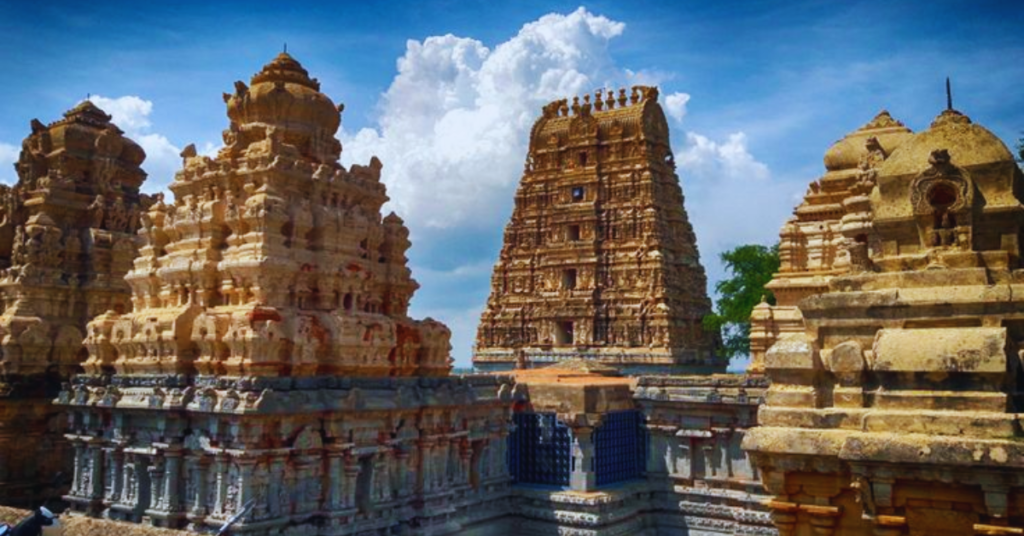

Nestled in the lush green hills of Northeast India, Nagaland is a land of vibrant traditions, ancient customs, and a rich tribal heritage. Among its many cultural treasures, the Nagaland Hornbill Festival is a spectacular celebration of Naga culture, drawing travelers from across the globe. This festival, often referred to as the “Festival of Festivals,” offers a mesmerizing insight into the lives of the Naga tribes. However, as a responsible traveler, it’s important to embrace ethical tourism practices that respect local communities and their traditions.
Let’s dive into the magic of the Hornbill Festival, explore its significance, and learn how to be a responsible visitor while experiencing this grand cultural event.
The History Behind the Hornbill Festival:
Nagaland’s indigenous tribes have a rich and diverse history, with each tribe maintaining its own distinct identity, language, customs, and governance system. The Hornbill Festival was conceived as a way to bring these tribes together, promote cultural understanding, and boost tourism. Over the years, it has evolved into one of India’s most significant tribal festivals, drawing visitors from around the world.
Beyond the festivities, the event serves as a platform for cultural exchange, where visitors can interact with tribal elders, artisans, and performers. It is a living museum of traditions, offering an opportunity to experience Nagaland’s cultural essence firsthand.
Held annually from December 1st to 10th in Kisama Heritage Village, near Kohima, the capital of Nagaland, the Hornbill Festival was initiated in 2000 by the Government of Nagaland. It aims to promote and preserve the unique heritage of Nagaland’s 16 major tribes while fostering unity among them.
Why is it Called the Hornbill Festival?
The festival is named after the Great Indian Hornbill, a bird that holds a special place in Naga folklore and traditions. Symbolizing beauty, bravery, and strength, the tribes deeply revere the hornbill, and its presence is often depicted in their dances, art, and traditional attires.
Festival Highlights: What to Expect?
The Hornbill Festival is a grand showcase of Nagaland’s rich heritage, featuring an array of cultural performances, indigenous games, handicrafts, and culinary delights. Here’s what you can look forward to:
Traditional Dances & Music: Witness mesmerizing performances, including warrior dances of the Ao tribe and soulful folk songs of the Angami tribe.
Tribal Art and Craft Exhibitions: Explore stunning displays of handcrafted jewelry, traditional attire, and indigenous weapons.
Indigenous Sports Competitions: Enjoy thrilling events like Naga wrestling, archery, and traditional bamboo pole climbing.
Ethnic Food & Drink Festival: Savor local delicacies such as smoked pork, bamboo shoot curry, and rice beer (Zutho).
Hornbill Rock Contest: Experience one of India’s biggest rock music competitions featuring bands from across the country.
Night Bazaar: Shop for souvenirs and taste authentic Naga street food under the beautifully lit market lanes.
Traditional Morungs (Tribal Huts) Visit: Learn about the different tribes by visiting their traditional morungs (dormitory huts) that display their unique customs and artifacts.
Heritage Walks & Folklore Storytelling: Engage in guided tours and storytelling sessions to understand the deep-rooted traditions of Nagaland.
Ethical Travel Practices: How to Be a Responsible Visitor
As the Hornbill Festival gains popularity, it is important to be a conscious traveler who respects the traditions and environment of Nagaland. Here’s how you can make your visit more responsible:
1. Respect Local Customs
Always seek permission before taking photos, especially during rituals or ceremonies.
Dress modestly and avoid disrupting cultural performances.
2. Support Local Economies
Buy handmade crafts and souvenirs directly from artisans to support their livelihood.
Eat at local family-run eateries instead of large commercial outlets.
3. Minimize Environmental Impact
Avoid littering and use reusable water bottles and bags.
Choose eco-friendly accommodations that promote sustainable tourism.
4. Engage with the Community
Take time to learn about the history and traditions of the Naga tribes.
Participate in community-led activities rather than commercial tourist traps.
5. Travel with Reputable Tour Operators
Choose ethical travel agencies that prioritize sustainable tourism and have a deep respect for Naga culture.
The Hornbill Festival takes place from December 1st to 10th, during Nagaland’s pleasant winter season. It’s advisable to book accommodations and transport well in advance, as the festival attracts thousands of visitors.
A Journey Beyond the Festival:
While the Hornbill Festival is the highlight, Nagaland has much more to offer. Extend your trip to explore these fascinating destinations:
Khonoma Village: India’s first green village, known for its sustainable practices.
Dzukou Valley: A paradise for trekkers and nature lovers, famous for its stunning landscapes.
Japfu Peak: Home to the world’s tallest rhododendron tree.
Kohima War Cemetery: A tribute to the soldiers who fought in World War II.
Touphema Tourist Village: Experience authentic Naga life with community-led tourism.
Visiting the Hornbill Festival in Nagaland is more than just a trip; it’s an immersive journey into the heart of a rich cultural legacy. By traveling ethically and respectfully, you not only enhance your experience but also support the preservation of Naga heritage.
So pack your bags, embrace the adventure, and witness the magic of the Hornbill Festival—a cultural spectacle like no other.
Frequently Asked Questions (FAQs):
Q1) What is the Hornbill Festival?
ANS: The Hornbill Festival is an annual cultural festival in Nagaland, held from December 1st to 10th in Kisama, showcasing the traditions of the state’s 16 major tribes.
Q2) Where is the Hornbill Festival celebrated?
ANS: The festival takes place at the Kisama Heritage Village, about 12 km from Kohima, the capital of Nagaland.
Q3) How can I reach the Hornbill Festival?
ANS: The nearest airport is Dimapur Airport, about 74 km from Kohima. From there, you can take a taxi or a shared cab to reach the festival site.
Q4) What activities can visitors enjoy at the festival?
ANS: Visitors can enjoy traditional dances, folk music, indigenous games, Naga cuisine, handicraft shopping, and rock concerts during the festival.
Q5) Is the Hornbill Festival eco-friendly?
ANS: The festival promotes sustainable tourism by encouraging eco-friendly travel, supporting local artisans, and preserving Nagaland’s cultural heritage.
The Kerala backwaters, a stunning network of lakes, canals, and lagoons, offer two distinct ways to explore their beauty: kerala houseboat and kayaking. Each provides a unique experience, catering to different preferences and budgets. Whether you want a luxurious and leisurely cruise or an active and immersive journey, this guide will help you decide the best option for your trip.
Houseboat Experience: Luxury on the Water
Costs of Houseboats
Houseboat prices in Kerala vary based on type and amenities:
Deluxe Houseboat: ₹8,500 – ₹28,500 per day
Premium Houseboat: ₹12,500 – ₹31,000 per day
Luxury Houseboat: ₹14,500 – ₹37,000 per day
Traditional Kettuvallam: ₹22,000 – ₹33,000 per day
Prices may fluctuate depending on the season, number of bedrooms, air conditioning, and onboard services. Many houseboats offer full-board packages, includingtraditional Kerala meals.
Popular Houseboat Routes
1. Alleppey (Alappuzha) – The Bustling Backwaters
Known as the “Venice of the East,” Alleppey is the premier destination for houseboat cruises. This area is known for its network of canals, lush paddy fields, and lively waterfront villages. Popular routes include:
Alleppey Round Trip: Covers scenic canals, local villages, and lakes.
Alleppey to Kumarakom: A longer route that combines both bustling and serene environments.
Alleppey to Alumkadavu: A less-explored option offering a glimpse into traditional boat-building yards.
Located near Vembanad Lake, Kumarakom is perfect for those seeking a peaceful experience. The houseboat cruises here focus on tranquility and nature, with routes passing through bird sanctuaries and pristine waters.
Kumarakom Round Trip: A calm journey around the lake and nearby villages.
Kumarakom to Pathiramanal Island: A route filled with birdwatching opportunities and untouched landscapes.
Eco-Friendly Houseboat Options
Choose houseboats constructed with sustainable materials like bamboo and coir.
Opt for solar-powered boats or those using biogas systems.
Support homestays and eco-tourism initiatives in local villages.
Best Time to Visit for Houseboat Cruises
Peak Season: October to March (with pleasant weather, perfect for sightseeing).
Off-Season: April to September (hot and humid, but lower prices and fewer crowds).
Houseboat Timings: Most houseboat cruises begin at 12:00 PM and dock by 5:30 PM, with overnight stays providing early morning views.
Kerala houseboat and kayaking: Which One Should You Choose?
Feature
Houseboat
Kayak
Cost
₹8,500 – ₹37,000 per day
₹300 – ₹5,000 per session
Best For
Luxury, relaxation, group travel
Adventure, solo, or small-group travel
Routes
Wider canals and lakes
Narrow canals and hidden spots
Eco-Friendliness
Varies by boat type
Highly eco-friendly
Best Time to Visit
October to March
October to March
Conclusion:
Both Kerala houseboat and kayaking offer unforgettable experiences in Kerala’s backwaters. If you want a luxurious, leisurely journey with onboard comforts, a houseboat cruise in Alleppey is the best choice. If you prefer adventure, personal exploration, and a closer connection with nature, kayaking in Kumarakom is ideal. No matter which experience you choose, practicing eco-friendly travel will help preserve Kerala’s backwaters for future generations.
Plan your trip wisely, and embrace the magic of Kerala’s backwaters.
Frequently Asked Questions (FAQs)
Q1) Which is better for a relaxing experience, a houseboat or a kayak?
ANS: A houseboat offers a luxurious and leisurely cruise, while a kayak provides a more active and immersive experience.
Q2) What is the best time to visit Kerala’s backwaters?
ANS: October to March is ideal due to pleasant weather and calm waters.
Q3) Are houseboats in Kerala eco-friendly?
ANS: Some houseboats use solar power and eco-friendly materials; choosing these options helps preserve the environment.
Q4) How much does a kayaking trip cost in Kerala?
ANS: Prices range from ₹300 per hour to ₹5,000 for full-day guided tours.
Q5) Which backwater destination is better: Alleppey or Kumarakom?
ANS: Alleppey is lively and popular, while Kumarakom offers a quieter and more serene experience.
Nelapattu Bird Sanctuary is a hidden gem for nature enthusiasts and bird watchers. Located in Andhra Pradesh, it is one of the largest pelican breeding sites in South India. This sanctuary is not only home to spot-billed pelicans. But also shelters over 189 species of birds, making it a must-visit destination for wildlife lovers.
This blog provides a detailed guide about the sanctuary’s location, bird species, best visiting time, activities, facilities, and nearby attractions. Whether you are a bird lover, photographer, or traveler. Nelapattu offers an unforgettable experience.
History and Significance
Nelapattu Bird Sanctuary was declared a protected area in 1976 to conserve its rich biodiversity. Over the years, it has become an important breeding ground for migratory birds. Especially spot-billed pelicans, which travel thousands of kilometers from far-off regions.
This sanctuary is unique because of its wetland ecosystem. Which provides an ideal nesting ground for birds. The presence of Barringtonia Acutangula (freshwater mangrove trees) makes it a suitable breeding spot for pelicans and other birds. The sanctuary also plays a crucial role in preserving the ecological balance by maintaining water bodies that support both birds and aquatic life.
Birds Found in Nelapattu Bird Sanctuary
The sanctuary is home to 189 species of birds, both migratory and resident.
A. Migratory Birds
Spot-billed Pelican (Main Attraction) – Large birds with long beaks and pouches that nest in trees from October to March.
Open-billed Storks – Known for their curved beaks, which help them catch snails.
Asian Openbill – A type of stork commonly found in wetlands.
Painted Storks – Recognizable by their colorful feathers.
Grey Herons – Large birds were often seen standing still in water.
Little Cormorants – Blackbirds that dive into the water to catch fish.
Egrets – Elegant white birds found near lakes and ponds.
Night Herons – Birds that are active during the night.
B. Resident Birds
Kingfishers – Small birds that hunt for fish near water bodies.
Parakeets – Bright green birds known for their chirping sounds.
Pond Herons – Found near shallow waters, waiting to catch fish.
Spotted Doves – Small, beautiful birds with spotted feathers.
Cattle Egrets – Often seen near cattle, feeding on insects.
Best Time to Visit Nelapattu Bird Sanctuary
The best time to visit the sanctuary is from October to March When migratory birds arrive for breeding. During this time, you can witness:
Thousands of pelicans nesting on trees
Flocks of painted storks and open-billed storks
Birds feeding and interacting in their natural habitat
The climate during these months is pleasant. Ideal for outdoor activities, making it perfect for bird-watching and photography.
The sanctuary is one of the best places in India for bird watching. Visitors can use watchtowers and viewing platforms to observe birds without disturbing them.
2. Photography
Nature photographers will love this place! The sanctuary offers incredible opportunities to capture pelicans, herons, and other birds in action, along with the stunning wetland landscapes.
3. Nature Walks
The sanctuary has well-maintained walking trails, allowing visitors to explore the lush greenery and bird habitats at a leisurely pace.
Environmental Education Centre
Nelapattu has an Environmental Education Centre, where visitors can:
Learn about bird conservation
Watch informative documentaries
Understand the importance of wetlands
Nearby Attractions
If you have extra time, consider visiting these nearby attractions:
Pulicat Lake: The second-largest brackish water lake in India, known for its flamingos and other bird species.
Sriharikota: Home to the Indian Space Research Organisation (ISRO), this island is located near Pulicat Lake.
Sullurupeta Town: Known for its local temples and markets.
Tirupati: A famous pilgrimage site known for the Venkateswara Temple.
Accommodation and Facilities
Accommodation: No hotels inside the sanctuary. Visitors can stay in Sullurupeta, Chennai, or Nellore.
Food: Limited food options near the sanctuary. Carry snacks and water.
Restrooms: Basic restroom facilities are available at the sanctuary.
Entry Fee and Timings
Timings:9:00 AM – 5:00 PM (Open all days)
Entry Fee:
Adults: ₹10
Children: ₹5
Camera Charges: ₹50-₹100 (for professional cameras)
Why Visit Nelapattu Bird Sanctuary?
Ideal for Bird Lovers – Perfect for spotting exotic birds in their natural habitat.
Peaceful Environment – A great place to relax, away from city noise.
Great for Families & Kids – Educational and fun experience.
Perfect for Photography – Capture breathtaking shots of birds and landscapes.
Close to Pulicat Lake – This can be combined with a trip to see flamingos.
Tips for Visitors
What to Wear: Wear comfortable, light-colored clothing and sturdy walking shoes. Avoid bright colors that might scare the birds.
What to Carry: Bring binoculars, a camera, sunscreen, a hat, and plenty of water.
Respect Nature: Maintain silence to avoid disturbing the birds. Do not litter and follow the sanctuary’s rules.
Guides: Hiring a local guide can enhance your experience, as they can help you spot and identify different bird species.
Nelapattu Bird Sanctuary is located in Nellore district, Andhra Pradesh, close to the Tamil Nadu border. It is near the famous Pulicat Lake, which is another great spot for bird watching. The sanctuary covers an area of about 458 hectares and includes both dry and wetland ecosystems, making it ideal for various bird species.
How to Reach Nelapattu Bird Sanctuary?
By Air: The nearest airport is Tirupati Airport, about 95 km away. From there, you can hire a taxi to reach the sanctuary.
By Train: The closest railway station is Sullurupeta Railway Station, about 20 km away. Regular trains connect Sullurupeta to Chennai, Nellore, and Tirupati.
By Road:
From Chennai – 100 km (2-hour drive via NH-16)
From Nellore – 80 km (1.5-hour drive via NH-16)
From Tirupati – 95 km (2-hour drive via SH-61)
Buses and taxis are available from nearby towns.
Conclusion
Nelapattu Bird Sanctuary is truly a birdwatcher’s paradise. Whether you are a nature lover, a photographer, or someone looking for a peaceful getaway, this sanctuary has something for everyone. The sight of hundreds of pelicans nesting in trees is an unforgettable experience.
So, if you are planning a trip to Andhra Pradesh, add Nelapattu Bird Sanctuary to your list and enjoy the beauty of nature!
Frequently Asked Questions
1Q. What is Nelapattu Bird Sanctuary famous for?
A. It is famous for being one of India’s largest breeding sites for spot-billed pelicans.
2Q. What is the best time to visit Nelapattu Bird Sanctuary?
A. The best time to visit is from October to March, during the migratory bird season.
3Q. What are the visiting hours of Nelapattu Bird Sanctuary?
A. The sanctuary is open from 9:00 AM to 5:00 PM every day.
4Q. Is there any accommodation near Nelapattu Bird Sanctuary?
Accommodation is available in nearby towns like Sullurupeta, Nellore, and Chennai.
5Q. What other attractions are near Nelapattu Bird Sanctuary?
A. Nearby attractions include Pulicat Lake (20 km away) and Sriharikota ISRO Center (30 km away).
Pulicat Lake is one of the prettiest and ecologically significant spots in India. Whether one will find in this sacred land a solution, is yet to be found. The tranquillity of this destination is ideal for naturalists, birdwatching, and discovering an unspoiled environment. Here is everything you need to know in a nutshell about Lake.
About Pulicat Lake
Spread over 750 sq km of land (the majority in Andhra Pradesh and a small portion in Tamil Nadu), Lake is one of the largest lagoons in Asia. The Sriharikota Island, which hosts the campus of ISRO (the Indian Space Research Organization) satellite launch center, separates the lake from the Bay of Bengal.
Salty or fresh water, it is low in depth (1.5 meters on average), where you can enrich your experience and become part of this unique ecosystem. The lake is fed by the Arani and Kalangi Rivers, and the water level changes with the tide.
Location of Pulicat Lake
It is located along the Coromandel Coast of India, and it spans across two states:
Andhra Pradesh (Nellore District)
Tamil Nadu (Tiruvalluvar district)
Why is Pulicat Lake Famous?
Birds Found at Pulicat Lake
Flamingos – Every year thousands of flamingos flock to the lake, making it the highlight of the lake.
Pelicans – Big water birds with a nifty throat pouch.
Herons –Long-legged wading birds found close to the shores.
Kingfishers –Birds that go by the common name – Kingfishers — small, colorful birds with short, strong beaks that dive quickly to catch fish.
Storks – Big birds with long beaks that we often see standing in shallow waters.
Egrets – White-feathered birds that hunt for fish and small aquatic animals.
Cormorants – Diving blackbirds that catch fish underwater.
Diversity of Fish: The lake supports a diverse range of fish species and crustaceans, which aid the local fishing community.
Historical Significance: Pulicat has a very rich history. During the Dutch colonial era in the 1600s, it was one of the most important trade ports. The Dutch Fort Geldria and a tomb close to Pulicat are things that remain from this time.
Things to Do at Pulicat Lake
Birdwatching: The lake is a bastion of birdwatching. Flamingos are the main attraction here, but other bird species include painted storks, spoonbills, and kingfishers.
Boat Rides: Boat rides are available on the lake and its islands. It’s a wonderful way to get up close to the birds and to be outside in a natural, tranquil environment.
Discover Pulicat Town: Pulicat a quaint town has a history, and some Dutch-era sites to visit include the Dutch Cemetery and Fort Geldria.
Sriharikota Island: You may not gain access to the ISRO facility, but you can loop around the island from the outside.
Photography: The breathtaking landscapes, avian life, and tranquil sunsets are a photographer’s dream come true.
A protected area dedicated to migratory birds, where visitors can see flamingos and other exotic species up close.
2. Dutch Fort
A historical fort built by the Dutch in the 17th century, showcasing the colonial past of the region.
3. Sriharikota Island
The island is home to ISRO’s Satish Dhawan Space Centre, from where India’s space missions are launched. Entry is restricted, but people can view the island from a distance.
4. Boat Rides
Boat rides are available for tourists to cover the lake and go close to the birds and the environment.
5. Beach Visit
The coastal regions of Pulicat are home to some peaceful beaches that serve as good spots for relaxation and sunset views.
How to Reach Pulicat Lake
By Air: The nearest airport is in Chennai (about 60 km away).
By Train: The closest railway station is at Sullurupeta (15 km from the lake).
By Road: The Lake is well connected by road. You can drive from Chennai or take a bus to Sullurupeta or Pulicat town.
Tips for Visitors
Bring along binoculars and a camera for birdwatching and photography.
Wear sunblock and comfy clothes, as the area can be pretty sunny.
Please be kind to nature and do not throw any trash.
Hire a local guide for informative commentary about the lake’s history and wildlife.
Conclusion
Pulicat Lake is one place that is a paradise for wildlife as well as lake enthusiasts. There is something wonderful across its shores, from the forts to the diverse flora and fauna. You can relax in a boat, watching the serene landscape while also taking in the beautiful view of the flamingos. As for history lovers, the ancient forts will capture your attention. Everyone will find something they enjoy at the lake.
As such, it has an irreplaceable position on the travel list of those looking to get away for a few days for nature, wildlife, and adventure.
Frequently Asked Questions
1Q. What is Pulicat Lake known for?
A. Particularly the flamingo and other bird migration, Pulicat Lake is well-known for its birding prospects.
2Q. When is the best time to visit Pulicat Lake?
A. The best time to visit Pulicat Lake is from October to March when the weather is pleasant, and migratory birds are abundant.
3Q. What are the main attractions near Pulicat Lake?
A. Main attractions include the Pulicat Bird Sanctuary, Dutch Fort, Sriharikota Island, and boat rides on the lake.
4Q. Can I go boating at Pulicat Lake?
A. Yes, tourists can enjoy boat rides on the lake to observe the birds and enjoy the scenic surroundings.
5Q. What types of birds can be seen at Pulicat Lake?
A. Birds such as flamingos, pelicans, herons, kingfishers, and storks can be spotted at Pulicat Lake.
Mypadu Beach is located on the east coast of India, near Nellore in Andhra Pradesh. For anyone seeking a quiet getaway from the city’s noise, Mypadu Beach is the ideal destination. A peaceful beach with direct access to nature, it is an ideal spot for anyone seeking some rest away from busy city life.
Location and Accessibility
Mypadu Beach is located 20 km away from the city of Nellore and is accessible by road. Visitors can take a cab or rent a car to get to the beach. The closest railway station is at Nellore, while the nearest airport is at Chennai, roughly 160 kilometers (100 miles) away. There are many transport connectivity options to the beach. Which makes it a perfect weekend trip for the nearby-placed spenders or the ones traveling the region.
A Peaceful Retreat
One of the major attractions of Mypadu Beach is the calm environment. Mypadu Beach is, unlike a number of the much-admired beaches in India, less mountain climbing. Which helps you make the expertise among nature without the distractions of overwhelming crowds. The gently lapping waves, sunny blue skies, and fine white sand create the ideal location to unwind. Providing an invigorating environment for those who come here.
The Beach is a hidden coastal paradise in Andhra Pradesh, offering a peaceful and refreshing escape from city life. If you’re looking for a serene beach with golden sands, gentle waves, and fewer crowds, Mypadu Beach is the perfect destination. Here’s why you should visit:
Peaceful and Less Crowded
Unlike other commercialized beaches, the Beach is calm and less crowded, Making it ideal for those who seek solitude and relaxation. You can enjoy the beauty of the sea without disturbances.
Beautiful Sunrise and Sunset Views
The beach offers breathtaking views of the sunrise and sunset. The golden glow of the sun reflecting on the ocean creates a mesmerizing experience for visitors.
Perfect for Relaxation
It is the best place to unwind, whether you want to sit by the shore. Take a peaceful stroll, or listen to the soothing sound of waves. It is an excellent spot for meditation and stress relief.
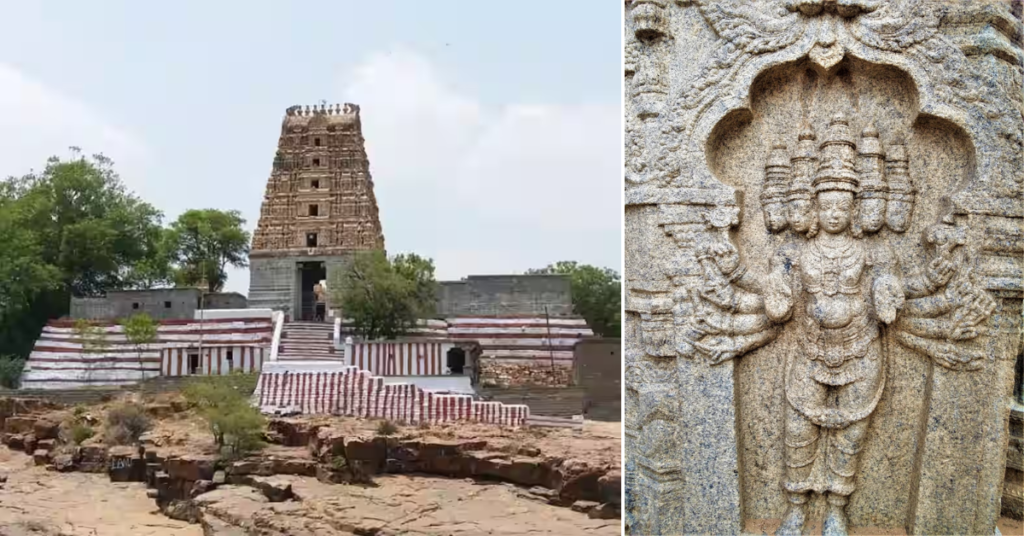
Safe and Clean Beach
The beach is well-maintained and relatively clean compared to many other beaches. The calm waters make it safe for families and children to enjoy the shoreline.
Beach Walks: Go for a casual stroll along the beach. The endless stretches of golden sand make for a quiet stroll, best undertaken at sunrise or sunset.
Family Picnics/Relaxing: It is an ideal place for enjoying family picnics or spending an outing with friends. Here, pack a few snacks, and a mat, and enjoy the peaceful atmosphere.
Swimming: The waters on the Beach are quite calm and safe for swimming. Which makes it the best option. for both beginners and experienced swimmers.
Aesthetic Photography: Mypadu Beach is an excellent place for capturing pictures in the early morning or late afternoon due to the scenery. Pan to take in the beauty of the ocean, sky, and the surrounding landscape.
Fresh Seafood at Local Stalls: You can also enjoy local stalls serving fresh catch of the day. You can attempt the local delights with Andhra Pradesh being popular for its seafood around The Beach.
Nearby Attractions
There are a few attractions worth visiting in the area around Mypadu Beach if you have time to explore.
Krishna Beach: Another serene beach close by, which is perfect for nature enthusiasts.
Nellore City: A tour of the city involves some temples coupled with a tour of the local market.
Pulicat Lake: A short distance from Mypadu, Pulicat Lake is famous for birdwatching, especially during the migratory season.
Koduru Konda: A small hill near the beach that offers a panoramic view of the surrounding area.
Nelapattu Bird Sanctuary: A birdwatcher’s paradise, located about 50 kilometers from Mypadu Beach.
Sri Ranganathaswamy Temple: A famous temple in Nellore, known for its beautiful architecture and spiritual significance.
Tips for Visitors
Carry Sunscreen: Sunscreen, a hat, and sunglasses are advisable since you are often on top of your sun exposure.
Stay Hydrated: Carry your water bottle because it can get hot, especially during the summer.
Respect Local Culture (Mypadu is largely an untouched and not very commercialized area.) Be mindful of the foreign culture and surroundings, pick up after yourself at the beach, and follow the customs of the locals.
Safety: Although the waters are tranquil, always use caution if you’re swimming. Stay close to marked areas safe for swimming.
Accommodation Near Mypadu Beach
There are some places to stay near Mypadu Beach, from budget guesthouses to mid-range hotels. For those who like to be closer to the beach, there are a handful of resorts with comfortable stays and sea views.
The Beach is also well connected to Nellore via road; you can take a personal vehicle/bus to reach the beach. The roads are clear to drive, and it is scenic on the way.
By Train: The closest railway station is Nellore and it is linked to most major cities in Andhra Pradesh.
By Air: The nearest airport is Chennai, around 3-hour drive from Mypadu Beach.
Conclusion
Splendid Mypadu Beach in India is a great blend of Mother Nature, Serenity, and Local Culture. If you are someone who is searching for a peaceful & calm retreat and taking a stroll along the beach then this hidden beach in Andhra Pradesh is a place to go. Well, now the next time you want a piece and like to experience it. Mypadu beach and the sound of flowing waves with a mesmerizing atmosphere.
Frequently Asked Questions
1Q. Where is Mypadu Beach located?
A. Mypadu Beach is located in Nellore district, Andhra Pradesh, India.
2Q. What is the best time to visit Mypadu Beach?
A. The best time to visit is from October to March for pleasant weather.
3Q. Can we swim at Mypadu Beach?
A. Yes, the beach has calm waters suitable for swimming, but be cautious.
4Q. What is the specialty of Mypadu Beach?
A. It is known for its peaceful atmosphere, golden sands, and fresh seafood.
5Q. What activities can I do at Mypadu Beach?
A. You can relax, swim, walk, enjoy seafood, and watch the sunset.
Maharashtra is home to numerous historical forts that played a crucial role in shaping India’s past. While some are well-known tourist attractions, others remain lesser-explored gems waiting to be discovered. If you’re an adventure enthusiast and a history buff, these ten forgotten forts of Maharashtra should be on your trekking list. top 10 forts in Maharashtra. Here’s everything you need to know about their history, trekking routes, timings, and monsoon safety tips.
1. Raigad Fort
Raigad Fort, situated in the Raigad district of Maharashtra, stands as a testament to the grandeur of the Maratha Empire. Perched at an elevation of 2,691 feet, it offers panoramic views of the surrounding landscapes.
History:
Constructed in 1674 by Chhatrapati Shivaji Maharaj, Raigad Fort served as the capital of the Maratha Empire. It was here that Shivaji Maharaj was crowned as the Chhatrapati. The fort’s strategic location and robust architecture made it a formidable stronghold. Today, it stands as a symbol of Maratha valor and heritage.
Timings: The fort is open to visitors daily from 8:00 AM to 6:00 PM.
Entry Fees:
Indian Nationals: ₹25 per person
Foreign Nationals: ₹300 per person
Children Below 15 Years: Free entry
Trekking Details:
Trekking Time: Approximately 1.5 to 2 hours to ascend.
Distance: The trek covers a distance of around 5 kilometers.
Address: Raigad Fort, Raigad District, Maharashtra, India.
“Click on the map to begin your journey.”
Visiting Raigad Fort offers a unique opportunity to delve into the rich history of the Maratha Empire while enjoying the natural beauty of Maharashtra. this is one of the fort in top 10 forts in maharashtra.
Shivneri Fort, located near Junnar in Pune district, Maharashtra, is a significant historical site, renowned as the birthplace of Chhatrapati Shivaji Maharaj. This fort offers a blend of rich history and natural beauty, making it a popular destination for history enthusiasts and trekkers alike.
History
Shivneri Fort holds immense historical importance as the birthplace of Chhatrapati ShivajiMaharaj, the founder of the Maratha Empire. Constructed in the 16th century, the fort was strategically positioned to protect the trade route between Desh and Kalyan. Over the centuries, it has witnessed numerous battles and changes in control, including occupation by the British in 1820 during the Third Anglo-Maratha War. Today, it stands as a testament to Maratha architecture and heritage.
Timings: The fort is open to visitors daily from 6:00 AM to 5:00 PM. Night-time trekking and camping are not permitted.
Entry Fees:
There is no entry fee to visit Shivneri Fort.
Trekking Details:
Trekking Time: Approximately 1 hour to ascend.
Distance: The trek covers a distance of around 2 kilometers.
Address: Shivneri Fort, Junnar, Pune District, Maharashtra, India.
“Click on the map to begin your journey.”
Additional Information:
Best Time to Visit: The ideal months are from October to March, avoiding the monsoon season when the trek can be hazardous.
Guided Tours: Local guides are available and can provide detailed historical insights.
This is one of the forts in the top 10 forts in Maharashtra. Visiting Shivneri Fort offers a unique opportunity to delve into the rich history of the Maratha Empire while enjoying the natural beauty of Maharashtra.
Torna Fort, also known as Prachandagad, is a historic hill fort situated in the Western Ghats of Maharashtra, approximately 60 kilometers from Pune. At an elevation of 4,603 feet, it stands as the highest fort in the Pune region, offering panoramic views of the surrounding landscapes.
History:
Constructed in the 13th century by the Maratha dynasty, Torna Fort holds significant historical importance. In 1645, Chhatrapati Shivaji Maharaj captured the fort from Bijapur Sultanate forces, marking a pivotal moment in Maratha history. The fort’s strategic location and robust architecture made it a formidable stronghold during the Maratha Empire.
Timings: The fort is accessible to visitors 24 hours a day. However, it’s advisable to start the trek early in the morning to ensure a safe return before dusk. The trek typically takes 3 to 4 hours to ascend, depending on individual fitness levels.
Entry Fees:
There is no entry fee to visit Torna Fort.
Trekking Details:
Trekking Time: Approximately 3 to 4 hours to ascend.
Distance: The trek covers a distance of around 5 kilometers from the base village, Velhe, to the fort summit.
Address: Torna Fort, Velhe, Pune District, Maharashtra, India.
“Click on the map to begin your journey.”
Additional Information:
Best Time to Visit: The ideal months are from October to March, avoiding the monsoon season when the trek can be hazardous.
Guided Tours: Local guides are available and can provide detailed historical insights.
Visiting Torna Fort offers a unique opportunity to delve into the rich history of the Maratha Empire while enjoying the natural beauty of Maharashtra. This is one of the forts in the top 10 forts in Maharashtra.
Rajgad Fort, situated approximately 60 kilometers southwest of Pune in Maharashtra, stands at an elevation of 4,514 feet. It served as the capital of the Maratha Empire under Chhatrapati Shivaji Maharaj for 26 years before he moved to Raigad Fort. The fort is renowned for its strategic location and historical significance.
History:
Originally known as Murumbdev, the fort was renamed Rajgad when Shivaji Maharaj made it his capital. It played a pivotal role in the Maratha Empire, serving as a military base and administrative center. The fort’s robust architecture and strategic positioning made it a formidable stronghold during its time.
Timings: Rajgad Fort is open to visitors 24 hours a day, seven days a week. However, it’s advisable to start the trek early in the morning to ensure a safe return before dusk.
Entry Fees:
There is no entry fee to visit Rajgad Fort.
Trekking Details:
Trekking Time: Approximately 3 to 4 hours to ascend, depending on individual fitness levels and chosen route.
Distance: The trek covers a distance of around 3 to 4.5 kilometers, depending on the starting point.
Address: Rajgad Fort, Gunjavane Village, Pune District, Maharashtra, India.
“Click on the map to begin your journey.”
Additional Information:
Best Time to Visit: The ideal months are from October to March, avoiding the monsoon season when the trek can be hazardous.
Guided Tours: Local guides are available and can provide detailed historical insights.
This is one of the forts in the top 10 forts in Maharashtra. Visiting Rajgad Fort offers a unique opportunity to delve into the rich history of the Maratha Empire while enjoying the natural beauty of Maharashtra.
Pratapgad Fort, situated approximately 20 kilometers from Mahabaleshwar in Maharashtra, stands at an elevation of 1,080 meters (3,545 feet). Constructed in 1656 by Chhatrapati Shivaji Maharaj, the fort is renowned for the historic encounter between Shivaji Maharaj and the Bijapur general, Afzal Khan. This battle significantly contributed to the expansion of the Maratha Empire. This is one of the forts in the top 10 forts in Maharashtra.
Timings: The fort is open to visitors daily from 10:00 AM to 6:00 PM. The recommended duration for exploration is 3 to 4 hours.
Entry Fees:
Indians: ₹25 per person
Foreign Nationals: ₹300 per person
Guided Tours: Available at ₹200 per hour
Trekking Details:
Trekking Duration: Approximately 2 to 3 hours
Distance: The trek covers a distance of around 2 kilometers from the base village to the fort summit.
Address: Pratapgad Fort, Satara District, Maharashtra, India.
“Click on the map to begin your journey.”
Additional Information:
Best Time to Visit: The ideal months are from October to March, avoiding the monsoon season when the trek can be hazardous.
Guided Tours: Local guides are available and can provide detailed historical insights.
Visiting Pratapgad Fort offers a unique opportunity to delve into the rich history of the Maratha Empire while enjoying the natural beauty of Maharashtra.
6. Sinhagad Fort
History:
Sinhagad Fort, situated approximately 49 kilometers southwest of Pune in Maharashtra, stands at an elevation of 1,317 meters (4,320 feet) above sea level. Originally known as Kondhana, the fort has a rich history, notably the Battle of Sinhagad in 1670, where Tanaji Malusare, a Maratha warrior, recaptured the fort from the Mughals.
Timings: The fort is open to visitors daily from 10:00 AM to 6:00 PM. The recommended duration for exploration is 3 to 4 hours.
Entry Fees:
Indians: ₹25 per person
Foreign Nationals: ₹300 per person
Guided Tours: Available at ₹200 per hour
Trekking Details:
Trekking Duration: Approximately 2 to 3 hours
Distance: The trek covers a distance of around 2 kilometers from the base village to the fort summit.
Best Time to Visit: The ideal months are from October to March, avoiding the monsoon season when the trek can be hazardous.
Guided Tours: Local guides are available and can provide detailed historical insights.
Transportation: Pune Mahanagar Parivahan Mahamandal Limited (PMPML) runs a bus service (bus number 50) from Shaniwar Wada to the Sinhagad foothills (Sinhagad Payatha).
Visiting Sinhagad Fort offers a unique opportunity to delve into the rich history of the Maratha Empire while enjoying the natural beauty of Maharashtra. This is one of the forts in the top 10 forts in Maharashtra.
Lohagad Fort, situated approximately 52 kilometers northwest of Pune in Maharashtra, stands at an elevation of 1,033 meters (3,389 feet) above sea level. The fort is renowned for its well-preserved architecture and its unique blend of historical significance and natural beauty, making it a perfect destination for a day trip or a weekend getaway. This is one of the forts in the top 10 forts in Maharashtra.
Timings: The fort is open to visitors daily from 10:00 AM to 6:00 PM. The recommended duration for exploration is 3 to 4 hours.
Entry Fees:
Indians: ₹25 per person
Foreign Nationals: ₹300 per person
Guided Tours: Available at ₹200 per hour
Trekking Details:
Trekking Duration: Approximately 2 to 3 hours
Distance: The trek covers a distance of around 2 kilometers from the base village to the fort summit.
Address: Lohagad Fort, Lohagadwadi, Pune District, Maharashtra 410406, India.
“Click on the map to begin your journey.”
Additional Information:
Best Time to Visit: The ideal months are from October to March, avoiding the monsoon season when the trek can be hazardous.
Guided Tours: Local guides are available and can provide detailed historical insights.
Transportation: Pune Mahanagar Parivahan Mahamandal Limited (PMPML) runs a bus service (bus number 50) from Shaniwar Wada to the Lohagad foothills (Lohagadwadi).
Visiting Lohagad Fort offers a unique opportunity to delve into the rich history of the Maratha Empire while enjoying the natural beauty of Maharashtra.
Korigad Fort, also known as Koraigad, Koarigad, or Kumwarigad, is a hill fort situated approximately 20 km south of Lonavala in Pune district, Maharashtra, India. Perched at an elevation of about 923 meters above sea level, it offers panoramic views of the surrounding landscapes. This is one of the forts in the top 10 forts in Maharashtra.
History:
The fort’s construction date is uncertain but is believed to predate 1500. In 1657, Maratha ruler Chhatrapati Shivaji Maharaj incorporated Korigad Fort into his kingdom, along with other forts like Lohagad, Visapur, Tung, and Tikona. In 1818, during the British colonial period, Colonel Prother laid siege to the fort. After a prolonged siege, he succeeded by igniting stored ammunition, leading to the fort’s capture.
Timings: The fort is accessible daily from 9:00 AM to 6:00 PM.
Entry Fees:
There is no entry fee to visit Korigad Fort.
Trekking Details:
Difficulty Level: Easy; suitable for beginners and families.
Duration: Approximately 1 to 1.5 hours to ascend.
Route: The trek begins from Peth Shahpur village, where a well-marked path leads to the fort. The trail includes around 600 steps, making it manageable for most trekkers.
Best Time to Visit: The monsoon season (June to September) is ideal, as the fort is lush green, and the lakes atop the fort are full. However, the monsoon can make the trail slippery, so caution is advised. For a pleasant experience with clear views, the winter months (October to February) are also suitable.
Address: Korigad Fort, Peth Shahpur Village, Lonavala, Pune District, Maharashtra, India.
“Click on the map to begin your journey.”
Additional Information:
Facilities: There are no shops atop the fort. It’s advisable to carry sufficient water and snacks. A local villager often sells tea and snacks near the base of the fort.
Accommodation: For those interested in camping, the fort offers several spots suitable for overnight stays. The Korai Devi temple atop the fort can accommodate around 25 people.
Before planning your visit, it’s recommended to check the current weather conditions and local advisories to ensure a safe and enjoyable experience. This is one of the forts in the top 10 forts in Maharashtra.
Mangad Fort, situated in the Raigad district of Maharashtra, India, is a historic hill fort that offers a glimpse into the region’s rich past.
History:
Constructed between 1757 and 1760 by Bhivrao Yashwant and Krishnaji Madhavarao Panse, Mangad Fort was initially under Peshwa rule. Following the Treaty of Purandar, it was surrendered to the Mughal Emperor Aurangzeb. The fort’s strategic location served as a sentinel for the Raigad Fort, alerting it to potential threats.
Timings and Entry Fees:
Mangad Fort is open to the public year-round. There is no entry fee required to visit the fort.
Trekking Details:
Difficulty Level: Easy; suitable for beginners and families.
Duration: Approximately 1 hour to ascend.
Route: The trek begins from Mashidwadi village, the base village for the fort. A well-marked path leads to the fort, which is visible from the village. The trail includes a gradual ascent, making it manageable for most trekkers.
Best Time to Visit: The monsoon season (June to September) is ideal, as the fort is lush green, and the lakes atop the fort are full. However, the monsoon can make the trail slippery, so caution is advised. For a pleasant experience with clear views, the winter months (October to February) are also suitable.
Address: Mangad Fort, Mashidwadi Village, Mangaon Taluka, Raigad District, Maharashtra, India.
“Click on the map to begin your journey.”
Additional Information:
Facilities: There are no shops atop the fort. It’s advisable to carry sufficient water and snacks. A local villager often sells tea and snacks near the base of the fort.
Accommodation: For those interested in camping, the fort offers several spots suitable for overnight stays. The cave atop the fort can accommodate about 50 people.
Before planning your visit, it’s recommended to check the current weather conditions and local advisories to ensure a safe and enjoyable experience.
10. Bhudargad Fort
Bhudargad Fort is a historic hill fort located in the Kolhapur district of Maharashtra, India. Known for its strategic significance, the fort offers beautiful panoramic views of the surrounding landscape and is a popular spot for trekkers and history enthusiasts.
History:
Construction: The fort was originally constructed in the 12th century by King Bhoj II of the Shilahara dynasty.
Maratha Era: In 1667, the fort was captured by the Marathas from the Adilshahi Sultanate and played a key role in the region’s defense.
Further Control: The fort later came under the control of Parshurambhau Patwardhan in the 18th century and eventually the Chatrapati of Karveer.
Rebellion: During the 1844 Kolhapur mutiny, the fort became a base for the local militia.
Timings and Entry Fees:
Open: The fort is open throughout the year.
Entry Fees: There is no entry fee for visiting Bhudargad Fort.
Trekking Details:
Difficulty Level: The trek is considered easy, making it suitable for beginners and families.
Duration: It takes around 1 to 1.5 hours to reach the top.
Route: The trek starts from Peth Shivapur village. The trail is well-marked and offers a gradual ascent. The fort is visible from the base village.
Best Time to Visit: The best time to trek is during the winter months (October to February), when the weather is pleasant. However, if you want to see the fort in lush greenery, the monsoon season (June to September) is ideal, though caution is required due to slippery trails.
Address:
Location: Bhudargad Fort, Peth Shivapur Village, Kolhapur District, Maharashtra, India.
“Click on the map to begin your journey.”
Additional Information:
Facilities: There are no shops atop the fort, so it’s advisable to carry your own water and snacks. Locals may sell refreshments at the base.
Camping: The fort has some caves that can accommodate around 50 people, making it suitable for camping.
Nearby Attractions: Bhudargad Fort offers stunning views of nearby landmarks such as Rankala Lake, Radhanagari Dam, and the birthplace of Chhatrapati Shahu Maharaj. This is one of the forts in the top 10 forts in Maharashtra.
Avoid trekking during heavy rainfall and strong winds.
Wear waterproof clothing and carry a raincoat or poncho.
Use trekking poles for better stability on slippery paths.
Stick to marked trails and avoid venturing off-course.
Trek in groups and inform someone about your trekking plans.
Conclusion:
Maharashtra’s forgotten forts offer a unique blend of adventure and history. Whether you’re looking for an easy hike or a challenging trek, these forts have something to offer every traveler. The top 10 forts in Maharashtra. Plan your visit wisely, follow safety precautions, and immerse yourself in the legacy of the Maratha Empire.
Frequently Asked Questions (FAQs)
Q1) Which is the most historically significant fort in Maharashtra?
ANS: Raigad Fort is one of the most significant forts as it served as the capital of the Maratha Empire and was the coronation site of Chhatrapati Shivaji Maharaj.
Q2) Which fort is the best for trekking in Maharashtra?
ANS: Torna Fort, the highest fort in Pune district, is popular among trekkers due to its challenging terrain and breathtaking views.
Q3) Is there an entry fee for visiting these forts?
ANS: Most forts, like Shivneri, Torna, and Rajgad, have free entry, while Raigad and Pratapgad Forts have a small entry fee for Indian and foreign visitors.
Q4) What is the best time to visit these forts?
ANS: The best time to visit is from October to March, as monsoon season can make the trekking routes slippery and dangerous.
Q5) Are guided tours available at these forts?
ANS: Yes, guided tours are available at many forts like Raigad, Shivneri, and Pratapgad, providing historical insights and safe trekking experiences.
Varanasi, the spiritual heart of India, is one of the oldest continuously inhabited cities in the world. Situated along the sacred Ganges River, the complete guide for Varanasi this city is a mesmerizing blend of devotion, tradition, and heritage. Whether you want to witness the grandeur of the evening Ganga Aarti, take a peaceful sunrise boat ride, or explore its hidden food streets, Varanasi offers a unique experience at every turn. This comprehensive travel guide will help you plan your journey, covering the best ghats, local delicacies, accommodation options, and transportation details.
Best Ghats to Visit in Varanasi
The ghats of Varanasi are the soul of the city, each having its unique significance. Here are some of the must-visit ghats:
1. Dashashwamedh Ghat – The Heart of Varanasi
Most famous for the grand evening Ganga Aarti.
A bustling ghat where devotees, tourists, and priests gather.
Best time to visit: Evening Aarti at 6:30 PM – 7:30 PM (arrive by 6:00 PM for a good spot).
The Ganga Aarti is an unmissable experience in Varanasi, and complete guide for Varanasi It’s a grand ritual performed every evening where priests chant Vedic hymns while offering fire lamps to the river.
Timings: Starts at 6:30 PM (winter) / 7:00 PM (summer), lasting for an hour.
Best Viewing Spot: Arrive by 6:00 PM or book a boat for a riverside view.
Entry: Free (VIP seating available at extra cost through local tour operators).
Hidden Food Streets and Local Delicacies
Varanasi is a paradise for food lovers, and the complete guide for Varanasi also offering unique street food delights that reflect the city’s rich culinary heritage.
Where to Eat?
Gudri Market – Best for chaat and traditional sweets.
Bhang Lassi Alley – Famous for bhang lassi (only for those who enjoy cannabis-infused drinks).
Lassi Lane (Near Kachori Gali) – Offers various lassi flavors, served in traditional clay cups.
Must-Try Local Dishes
Malaiyo – A winter specialty made with milk froth, saffron, and cardamom.
Kachori-Sabzi – Spicy lentil-stuffed kachori served with potato curry.
Petha – A sweet made from ash gourd, soaked in sugar syrup.
Banarasi Paan – A betel leaf delicacy with sweet and spicy fillings.
October to March – Pleasant weather, ideal for sightseeing and boat rides.
April to June – Hot and dry, not recommended for outdoor activities.
July to September – Monsoon season, offering lush surroundings but occasional heavy rains.
Travel Tips for Varanasi
Respect local customs – Dress modestly at religious sites.
Bargain when shopping – Prices at markets can be negotiated.
Stay alert in crowded areas – Pickpockets are common near busy ghats.
Carry cash – Many street vendors do not accept digital payments.
Conclusion:
Varanasi is a city that leaves an everlasting impression on every traveler. Here complete guide for Varanasi. Whether you come for spirituality, history, or food, every corner of this ancient city tells a story. From the majestic ghats and mesmerizing Ganga Aarti to the hidden food streets and cultural experiences, Varanasi is truly a world of its own.
Are you ready to explore the magic of Varanasi? Let us know in the comments which experience excites you the most with this complete guide for Varanasi.
Frequently Asked Questions (FAQs)
Q1) What is the best time to visit Varanasi?
ANS: The best time to visit Varanasi is from October to March, when the weather is pleasant for sightseeing and boat rides.
Q2) Where can I watch the evening Ganga Aarti?
ANS: The Dashashwamedh Ghat hosts the most famous Ganga Aarti every evening at 6:30 PM in winter and 7:00 PM in summer. Arriving early or booking a boat offers the best views.
Q3) What are the must-try foods in Varanasi?
ANS: Don’t miss Malaiyo (winter specialty), Kachori-Sabzi, Banarasi Paan, and Lassi from Lassi Lane or Gudri Market.
Q4) How can I reach Varanasi?
ANS: Varanasi is accessible by air (Lal Bahadur Shastri Airport), train (Varanasi Junction), and road. Local transport includes auto-rickshaws, cycle rickshaws, and cabs.
Q5) Are sunrise boat rides in Varanasi worth it?
ANS: Yes! A sunrise boat ride (5:30 AM – 7:00 AM) along the Ganges offers a breathtaking view of the ghats and morning rituals.
Best train journey in India. India’s railways are more than just a mode of transportation they are a window into the country’s rich history, culture, and breathtaking landscapes. Two of the many fascinating train journeys are truly iconic: the Darjeeling Toy Train and the Palace on Wheels. These trains offer travelers an unparalleled experience, from scenic routes to luxury on wheels. Here’s everything you need to know, including travel routes, booking hacks, and the magic of these legendary journeys.
Darjeeling Toy Train: A Ride Through the Clouds
A UNESCO World Heritage Marvel
The Darjeeling Himalayan Railway (DHR), fondly called the Toy Train, is a UNESCO World Heritage Site. Built-in 1881, this narrow-gauge train winds through the lush tea gardens and misty hills of Darjeeling, offering a nostalgic and picturesque journey. this is one of the Best train journeys in India. The rhythmic chug of the steam locomotive, the crisp mountain air, and the panoramic views make this the experience of a lifetime.
Route: Darjeeling Station → Ghum Station → Batasia Loop → Darjeeling Station
Timings: Multiple trips daily, starting from 7:40 AM to 4:30 PM
Fare: ₹1,000 for diesel engine, ₹1,500–₹1,600 for steam engine
This short yet scenic ride takes you through the highest railway station in India, Ghum, and the mesmerizing Batasia Loop, where the train spirals around a beautifully landscaped garden offering a panoramic view of the Kanchenjunga range.
2. Full Journey (New Jalpaiguri to Darjeeling)
Duration: Approximately 8 hours one-way
Route: New Jalpaiguri Junction (NJP) → Darjeeling Station
Fare: ₹1,420 (First Class), ₹1,700 (AC Chair Car)
For travelers who want to experience the full historic route, this journey covers sharp curves, high-altitude bridges, and breathtaking mountain passes, making it a must-try adventure.
Palace on Wheels: A Royal Journey Through Rajasthan
Embark on a journey fit for royalty aboard the Palace on Wheels, one of India’s most prestigious luxury trains, offering a lavish week-long experience through the vibrant heart of Rajasthan. This is one of the Best train journeys in India. This opulent train, inspired by the grandeur and elegance of Maharajas, offers a journey unlike any other.
With its palatial cabins, exceptional dining options, and impeccable service, Palace on Wheels provides an unforgettable royal experience steeped in history, culture, and luxury.
Whether it’s the traditional wooden paneling, velvet curtains, or antique-inspired furniture, every corner of the Palace on Wheels exudes luxury and refinement.
Scenic Routes and Timings
The Palace on Wheels offers an exclusive route through the most iconic and picturesque destinations in Rajasthan, delivering an unparalleled experience of India’s royal past.
Each destination along this scenic journey is a step into a world of grandeur, history, and natural beauty.
Booking Hacks for the Palace on Wheels
The Palace on Wheels is a once-in-a-lifetime experience that demands early planning, but the rewards are well worth it. Here’s how you can make the most of your booking:
The best way to secure your seat on this luxurious journey is to book directly on the official Palace on Wheels website or through authorized travel agents. Booking online ensures a smoother process and sometimes even access to exclusive deals.
The Royal Experience
More than just a train ride, Palace on Wheels offers an immersive experience into the royal lifestyle of Rajasthan. The train features fine dining restaurants, each offering a wide variety of Indian and international cuisines. Guests can also enjoy a well-stocked bar and lounges to relax in style. this is a Best experience train journey in India
For those with a penchant for wellness, the train includes a spa where you can unwind after a long day of sightseeing. Relaxing treatments, traditional therapies, and modern relaxation techniques are on offer to soothe you as you travel from one magical destination to the next.
Explore the Culture and Heritage of Rajasthan
Along the way, passengers can enjoy off-board excursions, such as visits to some of India’s most famous palaces, forts, temples, and wildlife sanctuaries. The journey is not just about luxury but also about deepening your understanding of Rajasthan’s diverse culture and heritage.
With Palace on Wheels, every stop offers a cultural exploration of Rajasthan’s history and landscapes, and the grandeur of the train itself makes the journey a truly royal experience.
Both the Darjeeling Toy Train and Palace on Wheels showcase different facets of Indian railways—one steeped in colonial heritage and natural beauty, and the other drenched in royal opulence. Whether you’re looking for a scenic mountain adventure or a luxury ride through Rajasthan, these iconic trains offer experiences that are truly unforgettable Best train journey in India.
Which journey would you choose? Let us know in the comments.
Frequently Asked Questions (FAQs)
Q1) How can I book tickets for the Darjeeling Toy Train?
ANS:You can book tickets online through the official IRCTC website (irctc.co.in) or at railway reservation counters.
Q2) What is the best time to travel on the Darjeeling Toy Train?
ANS: The best time is during April–June (summer) or October–December (autumn) for clear views and pleasant weather.
Q3) How much does a ticket for the Palace on Wheels cost?
ANS: Prices vary by season and cabin type, starting at approximately ₹3.5 lakh per person for a Deluxe Cabin.
Q4) What destinations does the Palace on Wheels cover?
ANS: It covers major Rajasthan cities like Jaipur, Udaipur, Jaisalmer, Jodhpur, and Agra over a 7-night journey.
Q5) Is the Palace on Wheels worth the price?
ANS: Yes! It offers a luxurious experience with heritage-style cabins, fine dining, cultural excursions, and royal hospitality.
Rajasthan, the land of maharajas, is home to some of India’s most magnificent palaces and forts, many of which have been converted into heritage hotels. While some of these properties are known for their luxury, there are plenty of budget and Best-friendly options where you can experience regal hospitality without breaking the bank. Here’s a curated list of affordable heritage hotels in Rajasthan that offer a royal stay under ₹5,000 per night.
1. Neemrana Fort Palace
Neemrana Fort-Palace is a 15th-century heritage hotel located on the Delhi-Jaipur Highway, approximately 100 kilometers from Delhi. Spanning 25 acres, this 14-tiered property offers a unique blend of historical architecture and modern amenities. Guests can enjoy features such as hanging gardens, two pools with panoramic views, and an Ayurvedic spa. The hotel also provides facilities for weddings, conferences, and cultural performances.
Umaid Bhawan is a heritage-style boutique hotel situated in the heart of Jaipur, Rajasthan. Established in 1993, it offers a blend of traditional Rajasthani architecture and modern amenities. The hotel features intricately carved balconies, open terraces, and lush gardens, providing guests with a royal experience reminiscent of Jaipur’s regal past.
Krishna Prakash Heritage Haveli is a heritage hotel situated in Jodhpur, Rajasthan, offering guests a blend of traditional Rajasthani architecture and modern amenities. The haveli is located near the iconic Mehrangarh Fort, providing easy access to major attractions in the city.
Hotel Heritage House is a 3-star heritage hotel situated in Jaisalmer, Rajasthan, offering guests a blend of traditional Rajasthani architecture and modern amenities. The hotel is conveniently located near several historical sites, including Patwon Ki Haveli (1.2 km), Salim Singh Ki Haveli (1.8 km), and Jaisalmer Fort (1.9 km).
Golden Haveli is a 3-star heritage hotel situated in Jaisalmer, Rajasthan, offering guests a blend of traditional Rajasthani architecture and modern amenities. The hotel is conveniently located near several historical sites, including Gadi Sagar Lake (1.07 km) and Jaisalmer Fort (900 m).
Hotel Royal Haveli is a 3-star heritage hotel situated in Jaisalmer, Rajasthan, offering guests a blend of traditional Rajasthani architecture and modern amenities. The hotel is conveniently located near several historical sites, including Jaisalmer Fort (1.1 km) and Jain Temples (1.1 km).
The Fern Bambora Fort is a heritage hotel situated in Bambora, near Udaipur, Rajasthan. This 5-star property offers a blend of traditional Rajasthani architecture and modern amenities, providing guests with a unique and luxurious experience.
Narain Niwas Palace is a heritage hotel situated in Jaipur, Rajasthan, offering guests a blend of traditional Rajasthani architecture and modern amenities. Built in 1928 by General Amar Singh Ji, the Thakur of Kanota, this palace was once a retreat for the Kanota family. Today, it stands as a testament to Rajasthan’s regal past, providing a luxurious experience for visitors.
Gorbandh Palace is a heritage hotel situated in Jaisalmer, Rajasthan, offering guests a blend of traditional Rajasthani architecture and modern amenities. The hotel is conveniently located near several historical sites, including Jaisalmer Fort (1.2 km) and the Jaisalmer Bus Station (1.9 km).
Laxmi Niwas Palace is a heritage hotel situated in Bikaner, Rajasthan, offering guests a blend of traditional Rajasthani architecture and modern amenities. Originally built between 1898 and 1902 by Maharaja Sir Ganga Singh as his royal residence, the palace is designed in the Indo-Saracenic style, reflecting the grandeur of the era.
Staying in a heritage hotel in Rajasthan allows you to experience the grandeur of royal India without exceeding your budget. Best Heritage hotels in Rajasthan. Whether it’s the historic Neemrana Fort Palace or the scenic The Fern Bambora Fort, each of these properties offers a unique blend of tradition, comfort, and affordability. Book your stay today and immerse yourself in Rajasthan’s regal past.
Which of these heritage hotels would you love to stay in? Let us know in the comments.
Frequently Asked Questions (FAQs)
Q1) What is the best budget-friendly heritage hotel in Rajasthan?
ANS: Several options are available Starting from ₹5,000 per night, including Neemrana Fort Palace, Umaid Bhawan (Jaipur), and Krishna Prakash Heritage Haveli (Jodhpur).
Q2) Do these heritage hotels offer modern amenities?
ANS: Yes, these hotels blend traditional Rajasthani architecture with modern amenities like Wi-Fi, swimming pools, and spa services.
Q3) Are these heritage hotels suitable for families?
ANS: Absolutely! Most budget-friendly heritage hotels in Rajasthan offer family-friendly rooms, cultural experiences, and dining options.
Q4) How can I book a stay at these hotels?
ANS: You can book through their official websites, contact them via phone/email, or use hotel booking by given links platforms.
Q5) Which heritage hotels in Rajasthan are closest to major attractions?
ANS: Hotels like Krishna Prakash Heritage Haveli (Jodhpur) and Golden Haveli (Jaisalmer) are near key landmarks like Mehrangarh Fort and Jaisalmer Fort.
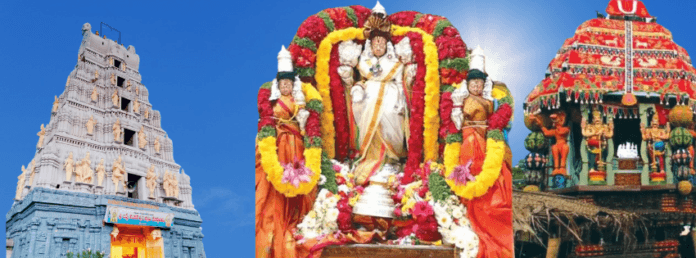
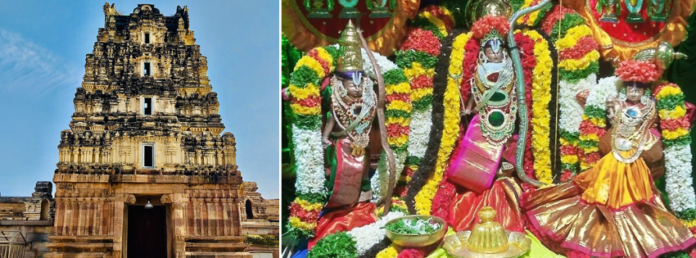
The Sri Kalyana Venkateswara Swamy Temple, located in the serene town of Narayanavanam, Andhra Pradesh, is an important holy site cherished by devotees. This temple is not merely a place of worship, but a heartfelt devotion along with the ideal of marital happiness dedicated to Lord Venkateswara, who is an incarnation of Lord Vishnu. Because it is said to be the temple where Lord Venkateswara married Goddess, It is called the wedding temple as it is” believed to be the place where Lord Venkateswara married Goddess Padmavathi, the incarnation of Goddess Lakshmi.
The Legend Behind the Temple
The divine wedding of Lord Venkateswara and Goddess Padmavathi took place at Narayanavanam, according to Hindu mythology. It is celebrated with great piety and is the reason behind the temple’s name Kalyana Venkateswara Swamy Temple (“Kalyana” means wedding). According to the devotees, visiting this temple after making a pilgrimage to the most renowned Tirumala Tirupati Temple fulfills the reunion with the divine which they think is a half-painted painting.
The Temple’s Architecture
The Sri Kalyana Venkateswara Swamy Temple showcases the beautiful South Indian style of temple architecture. As you approach the temple, you will be greeted by a tall and majestic gopuram (entrance tower) adorned with intricate carvings and sculptures. Inside the temple, the main deity, Lord Venkateswara, stands gracefully in the sanctum sanctorum, accompanied by idols of Goddess Padmavathi and other deities. The temple’s serene atmosphere and spiritual vibes make it a perfect place for meditation and prayer.
Significance of the Narayanavanam Temple
This temple is not just a place of worship but also a destination for seeking blessings for a happy and prosperous married life. Many couples visit the temple to pray for a strong and loving relationship. It is believed that offering petitions in this location brings about a sense of peace, harmony, and fulfillment in one’s existence.
It is a sacred wedding site where Lord Venkateswara and Goddess Padmavathi got married.
Devotees believe that worshipping here blesses them with a happy married life and prosperity.
The spiritual atmosphere and beautiful architecture make it a must-visit temple.
It is easily accessible from Tirupati, making it a great pilgrimage stop before or after visiting Tirumala.
Nearby Attractions
While visiting Sri Kalyana Venkateswara Swamy Temple, several nearby attractions make the trip even more enjoyable. Some of the must-visit places around Narayanavanam include:
1. Tirumala
Distance: 45 km from Narayanavanam
Famous for the Tirumala Venkateswara Temple, it is one of the most visited pilgrimage sites in India, dedicated to Lord Venkateswara.
2. Padmavathi Temple, Tiruchanur
Distance: 22 km from Narayanavanam
This temple is dedicated to Goddess Padmavathi, the consort of Lord Venkateswara, and is an important spiritual destination for devotees.
3. Sri Kapileswara Swamy Temple
Distance: 7 km from Tirupati
A beautiful temple dedicated to Lord Shiva, located at the base of the Kapila Teertham waterfalls. The temple is a peaceful spot for worship and meditation.
4. Talakona Waterfalls
Distance: 50 km from Narayanavanam
Located in the Sri Venkateswara National Park, this is one of the highest waterfalls in Andhra Pradesh. It’s an excellent destination for nature lovers and adventurers.
Conclusion
Sri Kalyana Venkateswara Swamy Temple at Narayanavanam is a must-visit for devotees of Lord Venkateswara. It holds deep spiritual and historical significance as the site of His divine wedding with Goddess Padmavathi. Whether you seek marital blessings, peace, or a divine experience, visiting this temple is a soulful journey.
Plan your visit today and receive the divine grace of Sri Venkateswara Swamy! 🙏✨
Frequently Asked Questions
1Q. What is the significance of Narayanavanam Temple?
A. It is the sacred site where Lord Venkateswara married Goddess Padmavathi before proceeding to Tirumala.
2Q. Where is Narayanavanam Temple located?
A. The temple is located in Narayanavanam, 2 km east of Puttur and 45 km south of Tirupati in Andhra Pradesh.
3Q. Can I participate in the Kalyanotsavam?
A. Yes, devotees can participate in the Kalyanotsavam, the celestial wedding ritual.
4Q. How can I reach Narayanavanam Temple?
A. The temple is accessible by train (Puttur station), bus (APSRTC services), and air (Tirupati airport).
5Q. When was the Narayanavanam Temple built?
A. The temple was established in 1541 AD and is a prominent pilgrimage site.