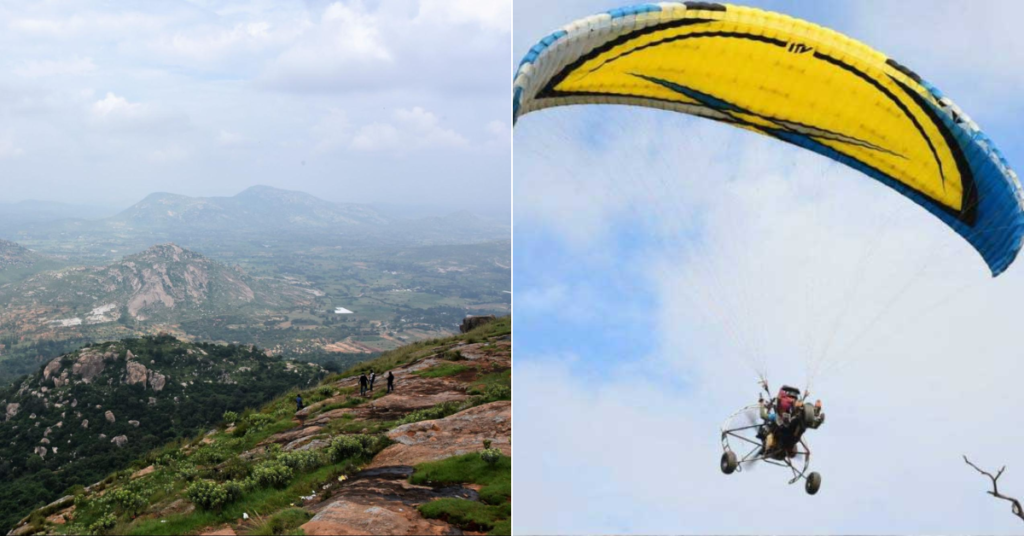
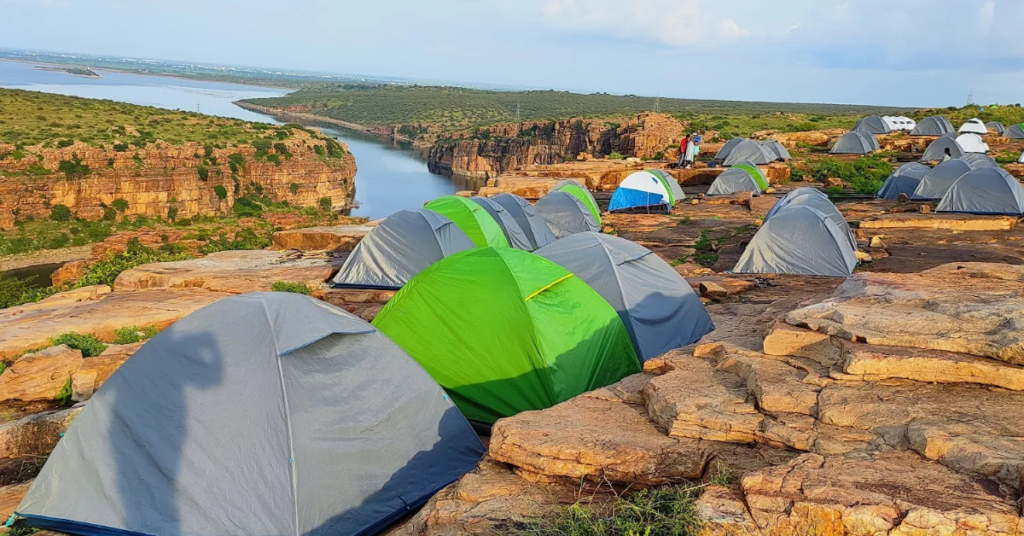
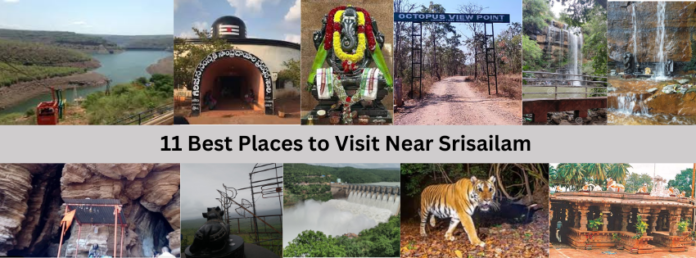
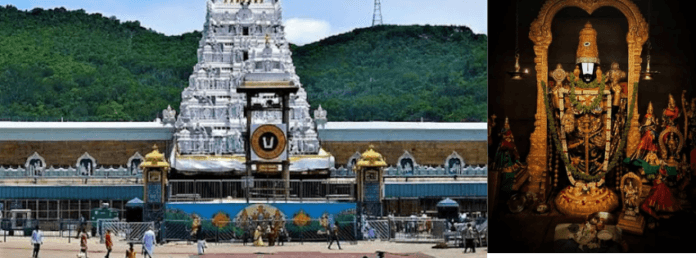
Andhra Pradesh isn’t just about temples, beaches, and festivals—it’s also a paradise for adrenaline junkies! From trekking in the Eastern Ghats to surfing in Vizag, the state offers a wide range of Top 7 Adventure Activities in Andhra Pradesh that will get your heart racing.
Here are the top 7 adventure activities in Andhra Pradesh, complete with timings, best season, ticket prices, and exact locations to help you plan your next thrill-packed trip!
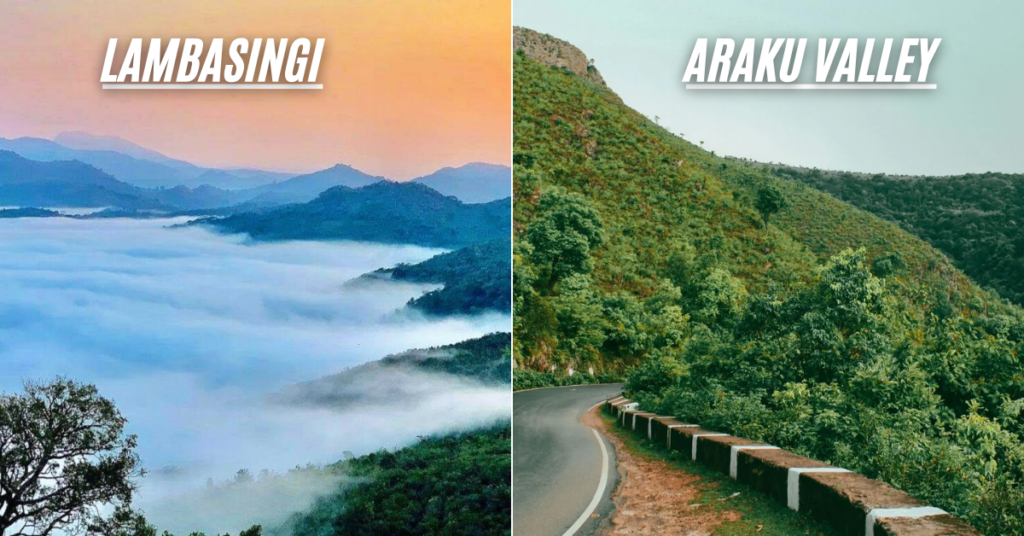
1. Trekking in the Eastern Ghats – Lambasingi & Araku Valley
Why It’s a Must-Do: Known as the “Kashmir of Andhra Pradesh,” Lambasingi offers misty hills, dense forests, and breathtaking sunrise views. Araku Valley, with its coffee plantations and tribal trails, is another trekker’s delight.
Key Details:
Best Time to Visit: October to March (cool weather, perfect for trekking)
In this Top 7 Adventure Activities in Andhra Pradesh. From trekking in Lambasingi to surfing in Vizag, Andhra Pradesh has it all! Which activity would you try first? Drop your thoughts in the comments!
Liked this guide? Share it with fellow thrill-seekers. 🌍✨
Frequently Asked Questions (FAQs):
Q1) What is the best time for adventure activities in Andhra Pradesh?
ANS: October to March – Pleasant weather, ideal for trekking, surfing, and safaris. Avoid summers (too hot) and monsoons (slippery trails).
Q2) Are these adventure activities safe for beginners?
ANS: Yes! Most activities (like surfing at Rushikonda or trekking in Araku) have beginner-friendly options with trained instructors.
Q3) Do I need to book adventure tours in advance?
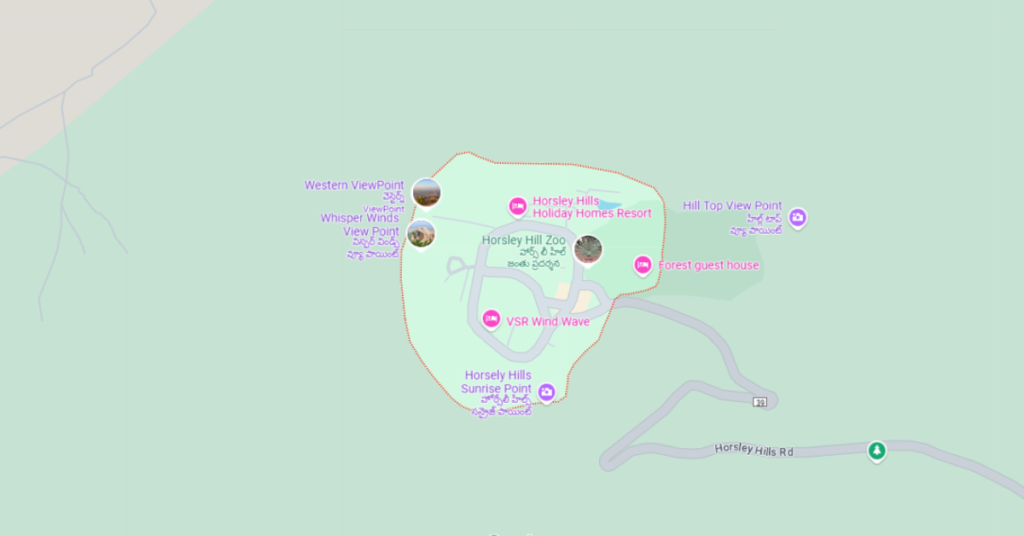
ANS: Highly recommended! Popular activities like paragliding in Horsley Hills and wildlife safaris have limited slots.
Q4) What should I pack for adventure trips in Andhra Pradesh?
ANS: Essentials: Trekking shoes, sunscreen, water bottle, light backpack, and a power bank. For water sports, carry quick-dry clothes.
Q5) Are there any age restrictions for these activities?
ANS: Depends on the activity: Surfing & Parasailing: 12+ years Trekking & Camping: No strict limits (moderate fitness required) Wildlife Safari: All ages allowed
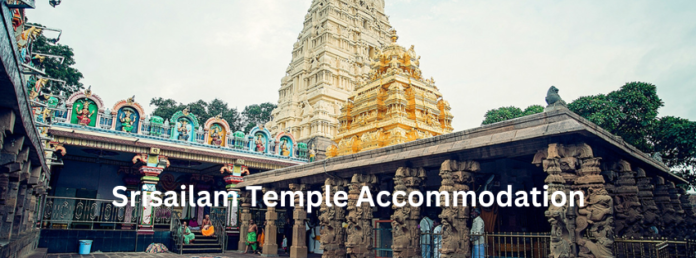
Srisailam, home to the famous Mallikarjuna Swamy Temple, is one of the twelve Jyotirlingas and a significant Shakti Peetha in India. Every year, thousands of devotees visit this sacred hill town for spiritual blessings. Finding the right accommodation is essential for a comfortable pilgrimage, whether you prefer TTD-managed rooms, private hotels, or budget-friendly community satrams.
In this guide, we cover all available accommodation options near Srisailam Temple, including pricing, booking details, and essential facilities.
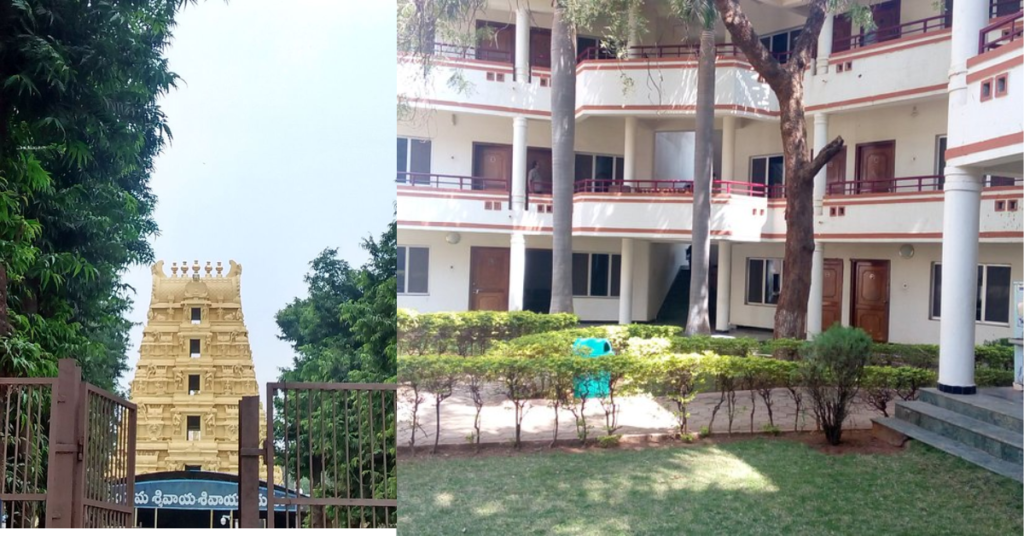
The Tirumala Tirupati Devasthanams (TTD) and the Srisaila Devasthanam manage multiple guesthouses and choultries for pilgrims. These government-run accommodations are affordable, clean, and conveniently located near the temple.
🏨 List of Guesthouses & Choultries
Accommodation Name
Room Type
2026 Price
Distance to Temple
Best For
Booking Mode
Ganga Sadan
AC / Non-AC
₹300 – ₹1200
~800 meters
Families & Seniors
Online / Offline
Gouri Sadan
AC / Non-AC
₹600 – ₹1200
~1 km
Cleanliness
Online / Offline
Sriniketanam
AC / Non-AC
₹200 – ₹1000
~1.2 km
Budget Travelers
Online / Offline
Kailasa Sadan
Deluxe AC
₹1500 – ₹2000
~1.5 km
VIP/Comfort Seekers
Online Only
Pathaleshwara Sadan
Standard Non-AC
₹500 – ₹800
~500 meters
Quick Darshan
Offline
Sakshi Sadan
Non-AC Dormitory
₹100 / bed
~1 km
Solo/Backpackers
Offline Only
🚨 Real-Time Booking Rules You Must Know:
The 24-Hour Rule: If you book offline at the CRO (Central Reception Office) in Srisailam, your room is valid for exactly 24 hours from the time you receive the keys.
Mandatory Documents: You absolutely must carry the Original Aadhaar Card of the person who booked the ticket. Photocopies or digital copies are strictly rejected at the counter.
Unmarried Couples: Srisaila Devasthanam strictly prohibits allotting rooms to unmarried couples. Families and married couples will be asked for proof if in doubt.
How to Book Online: Always use the official website: srisailadevasthanam.org. Beware of fake websites ending in “.com” or “.in” that look like the official portal.
“If you are planning your travel, check out the latest Hyderabad to Srisailam Bus Timings to align your arrival with your room check-in.”
🏡 Community Satram in Srisailam – Affordable Stays for Pilgrims
For budget-conscious travelers, Community Satram (Choultries) provides low-cost accommodation with basic amenities. These are run by various religious and community trusts to serve devotees.
🔹 Popular Community Satrams
Satram Name
Room Type
Price
Contact
Gowda Satram
Non-AC Dormitory
₹50 – ₹100
Available on Arrival
Arya Vysya Satram
Double Rooms
₹100 – ₹300
Available on Arrival
Padmashali Satram
Non-AC Rooms
₹150 – ₹500
Available on Arrival
Kamma Satram
Family Rooms
₹300 – ₹700
Available on Arrival
Reddy Satram
Basic Shared Rooms
₹100 – ₹200
Available on Arrival
Community Satrams (Choultries) – Free & Low-Cost Stays Srisailam is unique because of its massive network of Community Satrams. These are large guesthouses built by specific communities and charitable trusts.
How Satrams Work in Real-Time:
First Preference: They give first preference to people belonging to their specific community (e.g., Arya Vysya, Reddy, Kamma, Padmashali).
General Allotment: If rooms are empty, they will give them to any pilgrim, regardless of caste.
Food: Almost all major satrams serve free, unlimited traditional meals (Annadanam) twice a day to their guests.
For those seeking comfortable hotels with modern facilities, several private lodges and resorts are available in Srisailam.
🔹 Best Private Hotels in Srisailam
Hotel Name
Room Type
Price (Per Night)
Facilities
Haritha Resort (APTDC)
AC Deluxe Rooms
₹1500 – ₹2500
Restaurant, Parking
Pathaleshwara Sadan
Standard Non-AC
₹800 – ₹1500
Near Temple
Hotel Grand Akkamahadevi
AC & Non-AC Rooms
₹1000 – ₹2000
WiFi, Restaurant
Surabhi Lodge
Budget AC Rooms
₹700 – ₹1500
Parking, Room Service
Sri Sai Residency
Deluxe Family Rooms
₹1200 – ₹2200
Clean & Spacious
For the Best Deals for Flights And hotels Click here.
Best for: Families, tourists, and those looking for comfort & privacy.
Pro Tip for Private Hotels: During weekends and the Karthika Masam/Maha Shivaratri rush, private hotels triple their prices. A ₹1,000 room will easily cost ₹3,000. Book at least 3 weeks in advance.
📌 Timings: 11:00 AM – 3:00 PM and 7:00 PM – 9:00 PM 📍 Location: Annadanam Hall near the main temple 💰 Cost: Free
Pilgrims are encouraged to eat at Annadanam or choose satram meals, as many private hotels serve only vegetarian food due to religious significance.
🚗 Travel Tips for Booking Accommodation in Srisailam
Book in Advance: TTD rooms and private hotels fill up quickly during festivals.
Stay Near the Temple: If you want easy darshan access, choose Devasthanam guesthouses or hotels within 1-2 km.
Budget Travelers: Opt for community satrams, which offer basic accommodation at low prices.
Check Room Availability: Online portals and temple counters can help with real-time room status.
Avoid Middlemen: Book directly through official websites or hotel reception to avoid scams.
Final Thoughts
Finding the right Srisailam Temple Accommodation ensures a comfortable and hassle-free pilgrimage. Whether you prefer affordable TTD rooms, community satrams, or private hotels, there are plenty of options to suit every budget. Plan your stay wisely, book in advance during peak seasons, and enjoy a spiritually fulfilling trip to Srisailam! 🙏
FREQUENTLY ASKED QUESTIONS
1. What is the cheapest stay option in Srisailam?
A: Community satrams offer the cheapest stays, with dormitory prices starting from ₹50.
2. Are private hotels available near Srisailam Temple?
A: Yes, several private hotels and lodges offer comfortable stays near the temple.
3. Is food available at community satrams?
A: Some satrams provide simple vegetarian meals for pilgrims.
4. When is the best time to visit Srisailam?
A: The ideal time is from October to March when the weather is pleasant for darshan and sightseeing.
📌 Have you stayed in any of these accommodations? Share your experience in the comments! 😊
Srisailam, a spiritual and natural paradise, is not just home to the sacred Sri Bhramaramba Mallikarjuna Swamy Temple, but also offers a mix of scenic landscapes, waterfalls, ancient caves, wildlife sanctuaries, and breathtaking viewpoints.
If you’re planning a trip to Srisailam, here’s a detailed guide to the visit places nearby, along with their timings, entry fees, and travel tips.
1. Pathala Ganga – A Sacred River Spot
📍 Distance from Srisailam Temple: 1.5 km ⏰ Timings: 7:00 AM – 5:30 PM 🎟️ Ropeway Ticket: ₹80 (Adult), ₹50 (Child) 🎟️ Boating Ticket: ₹80 – ₹150 per person 🚗 Travel Mode: Auto, Ropeway, Walking
Pathala Ganga is a holy bathing ghat located on the banks of the Krishna River, One Of the Best Places to Visit Near Srisailam. Pilgrims visit this spot to take a sacred dip in the Krishna River before proceeding for darshan at the temple. The site also offers breathtaking views of the Nallamala Hills and exciting activities like ropeway rides and boating.
Activities to Try
Take the ropeway ride for a scenic descent to the river.
Enjoy a boat ride on the Krishna River.
Participate in the morning and evening aarti on the riverbanks.
🔹 Best Time to Visit: October to February (Pleasant weather and clear water).
📍 Distance from Srisailam Temple: 12 km (Boat ride from Pathala Ganga) ⏰ Timings: 10:00 AM – 4:00 PM 🎟️ Boat Ride Price: ₹400 – ₹600 per person 🚗 Travel Mode: Boat + Trekking (2 km inside the cave)
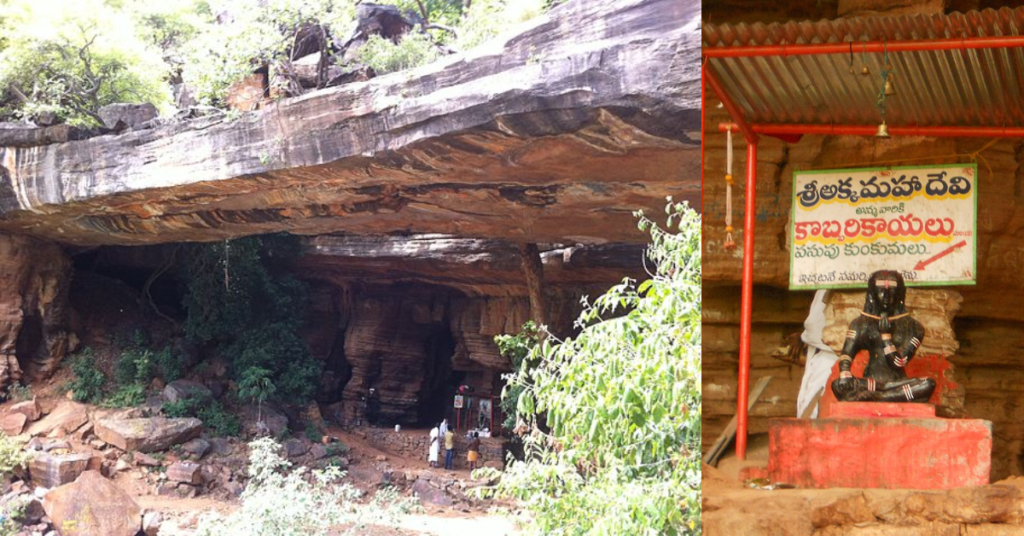
Akkamahadevi Caves is a mystical natural cave located deep in the Nallamala Forests, along the Krishna River, one of the best Places to Visit Near Srisailam. This ancient cave is renowned for its self-manifested Shiva Linga and historic significance as a meditation site for Akkamahadevi, a 12th-century Veerashaiva saint.
The journey to Akkamahadevi Caves is an exciting adventure, involving a scenic boat ride on the Krishna River, followed by a 2 km trek through rocky terrain.
How to Reach?
Take a boat ride from Pathala Ganga, which takes 1 hour to reach.
Trek 2 km through dense forests and rocky terrain to reach the caves.
🔹 Best Tip: Carry a flashlight as the cave interiors are dark.
3. Srisailam Dam – A Majestic Sight
📍 Distance from Srisailam Temple: 15 km ⏰ Timings: 6:00 AM – 6:00 PM 🎟️ Entry Fee: Free 🚗 Travel Mode: Auto, Taxi
The Srisailam Dam, built across the Krishna River, is one of India’s largest dams and a major hydroelectric project. Surrounded by the lush green Nallamala Hills, the dam offers breathtaking views, making it a must-visit attraction near Srisailam.
Apart from being a crucial source of irrigation and electricity, the dam is a popular tourist spot, especially during the monsoon and post-monsoon seasons when the floodgates are open, creating a spectacular waterfall-like effect..
Why Visit?
Watch the water gushing through the dam gates (especially post-monsoon).
Enjoy a picturesque sunrise or sunset over the reservoir.
Click stunning photographs of the scenic landscape.
🔹 Best Time to Visit: August – December (When the dam overflows).
4. Srisailam Tiger Reserve – A Wildlife Haven
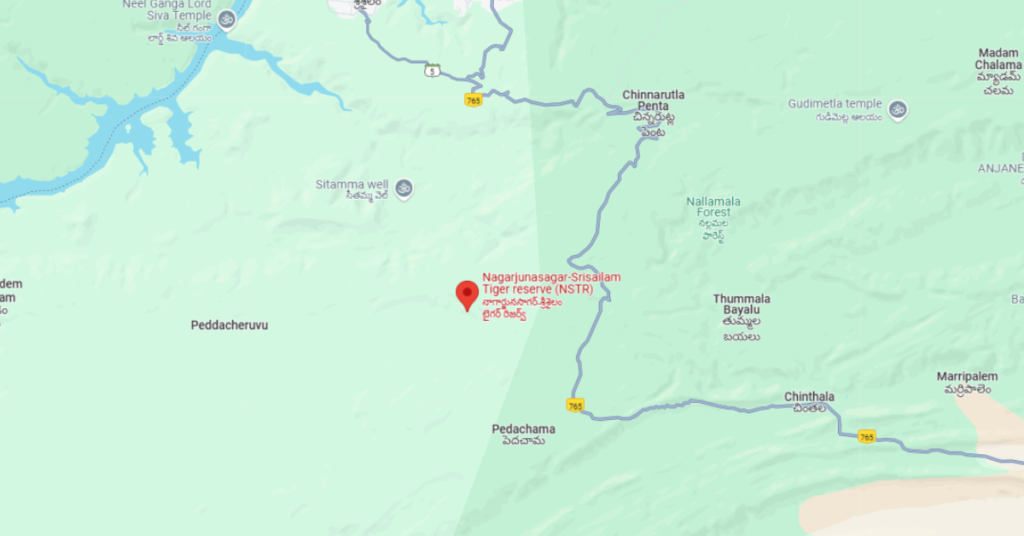
📍 Distance from Srisailam Temple: 20 km ⏰ Timings: 7:00 AM – 4:30 PM 🎟️ Entry Fee: ₹50 per person 🎟️ Jeep Safari Price: ₹1000 – ₹2500 per trip 🚗 Travel Mode: Private Vehicle or Jeep Safari
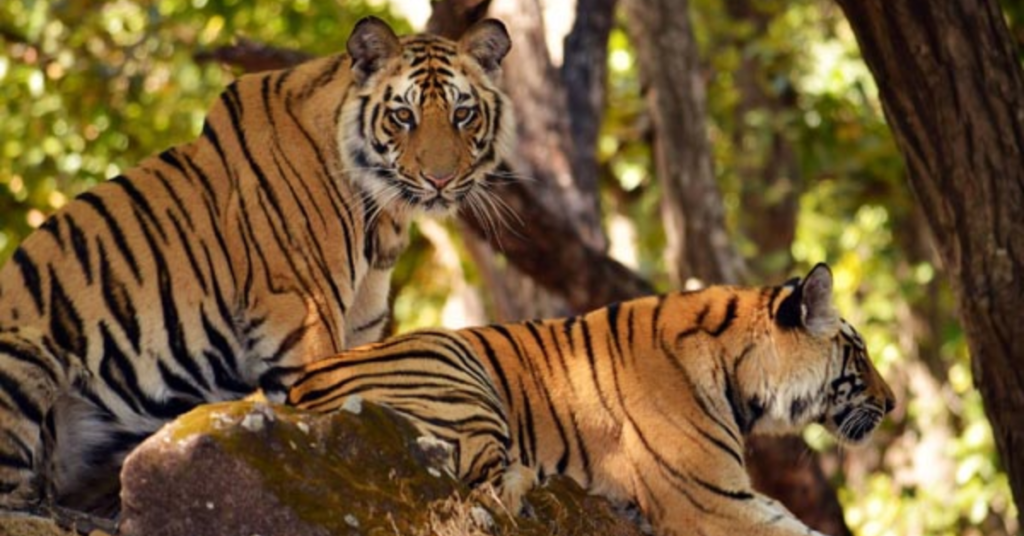
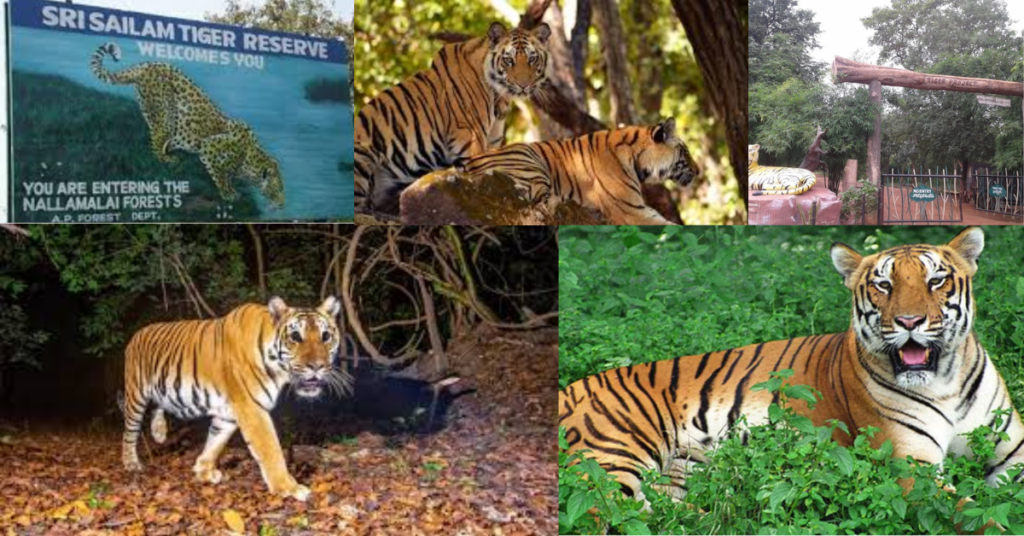
The Srisailam Tiger Reserve is also known as the Nagarjunasagar-Srisailam Tiger Reserve. It is one of India’s largest tiger reserves, spread across the Nallamala Hills in Andhra Pradesh and Telangana. Covering an area of 3,568 sq. km, this dense forest is home to Bengal Tigers, Leopards, Sloth Bears, Spotted Deer, Wild Boars, and various bird species.
It is a perfect destination for nature lovers, wildlife enthusiasts, and adventure seekers, offering jeep safaris, nature trails, and eco-tourism experiences.
Things to Do
✅ Go on a Jeep Safari to explore the wildlife. ✅ Visit the Mannanur Eco Park for a relaxing nature walk.
🔹 Best Time to Visit: November – April (Cool weather and better chances of spotting wildlife).
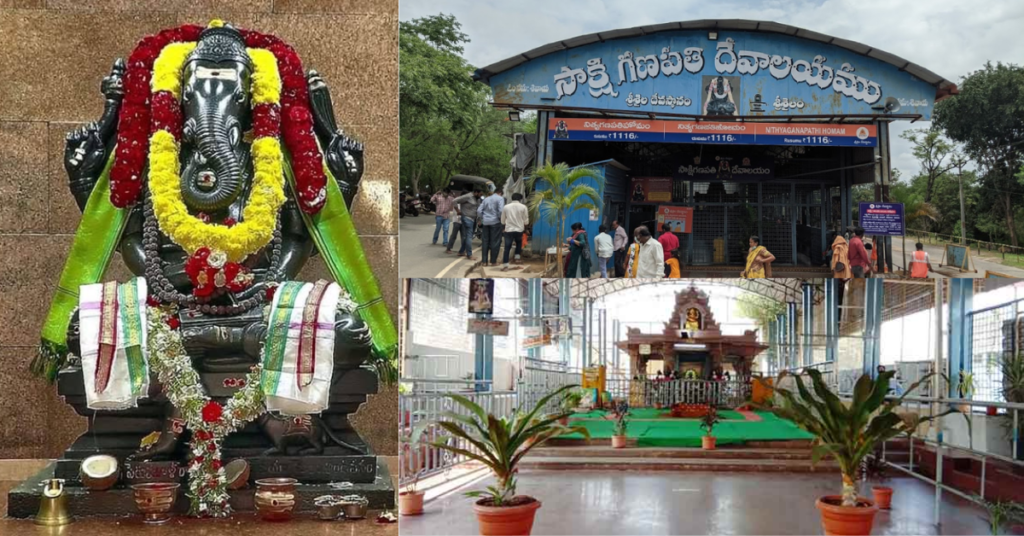
5. Sakshi Ganapathi Temple
📍 Distance from Srisailam Temple: 3 km ⏰ Timings: 6:00 AM – 8:00 PM 🎟️ Entry Fee: Free 🚗 Travel Mode: Auto, Walking
The Sakshi Ganapathi Temple is a sacred shrine near Srisailam, dedicated to Lord Ganesha. Pilgrims visiting Sri Bhramaramba Mallikarjuna Swamy Temple first seek the blessings of Sakshi Ganapathi. It is believed that Lord Ganesha keeps a record of devotees’ visits, ensuring that their pilgrimage is acknowledged in the divine realm.
This temple is a must-visit for those seeking a spiritual start to their Srisailam journey.
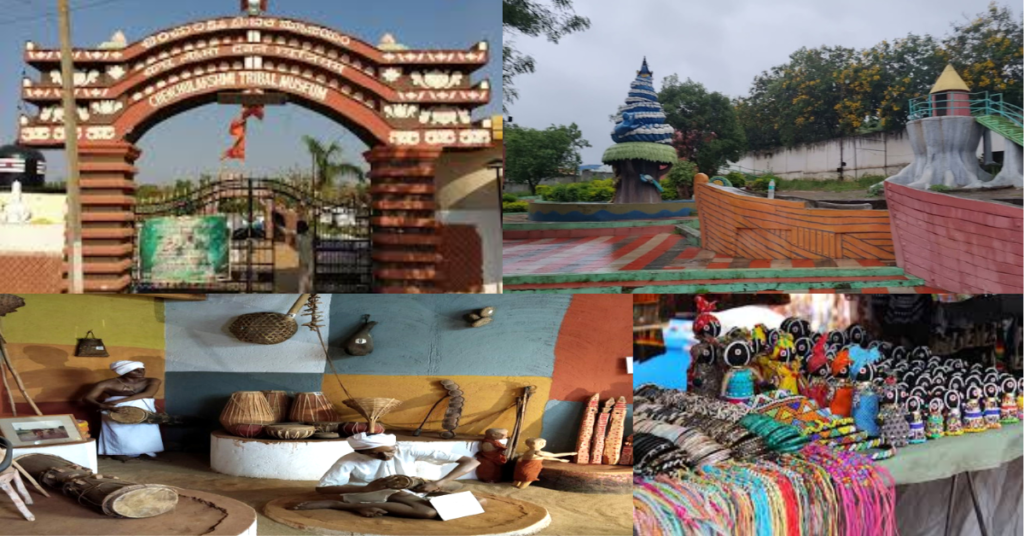
📍 Distance from Srisailam Temple: 2 km ⏰ Timings: 9:00 AM – 6:00 PM 🎟️ Entry Fee: ₹10 per person 🚗 Travel Mode: Auto, Taxi
The Chenchu Lakshmi Tribal Museum in Srisailam is a cultural and historical center showcasing the rich traditions, lifestyle, and history of the Chenchu tribe, the indigenous forest-dwelling community of the Nallamala Hills. One Of the Best Places to Visit Near Srisailam This museum is an excellent place to learn about tribal heritage, ancient tools, artifacts, and traditional practices.
It is named after Chenchu Lakshmi, believed to be an incarnation of Goddess Lakshmi, who married Lord Narasimha, a form of Lord Vishnu. The Chenchu people have worshipped her for centuries, and their cultural roots are deeply connected to Srisailam.
✅ See ancient tools, ornaments, and weapons used by the Chenchu tribe.
7. Phaladhara Panchadhara
📍 Distance from Srisailam Temple: 4 km ⏰ Timings: 6:00 AM – 6:00 PM 🎟️ Entry Fee: Free 🚗 Travel Mode: Auto, Taxi
Streams of Srisailam
Phaladhara Panchadhara is a sacred water stream flowing from the Nallamala Hills, One Of the Best Places to Visit Near Srisailam. It is believed to be the meditation site of Adi Shankaracharya, who composed the Shivananda Lahari here. The place gets its name from the two Sanskrit words:
Phaladhara – “Phala” (forehead) + “Dhara” (stream), meaning a stream emerging from Lord Shiva’s forehead.
Panchadhara – Five (Pancha) small streams (Dhara) that flow continuously.
Pilgrims visit this place to experience spiritual peace, as the water is considered pure and sacred
✅ A peaceful spot for meditation and nature photography.
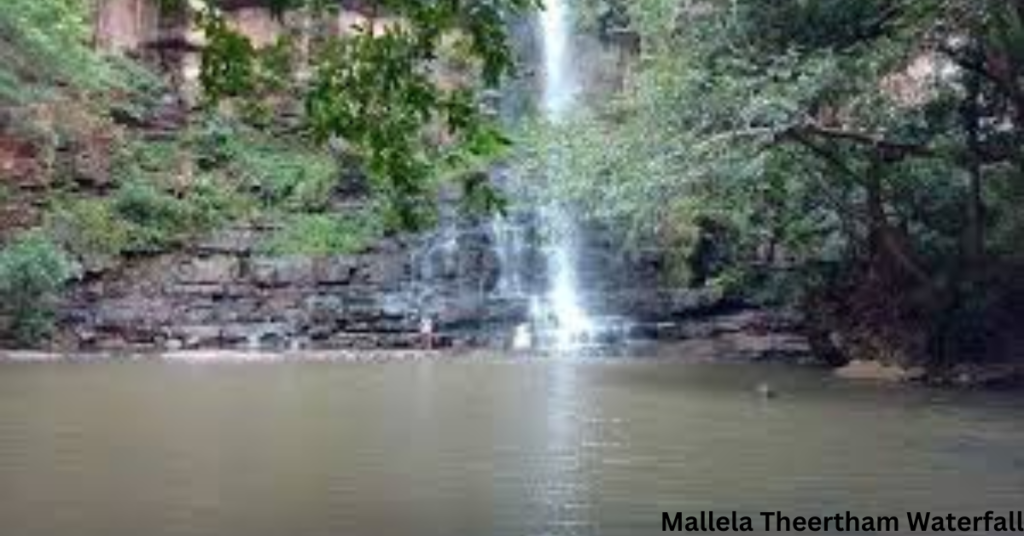
8. Mallela Theertham Waterfall
📍 Distance from Srisailam Temple: 58 km ⏰ Timings: 7:00 AM – 5:00 PM 🎟️ Entry Fee: ₹20 per person 🚗 Travel Mode: Private Vehicle
Mallela Theertham Waterfall is a stunning seasonal waterfall nestled deep in the Nallamala Forest, around 58 km from Srisailam. This breathtaking cascade falls from a height of 150 feet, One Of the Best Places to Visit Near Srisailam creating a serene and refreshing atmosphere.
Surrounded by dense green forests and rocky terrain, Mallela Theertham is a perfect getaway for nature lovers, adventure seekers, and spiritual travelers. The waterfall is believed to be sacred to Lord Shiva, and local legends say that many sages meditated here
✅ Take a refreshing dip in the cool waters.
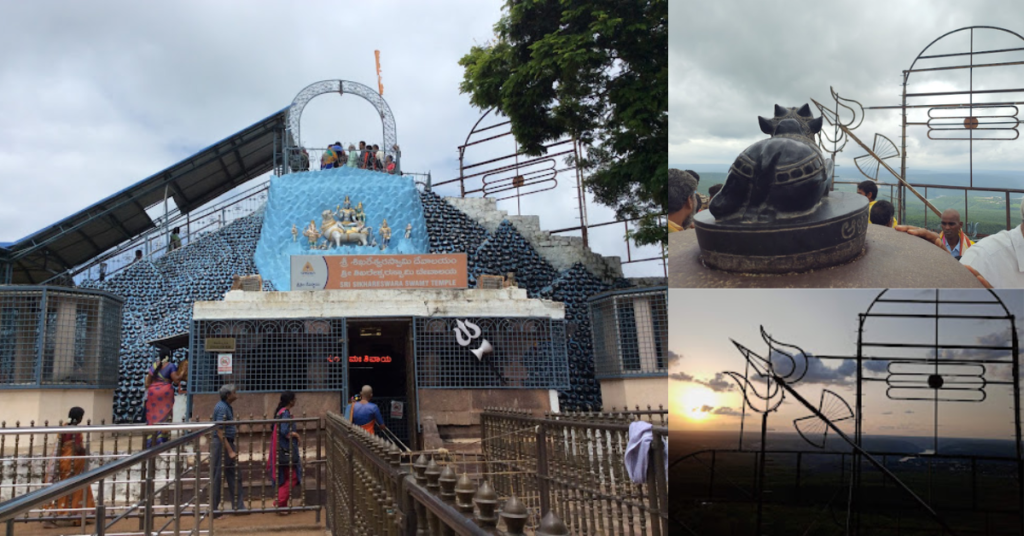
9. Srisaila Shikar Darshanam – Highest Viewpoint
📍 Distance from Srisailam Temple: 8 km ⏰ Timings: 6:00 AM – 6:00 PM 🎟️ Entry Fee: Free 🚗 Travel Mode: Auto, Taxi
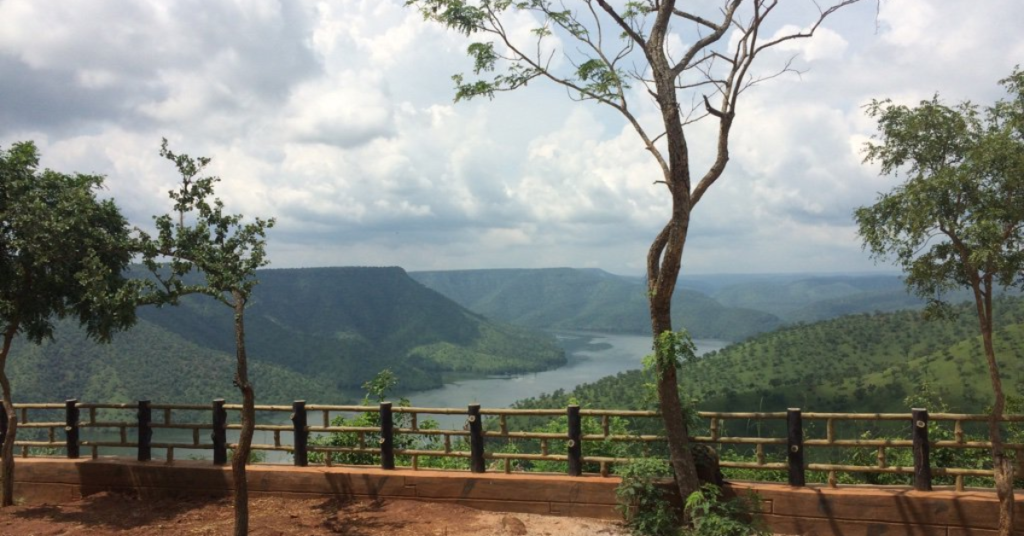
Srisaila Shikar Darshanam is the highest viewpoint in Srisailam, offering a spectacular panoramic view of the Srisailam Temple, Nallamala Hills, and the Krishna River. It is a sacred location where devotees can have a darshan (divine sight) of the temple’s golden gopuram (tower) from a distance, fulfilling a traditional ritual.
This viewpoint is also known as “Srisailam Shikharam”, and it marks the exact southern boundary of the Srisailam temple region. According to Hindu beliefs, a pilgrimage to Srisailam is considered complete only after visiting this place..
✅ Best spot to watch sunrise and sunset over the hills.
10. Octopus Viewpoint
📍 Distance from Srisailam Temple: 20 km ⏰ Timings: 6:00 AM – 6:00 PM 🎟️ Entry Fee: Free 🚗 Travel Mode: Private Vehicle
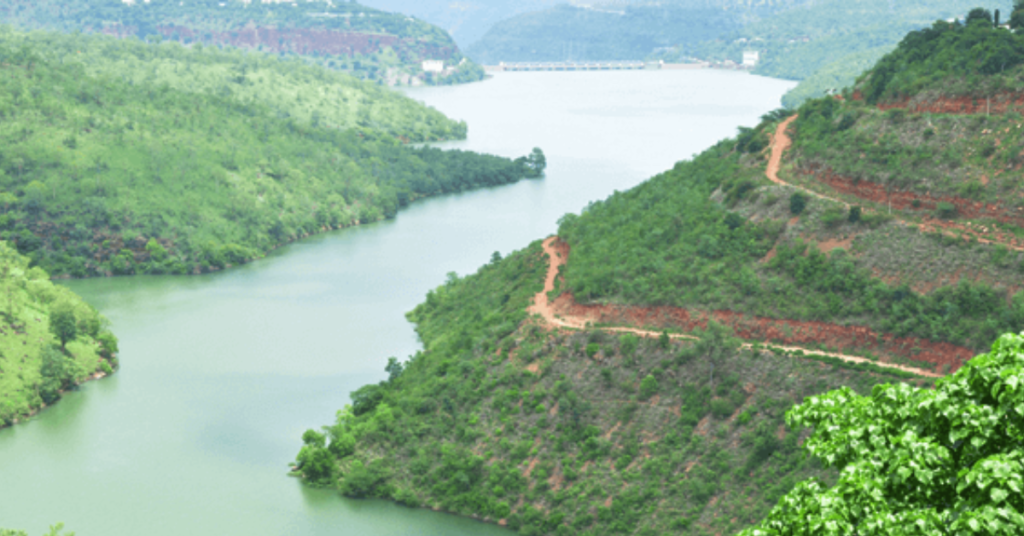
Octopus Viewpoint is one of the most stunning and lesser-known viewpoints near Srisailam, offering a breathtaking aerial view of the Krishna River as it meanders through the Nallamala Hills, resembling the shape of an octopus.
Surrounded by lush greenery and deep valleys, this viewpoint is a must-visit for nature lovers, photographers, and adventure seekers. It provides a calm and serene environment, making it a perfect break from temple visits.
✅ Best for photography and sightseeing.
11. Hatakeswaram Temple
📍 Distance from Srisailam Temple: 5 km ⏰ Timings: 6:00 AM – 7:00 PM 🎟️ Entry Fee: Free 🚗 Travel Mode: Auto, Taxi
The Hatakeswaram Temple is a significant Shiva temple located on the way to Srisailam, nestled amidst the serene Nallamala Hills. This ancient shrine is believed to be the place where Lord Shiva appeared as Hatakeswara (the golden lingam) to bless devotees. The temple is revered for its spiritual energy, natural beauty, and mythological significance.
Many pilgrims visit Hatakeswaram before proceeding to the Mallikarjuna Swamy Temple, as it is considered a sacred stop on the journey to Srisailam.
✅ A serene spot for prayers and meditation.
Essential Travel Tips for Visitors to Srisailam
Plan Your Visit – Check temple timings, accommodation, and weather before your trip.
Start Early for Darshan – Srisailam Temple can get crowded, so reach early for a smooth experience.
Wear Comfortable Footwear – Be prepared for walking, especially at temples and trekking spots.
Respect Temple Dress Code – Wear traditional attire for temple visits (avoid shorts and sleeveless clothing).
Beware of Monkeys – Keep food and valuables secured, especially near temple premises.
Travel Safely – Roads to Srisailam are scenic but hilly, so drive cautiously.
Check Wildlife Entry Rules – If visiting the Srisailam Tiger Reserve, follow forest department guidelines.
Srisailam is not just about temple visits but also offers nature, adventure, and wildlife experiences. Whether you’re a spiritual seeker or a nature enthusiast, these places will make your journey memorable and fulfilling.
🙏 Plan your Srisailam trip today and experience the divine beauty of the Nallamala Hills! 🚩
For the Best Deals for Flights And Hotel Click here
FREQUENTLY ASKED QUESTIONS
1. What is the best time to visit Srisailam?
The best time to visit Srisailam is October to February when the weather is cool and pleasant. Avoid peak summer (March–June) due to high temperatures.
2. What are the temple darshan timings in Srisailam?
Srisailam Temple Darshan Timings: 4:30 AM – 10:00 PM (Daily).
3. What is special about Octopus Viewpoint?
Octopus Viewpoint offers a stunning aerial view of the Krishna River winding through the Nallamala Hills, forming an octopus-like shape.
4. Are there food facilities available in Srisailam?
Yes, there are restaurants and temple Annadanam halls where free food is served daily between 10:30 AM – 3:00 PM.
5. Is Srisailam safe for solo travelers and families?
Yes, Srisailam is very safe for solo travelers and families, with good accommodation, transport, and security.
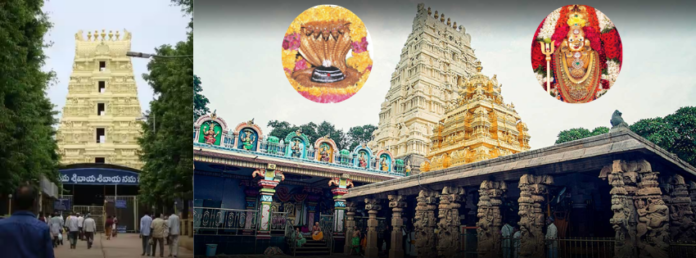
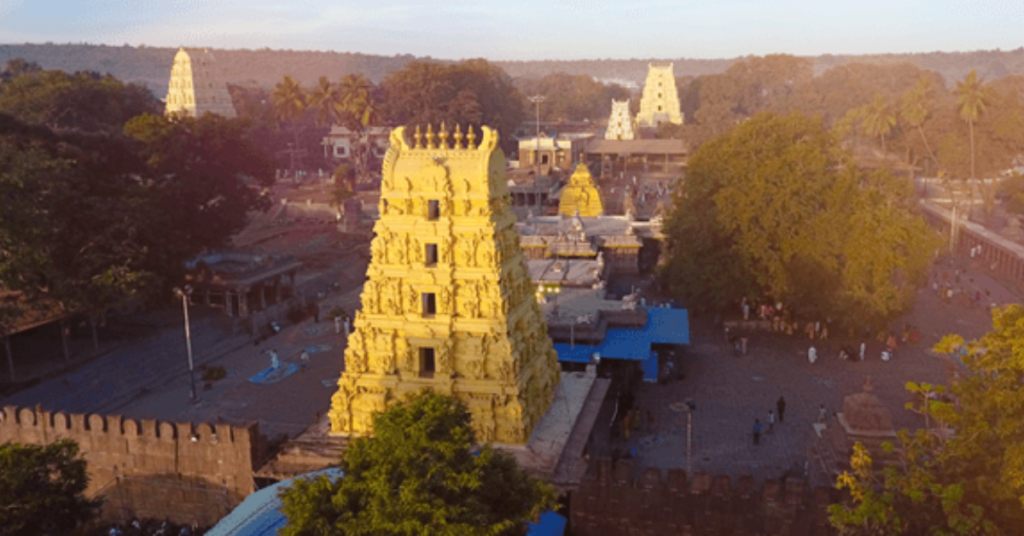
Srisailam Temple, also known as Sri Bhramaramba Mallikarjuna Swamy Temple, is one of India’s holiest pilgrimage sites. Nestled in the Nallamala Hills of Andhra Pradesh, this temple is dedicated to Lord Shiva (Mallikarjuna Swamy) and Goddess Parvati (Bhramaramba Devi). It holds immense spiritual significance as it is both a Jyotirlinga and a Shakti Peetha, making it a rare and powerful temple for Hindu devotees.
Whether you are a devotee, a history enthusiast, or a nature lover, Srisailam offers a divine experience with its stunning architecture, serene atmosphere, and mythological importance.
Mythological and Historical Significance
The Legend of Srisailam
According to Hindu mythology, Srisailam Temple is linked to the story of Lord Shiva and his son, Lord Kartikeya. After an argument with his parents, Kartikeya left Kailash and settled on Mount Krauncha. In an attempt to bring him back, Lord Shiva and Goddess Parvati came to Srisailam, making it their divine abode. This is why the temple is considered one of the most sacred Shaivite shrines.
Historical Background
The temple has been patronized by many rulers, including the Satavahanas, Chalukyas, Kakatiyas, Vijayanagara kings, and the Reddy dynasty. Historical inscriptions found in the temple date back to the 2nd century CE, indicating its prominence for centuries. The Vijayanagara rulers played a significant role in the temple’s expansion and fortification.
Grand Rudrabhishekam & Shivaratri Night Celebrations
Karthika Masam
October/November
Special Lighting of Lamps & Bilva Pooja
Navratri Utsavams
September/October
Celebrations for Goddess Bhramaramba
Ugadi (Telugu New Year)
March/April
Special Poojas & Abhishekams
Guru Purnima
July
Special Homams & Poojas for Guru Worship
Shravana Masam
July/August
Laksha Bilwarchana for Lord Shiva
Nearby Attractions
Mallela Theertham Waterfall – Beautiful waterfall
Srisailam Dam – Scenic reservoir
Akkamahadevi Caves – Ancient meditation caves
Hatakeswaram Temple – Another sacred Shiva temple
Temple Location Map
How to Reach Srisailam Temple?
🚗 By Road
From Hyderabad: 212 km (5-6 hrs drive)
From Vijayawada: 240 km (6-7 hrs drive)
From Tirupati: 400 km (8-9 hrs drive)
🚌 By Bus
TGRTC & APSRTC operate buses from Hyderabad, Vijayawada, and Tirupati to Srisailam.
✈️ By Air
Nearest airport: Rajiv Gandhi International Airport, Hyderabad (220 km)
For the Best Deals for Flights And Hotel Click here
🚉 By Train
Nearest railway station: Markapur Road Railway Station (85 km)
Taxis and buses are available from Markapur to Srisailam.
Conclusion
Srisailam Temple, dedicated to Lord Mallikarjuna Swamy and Goddess Bhramaramba, stands as a powerful spiritual destination, being both a Jyotirlinga and a Shakti Peetha. Nestled in the serene Nallamala Hills, this ancient temple attracts thousands of devotees seeking divine blessings, spiritual peace, and cultural heritage.
With its daily rituals, special sevas, grand festivals, and mesmerizing architecture, Srisailam offers a genuinely enriching pilgrimage experience. Whether you visit Maha Shivaratri, Karthika Masam, or Navratri, the temple’s spiritual aura is bound to leave a lasting impact.
🛕 May the blessings of Lord Mallikarjuna Swamy and Goddess Bhramaramba fill your life with peace, prosperity, and spiritual enlightenment! 🙏🚩
FREQUENTLY ASKED QUESTIONS
1. Can we do Abhishekam to Lord Shiva at Srisailam?
Yes, Rudrabhishekam can be performed at the temple by booking a ticket (₹1500).
2. Is there a free darshan at Srisailam Temple?
Yes, general darshan is free, but special entry darshan is available for ₹150.
3. What are the temple opening hours?
The temple is open daily from 4:30 AM to 10:00 PM.
4. What is the best time to visit Srisailam?
October to February is the best time due to pleasant weather and festival celebrations.
Known as the “Temple City of India,” Bhubaneswar is the capital of the state of Odisha. Home to hundreds of temples, the city has a perfect blend of history, culture, and modernity. Here are some Tourist Places in Bhubaneswar.
Bhubaneswar is a popular pilgrimage destination but it is not just limited to that as the city also boasts breathtaking architectural marvels, vibrant markets, lush gardens and impressive museums.
The town of Bhubaneswar positions itself advantageously in eastern India, making it easily accessible by road, railway, and international airport facilities. The tropical climate of Bhubaneswar is due to its proximity to the Bay of Bengal, which produces pleasant winter conditions and humid summer heat.
People choose to visit Bhubaneswar because of its numerous historical destinations, its beautiful natural scenery and the traditional Odia cuisine. The city also serves as a gateway to Puri, Konark and Chilika Lake.
In this blog, we will discuss famous temples in Bhubaneswar, and their rich history, spiritual significance, and stunning architecture. If you want to experience the vibrant culture and heritage of Eastern India, contact SuperbWorldTrip. We offer complete travel services, including guides, flights, hotels, buses, and more—all at great prices and discounts!
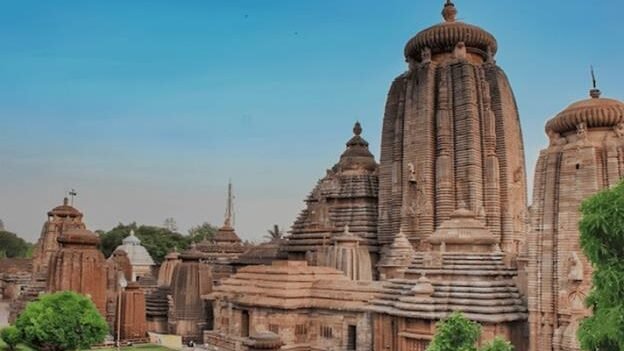
1. Lingaraj Temple
Among the oldest temples in Bhubaneswar, the Lingaraj Temple stands as the largest shrine that honours Lord Shiva. This temple is one of the 12 sacred Jyotirlingas situated across India.
As a perfect example of the Kalinga-style temple architecture, the temple was constructed in the 11th century during the reign of King Jajati Keshari. Different small shrines and a majestic 55-meter-tall tower comprise the temple complex structure.
The importance of this temple amongst the devotees of Shiva attracts thousands of tourists every year, especially during Mahashivratri.
Famous For – Intricate carvings, religious significance, and grand celebrations during Mahashivaratri, Rath Yatra and Chandan Yatra.
Entry Fee – Free
Timings – 5:00 AM – 9:00 PM
2. Odisha State Museum
Odisha has a rich blend of culture, history and heritage and there is no better place to understand and explore Odisha than the State Museum.
It is a large Museum spread across multiple floors and divided into various sections helping one understand Odisha’s rich history, including ancient manuscripts, weapons, and sculptures.
It is a must-visit place for tourists if they wish to understand the cultural and historical fabric of this captivating Indian state.
Famous For – Archaeological exhibits, palm-leaf manuscripts, and tribal art.
Timings – 10:30 AM – 5:30 PM (Closed on Mondays and Saturdays)
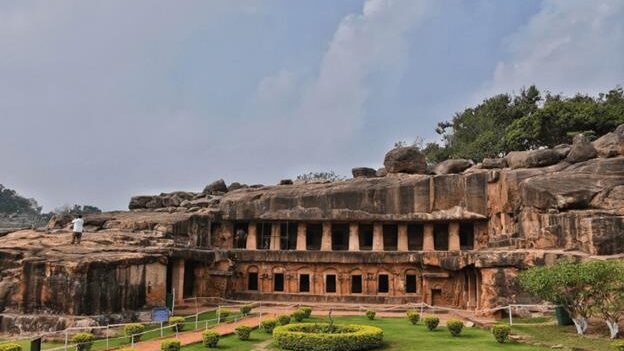
3. Udayagiri and Khandagiri Caves
These ancient rock-cut caves date back to the 1st century BCE and were used by Jain monks as a place of meditation and residence.
The caves display historical depictions and artwork featuring animals, deities and historical events in the form of inscriptions and carvings.
Art enthusiasts admire Barahbhuji Cave’s sculptures of 24 Tirthankaras and ShasanaDevi. Standing at the summit allows visitors to witness an incredible panoramic city view.
It is one of the most unique travel experiences one can wish for when visiting Bhubaneswar.
Famous For – Historical inscriptions, stunning sculptures, and scenic city views.
Dedicated to Lord Shiva, the Mukteshwar Temple is popularly known as the “Gem of Odisha Architecture”.
This temple is a beautiful example of Kalinga architecture known for its intricate carvings and beautiful arched gateway (torana).
This 10th-century temple still stands in pristine condition showcasing that it has well and truly stood the test of time. The decorative motifs and sculptural excellence make it a must-visit place for all.
Famous For – Stunning carvings, serene ambience and architectural mastery.
Entry Fee – Free
Timings – 6:30 AM – 7:30 PM
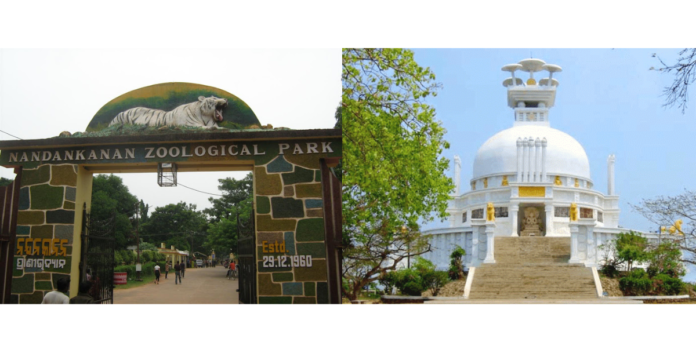
5. Dhauli Shanti Stupa
The Buddhist peace pagoda sits at the summit of the Dhauli Hills to mark the location of the Kalinga War, which led Emperor Ashoka to convert to Buddhism.
Lord Buddha and his Buddhist teachings can be found on stone panels that circle the entire stupa. Visitors can also enjoy the light and sound show describing the events of the Kalinga war.
Famous For – Serene environment, breathtaking views and cultural significance for Buddhists.
Entry Fee – Free
Timings – 6:00 AM – 6:00 PM
6. Odisha State Tribal Museum
Odisha is home to a mix of culture and traditions and one of the important aspects of the state’s cultural fabric is the tribal community.
The state is home to a diverse array of tribal communities, making up a significant portion of the state’s population.
The museum presents visitors with a comprehensive display of tribal heritage from Odisha through its arranged collection of artefacts together with jewellery and cultural relics.
Famous For – Tribal artefacts, costumes, musical instruments, jewellery and a comprehensive understanding of tribal life.
Entry Fee – Free
Timings – 10:00 AM – 5:30 PM (Closed on Mondays)
7. Chandaka Elephant Sanctuary
The Chandaka Elephant Sanctuary in Odisha operates as a special wildlife refuge dedicated to conserving Asian elephants in their native habitat.
The sanctuary is spread across 175 square kilometres of terrain containing rolling hills, dense forests and many species of plants and animals.
The sanctuary was set up in 1982 to protect the elephants who often venture into human settlements mainly due to the loss of their natural habitat. At this sanctuary, a wide range of birds, leopards and deer reside making it a haven for nature enthusiasts and wildlife researchers.
Famous For – Elephant safaris, eco-tourism and a wide variety of birds.
Entry Fee – INR 40 per person | INR 1000 for Foreign Nationals | INR 450 for Scientific Researchers
The Regional Museum of Natural History (RMNH) in Bhubaneswar, Odisha operates as a leading institution dedicated to teaching people about nature specifically targeting Indian biodiversity and ecological systems and conservation practices.
The museum was established in 2004 as a part of the network of regional museums established by the Ministry of Environment, Forest and Climate Change.
Multiple exhibits are showcased at the facility displaying information about flora and fauna, ecosystems, geology, and the importance of sustainable living. RMNH is a knowledge centre located in central Bhubaneswar that fosters education about the natural heritage of eastern India and beyond.
Famous For – Fossil exhibits, preserved animal species and interactive displays.
Entry Fee – Free
Timings – 10:00 AM – 6:00 PM (Closed on Mondays)
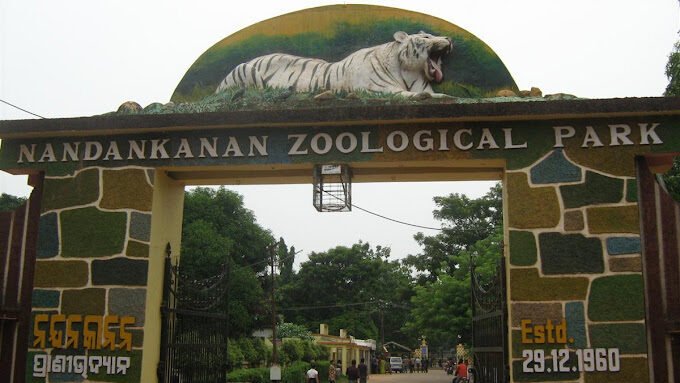
9. Nandankanan Zoological Park
The Nandankanan Zoological Park is a leading zoological institution near Bhubaneswar. The institution began its operations in 1960, spread across 437 hectares of land. It is also unique for becoming the first Indian zoo to join the World Association of Zoos and Aquariums (WAZA). Nandankanan Zoological Park maintains exceptional breeding programs for endangered animals including white tigers and Indian pangolin species.
Unlike conventional zoos, animals here live in near-natural habitats making it a must-visit destination for nature lovers and families. Its serene environment, coupled with its commitment to animal welfare, sets it apart as one of India’s most unique zoological parks.
Famous For – White tigers, safaris, and botanical gardens.
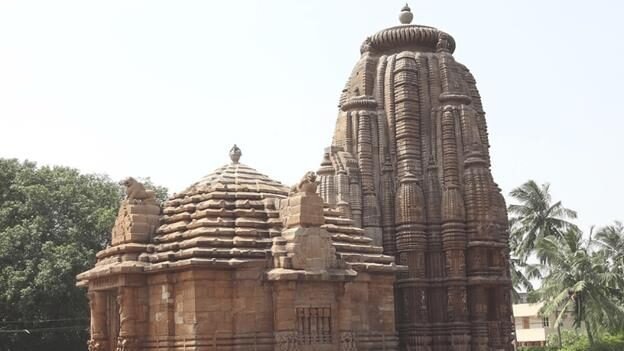
Rajarani Temple is an exquisite Kalinga architectural masterpiece independently standing as a crucial historical site.
Constructed in the 11th century Rajarani Temple stands out due to its detailed carvings, graceful sculptural elements and distinctive architectural style.
Rajarani Temple is also different from other temples in the region since it lacks a central deity leading to speculation about its purpose. The temple is famous due to complex carved figures of deities, mythical creatures and elaborate motifs that showcase the excellent artistic skills of that time.
Located among beautiful gardens the temple provides photographers and visitors with both a tranquil atmosphere and an attractive visual experience.
Recognised as a UNESCO World Heritage Site candidate, the temple is the perfect representation of Odisha’s remarkable cultural and architectural heritage.
Famous For – Unique carvings, elegant sandstone architecture and serene atmosphere.
The city of Bhubaneswar offers a delightful blend of history, spirituality and contemporary attractions.
Irrespective of whether you are a history buff, a nature lover or seeking spirituality, Bhubaneswar has something interesting to offer to everybody.
Plan your excursion today with SuperbWorldTrip – serving travellers since 2013, and experience the rich culture and legacy of the Temple City of India with the best travel deals on guides, flights, hotels, and more!
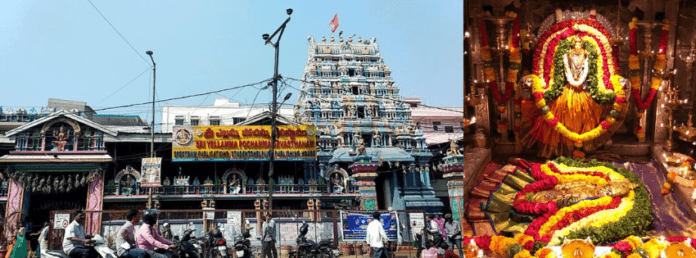
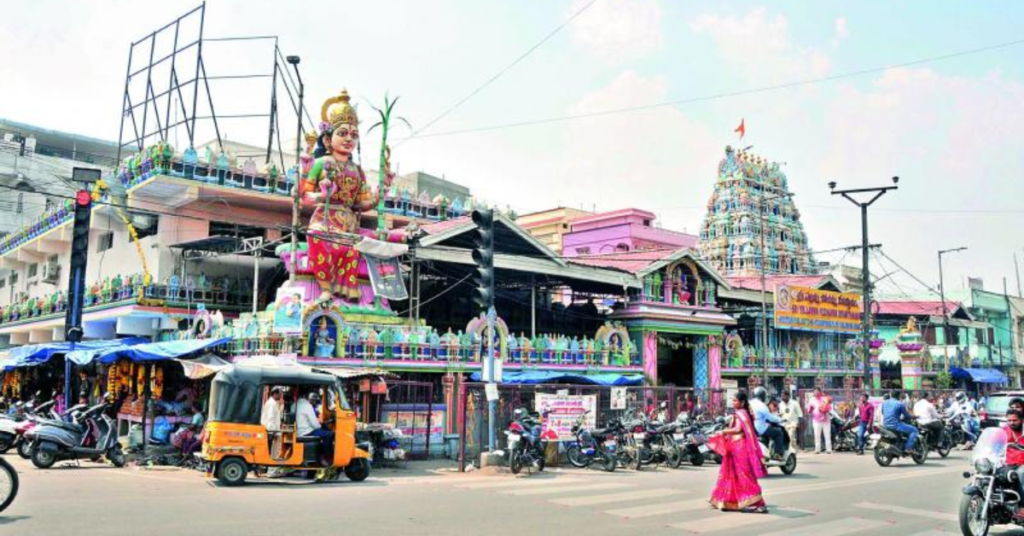
The first time I stepped into the Balkampet Yellamma Temple, I felt an inexplicable energy surrounding me. The chants of devotees, the fragrance of incense, and the sight of the goddess’s idol submerged in the well instantly transported me into a realm of deep spirituality. Located in Balkampet, Hyderabad, this temple is not just a place of worship but a historical marvel with roots tracing back to the 15th century.
The Legend of Goddess Yellamma – The “Jala Durga”
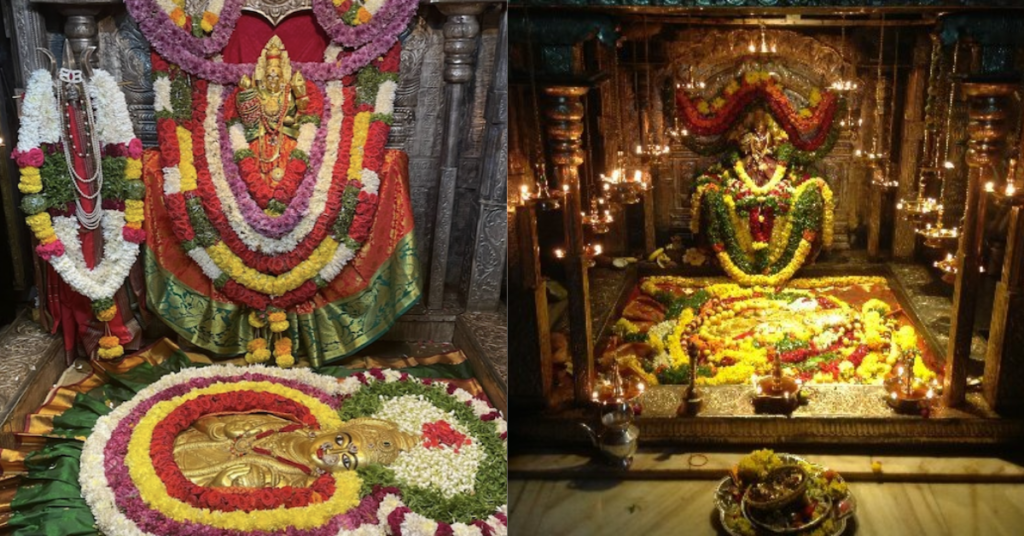
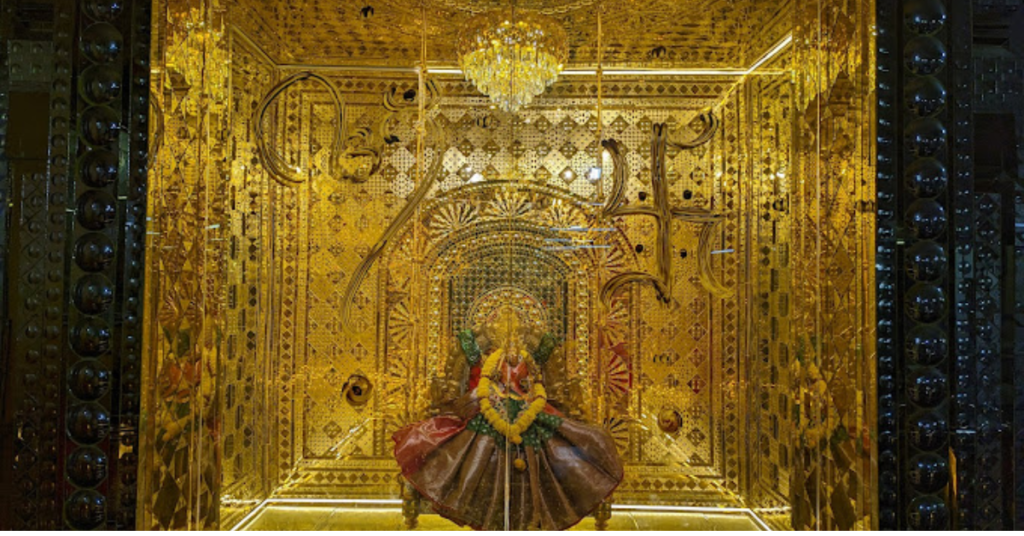
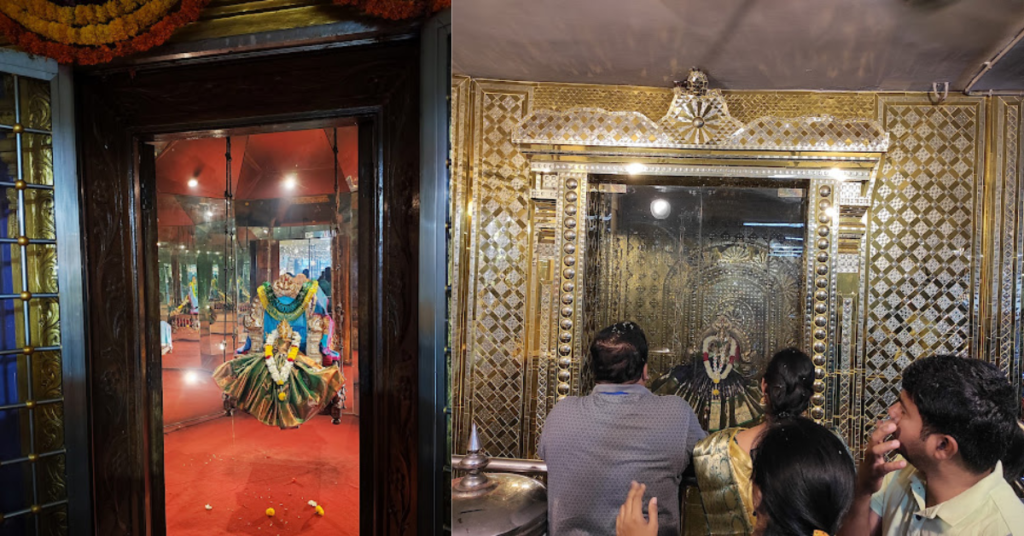
Unlike many temples where idols reside in traditional sanctums, Balkampet Yellamma Temple features the idol of Goddess Yellamma positioned 10 feet below ground level. Natural water flows continuously from her head, earning her the title “Jala Durga” (Goddess in Water). According to legend, a farmer dug a well and uncovered the idol, leading to her worship as a divine presence ever since.
Many devotees believe that the water from this well possesses curative powers, healing ailments and bringing prosperity. The faith in the divine energy here is so strong that people from far and wide come to take a sip or collect the sacred water.
Architectural Beauty & Unique Features
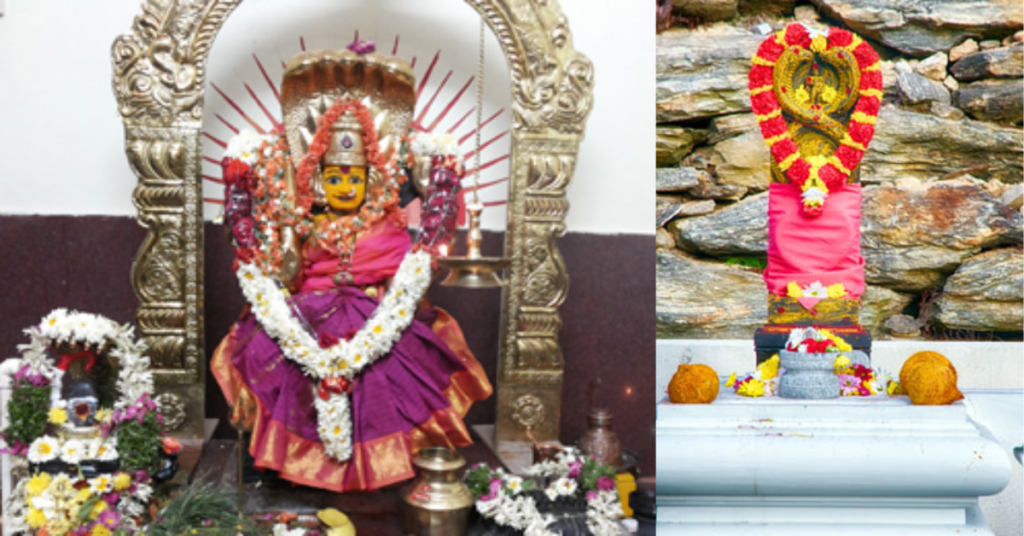
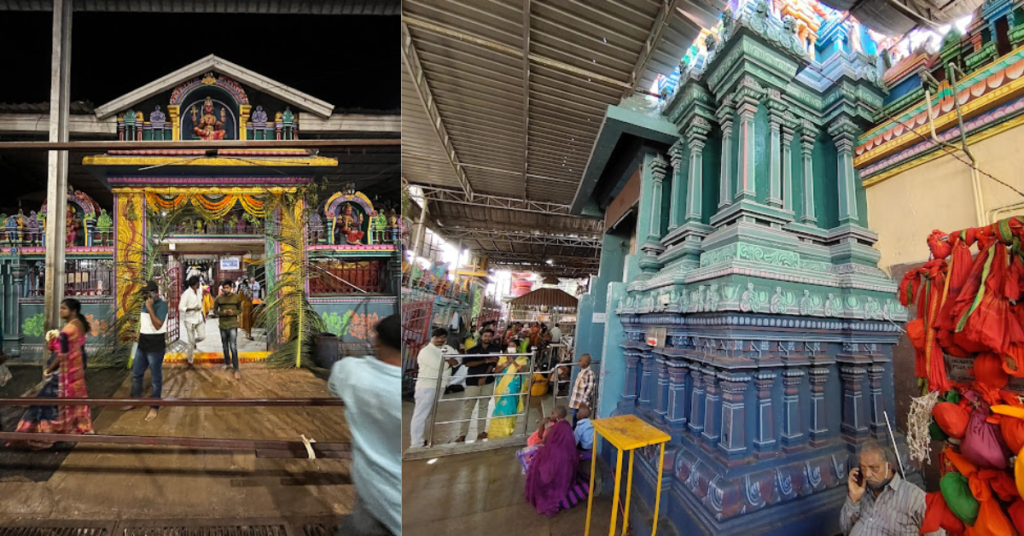
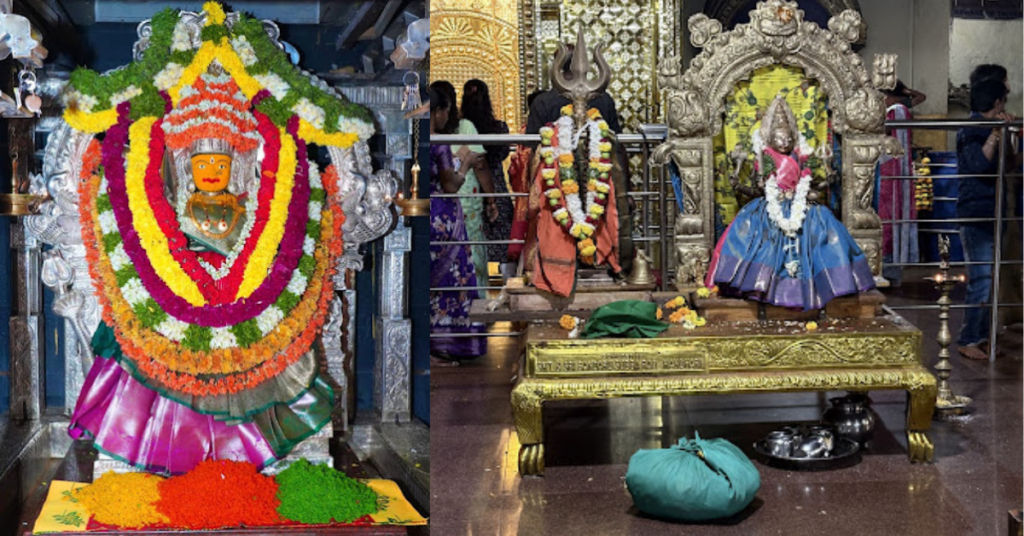
The Balkampet Yellamma Temple has undergone several renovations over the centuries, with its current structure standing strong since the early 20th century. The temple complex is well-maintained, featuring an open courtyard, multiple shrines, and a beautifully decorated sanctum. One of the most intriguing aspects is a small temple dedicated to Goddess Pochamma towards the southern side of the main temple, further adding to its sanctity.
Rituals, Poojas & Offerings
The temple follows a structured schedule of daily poojas and special rituals, performed to invoke the blessings of the goddess.
Daily Poojas & Sevas
Suprabhata Seva – Early morning prayers to awaken the goddess
Abhishekam – Holy bath ritual performed with milk, honey, and sacred water
Kumkum Archana – Offering of kumkum and turmeric to the deity
Alankaram – The goddess is adorned with flowers, jewelry, and silk attire
Maha Mangala Aarti – Evening aarti performed with lamps and devotional chanting
Nitya Kalyanam (Except Sundays, Tuesdays, and Fridays)
1100.00
Odibiyyam Offering
20.00
Shaswatha Annadanam
50001.00
Shaswatha Pooja
1116.00
PanchahaArathulu
50.00
Swarna Pushpa Archana
200.00
Festivals & Grand Celebrations
Bonalu Festival – Telangana’s Biggest Celebration
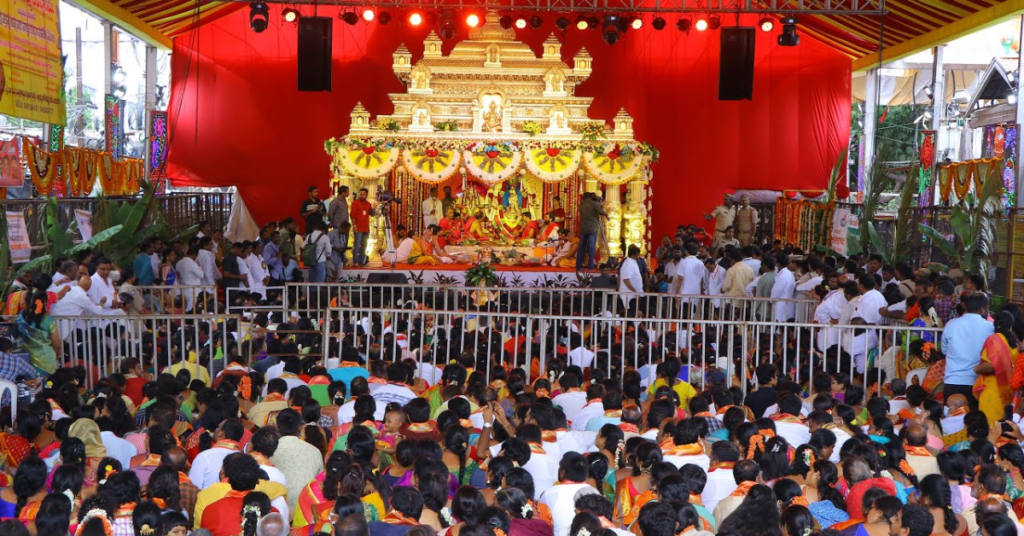
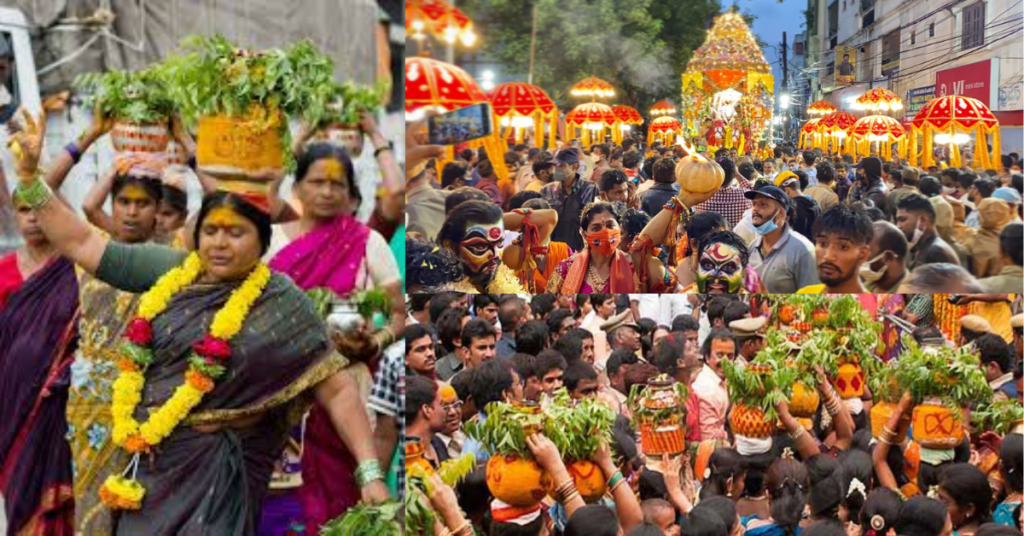
The Bonalu festival, dedicated to the goddess, is the most significant event celebrated at this temple. Women dress in traditional attire, carrying pots filled with offerings on their heads as a mark of devotion. The festival sees grand processions, cultural performances, and thousands of devotees flocking to seek the blessings of Yellamma.
Ammavari Kalyanam – The Divine Wedding
Another major event is Ammavari Kalyanam, a celestial wedding ceremony of Goddess Yellamma, celebrated with grandeur. The rituals, music, and spiritual fervor during this time make the temple a vibrant hub of devotion and culture.
Important Temple Timings & Worship Days
If you plan to visit, knowing the temple schedule is essential:
Day
Morning Timings
Evening Timings
Monday
5:00 AM – 1:00 PM
3:00 PM – 8:30 PM
Tuesday
5:00 AM – 1:00 PM
3:00 PM – 8:30 PM
Wednesday
5:00 AM – 1:00 PM
3:00 PM – 8:30 PM
Thursday
5:00 AM – 1:00 PM
3:00 PM – 8:30 PM
Friday
5:00 AM – 1:00 PM
1:00 PM – 8:30 PM
Saturday
5:00 AM – 1:00 PM
3:00 PM – 8:30 PM
Sunday
5:00 AM – 1:00 PM
1:00 PM – 8:30 PM
Special Worship Days:
Sunday, Tuesday, and Thursday are considered the most auspicious days to visit the temple.
How to Reach Balkampet Yellamma Temple
The temple is easily accessible from all parts of Hyderabad.
By Road: Located in Balkampet, well-connected by TSRTC buses, auto-rickshaws, and taxis.
Personal Experience: A Moment of Divine Connection
During my last visit to Balkampet Yellamma Temple, I witnessed a devotee who had traveled from Karnataka just to seek blessings from the goddess. She told me how she had prayed for her child’s health the previous year and had returned to offer thanks, as her prayers had been answered. Seeing such unwavering faith reaffirmed my belief in the spiritual power of this sacred place.
Image Gallery of Yellamma Temple
Accommodation Near Balkampet Yellamma Temple
If you’re traveling from outside Hyderabad, you’ll find several stay options nearby:
Budget Stay: Harsha Residency, Hotel Royal Grand
Mid-Range Hotels: The Plaza Hotel, Hotel Green Park
Luxury Stay: ITC Kakatiya, Taj Deccan
For the Best Deals for Flights And Hotel Click here
The Balkampet Yellamma Temple is more than just a religious site; it’s an experience that blends history, culture, and spirituality. Whether you’re drawn by faith, fascinated by history, or simply seeking divine blessings, this temple will leave you with an unforgettable sense of peace and devotion.
📌 Have you visited Balkampet Yellamma Temple? Share your experience in the comments below! Click the sacred water.
Frequently Asked Questions
1. What is the significance of the Balkampet Yellamma Temple?
A. The temple is dedicated to Goddess Yellamma (Renuka Devi) and is famous for its Jala Durga idol, which has natural water flowing from its head.
2. What are the best days to visit the temple?
A. Sundays, Tuesdays, and Thursdays are considered the most auspicious days to visit.
3. Can I perform special poojas or offerings?
A. Yes, you can book special poojas like Abhishekam, Kumkum Archana, and Alankaram at the temple.
Imagine standing in the serene surroundings of Tirumala, the air filled with the scent of incense and the sound of devotional chants. The SRIVANI TICKETS 2025 are your gateway to this divine experience, offering a seamless and enriching pilgrimage to one of the most sacred destinations in the world. Whether you’re a first-time visitor or a seasoned devotee, this guide will walk you through everything you need to know about SRIVANI TICKETS, from booking to making the most of your spiritual journey.
Understanding SRIVANI TICKETS
What Are SRIVANI TICKETS?
Picture this: You’re standing in the divine city of Tirupati, eagerly waiting for a glimpse of Lord Venkateswara at the Tirumala Temple. The air is filled with devotion, the sound of sacred chants echoing all around. You’ve heard about the long queues and the hours-long wait, and just as you start wondering how long it will take, someone mentions the SRIVANI Trust VIP Darshan Ticket—your golden opportunity to not only get a quicker darshan but also contribute to a noble cause. Intrigued, you ask, What exactly is an SRIVANI Ticket, and how does it work?
Well, SRIVANI, short for Sri Venkateswara Aalayala Nirmanam Trust, is a special donation-linked ticket system introduced by Tirumala Tirupati Devasthanams (TTD). Unlike other VIP darshan options, this initiative allows devotees to skip the long waiting hours while simultaneously playing a role in a larger spiritual mission. The funds collected through this scheme are dedicated to constructing and maintaining temples across India, ensuring that devotees not only receive divine blessings but also become a part of something truly sacred. In essence, it’s more than just a fast-track ticket—it’s a way to serve Dharma while experiencing a seamless darshan.
Benefits of SRIVANI TICKETS
VIP Break Darshan Access – Skip the long queues and experience the spiritual bliss of Lord Venkateswara’s darshan without hassle.
Contribution to Temple Construction – Your donation goes directly to the construction and maintenance of Hindu temples across the country.
Ease of Booking – With an online booking option, getting your SRIVANI ticket has never been easier.
One-Time Donation Per Year – A single contribution in a year qualifies you for VIP darshan.
Eligibility Criteria for Purchasing
Anyone can purchase a SRIVANI Ticket, provided they make a minimum donation of ₹10,000 per ticket. However, there are some restrictions:
Each donor can book only one ticket per year.
Tickets are non-transferable.
The pilgrim must provide valid ID proof at the time of booking and darshan.
Booking Process for SRIVANI TICKETS 2025
Online Booking Platform
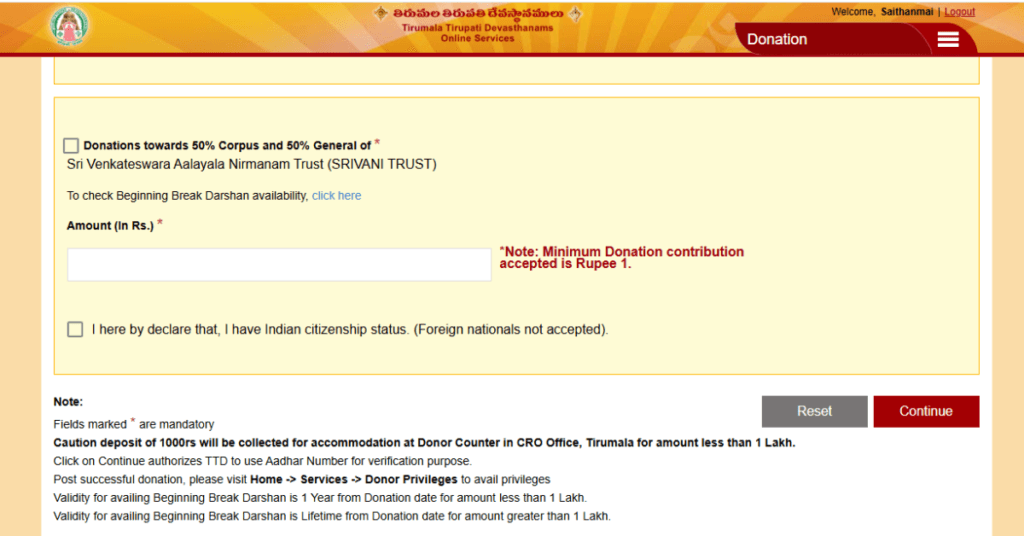
The entire booking process for SRIVANI Tickets 2025 is online, making it accessible to devotees worldwide. Simply follow these steps:
Once payment is confirmed, you will receive a Darshan ticket confirmation.
Download and print your ticket for entry into Tirumala.
Offline SRIVANI Ticket Booking
Devotees who cannot book online can opt for offline booking at Tirumala:
Proceed to the Vaikuntam Queue Complex-I on the darshan day.
Visit the SRIVANI Donor Cell at Vijaya Bank Counter in Tirumala.
Make the donation payment.
Collect the VIP Break Darshan ticket.
Required Documents
Valid Government ID Proof (Aadhaar, Passport, Voter ID, etc.)
Proof of donation (receipt from TTD)
Srivani Trust Donation Benefits
Devotees who contribute to the Srivani Trust are eligible for special privileges, including VIP Break Darshan, accommodation, prasad, and exclusive gifts. The benefits vary based on the donation amount.
3 Days Suprabhata Seva + 3 Days Beginning Break Darshan (For 5 Persons)
3 Days Accommodation (₹3000 Tariff)
10 Big Laddus + 20 Small Laddus + 10 Mahaprasadam
1 Dupatta + 1 Blouse Piece + 1 Gold Dollar (5gms) + 1 Silver Coin (50gms) + 1 Day Veda Ashirvachanam
Key Notes:
VIP Break Darshan Access is based on donation amount (every ₹10,000 qualifies for 1 Break Darshan).
Accommodation & Prasadam benefits increase with higher donations.
Exclusive Gifts include Dupatta, Blouse Pieces, Silver & Gold Coins, and Veda Ashirvachanam for top-tier donors.
All donations are directed towards the temple trust and corpus fund.
Important Guidelines for SRIVANI Ticket Holders
ID Proof: Carry a valid government-issued ID (Aadhar, Passport, PAN, etc.).
Dress Code: Traditional attire is mandatory.
Men: Dhoti/Kurta-Pajama
Women: Saree/Salwar Kameez
Reporting Time: Arrive at the designated entry point at least 1 hour before darshan.
One-time Use: Each donation entitles a devotee to only one VIP Break Darshan.
No Transfer or Cancellation: Tickets once booked cannot be transferred or canceled.
Your SRIVANI Experience
The journey to Tirumala is as much about preparation as it is about the darshan itself. Choosing the best times to visit, considering the weather and crowd patterns, can enhance your experience. Packing essentials, like comfortable clothing and necessary medications, is crucial.
Adhering to the dress code and etiquette guidelines, a mark of respect for the sanctity of the temple is essential. Accommodation options near Tirumala are plentiful, catering to various budgets and preferences.
Best Time to Avail SRIVANI VIP Darshan
To avoid crowds and get a peaceful darshan, consider booking SRIVANI VIP Darshan during:
Weekdays (Monday to Thursday) – Lesser rush compared to weekends.
Non-festival periods – Avoid peak seasons like Brahmotsavam, and Vaikunta Ekadasi.
Must-Have Travel Products for Your Tirumala Visit
To ensure a comfortable and hassle-free trip to Tirumala, here are some essential travel products to carry:
Comfortable Footwear – Lightweight sandals or slippers suitable for walking long distances.
Traditional Attire– Required for darshan (Dhoti & Shirt for men, Saree/Salwar Kameez for women).
Backpack or Small Bag– To carry essentials like water bottles, snacks, and personal items.
Power Bank– Since mobile charging points may not be easily available.
For on-site assistance, devotees can visit the TTD Information Centers located at Tirupati and Tirumala.
Final Thoughts
The SRIVANI Trust VIP Break Darshan is an excellent option for devotees looking for a faster and hassle-free darshan while contributing to temple development. However, due to its limited availability and high demand, it’s best to plan and book early.
Are you planning to book SRIVANI VIP Darshan in 2025? Let us know your experience or queries in the comments below!
Imagine standing at the foot of the sacred Tirumala hills, the morning mist wrapping around the temple spires as chants of Om Namo Venkatesaya resonate in the air. The crowd swells with thousands of devotees, each waiting for their divine moment with Lord Venkateswara. But what if you could skip the long queues and immerse yourself in a more peaceful, spiritually enriching darshan? Welcome to the TTD VIP Break Darshan—a privileged experience that allows devotees an exclusive and serene encounter with the deity.
Understanding TTD VIP Break Darshan
Definition and Purpose
The VIP Break Darshan is a special category of darshan provided by the Tirumala Tirupati Devasthanams (TTD) that grants devotees an expedited and more personalized experience of Lord Venkateswara’s divine presence. Designed primarily for dignitaries, donors, and those with special recommendations, this darshan eliminates long wait times and offers a unique opportunity for an intimate spiritual moment.
Historical Background
VIP Darshan has its roots in TTD’s longstanding tradition of honoring saints, rulers, and philanthropists who have significantly contributed to the temple. Over time, it evolved to accommodate devotees who wished to have a less crowded and more meditative experience.
Significance in Hindu Pilgrimage
For Hindus, visiting Tirumala is a once-in-a-lifetime journey, an act of devotion and faith. The VIP Break Darshan ensures that devotees, especially those with health concerns or time constraints, can partake in the prasadam and blessings without enduring the strenuous queues of regular darshan.
By Road: APSRTC buses frequently operate between Tirupati and Tirumala.
Private taxis and car rentals are also available.
By Foot: Alipiri Mettu: 3550 steps (9 km) – Takes 3 to 4 hours.S
Sri vari Mettu: 2388 steps (2.1 km) – Takes 1.5 to 2 hours.
By Train: The nearest railway station is Tirupati Railway Station, well connected to major cities.
Final Thoughts: Is VIP Break Darshan Worth It?
If you’re seeking a spiritually enriching darshan without the exhaustion of long queues, the TTD VIP Break Darshan is undoubtedly worth considering. Whether you’re a donor, a devotee with special needs, or simply looking for a serene temple experience, this option provides a seamless and memorable encounter with Lord Venkateswara.
Have you experienced the VIP Break Darshan at Tirumala? Share your thoughts in the comments below!
FAQs
1. Can anyone apply for VIP Break Darshan?
No, only dignitaries, donors, TTD employees’ relatives, and those with special recommendation letters can apply.
2. How much does VIP Break Darshan cost?
The ticket costs ₹500 per person.
3. How early should I book my VIP Break Darshan?
It’s advisable to book at least a few weeks in advance, especially during peak seasons.
When you think of beaches in India, Goa or Kerala might come to mind. But let me tell you, Top 10 Beaches in Andhra Pradesh, coastline is a hidden gem waiting to be explored. With its pristine shores, serene waters, and untouched beauty, the beaches here offer a perfect escape from the chaos of city life.
Having traveled extensively along Andhra’s coast, I’ve discovered some of the most breathtaking beaches that are still underrated. From the bustling Rama Krishna Beach to the tranquil Suryalanka Beach, each destination has its own charm. Let’s dive into Top 10 Beaches in Andhra Pradesh and uncover their secrets.
1. Rushikonda Beach: The Crown Jewel of Visakhapatnam
Why Visit?
Rishikonda Beach is one of the most popular beaches in Andhra Pradesh, and for good reason. Its golden sands, clear waters, and lush green hills make it a paradise for beach lovers.
Personal Experience
I remember spending an entire day here, indulging in water sports like jet skiing and parasailing. The beach is well-maintained, and the nearby resorts offer a comfortable stay.
Practical Tips
Best Time to Visit: October to March
Activities: Water sports, swimming, and beach volleyball
Nearby Attractions: Dolphin’s Nose Lighthouse, Kailasagiri Hill
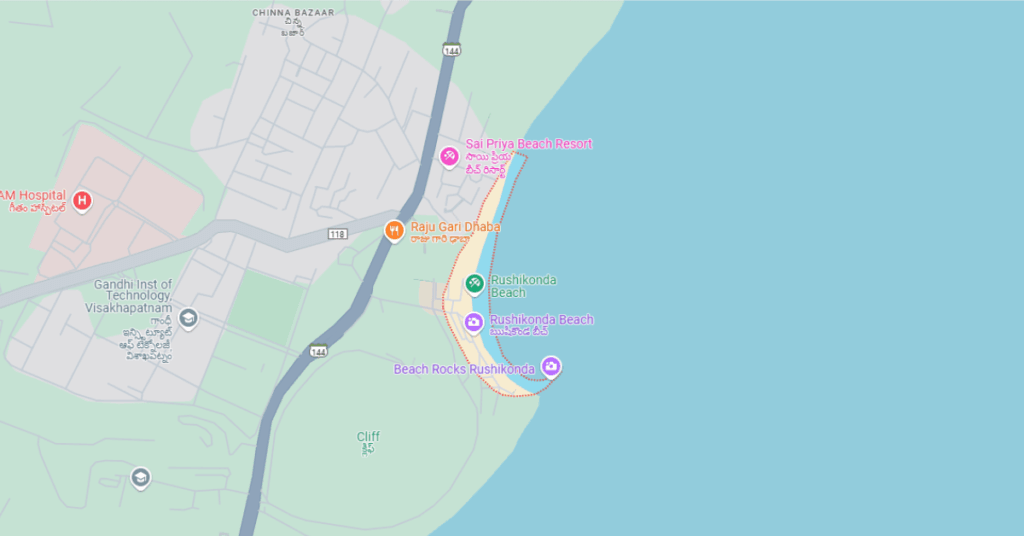
Rushikonda Beach Location On Maps:
Click on the map and start exploring the best beaches in Andhra Pradesh.
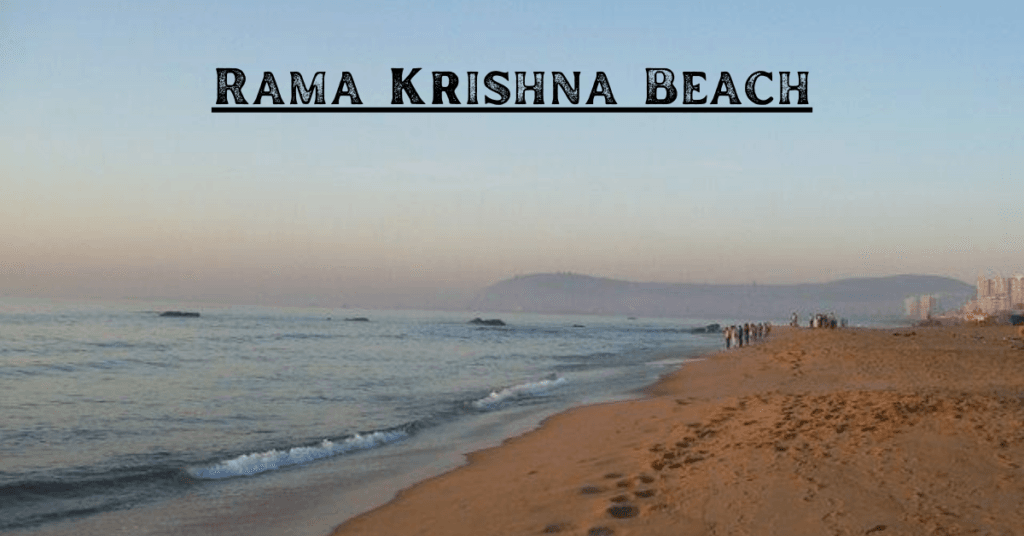
Rama Krishna Beach, also known as RK Beach, is a bustling hub of activity. It’s perfect for a leisurely stroll, especially during sunset.
Personal Experience
The beach’s vibrant atmosphere, with food stalls and street performers, reminded me of Mumbai’s Marine Drive. Don’t miss the iconic Submarine Museum nearby.
Practical Tips
Best Time to Visit: November to February
Activities: Evening walks, street food tasting
Nearby Attractions: Submarine Museum, Visakha Museum
Rama Krishna Beach Location On Maps:
Click on the map and start exploring the best beaches in Andhra Pradesh.
Uppada Beach is not just about its serene beauty; it’s also famous for its exquisite Uppada Silk Sarees. The beach is relatively less crowded, making it ideal for a peaceful retreat.
Personal Experience
I was mesmerized by the golden sands and the rhythmic sound of the waves. The nearby village offers a glimpse into the traditional art of saree weaving.
Practical Tips
Best Time to Visit: October to March
Activities: Saree shopping, beach walks
Nearby Attractions: Uppada Saree Weaving Center
Uppada Beach Location On Maps:
Click on the map and start exploring the best beaches in Andhra Pradesh.
4. Suryalanka Beach: The Hidden Gem
Why Visit?
Suryalanka Beach, located near Bapatla, is a hidden gem that’s perfect for those seeking solitude. The beach is known for its clean sands and calm waters.
Personal Experience
I spent a quiet evening here, watching the sun dip below the horizon. The beach is ideal for meditation and yoga.
Practical Tips
Best Time to Visit: November to February
Activities: Yoga, meditation, bird watching
Nearby Attractions: Bapatla Beach, Nagarjuna Sagar Dam
Suryalanka Beach Location On Maps:
Click on the map and start exploring the best beaches in Andhra Pradesh.
Mypadu Beach, located in Nellore, is one of the most pristine beaches in Andhra Pradesh. Top 10 Beaches in Andhra Pradesh. Its untouched beauty makes it a must-visit for nature lovers.
Personal Experience
The beach’s tranquil environment and the sound of the waves crashing against the shore were incredibly soothing. It’s a great spot for photography.
Practical Tips
Best Time to Visit: October to March
Activities: Photography, beachcombing
Nearby Attractions: Pulicat Lake, Nelapattu Bird Sanctuary
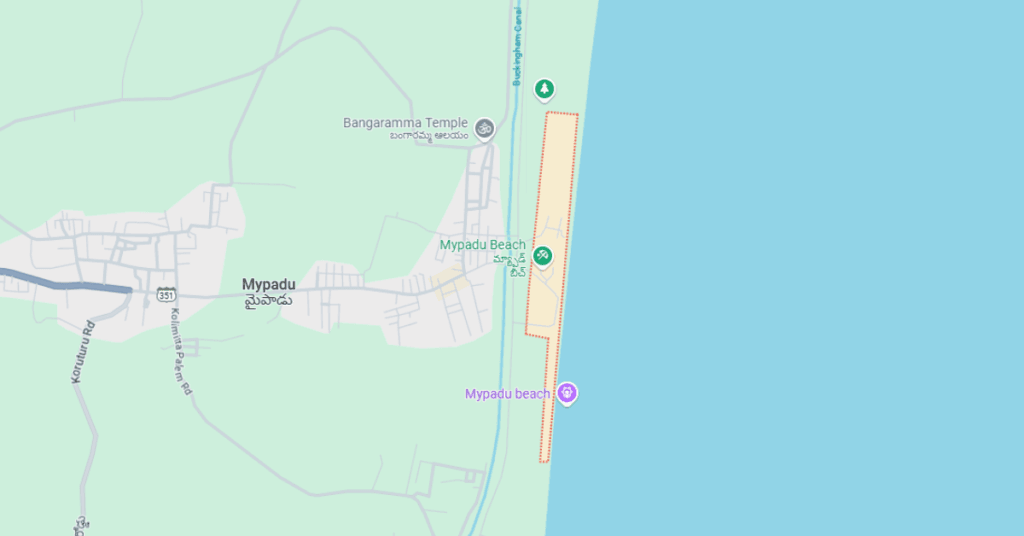
Mypadu Beach Location On Maps:
Click on the map and start exploring the best beaches in Andhra Pradesh.
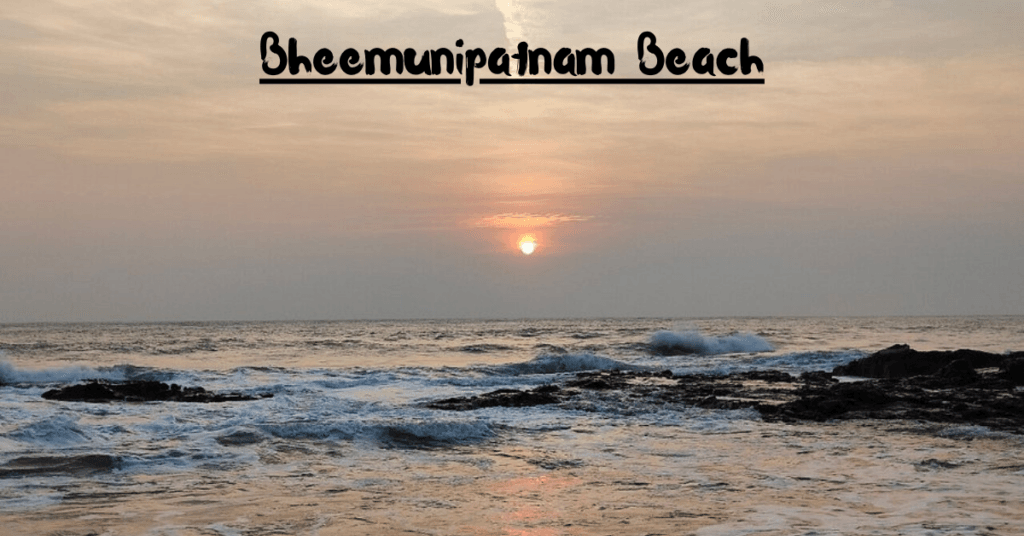
6. Bheemunipatnam Beach: The Historical Haven
Why Visit?
Bheemunipatnam Beach, also known as Bheemili Beach, is one of the oldest municipalities in India. Its historical significance and scenic beauty make it a unique destination.
Personal Experience
I explored the Dutch Cemetery and the old lighthouse, which added a historical touch to my beach visit. The beach is perfect for a quiet picnic.
Manginapudi Beach, located near Machilipatnam, is famous for its black sand and therapeutic properties. It’s a unique beach experience you won’t find elsewhere.
Personal Experience
Walking on the black sand was a surreal experience. The beach is also known for its annual Krishna Pushkaram Festival.
Baruva Beach, located in Srikakulam, is known for its scenic beauty and the nearby Mahendragiri Hills. It’s a great spot for nature lovers.
Personal Experience
The beach’s pristine environment and the view of the hills in the distance were truly captivating. It’s a great place to unwind and reconnect with nature.
Practical Tips
Best Time to Visit: October to March
Activities: Nature walks, photography
Nearby Attractions: Mahendragiri Hills, Srikakulam Town
Baruva Beach Location On Maps:
Click on the map and start exploring the best beaches in Andhra Pradesh.
Traveler’s Toolkit: Essential Tips for Your Beach Trip
Packing Essentials
Sunscreen: Protect your skin from the harsh sun.
Beachwear: Don’t forget your swimsuits and flip-flops.
Top 10 Beaches in Andhra Pradesh, beaches are a treasure trove of natural beauty and tranquility. From the bustling Rama Krishna Beach to the hidden Suryalanka Beach, each destination offers a unique experience.
Which beach in Andhra Pradesh excites you most? Share below!
Found this helpful? Share it with friends.
Frequently Asked Questions (FAQs):
Q1) What is the best time to visit Andhra Pradesh beaches?
ANS: The best time to visit is between October and March when the weather is pleasant.
Q2) Which beach is best for water sports?
ANS: Rishikonda Beach is ideal for water sports like jet skiing and parasailing.
Q3) Are Andhra Pradesh beaches family-friendly?
ANS: Yes, beaches like Rama Krishna Beach and Vodarevu Beach are perfect for family outings.
Q4) Which beach is known for black sand?
ANS: Manginapudi Beach is famous for its unique black sand.
Q5) Can I find accommodation near these beaches?
ANS: Yes, most beaches have nearby resorts and hotels. Book Here.
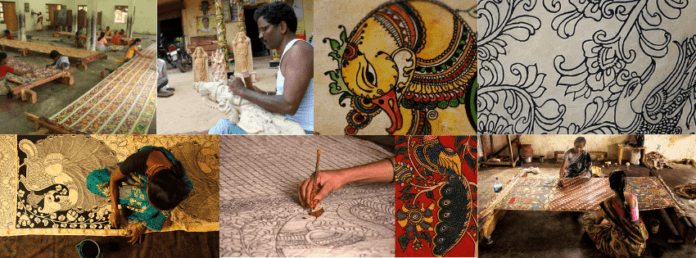
Have you ever wondered about the intricate artistry behind those stunning silk sarees that catch your eye? 🧵✨ Prepare to be mesmerized as we embark on a journey into the enchanting world of Srikalahasti Silk Saree Weaving Units. This ancient craft, steeped in rich heritage and tradition, has been transforming mere threads into treasured works of art for generations.
Imagine running your fingers over the smooth, lustrous fabric of a Srikalahasti silk saree, feeling the weight of centuries of craftsmanship. From the moment the first thread is spun to the final intricate design, every step in creating these masterpieces is infused with magic and meticulous skill. But as modern trends threaten to overshadow traditional crafts, the question arises: how can we preserve this timeless art form for future generations?
Join us on a journey through the weaving units of Srikalahasti, where each thread tells a story of dedication, artistry, and heritage.
Join us as we unravel the journey of Srikalahasti silk sarees, from their historical roots to their contemporary global appeal.
The Rich Heritage of Srikalahasti Silk
Origins and Historical Significance
The origins of Srikalahasti silk sarees trace back to the Vijayanagara Empire when rulers and aristocrats adorned themselves in these rich fabrics for temple rituals and royal ceremonies. Over time, the craft flourished under various dynasties, eventually making Srikalahasti a vital weaving hub in South India.
Unique Characteristics of Srikalahasti Silk
Srikalahasti silk is distinguished by:
Temple-Inspired Borders – Reflecting the intricate carvings of Srikalahasteeswara Temple.
Pure Mulberry Silk – Offering a luxurious texture and unmatched durability.
Rich Zari Work – Gold and silver threads add grandeur.
Handwoven Craftsmanship – Every saree is manually woven, making it unique.
Cultural Importance in Indian Textile Tradition
Srikalahasti silk sarees are deeply intertwined with Indian customs and traditions. From being a preferred choice for bridal trousseaus to serving as sacred offerings in temples, these sarees symbolize purity, prosperity, and devotion.
Understanding the Srikalahasti Silk Weaving Process
Raw Materials and Their Sourcing
The primary raw material, mulberry silk, is sourced from Karnataka and Tamil Nadu, ensuring the finest quality. The zari (gold and silver threads) comes from Surat, Gujarat.
Traditional Techniques and Tools
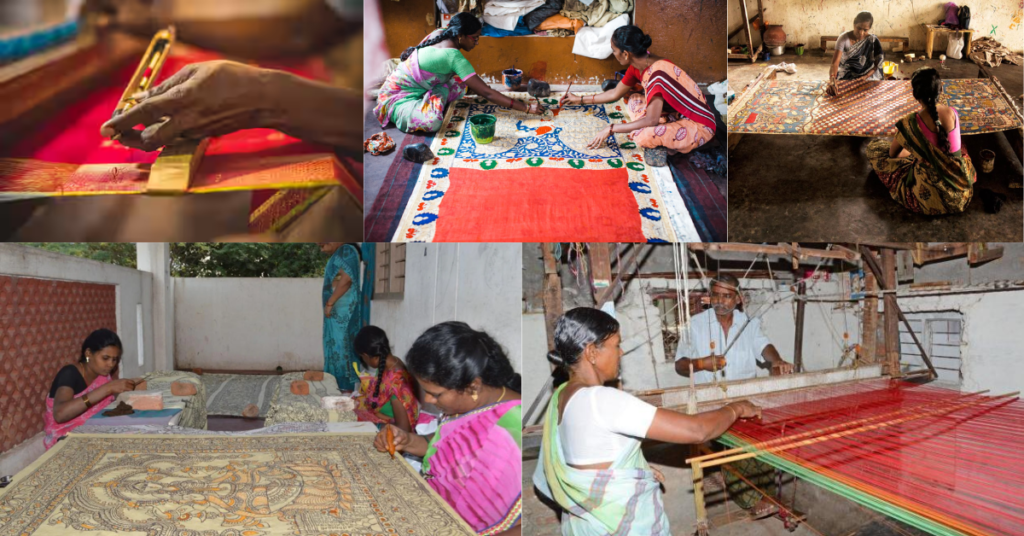
Artisans employ pit looms and frame looms, using techniques passed down through generations. Each saree takes weeks or even months to complete, depending on its complexity.
Step-by-Step Weaving Procedure
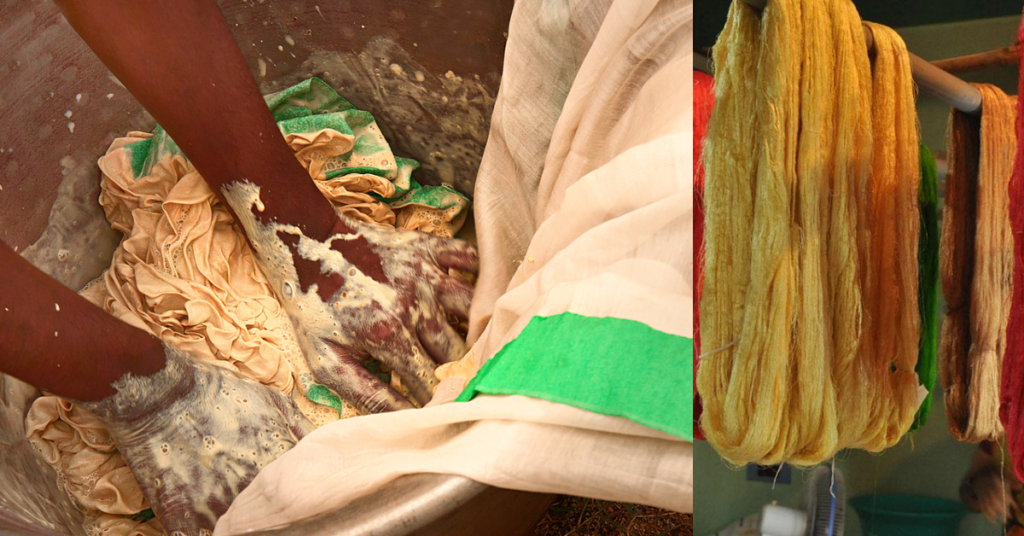
Silk Thread Processing – Raw silk is boiled, dyed, and spun.
Warping and Wefting – Threads are arranged on the loom.
Hand Weaving – Patterns are intricately woven using jacquard techniques.
Zari Embellishment – Gold and silver threads enhance the saree’s beauty.
Finishing and Polishing – The saree undergoes a final check before being packed.
Modern Innovations in Silk Production
With rising demand, weavers are not only incorporating computer-aided designs but also using chemical-free dyes to cater to contemporary tastes while still retaining traditional elements.
Exploring Srikalahasti Silk Weaving Units
Layout and Organization of Weaving Centers
Srikalahasti’s weaving clusters accommodate multiple artisans, with each artisan specializing in dyeing, weaving, or embroidery.
Meet the Skilled Artisans
The craft is a family tradition, with skills passed down from generation to generation. Conversations with artisans reveal their dedication, patience, and passion for weaving.
Daily Life in a Weaving Unit
A typical day begins at sunrise, with artisans setting up their looms, preparing the threads, and weaving meticulously for hours. Women often assist in finishing touches and embroidery.
Challenges Faced by Weavers
Low Wages – Despite their skill, many weavers struggle financially.
Competition from Power Looms – Mass production threatens traditional handlooms.
Limited Recognition – Many artisans lack direct access to large markets.
The Artistry of Srikalahasti Saree Designs
Iconic Motifs and Patterns
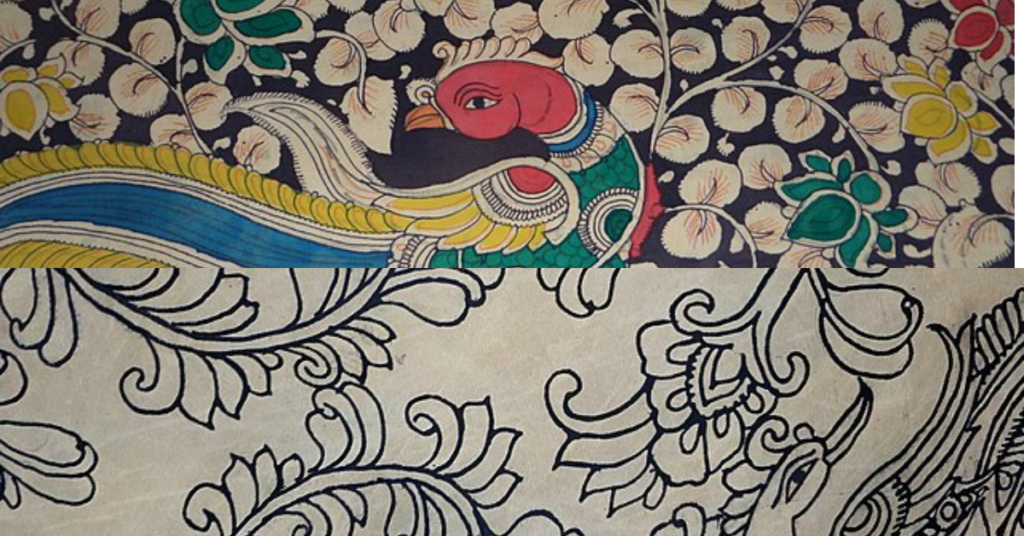
Designs often draw inspiration from temple sculptures, peacocks, mango motifs, and floral patterns.
Color Palettes and Their Significance
Traditional colors include deep reds, vibrant blues, emerald greens, and royal purples, often symbolizing prosperity and spirituality.
Customization Options for Buyers
Many artisans offer bespoke designs, allowing buyers to personalize borders, motifs, and colors.
Blending Tradition with Contemporary Trends
Modern variations include lighter sarees with pastel hues and fusion designs, catering to younger audiences while retaining the essence of tradition.
Each saree undergoes rigorous checks for texture, weave strength, and design accuracy.
Finishing Touches and Embellishments
Additional zari work, embroidery, and polishing enhance the final look.
Packaging and Distribution
Artisans carefully fold sarees, wrap them in muslin cloth, and package them for sale in local and international markets.
Caring for Your Srikalahasti Silk Saree
Dry clean only to maintain the silk’s sheen.
Wrap in muslin and store in a cool, dry location.
Avoid direct sunlight to prevent fading.
Supporting the Srikalahasti Silk Industry
Eco-Friendly Practices in Silk Production
Many weaving units have adopted natural dyes and organic silk production to reduce environmental impact.
Fair Trade Initiatives for Weavers
Organizations and NGOs promote ethical sourcing and better wages for artisans.
Government Schemes and Support
Handloom Development Programs – Financial aid and training.
Silk Mark Certification – Ensures authenticity and boosts sales.
How Consumers Can Contribute to Sustainability
By purchasing handwoven sarees directly from weavers or certified stores, buyers support artisans and help preserve this heritage.
The Global Appeal of Srikalahasti Silk
International Recognition and Awards
Srikalahasti silk has received accolades at global textile exhibitions and is gaining prominence in international markets.
Export Markets and Demand
Countries like the USA, UK, and Singapore have a growing demand for handcrafted Indian silk sarees.
Srikalahasti Silk in High Fashion
Renowned designers incorporate Srikalahasti silk into fusion wear and contemporary couture.
Preserving the Art for Future Generations
Encouraging young weavers, government initiatives, and digital marketing are key to keeping the craft alive.
Srikalahasti Silk Saree Gallery
Visiting the Srikalahasti Silk Weaving Units
A visit to Srikalahasti is incomplete without exploring its silk-weaving units. These small workshops, often run by families, offer a firsthand experience of the saree-making process. Tourists can witness artisans at work and even purchase sarees directly from the weavers.
Best Places to Visit
Local Handloom Cooperative Societies – Ideal for purchasing authentic silk sarees at fair prices.
Traditional Weaving Villages – Explore areas where artisans continue to weave sarees using age-old techniques.
Government Emporiums – A great place to buy certified Srikalahasti silk sarees.
Must-Buy Silk Products
Besides sarees, visitors can also find silk dupattas, dress materials, and stoles made using the same traditional techniques. These make for beautiful souvenirs and gifts.
For the Best Deals for Flights And Hotel Click here
Final Thoughts: A Timeless Weave of Tradition & Elegance
Srikalahasti silk sarees are not just garments; they are stories woven in silk. From their sacred origins to their modern evolution, these sarees carry the legacy of India’s finest craftsmanship.
So, next time you drape a Srikalahasti silk saree, remember—you are wearing a piece of history, woven with devotion and artistry.
Have you ever worn or purchased a Srikalahasti silk saree? Share your experience in the comments below!ce.
For more travel guides and tips, visit TravellerKaka.com. Happy travels!
Frequently Asked Questions
1. What makes Srikalahasti silk sarees unique?
Srikalahasti silk sarees are renowned for their pure silk fabric, intricate zari work, and vibrant colors. They are entirely handwoven, making each saree a unique piece of art.
2. What is the best time to visit Srikalahasti for shopping?
The best time to visit Srikalahasti for shopping and sightseeing is between October and March when the weather is pleasant.
3. How long does it take to weave one saree?
A single Srikalahasti silk saree can take anywhere from 15 days to 3 months, depending on the complexity of the design and the craftsmanship involved.